Education
Here, you'll find simple, accessible learning resources developed with expert guidance.
From foundational content to digestible flashcards, these tools are designed to make key agriculture, health, and cultural concepts easier to understand, helping build stronger foundational knowledge over time.



Not sure where to start?
Find a topic.

No se encontraron resultados.
Learn with Flashcards
Agroecology
is a holistic approach to farming that applies ecological principles to design and manage sustainable food systems. It harnesses natural processes — like biodiversity, nutrient cycling, and predator-prey dynamics — to enhance soil health, control pests and diseases, and ensure long-term fertility, minimizing reliance on external inputs. Unlike regenerative agriculture, which primarily restores soil and ecosystem functions on farms, agroecology encompasses social and cultural dynamics, integrating indigenous knowledge systems, community resilience, and local food systems for systemic change.

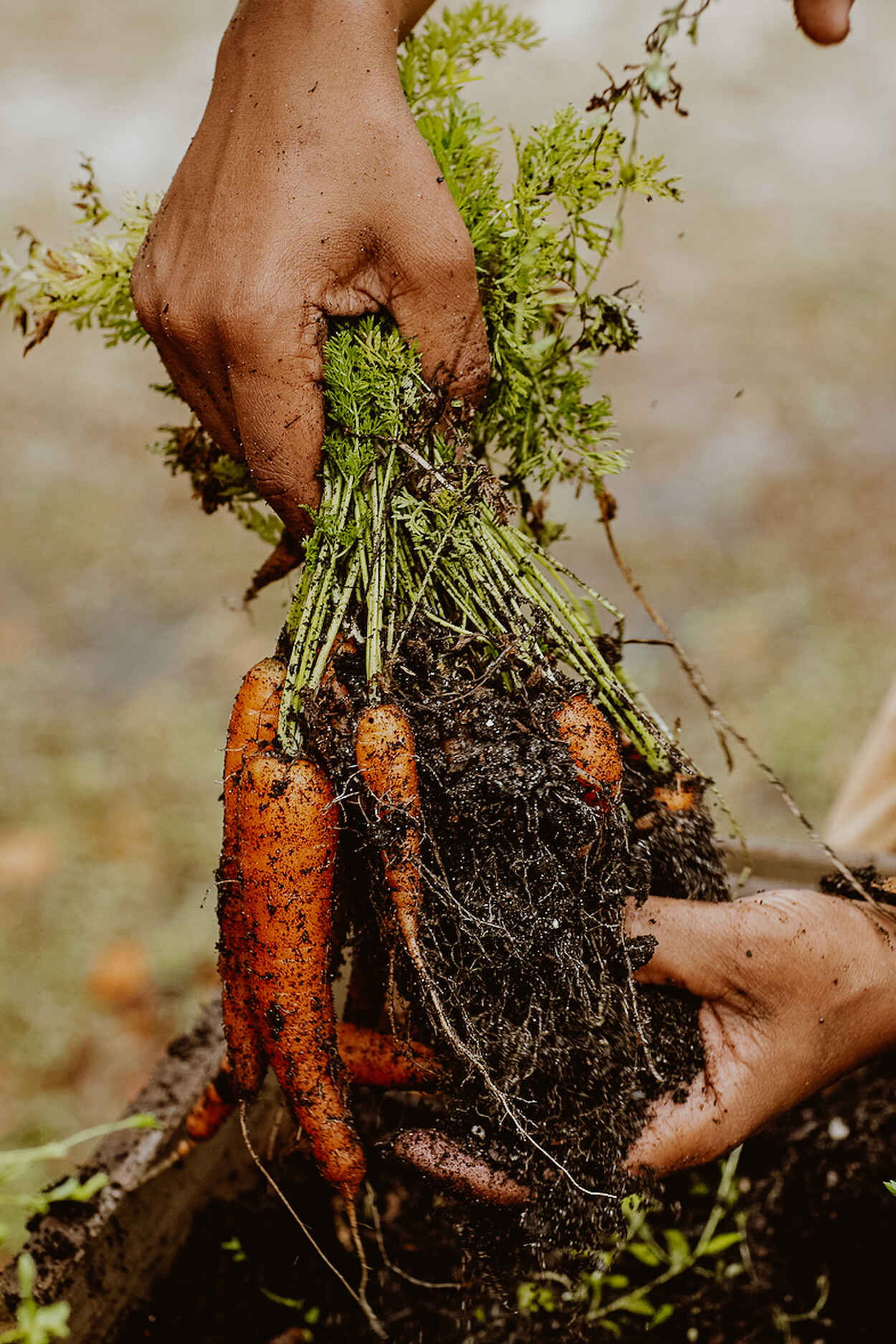
Nutrient density
the concentration of beneficial nutrients in food that support human health. Influenced by how food is grown and processed, research on nutrient density suggests that regenerative and traditional farming systems that build healthy soils and biodiverse ecosystems can produce more nutrient-dense foods.
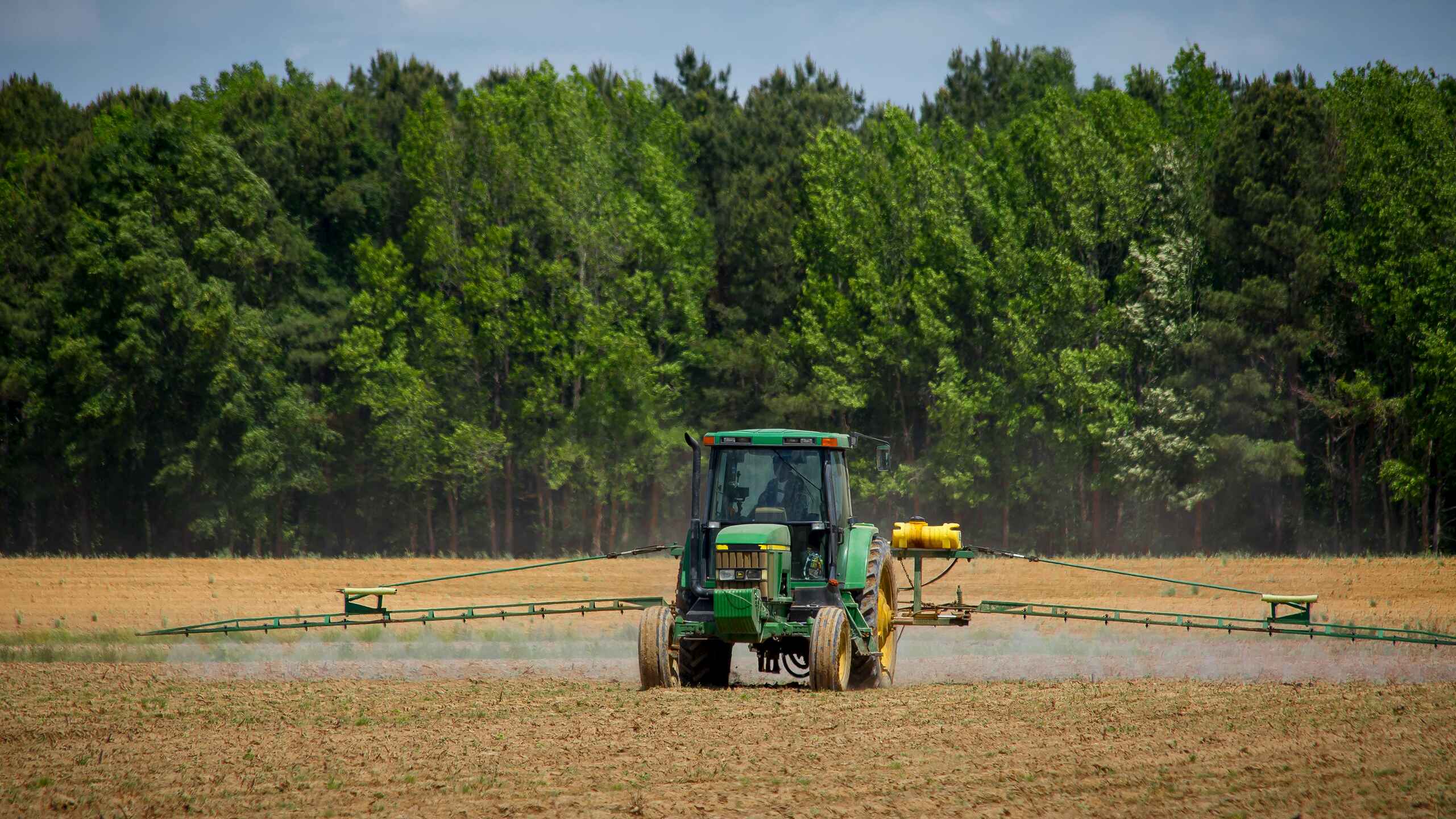
Agrochemical
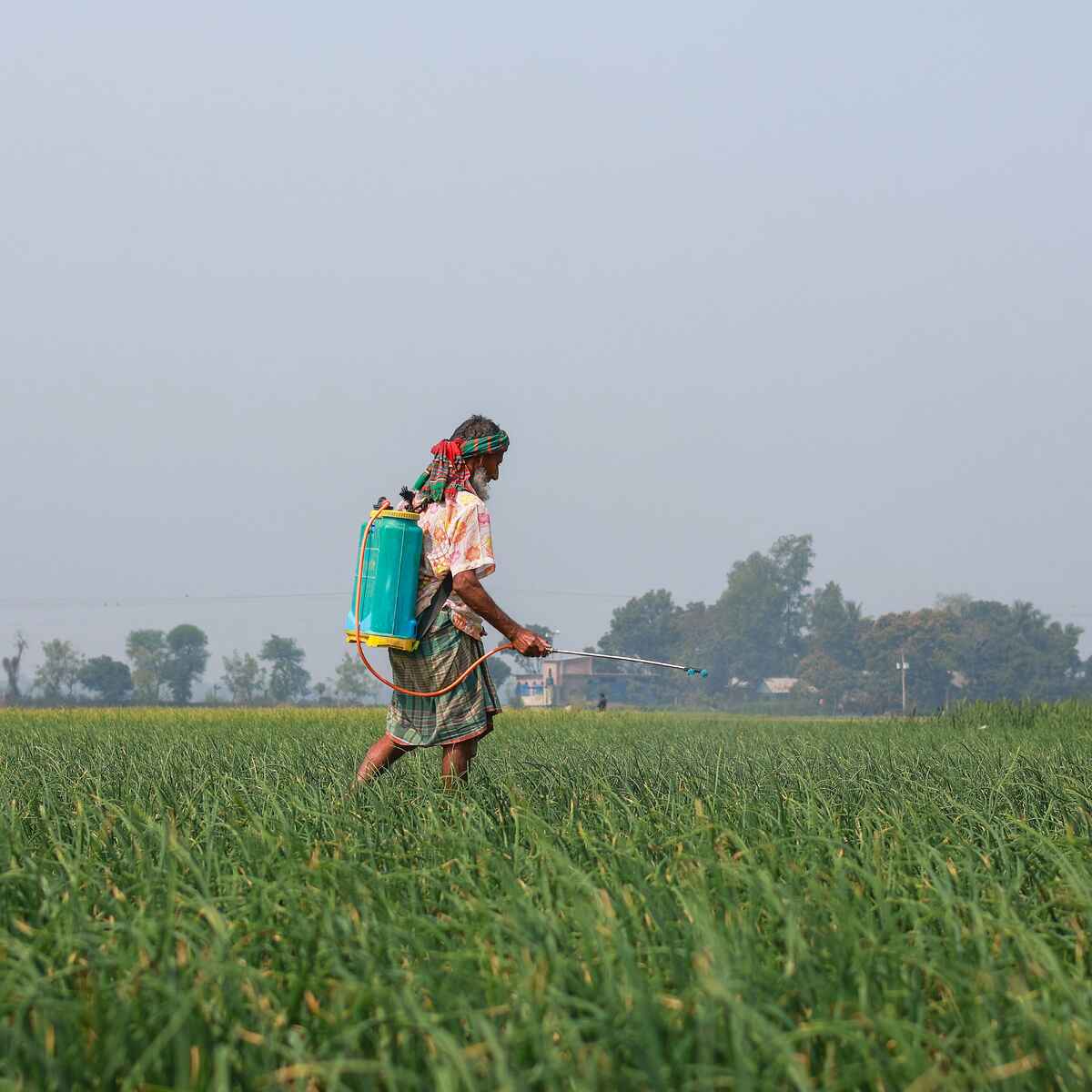
an umbrella term which refers to any chemical used in agriculture, including pesticides, fertilizers, hormones, or soil treatments. Similar to how all herbicides are a type of pesticide, all pesticides are a type of agrochemical.

Gut microbiome
the community of trillions of microbes (mostly bacteria, but also viruses, fungi, and archaea) that live in the digestive system, especially the large intestine. It helps break down food, produce vitamins, support the immune system, and regulate metabolism, hormones, and brain function - making it essential to overall human health.

Resources
Our downloadable guides unpack key issues shaping today’s food and agricultural systems. Each one offers practical takeaways so you can turn understanding into meaningful, real-world impact.
Learn about the regenerative movement and find your place within it.