Elle is a communications leader with 15 years experience in audience engagement and mission-led storytelling, who translates food system topics into clear, human education
Industrial vs Organic vs Regenerative Agriculture: What’s the Difference?
Understanding how different farming systems shape our food, health, and landscapes
Why Types of Farming Systems Matter
The way food is grown influences far more than what ends up on our plates. Farming practices shape soil health, water systems,
biodiversity
Flashcard
Biodiversity
(biological diversity) refers to the full variety of life on Earth: the diversity within species, between species, and across entire ecosystems. It includes everything from microorganisms and fungi to plants, animals, and the living communities they form together. Biodiversity supports the balance and resilience of these systems, creating the conditions in which life can flourish.
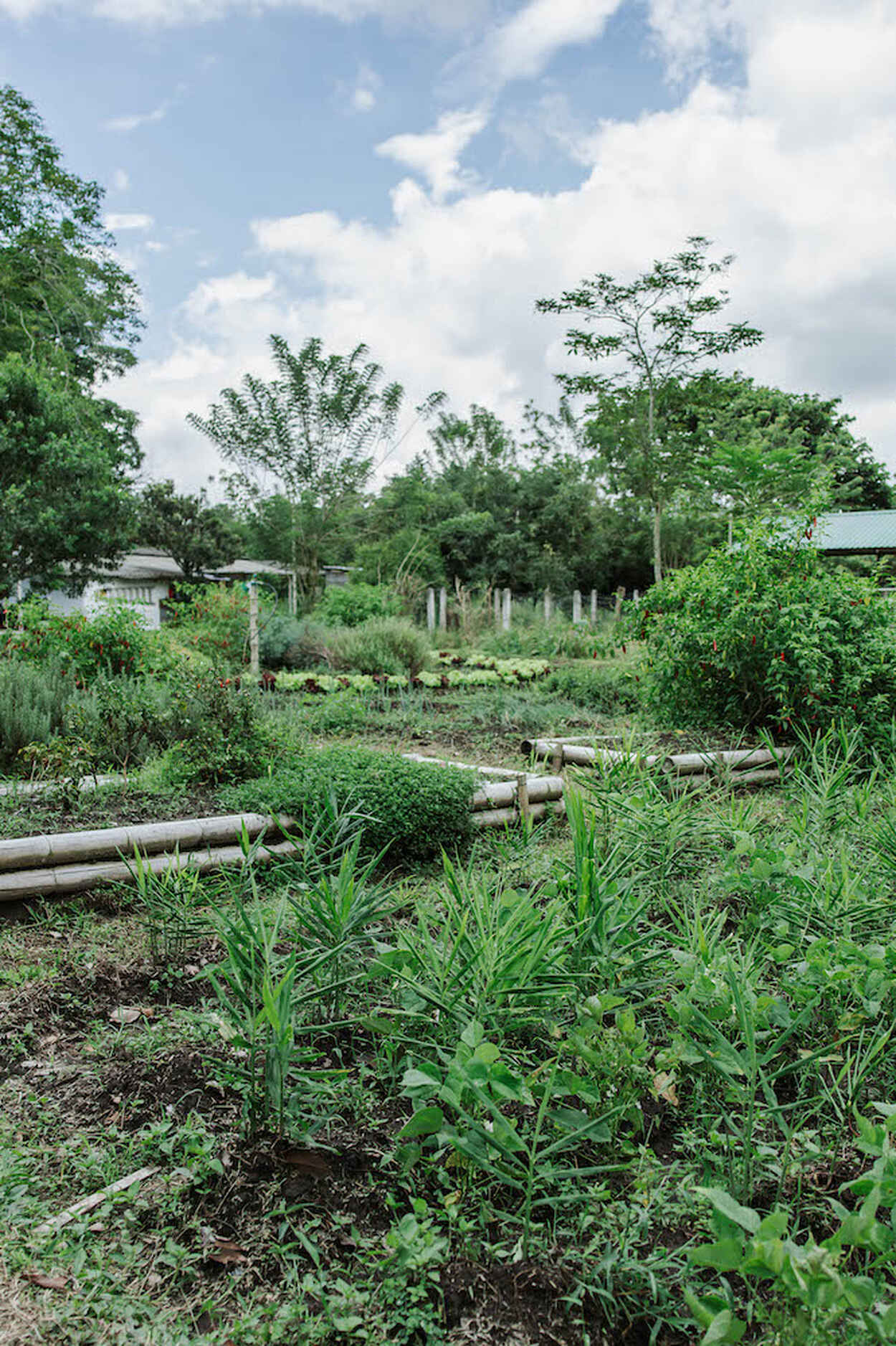
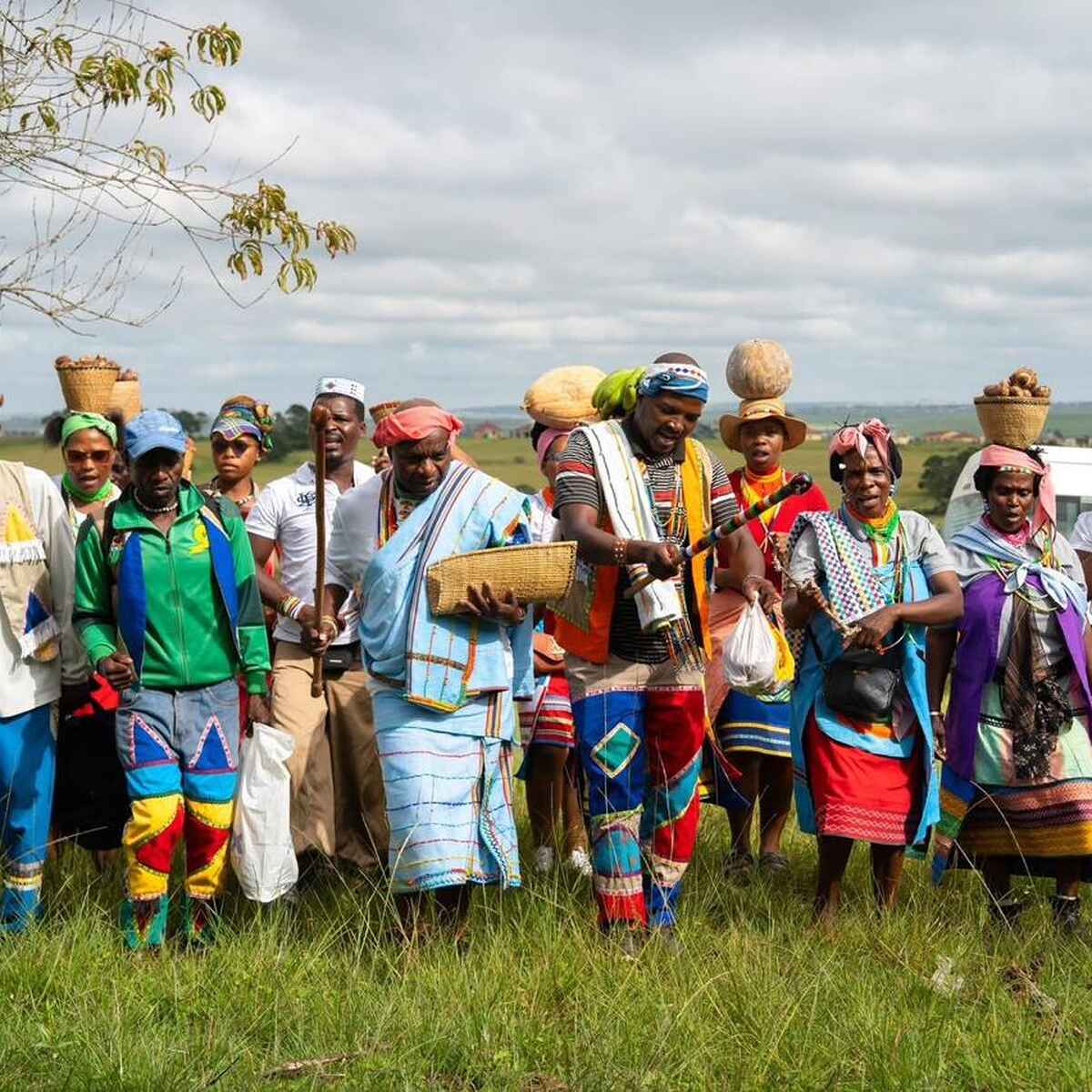
For most of human history, agriculture was rooted in relationship with the land. Across cultures, people developed place-based ways of growing food that worked with seasonal cycles, local ecosystems, and the living processes that sustain fertility over time. Many Indigenous food and land stewardship traditions have long held this understanding, tending landscapes with deep ecological knowledge and responsibility. What we now call organic or regenerative principles are, in many ways, a continuation of these much older ways of farming.
Today, much of the world’s food is produced through industrial agriculture, a system that emerged through mechanization, synthetic chemicals, monocultures, and the push for efficiency and yield at scale.designed to maximize efficiency and yield at large scale. In response to the ecological and human health impacts that we have come to know to be true of this model, organic farming has reasserted the importance of growing food without synthetic pesticides and fertilizers, while supporting soil health through more natural inputs and practices. Regenerative agriculture builds on that foundation, with a stronger focus on restoring ecological function, especially in the soil, while also improving water cycles, biodiversity, and resilience across the whole farm system.
Understanding these differences helps illuminate the truth that agriculture is never only about production. It is also about how we relate to the living systems that food depends on, and whether those systems are being depleted or renewed.
1. Industrial Agriculture
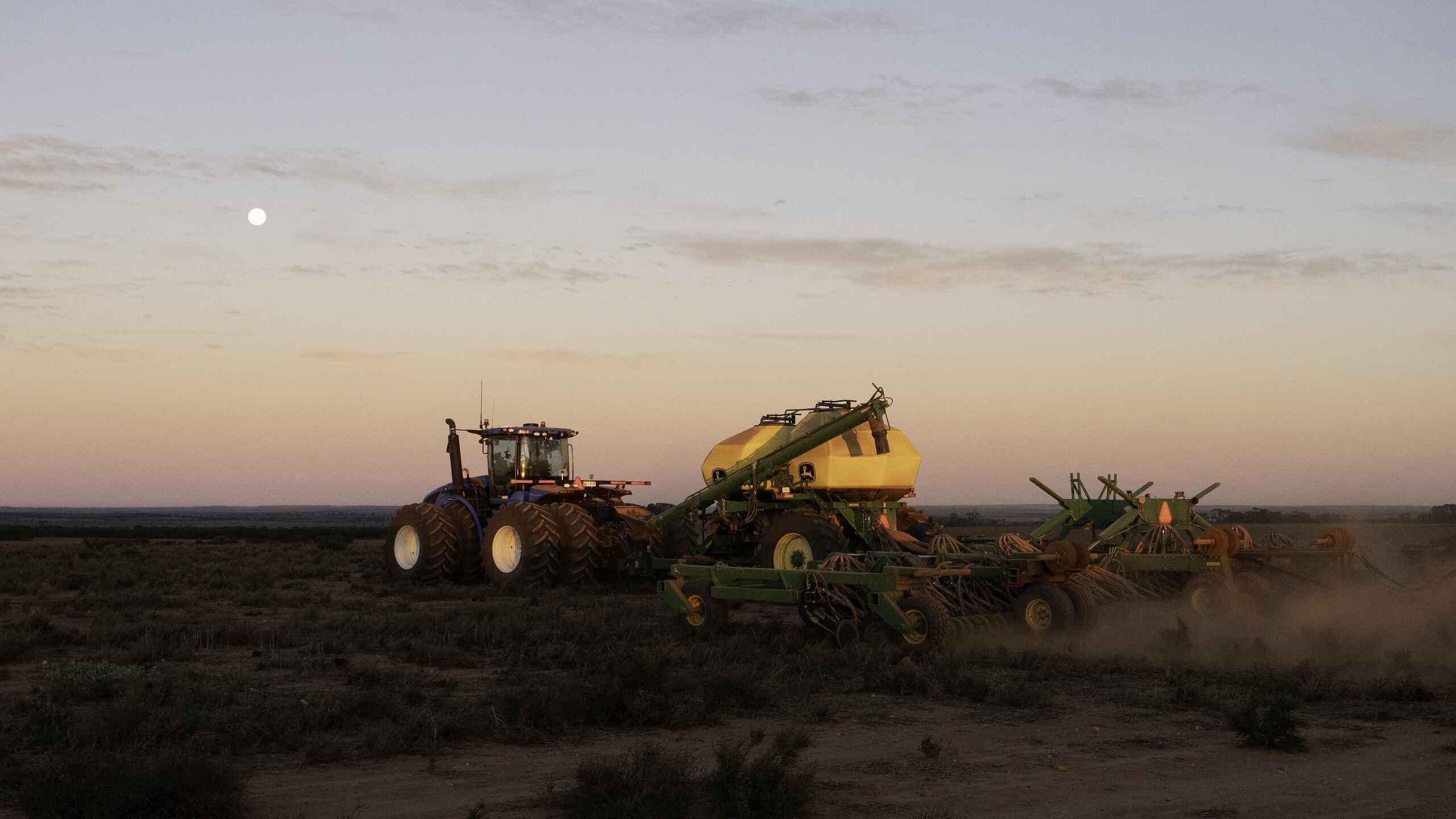
Industrial agriculture refers to the large-scale farming systems that dominate food production today. These systems are designed primarily to maximize efficiency and yield, often through specialization, mechanization, and the use of synthetic inputs.
A century ago, most farms looked very different. In the early 1900s, farms were typically diversified, meaning they produced a variety of crops and animals together on the same land (Farm Size and the Organization of U.S. Crop Farming, 2013). Farmers grew vegetables, grains, and fruit while also raising animals such as chickens, pigs, or cattle. These different parts of the farm worked together. Animals provided manure that helped fertilize crops, while crops helped feed livestock.
Farmers were skilled in many trades and had a great deal of autonomy in how they managed their land. Most farm work was done by people or animals, and livestock were generally raised with access to the outdoors.
Over the course of the twentieth century, agriculture became increasingly industrialized. One major shift was specialization. Instead of producing many different foods, farms began focusing on just one or two products. A diversified farmer might once have managed several crops and animals at the same time. A specialized farmer might grow only corn or soy, or raise cattle for a single stage of production.
This shift also changed the landscape of farms. Diverse farms gradually gave way to
monocultures
Flashcard
Monoculture
is the practice of growing a single crop species across the same agricultural land, often season after season, without the presence of other crops or plant diversity. It is a defining feature of industrial agriculture, where advances in mechanization and chemical inputs have enabled farmers to specialize in producing one crop at large scale. While it has increased efficiency, it impacts landscapes and communities by increasing reliance on chemicals, breaking down soil structure, reducing the land’s ability to store carbon, and exposing humans to harmful pesticides.
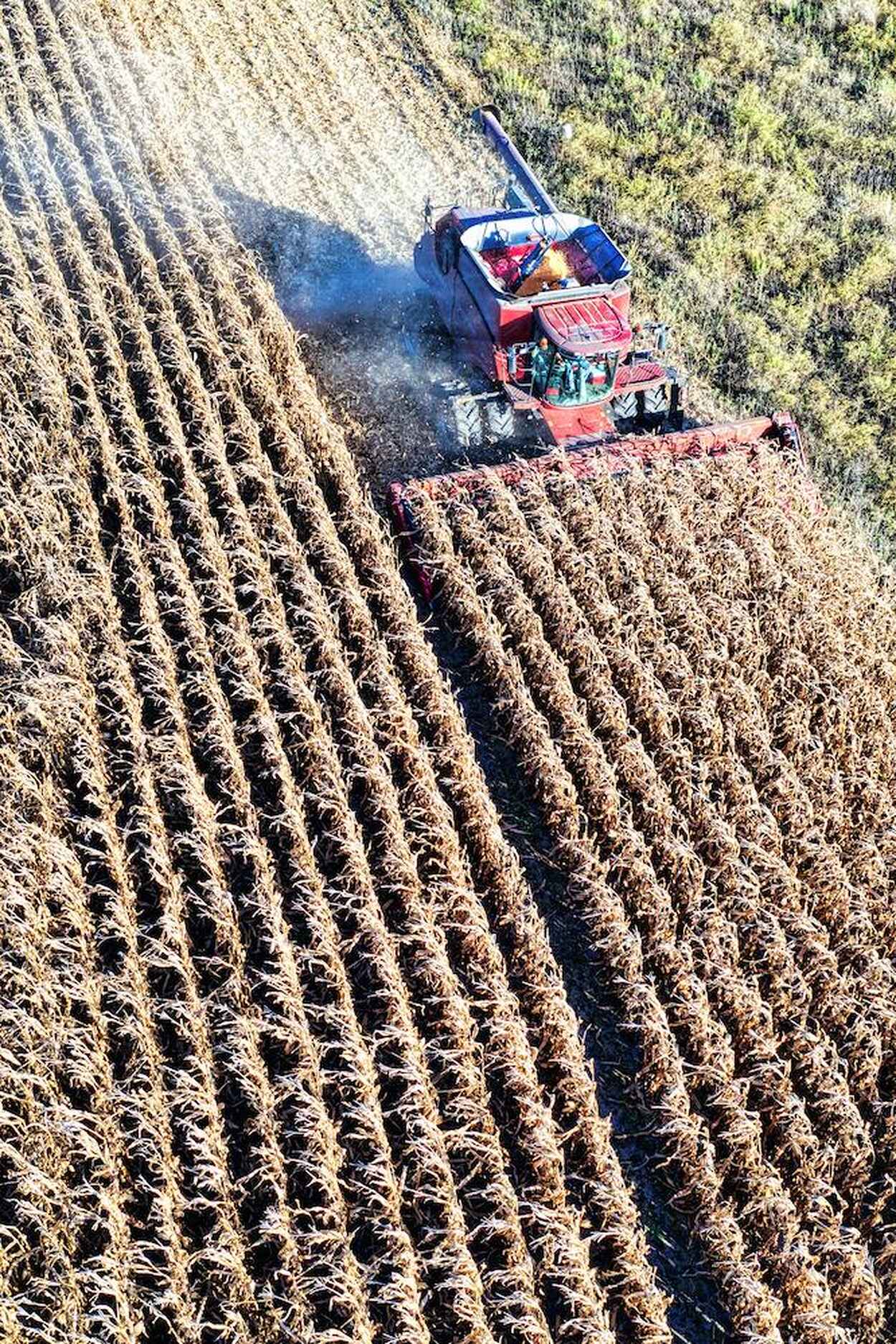
Specialization went hand in hand with mechanization. As farm tasks became more repetitive, machines replaced many forms of human and animal labor. Tractors, harvesters, milking equipment, and automated feeding systems dramatically increased efficiency. Over the twentieth century, the number of people working in agriculture declined sharply. In the United States, the agricultural workforce dropped from about 41 percent of the population in 1900 to roughly 2 percent by 2000 (The 20th Century Transformation of U.S. Agriculture and Farm Policy, 2005).
The early 1900s also saw the introduction of synthetic fertilizers and chemical pesticides, which became a defining feature of industrial crop production. These inputs helped increase yields, particularly in monoculture systems where crops lack the natural diversity that can help control pests and weeds.
In the late twentieth century, this system expanded further with the introduction of genetically engineered crops, also known as GMOs (genetically engineered organisms). Many of these crops were developed to tolerate herbicides or to produce their own insecticides, allowing farmers to manage weeds and pests more easily within large-scale monocultures. This further linked seed systems with chemical inputs and reshaped how crops are grown, managed, and distributed.
Over time, global trade expanded, and agriculture became increasingly connected across regions. Food production and supply chains began to stretch across continents, linking farms in one part of the world to consumers in another.
In many cases, this has led to a separation between where food is grown and where it is consumed. Countries with strong industrial infrastructure moved further toward mechanization and specialization, while large areas of agricultural production expanded across parts of Latin America, Africa, and Asia to supply global markets. Crops such as soy, palm oil, sugar, and cotton are now often grown at scale for export, shaping landscapes far from the places where those products are ultimately used.
This shift has also influenced patterns of labor and value. Smallholder farmers and rural communities continue to produce a significant share of the world’s food, often while carrying a high level of risk and receiving a smaller portion of the economic return. At the same time, global demand and market pressures have encouraged the adoption of industrial practices in diverse contexts, sometimes displacing traditional farming systems or reshaping them to fit export-oriented models.
Today, several practices are commonly associated with industrial agriculture. These include intensive tillage, where soil is repeatedly turned to prepare fields for planting; monocropping, the practice of growing a single crop species across large areas; and the use of synthetic fertilizers and chemical pesticides to maintain crop yields and control pests and weeds. In many regions, these systems also rely on genetically engineered crop varieties designed to perform within these input-intensive environments. In livestock production, animals are often raised in confined feeding operations designed to maximize efficiency and production within controlled environments (Industrial Agriculture 101, 2020).
These approaches have enabled significant increases in food production. Industrial agriculture has helped create supply chains capable of producing large volumes of food and delivering it to growing populations. Mechanization and specialization mean that fewer farmers are able to produce food for far more people than in previous generations.
At the same time, a growing body of research has highlighted the environmental and health challenges associated with these systems. Intensive farming practices such as monocropping and heavy chemical inputs can contribute to soil degradation and declining soil fertility over time, making land more dependent on external inputs to remain productive.
Agriculture also has significant impacts on ecosystems. Fertilizers and pesticides can enter waterways through runoff, contributing to water pollution and ecological disruption in rivers, lakes, and coastal systems.
Food production more broadly has become a major environmental force. Agriculture and food systems are responsible for roughly a quarter of global greenhouse gas emissions and use about half of the world’s habitable land, demonstrating how deeply food production shapes the planet’s climate and ecosystems.
Understanding how industrial agriculture developed helps explain why modern food systems look the way they do today, and why many farmers and researchers are now exploring alternative approaches.
2. Organic Agriculture
Organic agriculture emerged as an alternative to industrial farming, with a different set of priorities. Rather than relying on synthetic fertilizers, pesticides, and GMOs, organic systems are built around soil health, crop rotation, biological pest management, and natural fertility inputs. Under USDA organic standards, most synthetic pesticides and fertilizers are prohibited unless specifically allowed on the National List. Glyphosate, for example,
The organic I am interested in includes healthy soils, healthy food, healthy eaters, and healthy farmers. One of the great questions is "Can we move towards greater health in these systems and still have the farmers make a living?" The truth is that I don't think organic food is more expensive, if we factored in things like health costs, which we all pay for. But the truth also is that health costs are not included at the supermarket cash register. So organic food "costs more".
This is one of the clearest distinctions between organic and industrial farming. Industrial systems are largely defined by external inputs and production efficiency at scale. Organic systems are governed by standards that restrict many of those inputs and require a different relationship to soil fertility and pest management. Organic does not necessarily mean small-scale or regenerative, but it does mark a clear shift away from the chemical-intensive model that has come to define industrial agriculture.
One of the strongest areas of research around organic food is pesticide residues. Both conventional and organic foods must meet food safety standards, but organic production tends to result in lower pesticide residues. A widely cited systematic review published in Annals of Internal Medicine found that consumption of organic foods may reduce exposure to pesticide residues (C. Smith-Spangler et al, 2012). Another large review published in the British Journal of Nutrition found that organic crops had a lower incidence of pesticide residues than non-organic comparators across regions and seasons (M Barański et al, 2014). You can read more about pesticides’ impact on our food system here.
The relationship between farming practices and nutrient density has become an increasingly active area of research. Studies have found that crops grown under organic management can contain higher concentrations of certain antioxidants and lower levels of some heavy metals such as cadmium compared with conventionally grown crops. (Barański et al., British Journal of Nutrition, 2014)
Many researchers now point to soil biology as a key factor in this conversation. Healthy soils rich in microbial life help plants access a wider range of minerals and nutrients, which can influence the nutritional quality of the food produced. Because organic and regenerative systems tend to prioritize soil health and biological activity, they are often associated with practices that support nutrient-rich crops.
Organizations such as the Nutrient Density Alliance are working to deepen the scientific understanding of this relationship, compiling research and field data that explore how soil health, farming practices, and nutrient density are connected.
We explore this relationship further in our educational resource What Is Nutrient Density, which looks at the growing body of evidence linking soil biology, food quality, and human health.
The Cost Comparison
Price is often where the conversation turns. Organic food does usually cost more at the checkout. USDA’s Economic Research Service notes that organic farms often have higher production costs than conventional farms, and those costs can be influenced by higher labor requirements, certification costs, smaller supply chains, and in some cases lower yields (USDA, N.d). But as Dave Chapman points out, the price on a supermarket shelf does not reflect the full cost of food. It rarely includes the downstream impacts of soil degradation, water pollution, public health burdens, or the subsidies that help keep some industrial food artificially cheap.
Organic farming is not a perfect system, and it does not automatically guarantee ecological restoration. But it has helped establish an important baseline: food can be grown without default reliance on many of the synthetic chemicals that define industrial agriculture. In that sense, organic agriculture has opened the door to a broader conversation about what farming can look like when health, ecology, and long-term resilience are prioritized.
3. Regenerative Agriculture
Regenerative agriculture is an approach to farming that focuses on restoring ecological processes, especially soil health. Unlike organic, regenerative agriculture is practice-based rather than strictly regulated around inputs.
Regenerative agriculture is an approach to farming that focuses on restoring ecological processes, particularly soil health. Unlike organic agriculture, which is defined through national and regional certification standards that regulate which inputs may be used, regenerative agriculture is generally guided by principles and ecological outcomes.
Because regenerative agriculture is not governed by a single universal certification system, it can be harder to define in strict terms. At the same time, this flexibility allows regenerative practices to be adapted to place. Farming in a dry grassland, a tropical region, or a temperate cropping system may look very different, and regenerative approaches encourage farmers to respond to the specific soil, climate, and ecological conditions of their land.
At times, discussions around organic and regenerative agriculture can become polarized. In reality, the two approaches share many common goals. Both emerged as responses to the ecological and health challenges associated with industrial agriculture. Both prioritize healthier soils, reduced reliance on harmful chemicals, and long-term agricultural resilience. Many farmers today draw from both traditions as they work to improve the health of their land.
Several research institutions and farmer networks have helped shape the modern understanding of regenerative agriculture. Organizations such as the Rodale Institute, the Soil Health Institute, and the Food and Agriculture Organization’s Agroecology Knowledge Hub have published research exploring how soil-focused farming practices can improve ecosystem resilience, biodiversity, and long-term productivity.
While regenerative agriculture continues to evolve, a set of guiding principles commonly appears across most regenerative systems:
Minimal soil disturbance (reducing or eliminating intensive tillage)
Continuous living roots in the soil through cover crops or perennial plants
Diverse crop rotations that increase biological diversity
Integration of livestock where appropriate to cycle nutrients and build soil fertility
Increasing soil organic matter to improve soil structure and nutrient cycling
Restoring biodiversity both above and below ground
Together, these principles aim to rebuild the living systems that agriculture depends upon. When soil biology is supported and landscapes regain diversity, farms often become more resilient to drought, flooding, and other environmental stresses.
To learn more about the origins and complexities of the regenerative movement, read our foundational piece “What Is Regenerative Agriculture?” here.
Can Food Production Benefit Our Bodies and the Planet?
As we explored in Understanding Our Food System, the way we farm matters. Agricultural practices influence soil health, water systems, biodiversity, climate stability, and human wellbeing.
Growing food occupies roughly half of the world’s habitable land and accounts for about 70 percent of global freshwater withdrawals, making it one of the most influential forces shaping the Earth’s ecosystems (Our World in Data, 2023; FAO, 2020). The choices made about how food is grown therefore have significant consequences for the health of landscapes and communities.
These relationships extend beyond the land itself. Through our educational content, What is Nutrient Density, we explored how emerging research continues to uncover how agricultural practices influence the nutrient density of food and the microbial ecosystems connected to both soil and human health. Scientists increasingly recognize that soils, plants, animals, and human bodies are linked through biological systems that exchange nutrients, microbes, and chemical compounds across the food chain (Montgomery & Biklé, 2020).
Healthy soils help produce nutrient-dense foods, support diverse microbial life, and retain water within landscapes. These same qualities influence how food nourishes the human body and supports metabolic health. While research in this area continues to evolve, it is becoming increasingly clear that farming practices cannot be separated from the health of the ecosystems within our bodies. You can dive deeper into these links by reading How Regenerative Agriculture Supports Your Health.
Yet hope grows here.
Encouragingly, farming systems that rebuild soil health and biodiversity can allow landscapes to recover while continuing to produce food. Practices that reduce soil disturbance, increase crop diversity, and maintain living roots in the ground have been shown to improve soil structure, water retention, and ecosystem resilience over time (Soil Health Institute, 2019; Rodale Institute, 2020).
These approaches suggest that food production does not have to exist in opposition to environmental health. When ecological processes are supported, farms can become places where food production and ecosystem restoration move together.
A System Still Evolving
Agriculture has always adapted to new knowledge, technologies, and environmental realities. Today, as farmers, scientists, and communities respond to climate pressures and changing landscapes, conversations about how food is grown continue to evolve.
No single farming model fits every landscape.
Climate, soil types, cultural traditions, and economic conditions vary widely across regions, meaning that solutions must remain flexible and grounded in place.
Across many parts of the world, however, a growing body of research and farmer experience is pointing toward the importance of soil health, biodiversity, and ecosystem function in supporting resilient food systems. Farmers are experimenting with practices that rebuild soil structure, reduce reliance on synthetic inputs, and restore relationships between crops, animals, and landscapes, proving their benefit to both human and planetary health
Barański, M., Srednicka-Tober, D., Volakakis, N., Seal, C., Sanderson, R., Stewart, G. B., Benbrook, C., Biavati, B., Markellou, E., Giotis, C., Gromadzka-Ostrowska, J., Rembiałkowska, E., Skwarło-Sońta, K., Tahvonen, R., Janovská, D., Niggli, U., Nicot, P., & Leifert, C. (2014). Higher antioxidant and lower cadmium concentrations and lower incidence of pesticide residues in organically grown crops: a systematic literature review and meta-analyses. The British journal of nutrition, 112(5), 794–811. https://doi.org/10.1017/S0007114514001366
ifp Energies nouvelle. (N.d,). Soils, carbon sinks and climate players. ifp Energies nouvelle.https://www.ifpenergiesnouvelles.com/issues-and-foresight/decoding-keys/climate-environment-and-circular-economy/soils-carbon-sinks-and-climate-players
Smith-Spangler, C., Brandeau, M. L., Hunter, G. E., Bavinger, J. C., Pearson, M., Eschbach, P. J., Sundaram, V., Liu, H., Schirmer, P., Stave, C., Olkin, I., & Bravata, D. M. (2012). Are organic foods safer or healthier than conventional alternatives?: a systematic review. Annals of internal medicine, 157(5), 348–366. https://doi.org/10.7326/0003-4819-157-5-201209040-00007
Más Artículos Educativos




Apoya nuestro trabajo
Mantente conectado
Recibirás nuestro boletín mensual Field Notes, actualizaciones de proyectos y recursos gratuitos, además de acceso prioritario a nuevas historias.

Haz una donación
Tu donativo deducible de impuestos impulsa las historias que transforman la cultura, la organización que convierte la conciencia en acción colectiva y las relaciones que hacen posible el cambio sistémico a largo plazo.