Melanie has a background in research and healthcare, with expertise in human physiology and preventive care, connecting food systems and human health.
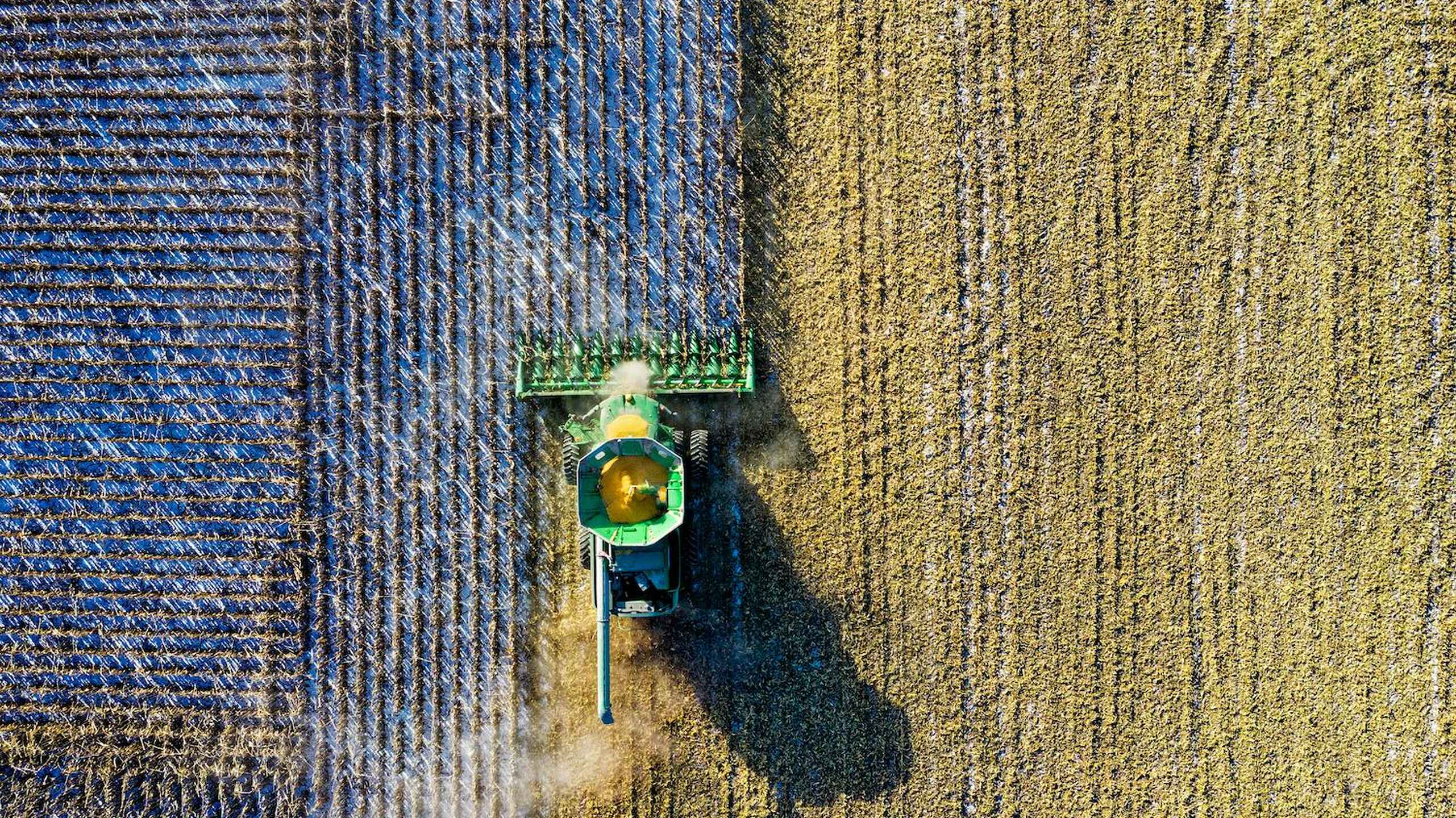
How Industrial Agriculture Is Quietly Shaping Your Health
From pesticides to ultra-processed foods, industrial agriculture is reshaping soil health, reducing nutrient density, and influencing the rise of chronic disease.
While many things in the world are up for debate, some ideas are still widely agreed upon - including that the food we eat directly affects our health.
What’s far less clear is what actually makes food “healthy.”
There are countless food cultures and beliefs about eating around the world, and we’re not here to say one diet is better than another. What constitutes healthy can look different depending on your body, your culture, and what’s available to you.
But when trying to have a “healthy diet”, we often miss something important. It’s not just what we eat that matters, but how it is grown. The soil it comes from, the practices used to produce it, and the system behind it all shape how food affects our bodies. Even well-intentioned diets can fall short when food is grown in lifeless soil, relies on genetically modified seeds heavily sprayed with pesticides, is highly processed, or is produced through the mistreatment of animals.
Regenerative agriculture is an approach that takes local context into account and focuses on growing the most nutrient-dense food possible while supporting the health of the soil, environment, and the people who grow it. At its core, it recognizes that food is meant to nourish, and the way it is grown directly shapes how our bodies function and feel.
To understand its full potential, we first need to understand its counterpart - the industrial agriculture system, including how it rose to power and how it directly impacts our health, everyday.
The Rise of Industrial Agriculture has Drastically Shifted the Food Supply
Before the 1900s, and still in many communities around the world today, food is grown by peasant and indigenous farmers in rural farming communities. This food supports local economies, which revolve around farms and markets. These farmers grow a wide variety of fruits, vegetables, and animal products specific to their region, with the primary intention of feeding their families and nearby communities.
In the mid-1900s, a new model of farming took hold -
industrial agriculture
Flashcard
Industrial agriculture
a large-scale, highly mechanized approach to farming that has become the dominant model of food production in much of the world. Shaped by industrialization and later accelerated by the Green Revolution, it is typically defined by monocultures, heavy reliance on synthetic fertilizers and chemical pesticides, specialized production systems, and an emphasis on maximizing yield, efficiency, and profit at scale. Systems commonly associated with industrial agriculture include factory farming, intensive feedlots, and large-scale single-crop production known as monocultures.

A primary characteristic of industrial agriculture is the prioritization of producing a large volume of a small number of
commodity crops
Flashcard
Commodity crops
plants grown at scale within industrial systems, designed for high-volume trade and most often used for animal feed, biofuels, or the production of ultra-processed foods. They are known as “commodity” crops because they are standardized and treated in the market as interchangeable, regardless of where or by whom they were grown. In the industrial system, they are valued for their uniformity and tradability, which makes them profitable, but also helps drive the simplification of landscapes, diets, and supply chains. Common examples include corn, soy, wheat, and cotton.
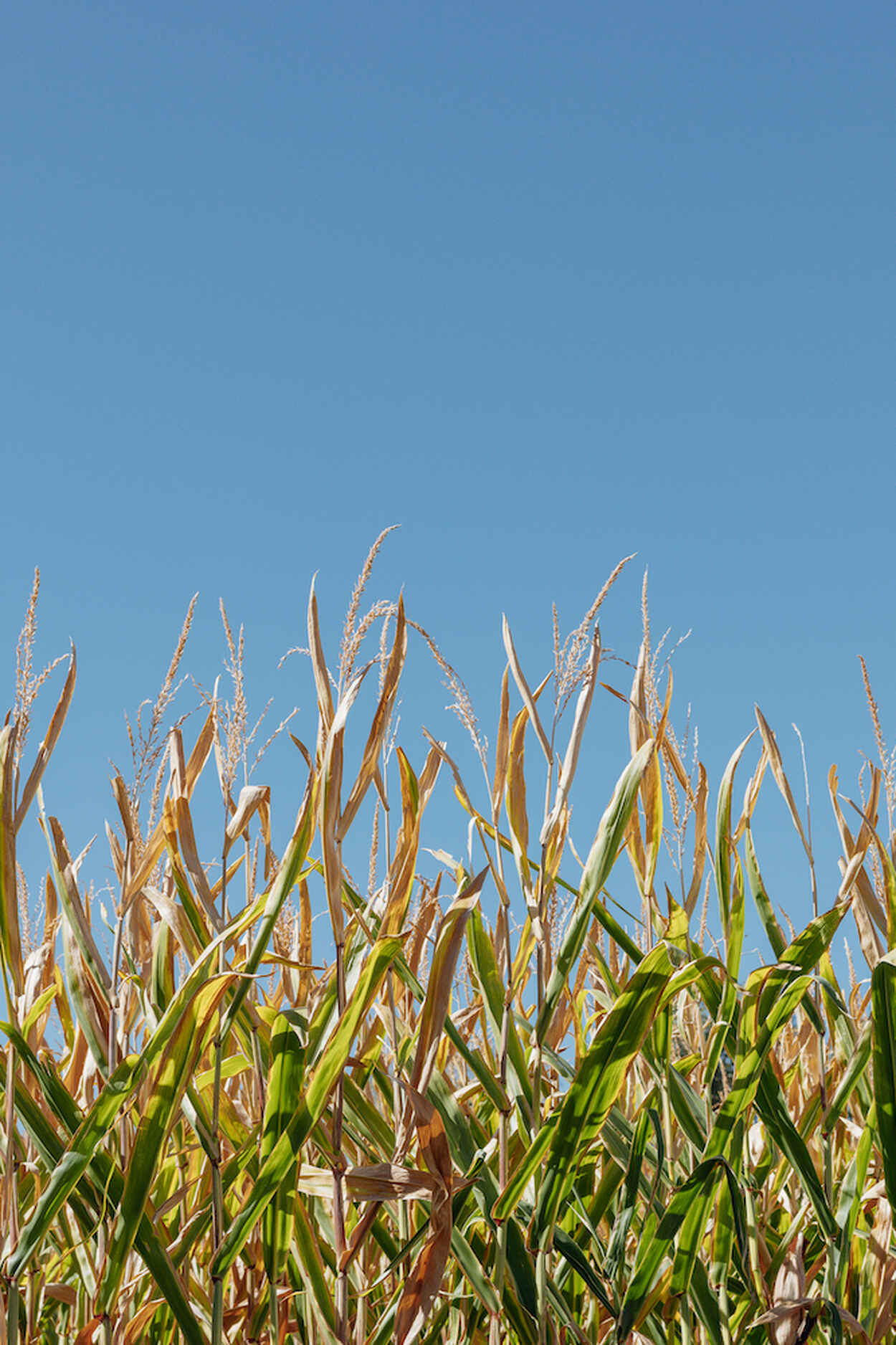
It also reshaped entire global food systems.
Now, instead of growing a diverse array of fruits and vegetables for their local communities, rural farmers and farm workers have been incentivized or strong-armed into growing single crops, often not native to that region, and selling them into global supply chains. In many cases, as this food is exported, these same communities are left facing some of the highest levels of food insecurity.
It's relevant to mention that in this system, only 55% of the world’s crops actually go towards feeding people (National Geographic Magazine). Instead, they are largely funneled into animal feed, fuel production, or lost altogether as wastage. What does reach our plates is often processed into inexpensive products known as
ultra-processed foods (UPFs)
Flashcard
Ultra-processed foods (UPFs)
food products made from refined ingredients and additives, rather than whole foods that are minimally processed. Ingredients are typically extracted from foods (oils, starches, and sugars) or chemically modified. Because these foods are designed for convenience, shelf life, and hyper-palatability, they often contain cosmetic additives such as flavorings, colorings, emulsifiers, and preservatives. UPFs are high in calories, added sugars, unhealthy fats, and sodium, while being low in fiber and essential nutrients, making them harmful to human health.
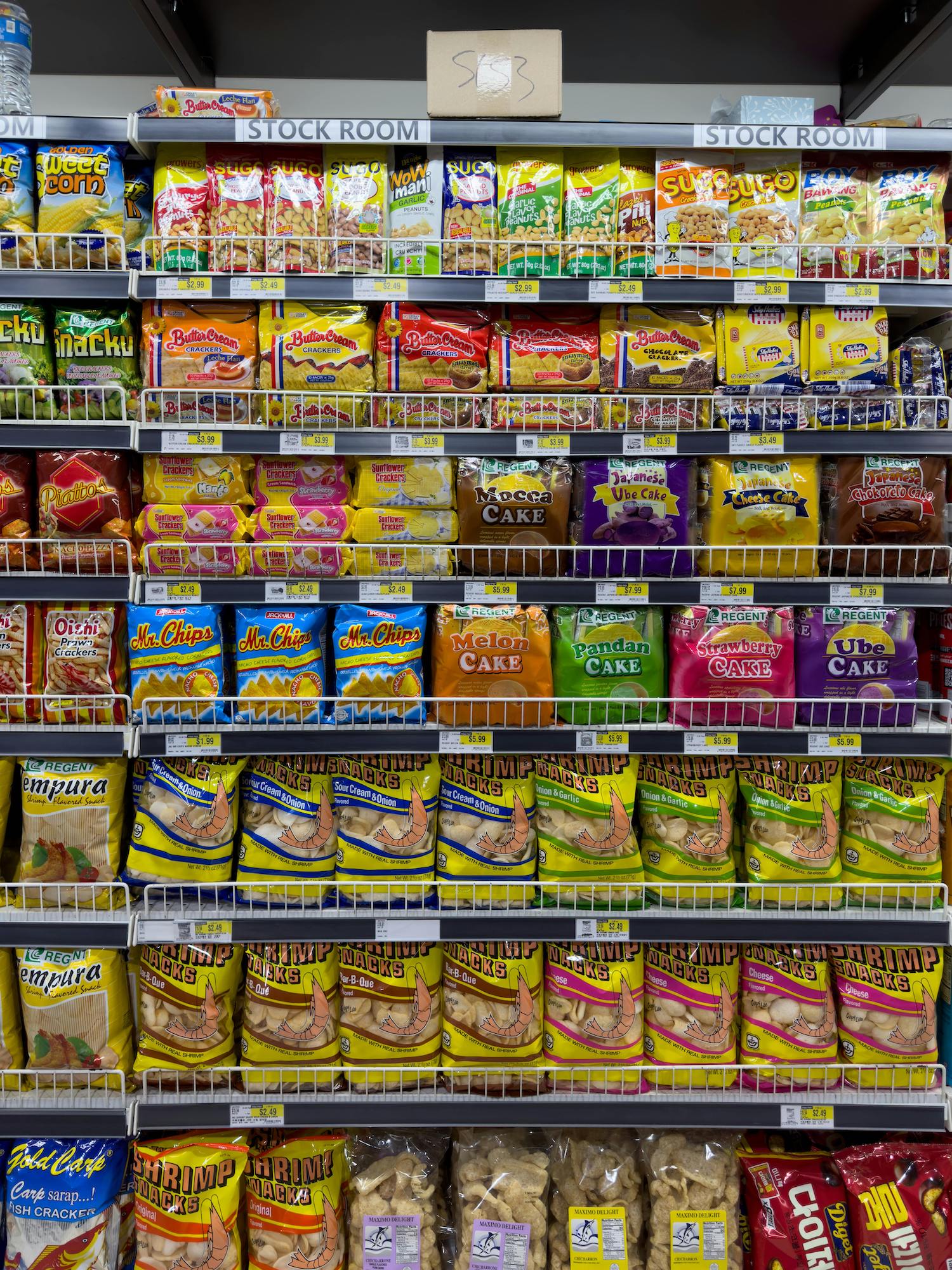
Because of this, our diets have become less diverse.
It's estimated that, globally, 60% of all dietary calories comes from just three crops - rice, corn, and wheat (United Nations Environmental Programme, 2024).
The Connection Between Farming and Human Health is Often Overlooked
Farmer’s Footprint was founded in 2019 by Dr. Zach Bush, a triple board-certified physician in endocrinology, hospice, and internal medicine. While practicing in rural Virginia, he - like many physicians - was witnessing rising rates of disease, including cancer, in his patients.
This raised an important question: could the way our food is grown be contributing to the health challenges being seen every day?
To better understand this, our team created Regeneration: The Beginning, a short film featuring farmers from across the United States. Through these conversations, we began to see clear patterns linking farming practices to both environmental decline and human health outcomes.
While we found strong connections between how food is grown and the rise in disease, we also discovered a growing farmer-led movement toward regenerative agriculture. This movement pointed to a different path - one that has the potential to support both human health and the health of the land.
The rise of industrial agriculture is complex, shaped by global history, economics, and culture. This section is a starting point. Below, we break down four primary ways this system impacts the health of you and your family - and the hope that exists when we remember it hasn’t always been this way, and it doesn’t have to be our future.
Industrial Farming Practices are Reducing the Nutrients in Our Food
Healthy soil breaks down
organic matter
Flashcard
Organic matter
also known as soil organic matter (SOM), is any living or dead plant and animal material. It includes plant roots, animals, and remains at various stages of decomposition, along with microorganisms and their excretions. On farms, main sources are plant litter (roots, stubble, leaves, mulch) and animal manures. Earthworms and microorganisms decompose these materials, releasing nutrients for plant uptake. The end product is humus, a stable, crumbly material that stores nutrients, holds moisture, and improves soil structure.
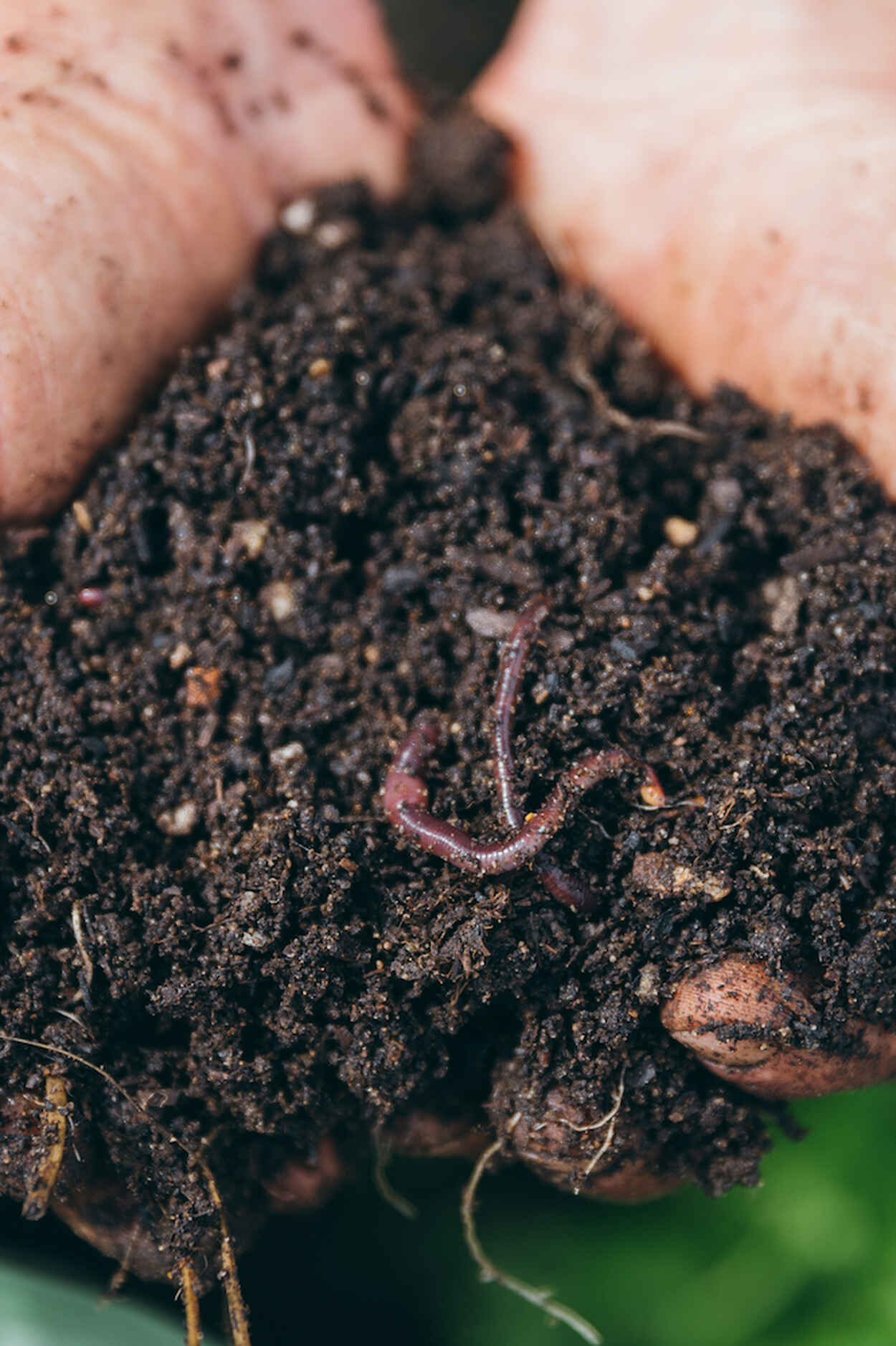
Studies show however, that over the past 50 to 70 years, nutrient density in many fruits and vegetables has declined by between 25 and 50% (or more). This decline is linked to changes in farming practices like excessive tilling, heavy pesticide and fertilizer use, and a lack of living roots and microbial life in the soil. Without roots, bacteria, and fungi, soil cannot function as a healthy, living system (Bhardwaj et al., 2024).
Additionally, growing research points to a decline in the diversity of cultivated crop varieties. The introduction of genetically modified seeds has narrowed the range of crops we grow and limited farmers’ ability to save seeds year over year - seeds that would otherwise adapt to local climates and soils, often resulting in healthier, more nutrient-dense crops (Davis, et al., 2004).
In simple terms, when soil health declines, the food grown in it becomes less nutritious - and that directly impacts our health. Scientists warn that this loss of nutrition is a growing threat to future generations (Bhardwaj et al., 2024).
Humans are Being Exposed to Harmful Pesticides
Pesticides affect human health in two main ways.
Firstly, they affect soil health and the nutrient density of our food, as we discussed above. Secondly, people are directly exposed to pesticide residues through food, water, and the environment. Once inside our bodies, these chemicals can interfere with important systems that keep us healthy and disease free.
A key example is
glyphosate
Flashcard
Glyphosate
the active ingredient in the weed killer RoundUp and the most widely used herbicide globally. It has been classified as a “probable human carcinogen” by the IARC, and human exposure has been linked to negative effects on reproductive, neurological, and metabolic health.

Alarmingly, studies have found that most of us test positive for residues of glyphosate in our bodies with reports showing traces in the urine of 80% of adults and 87% of children tested (Environmental Working Group, 2025).
“[With glyphosate] you are wiping out the cooperative workforce of bacteria and mitochondria that make a human cell capable of being alive.”
Another widely used herbicide is atrazine which has been linked to reproductive issues and impacts on the cardiovascular, kidney, nervous, and immune systems (Hayes et al., 2010; Holliman et al., 2025). The USDA Agricultural Chemical Use Survey (2021) found that atrazine was applied to 66% of corn acres across major U.S. growing regions. However, its use is less common globally as it has been banned in 63 countries due to its health effects (The Case for Banning Atrazine, n.d.).
Both glyphosate (2015) and atrazine (2025) have been classified as "probably carcinogenic to humans" (Group 2A) by the International Agency for Research on Cancer (IARC). This means there is strong evidence that they are likely to cause cancer in humans.
More broadly, research has time and time again shown strong links between pesticide exposure and serious disease. A 2024 study found that in some regions, the connection between pesticide use and cancer may be as strong as the link between smoking and cancer. Higher rates of leukemia, non-Hodgkin’s lymphoma, and other cancers were found in areas with heavy pesticide use (Gerkin et al., 2024).
This burden is not evenly distributed. It disproportionately affects vulnerable communities in low- and middle-income countries, where agriculture is a primary source of livelihood and a large share of the population works in small-scale farming in rural areas.
Every year, an estimated 385 million people - about 44% of the world’s farming population - are poisoned by pesticides in the course of their work, with roughly 11,000 cases resulting in death (Roger, 2024).
The Rise of Ultra-processed Foods has Changed the Modern Diet
Monoculture
Flashcard
Monoculture
is the practice of growing a single crop species across the same agricultural land, often season after season, without the presence of other crops or plant diversity. It is a defining feature of industrial agriculture, where advances in mechanization and chemical inputs have enabled farmers to specialize in producing one crop at large scale. While it has increased efficiency, it impacts landscapes and communities by increasing reliance on chemicals, breaking down soil structure, reducing the land’s ability to store carbon, and exposing humans to harmful pesticides.
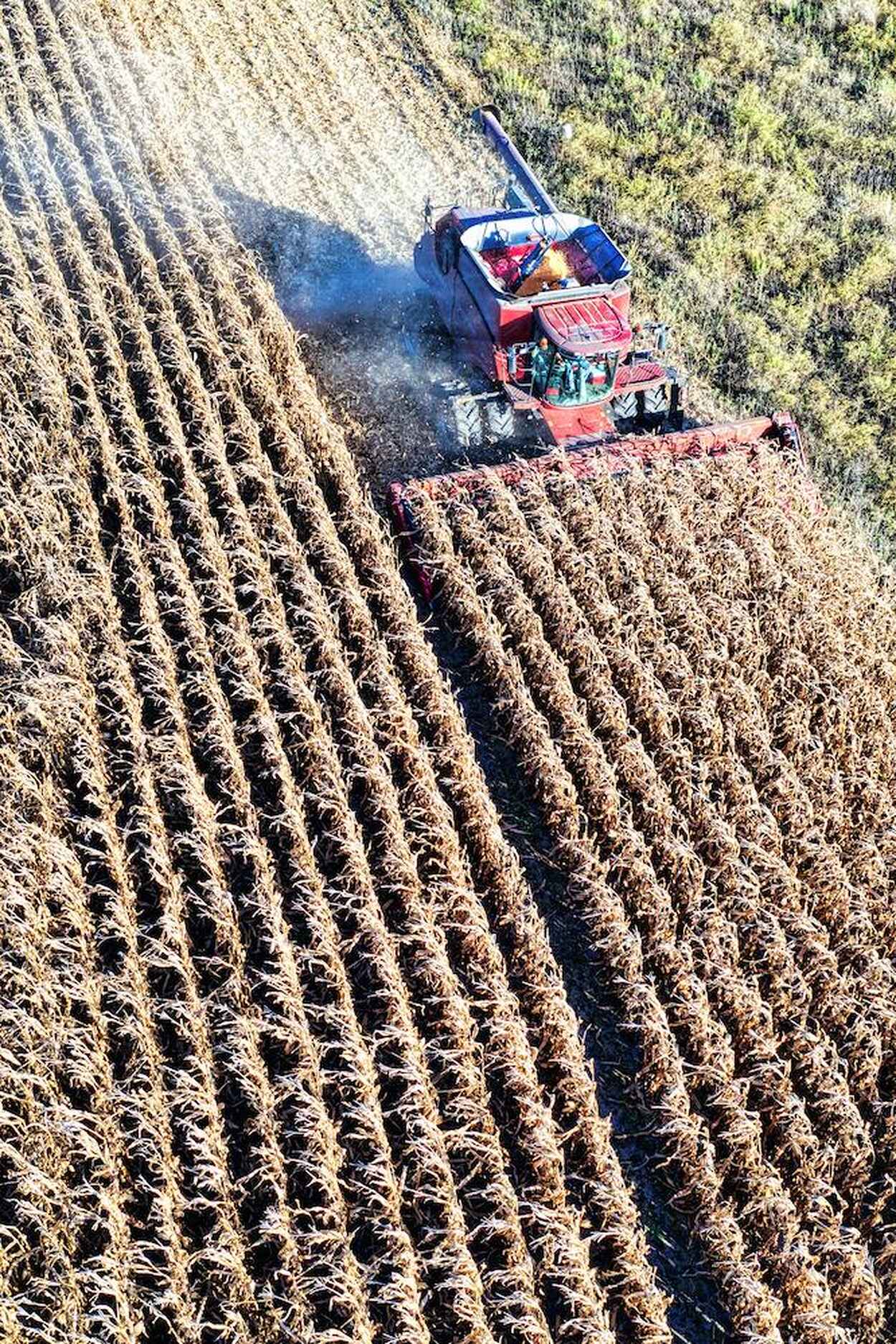
Today, about 75% of the world’s food comes from just 12 plant species and 5 animal species and in the United States, more than half of all food is directly or indirectly derived from corn (Miller, 2021; Pollan, 2007).
As a direct result, ultra-processed foods (UPFs) dominate the food supply. About 70% of the U.S. food supply is made up of UPFs, and children get more than 60% of their calories from them (U.S. Food & Drug Administration, 2025).
These foods are high in calories but low in nutrients and fiber. They don’t keep you full, which can lead to overeating. Studies show that people who eat the most ultra-processed foods have a 31% higher risk of early death. These diets are also linked to obesity, type 2 diabetes, heart disease, and dementia (Kim & Rebholz, 2019).
Factory Farming is an Animal Welfare and Human Health Crisis
In the industrial food system, large-scale animal farming now dominates the meat industry.
These operations go by different names around the world - factory farms, megafarms, and
Concentrated Animal Feeding Operations (CAFOs)
Flashcard
CAFO
A commonly used abbreviation for Concentrated Animal Feeding Operations.
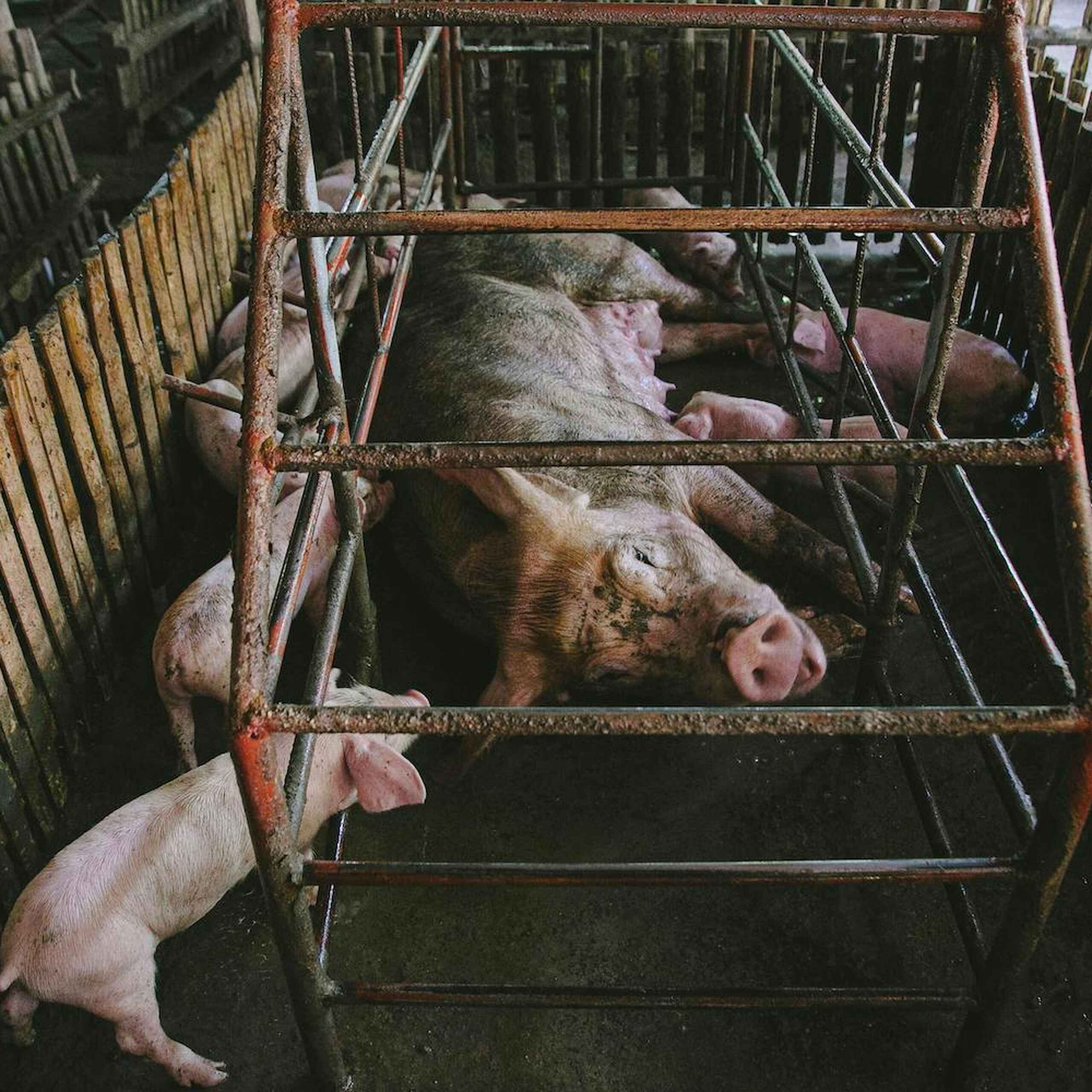
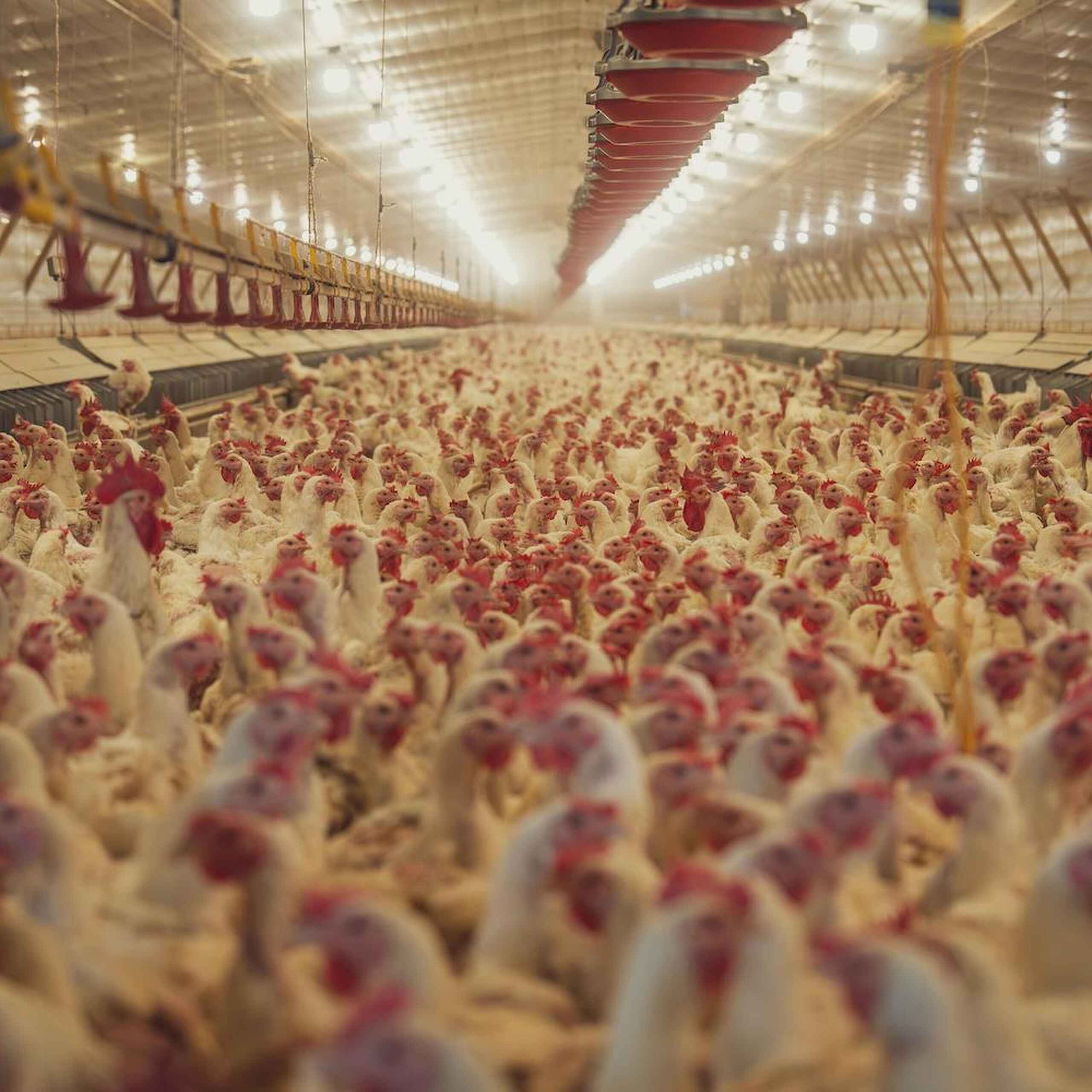
Also known as factory farms and megafarms around the world, these systems confine animals like cows, pigs, chickens, and turkeys indoors, with little or no access to the natural environments they evolved to thrive in. Animals are often fed corn-based diets to maximize growth, and they are often slaughtered young. The goal is to move as many animals through the system as possible, with less consideration for the well-being or health of the animals being raised.
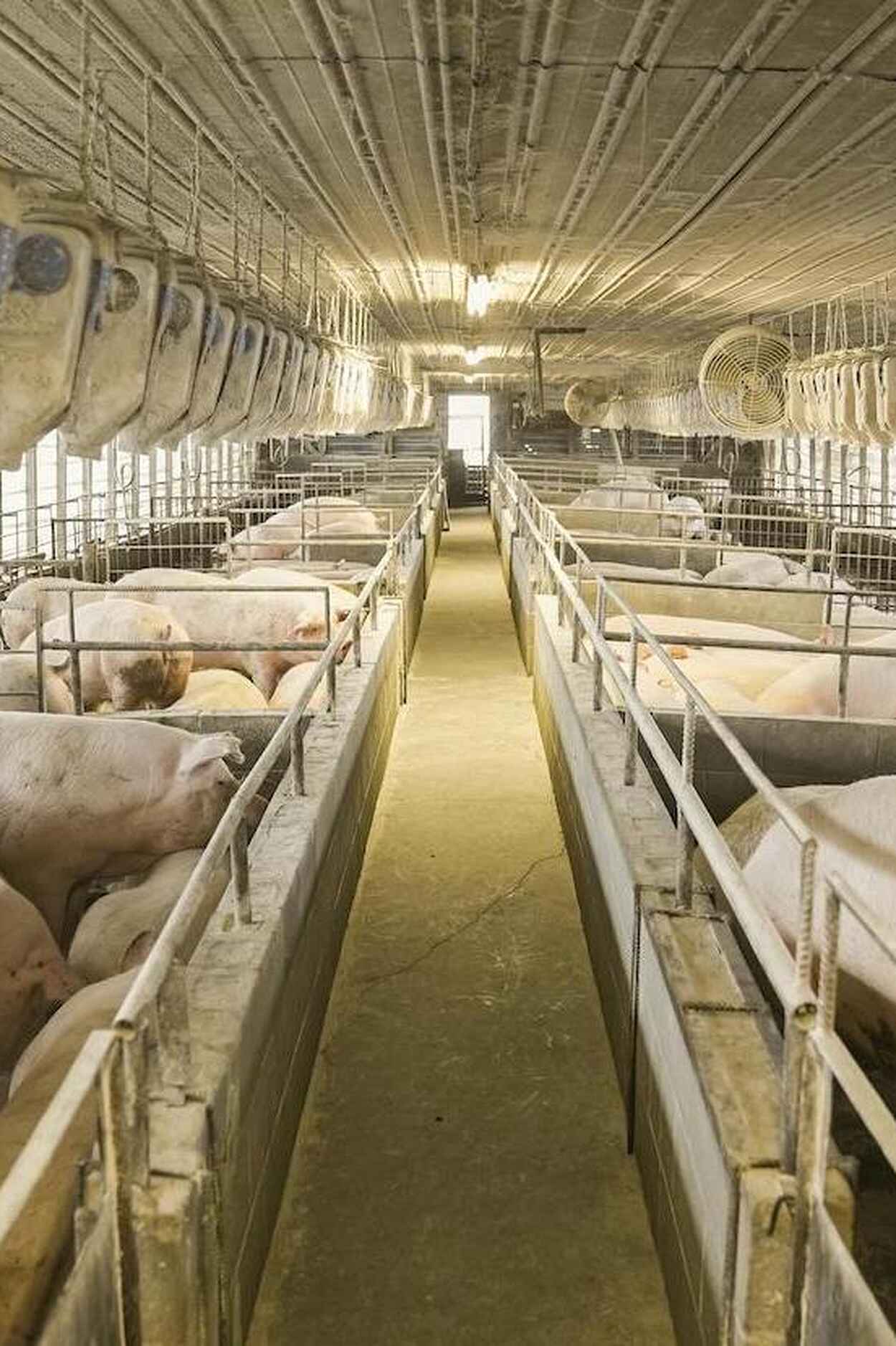
In the United States, nearly 99% of farmed animals are raised this way. Globally, about 74% of land-based livestock are factory farmed (Ritchie, 2023). At any given time, roughly 23 billion animals are living in these conditions - more than twice the human population (Ritichie, 2023).
These impacts may seem separate, but they all stem from the same mechanisms that underpin the industrial system.
CAFOs greatest harm is to the animals themselves
Animals in these systems often never see the light of day, spending their entire lives in dirty, overcrowded enclosures. Their existence is short and completely removed from the natural roles they would normally play in an ecosystem.
This suffering is not separate from our own. Even if we don’t see it directly, we are all interconnected - and the mistreatment of animals reflects a broader harm to our planet and ourselves.
When animals suffer, we suffer.
Eating animal products from these systems also directly affects human health
We are what our food eats: Ruminants raised in CAFOs are typically fed corn instead of grass or hay, with about 39% of all corn grown in the world going to feedlots (World Economic Forum, 2021). Because these animals are not designed to digest corn, rather than use it as fuel, they convert it into fat. This makes them grow bigger, faster - creating the conditions for higher production and profit.
In nature, a steer takes about 2 to 3 years to reach slaughter weight on grass. In feedlots using a corn-based diet, that time is reduced to about 14 to 18 months.
As a result, meat from cattle and sheep raised in CAFOs has a much higher Omega-6 to Omega-3 ratio (around 15:1), compared to about 3:1 in pasture-raised meat (Dalley et al., 2010). This matters for human health because high Omega-6 levels are linked to inflammation in the body.Antibiotics in farming are fueling resistant bacteria: About 80% of all antibiotics used in the U.S. are given to animals in CAFOs. This overuse allows bacteria to evolve resistance, leading to the rise of antibiotic-resistant strains (Young, 2023). As a result, nearly one in four bacteria found in retail meat is resistant to three or more types of antibiotics, making foodborne illnesses harder to treat (Dall, 2025).
Added Hormones Can Disrupt Human Biology: Meat from hormone-treated animals can raise levels of insulin-like growth factor - 1 (IGF-1) in humans, which is linked to certain cancers (Allen et al., 2002; Shanmugalingam et al., 2016).
Pre-slaughter stress impacts the quality of meat: Pre-slaughter stress has been shown to alter the biochemical composition of meat, influencing both fat metabolism and protein structure. These changes affect how the meat behaves and tastes, shaping qualities such as tenderness, water-holding capacity, and shelf life, which ultimately influence the eating experience for consumers (Foury, 2025).
CAFO waste is driving environmental decline
Globally, livestock in factory farms produce an estimated 3.12 billion tons of manure each year (FAOSTAT, 2026). In the United States alone, that number reaches roughly 470 million tons annually (USDA, 2022).
In natural systems, this waste plays an important role. It helps fertilize the soil by returning nutrients to the living microbes in the ground. But in factory farms, waste builds up in large amounts and becomes a pollutant.
This waste can contaminate waterways through run-off, while gases like methane pollute the air. As a result, CAFO waste poses a serious threat to water quality, air quality, and overall environmental health.
Communities living near these operations are often the most affected. Children in these areas have higher asthma rates - as much as 25% compared to 12% in other communities (University of Iowa, 2006). Workers are also at risk, with up to 70% experiencing respiratory illness each year (Pohl & Lee, 2024).
Hope Can be Found in Regenerative Practices
This industrial system may feel like the ‘normal’ way of producing food, when in actuality it didn’t even exist a little over a hundred years ago. When we remember that, we’re reminded that this is not the only way to grow our food - and it’s not a system we have to rely on.
Farming and land stewardship can, and should, be done differently.
Right now, as you read this, there are millions of people around the world farming in ways that are native to the land and rooted in the practices of the people who have stewarded it for generations.
In the United States - and countries like India, Brazil, China, and Argentina where versions of this industrial blueprint have been spread - there are still farmers growing food in ways that nourish both land and people rather than diminishing them. By working with the natural systems - soil, climate, and ecosystems - farmers can grow food in ways that support both feeding the world and our collective health.
There is no one-size-fits-all model, but there are shared principles that focus on rebuilding soil, reducing chemical inputs, and raising animals in a way that honors them.
These changes don’t just benefit the land - they directly improve outcomes for us. Healthier soil can lead to more nutrient-dense food. Fewer chemicals mean less exposure in our bodies. And better animal systems can improve the quality of the food we eat. This is the foundation of regenerative agriculture.
We don’t just eat food - we eat the system that grows it.
Allen, et al., (2002). The associations of diet with serum insulin-like growth factor I and its main binding proteins in 292 women meat-eaters, vegetarians, and vegans. Cancer epidemiology, biomarkers & prevention : a publication of the American Association for Cancer Research, cosponsored by the American Society of Preventive Oncology, 11(11), 1441–1448.
Cani, P. D., & de Vos, W. M. (2020, September 24). Separating the Empirical Wheat From the Pseudoscientific Chaff: A Critical Review of the Literature Surrounding Glyphosate, Dysbiosis and Wheat-Sensitivity. Frontiers. Retrieved October 24, 2025, from https://www.frontiersin.org/journals/microbiology/articles/10.3389/fmicb.2020.556729/full
CDC finds toxic weedkiller in 87 percent of children tested. (2022, July 11). Environmental Working Group. Retrieved October 24, 2025, from https://www.ewg.org/news-insights/news-release/2022/07/cdc-finds-toxic-weedkiller-87-percent-children-tested
Costas-Ferreira, et al., (2022, April 21). Toxic Effects of Glyphosate on the Nervous System: A Systematic Review. PubMed Central. Retrieved October 24, 2025, from https://pmc.ncbi.nlm.nih.gov/articles/PMC9101768/
Daley, et al., (2010). A review of fatty acid profiles and antioxidant content in grass-fed and grain-fed beef. Nutrition journal, 9, 10. https://doi.org/10.1186/1475-2891-9-10
Dall, C. (2025, June 18). Analysis highlights bacterial contamination, multidrug-resistance, in retail meat samples. University of Minnesota. Retrieved April 1, 2026, from https://www.cidrap.umn.edu/foodborne-disease/analysis-highlights-bacterial-contamination-multidrug-resistance-retail-meat
Davis, D. R., Epp, M. D., & Riordan, H. D. (2004). Changes in USDA food composition data for 43 garden crops, 1950 to 1999. Journal of the American College of Nutrition, 23(6), 669–682. https://doi.org/10.1080/07315724.2004.10719409
FAOSTAT. (2026, March 23). Food and Agriculture Organization. Retrieved March 25, 2026, from https://www.fao.org/faostat/en/#data
Foury, et al., (2005). Stress hormones, carcass composition and meat quality in Large White×Duroc pigs. Meat science, 69(4), 703–707. https://doi.org/10.1016/j.meatsci.2004.11.002
Gerken, et al., (2024) Comprehensive assessment of pesticide use patterns and increased cancer risk. Front. Cancer Control Soc. 2:1368086. doi: 10.3389/fcacs.2024.1368086
Goldman, et al., (2023). Risk of Parkinson Disease Among Service Members at Marine Corps Base Camp Lejeune. JAMA neurology, 80(7), 673–681. https://doi.org/10.1001/jamaneurol.2023.1168
Holliman, A. G., Mackay, L., Biancardi, V. C., Tao, Y. X., & Foradori, C. D. (2025). Atrazine’s effects on mammalian physiology. Journal of Toxicology and Environmental Health, Part B, 28(6), 435–474. https://doi.org/10.1080/10937404.2025.2468212
International Agency for Research on Cancer. (2015, March 20). Evaluation of five organophosphate insecticides and herbicides. IARC Monographs, 112, 1 - 2. Retrieved October 24, 2025, from https://www.iarc.who.int/wp-content/uploads/2018/07/MonographVolume112-1.pdf
International Agency for Research on Cancer. (2025, November 21). IARC Monographs evaluate the carcinogenicity of atrazine, alachlor, and vinclozolin. IARC. Retrieved April 1, 2026, from https://www.iarc.who.int/wp-content/uploads/2025/11/QA-Mono-Vol140.pdf
Kim & Rebholz (2019). Ultra-processed food intake and mortality in the USA: results from the Third National Health and Nutrition Examination Survey (NHANES III, 1988-1994). Public health nutrition, 22(10), 1777–1785. https://doi.org/10.1017/S1368980018003890
Moulton, C. (2025, Janurary 15). Food shopping? Research reveals realities of ultra-processed foods. Northeastern Global News. Retrieved March 23, 2026, from https://news.northeastern.edu/2025/01/14/ultraprocessed-foods-grocery-stores/
Miller, N. (2021). The forgotten foods that could excite our tastebuds. BBC. Retrieved March 25, 2026, from https://www.bbc.com/future/bespoke/follow-the-food-test/the-forgotten-plants-that-could-excite-our-tastebuds/
National Geographic Magazine. (n.d.). Feeding 9 Billing. National Geographic. Retrieved April 1, 2026, from https://www.nationalgeographic.com/foodfeatures/feeding-9-billion/
Panzacchi, S., et al. (2025, June 10). Carcinogenic effects of long-term exposure from prenatal life to glyphosate and glyphosate-based herbicides in Sprague-Dawley rats. PubMed. Retrieved October 24, 2025, from https://pubmed.ncbi.nlm.nih.gov/40490737/
Pohl & Lee, (2024). Local and Global Public Health and Emissions from Concentrated Animal Feeding Operations in the USA: A Scoping Review. International journal of environmental research and public health, 21(7), 916. https://doi.org/10.3390/ijerph21070916
Pollan, M. (2007). The Omnivore's Dilemma: A Natural History of Four Meals. Penguin Publishing Group.
Puigbo, P., et al. (2022). Does Glyphosate Affect the Human Microbiota? - PMC. PubMed Central. Retrieved October 24, 2025, from https://pmc.ncbi.nlm.nih.gov/articles/PMC9145961/
Ritchie (2023) - “How many animals are factory-farmed?” Published online at OurWorldinData.org. Retrieved from: 'https://archive.ourworldindata.org/20260112-092708/how-many-animals-are-factory-farmed.html' [Online Resource] (archived on January 12, 2026).
Shanmugalingam, et al., (2016). Is there a role for IGF-1 in the development of second primary cancers?. Cancer medicine, 5(11), 3353–3367. https://doi.org/10.1002/cam4.871
Stone, (2025, April). Re-Evaluating the Use of Glyphosate-based Herbicides: Implications on Fertility. PubMed. Retrieved October 24, 2025, from https://pubmed.ncbi.nlm.nih.gov/40072826/
The Case for Banning Atrazine. (n.d.). Center for Biological Diversity. Retrieved March 25, 2026, from https://www.biologicaldiversity.org/campaigns/pesticides_reduction/atrazine/index.html
USDA National Agricultural Statistics Service. (2022). List of Reports and Publications | 2022 Census of Agriculture | USDA/NASS. USDA NASS. Retrieved March 25, 2026, from https://www.nass.usda.gov/Publications/AgCensus/2022/index.php
U.S. Food and Drug Administration. (2025, September 18). Ultra-Processed Foods. FDA. Retrieved April 1, 2026, from https://www.fda.gov/food/nutrition-food-labeling-and-critical-foods/ultra-processed-foods
United Nations Environment Programme. (2011, September 13). 9 ways food systems are failing humanity. UNEP. Retrieved March 29, 2026, from https://www.unep.org/news-and-stories/story/9-ways-food-systems-are-failing-humanity/
University of Iowa. "Concentrated Animal Feeding Operations Near Schools May Pose Asthma Risk." ScienceDaily. ScienceDaily, 27 June 2006. <www.sciencedaily.com/releases/2006/06/060627093631.htm>.
Young, J. (2023). What Should Health Professions Students Know About Industrial Agriculture and Disease? AMA Journal of Ethics;25(4):E264-268. doi: 10.1001/amajethics.2023.264.
Más Artículos Educativos





Apoya nuestro trabajo

Mantente conectado
Recibirás nuestro boletín mensual Field Notes, actualizaciones de proyectos y recursos gratuitos, además de acceso prioritario a nuevas historias.

Haz una donación
Tu donativo deducible de impuestos impulsa las historias que transforman la cultura, la organización que convierte la conciencia en acción colectiva y las relaciones que hacen posible el cambio sistémico a largo plazo.