The Non-GMO Project is a nonprofit organization protecting your right to know what's in your food. They administer America's most rigorous certification for avoiding GMOs
What are GMOs - and Why Are They in So Many Foods?
A closer look at genetically modified organisms, the technologies behind them, and how they’ve quietly become a dominant force in the food supply.
What are GMOs?
A GMO, or genetically modified organism, is a plant, animal or microorganism that has been subjected to biotechnology in order to alter the organism's fundamental characteristics.
The techniques of biotechnology are evolving quickly and include using synthetic genetic sequences to change the organism's genetic material (i.e., DNA or RNA), or forcing the combination of very unrelated organisms that would not normally reproduce in nature. These include technologies such as CRISPR, TALEN and RNAi.
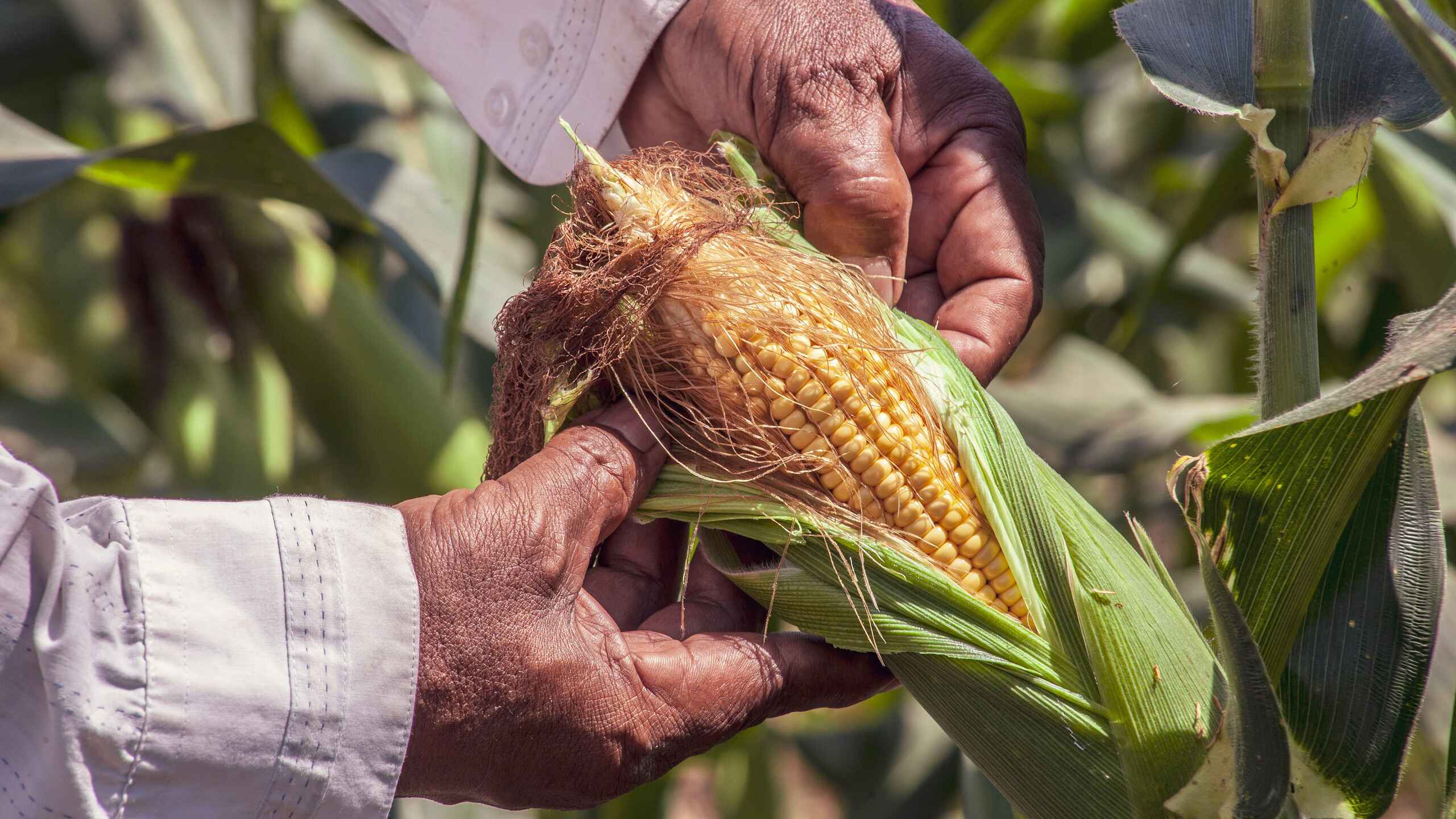
Genetic modification can be applied to seeds and is most commonly used on agricultural crops to prioritize traits such as yield, uniformity or herbicide resistance. A new wave of genetic modification is also being used to create novelty foods with characteristics like bright colors or manufacture inputs that are advertised as “egg” or “milk” proteins but are produced by genetically engineered yeast.
While very few GMOs directly feed people, they can be processed any number of ways and sold into the product market as commodities like grains and oils or reach consumers as ingredients in their favorite food, beverage, supplement and personal care products.
Since their introduction three decades ago, GMOs are now estimated to be in 70% of packaged goods in grocery stores across the U.S. (United States Government Accountability Office, 2008).
GMO Development
Humans have practiced agriculture for thousands of years, selecting and breeding living organisms such as crops and animals to meet their needs. Traditional selection and breeding techniques are based on natural reproduction processes such as cross-pollination and some include modern laboratory techniques — but do not include biotechnology.
Biotechnology is a relatively recent development that has only been around since the 1970s. GMO developers use biotechnology to manipulate a target organism's DNA or RNA or overcome natural reproductive barriers. These processes result in a wide range of GMOs, including crops with foreign DNA that makes them produce insecticide, withstand herbicide applications or alter their nutritional profile. GMOs also include plants and animals engineered for an altered growth rate and appearance. Biotechnology can even be used to limit an animal's ability to reproduce.
Industry-controlled media often erroneously claims that GMOs have been developed as part of a solution to issues like low crop yield and global hunger. However, these issues have not been meaningfully or sustainably addressed by the rise in GM crop production in more than 30 years in the food supply. In fact, most herbicide-tolerant and insect-resistant GMO crops end up in livestock feed and biofuels, not as food for humans.
Instead, the systems built and supported by genetic modification practices consolidate ownership, maximise commercial profits and curtail agricultural diversity. Introducing herbicide-resistant GMOs such as corn, soy, cotton, alfalfa and sugarbeets has dramatically increased herbicide use in the US. In addition, GMOs have transformed how patents are used and applied to plants, including many food crops, and changed the way agriculture is practiced in North America and beyond.
GMOs and Pesticide Use
Herbicide-tolerant GMO crops are largely developed to facilitate increased use of herbicides so that more of these chemical interventions can be sprayed on crops without killing the crops themselves. For instance, roughly 95% of soy grown in the United States is genetically engineered to withstand weedkillers. Over time, this precipitates a cycle where the targeted weeds and pests become more resilient, requiring stronger, more concentrated – and more harmful — herbicides to combat them.
In any volume, herbicides can be toxic to non-target pests, including soil microbes and beneficial pollinators. They can also be incredibly harmful to humans exposed even at very low levels. And herbicides and GMOs don’t stay put. Fertilizer and herbicide can travel through the air and water, devastating land and communities. GMOs may contaminate non-GMO crops and other organisms through pollen transfer or seed spillage. GMO contamination of non-GMO canola, corn and alfalfa is well-documented in North America where unapproved genetically modified wheat has been found growing opportunistically in the US and Canada.
GMOs and Food Sovereignty
The system of GMO seeds and accompanying farming practices also disrupts relationships between plants, the land and the people who work to grow crops and support our food system.
Corporate consolidation of patented seed erodes the choices farmers can practically make through restrictive user agreements and commitments to purchase new seeds from the distributor each year. These systems of reliance mean that farmers pay the cost, as GMO seed — and the expensive accompanying herbicides and synthetic fertilizers — dramatically outpace the cost of the non-GMO seeds that are in shorter supply.
Patent law is also complex and costly, which provides a distinct advantage to large corporations in shaping the landscape of GMO crops. Today, more than half of the world's seeds are controlled by just a few multinational corporations. The practice of seed saving in North America has been largely displaced by the adoption of hybrid and GMO seed and faces legal challenges and ongoing corporate pressure in other parts of the world.
GMO crops are developed for an industrial agricultural system that values traits such as yield and uniformity. As they cover large areas of farmland, they displace diverse culturally valuable crop varieties and native seeds. This shift reduces incentives to maintain regenerative farming practices and limits what traits are possible or practical to explore through traditional breeding and land practices such as flavor, nutrition and climate and pest-resilience.
Responding to GMOs
The complexity and consequences of GMOs requires a response that is thoughtful — from food producers to consumers, we can all play a role in disrupting the GMO industry.
Here are some things you can do to as eaters, shoppers and community members:
Learn about GMOs
There is a lot to learn about the development of GMOs, their risks and impacts. Explore FAQs and common misconceptions and get answers to questions about what a GMO is (and what it isn’t). There is also a lot to learn about the non-GMO community, food justice and advocacy work and how industry members activate to provide consumer choice and diverse options.
Look for Non-GMO Project Verified, organic and other certifications to shop for products that align with your values
Certifications for attributes that matter to you, from a trustworthy and transparent organization can help you pick products that meet high standards — and your values. The Non-GMO Project Verified seal is one of the certifications shoppers look for to support a more transparent, resilient food system. And there are many more! Fairtrade certification helps protect farmers and workers and ensure fair wages. Marine Stewardship Council works to bring sustainability to the oceans and seafood industry. USDA certified organic covers a range of practices such as preserving soil health, crop rotations, pest management and livestock care. The Regenerative Organic label builds on the best of the organic movement by seeking to regenerate soil health and support social fairness. Decide what matters to you, and seek out high-integrity labels!
Look local and join food communities
Search out local expertise in your own community to learn about traditional farming and food practices that help care for the land and each other. Follow media voices that explore the community and culture building possibilities of food and highlight innovation in advancing food sovereignty and human and environmental health. You can start by enrolling in a food integrity newsletter for news, recommendations and community.
Más Artículos Educativos





FAQs
Where do GMOs show up at the farm?
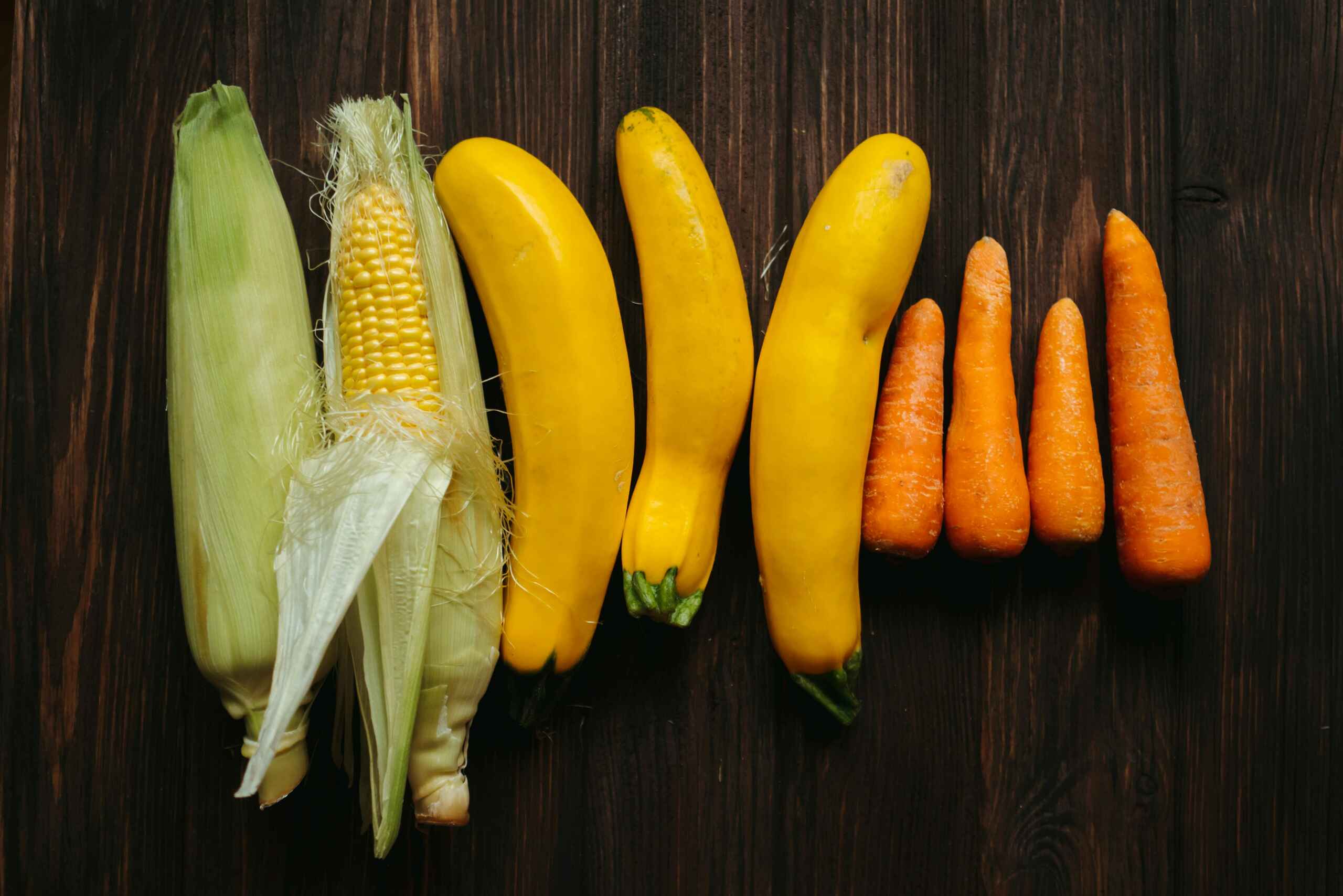
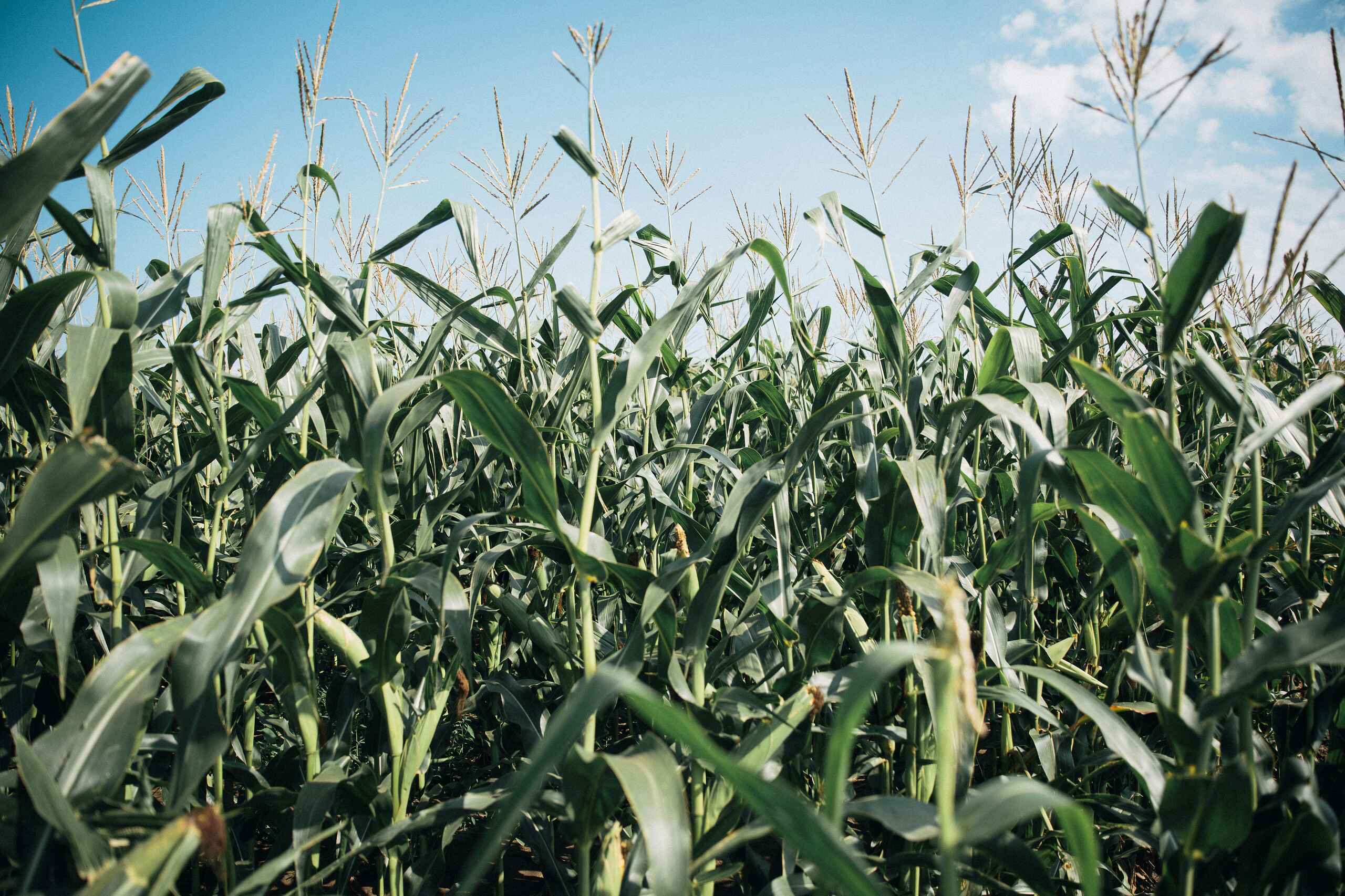
Crops that are widely commercially available in GMO versions include alfalfa, apple, canola, corn, cotton, papaya, pineapple, potato, soy, sugar beets and zucchini. The Non-GMO Project considers these crops “high risk” meaning there is a high likelihood a product or ingredient derived from them is genetically modified. For example, more than 90% of US-grown corn and soybeans are GMO varieties. The term "high risk" does not mean the crop is harmful or worse than other crops or that it is impossible to find non-GMO varieties to grow or to use as ingredients.
Are all commodity crops GMOs?
No, genetically modified organisms are distinct from crops produced using traditional breeding and selection, which has been a part of human agriculture for thousands of years and does not include biotechnology.Even high-risk crops, like corn and soy and even canola, are available in non-GMO forms for producers who seek them out. Preserving and building the non-GMO seed supply is crucial to environmental wellbeing and the future of our food.
Where do GMOs show up in my food?
Many common ingredients are derived from crops that are at high risk for being GMOs — but processed inputs and ingredients derived from high-risk crops can be tricky to spot. They may include corn, canola, soy, sugar beet and other crop derivatives such as corn starch, corn syrup, canola oil, sugar, molasses, soy lecithin, soy hemoglobin, citric acid, cellulose, maltodextrin, flavorings, vitamins and anything that says “vegetable” but is not specific.
How do GMOs impact farmers and the environment?
Farmers: GMOs can undermine the resilience of our shared food system by impacting farmers' autonomy and financial security through increased cost, increased health risk, and decreased control over their farms and growing practices.
Environment: GMOs are a direct extension of chemical agriculture and are developed and sold by the world’s biggest chemical companies. GMOs engineered to withstand herbicide application have led to a dramatic increase in herbicide use, which can be toxic to target and non-target organisms alike. GMOs themselves can contaminate other organisms through pollen transfer or seed spillage, undermining the genetic integrity of native and wild varieties and endangering future plant-breeding efforts. In addition, new GMOs, including some lab-grown meat and products made through precision fermentation, impact the environment through energy-intensive operations and a reliance on fossil fuels and fracking.
Apoya nuestro trabajo
Mantente conectado
Recibirás nuestro boletín mensual Field Notes, actualizaciones de proyectos y recursos gratuitos, además de acceso prioritario a nuevas historias.

Haz una donación
Tu donativo deducible de impuestos impulsa las historias que transforman la cultura, la organización que convierte la conciencia en acción colectiva y las relaciones que hacen posible el cambio sistémico a largo plazo.