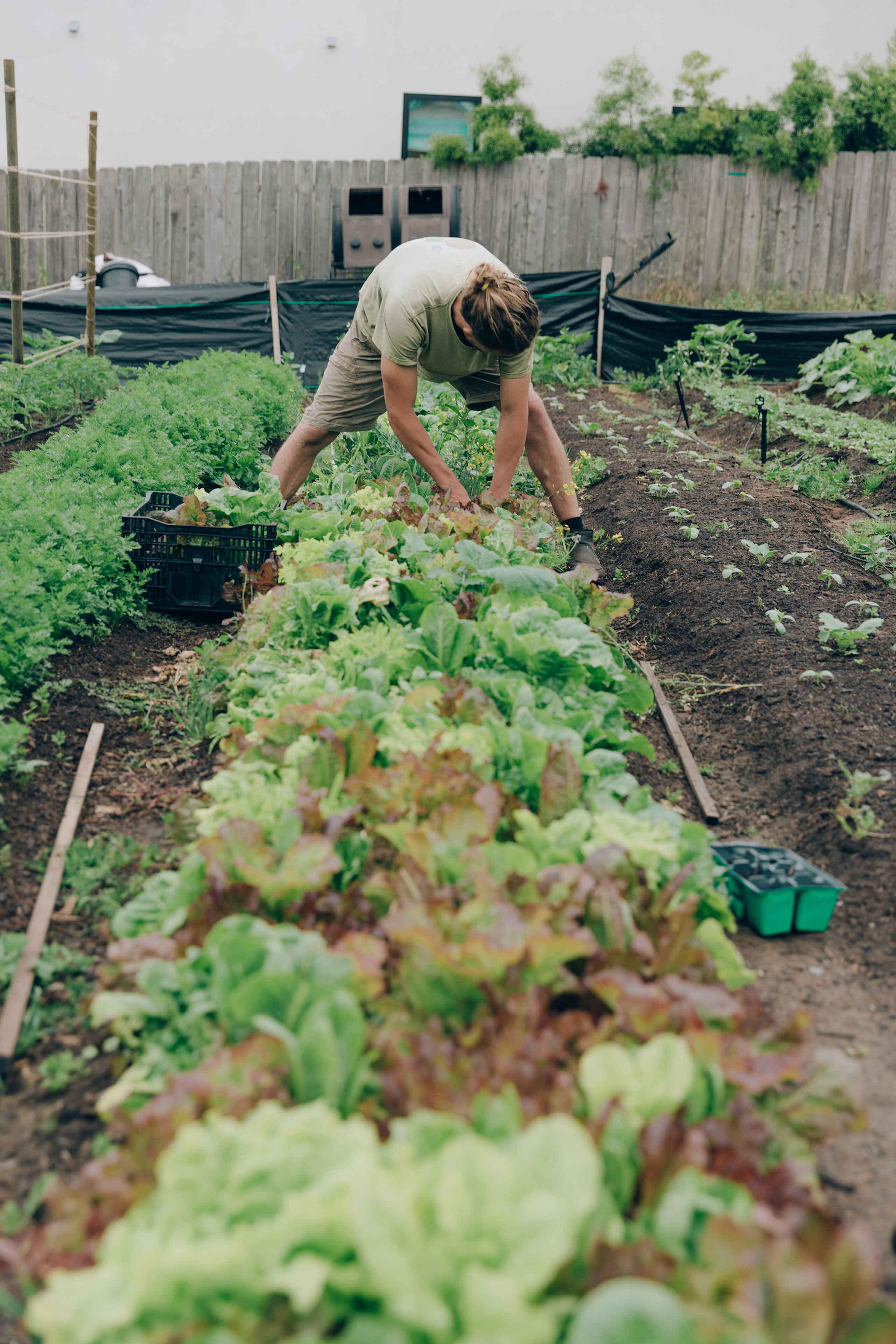
Greg Reese is a first-generation regenerative farmer leading Fox Point Farms in Encinitas, California
Your Guide to Starting a Garden
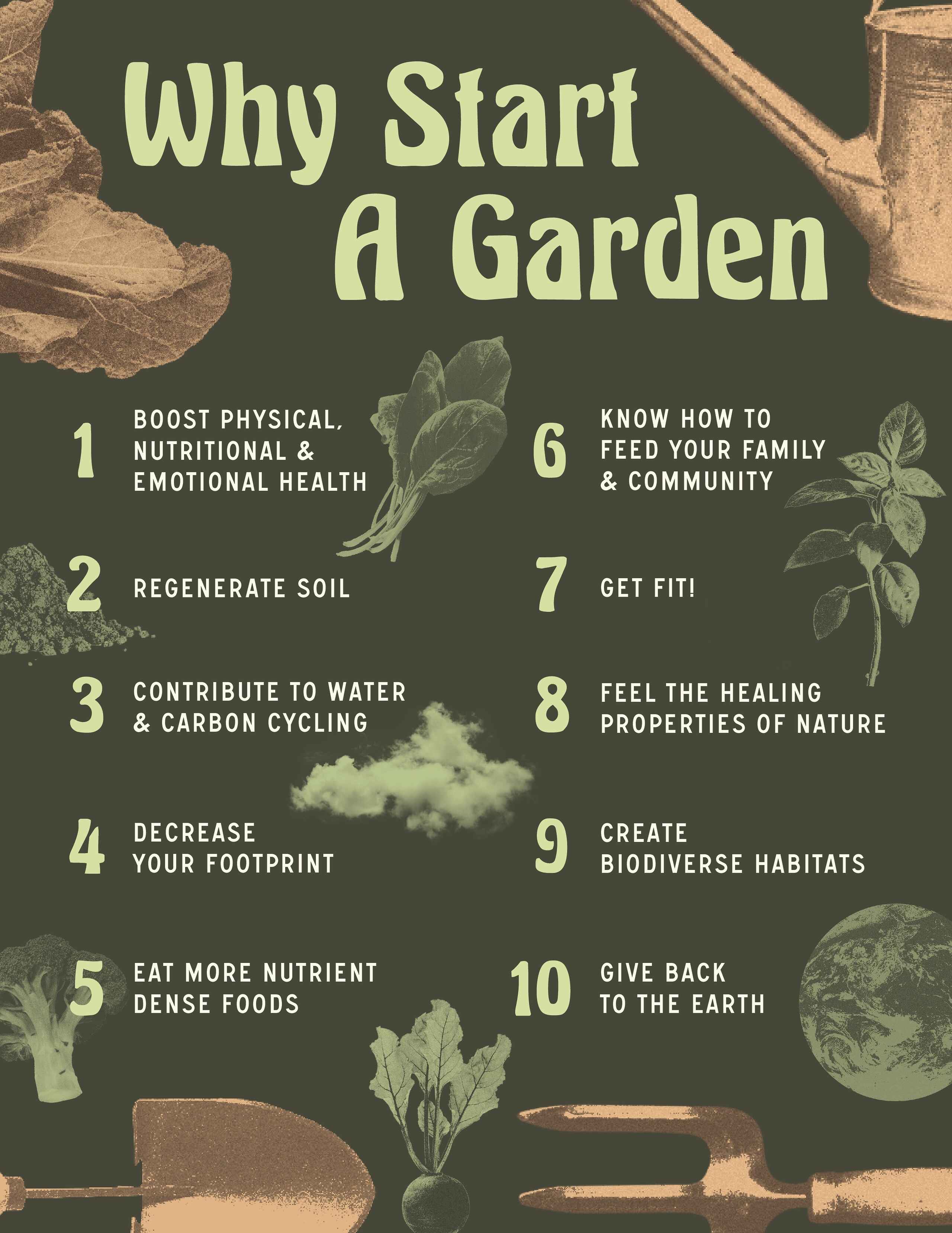
The act of starting a garden is a fundamental step toward reclaiming human health and planetary well-being. While planting is straightforward, long-term success comes from a shift in perspective: we are stewarding an ecosystem.
Step 1. Planning Your Environment
Before breaking ground, consider the universal pillars of biology: sunlight, water, and space
Sunlight and Orientation
Most edible crops require at least 8 hours of direct sunlight per day.
The Shadow Effect: In the Northern Hemisphere, the south side of any structure receives the most light.
Seasonal Tracking: Sunlight angles shift throughout the year. Winter brings shorter days and lower angles, while the summer solstice marks the peak of solar energy. Observe these patterns to ensure your garden isn't shaded out by a fence or tree during the peak growing season.
Designing the Space
Whether you have a sprawling backyard or a small balcony, start with a manageable area.
The 30-Inch Rule: Designing growing rows or beds to be 30 inches (2.5 feet) wide is ideal. This allows a gardener to reach the center from either side without stepping on the soil, which prevents compaction and protects the delicate microbial life beneath.
Step 2. Choosing Your Growing Structure
There are three primary ways to house a garden, each with distinct advantages:
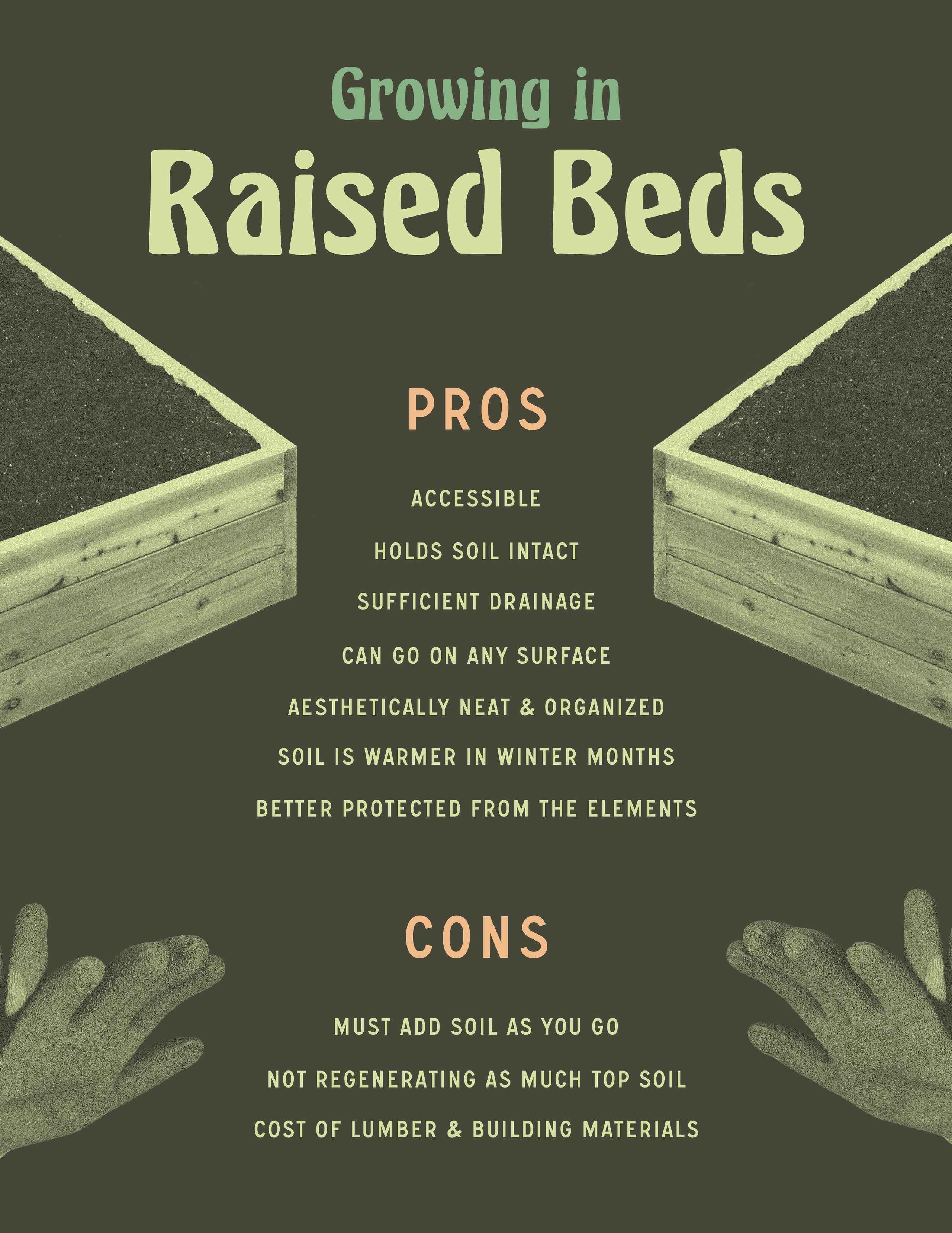
Option 1: Raised Beds
Constructed boxes (wood, brick, or metal) that sit atop the ground.
Pros: Better drainage, soil warms faster in spring, and physical protection from pets or foot traffic.
Construction: A standard 8' x 2' x 1.5' wooden bed can be built using hardwood lumber (like cedar or redwood) and 3.5-inch construction screws.
Pro-Tip: Line the bottom with 1/2-inch hardware cloth (metal mesh) to prevent gophers and moles from burrowing up into your crops.
Option 2: In-Ground Gardening
Planting directly into the native earth.
Pros: Most cost-effective and helps regenerate the local hydrologic cycle.
Soil Amending: Native soil is rarely perfect. Aim for a balance of organic matter (compost/manure) and minerals (sand, silt, clay). A common starting ratio is 50% organic matter mixed into the top 6 inches of native soil.
Option 3: Container Gardening
Using pots or planters for balconies and patios.
Pros: Maximum portability; ideal for renters or urban spaces.
Cons: Requires diligent watering, as small volumes of soil dry out much faster than the earth.
Step 3. Water and Irrigation
Consistent moisture is the heartbeat of the garden. Soil should feel like a wrung-out sponge: moist, but not soggy.
The Moisture "Clod" Test
To check your water levels, dig 6 inches down and squeeze a handful of soil.
If water drips out: It is too wet (oxygen is being depleted).
If it crumbles and falls apart: It is too dry (microbes are dying).
If it holds its shape: It is perfect.
Irrigation Systems
While hand-watering is meditative, automated irrigation ensures survival during busy periods.
Timers: Using a simple timer on a hose bib allows for deep, consistent watering.
Deep Satiation: It is better to water deeply for 30 minutes every two days than to do light 15-minute sprinkles daily. Deep watering flushes salts and encourages roots to grow downward.
Step 4. Stewardship: Managing Weeds and Pests
In a regenerative garden, we do not "fight" nature; we manage the balance.
Weed Prevention (Occultation)
The most effective way to manage weeds is to trigger them to germinate before you plant your vegetables.
Water the area well.
Cover it with a dark plastic tarp for two weeks.
The heat and moisture will cause weed seeds to sprout; without sunlight, they quickly die.
Remove the tarp and lightly hoe the surface to clear the debris.
Holistic Pest Management
Insects rarely attack healthy plants. If a plant is under siege, it is often a signal that the soil is imbalanced or the plant is stressed.
Build a "Wall": Use hardware cloth cages to keep out rabbits and squirrels.
Attract Predators: Plant "insectary" plants like Dill, Cilantro, and Alyssum. When these flower, they attract parasitic wasps and ladybugs that eat common garden pests like aphids and hornworms.
Spray it Off: For simple infestations like aphids on kale, a sharp blast of water from a hose is often the most effective, least intrusive remedy.
Step 5. How to Plant - Seed vs. Transplant
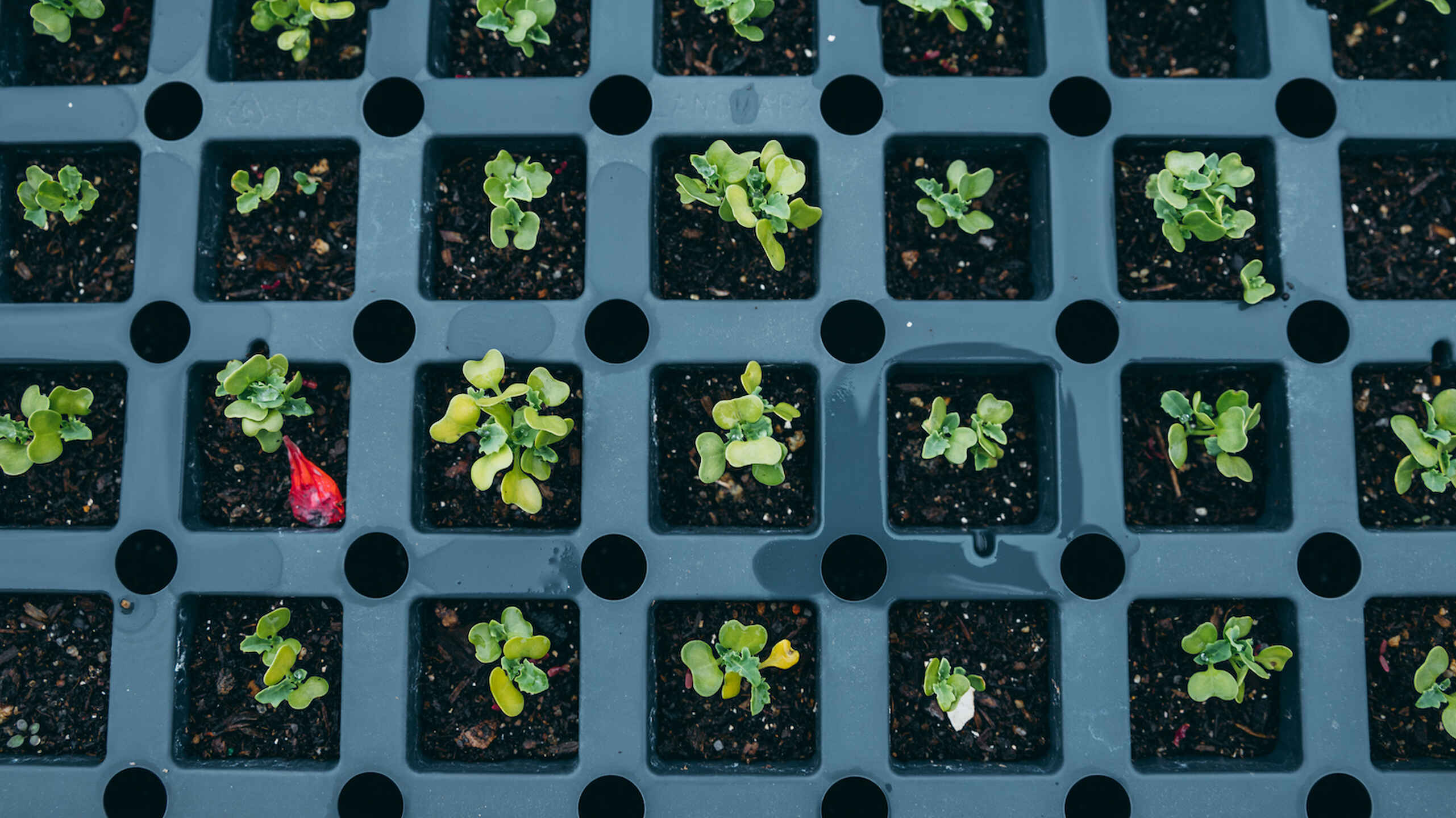
Seeds: Create a shallow trench (furrow) about 1–2 inches deep. Space seeds according to the packet—usually 6 inches for greens and 12+ inches for larger plants like zucchini.
Transplants: Dig a hole twice the width of the seedling's root ball. Place the plant so the surface of its root ball is flush with the garden soil level.
Succession Planting: To avoid a "harvest glut," plant a small new batch of seeds every 2–4 weeks. This ensures you have fresh lettuce or carrots all season long rather than all at once.
The Human Connection
The benefits of gardening go far beyond the kitchen table.
Physical Health: Gardening provides functional exercise and essential Vitamin D.
The Microbiome: Our skin is an organ. Getting hands into healthy, microbe-rich soil strengthens the immune system and has been shown to have antidepressant effects.
Intentionality: There is an immeasurable value in the relationship between the grower and the plant. Gardening encourages us to slow down, observe, and participate in the quiet wisdom of the soil.
Whether you are building a raised bed or tending a single pot, remember that every garden starts with a single seed and a commitment to the life of the soil. Happy planting.
Más Artículos Educativos




Apoya nuestro trabajo

Mantente conectado
Recibirás nuestro boletín mensual Field Notes, actualizaciones de proyectos y recursos gratuitos, además de acceso prioritario a nuevas historias.

Haz una donación
Tu donativo deducible de impuestos impulsa las historias que transforman la cultura, la organización que convierte la conciencia en acción colectiva y las relaciones que hacen posible el cambio sistémico a largo plazo.