Melanie has a background in research and healthcare, with expertise in human physiology and preventive care, connecting food systems and human health.
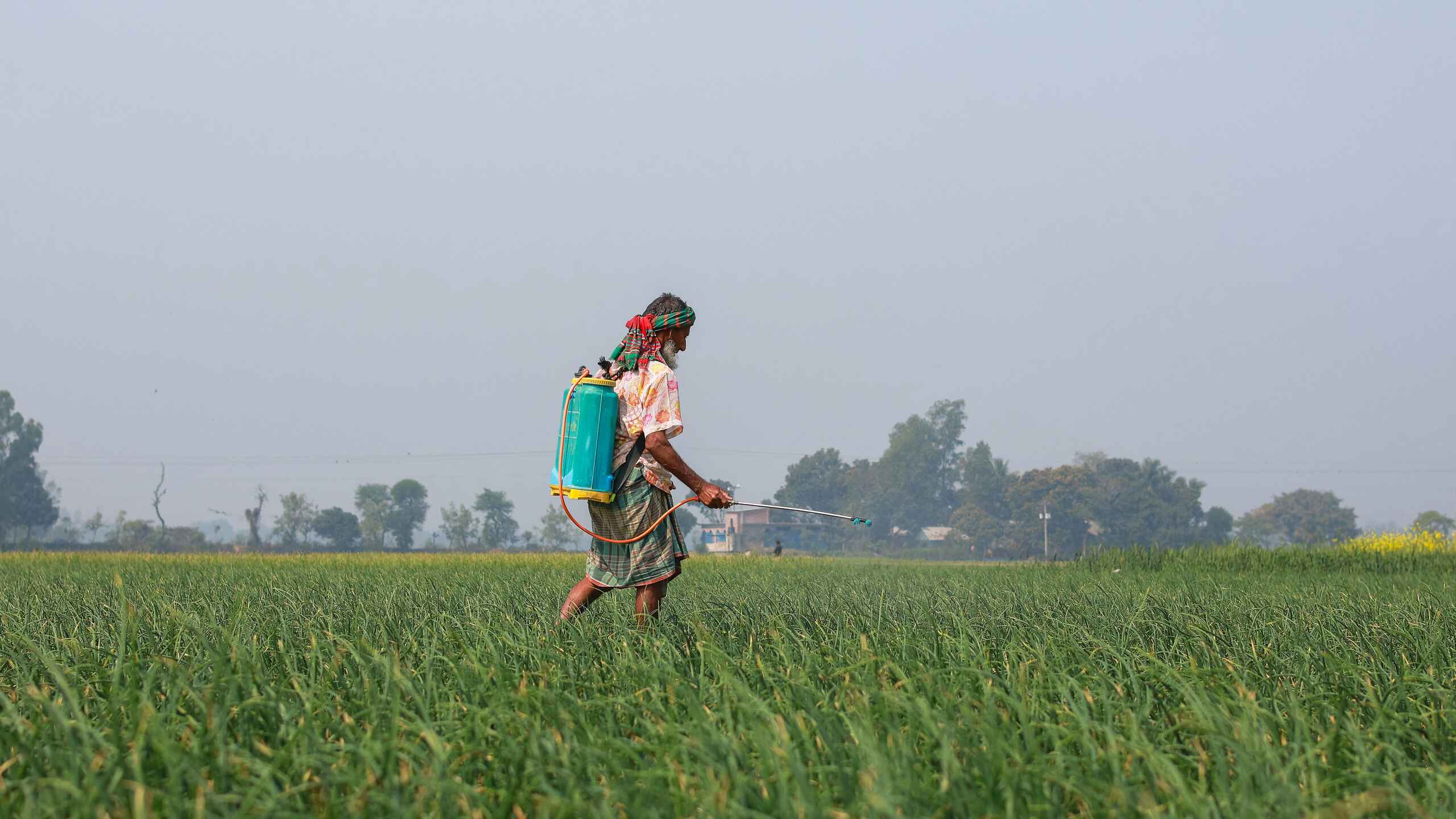
Pesticides: The Hidden Chemicals Shaping Our Food and Health
From industrial agriculture to everyday exposure, understanding how pesticides became embedded in modern food systems reveals the potential of traditional and regenerative food systems.
In simple terms, a pesticide is a chemical used to kill, repel, or control pests that would otherwise damage crops or plants.
Pesticide
Flashcard
Pesticide
an umbrella term for all chemicals used in agriculture or landscaping to kill, repel, or control pests that would otherwise damage crops or plants - including weeds, insects, and rodents. There are eight distinct types of labeled pesticides: insecticides, herbicides, fungicides, rodenticides, algicides, antimicrobials, fumigants, and repellents.
For example: All herbicides are a type of pesticide, not all pesticides are herbicides.
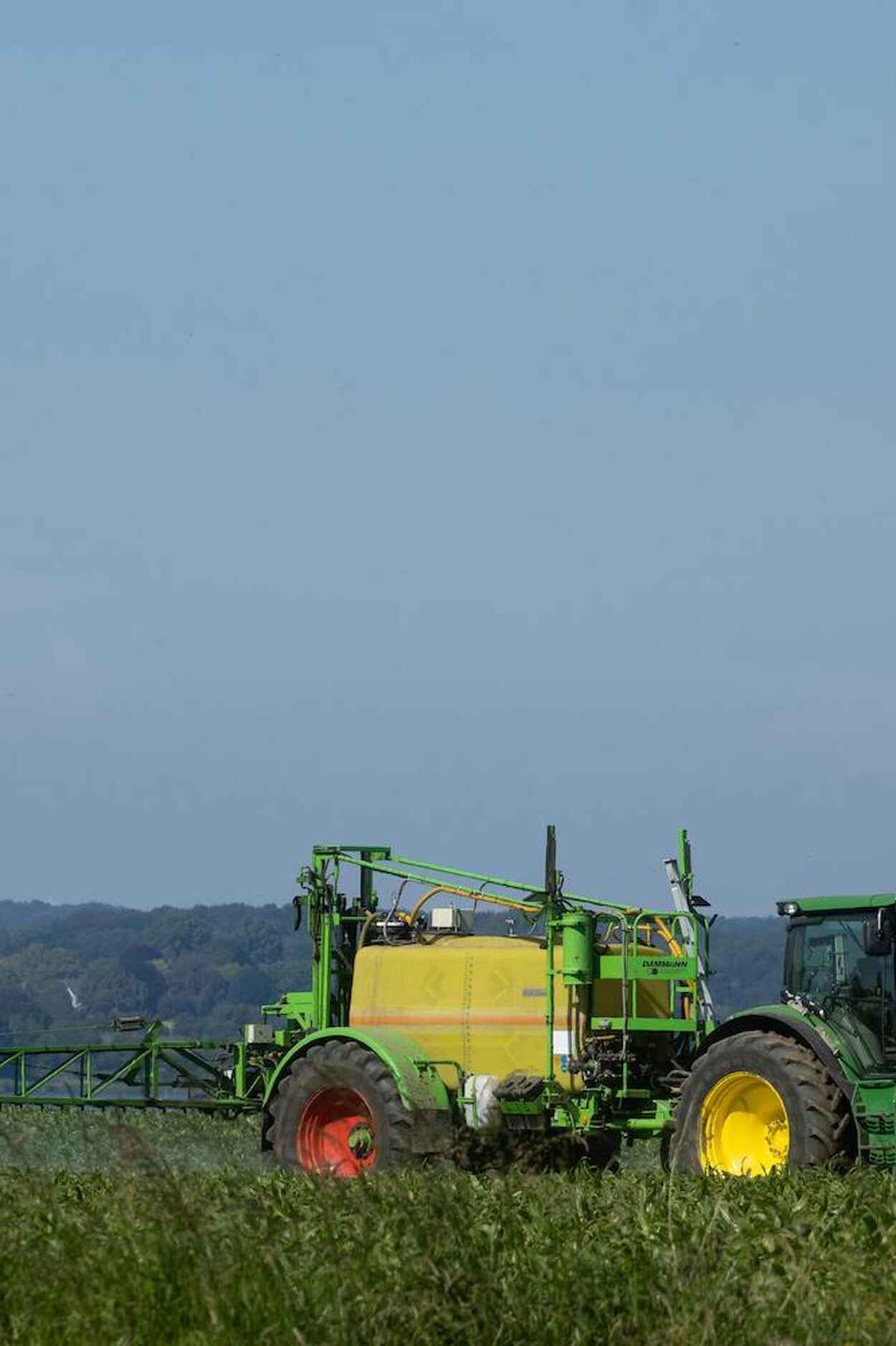
There are eight distinct types of labeled pesticides:
(Pesticide Safety Education Program, Cornell University; 2021)
Insecticides target insects
Herbicides target weeds
Fungicides target fungi
Rodenticides target rodents
Algicides target algae
Antimicrobials target microorganisms
Fumigants are pesticides in the form of a gas
Repellents are designed to repel insects or animals
Before we dig deeper into pesticides it is helpful to zoom out and define another commonly used term when discussing chemicals in agriculture - agrochemicals.
Agrochemical is another umbrella term which refers to any chemical used in agriculture, including pesticides. Similar to how all herbicides are a type of pesticide, all pesticides are a type of agrochemical - along with fertilizers, hormones, or soil treatments.
How do pesticides work?
Each type of pesticide works a little differently, but they share the same goal - to kill the target “pest” by affecting a biological process that is essential for life. For example, fungicides and herbicides often target systems needed to produce energy, while insecticides commonly target the nervous system.
A clear example is glyphosate, the most commonly used herbicide in the world. Glyphosate works by targeting a system called the shikimate pathway, which bacteria use to create the nutrients they need to survive (Walsh et al., 2023). The catch is that this process is not only present in “bad” bacteria, it is also found in “good” bacteria and fungi. So when glyphosate is sprayed on entire fields it not only kills the unwanted weeds, but also the very microbes needed for healthy and diverse soils (Bueno de Mesquita et al., 2023).
This design also leads to unintended impacts on the human body when people are exposed to pesticides through waterways, food residues, or direct contact.
Continuing with glyphosate as the example, when first introduced, the early belief was that since the shikimate pathway does not exist in human cells, exposure would be completely safe for people. But as with many pesticides, the reality is more complex.
Studies show that over half of the bacteria in the human gut microbiome are sensitive to glyphosate because they rely on the shikimate pathway (Puigbò et al., 2022), which scientists think may help explain why glyphosate is now linked to a wide range of cancers and chronic diseases showing up in the human body.
Pesticide use through the eyes of a farmer
Because pesticides are designed to kill, the impact goes beyond biodiversity loss. It also shapes how farmers who rely on them approach their land - shifting the mindset towards what needs to be killed, rather than what life needs to be supported, stewarded, and nurtured on their farms.
How did food systems become dependent on pesticides?
Before the 1900s, and still in many rural communities around the world today, food is grown by peasant and indigenous farmers in small farming communities. This food supports local economies, which revolve around farms and markets. These farmers grow a wide variety of fruits, vegetables, and animal products native to their region to feed their families and nearby towns.
After the World Wars, the way we grow food shifted dramatically. A new model - Industrial Agriculture - took hold in the United States, and was quickly adopted across Western countries, eventually being pushed onto indigenous farming communities across the Global South.
In industrial agriculture, farmers are taught to prioritize growing as much of a single crop as possible - known as a monoculture. This food is then sold to processors around the world, often traveling hundreds, if not thousands, of miles before it is eaten.
To make this system work, farmers had to adopt new practices, one of the most defining being the widespread use of pesticides and other agrochemicals. By focusing on a single crop - often corn, soy, rice, or wheat - and using pesticides for pest and weed management, farmers were able to manage more land, and farms grew much larger, covering hundreds or even thousands of acres.
It is estimated that monocultures now cover 80% of the land suitable for growing crops around the world (Altieri and Nicholls, 2020). The impact of farming such a large amount of the world’s
arable land
Flashcard
Arable land
while the technical definition is simply “land capable of being plowed,” arable land more broadly refers to land suitable for growing crops due to factors like soil quality, plowability, climate, temperature, and sun exposure. Some land can be improved and converted into arable land over time, while other areas - such as deserts, tundra, and steep mountainous regions - are generally unsuitable for conventional crop production. Roughly 12% of the land on Earth is considered arable (Anderson, 2023).
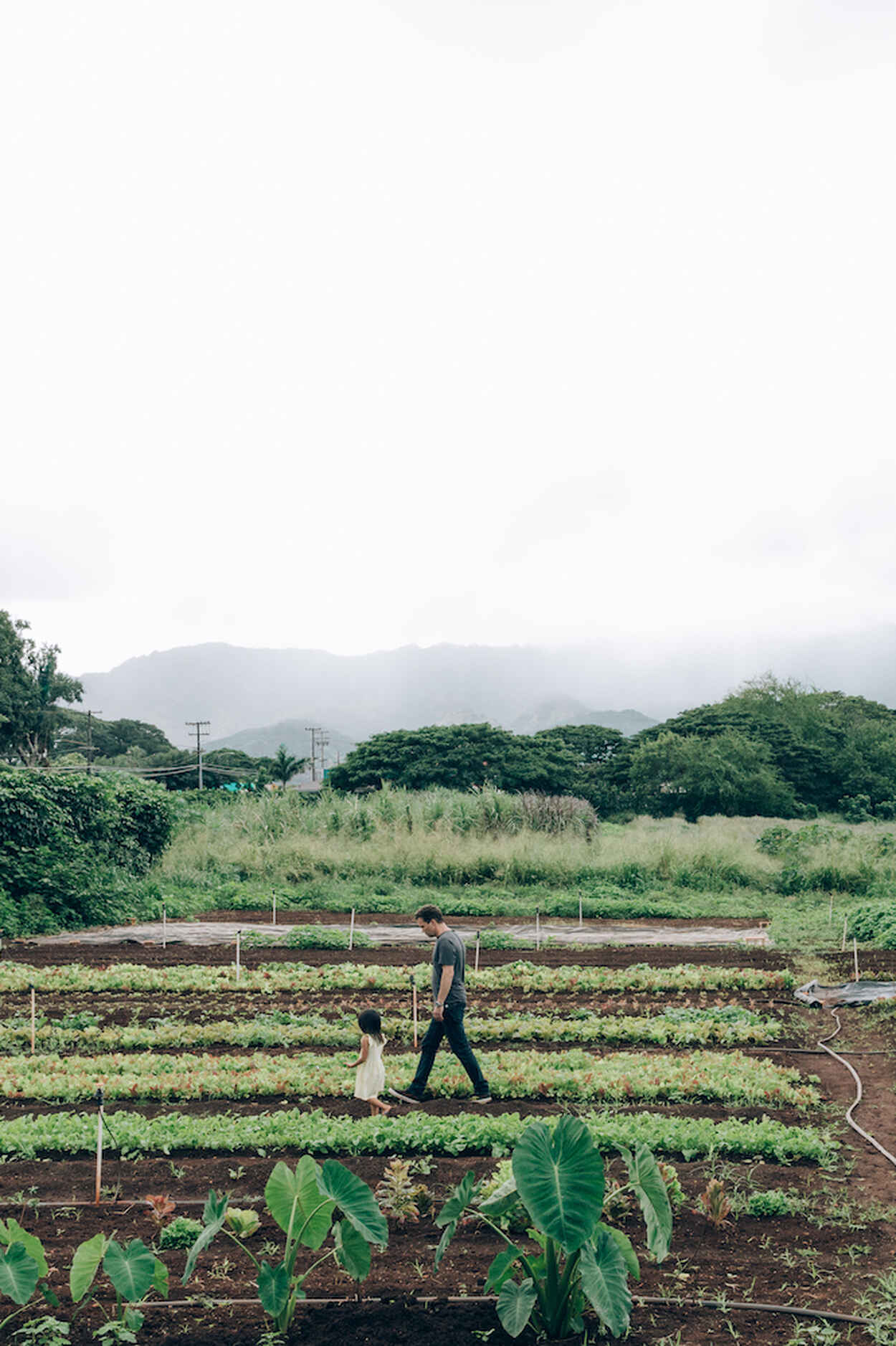
When land is repeatedly sprayed with chemicals designed to kill, biodiversity declines across native plants, insects, wildlife,and the soil life that underpins healthy ecosystems. As this living network is diminished, soil becomes less able to support healthy, resilient crops, making farmers even more reliant on pesticides and fertilizers to maintain production (Barnes et al., 2022). Repeated exposure to the same pesticide also leads to pests developing resistance to them, pushing farmers to apply stronger or more frequent doses.
Like a snake eating its own tail, this self-perpetuating cycle is so common it has been coined the “pesticide treadmill” (Oxford University Press, 2026).
Globally, 3.73 million tonnes of active pesticide ingredients were used in 2023 - a 14 percent increase over the past decade and double the amount used in 1990 (Food and Agriculture Organization of the United Nations, 2025).
Today, in the U.S. alone over 800 pesticides are registered for use (Schwingl, 2021).
It’s critical we acknowledge that while all farmers feel the effects of pesticide exposure and the pressure to adopt these systems, this burden is disproportionately felt by peasant and indigenous farmers in low- and middle-income countries. It is in these regions where agriculture is the primary source of livelihood and a large share of the population works in small-scale farming in rural areas.
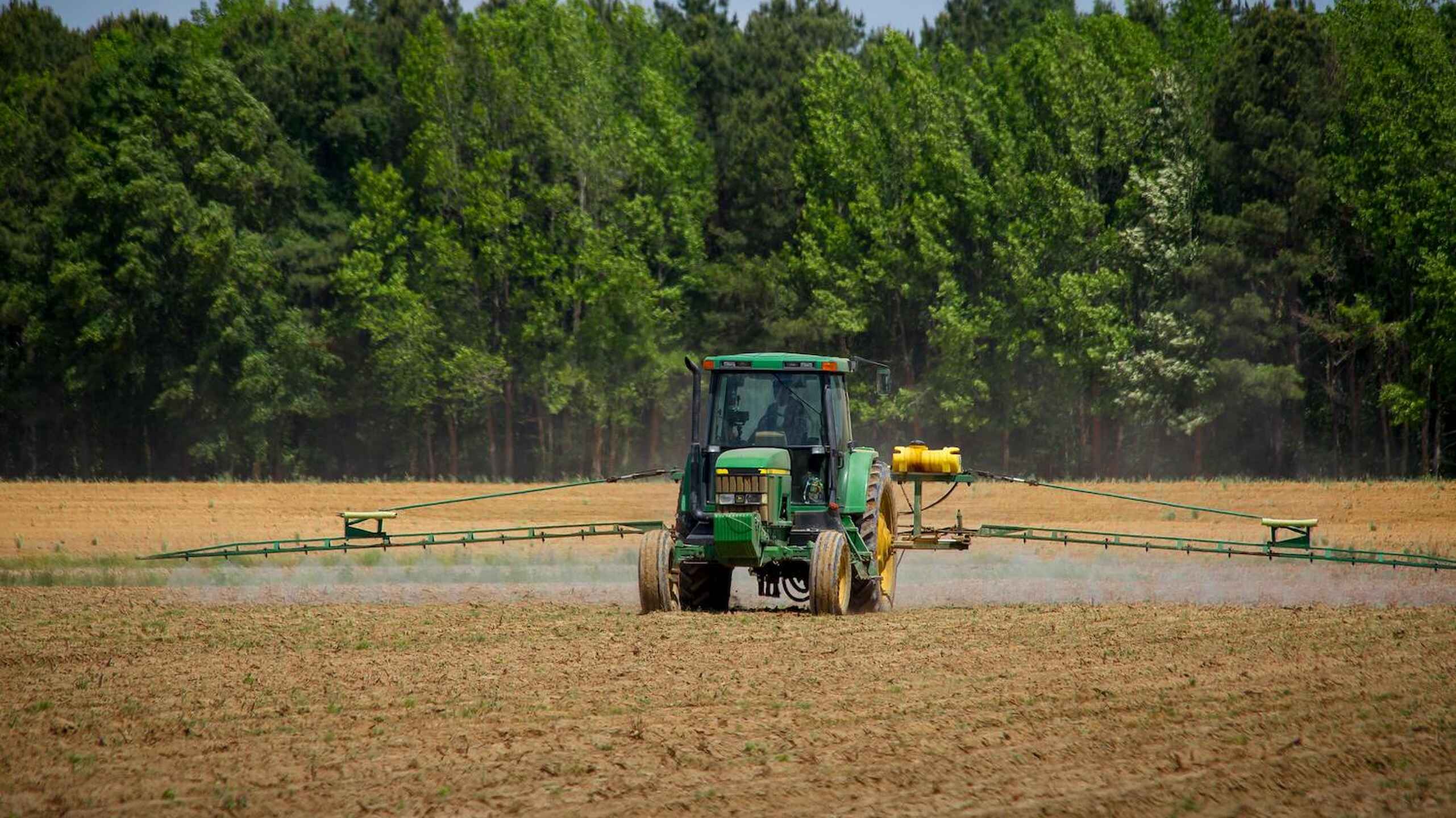
How the invention of GMOs has shaped this system
When we learn about pesticides and their impact on human and planetary health, it can be easy to ask, so why are farmers still using these chemicals? To fully understand the issue - and to create pathways that support farmers - we must acknowledge that this system was built and is run by corporations who prioritize profit over the health of farmers and communities.
A central piece of this system is the role GMO seeds (genetically modified organisms) play in driving pesticide use and dependency. The impact of this relationship on farmers, public health, food sovereignty, and communities cannot be overstated.
While pesticide use had been growing steadily since the 1940s, it surged after 1995 with the introduction of GMOs that were specifically designed to withstand being sprayed with pesticides like glyphosate. Specifically, global glyphosate use has increased 15-fold since “Roundup Ready” GMO crops were introduced (Benbrooke, 2016).
For generations, farmers and seed keepers across cultures have saved the seeds from their most healthy crops and planted them the following season - a practice known as seed saving. But when GMO seeds were introduced, the companies selling them argued that because these seeds were “patented technology”, farmers should not be able to save and replant seeds year-after-year. Instead, they wanted farmers to be required to repurchase seeds each year.
In 2013 the U.S. The Supreme Court changed the economics of farming forever when they ruled in favor of these companies and agreed seed technology could be privately owned, forcing farmers who use GMO seeds into this expensive cycle of needing to purchase new seeds each season (Bowman v Monsanto, 2013).
What makes this even more ridiculous is that, in many cases, the same company sells both the seeds and the associated pesticide. This structure allows massive corporations to make billions of dollars on the backs of hardworking farmers.
I’m looking at you, Monsanto, Syngenta, and Corteva Agriscience.
All of these upfront costs are risky for farmers, since harvests aren’t guaranteed and crop prices can change from the time you plant a seed to the day it's harvested. To reduce this risk governments around the world have created
crop subsidies
Flashcard
Crop subsidy
a government payment or financial support provided to farmers growing certain commodity crops. They are designed to incentivize farmers into growing a small number of subsidized crops at scale by making it more economically viable. In practice, they often entrench a system that favors scale, uniformity, and overproduction, rather than rewarding ecological health or nutritional value. Historically they have helped prop up the mass cultivation of a small number of commodity crops, shaping not only what farmers grow, but what the wider food system is built around.
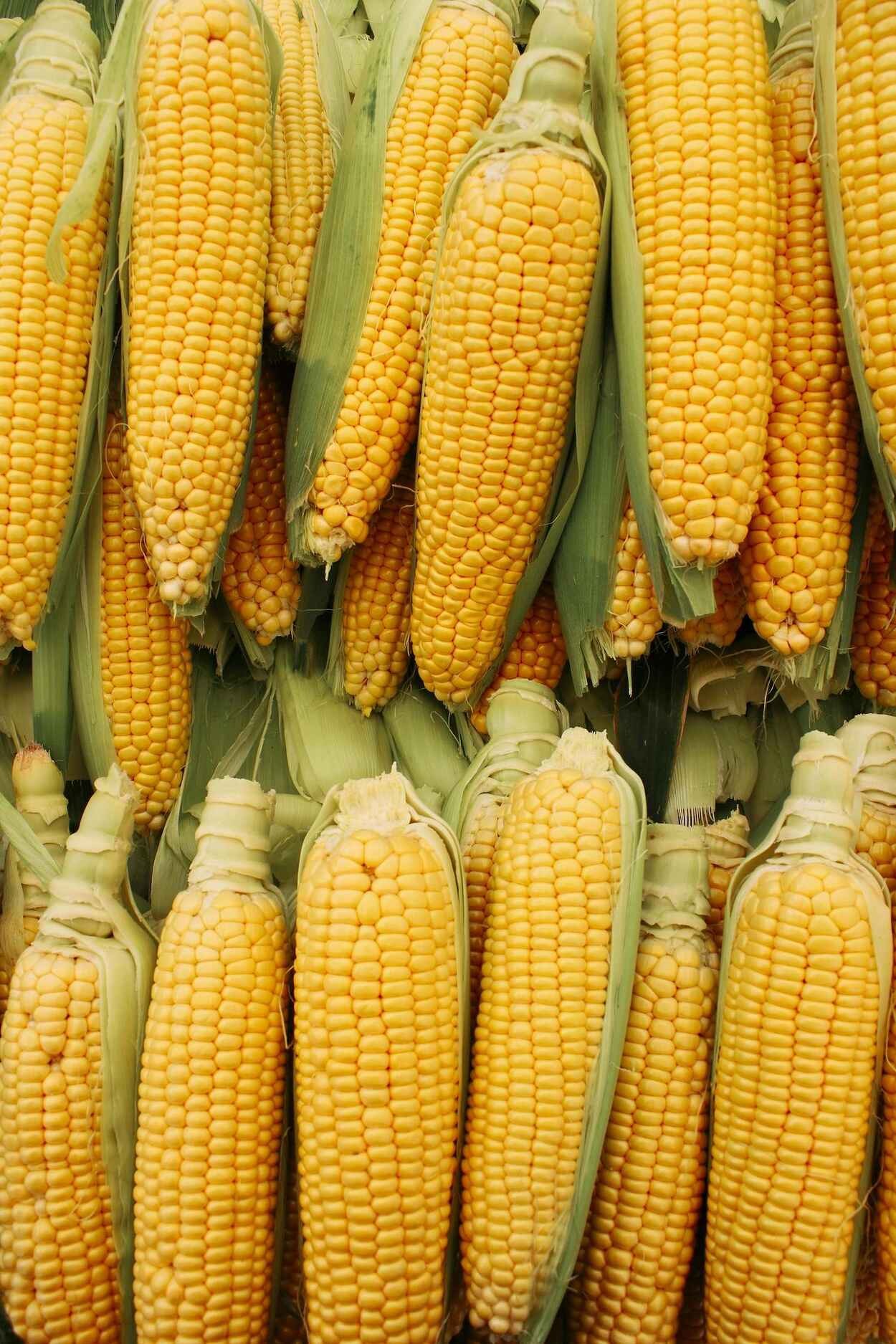
While intended to stabilize farm income, in practice these subsidies often keep farmers stuck in this cycle. Crop subsidies often offer more money to farmers who use GMO seeds to grow commodity crops, making farmers dependent on this system to remain economically stable.
While the GMO model is the backbone of U.S. agriculture, it has global implications with corporations pressuring governments and farming communities around the globe to adopt the same system.
In 2024, about 18 million farmers across 29 countries - including 19 in the developing world - grew crops using GMO seeds. On the flip side, 26 countries have full or partial bans on GMO cultivation, and nations like Mexico, New Zealand, Peru, and those in the European Union remain in active GMO battles (Waddell, 2024; Organics Aotearoa, 2025; Hettinger, 2024).
Regenerative and agroecological practices offer a path for farmers to transition their land management to systems that do not rely on killing the diversity of their fields and soils. However, pesticides, agrochemicals, and GMO seeds have been deeply integrated into food systems over decades, and unwinding their use is a complex process that depends on the context of each farm, and region, globally.
The solution isn’t as simple as banning all pesticide use - doing so could put farmers’ livelihoods, food security, and public health at risk. Instead, we need systems that allow farmers to transition in ways that make sense for their land and community, creating practical, resilient solutions to this complicated problem.
Most commonly used pesticides and their impact on you
Glyphosate - Marketed as RoundUp
The most widely used herbicide in history, glyphosate has been linked cancer development (Panzacchi et al., 2025), hormonal disruption (Stone et al., 2025), infertility, and neurodegenerative diseases such as Parkinson’s and Alzheimer’s disease (Costas-Ferreira et al., 2022).Atrazine - A common groundwater contaminant
Atrazine is banned in 60 countries but is still commonly used in the United States. Studies show it can harm reproductive health (Hayes et al., 2010) and may damage cardiovascular, kidney, neurological, and immune system function (Holliman et al., 2025).Neonicotinoids - A key driver of colony collapse disorder in honeybees
These insecticides are widely used in agriculture and have been linked to Colony Collapse Disorder in honeybees, which threatens important pollinators (Ashan et al., 2025). Research also suggests that exposure may increase the risk of neurodevelopmental problems in children (Zhou et al., 2025).Paraquat - One of the most toxic herbicides still in use
Even small amounts of paraquat can be fatal if swallowed (CDC, 2024). Long-term exposure has been linked to a 2–3× higher risk of Parkinson’s disease (Paul et al., 2024).Chlorphyrifos - a remindant of WWII chemical warfare.
Originally developed from World War II chemical warfare research, chlorpyrifos is a powerful neurotoxin (Earth Justice, 2024). Prenatal exposure has been linked to lower IQ, developmental delays, and behavioral disorders in children (Columbia School of Public Health, 2011).
While no one is completely safe from the negative effects of pesticide exposure, it bears repeating that farmers, specifically those across the Global South, are the most directly impacted due to their direct contact and exposure with these chemicals (World Health Organization, 1990).
Limiting pesticide exposure in our food
With how common pesticide use is in our current agricultural system, it is almost impossible to completely avoid exposure.
When you are able, prioritizing eating organic foods can make a measurable difference - a large French study found that people who ate mostly organic foods had roughly a 25% lower overall risk of developing cancer compared to those who rarely ate organic (Baudry et al., 2018).
It’s also helpful to understand which foods carry the highest residues - and which carry the least - so we can make smarter decisions when buying food and feeding your family. The Environmental Working Group (EWG), is a non-profit organization who conducts reliable third-party testing for pesticide residue in industrially grown foods in the United States.
In 2020, they published a report that found glyphosate residues in 60% of conventional beans and lentils and over 80% of hummus and chickpea products, linking the contamination directly to
pre-harvest desiccation
Flashcard
Pre-harvest desiccation
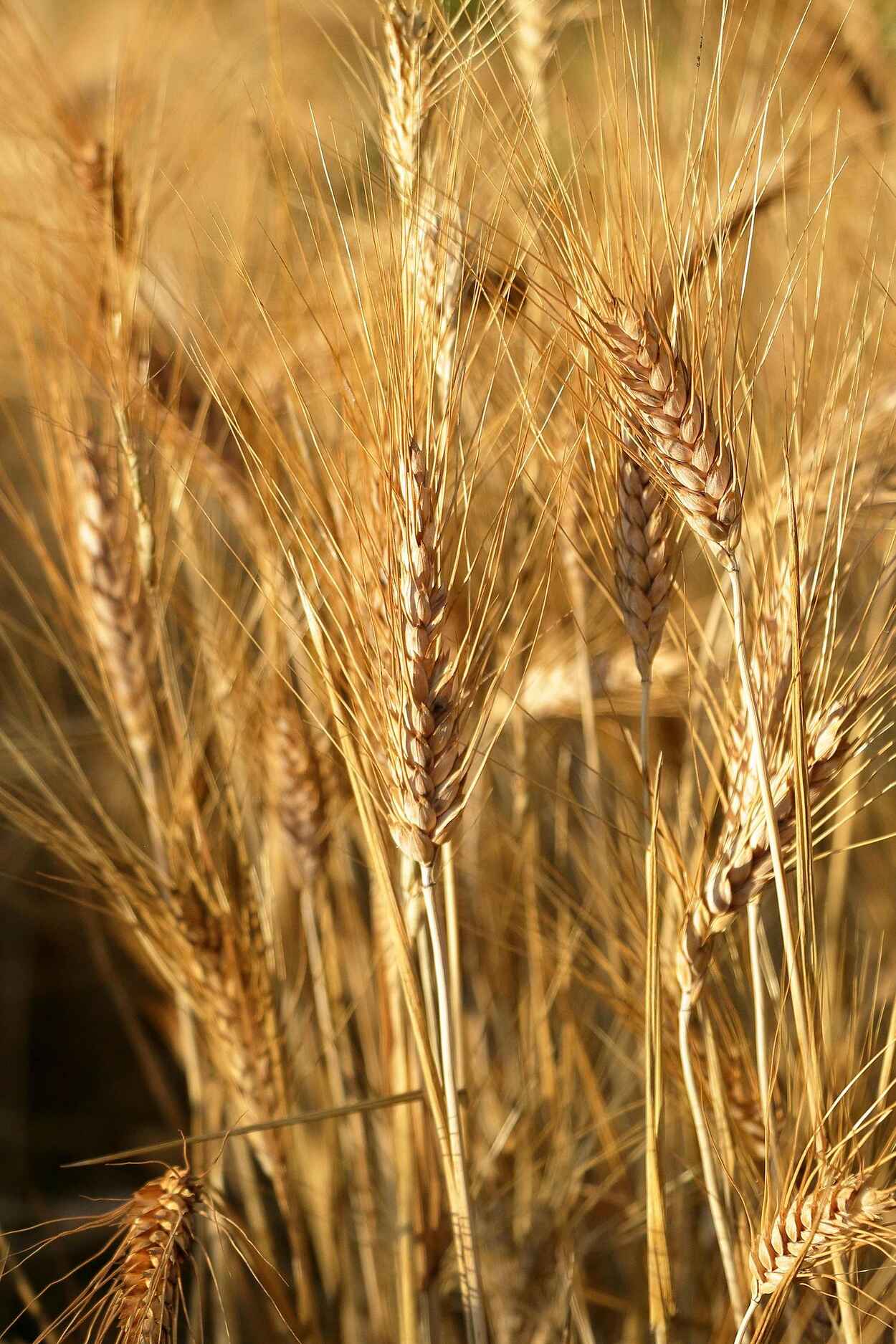
a farming practice that involves applying a drying agent (also known as a desiccant) to crops - most commonly wheat - shortly before harvest to speed up and promote more uniform drying, making harvesting easier and supporting more efficient yields. This practice is most common in regions with short growing seasons or early rainfall risk, including parts of North America such as the northern Great Plains and Canada.
Studies have found that pre-harvest desiccation can increase pesticide residues in harvested grain and animal feed.
A 2018 EWG study found similar results in oat-based products, detecting a wide range of glyphosate residues in popular cereals and snack foods (EWG, 2018).
Each year, the EWG ranks fruits and vegetables from highest to lowest pesticide residues in lists known as the Dirty Dozen and the Clean 15. Below are their 2025 testing results.
2025 Dirty Dozen
Of the 47 items included the EWD analysis, these 12 fruits and vegetables were most contaminated with pesticides:
Spinach
Strawberries
Kale, Collard, and Mustard Greens
Grapes
Peaches
Cherries
Nectarines
Pears
Apples
Blackberries
Blueberries
Potatoes
Clean 15
These 15 items had the lowest amounts of pesticide residues, according to EWG’s analysis of the most recent USDA data.
Pineapples
Sweet Corn, Fresh and Frozen
Avocados
Papaya
Onion
Sweet peas, Frozen
Asparagus
Cabbage
Watermelon
Cauliflower
Bananas
Mangos
Carrots
Mushrooms
Kiwi
Check back here each year as the Environmental Working Group updates their annual data.
Ahsan, Z., et al., (2025). The Sublethal Effects of Neonicotinoids on Honeybees. Biology, 14(8), 1076. https://doi.org/10.3390/biology14081076.
Altieri, M. A., & Nicholls, C. I. (2020, July). Agroecology and the reconstruction of a post-COVID-19 agriculture. The Journal of Peasant Studies, 47(5), 1-18. https://doi.org/1 0.1080/03066150.2020.1782891
Barnes, A. D., et al., (2020, November 6). Biodiversity enhances the multitrophic control of arthropod herbivory. Science Advances, 6(45). DOI: 10.1126/sciadv.abb6603
Baudry, J., et al., (2018, December). Association of Frequency of Organic Food Consumption With Cancer Risk Findings From the NutriNet-Santé Prospective Cohort Study. Journal of the American Medical Association Internal Medicine, 178(12). 10.1001/jamainternmed.2018.4357. Retrieved March 19, 2026 from https://jamanetwork.com/journals/jamainternalmedicine/fullarticle/2707948?
Benbrook, C. M. (2016, February 2). Trends in glyphosate herbicide use in the United States and globally - Environmental Sciences Europe. Environmental Sciences Europe. Retrieved March 19, 2026, from https://enveurope.springeropen.com/articles/10.1186/s12302-016-0070-0
Bowman v. Monsanto Co., 569 U.S. 278 (2013)
Breakfast With a Dose of Roundup? (2018, August 14). Environmental Working Group. Retrieved March 19, 2026, from https://www.ewg.org/research/breakfast-dose-roundup
Bueno de Mesquita, et al., (2023). Adverse impacts of Roundup on soil bacteria, soil chemistry and mycorrhizal fungi during restoration of a Colorado grassland. Applied Soil Ecology, 185. doi.org/10.1016/j.apsoil.2022.104778.
Center for Disease Control. (2024, September 6). Paraquat: Chemical Fact Sheet. Chemical Emergencies. Retrieved 19 March, 2026, from https://www.cdc.gov/chemical-emergencies/chemical-fact-sheets/paraquat.html
Columbia Center for Children's Environmental Health. (2011, April 18). Prenatal Exposure to Common Insecticide Linked to Decreases in Cognitive Functioning At Age Seven. Columbia University Irving Medical Center. Retrieved March 19, 2026, from https://www.publichealth.columbia.edu/news/prenatal-exposure-common-insecticide-linked-decreases-cognitive-functioning-age-seven
Cornell University Cooperative Extension. (2021). Types of Pesticides. Pesticide Safety Education Program (PSEP). Retrieved March 19, 2026, from https://core.psep.cce.cornell.edu/Tutorials/core-tutorial/module13/index.aspx
Earth Justice. (2024, April 9). What You Need To Know About Chlorpyrifos. Earthjustice. Retrieved March 19, 2026, from https://earthjustice.org/feature/chlorpyrifos-what-you-need-to-know
EWG's 2025 Shopper's Guide to Pesticides in Produce | Clean Fifteen. (2025). Environmental Working Group. Retrieved March 19, 2026, from https://www.ewg.org/foodnews/clean-fifteen.php
EWG's Shopper's Guide to Pesticides in Produce™. (2025, June 11). Environmental Working Group. Retrieved March 19, 2026, from https://www.ewg.org/foodnews/summary.php
Hettinger, J. (2024, April 23). Not just Mexico – US worries over barriers to agricultural trade across the world. The New Lede. Retrieved October 24, 2025, from https://www.thenewlede.org/2024/04/not-just-mexico-us-worries-over-barriers-to-agricultural-trade-across-the-world/
Organics Aotearoa New Zealand. (n.d.). THE IMPACT OF RADICAL GE REFORM. OANZ. Retrieved October 24, 2025, from https://www.oanz.org/ge-free-future
Oxford University Press. (2026). Pesticide Treadmill. Oxford Reference. Retrieved March 19, 2026, from https://www.oxfordreference.com/display/10.1093/oi/authority.20110803100319690
Paul, K. C., et al., (2024). Agricultural paraquat dichloride use and Parkinson's disease in California's Central Valley. International journal of epidemiology, 53(1), dyae004. https://doi.org/10.1093/ije/dyae004
Puigbo, P., et al. (2022). Does Glyphosate Affect the Human Microbiota? - PMC. PubMed Central. Retrieved March, 19, 2026, from https://pmc.ncbi.nlm.nih.gov/articles/PMC9145961/
Sasu, D. D. (2025, November 27). Pesticide consumption worldwide 2023. Statista. Retrieved March 19, 2026, from https://www.statista.com/statistics/1263069/global-pesticide-use-by-country/
Schwingl, P. J., et al., (2021). A tiered approach to prioritizing registered pesticides for potential cancer hazard evaluations: implications for decision making. Environmental health : a global access science source, 20(1), 13. https://doi.org/10.1186/s12940-021-00696-0
Temkin, A. (2020, July 14). EWG Tests of Hummus Find High Levels of Glyphosate Weedkiller. Environmental Working Group. Retrieved March 19, 2026, from https://www.ewg.org/research/glyphosate-hummus
United States Department of Agriculture. (2026, February 5). Farm Sector Income & Finances - Farm Sector Income Forecast | Economic Research Service. Economic Research Service. Retrieved March 19, 2026, from https://www.ers.usda.gov/topics/farm-economy/farm-sector-income-finances/farm-sector-income-forecast
Waddell, M. (2024, February 2). Mexico Moves to Protect Its Cultural Heritage from GMO Corn. Non-GMO Project. Retrieved October 24, 2025, from https://www.nongmoproject.org/blog/mexicos-gmo-corn-ban-aims-to-protect-cultural-heritage
Where are GMO crops and animals approved and banned? (n.d.). Genetic Literacy Project. Retrieved October 24, 2025, from https://geneticliteracyproject.org/gmo-faq/where-are-gmo-crops-and-animals-approved-and-banned/
World Health Organization & United Nations Environment Programme (1990). Public health impact of pesticides used in agriculture. World Health Organization. World Health Organization. https://iris.who.int/handle/10665/39772
Zhou, Y., et al., (2025). Association Between Neonicotinoids and Neurobehavioral Development in Preschool Children from South China: A Biomonitoring-Based Study. Toxics, 13(10), 872. https://doi.org/10.3390/toxics13100872
Más Artículos Educativos




Apoya nuestro trabajo
Mantente conectado
Recibirás nuestro boletín mensual Field Notes, actualizaciones de proyectos y recursos gratuitos, además de acceso prioritario a nuevas historias.

Haz una donación
Tu donativo deducible de impuestos impulsa las historias que transforman la cultura, la organización que convierte la conciencia en acción colectiva y las relaciones que hacen posible el cambio sistémico a largo plazo.