Elle is a communications leader with 15 years experience in audience engagement and mission-led storytelling, who translates food system topics into clear, human education
How Biodiversity Shapes Everyday Life
Life on Earth depends on an intricate web of relationships. Here we explore what biodiversity really is, why it matters to everyday life, and what its future means for all of us.
"If we lose our biodiversity, we lose our pollinators. And without pollinators, we lose our ability to produce food."
Biodiversity (biological diversity) describes the full variety of life on Earth. It exists within species, between species, and across entire ecosystems. It includes everything from microorganisms and fungi to plants, animals, and the living communities they form together. When this diversity is intact, it creates the conditions that allow life to flourish
It also shapes the systems we rely on every day. The food we eat, the water we drink, the air we breathe, and the fertility of the soil beneath our feet all depend on living relationships working in concert. Human wellbeing is inseparable from the health of these systems, even when those connections are easy to miss.
Water offers one clear example. When rain falls onto a living landscape, each part of the diverse ecosystem plays a role in returning it to the earth.
Plants help slow its movement. Roots hold soil in place and reduce erosion. Leaf litter and biologically active soils help filter particles as water moves through them. Microbial communities break down contaminants, and wetlands absorb surges, clean water, and release it into the natural water cycle gradually over time.
When the biodiversity of this ecosystem is diminished - through land clearing, heavy disturbance, or chemical use - water moves faster, carries more sediment, and places greater pressure on downstream systems.
The Living Systems Behind Our Food, Water, and Health
Beneath the surface, soil organisms cycle nutrients and create the structure that roots depend on. Above ground, diversity brings balance. Insects, birds, and other animals help regulate pest populations, while pollinators make the reproduction of many fruits, vegetables, and seed crops possible.
When these systems are disrupted and biodiversity declines, farmers often have to compensate with external inputs like fertilizers or pesticides to grow the same amount of food. In the long run, that loss of ecological function changes how a farm responds to stress.
Soils with less biological activity tend to hold less organic matter, which reduces their ability to absorb and retain water. Rain moves through more quickly, leaving crops more exposed during dry periods. At the same time, simplified systems offer fewer natural checks on pests and disease. Without diversity to interrupt their spread or predators to keep them in balance, outbreaks can move faster and hit harder (Khalid et al., 2025)
Healthy soils and vegetation also help buffer temperature and moisture. When biodiversity declines, those moderating effects weaken, and crops are more exposed to heat and extremes. Over time, farms become less able to absorb shocks and more dependent on intervention to stay productive (Mbow, C et al., 2019).
Biodiversity also shapes the air we breathe. Trees and plants absorb carbon dioxide and filter pollutants, while healthy soils store carbon and support more stable local climates. Across landscapes, vegetation helps regulate temperature and soften extremes.
Many of the materials and medicines people rely on also begin in biodiverse systems. Forests provide timber and fuel. Compounds found in plants, fungi, and microorganisms have contributed to the development of countless medicines. Together, these relationships support daily life in ways both visible and unseen.
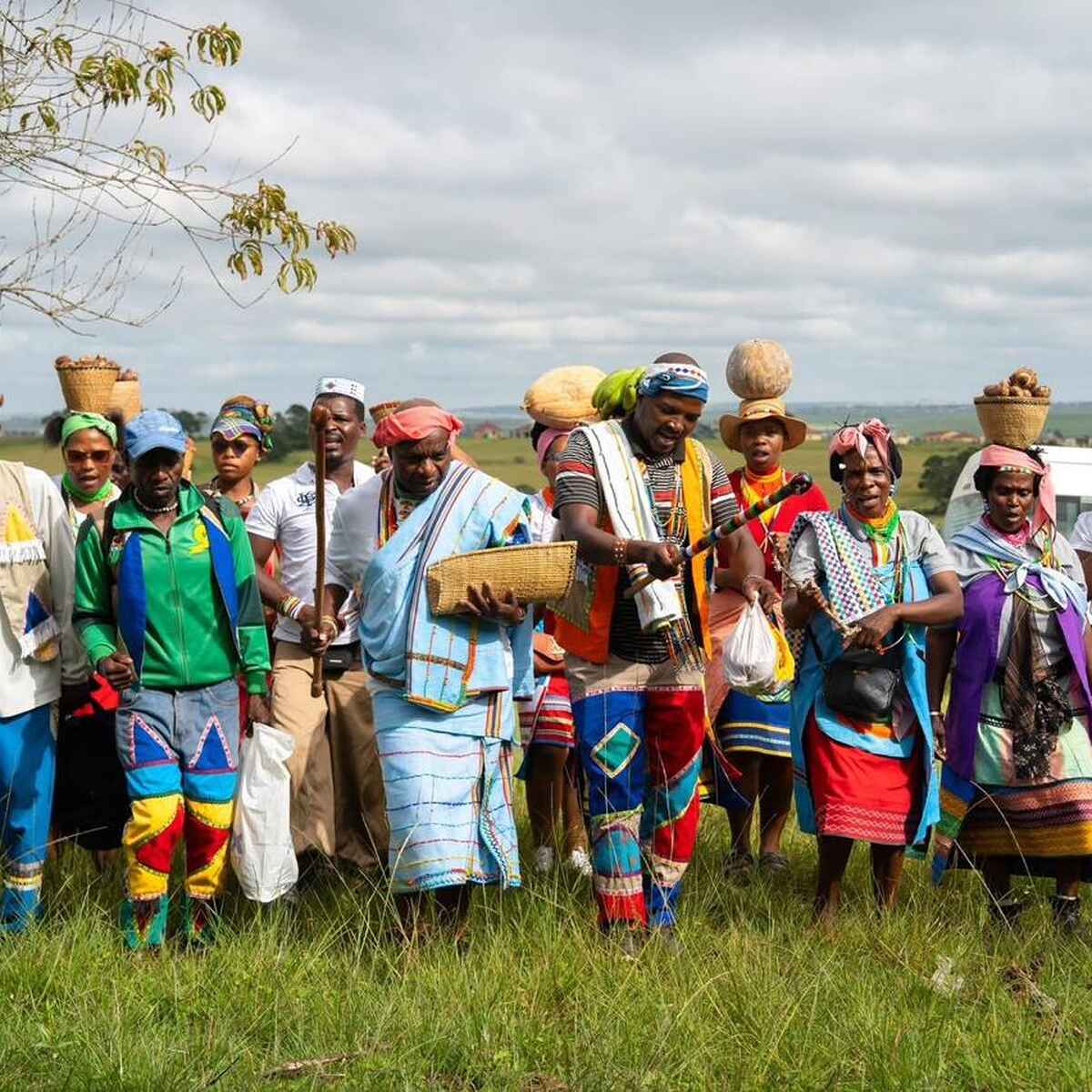
Across many parts of the world, this living richness has been shaped and sustained through long-standing relationships between people and place. Indigenous peoples have played a vital role in caring for ecologically rich landscapes through deep, place-based knowledge passed across generations. This belongs at the heart of any honest conversation about biodiversity. Today, Indigenous peoples continue to care for lands that hold a significant share of the world’s biodiversity, and their knowledge remains essential to how we understand ecological health, balance, and protection (IPBES, 2019; Garnett et al., 2018).
Seen in this light, biodiversity is more than a measure of ecological health. It reflects relationships: between species, between systems, and between people and place. It is what allows water to be filtered, soil to be formed, food to be grown, and landscapes to remain resilient through change. When biodiversity is protected, these living relationships continue to support the conditions life depends on. When it is diminished, the effects move outward through ecosystems, communities, and everyday life.
What Does Biodiversity Look Like on Farms?
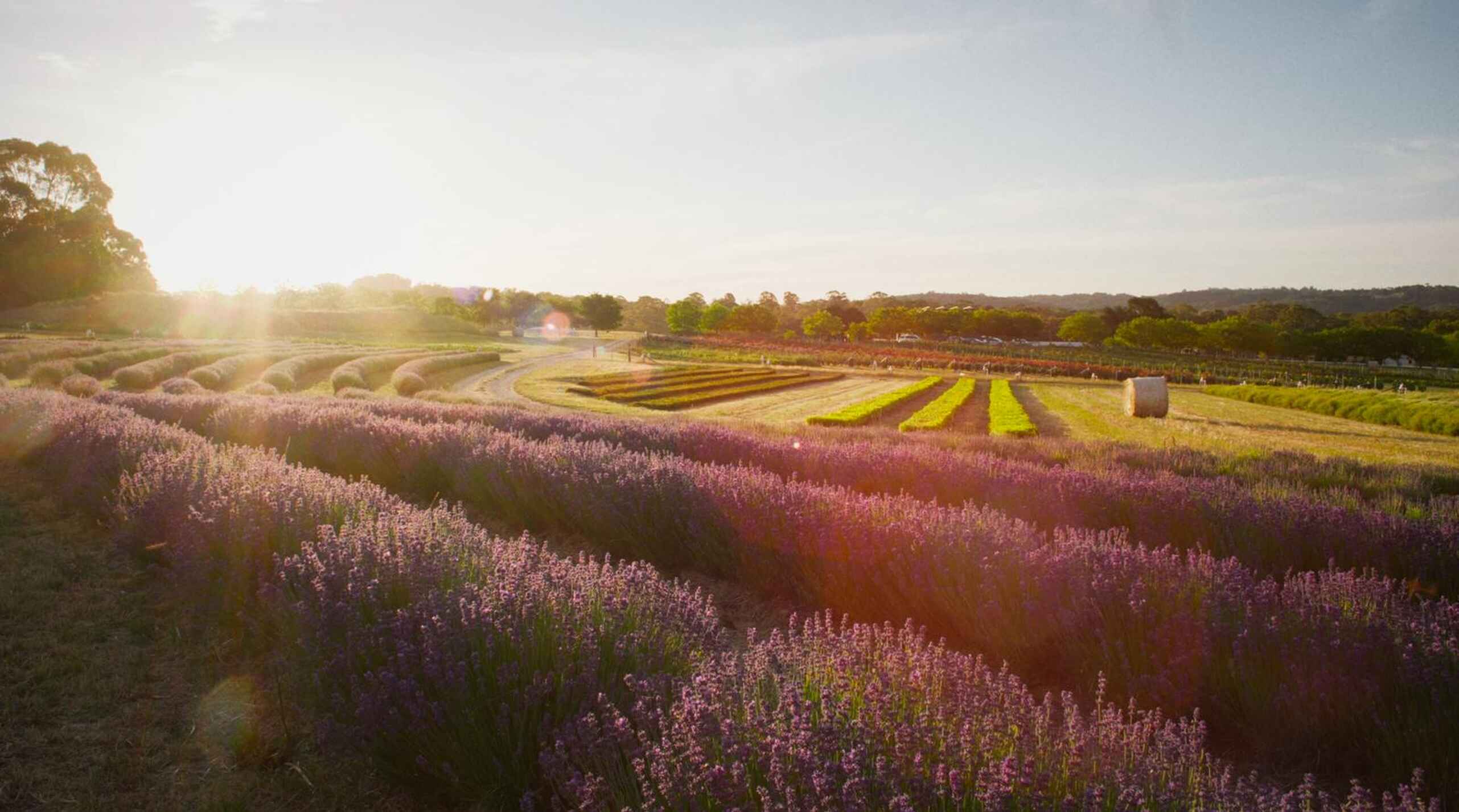
On farms, biodiversity is the living network that makes food production possible. It includes soil microbes and fungi, crops and livestock, native plants, insects, birds, and the wildlife that surrounds and interacts with the land. Together, these relationships shape how resilient, nourishing, and stable a farm can be.
When a farm is simplified into a monoculture, or managed through repeated chemical inputs, that network begins to weaken. The land may still produce, but it often becomes more reliant on outside inputs and more vulnerable to drought, flooding, pest pressure, and disease.
In our podcast episode on chemical agriculture, fourth-generation cattle rancher Will Harris reflects on seeing this firsthand in his early years of farming. At the time, his focus was on maintaining a monoculture, but he came to understand that nature does not work that way. The more he tried to control the system with chemical products, the more he saw that their effects reached beyond the intended target, disrupting other forms of life as well. Over time, that realization reshaped his approach. Rather than trying to eliminate what naturally appears in an ecosystem, he began to see that each organism, from plants and insects to microbes and animals, has a part to play.
“I don’t want to kill anything that’s naturally occurring in my ecosystem… every plant and animal, insect, microbe… has a role.”
When biodiversity is supported, farms tend to function with greater balance, resilience, and vitality.
What Happens When Biodiversity is Threatened?
When biodiversity begins to decline, the effects do not stay contained to landscapes only. They move through the systems we rely on every day, shaping food production, water quality, climate stability, soil health, and community wellbeing. This loss is happening at an accelerating pace, largely driven by human activity.
The IPBES Global Assessment found that around 75% of the land-based environment and 66% of the marine environment had been significantly altered by human actions, with widespread declines in nature occurring across the globe (IPBES, 2019).
For many of us, that connection can be easy to miss. A neat, weed-free lawn is still held up as the ideal across much of the Western world. But a lawn is often a kind of mini-monoculture: a simplified planted space with little variety, limited habitat, and less food for insects and other wildlife. Add in frequent mowing, pesticides, and fertilisers, and these everyday spaces begin to support less life above and below ground. One garden may seem insignificant. Across suburbs, towns, and cities, it becomes a pattern.
At a larger scale, these same patterns show up through land clearing, pollution, invasive species, overextraction of natural resources, and a changing climate, all placing growing pressure on the living systems that keep ecosystems functioning.
In many regions, biodiversity loss is also tied to the displacement of Indigenous peoples and the suppression or erasure of traditional land management practices. Colonization and land conversion have often replaced diverse, locally adapted systems with simplified, extractive models of land use.
IPBES found that nature is generally declining less rapidly in lands managed by Indigenous peoples and local communities than in many other places, despite increasing external pressures, which underscores the ecological significance of these governance systems and knowledge traditions (IPBES, 2019). Practices such as cultural burning, seasonal harvesting, and landscape-scale stewardship have long helped maintain ecological balance, and their removal has altered how many ecosystems function over time.
Colonization has often simplified more than landscapes. It has also contributed to the erosion of cultural and linguistic diversity, displacing knowledge systems, stewardship practices, and ways of relating to place that have long helped sustain ecological balance. In this sense, the loss of biodiversity is often intertwined with a broader loss of biocultural diversity, where ecological simplification and cultural homogenization unfold together.
As biodiversity thins, ecosystems become less able to recover from stress or adapt to change. They lose some of the resilience that helps them withstand drought, flooding, pests, disease, and disruption. Over time, that instability affects not only landscapes, but the people, livelihoods, and communities that depend on them.
The major drivers of biodiversity loss include (BioScience, 2025):
Habitat loss and fragmentation
Clearing land for agriculture, infrastructure, and urban development breaks natural habitats into smaller, isolated patches, making it harder for species to survive and reproduce.
Climate change
Rising temperatures, shifting rainfall patterns, sea-level rise, and more frequent extreme events such as droughts and fires force species to adapt quickly, migrate, or perish.
Invasive species and disease
Introduced plants, animals, and pathogens can outcompete, disrupt, or destroy native species and the relationships that hold ecosystems together.
Overexploitation
Unsustainable fishing, hunting, and harvesting reduce populations faster than they can recover, with outsized impacts on long-lived and large-bodied species.
Pollution
Plastics, pesticides, fertilisers, and other contaminants degrade ecosystems, while light and noise pollution can disrupt behaviour, migration, and breeding.
Disruption of natural processes
Altered river flows, wetland loss, and the removal of traditional land management practices, including cultural fire stewardship, can interrupt ecological cycles that maintain balance.
These pressures build over time. As ecosystems lose diversity, their ability to recover from disturbance begins to erode leading to a gradual instability over time. As biodiversity declines, the effects extend well beyond the landscape, shaping the systems we rely on every day:
Food security and nutrition
Fewer pollinators and reduced genetic diversity in crops can lead to lower yields and a narrower range of foods. Around 75% of global food crops depend, at least in part, on animal pollination (Food and Agriculture Organization), linking biodiversity directly to both the quantity and quality of food systems.
Ecosystem resilience
Ecosystems with greater diversity tend to recover more effectively from disruption. When that diversity is reduced, landscapes become more exposed to climate extremes, disease, and contamination, with fewer natural mechanisms to stabilise them.
Food and water insecurity
The loss of pollinators can limit crop production, soil degradation can reduce fertility, and the removal of wetlands can weaken natural water filtration and storage. These changes affect both agricultural systems and the communities that depend on them.
How Do We Promote and Maintain Agricultural Diversity?
Many of the principles now associated with regenerative and ecological agriculture echo long-established Indigenous land management practices. Approaches that work with natural cycles, support biodiversity, and prioritise long-term landscape health have been applied across diverse cultures and environments for generations. Recognising this continuity helps situate modern agricultural innovation within a broader lineage of land stewardship, rather than presenting it as a recent development.The way food is grown has a direct influence on how much life a farm can support. Some farming practices create the conditions for biodiversity to flourish. Others steadily strip it away.
Industrial farming methods were designed to increase efficiency, yield, and scale. They can be highly productive in the short term, but that productivity often comes with trade-offs. Diverse landscapes are simplified into monocultures, and the biological richness that helps keep a farm healthy begins to decline.
Repeated chemical use can disrupt the life of the soil, including the microbial communities that help move nutrients from soil to root to plant. Over time, this weakens the systems that make soil fertile and resilient, leaving it more vulnerable to drought, flooding, and temperature extremes.
As life in the soil decreases, the quality of the food grown in it can decline as well. A crop may still grow, but its vitality is shaped by the condition of the soil beneath it. The flavour, nutrient density, and overall integrity of food are all influenced by the health of the living system that produced it, and that connection carries through to us when we eat.
Supporting agricultural biodiversity means farming in ways that work with specific ecological processes of the land and region, recognising that healthy food begins with healthy living systems.
Regenerative Practices Restore Biodiversity
We have come to understand regenerative agriculture as encompassing a range of practices that prioritize soil health and ecological balance. Cover cropping, reduced or no-tillage, diversified crop rotations, and rotational grazing are among the methods used to rebuild biodiversity within farmland.
These approaches increase organic matter, encourage microbial diversity, and strengthen the relationships between plants, animals, and microorganisms. Over time, farms managed in this way tend to show improved resilience, healthier crops, and greater ecological stability.
Mike McCosker, a fifth-generation Australian farmer and regenerative educator, explains how healthy soil can sequester carbon and function like a sponge, holding water and helping landscapes withstand drought and extreme weather in a series of educational videos. Through his non-profit Carbon8 Fund, he illustrates how rebuilding soil biology is not only about productivity, but about long-term resilience
"Most people don’t immediately see the connection between biodiversity and drought management. When biodiversity is mentioned, people typically think of trees, animals, birds and bats but they often overlook the diversity within the soil. This soil diversity is crucial because it sequesters carbon, enhancing water holding capacity. Therefore biodiversity is directly linked to drought”
Healthy Biodiversity Supports Healthy Food and Healthy People
Biodiversity plays a foundational role in the quality of the food we grow and eat. On a biodiverse farm, many forms of life work together, from microbes and fungi in the soil to insects, plants, animals, and surrounding vegetation. These relationships help cycle nutrients, build soil structure, improve water retention, and create the conditions for food to grow in a more balanced and nourishing system.
Healthy soil sits at the centre of that relationship. Living soil contains vast communities of microorganisms that help plants access the minerals and nutrients they need to grow well. The more biologically active and diverse the soil, the stronger the foundation for nutrient-dense food.
That connection continues into our own bodies. When we eat food grown in healthy, living soil, we consume the compounds, nutrients, and microbial exposures that come from that system. These play a role in shaping the diversity of the
gut microbiome
Flashcard
Gut microbiome
the community of trillions of microbes (mostly bacteria, but also viruses, fungi, and archaea) that live in the digestive system, especially the large intestine. It helps break down food, produce vitamins, support the immune system, and regulate metabolism, hormones, and brain function - making it essential to overall human health.
When biodiversity is protected, so too is the living system that helps keep food nourishing, water clean, and communities well.
What You Can do
Protecting biodiversity begins close to home, in the food we buy, the gardens we tend, and the systems we choose to support.
Choose food produced with fewer chemical inputs where possible, including organic and regenerative options.
In your own garden, plant native species, grow heirloom varieties, and create habitat for pollinators and other beneficial insects. Joining a seed-saving network is another practical way to help protect biodiversity.
Research the natural ecosystems in your region, and notice where biodiversity is thriving in your local community - and where it’s lacking. Ask yourself how you can actively support and bring more biodiversity into the places around you.
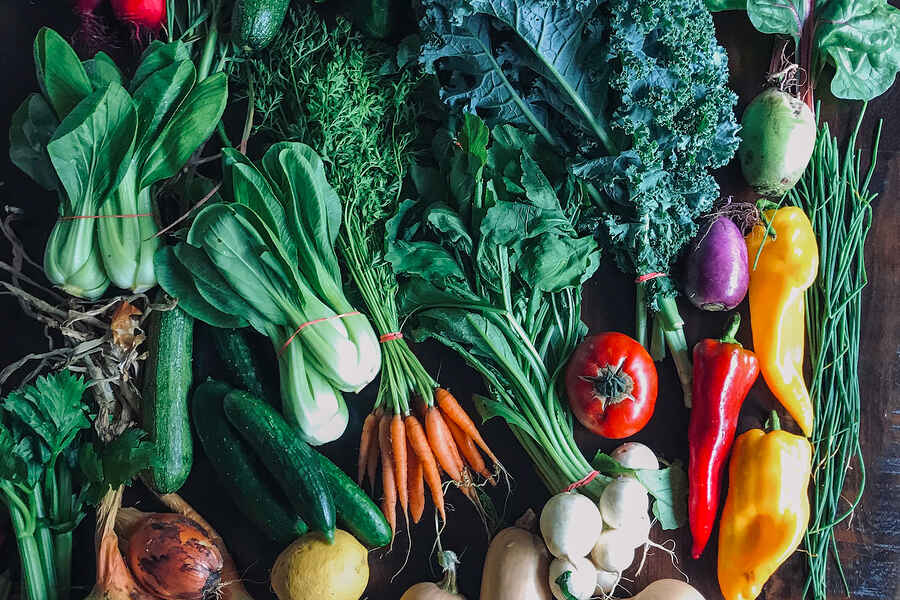
Support farms growing diverse crops and working with ecological systems by shopping at farmers’ markets, subscribing to a CSA, or buying direct from local producers.
Many organizations exist to protect wildlife, restore habitats, and strengthen biodiversity. Research your closets ones and support with donations or by volunteering your time.
Support Indigenous-led conservation and land stewardship initiatives. Evidence shows that biodiversity outcomes are often stronger on lands managed by Indigenous communities, where governance systems are closely tied to ecological knowledge and long-term care (Garnett et al., 2018; IPBES, 2019). Strengthening these efforts contributes not only to environmental outcomes, but also to cultural continuity and community resilience.
Intergovernmental Science-Policy Platform on Biodiversity and Ecosystem Services (IPBES) DOI: https://doi.org/10.5281/zenodo.3832005 Part of ISBN: 978-3-947851-20-1
IPBES (2019), Global assessment report of the Intergovernmental Science-Policy Platform on Biodiversity and Ecosystem Services, Brondízio, E. S., Settele, J., Díaz, S., Ngo, H. T. (eds). IPBES secretariat, Bonn, Germany, ISBN: 978-3-947851-20-1
Talia E Niederman, Julianne N Aronson, Alison M Gainsbury, Laura A Nunes, Lindsay M Dreiss, US Imperiled species and the five drivers of biodiversity loss, BioScience, Volume 75, Issue 7, July 2025, Pages 524–533, https://doi.org/10.1093/biosci/biaf019
Mbow, C., C. Rosenzweig, L.G. Barioni, T.G. Benton, M. Herrero, M. Krishnapillai, E. Liwenga, P. Pradhan, M.G. Rivera-Ferre, T. Sapkota, F.N. Tubiello, Y. Xu, 2019: Food Security. In: Climate Change and Land: an IPCC special report on climate change, desertification, land degradation, sustainable land management, food security, and greenhouse gas fluxes in terrestrial ecosystems [P.R. Shukla, J. Skea, E. Calvo Buendia, V. Masson-Delmotte, H.-O. Pörtner, D.C. Roberts, P. Zhai, R. Slade, S. Connors, R. van Diemen, M. Ferrat, E. Haughey, S. Luz, S. Neogi, M. Pathak, J. Petzold, J. Portugal Pereira, P. Vyas, E. Huntley, K. Kissick, M. Belkacemi, J. Malley, (eds.)]. https://doi.org/10.1017/9781009157988.00
Khalid, M. A., Kumar, S., Yadav, E., Pankaj, P. P., & Kharwar, R. K. (Eds.). (2025). Vanishing biodiversity: Global threats to flora and fauna. M/S Academic Publishers & Distributors. https://doi.org/10.5281/zenodo.[complete
Talia E Niederman, Julianne N Aronson, Alison M Gainsbury, Laura A Nunes, Lindsay M Dreiss, US Imperiled species and the five drivers of biodiversity loss, BioScience, Volume 75, Issue 7, July 2025, Pages 524–533, https://doi.org/10.1093/biosci/biaf019
Más Artículos Educativos


Apoya nuestro trabajo
Mantente conectado
Recibirás nuestro boletín mensual Field Notes, actualizaciones de proyectos y recursos gratuitos, además de acceso prioritario a nuevas historias.

Haz una donación
Tu donativo deducible de impuestos impulsa las historias que transforman la cultura, la organización que convierte la conciencia en acción colectiva y las relaciones que hacen posible el cambio sistémico a largo plazo.