Food Writer, Chef, and Graduate of Environmental Justice
Cacao: The Origin, The Medicine, and Call to Liberation
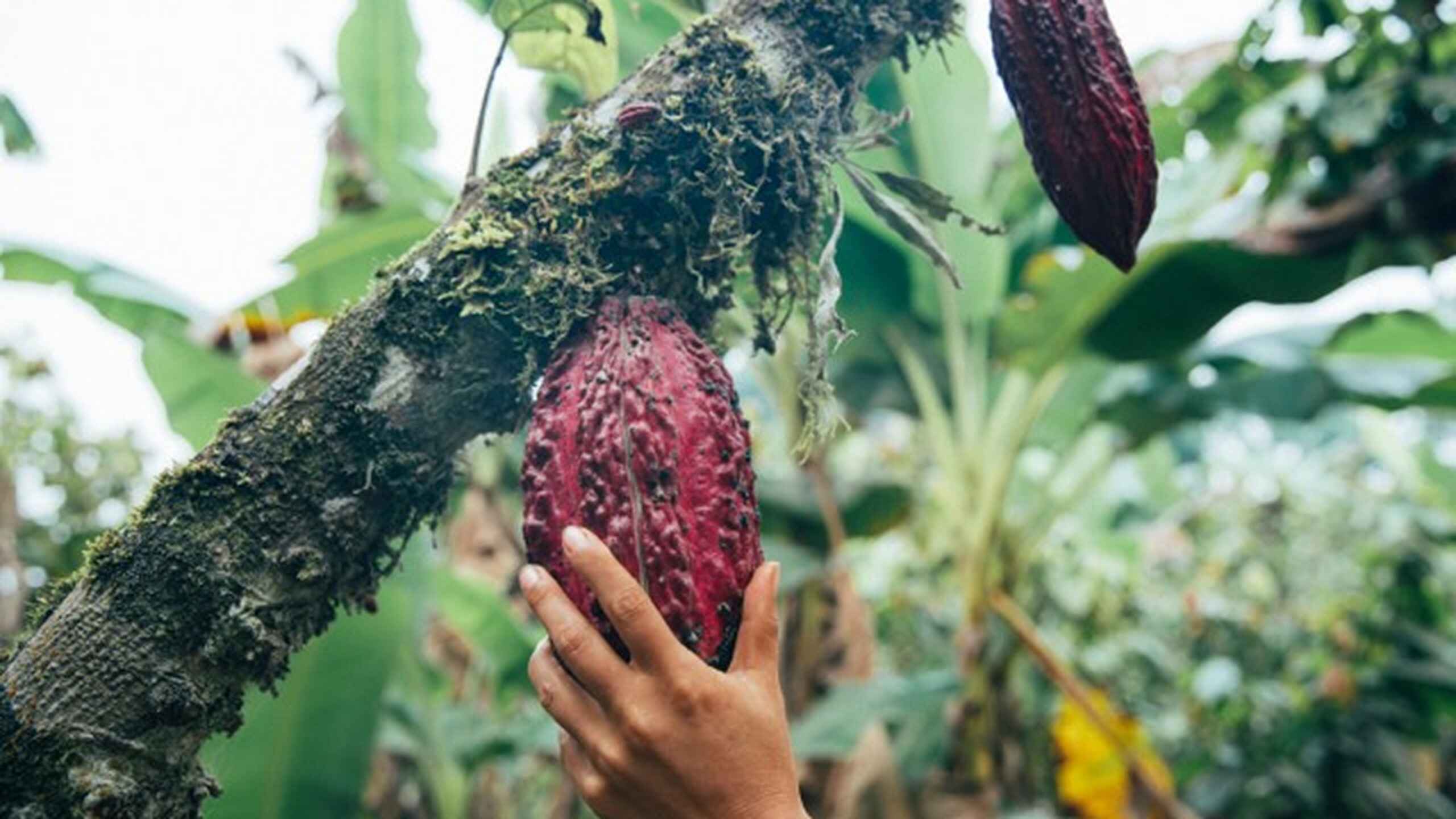
Cacao, or the botanical name, Theobroma cacao, translates to "food of the Gods." This sacred medicine originates from ancient Mesoamerica dating back to 1500 BC and is the lifeblood of Mayan, Aztec, and Olmec heritage, history, and culture.
"Cacao is medicine for the people."
Cacao, or the botanical name, Theobroma cacao, translates to "food of the Gods."
This sacred medicine originates from ancient Mesoamerica dating back to 1500 BC and is the lifeblood of Mayan, Aztec, and Olmec heritage, history, and culture. As a symbol of abundance, rulership, and ancestry, the cacao tree is a metaphorical conduit by which human souls and gods travel between Earth, Sky, and the Underworld. It's no surprise that once colonization gripped Mesoamerica, cacaos dominance spread worldwide, starting the global cacao craze. Cacao became a symbol of elitism for Europeans and eventually transformed into the world's obsession with the processed version of cacao - chocolate. The richness of chocolate captivated taste buds around the world with its decadence. Still, as rich as chocolate may be, it comes at the price of poor ethics, a convoluted history, and a call for change.
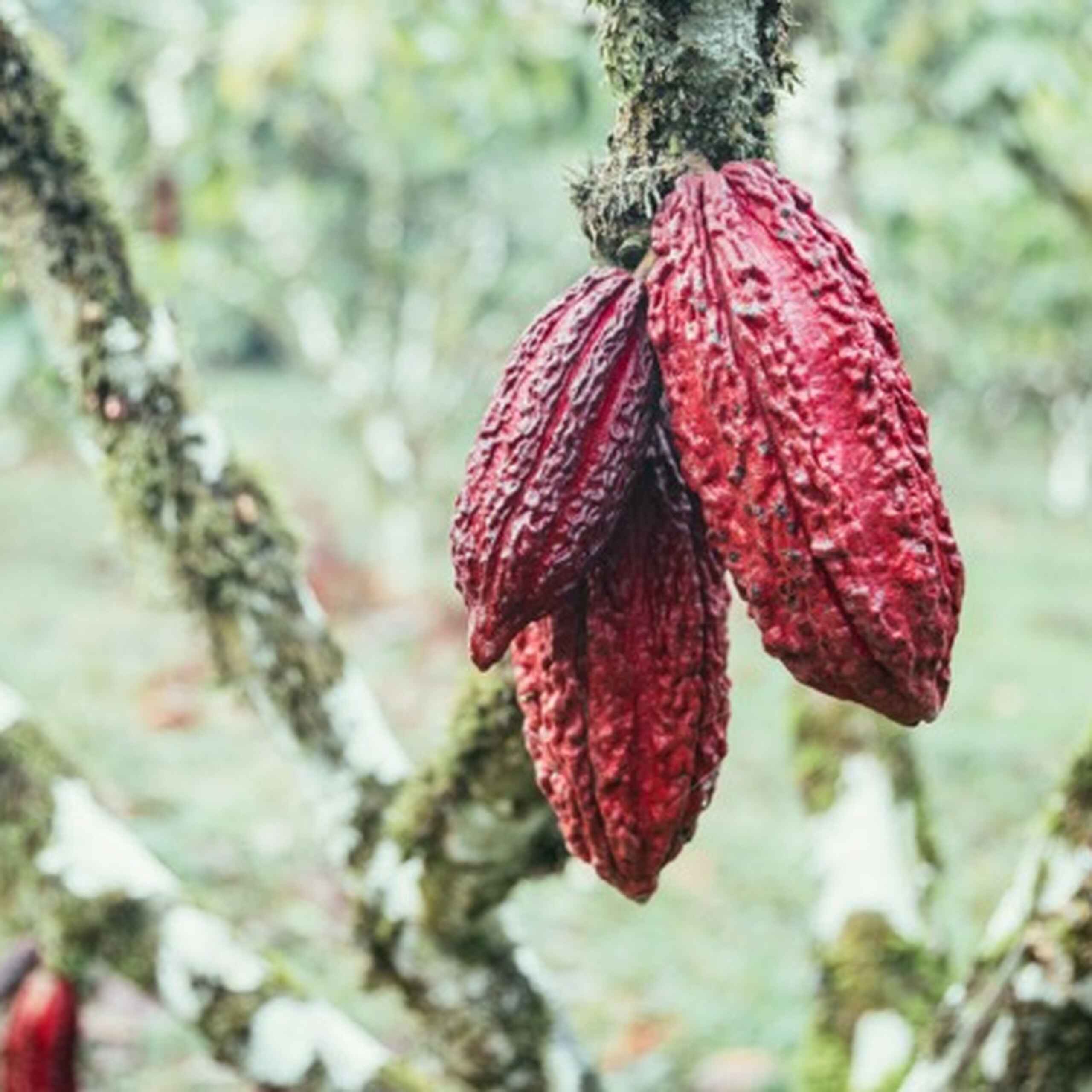
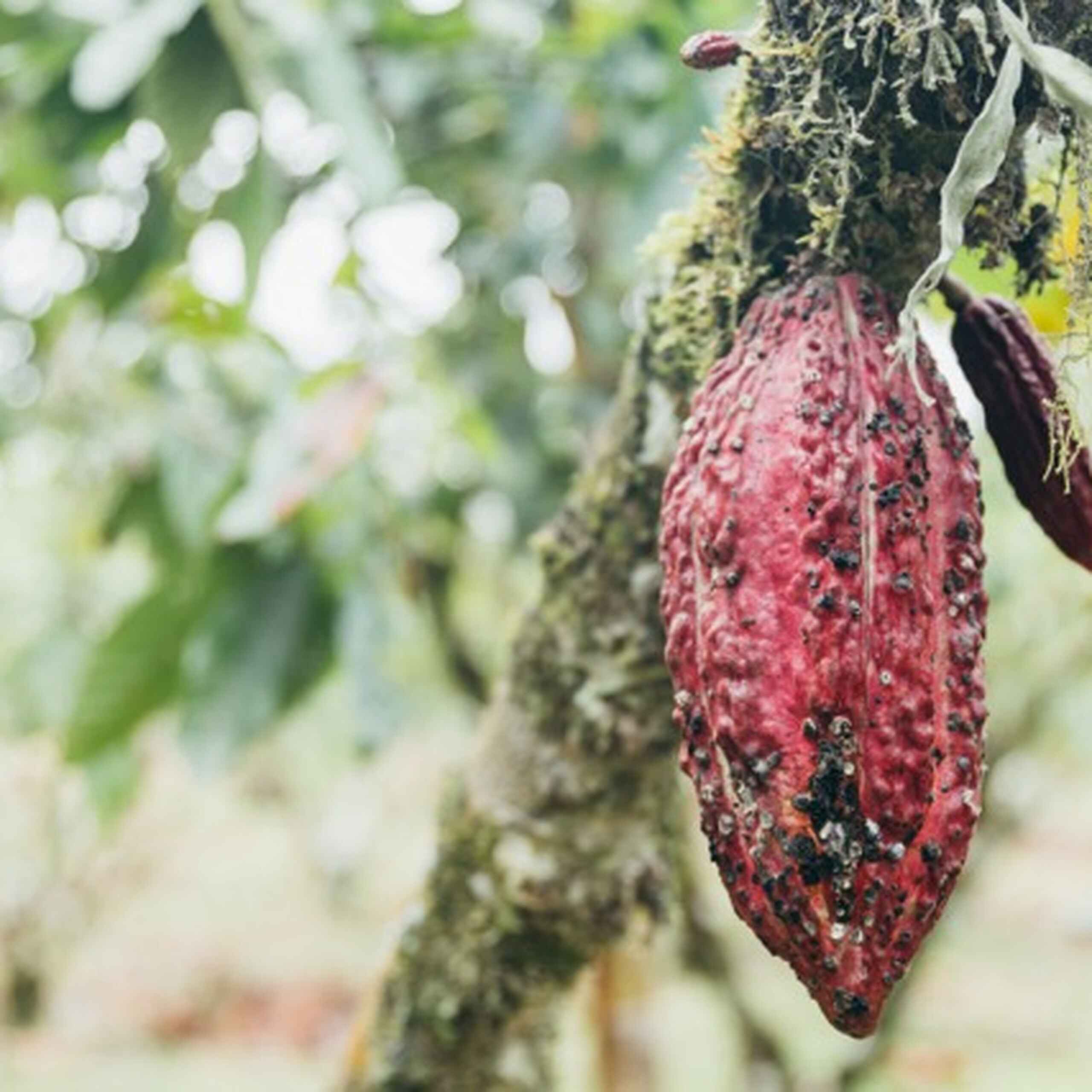
Theobroma cacao is a small evergreen tree with white flowers and grows autumn-colored pods containing cacao beans coated in a white, sticky pulp. Cacao is a plant that only thrives in a narrow band of tropical ecosystems 20 degrees north and south of the equator. Indigenous to Central and South America, Cacao is traditionally grown, harvested, and ceremonially guided by women.
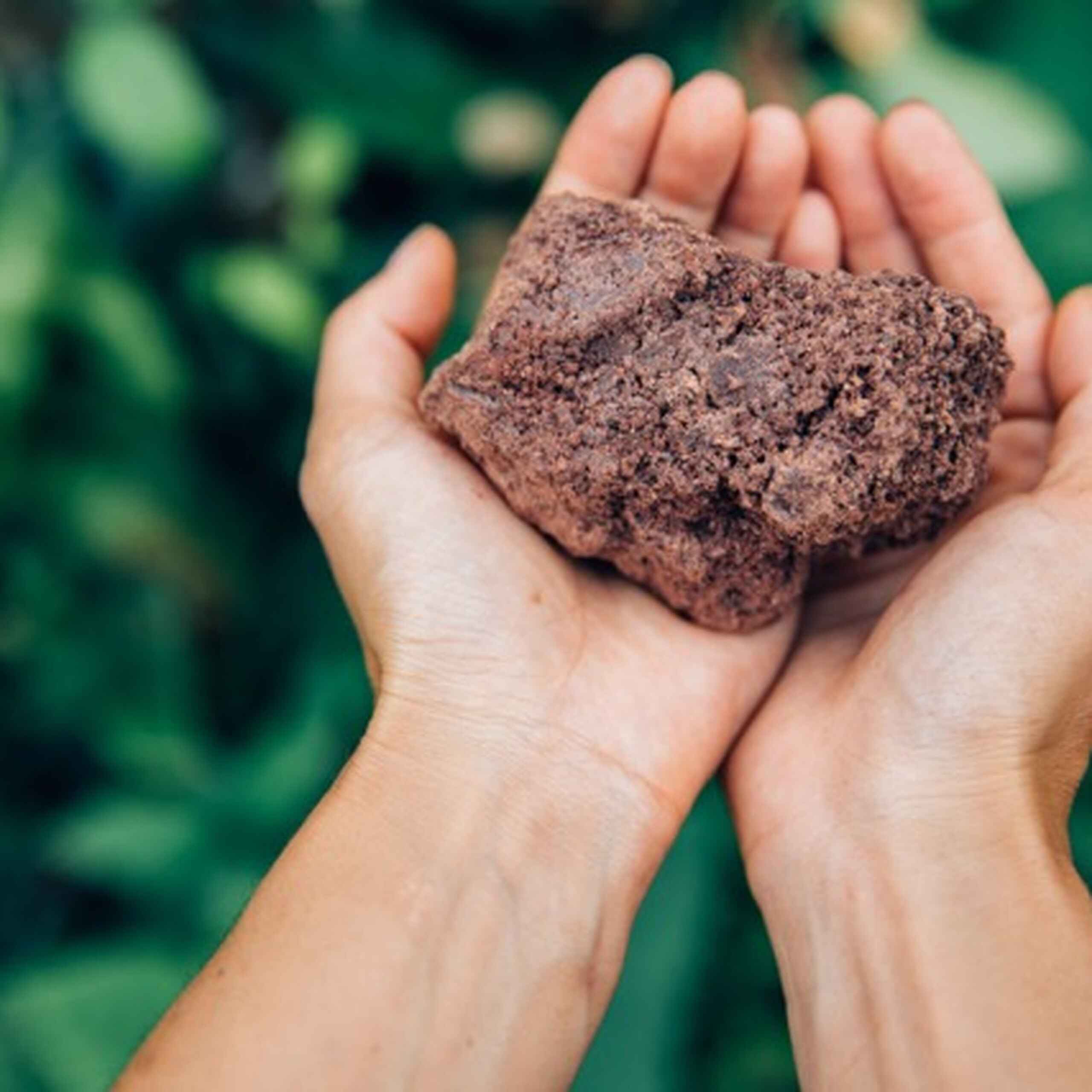
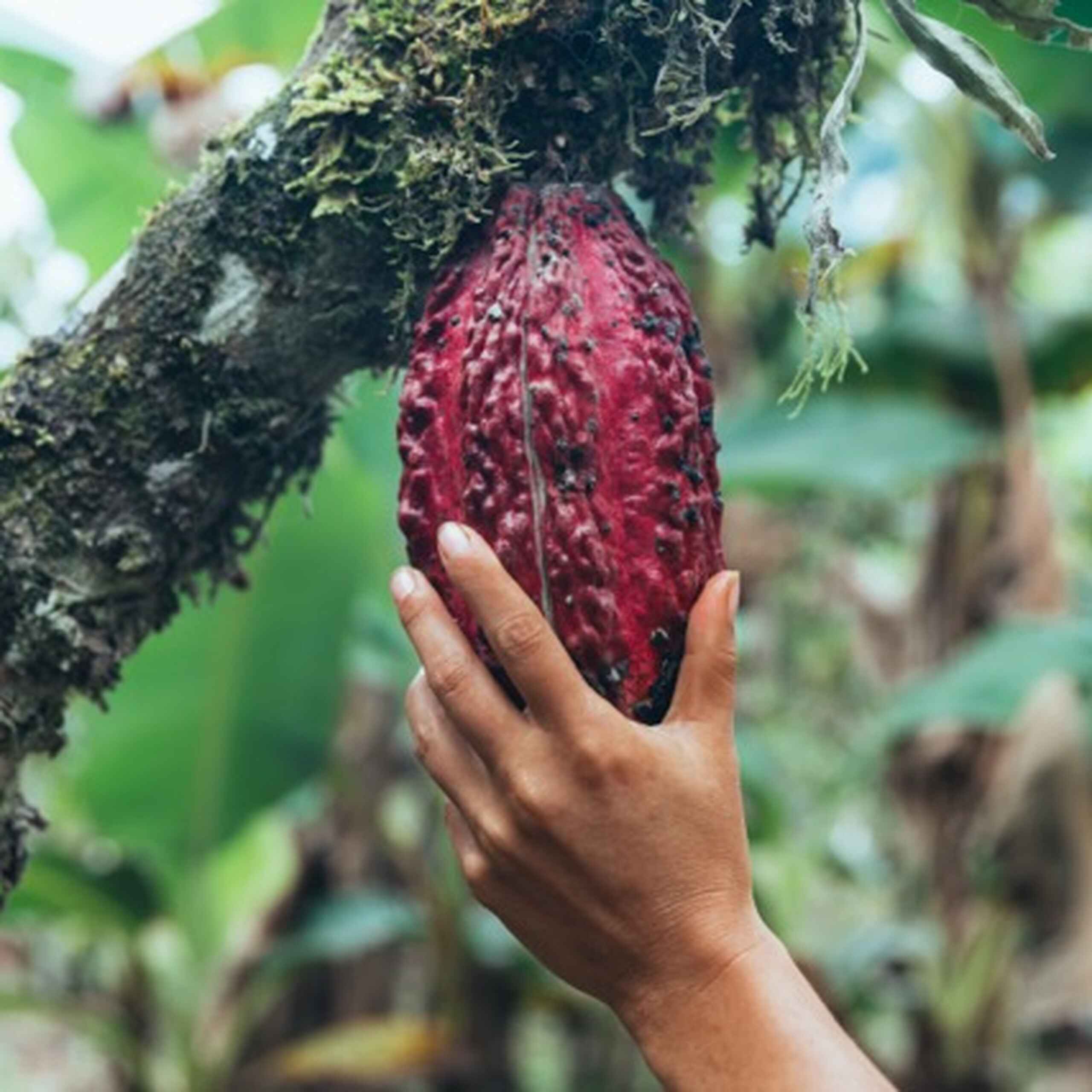
"Cacao is a matriarch. Traditionally, in Guatemala, the grandmothers would pray over the cacao seeds, plant the trees in prayers, hand water the cacao tree each day, harvest the new seed with intention, dry the seed with the sun, and build the fire ceremony to share the medicine. The most beautiful part of this group of grandmothers is that they never taste or partake in their product, this is how they show their unconditional love to the earth-this is their devotion and service to humanity."
Jose Federico Munoz is a Day keeper of the Mayan Calendar for the Maya Chorti, Quiche, Mam, and Kakchiquel people. His family has been stewards of cacao for 22 generations, and now he spreads his teaching and ancestry with cacao globally.
"As a Mayan child, you grow up drinking cacao daily. Traditionally, we gather to put our prayers in the cacao and drink our prayers. Cacao connects you to your ancestors, and most importantly, it helps connect you with yourself."
Cacao and chocolate appear in countless ceremonial contexts.
Cacao and chocolate appear in countless ceremonial contexts in Olmec, Mayan, and Aztec cultures, ranging from agricultural and celestial events to rites of passage such as birth, death, and marriage. Cacao was medicine for the people and used with other sacred medicinal plants to cure everything from a common cold to seizures. Raw cacao is an extraordinarily complicated and powerful medicine. With an estimated 400 - 600 chemical components, raw cacao acts on the physical body, offering nutrients, minerals such as magnesium, and a cocktail of pleasure hormones. Blood circulation accelerates up to 40%, providing strength and tangible power.
The Yucatán manuscripts, "The Ritual of the Bacabs," dive into ancient practices where shamans used cacao to deliver individuals from disease and affliction. Many of the botanical remedies contained cacao as part of the recipe; an example is chacah, or medicinal chocolate, a drink of cacao blended with honey, pepper, and tobacco juice, administered to a patient at the end of a shamanistic chant.
"Cacao is medicine for the body and the mind. We've come to a tipping point. As chocolate connects you with your heart, it also connects you with something bigger…. God, the Universe, Spirit, your higher self… whatever you want to call it."
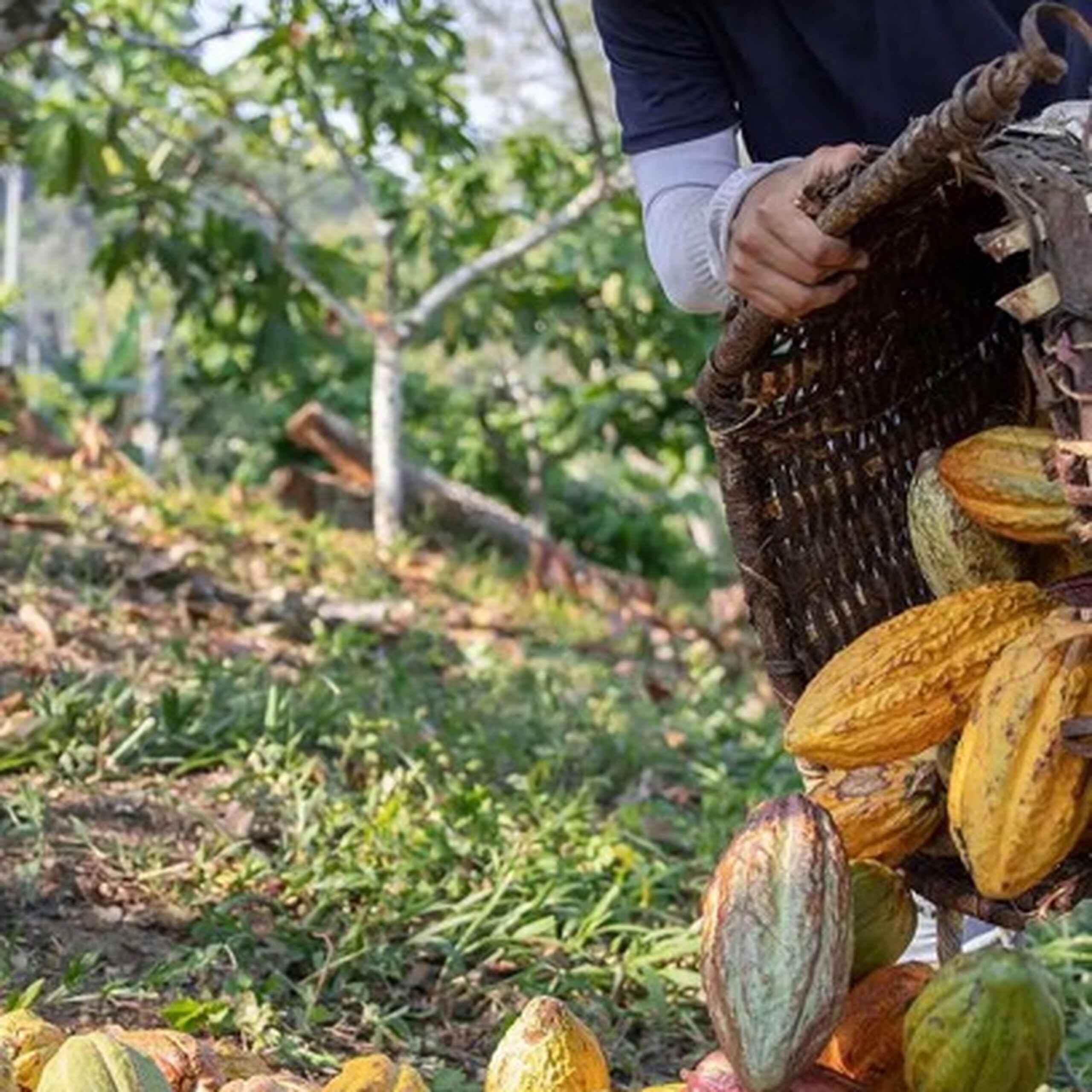
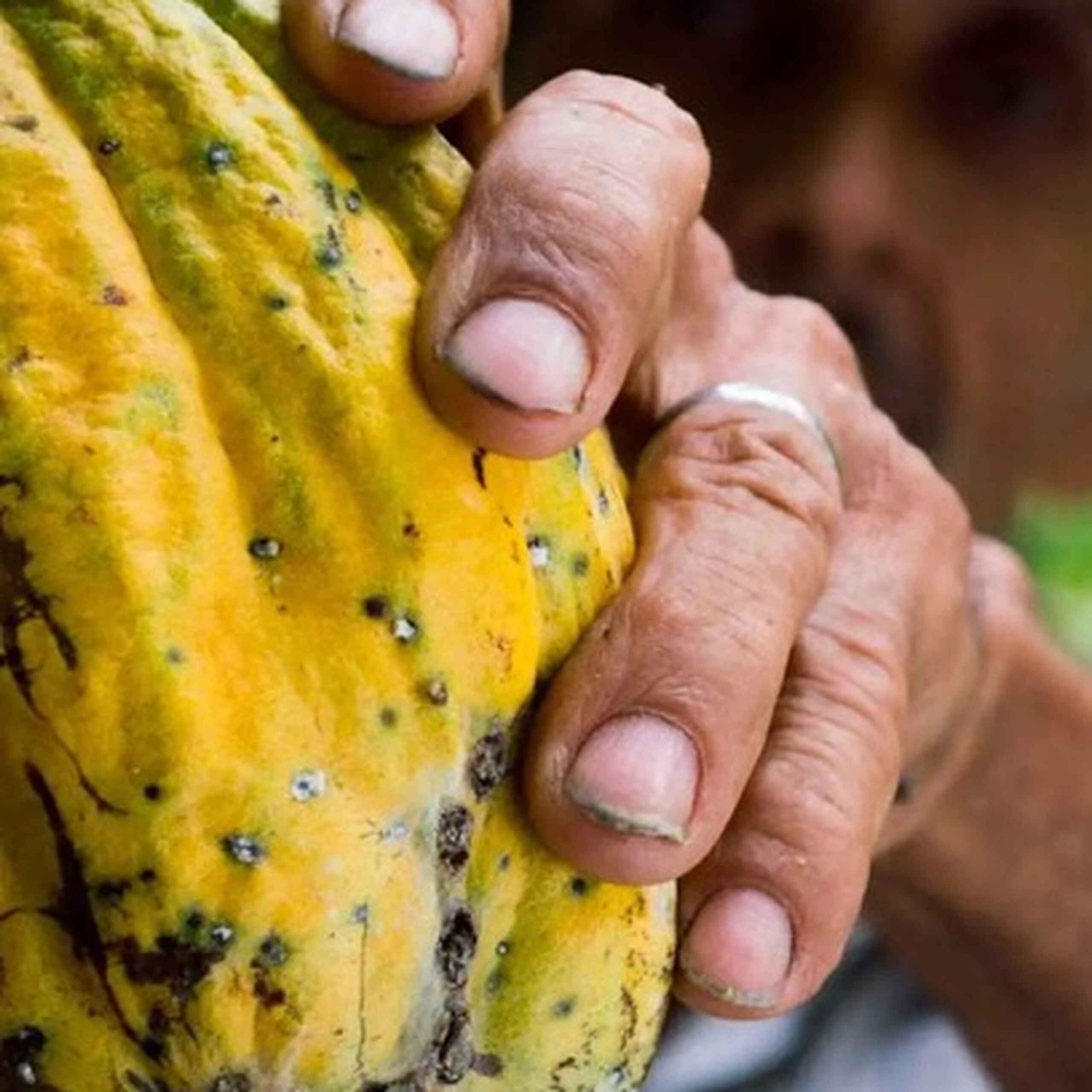
Cacao was so valuable it became their currency.
For the Aztec people, cacao was so valuable it became their currency, holding such significance that cacao was worth more than gold. Cacao's capital fueled Mesoamerica's economy over several millennia and catalyzed an extensive trade industry with a powerful merchant class. Once the Spanish colonized this sacred medicine in the sixteenth century, cacao became so popular among elite Europeans, and eventually, North Americans that, along with commodities such as coffee, sugar, tobacco, and tea, it was one of the founding products and fuel for the transatlantic slave trade and the development of capitalism.
The ownership of cacao production and control of its distribution created spheres of power and great wealth that perpetuated slavery, colonization, and exploitation for thousands of years, leading to the current chocolate economy.
Now, West Africa (Ghana and the Ivory Coast) produce over 70 percent of the world's cacao. Wealth is unethically concentrated in the world's north; in the $103 Billion chocolate industry, the average cocoa farmer in Ghana earns 84 cents a day, and the average small farmer in Ivory Coast makes just 50 cents a day.
The World Cocoa Foundation estimates that 40-50 million people worldwide are dependent on cocoa as their primary source of income yet cannot afford to buy chocolate themselves. The hands producing, picking, and providing the world's cacao are primarily children; more than 109,000 children in the Ivory Coast work under "the worst forms of child labor," working night shifts, exposed to harmful pesticides, and faced with extreme violence for their production. It is estimated that 20%-30% of children in cocoa communities suffer from stunted growth, drastically reducing their physical and mental capacity for their entire lives (IDH 2019).
"There is a trend in history of sacred medicines turning into extractive, unethical industries because of supply and demand. The Coca leaf is an ancient medicine from South America, but it's been exploited for its stimulating properties and turned into cocaine. Cacao is not there yet, but is trending toward the abuse similar to cocaine and blood diamonds."
In the chocolate industry, a handful of companies and governments control the lives of millions. These corporations have exploited the abundance of cacao and continue to harm people and the land: Hershey's, M&M Mars, Nestlé, Kraft, Cargill, Archers Daniels Midland (ADM), Ferrero, and Olam are just a few.
In 2001, consumer outrage over the sobering reality of the cacao industry prompted the major chocolate companies to pledge to end the worst forms of child labor. Child Labor Legislation was gaining traction among the public to regulate large cacao companies, but the industry lobbied against the proposed laws and stopped the momentum in its tracks. Unfortunately, reports have surfaced that little has changed with child labor in cacao plantations. In parallel, it's a similar story to the environmental degradation of forests worldwide due to cacao monocropping and pesticide use.
Although cacao is an under-canopy plant that can thrive underneath trees and live in symbiosis with the lush jungle, industrial monocropping and deforestation are how most cacao plantations operate. Experts estimate that 70% of West Africa's illegal deforestation is related to cocoa farming. Since the 1960s, West Africa has implemented a "slash-and-burn" farming technique, which has increased production fourfold at the cost of decimating more than 90 percent of the original forests and ecosystem. Less than 4 percent of the once lush Côte d'Ivoire in West Africa remains densely forested, and several vulnerable species, including chimpanzees, elephants, and the pygmy hippopotamus, are endangered. Cacao grows in the most vital rainforests worldwide that store the world’s carbon, maintain biodiversity, and are essential to combating climate change. Cacao farming can either be our greatest gift or downfall to environmental regeneration, “as a shade grown crop, the cacao tree and a hectare of its surrounding forest system can store or capture twenty to one hundred times more carbon dioxide than an equal area of farmland or pasture,” (Miller and Taube 1997).
In the published study, "Environmental impacts of cocoa production and processing in Ghana: life cycle assessment approach," By Augustine Ntiamoah, dives into the environmental repercussions of current farming practices, stating, "cocoa production heavily contributes to the environmental impacts of eutrophication, ozone layer depletion, freshwater aquatic eco-toxicity, human toxicity, and terrestrial eco-toxicity. The analysis revealed that production and use of fertilizers and pesticides were a major cause of the environmental burdens in the cocoa production stage."
In 2017, 34 chocolate companies agreed to end deforestation by their industry. But according to a 2018 report by the environmental group Mighty Earth and the cacao barometer, cacao production was still clearing forests and the animals inhabiting them at an alarming rate. This extreme depletion of the land coupled with the rising temperatures of climate change and extractive labor practices will result in a cacao shortage, affecting economies and workers worldwide.
Although there is not a one solution remedy for the ills of the cacao industry, there are ailments NGOs, governments, and consumers are working towards to reach collective healing and liberation.
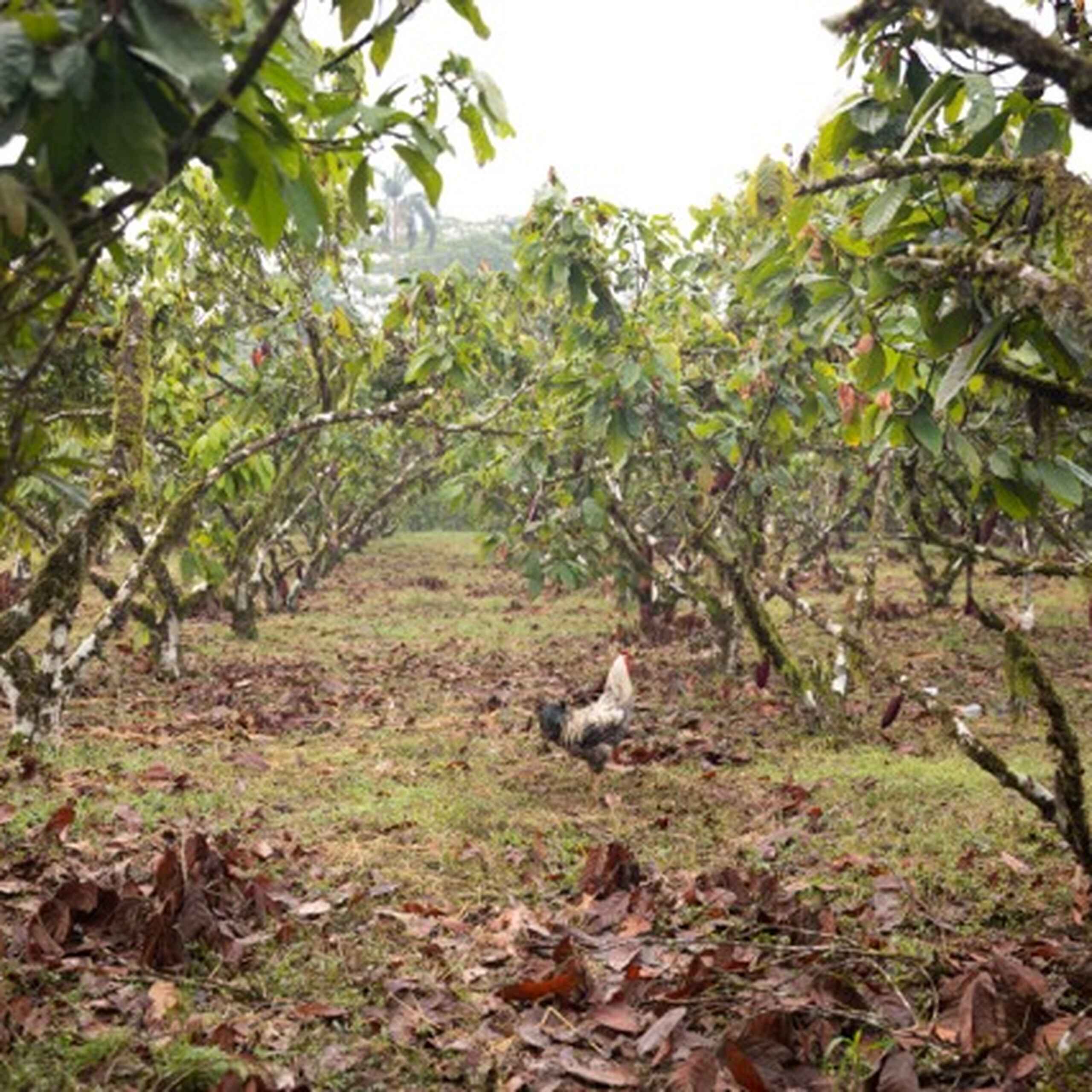
Agroforestry:
Moving away from pesticides is one of the first solutions to protect the people and the planet from toxic exposure. One solution is to implement agroforestry farming techniques. Cacao naturally grows shaded and inter planted with other, larger trees, and is still profitable for small-scale cacao farmers. Cocoa agroforestry systems can bring a wide range of ecological benefits; biodiversity conservation of flora and fauna, soil regeneration, carbon sequestration, preserving and strengthening soil moisture and fertility, pest control, and microclimatic control, and many other benefits. This requires farming education and resources to support small-scale cacao farmers to transition to regenerative cacao.
Consumer Demand:
There needs to be a financial incentive for corporations to change in response to consumer demand. This solution requires collective support and consumers showing financial support for ethical chocolate. How do you know if the chocolate you are buying is ethical? Certifications such as fair-trade, organic, rainforest alliance, B Corp, and UTZ labels are a good start. Another way to purchase ethical chocolate is to find cacao brands that are transparent with their sourcing and harvesting practices.
Non-Governmental Organizations (NGO) and legislation:
NGO's can help cacao farmers and workers gain access to education, business management expertise, human rights resources, and financial support. Mighty Earth, The Rainforest Alliance, and The Cacao Barometer are all NGOs fighting to make a difference in this billion-dollar industry. Governmental legislation is also needed to regulate large cacao corporations and create ethical labor and farming practices incentives.
The only thing that changed within the generations of exploitation of cacao was the intention behind the medicine. Although colonization extracted and abused cacao's magic for the wealth of the west, it is still medicine for the people and the land. Cacao's purpose is to connect people to themselves, their community, and their ancestors; with this, there is the power and hope to organize, abolish, and transform the tides of the cacao industry.
"Humanity will continue, but in a different way. Material structures will change. From this we will have the opportunity to be more human. We are living in the most important era of the Mayan calendars and prophecies. All the prophecies of the world, all the traditions are converging now. There is no time for games. The spiritual ideal of this era is action."
Más Artículos Educativos



Apoya nuestro trabajo
Mantente conectado
Recibirás nuestro boletín mensual Field Notes, actualizaciones de proyectos y recursos gratuitos, además de acceso prioritario a nuevas historias.

Haz una donación
Tu donativo deducible de impuestos impulsa las historias que transforman la cultura, la organización que convierte la conciencia en acción colectiva y las relaciones que hacen posible el cambio sistémico a largo plazo.