
India
Indigenous name: Bhārat or Sindhu
Indigenous peoples: Adivasi peoples
en
What is the indigenous name of that country?
Who were the original peoples of the land?
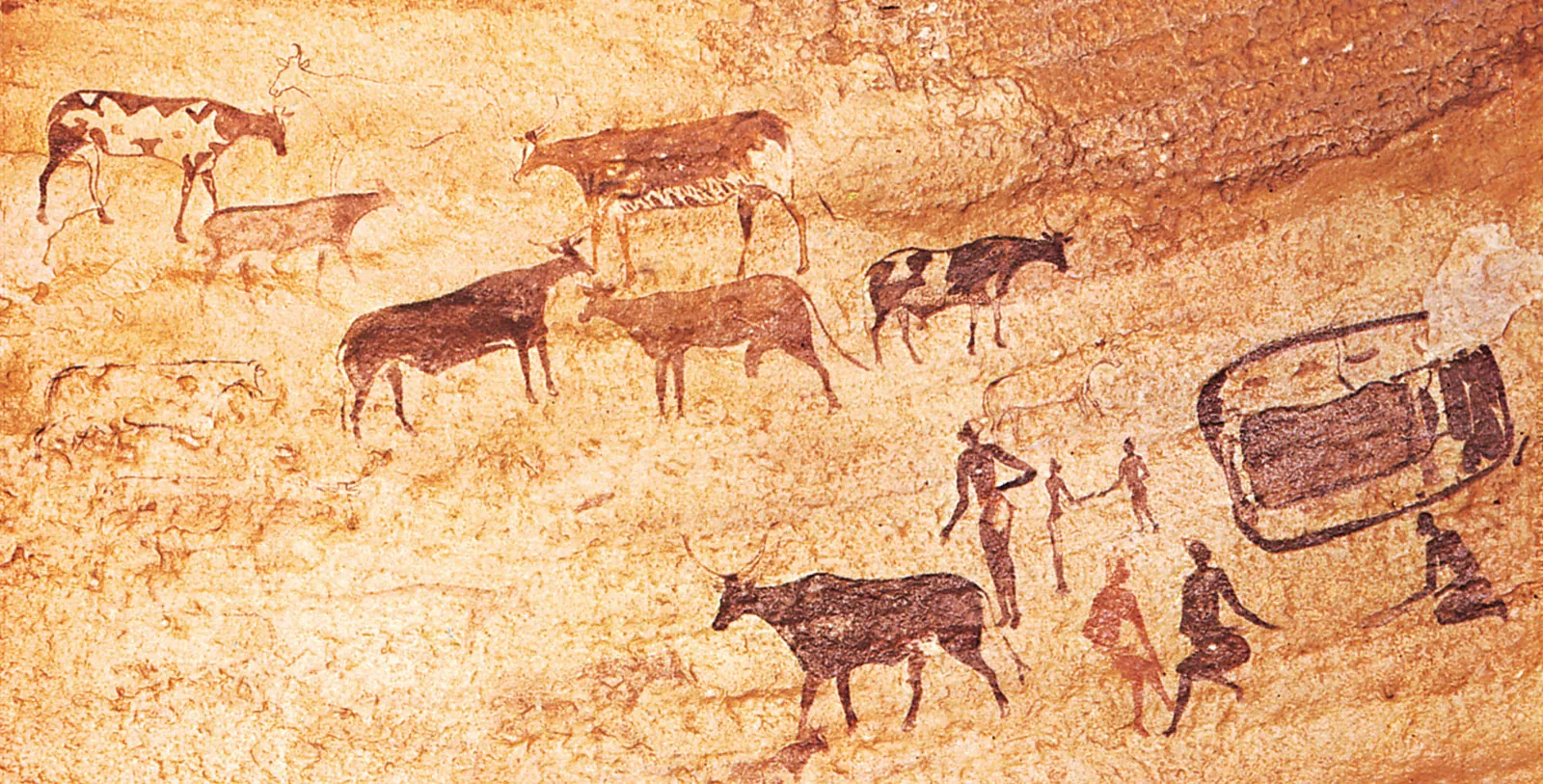
How far back can we see the agriculture of this land?
The Neolithic Revolution, or First Agricultural Revolution, in India is believed to have begun around 8000-4000 BCE, marked by the earliest evidence of wild rice, wheat, and barley cultivation, as well as animal domestication in Northern India (3)(4)(5).
What tools did they use?
- Plows: Wooden plows drawn by oxen were a primary implement for tillage (6, 7).
- Sickles: Small hand sickles used for harvesting crops like wheat, barley, pulses, and grass (8).
Levelers and Clod Crushers: Rectangular wooden beams drawn by bullocks, used to smooth the soil surface before sowing (6). - Kodali: An iron blade fitted to a wooden handle, used as a hand tool for digging and weeding (6).
- Seed drills: Bamboo tubes attached to plows,used for sowing seeds (6).
- Threshing tools: Wooden poles or mallets used to thresh grains by beating (8).
- Winnowing tools: Sieves made of grass stalks or bamboo,used to separate grain from chaff (6).
Spades (Pharwa) and Hoes (Kudali): Used for digging and weeding operations (8). - Axes (Kulhari): Used for harvesting crops like sugarcane (8).
- Stone Tools: Used in very early periods before the widespread adoption of medal tools (9).
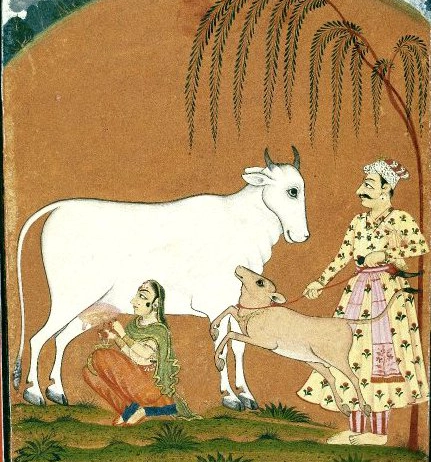
What animals did they manage?
What resources did they have available?
- Land and Soil: Fertile plains, especially along river valleys like the Indus and Ganges, with various soil types suitable for different crops, classified into categories like urvara (fertile), ushara (barren), and maru (desert).
- Water Resources: Rivers, monsoon rains, and irrigation systems, including wells, canals, and tanks (11).
- Crop diversity: A wide range of crops cultivated, including cotton for textiles, spices, and medicinal plants.
- Farming Practices: Use of organic fertilizers like cow dung, ash, and compost; traditional knowledge of crop rotation, plowing, fallowing, and regenerative farming methods.
- Climate Understanding: Knowledge of seasonal and climate patterns to guide agricultural activities.
Tools: Use of plows (initially wooden, later iron) and sickles (1) (15).
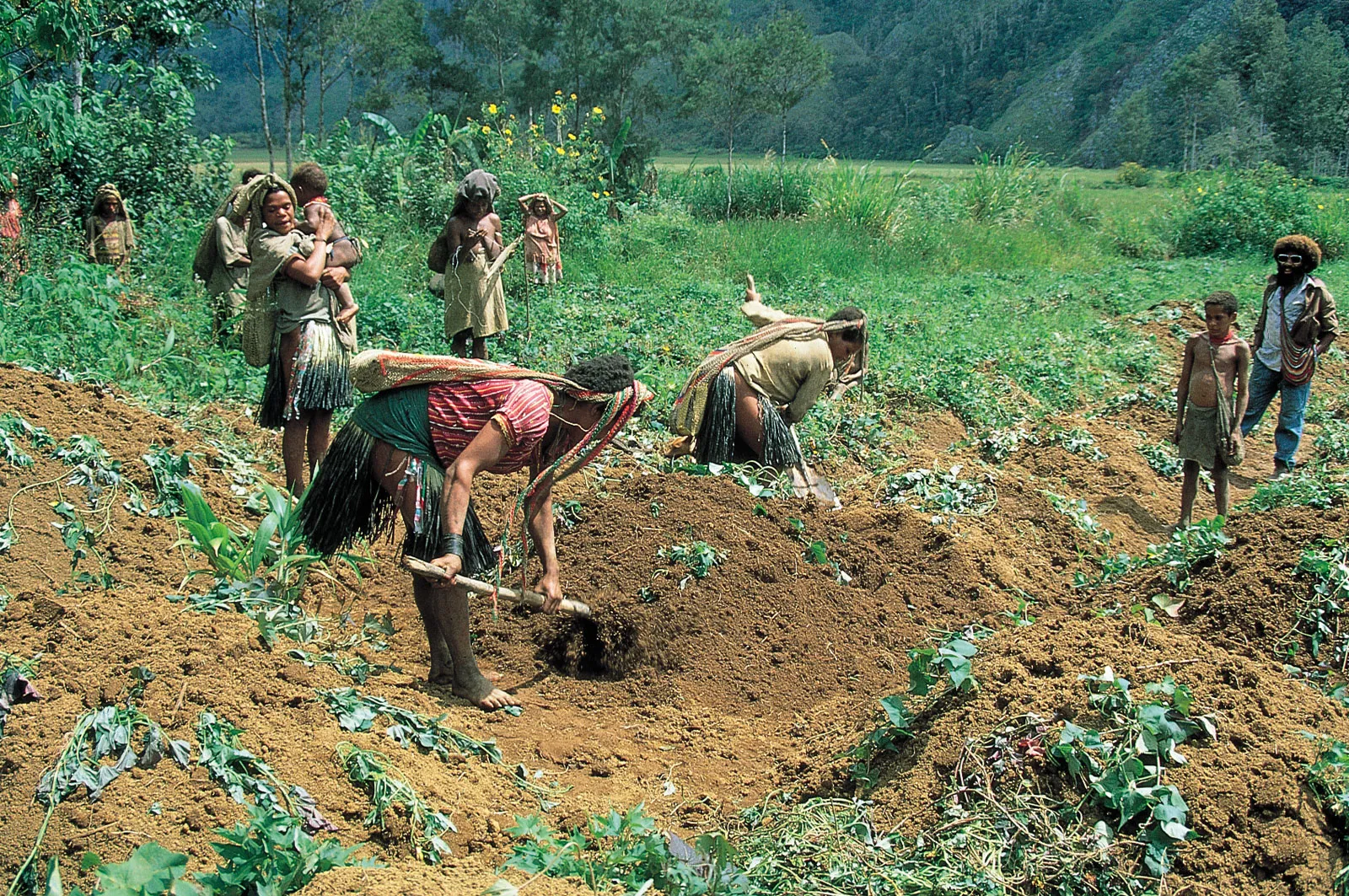
What were the staple crops?
- Barley, rice, cotton, and sesame (6).
- Wheat: einkorn, emmer, durum, and bread wheat (6).
- Legumes: mung beans, black gram, horsegram, and pigeon pea, field peas, and lentils (6).
The cultivation of these crops marked the transition from hunter-gatherer societies to agricultural communities in the Indian subcontinent.
What foods did they eat?
- The indigenous diet was characterized by its reliance on locally sourced ingredients, reflecting a deep connection to the land and nature. It varied across different regions based on local ecosystems and available resources (14) (12) (13).
- A traditional diet consisted mainly of meat, rice, wild game, seasonal vegetables, forest fruits, fish and insects. Cooking methods such as fermenting, sun-drying,pickling, smoking, drying, and roasting were commonly used. Ingredients were minimal, typically limited to salt, turmeric, chili, onion, and garlic (13).
- Examples of common foods include rice, millets, maize, pork, field rats, chicken, fish, wild game, fermented raw milk, snails, red ants (for chutney), wild fruits and berries (bael), seasonal vegetables (sabzi), bamboo shoots, tubers, and roots (14)(12)(13).
What did they trade and who did they trade with?
Trade between indigenous groups in India predates European contact. Different tribes exchanged goods across ecological zones, often trading items from different altitudes or regions (2). The original indigenous peoples of India traded several agricultural resources:
- Crops: Kidney beans, potatoes, garlic, maize and rice (traded for by communities unable to grow them locally).
- Processed foods: Finger millet flour, honey, clarified butter (ghee).
- Spices
- Cotton: Used for textiles.
Other Agricultural Products
- Milk products, Dried and Pickled Foods: Examples include dried radish, taro roots, gourds, fenugreek leaves, pickled garlic and chillies.
- Dried Meat: Primarily sheep and goats.
Trading Partners:
- Personalized Trade Networks: Trade was highly personalized, with groups establishing long-term relationships, sometimes through fictive kinship ties, to ensure reliable access to goods from other regions year after year (19).
- Trade Between Indigenous Groups: Highland communities with pack animals (like llamas) traded with lowland agricultural communities, exchanging goods from different ecological zones (19).
- Early Maritime Trade: Coastal indigenous groups engaged in maritime trade, with evidence of trade connections to Babylon and other ancient civilizations (20).
- Response to European Contact: Many indigenous groups adapted their existing trade networks to engage in new forms of commerce, particularly in the fur trade, after European arrival (21).
Cultural exchange: Trade facilitated not only the exchange of goods but also the sharing of ideas, technologies, and cultural practices between different indigenous groups and later with non-indigenous traders (22).
CITATIONS
- Adivasi
- India, Largely a Country of Immigrants
- History of Agriculture in India
- History of agriculture in the Indian subcontinent
- History of Indian Agriculture
- The Indian Sub-Continent: Origins of Agriculture
- Tools of Agriculture in the Indus Civilization
- Tools and Instruments – Chapter 9
- Traditional Agricultural Tools
- Agriculture: Vedic Heritage
- Agriculture in India
- Politics of the Plate: An account of Adivasi Culinary Aesthetic
- Exploring the Traditional Foodways for Nutritional Wellbeing
- Indigenous Foods of India
- Agri – Kaleidoscope: Agricultural Heritage
- Research in Agricultural and Applied Economics
- Agriculture Trade Policy
- Trade and Agriculture – India’s Perspective
- Indian Trade and Ethnic Economies
- Contact with the West
- Indian commerce with early English colonists and the early United States
- Ancient India Trade Routes