
Brazil
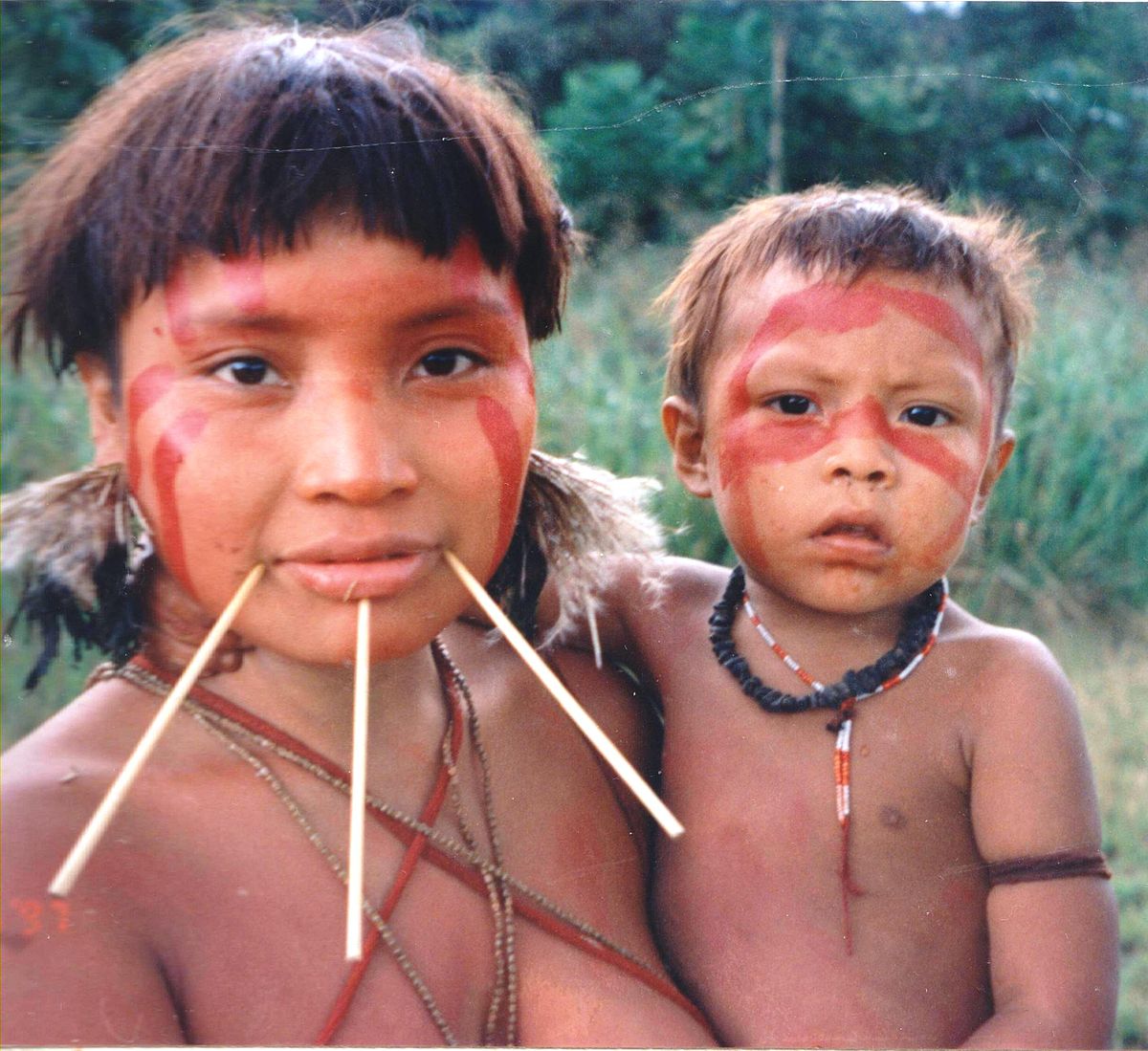
Indigenous name: The land was inhabited by over 2000 indigenous groups with their own territories and names.
Indigenous peoples: Tupi + Tapuia (Jê) + Caribs + Nuaraque peoples
en
What is the indigenous name of that country?
Who were the original peoples of the land?
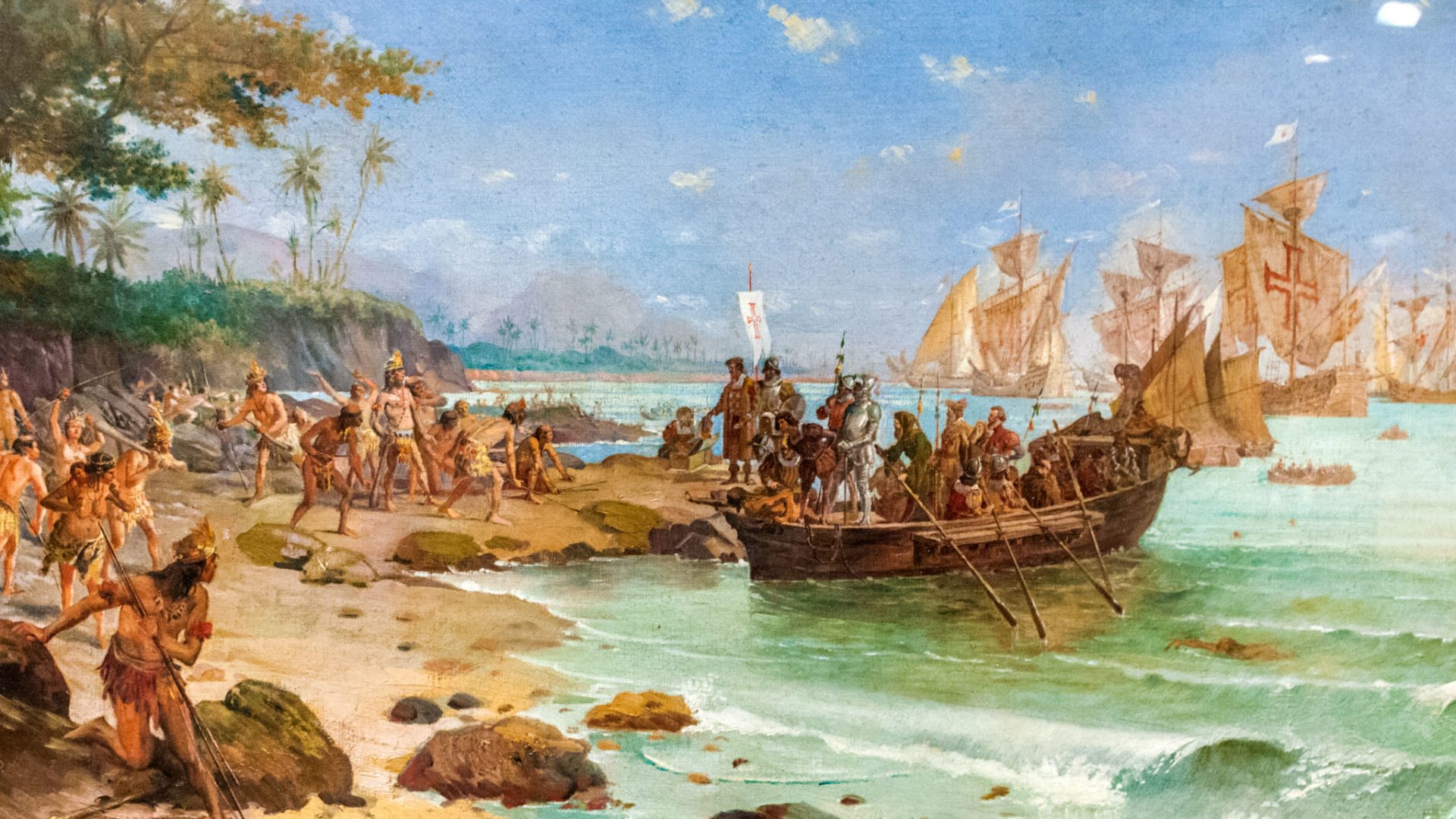
- Before European contact in 1500, an estimated 2,000 indigenous tribes and nations inhabited what is now Brazil, with a total population of around 2 to 3 million indigenous people (2).
- The two main indigenous groups were the Tupi and Tapuia (Jê) peoples (2).
- The Tupi occupied the coast, while the interior was inhabited by the Tapuia (Jê) peoples, along with Caribs and Nuaraque groups in parts of the Amazon region (3).
How far back can we see the agriculture of this land?
Agricultural practices varied among indigenous groups, with many combining cultivation with hunting, fishing, and gathering. Some groups, like the Tupi, practiced slash-and-burn agriculture and crop rotation (3). After European contact, some indigenous groups also adopted and cultivated introduced crops, such as coffee (7).
What tools did they use?
- Fire was used in swidden agriculture (slash-and-burn) to clear land for cultivation.
- Simple hand tools like hoes and digging sticks for planting and cultivating crops (8).
- Axes and Machetes (11)
- Mortars and Pestles (8)
- Bows, arrows, and blowguns for hunting.
What animals did they manage?
What resources did they have available?
- Diverse crop varieties
- Traditional heritage seed banks
- Wild harvesting
- Brazilwood
- Cotton
- Natural resources – fertile soil and access to rivers and streams were vital for irrigation and agricultural practices (12).
- Cultural practices – planting times were guided by lunar phases and seasonal changes, reflecting a deep understanding of ecological relationships (8).
- Communal farming – communities often worked together in agricultural activities, sharing knowledge and resources to enhance productivity and sustainability (13).
What were the staple crops?
- Staple crops – Cassava, corn, sweet potatoes, peanuts, Pumpkins (Jerimum), yams (Cará), bananas, and pineapples (3)(5).
- Other crops – Tobacco, beans, peppers (cumari), brazil nuts, cashews, cacao, açaí and other palm fruits (7).
What foods did they eat?
A traditional diet of indigenous peoples of Brazil consisted of staple crops, proteins, fruits, nuts and wild honey. Fishing and hunting were fundamental to the indigenous diet, with fish as a primary food source. Hunted animals included peccaries, tapir, monkeys, and birds like the curassow (5). Meat was often cooked in its own fat, enhancing flavor and preserving nutrients. Cooking methods varied, including grilling over an open fire, roasting on a wooden grid called “boucan” or “moquém, smoking, cooking in clay pots, and burying food underground (9).
- Staple crops – cassava, sweet potatoes, corn, bananas, pineapples
- Proteins – fish (pirarucu), game animals–includingcapybara, peccaries (similar to wild pigs), tapirs, monkeys, deer, and armadillos.
- Fruits and nuts – açaí, guava, passionfruit, wild fruits, berries, peanuts, brazil nuts, cashews.
- Traditional dishes – Wàt tynondem (baked fish wrapped in banana leaves), Karak’ kuréum (edible leaves of a variety of elephant ear plant), Onatji magarapa (corn cake).
What did they trade and who did they trade with?
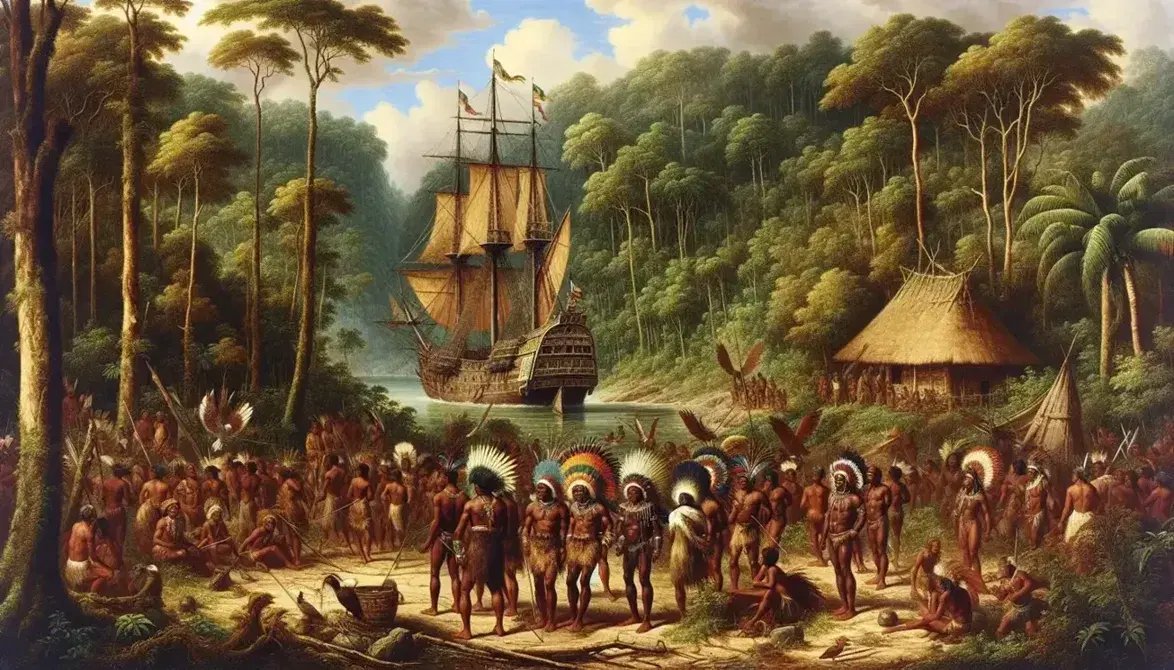
Indigenous peoples in Brazil engaged in various forms of trade, both among themselves and with European traders, before and after European contact. Tribes traded with neighboring groups, exchanging goods like agricultural products, fish, game meat, and crafts based on regional specialties (14).
After European contact in the 1500s, indigenous peoples began trading with Portuguese settlers, who sought brazilwood and other resources. In return, they received European items such as metal tools, textiles, and firearms. The introduction of a cash economy altered traditional trade practices (14).
- Cassava and corn: Staple crops cultivated by the Tupi peoples and traded with neighboring tribes and European settlers (8)(15).
- Sweet potatoes: Widely traded across indigenous regions and with European settlers (8).
- Peanuts: Staple crops cultivated and traded by the Jê peoples (15).
- Tobacco: Traded amongst indigenous groups, as well as European traders who valued it highly (15).
- Squash and Pumpkins: Key crops in their agricultural repertoire, traded locally (15).
- Cotton: Grown by the Tupi for making textiles and to be traded for other goods (15).
Other Agricultural Products
- Fish, Game, Meat: Surplus fish from rivers and game meat from hunting were commonly traded among tribes, enhancing dietary diversity and food security.
- Handicrafts: Including pottery, woven baskets, and tools were also traded locally.
CITATIONS
- The History of Brazil – From the Indigenous People to Independence
- History of Brazil – Colonialism, Independence
- Indigenous Peoples in Brazil
- Agriculture in Brazil
- Brazilian Indigenous Peoples
- Portugese Brazil – World History Encyclopedia
- Indigenous Surui
- The Uprooting of Indigenous Women’s Horticultural Practices in Brazil – Oxford Academic
- The consumption of meat in Brazil: between socio-cultural and nutritional values
- Brazilian Cuisine
- Indigenous Agriculture at the Beginning of the Twenty-First Century
- Indigenous Participation in the Native Seed Market
- Indigenous-Led Seed Bank Protects the Amazon’s Biodiversity
- The Brazilwood Trade from the Mid-Sixteenth to Mid-Seventeenth Century
- Exploring food sovereignty among Amazonian peoples