
Angola
Indigenous name: no singular unified name as various indigenous groups inhabited the land before the Portuguese named it ‘Angola’
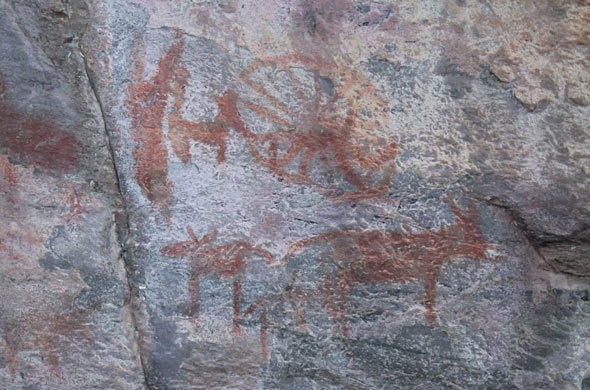
Indigenous peoples: Saan + Khoisan + Bantu Peoples
en
What is the indigenous name of that country?
There was no singular unified name as various indigenous groups inhabited the land before the Portuguese named it ‘Angola’. Prior to Portuguese colonization, the area was inhabited by various indigenous groups and there is no record of a unified indigenous name for the entire territory that is now “Angola”. However, the name “Angola” originates from the Portuguese colonial name “Reino de Angola” (Kingdom of Angola), which appeared as early as 1571. It was derived from the title “ngola,” held by the kings of Ndongo and Matamba.
Who were the original peoples of the land?
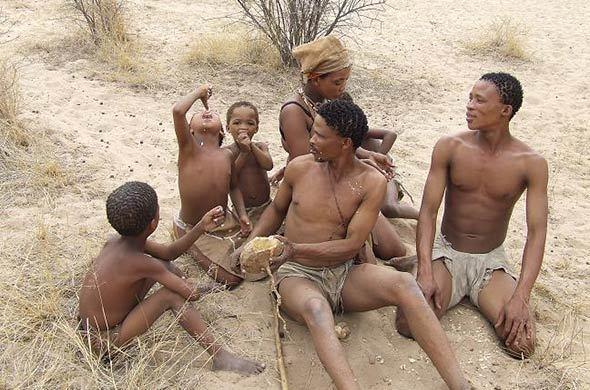
- Southern Africa’s first indigenous peoples have been referred to as the San. The San peoples (also Saan), or Bushmen, are the members of any of the indigenous hunter-gatherer cultures of southern Africa, and the oldest surviving cultures of the region (9).
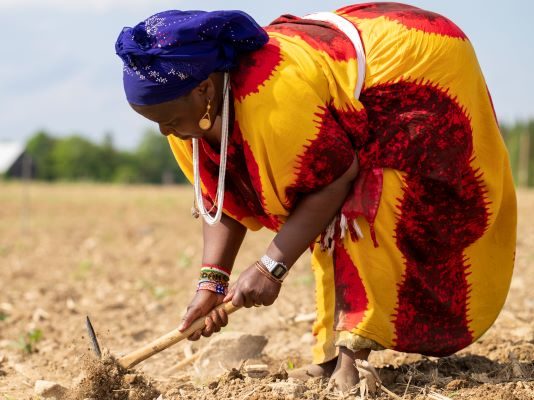
- The San peoples were joined by the Bantu peoples, who introduced Agriculture.
- San Peoples → Bantu Peoples – the Introduction of Agriculture
How far back can we see the agriculture of this land?
Agriculture was introduced to Southern Africa by the Bantu peoples, who cultivated grains, starch fruit and root tubers. Following the Columbian Exchange, crops like maize, squash, and sweet potatoes were introduced, eventually displacing many traditional Old World food crops. (6).
What tools did they use?
- Both stone and iron tools were utilized for farming (3).
- Their introduction of iron tools led to increased food production and supported population growth.
- Iron-smelting technology was developed, producing more efficient agricultural tools like hoes for planting, weeding, and land clearing (3, 4).
What animals did they manage?
- Cattle, sheep, and goats.
What resources did they have available?
- Water Resources: Rivers and water sources were crucial for both agriculture and hunter-gatherer lifestyles.
- Forests
- Diverse wildlife: Including elephants, hippopotamuses, monkeys, giraffes, zebras, buffaloes, and various antelopes
Plant resources: The varied flora of Angola’s savannas and forests would have provided edible and medicinal plants. - Raw Materials: Woods, reeds, and animals (and, formerly, stone) are the main raw materials from which their clothing, carrying bags, water containers, and hunting weapons were made. For hunting they used bows and poisoned arrows, snares, throwing sticks, and sometimes spears.
The Bantu practiced slash-and-burn agriculture in forested areas (5).
- They created small clearings by cutting down trees and burning stumps and undergrowth (5).
- In savanna regions, they prepared fields with rows of earthen mounds (5).
- Planting typically began in April or May, coinciding with the first rains (5).
- Women and children often performed tasks like weeding and transplanting (5).
What were the staple crops?
- Staple crops: Yams, cassava, cocoyams, plantains, and bananas (5).
- Grains: Millet, sorghum, and rice (5)(3).
- Other crops: Beans, okra, onions, melons, and peppers.
What foods did they eat?
A traditional diet consisted mainly of wild game, fermented grains, fruits, and vegetables. A variety of cooking methods were also used, such as roasting, braii (cooking meat over open fire), soaking and fermenting.
Examples of common foods include. wild game, beef, tortoises, crayfish, coconuts, squash, fermented grains (maize, sorghum, millet), okra, pumpkin, beans, goat, antelope, zebra, shellfish, fish, wild hare, lion, giraffe, snakes, hyena, eggs, bananas, yam,, cassava, sweet potatoes and wild honey, fermented milk (6).
What did they trade and who did they trade with?
The Bantu people traded several agricultural products as they migrated across sub-Saharan Africa including:
- Yams: This was one of the staple crops cultivated and traded by the Bantu (2).
- Oil palm products: The Bantu grew oil palms and likely traded palm oil and other related products (2).
Bananas, taro and plantains: These were important crops introduced and spread by the Bantu (1). - Sorghum and millet: These grains were cultivated and traded by Bantu farmers (1)(2).
- Dry rice: A variety of rice adapted to drier conditions was among their agricultural products (1).
Beans and groundnuts (peanuts): These were also part of the Bantu agricultural package (1)(2).
Other Agricultural Products
- Cattle and livestock: The Bantu people were animal herders and likely traded cattle, goats, and sheep (1).
- Iron tools and weapons: While not crops, these were significant trade items produced using their advanced ironworking technology (1)(3).
Trading Partners:
- Indigenous hunter-gatherer societies they encountered during their migration
- Other Bantu-speaking communities
- Non-Bantu agricultural societies
- Later, with coastal traders and Arab merchants along the Swahili coast (1)(3)
- The Bantu migrations facilitated the development of extensive trade networks across sub-Saharan Africa, exchanging these agricultural products and other goods like iron, copper, and ivory for salt, cloth, and other commodities (1)(3). This trade not only involved the exchange of physical goods but also agricultural knowledge and techniques, contributing to the spread of farming practices across the continent.