Road to Regeneration: La familia Zakarison
Conoce a Sheryl y Ariel Zakarison de Zak Feeds, en Palouse, Washington, donde los cultivos regenerativos para alimento animal, los suelos saludables y la biodiversidad escuchan a la tierra.
Farmer’s Footprint is a nonprofit initiative dedicated to restoring human and environmental health by advancing regenerative agriculture through education and storytelling.
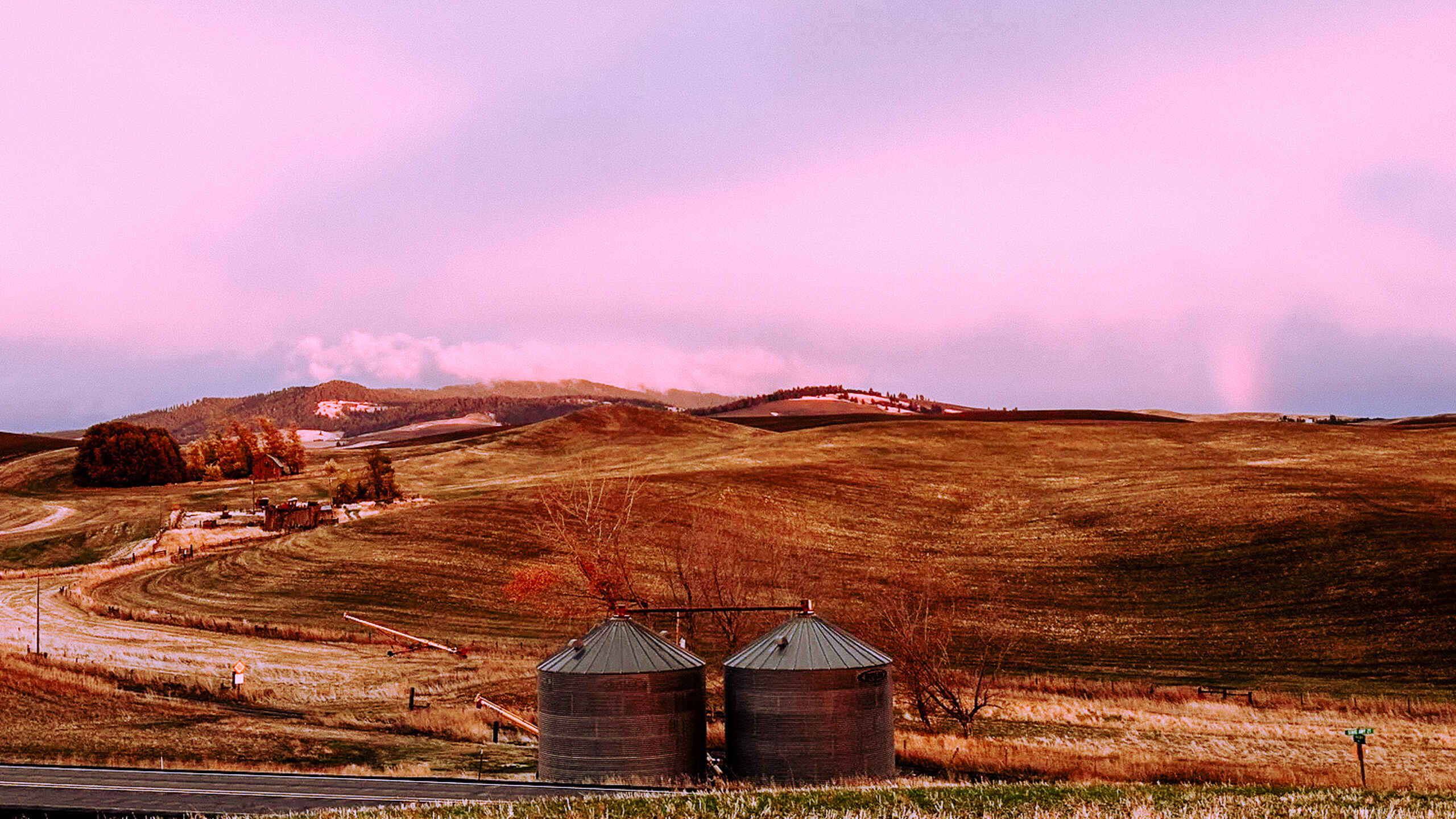
Aprendiendo a escuchar la tierra
Durante muchos años, Sheryl Hagen-Zakarison y su hija Ariel recorrieron las colinas de
Palouse
Flashcard
Palouse
a distinct geographical region of rolling hills spanning southeastern Washington and spilling into Idaho. As one of the most fertile farming areas in the world, it serves as the highest-yielding wheat-producing region and largest lentil-growing area in the United States.
The name "Palouse" is believed to originate from the Palus (or Palouse) Native American tribe, who historically inhabited the region. Today, descendants of the Palus are associated with the Yakama, Colville, and Nez Perce tribes.
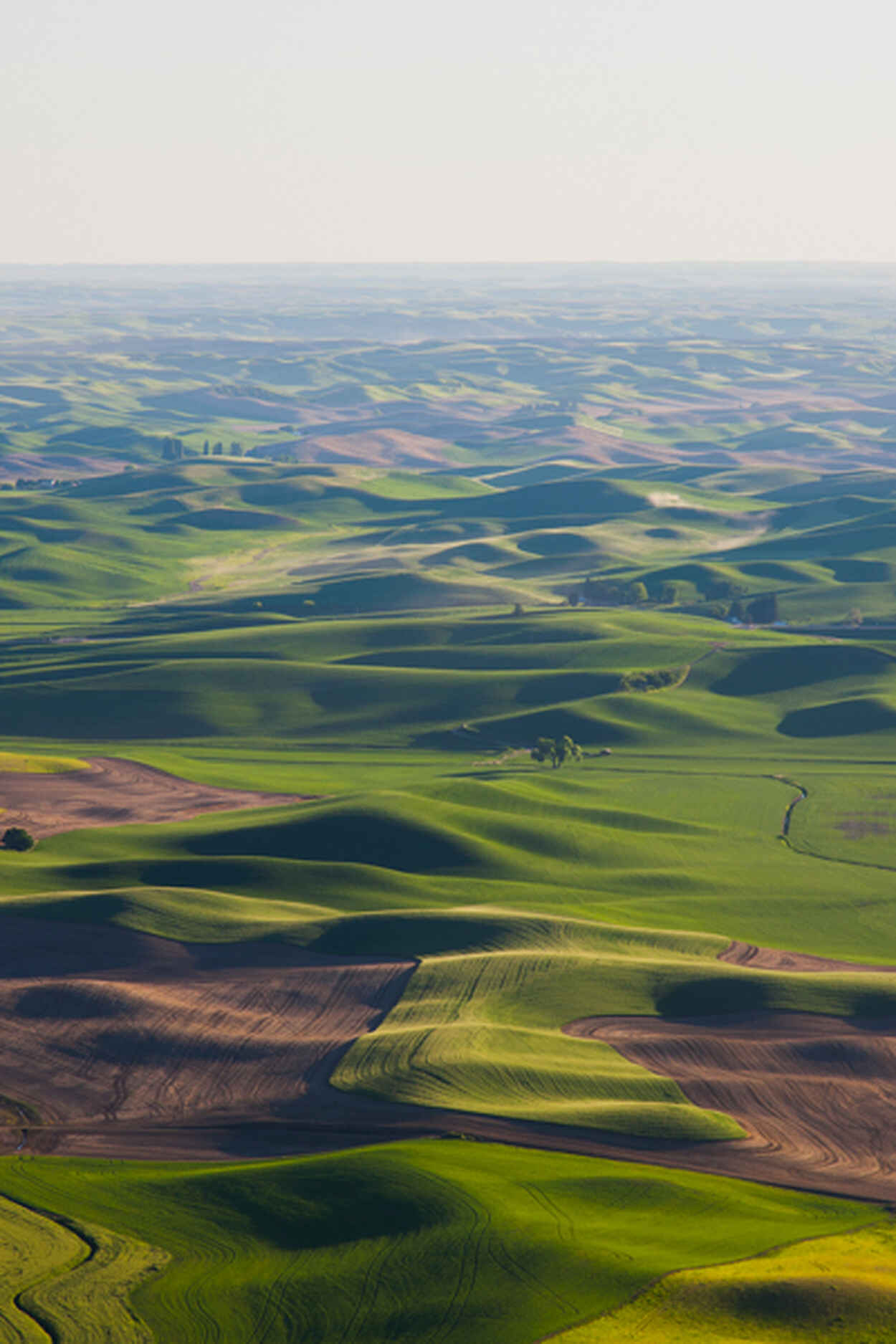
Temporada tras temporada, observaban cómo el agua se desplazaba a lo largo del paisaje, llevándose con ella el suelo. Esa base fértil que había sostenido a generaciones enteras estaba desapareciendo lentamente, y una vez que comenzaron a notarlo, ya no pudieron dejar de verlo.
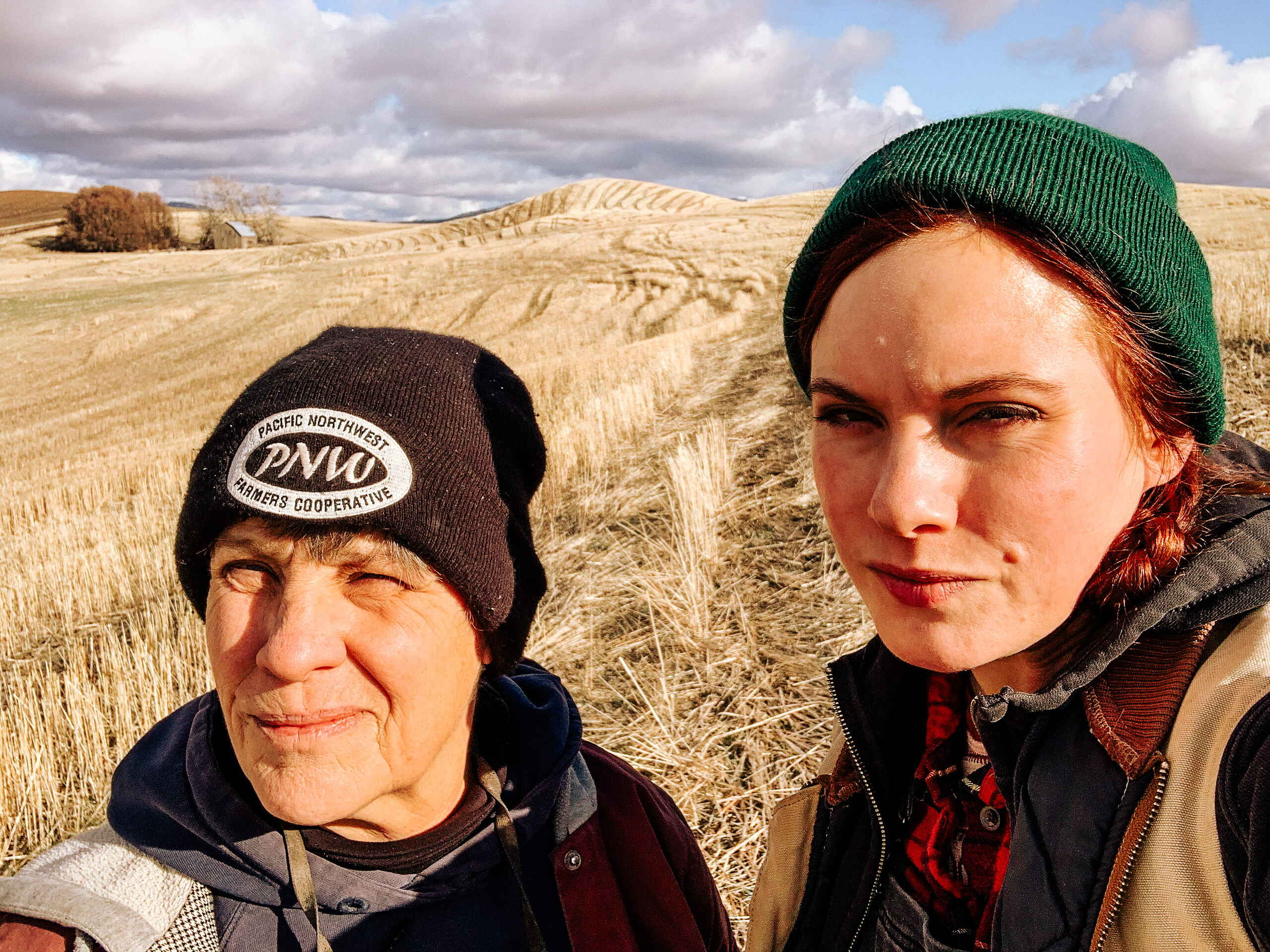
“Jalaba a mi esposo de la oreja", recuerda Sheryl entre risas. "Observa esto. Observa esto. Estamos perdiendo más suelo.“
Cada tormenta parecía revelar una nueva cicatriz en el paisaje, un nuevo recordatorio de que algo se estaba perdiendo. Mucho antes de conocer el concepto de agricultura regenerativa, ya sabían que la granja estaba creando dudas diferentes a aquellas que sabían responder.
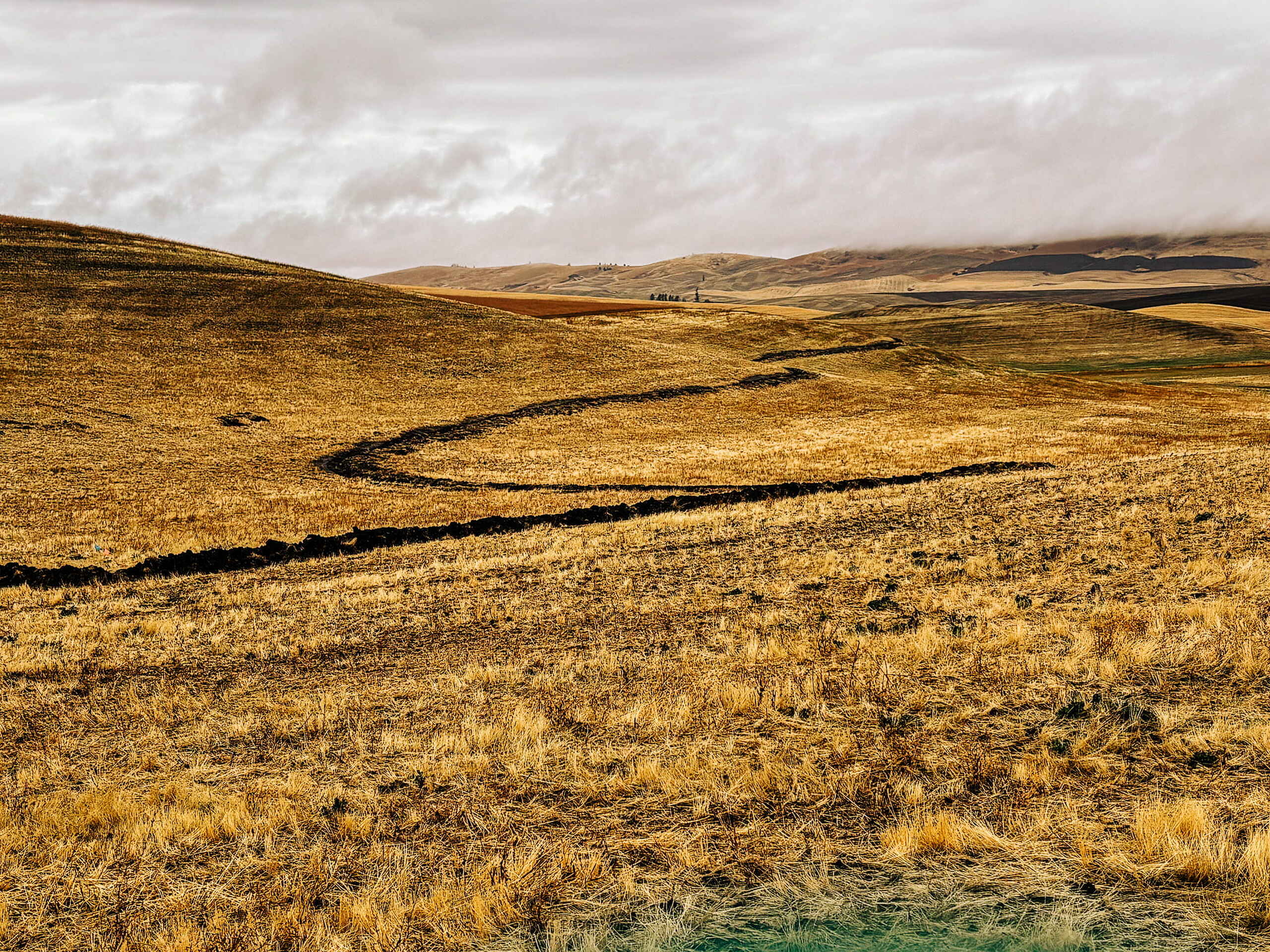
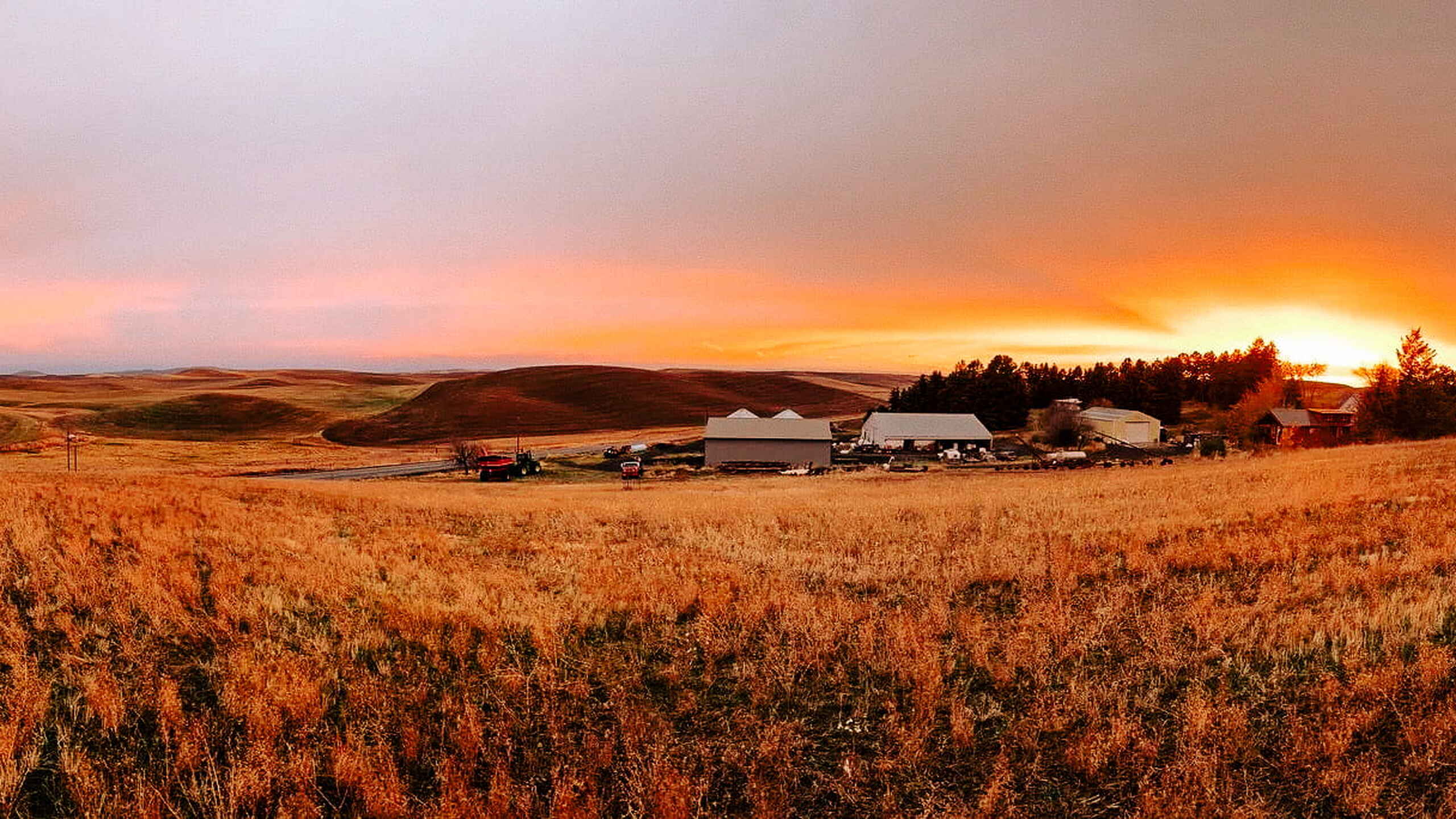
Durante casi un siglo, la familia Zakarison ha cultivado la tierra en la región de Palouse, en el este de Washington.

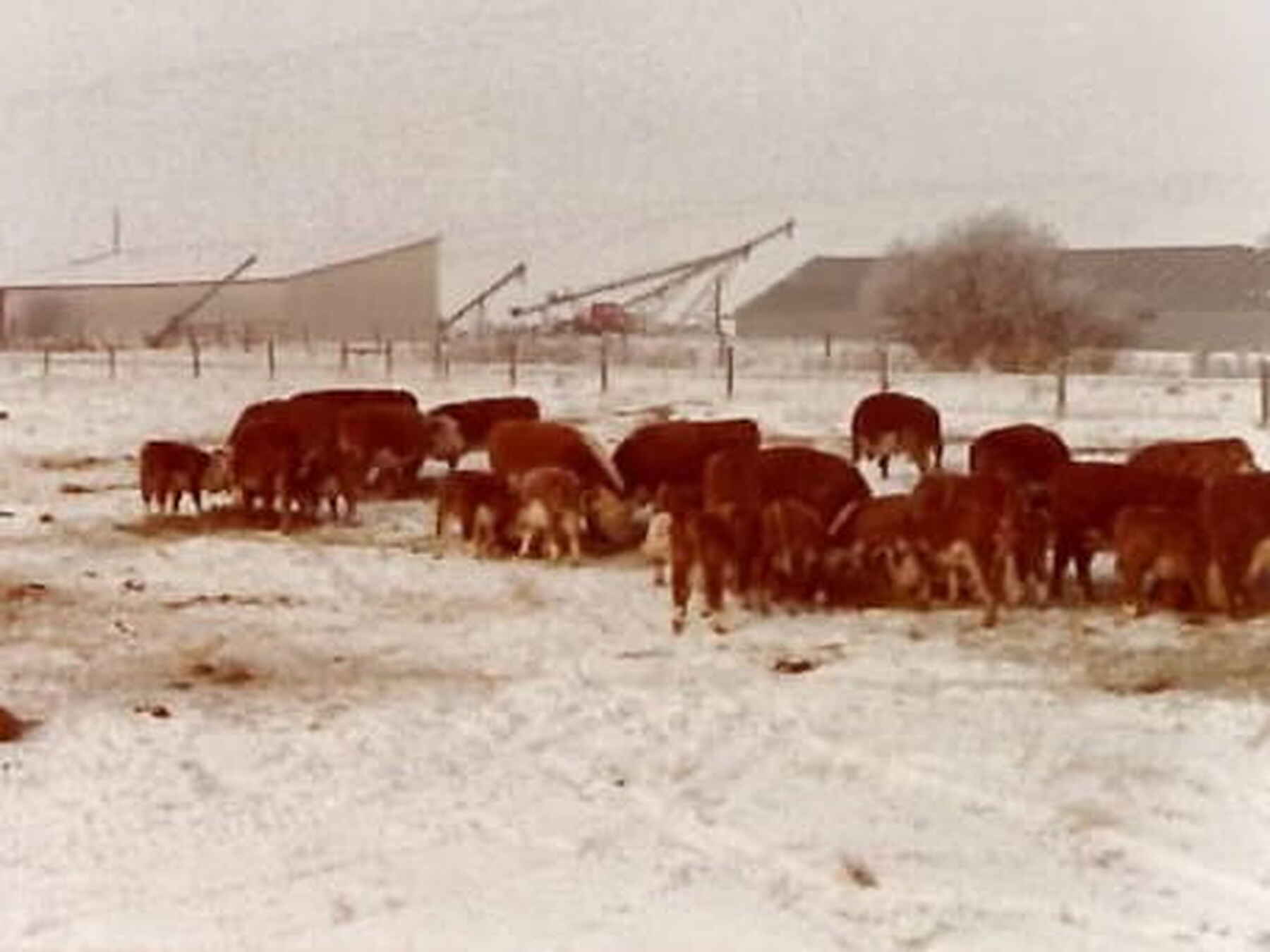
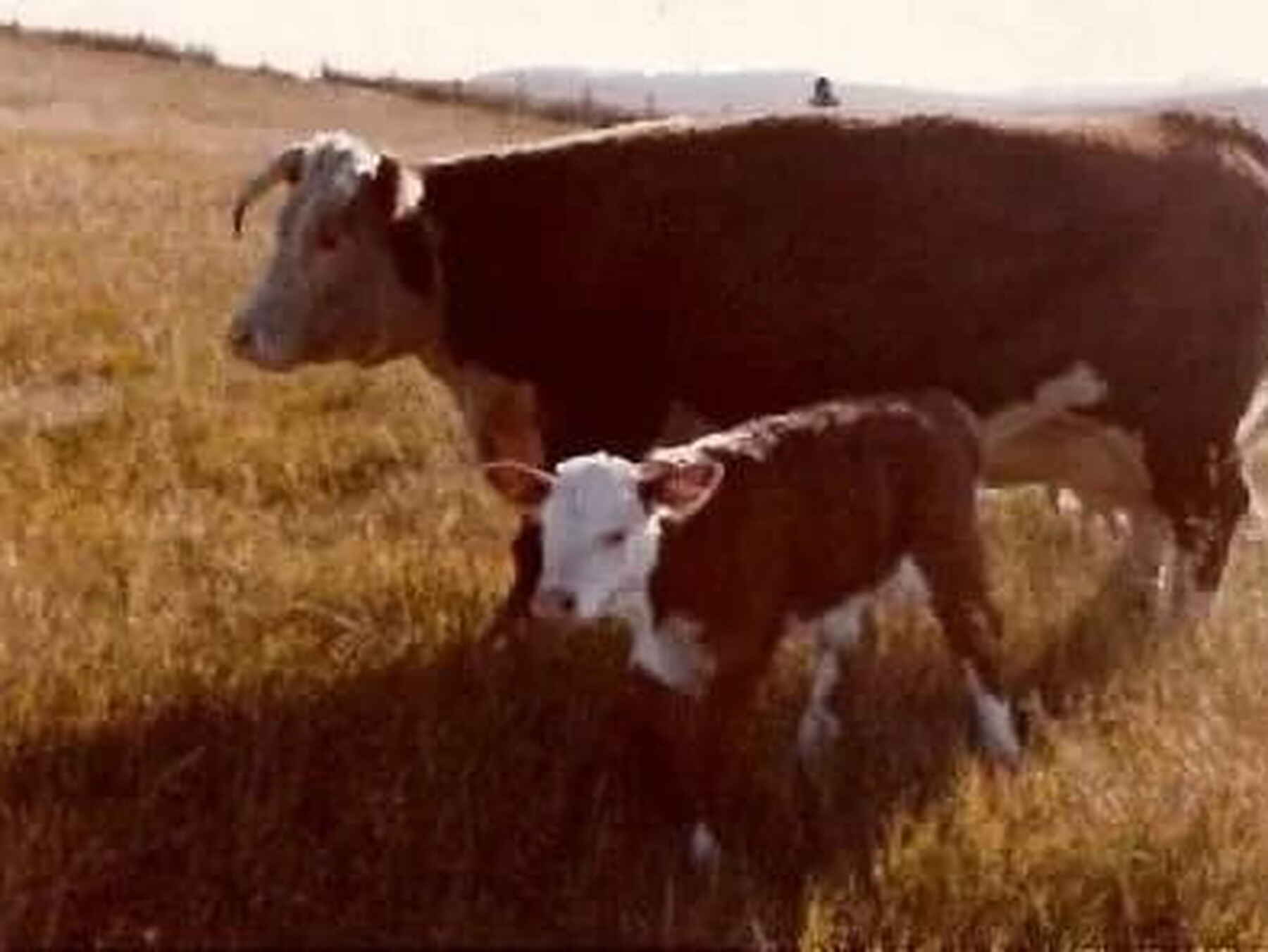
Desde hace casi un siglo, la familia Zakarison cultiva la tierra en la región de Palouse, al este del estado de Washington. Ellos son descendientes de Noruega y Finlandia, de donde emigraron generaciones anteriores antes de establecerse finalmente entre las colinas de la zona.
Hoy, Sheryl trabaja junto a su hija Ariel, la cuarta generación de la familia encargada de cuidar estas tierras. Mientras las preocupaciones de Sheryl surgieron después de años observando la erosión y la salud del suelo, Ariel creció inmersa en esas conversaciones, heredando tanto la responsabilidad de la granja como la curiosidad que sigue moldeando su futuro.
Juntas operan Zak Feeds, una granja que depende de la lluvia, en Palouse donde cultivan trigo, cebada, chícharo, lentejas, triticale (una mezcla de trigo con centeno) y forraje. Como muchas explotaciones agrícolas de la región, su trabajo depende de adaptarse a las realidades del agua, el clima y el suelo en un entorno donde cada temporada trae consigo nuevos retos.
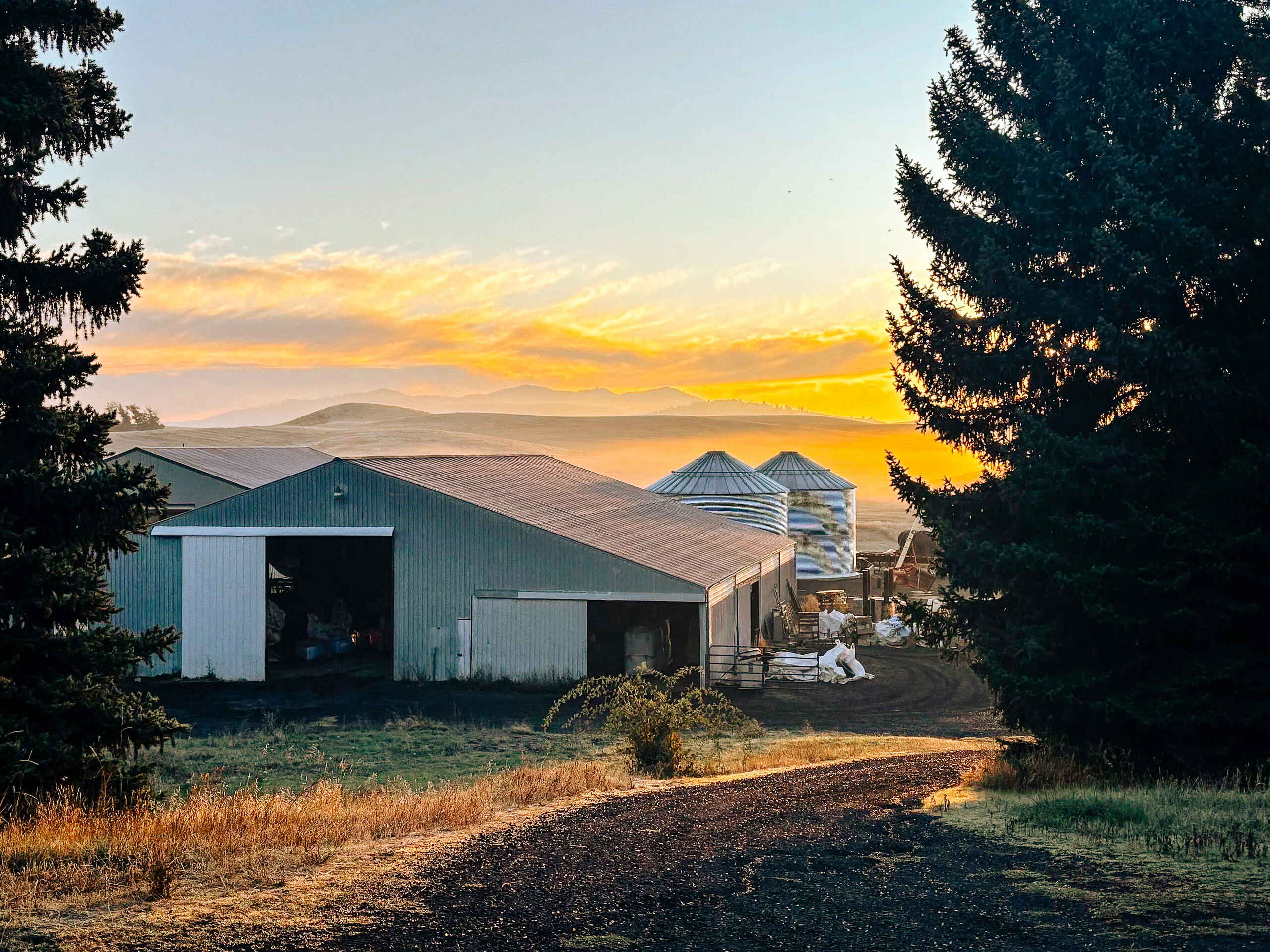
Para Sheryl y Ariel, la agricultura es una responsabilidad que ha pasado de generación en generación. La tierra existía mucho antes de que su familia llegara y seguirá existiendo mucho después de que ellas dejen de estar. Su papel consiste en cuidarla, aprender de ella y dejarla en mejores condiciones para quienes vengan después.
Como muchas granjas en Norteamérica, los Zakarison siguieron por décadas un modelo agrícola convencional. Los insumos resolvían problemas, la tecnología prometía mayor eficiencia y el éxito se medía por la producción, la cual dependía de la capacidad del agricultor de controlar las variables del paisaje.
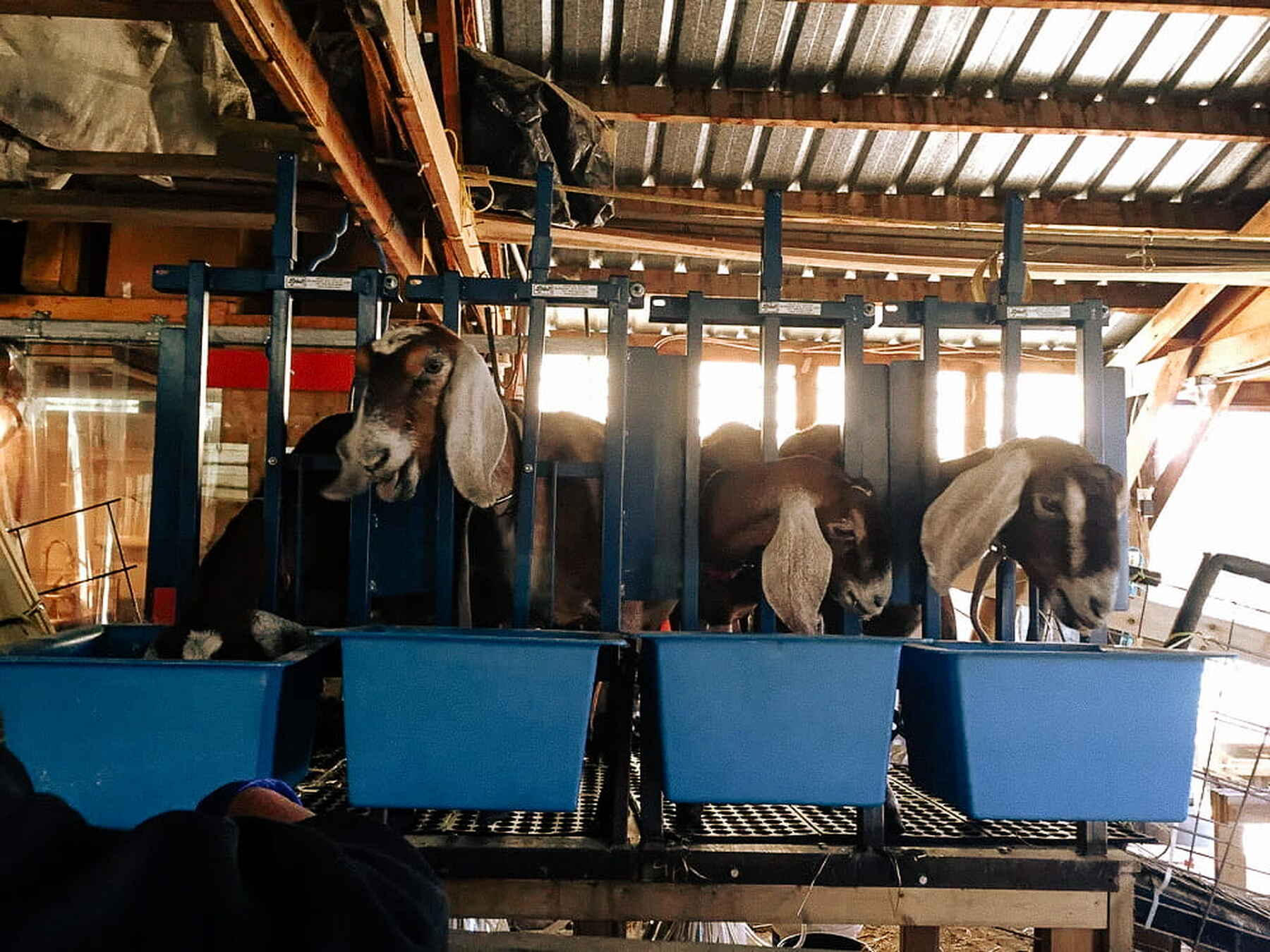
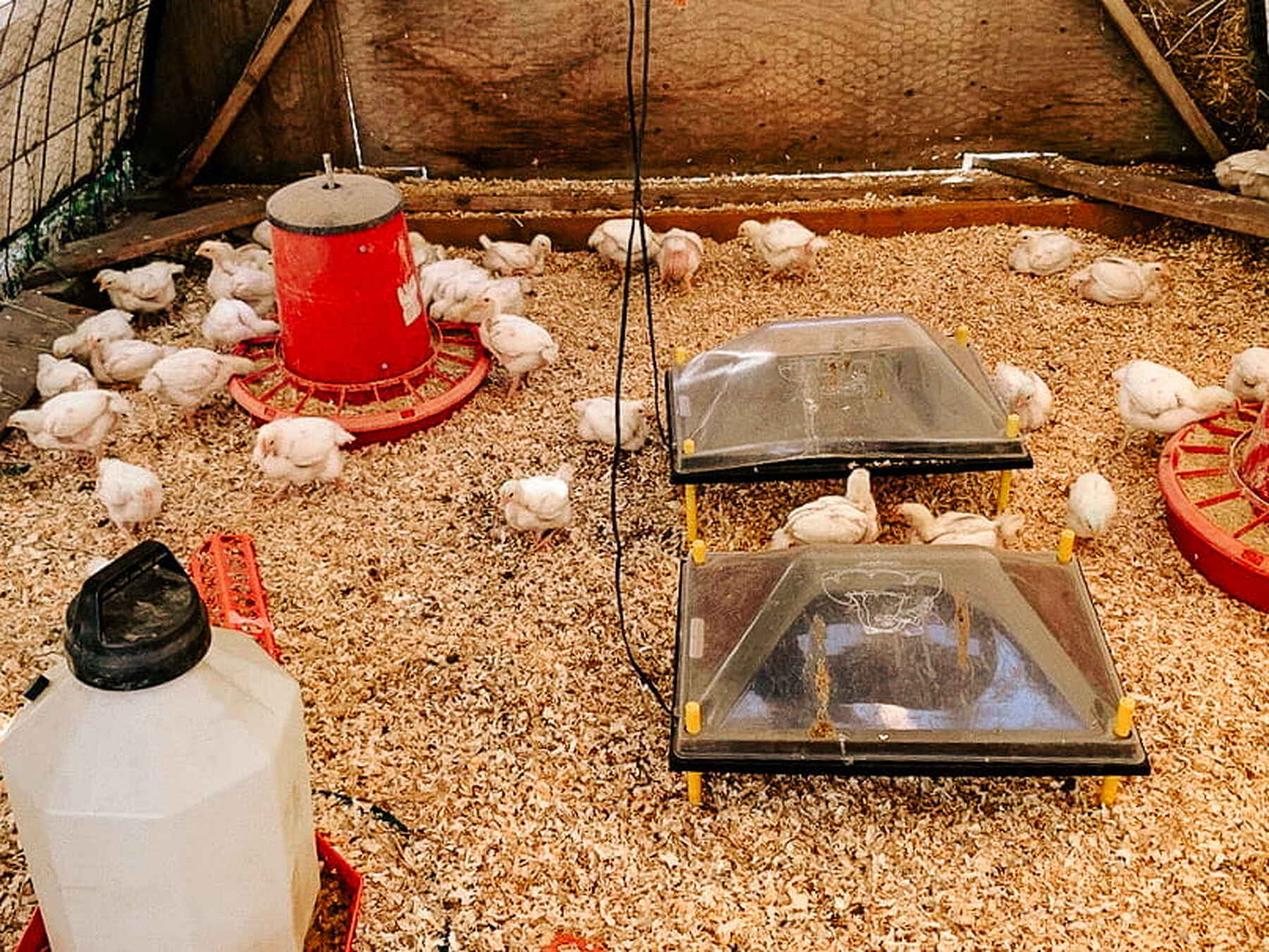
La familia Zakarison cultiva alimento nutritivo, libre de OGM (organismos genéticamente modificados), para ganado bovino, ovejas, cabras, cerdos y aves de corral, abasteciendo a más de 150 agricultores, ganaderos y productores locales en el este de Washington y el norte de Idaho.
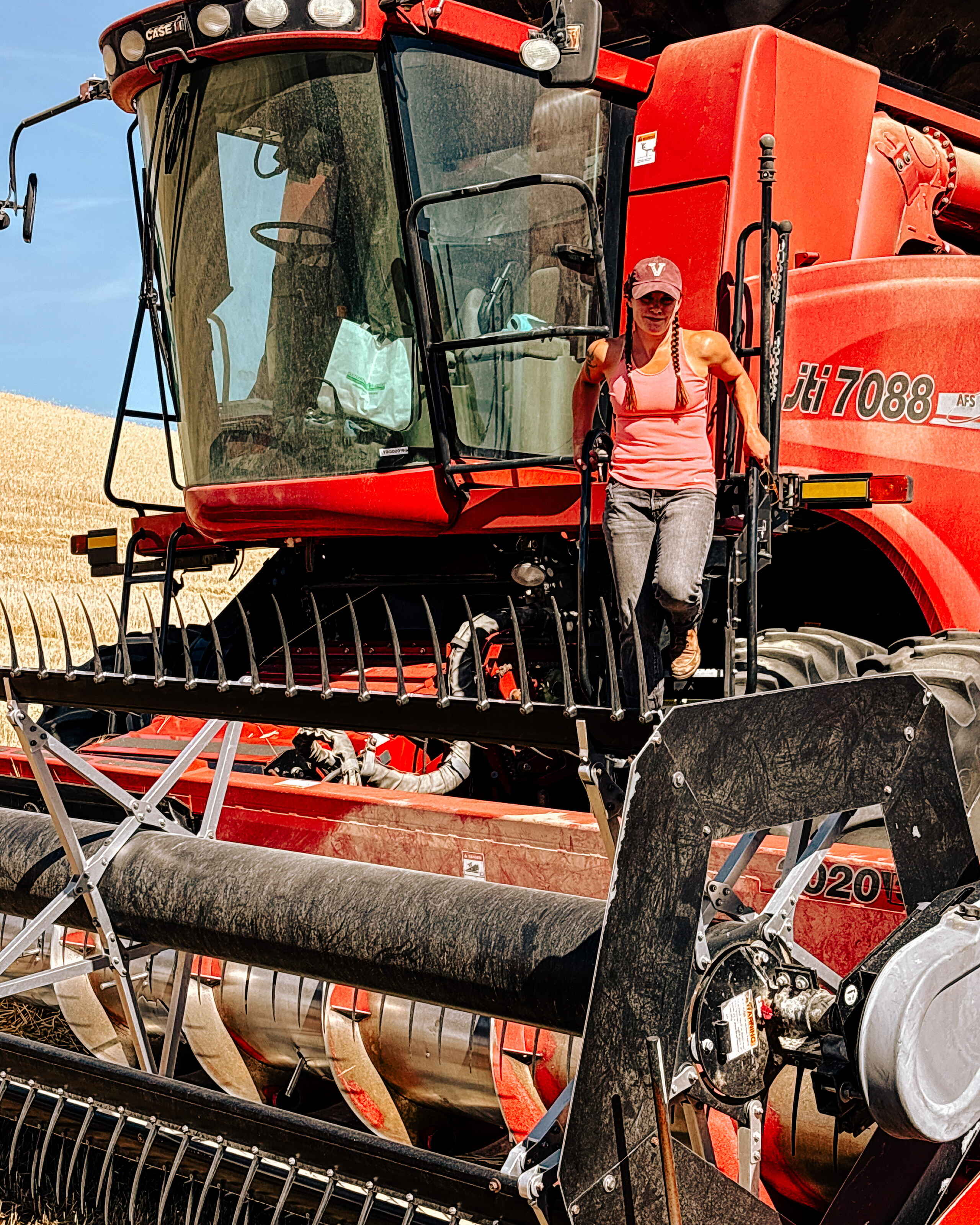
Sin embargo, cuanto más caminaban juntas por la granja, más preguntas comenzaban a surgir. Algunas laderas parecían cada vez más vulnerables a la erosión, ciertos campos requerían más intervenciones cada temporada y el propio suelo parecía menos resiliente con el paso del tiempo.
En 2017, Sheryl leyó Dirt to Soil de Gabe Brown. Ese libro le dió las respuestas a las preguntas que llevaba años cuestionando. A pesar de ser Licenciada en Agronomía de la Universidad Estatal de Washington, descubrió que necesitaba replantearse muchas de las ideas que había aceptado durante gran parte de su carrera.
"Ese año me di cuenta de que prácticamente todo lo que había aprendido tenía que desaprenderlo."
Lo que siguió fueron años de experimentación, errores, escucha y aprendizaje.
Para Ariel, esos años coincidieron con la creciente curiosidad de su madre por la salud del suelo y el funcionamiento de los ecosistemas. Mientras la granja experimentaba con nuevos enfoques, ella también aprendía lo que significaba heredar tanto un negocio como la responsabilidad de cuidar la tierra.
"El mayor error que cometimos fue cambiar demasiadas cosas al mismo tiempo."
La tierra respondió de formas que no esperaban. Aparecieron malezas que nunca habían visto, algunos campos se volvieron difíciles de manejar e incluso perdieron cultivos completos. En lugar de intentar transformarlo todo de una sola vez, comenzaron a identificar prioridades y trabajar a partir de ellas, enfocándose primero en proteger la biología del suelo y mejorar la retención de agua en toda la granja.
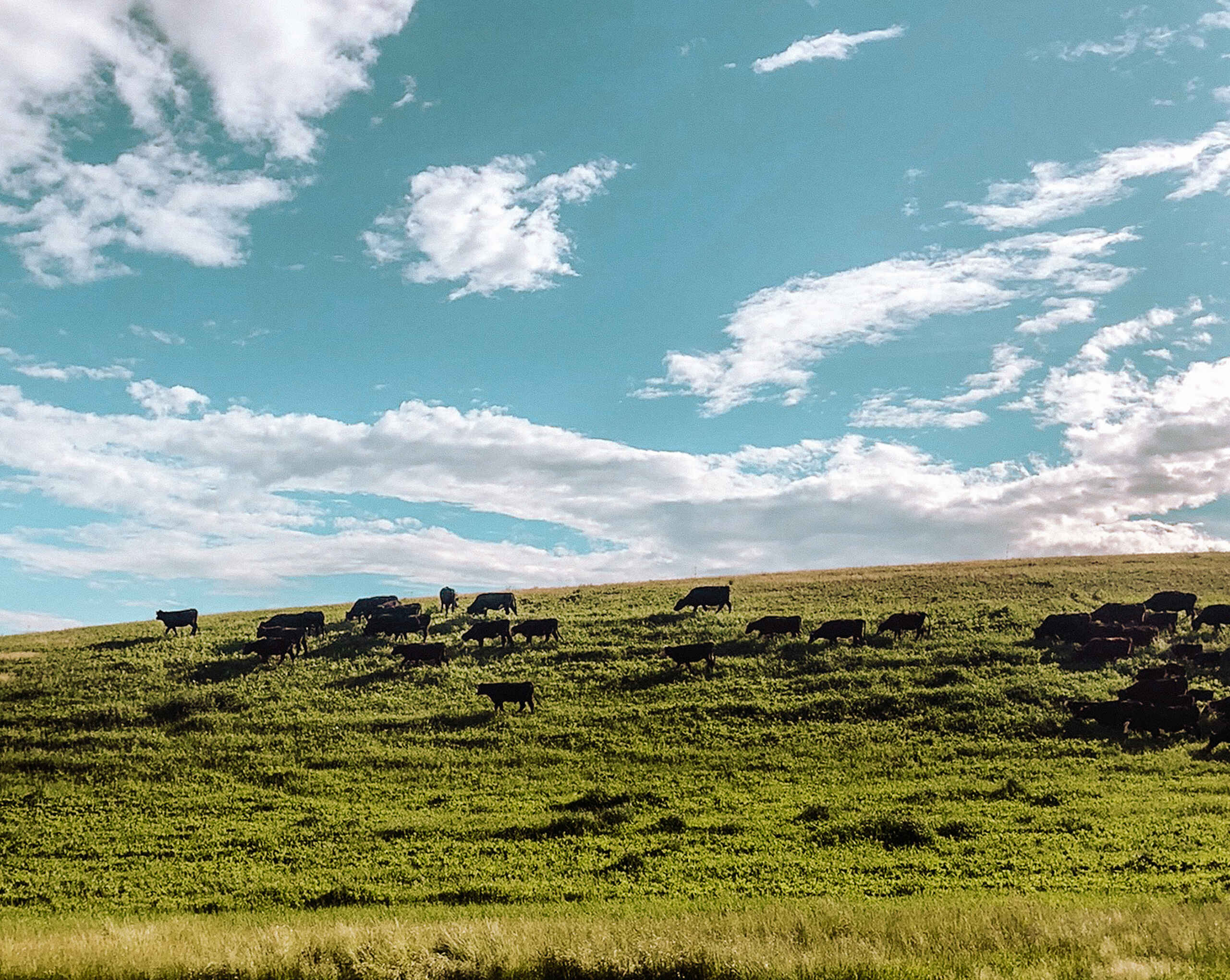
En lugar de intentar transformarlo todo de una sola vez, comenzaron a identificar prioridades y trabajar a partir de ellas, enfocándose primero en proteger la biología del suelo y mejorar la retención de agua en toda la granja. Durante la transición también descubrieron que la regeneración está profundamente vinculada al lugar. Muchos de los ejemplos que encontraban provenían de regiones con mayor precipitación y condiciones agrícolas muy distintas a las de Palouse.
Preguntas sobre la agricultura más allá del campo
Para Sheryl, las conversaciones sobre los químicos agrícolas tienen una dimensión personal. Su esposo, Eric, estuvo expuesto al herbicida Paraquat mientras trabajaba para el USDA. Posteriormente fue diagnosticado con Parkinson. Esta experiencia dejó una huella en la familia y transformó la manera en que perciben el riesgo, la responsabilidad y las decisiones que toman en la granja.
"No usamos productos que tengan una calavera y huesos cruzados en la etiqueta."
Después de las lluvias comenzaron a aparecer pequeños hongos en los campos y las redes de micelio se hicieron visibles bajo la superficie. El suelo empezó a mantenerse unido nuevamente conforme regresaba la vida al subsuelo. Las ranas volvieron al agua y los insectos benéficos comenzaron a aparecer en mayor cantidad.
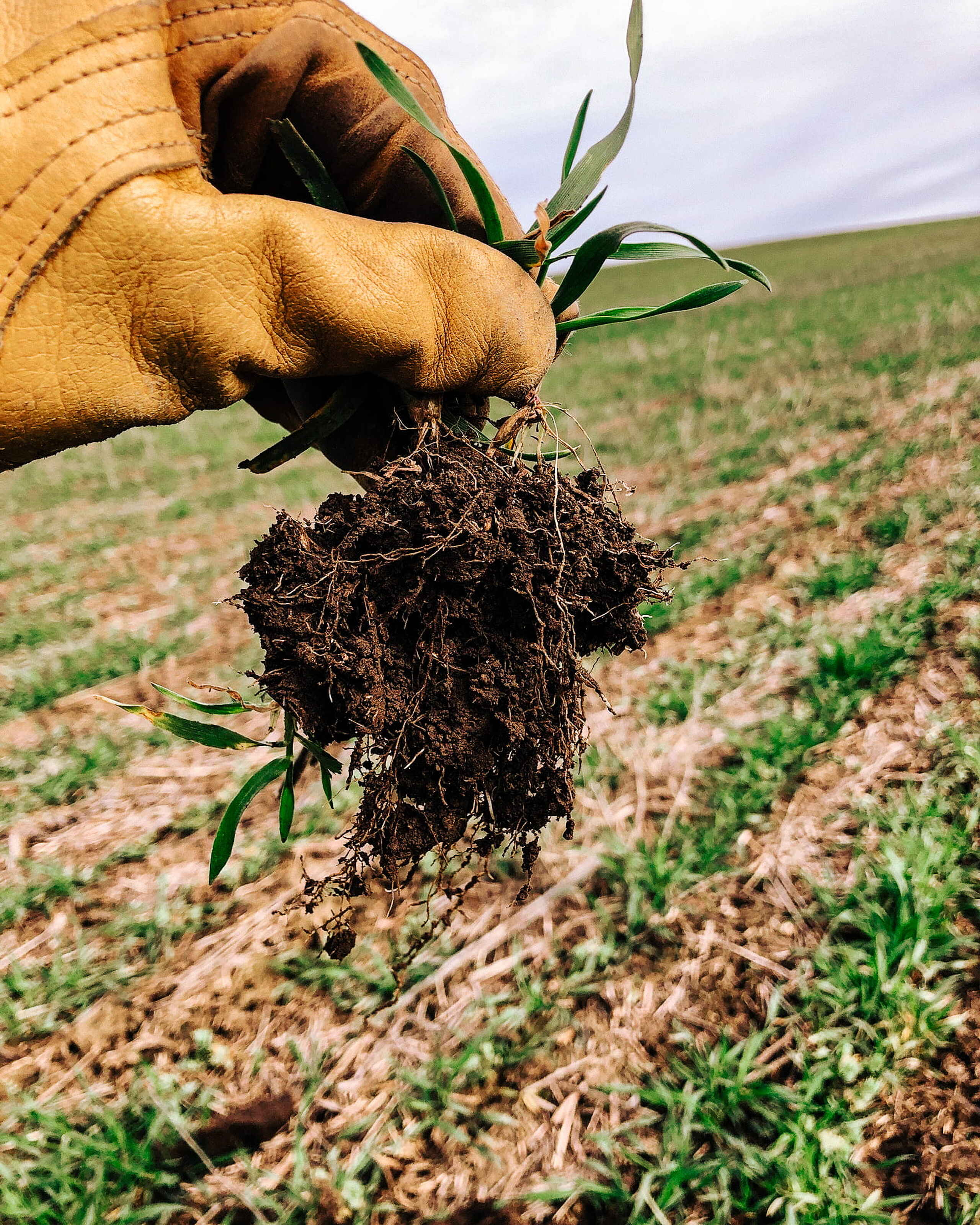
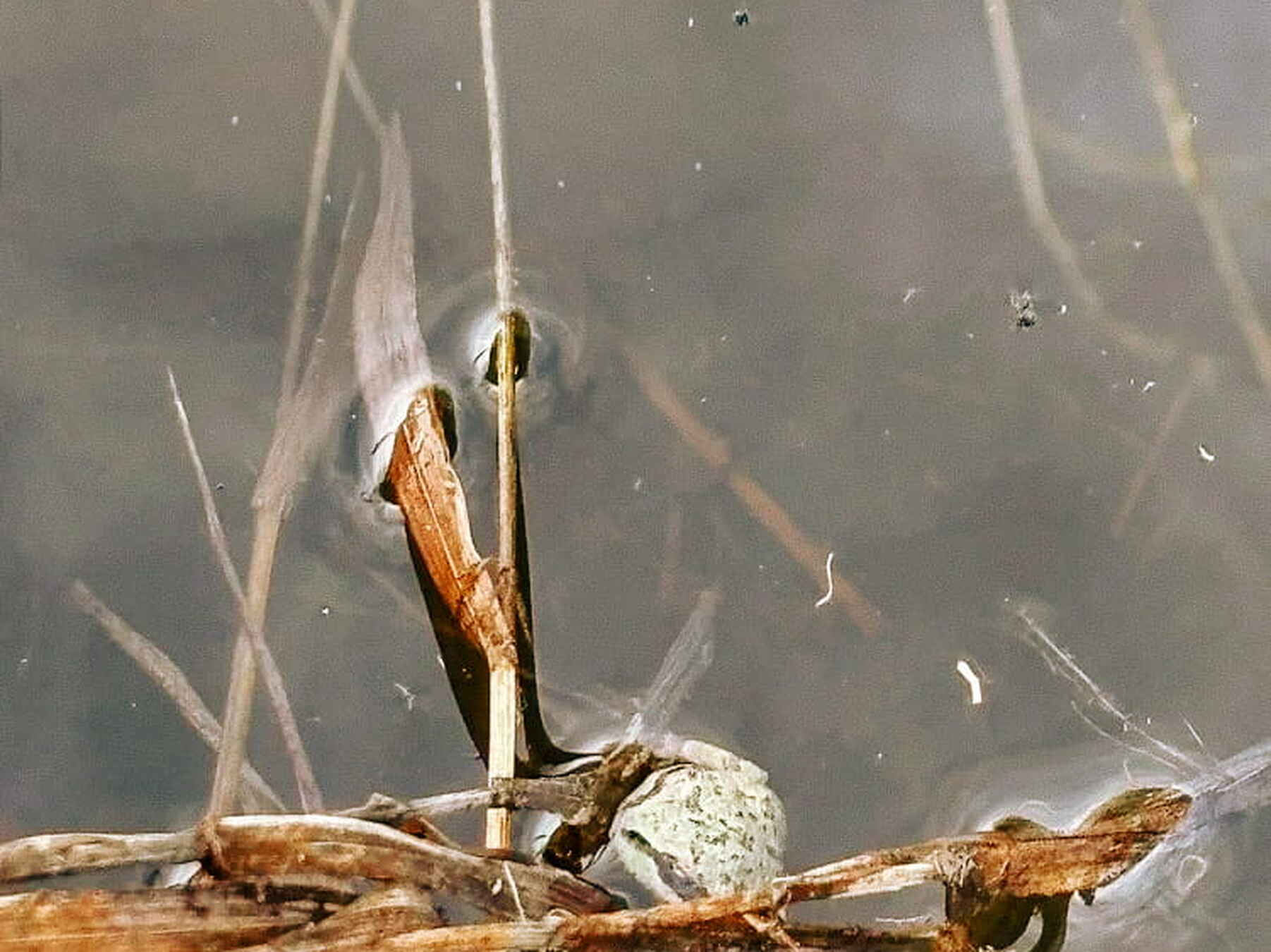
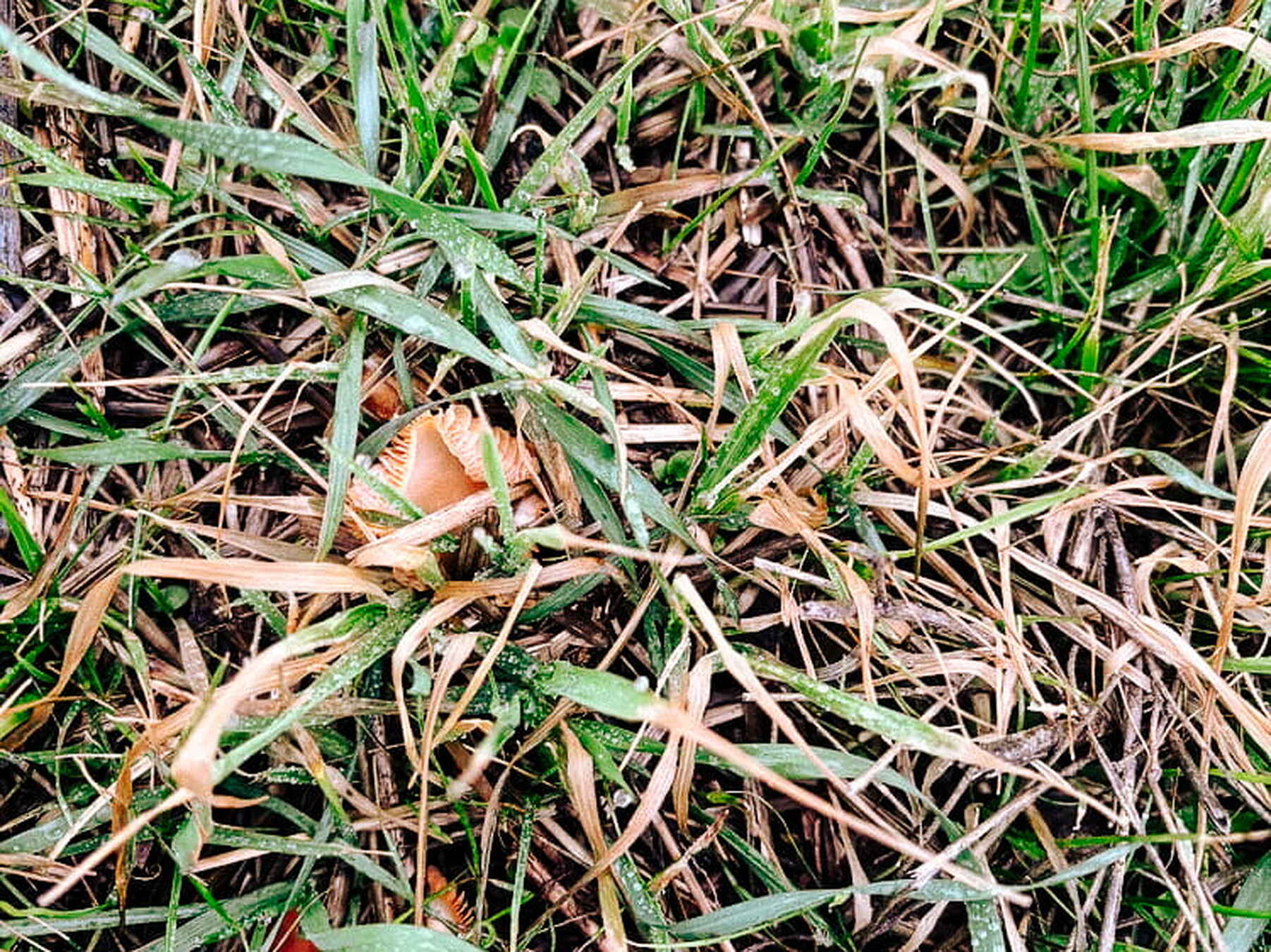
Una temporada, mientras caminaba por un campo de triticale, un grano cultivado como parte del sistema de forraje de la granja, Sheryl descubrió lo que parecía ser una infestación de pulgones. Esperando pérdidas importantes en la cosecha, se preparó para lo peor. Cuando regresó al día siguiente, los pulgones habían desaparecido. Los insectos benéficos habían llegado y restablecido el equilibrio antes de que fuera necesaria cualquier intervención. Otra lección llegó gracias a un grupo de ganado que escapó hacia campos vecinos. Al tener que elegir entre trigo convencional y el triticale de los Zakarison, los animales se dirigieron directamente al triticale.
Momentos como estos les dieron la confianza suficiente para continuar.
"Estamos empezando a ver un ecosistema funcional. Esa es una buena señal."
Ariel suele volver a la idea de la reciprocidad. "Queremos cultivar de una manera que no extraiga nutrientes del suelo", explica. "Queremos devolverlos". Esa filosofía orienta las decisiones que toman en toda la granja, desde la salud del suelo hasta la manera en que entienden la resiliencia, la comunidad y el futuro de la agricultura.
Para Sheryl y Ariel, los alimentos saludables comienzan mucho antes de la cosecha.
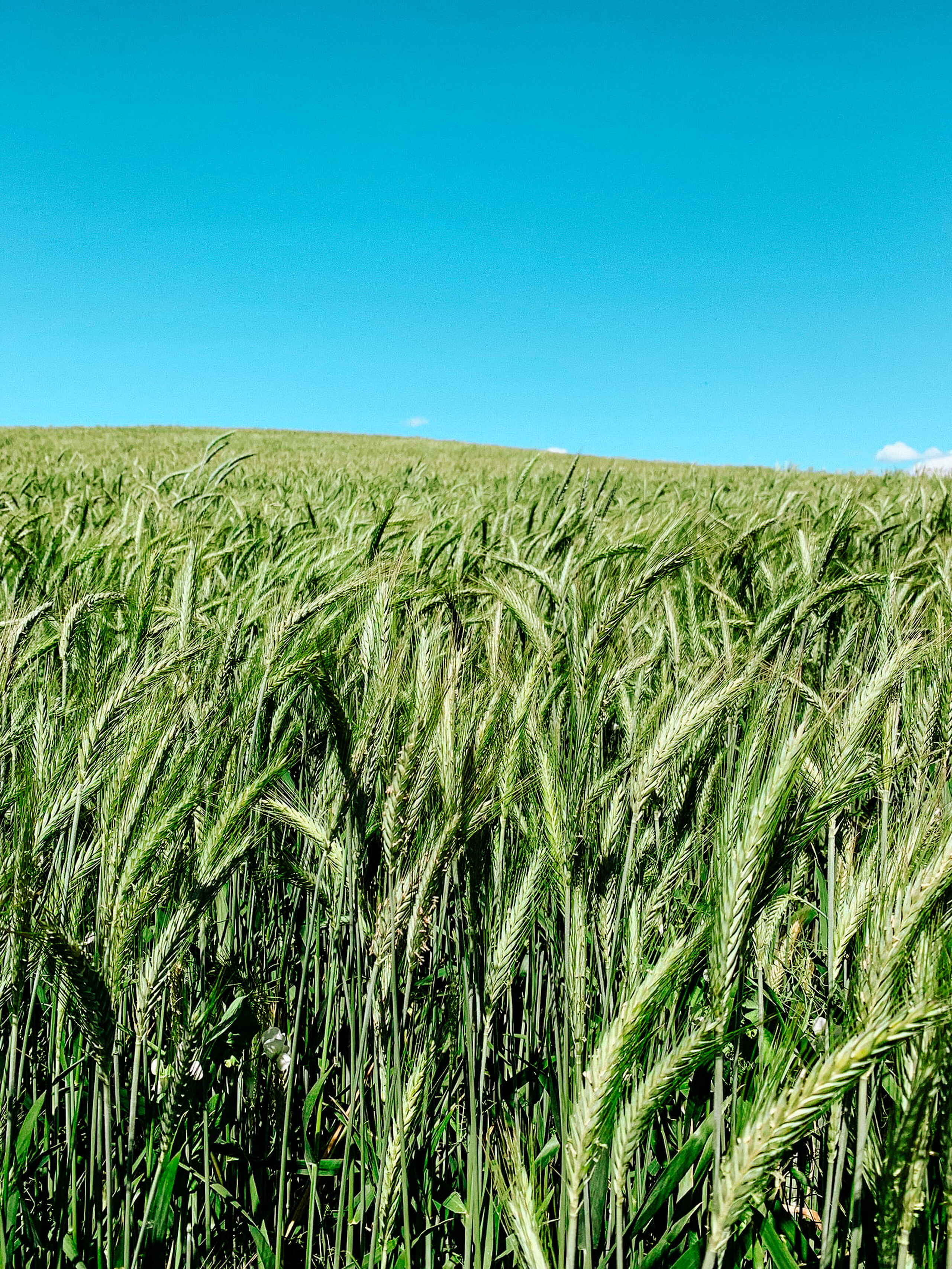
"Te estás comiendo el suelo."
La frase aparece con frecuencia en sus conversaciones porque refleja cómo entienden la relación entre el suelo, los alimentos y la salud humana. Todo aquello que sucede debajo del suelo termina llegando a todos nosotros.
Su consejo para otros agricultores es simple: "Empiecen poco a poco, presten atención y permitan que los errores se conviertan en maestros".
Cuando se les pregunta cómo puede la gente apoyar a agricultores como ellas, ambas responden: "Escuchen las historias de los agricultores. Involúcrenlos. Escuchen su voz cuando se tomen decisiones ante políticas públicas. Sean conscientes de sus elecciones alimentarias. Cultiven aunque sea un pequeño huerto para comprender lo que implica producir alimentos".
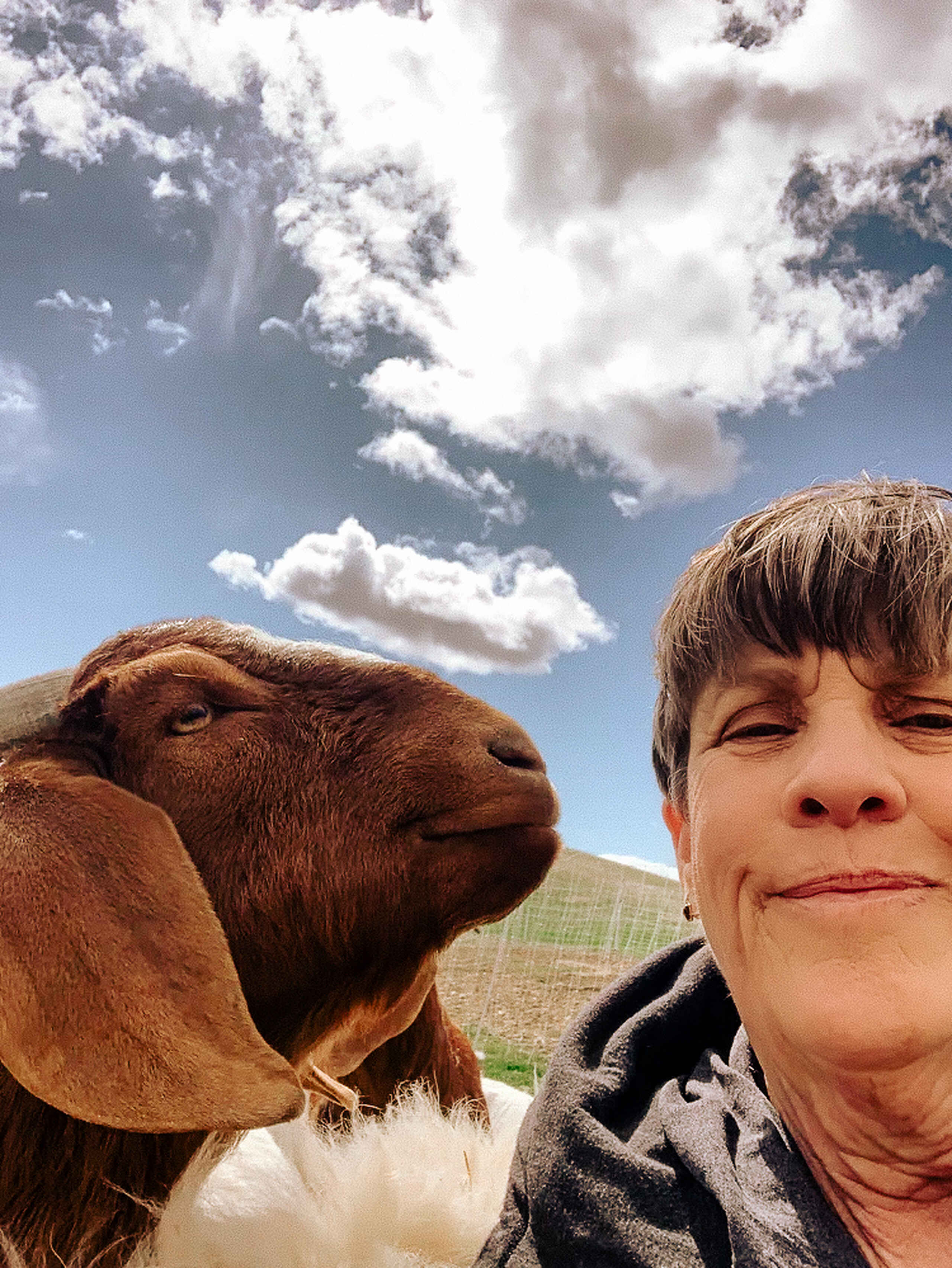
Incluso un pequeño jardín tiene el poder de cambiar la manera en que una persona ve el mundo. Una sola semilla crea una relación. Enseña paciencia, responsabilidad y gratitud, y nos recuerda que los alimentos no nacen en un estante, sino dentro de un sistema vivo que comienza en el suelo.
Para la familia Zakarison, lo que comenzó como una pregunta hoy influye en cada decisión que toman en la granja y en la responsabilidad de cuidar un paisaje que algún día será heredado a nuevas generaciones.
Conoce más sobre Zak Feeds: https://www.zakfeeds.com/
En colaboración con Soil & Climate Initiative
Sobre de Soil & Climate Initiative (SCI)
Soil & Climate Initiative (SCI) es un programa sin fines de lucro dedicado a facilitar la transición hacia la agricultura regenerativa. Fue desarrollado en colaboración con agricultores, marcas, organizaciones no gubernamentales y científicos del suelo.
Su trabajo se centra en apoyar a los productores durante la transición hacia sistemas regenerativos, al mismo tiempo que ayuda a alinear a toda la cadena de suministro en torno a ese proceso.
SCI ofrece diversos servicios de apoyo, entre ellos planificación agrícola, asesoría agronómica, análisis de suelo y herramientas para medir y verificar el impacto de las prácticas regenerativas a lo largo del tiempo.
Hasta la fecha, SCI ha apoyado a más de 175 granjas en más de 350,000 acres distribuidos en 27 estados de Estados Unidos, contribuyendo a mejorar la salud del suelo, la calidad del agua, la biodiversidad y la resiliencia general de las explotaciones agrícolas.
Al trabajar directamente con los agricultores e integrar datos confiables y mecanismos de verificación, SCI ayuda a garantizar que los esfuerzos regenerativos no solo se implementen, sino que también sean comprendidos, respaldados y sostenidos en el tiempo.
Junto con sus programas hermanos, Soil & Climate Alliance y Nutrient Density Initiative, SCI está contribuyendo a construir un ecosistema capaz de escalar los sistemas regenerativos desde la base.
Más información: soilclimateinitiative.org
Más Historias
Apoya nuestro trabajo
Mantente conectado
Recibirás nuestro boletín mensual Field Notes, actualizaciones de proyectos y recursos gratuitos, además de acceso prioritario a nuevas historias.
Haz una donación
Tu donativo deducible de impuestos impulsa las historias que transforman la cultura, la organización que convierte la conciencia en acción colectiva y las relaciones que hacen posible el cambio sistémico a largo plazo.