Meet A Farmer: Dr. Michael Kotutwa Johnson
Durante 3,000 años, los agricultores Hopi han cultivado alimentos en el desierto. Dr. Michael Kotutwa Johnson comparte la fe, la responsabilidad y el conocimiento que han sostenido a 250 generaciones.
Briar Rose is an indigenous storyteller and the Director of Storytelling at Farmer’s Footprint, where she leads narrative across film, editorial, and creative production.
Lo que 250 generaciones de agricultura Hopi en tierras áridas pueden enseñarnos
Me perdí en el camino hacia Hopitutskwa.
Mucha gente conoce este lugar como la “Reserva Indígena Hopi”. En cuanto llegué, aprendí que reserva es un término colonial que fue impuesto. El pueblo Hopi llama a este lugar Hopitutskwa, y ese es el nombre que usaré.
Al llegar a las tierras Hopi mi teléfono se quedó sin señal. No había cobertura en el desierto, ni GPS, ni forma de contactar a Michael. Después de varios giros equivocados, me encontré con una pequeña gasolinera preguntándome cómo iba a encontrar a un hombre al que nunca había conocido en persona.
En los días previos a mi visita habíamos intercambiado correos y hablado por videollamada. Conocía su trabajo como agricultor Hopi y Profesor en la Universidad de Arizona. Lo que no sabía era exactamente dónde debía encontrarlo.
Mientras estaba en la gasolinera mirando el desierto, susurré una pequeña oración pidiendo orientación, y en cuestión de minutos escuché el sonido de una camioneta acercándose hacia mi.
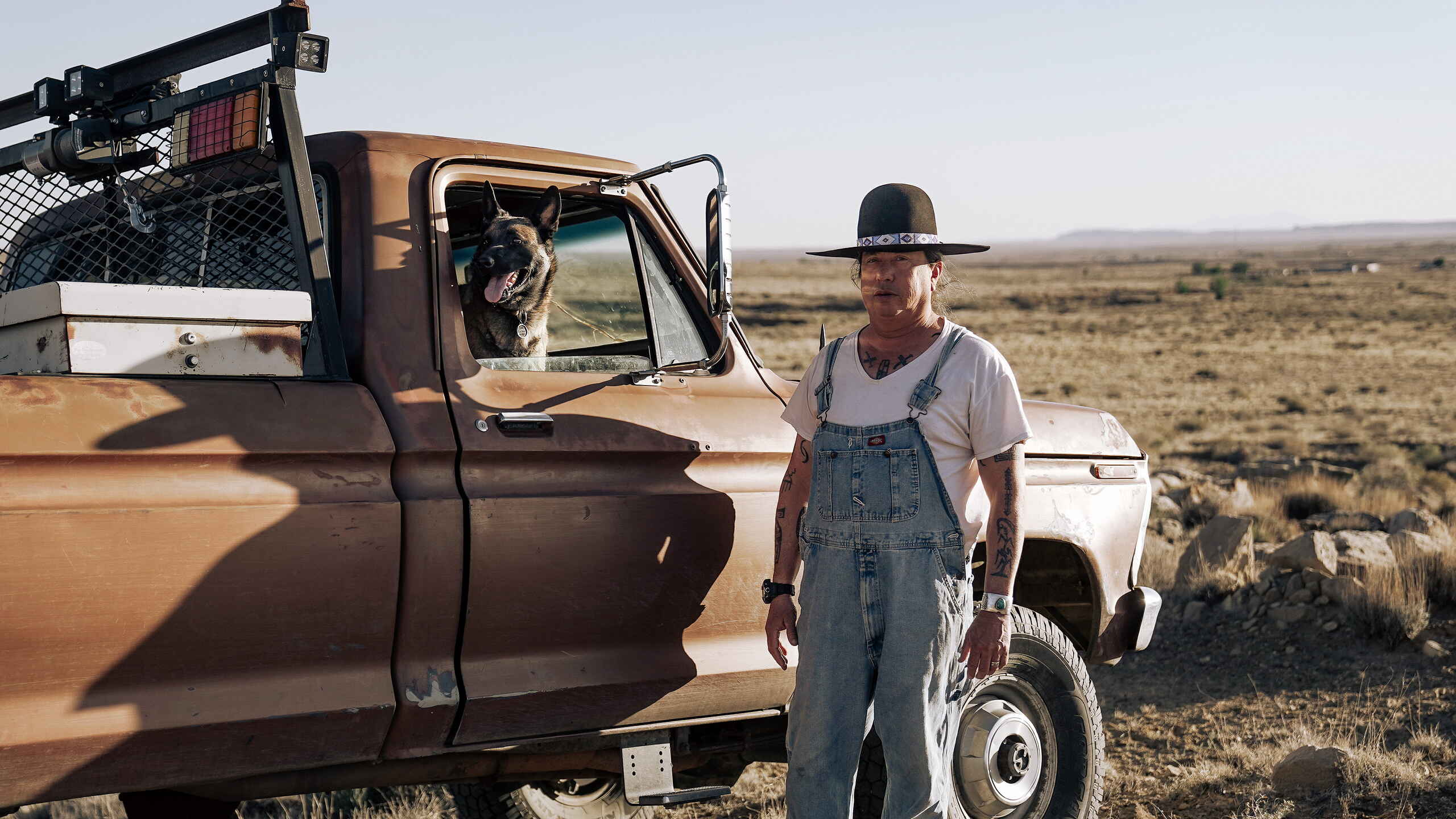
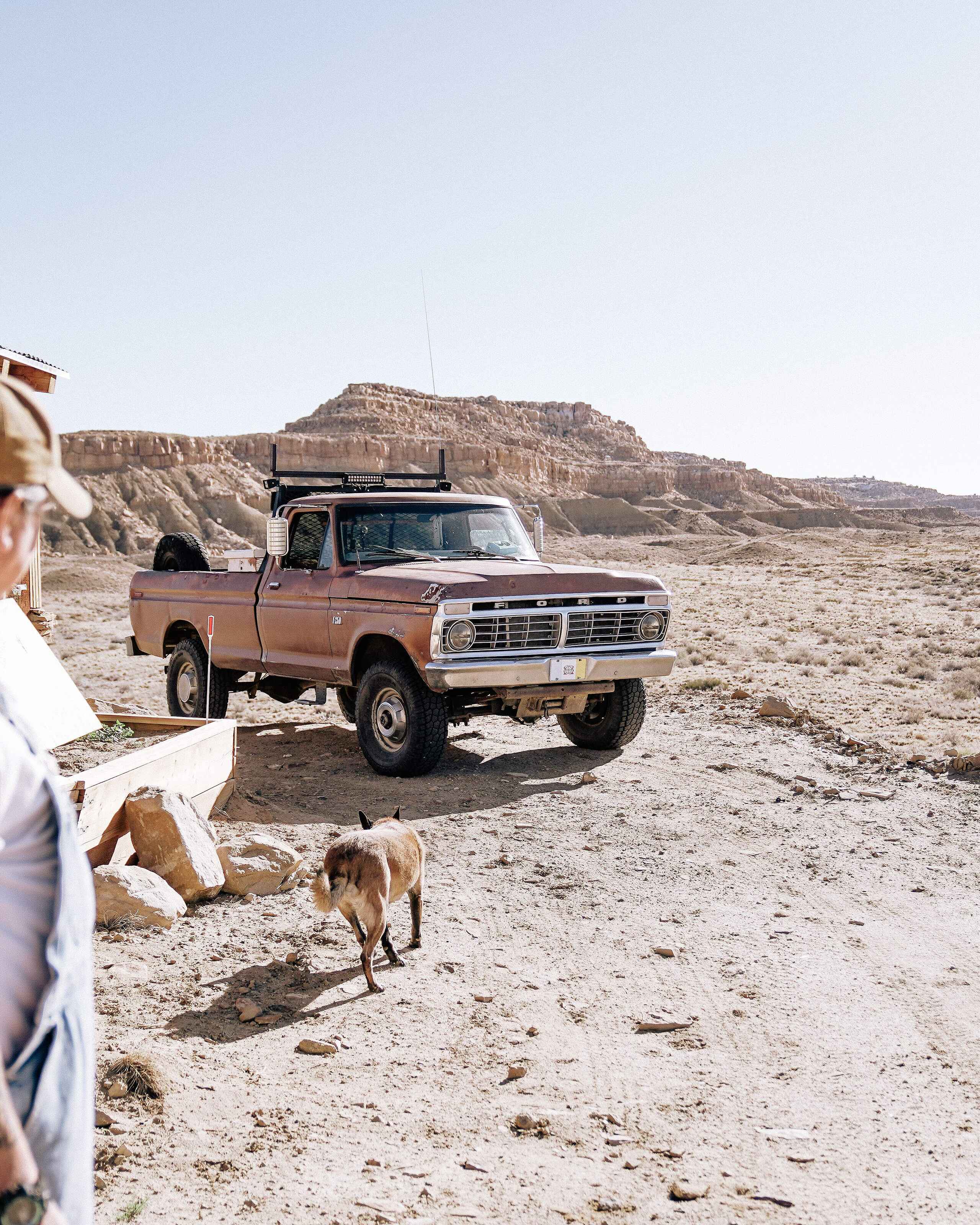
Levanté la vista y vi una vieja Ford F-250 color café de 1975 acercándose con un perro que se asomaba por la ventana del copiloto. Era el Dr. Michael Kotutwa Johnson manejando hacia mí.
Como storyteller indígena, he pasado mucho tiempo sentada con adultos mayores y comunidades indígenas de todo el mundo. Tierras distintas, idiomas distintos, historias distintas, y sin embargo siempre hay una sensación muy familiar que es difícil de explicar.
Esa sensación surgió de inmediato con Michael.
Mientras lo seguía en su camioneta, el camino, de pronto, desapareció y dio paso a una huella de arena trazada a través del paisaje, que conducía a su casa en la colina.
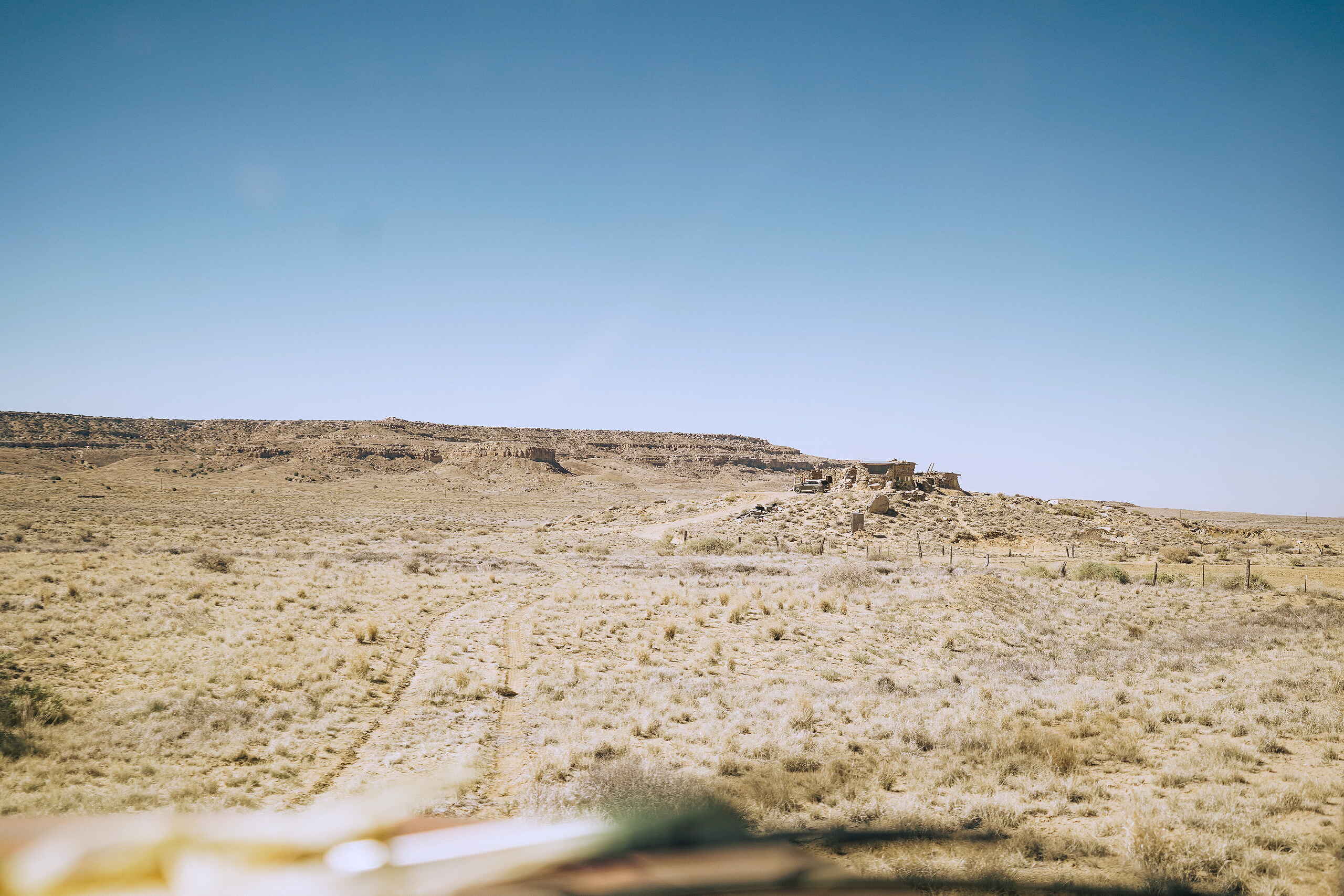
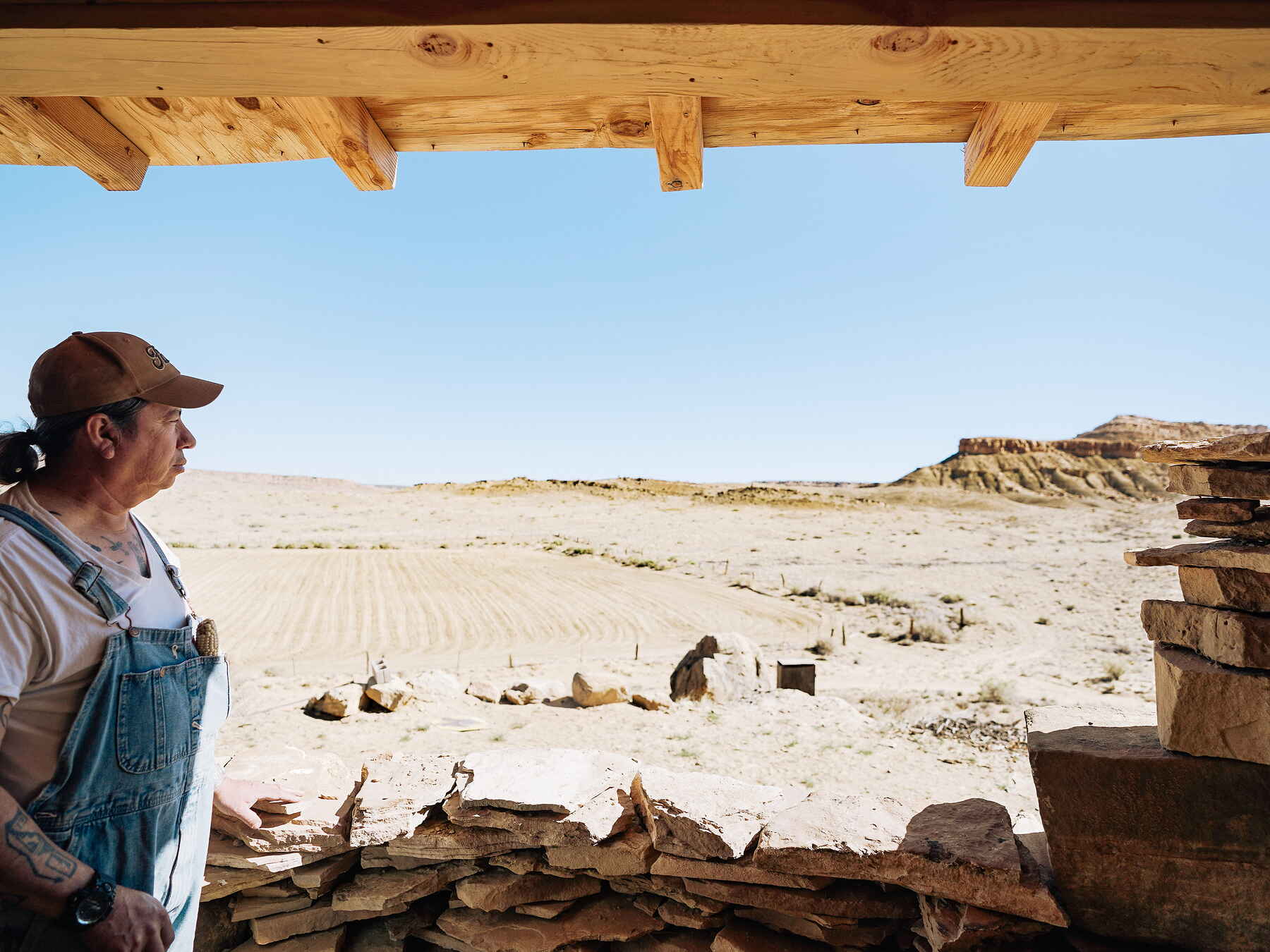
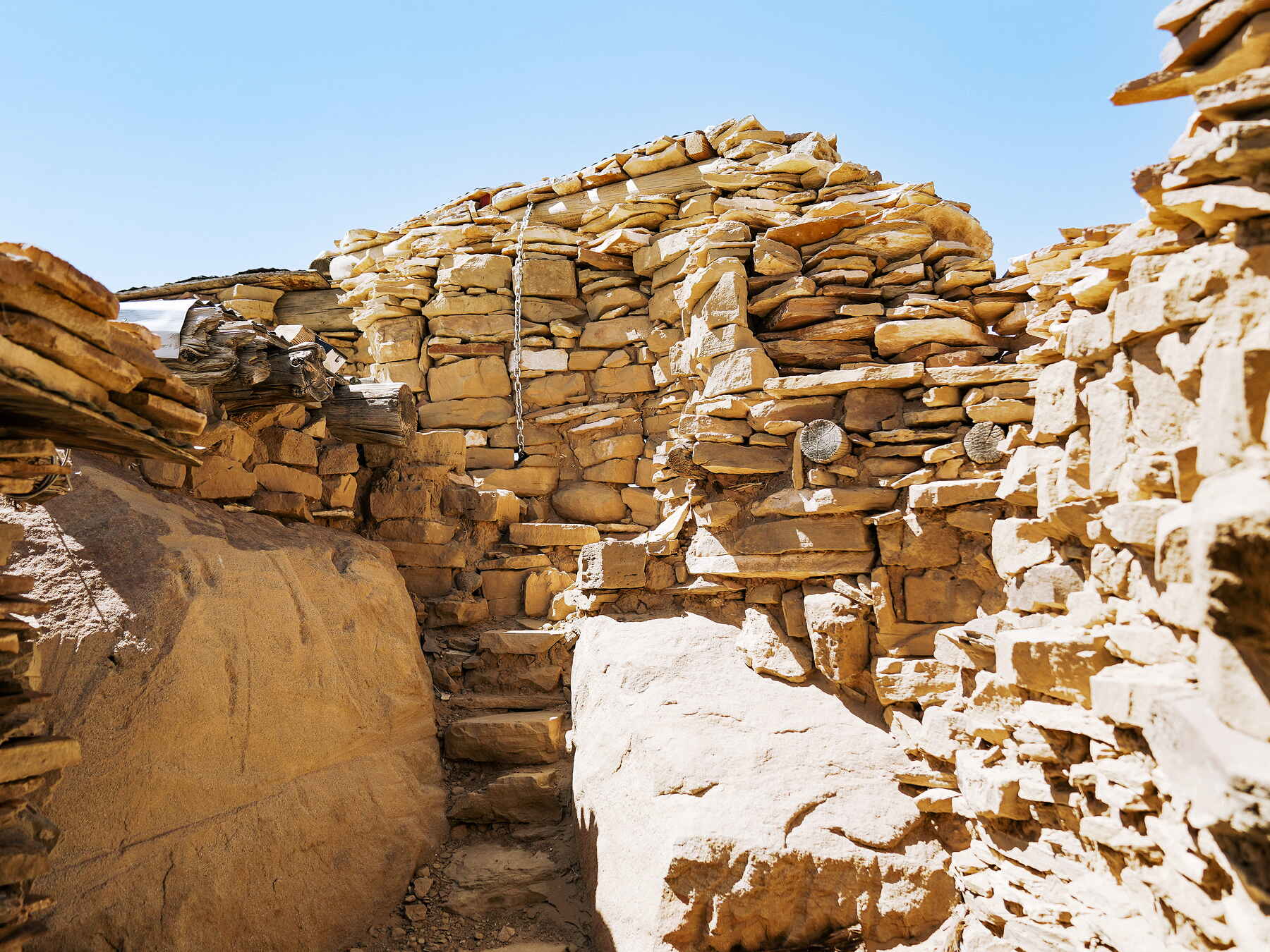
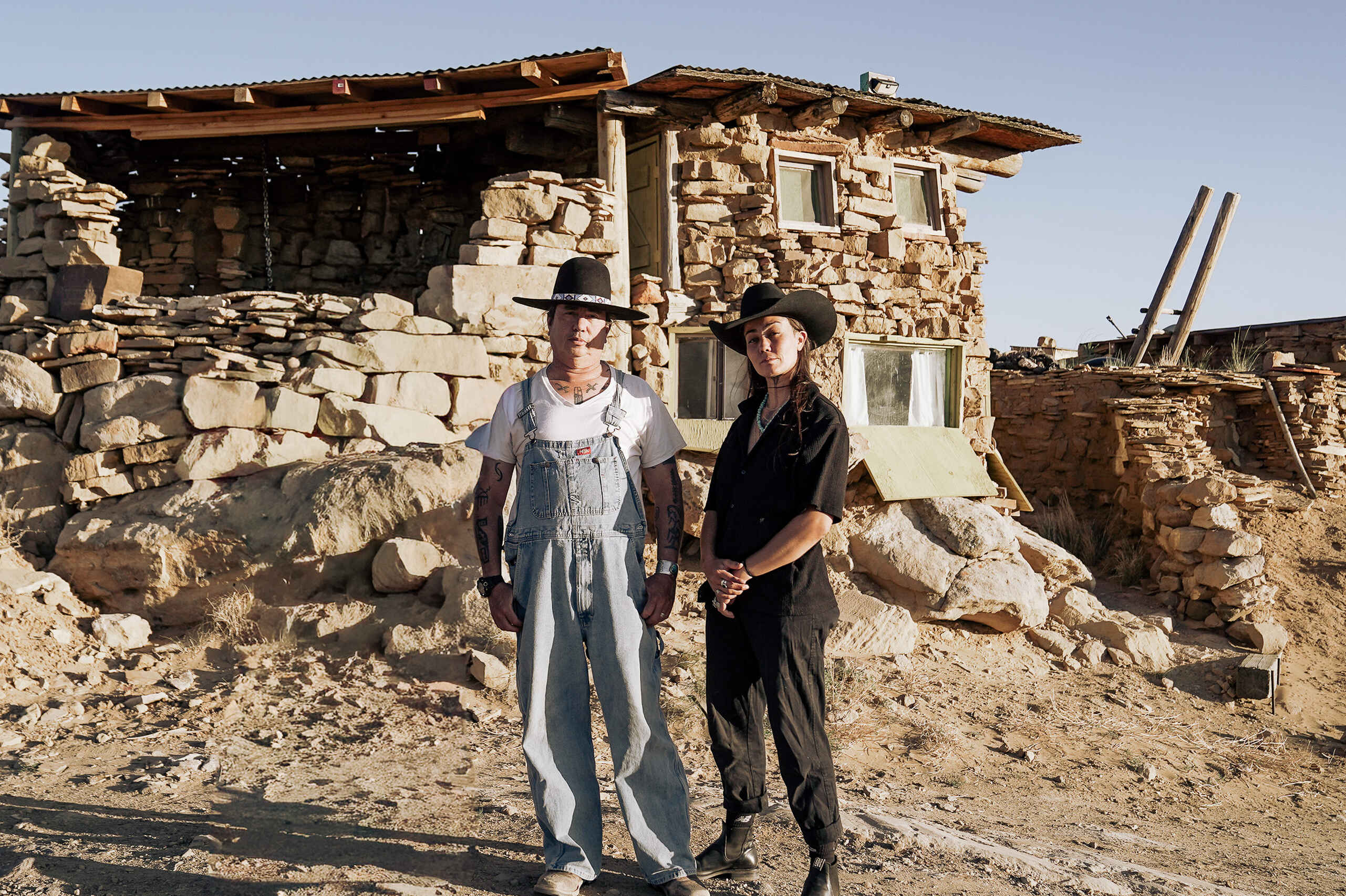
Lo primero que Michael me mostró fue su casa Hopi, la cual está ubicada en una pequeña colina con vista hacia las tierras que hay hacia abajo. Su casa está construida con piedras apiladas de zonas aledañas, por lo que la casa parecía una extensión del paisaje mismo. Práctica, sencilla y, al mismo tiempo, sofisticada, era una expresión de la ingeniosidad indígena. La casa pertenecía a ese lugar, moldeada por generaciones de observación, adaptación y comprensión.
Desde el balcón podía ver que el desierto me rodeaba en todas las direcciones. Las mesas se alzaban dentro del paisaje como antiguos guardianes sosteniendo la tierra bajo ellas. De pie en silencio, mirando los campos abajo, tuve una sensación que volvería a lo largo de mi tiempo con Michael: la tierra conoce a esta gente, y esta gente conoce esta tierra. Esa sensación se profundizó aún más cuando comenzamos a grabar.
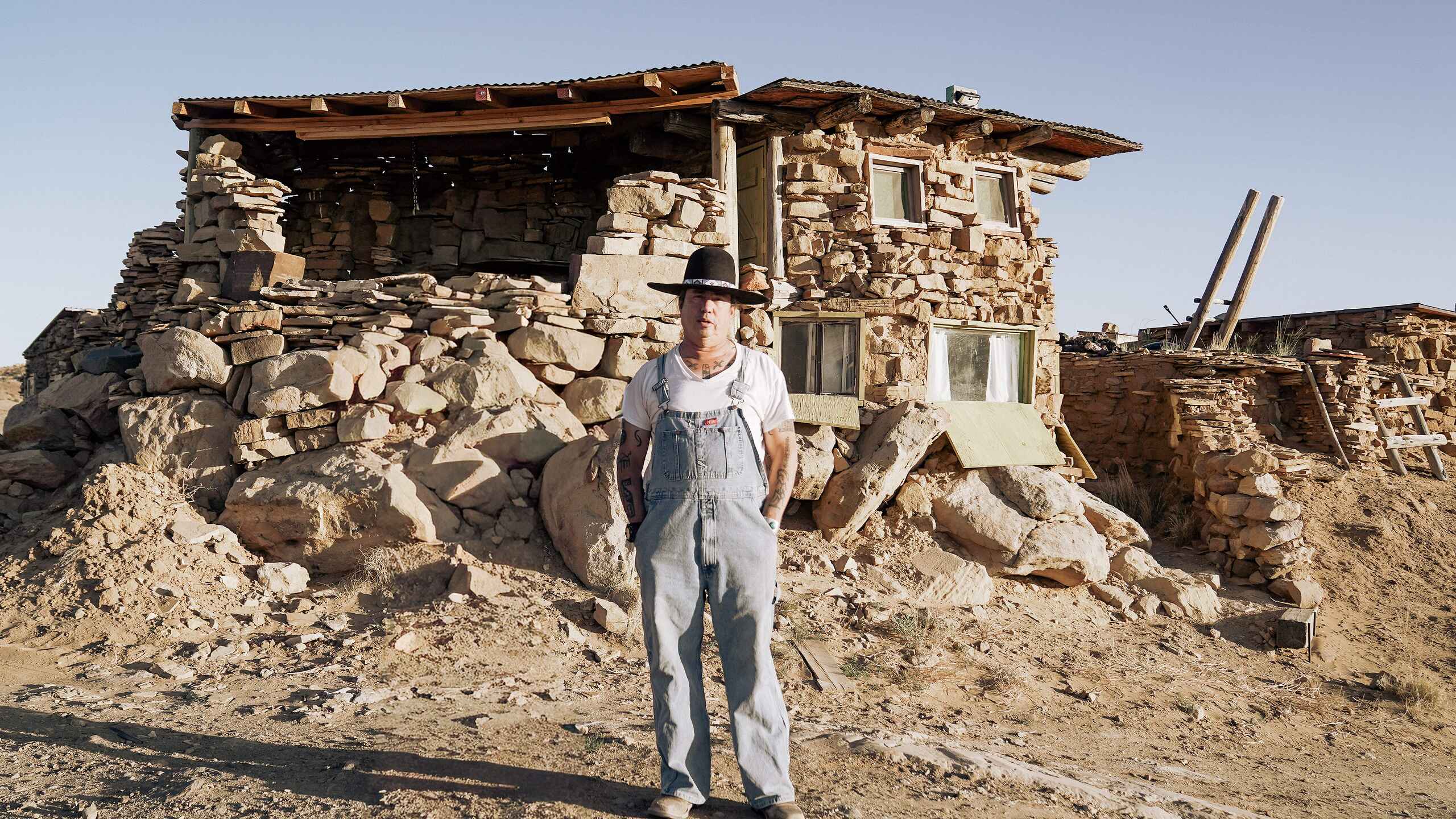
The first thing Michael showed me was his Hopi house, sitting proudly on a small hill overlooking the land below.
Como en la mayoría de las entrevistas, empecé con una pregunta sencilla: "¿Puede presentarse y contarnos en dónde estamos?". Verifiqué los niveles de audio, encuadré la toma, y le di click a “grabar”, y Michael comenzó a compartir conmigo su respuesta.
"Me llamo Michael Kotutwa Johnson, y soy un agricultor Hopi de la 250ª generación."
Inmediatamente dejé de grabar. "Espera", dije sorprendida… "¿Acabas de decir la 250ª generación?". Él sonrió con humildad y asintió.
He entrevistado agricultores de todo el mundo. Agricultores de tercera generación. De quinta generación. Incluso de séptima generación. Pero 250 generaciones era un número que mi mente tenía dificultad para asimilar.
El pueblo Hopi ha vivido, cultivado y se ha adaptado a estas tierras durante más de 3,000 años como los pueblos originarios de Hopitutskwa. Mientras miraba al campo, me encontré volviendo a ese número una y otra vez.
Doscientas cincuenta generaciones significan algo.
Significan que el sistema funciona. Las semillas, el conocimiento, la cultura y la relación entre las personas y el lugar han perdurado a través de sequías, cambios climáticos, la colonización e innumerables desafíos a lo largo del tiempo.
Si un sistema agrícola dura 250 generaciones, ha demostrado algo que la mayoría de los sistemas agrícolas modernos nunca lograrán: la permanencia.
Ahí me di cuenta de que no estaba simplemente entrevistando a un agricultor. Estaba sentada frente al linaje de una de las tradiciones agrícolas más longevas de la Tierra.
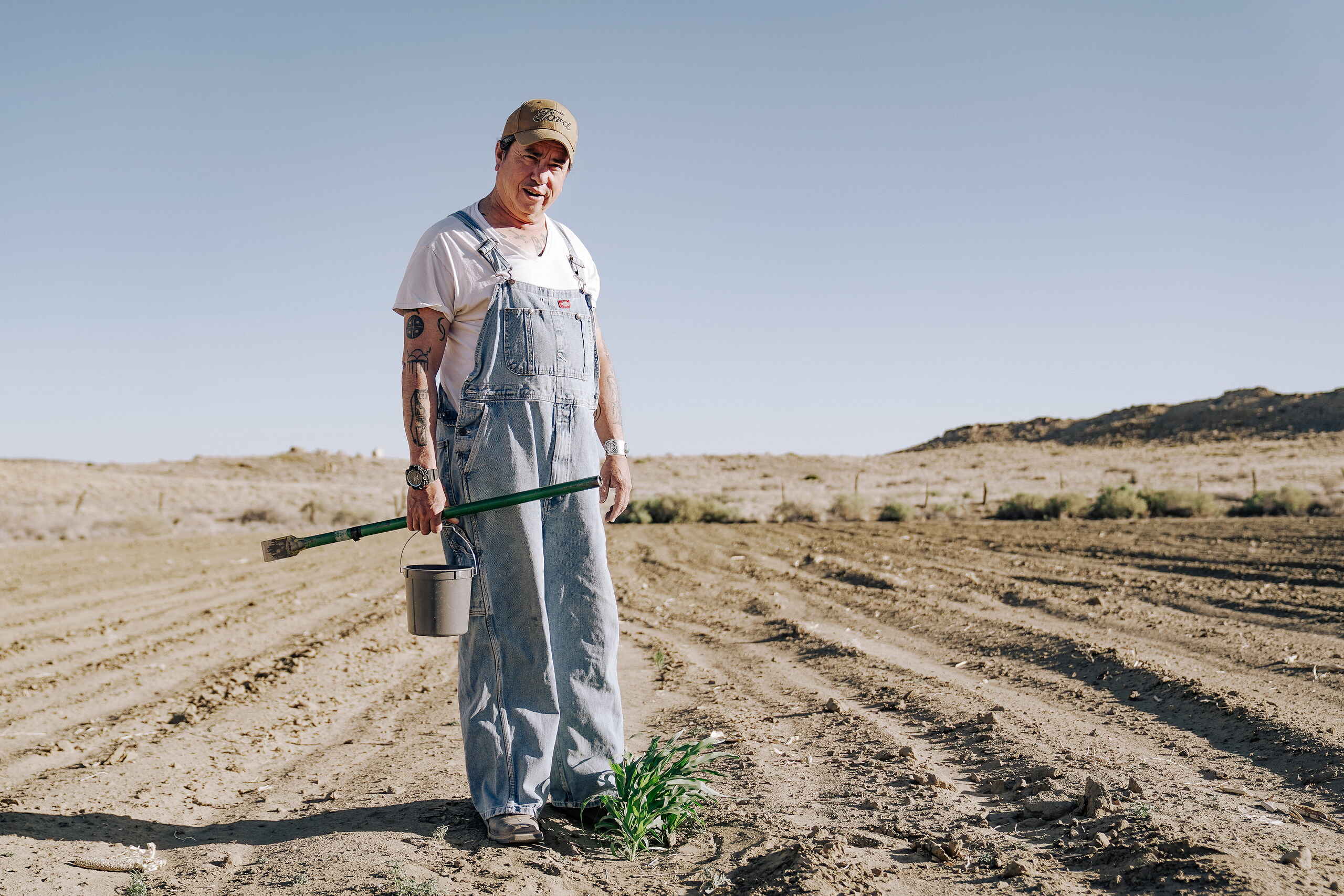
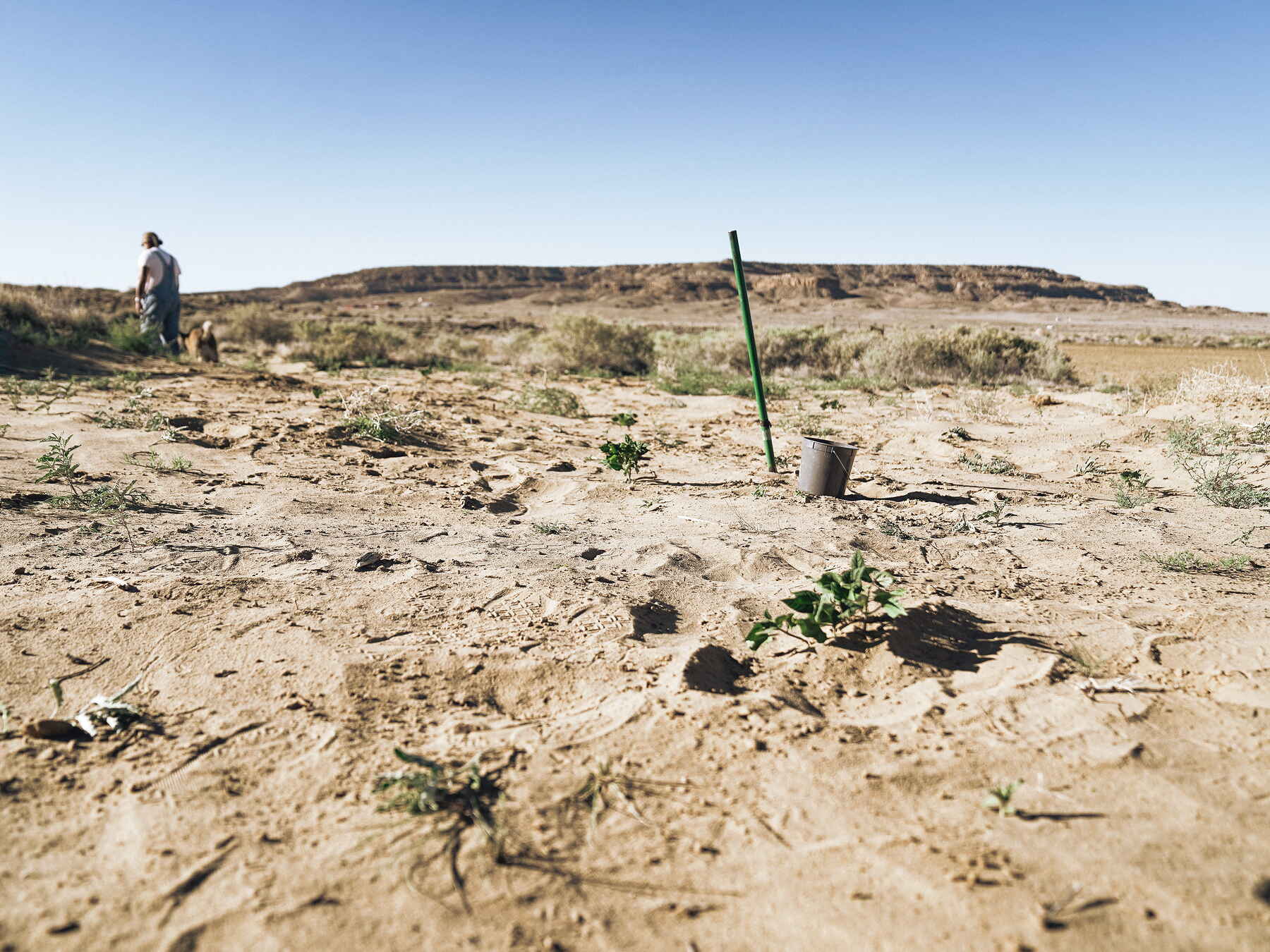
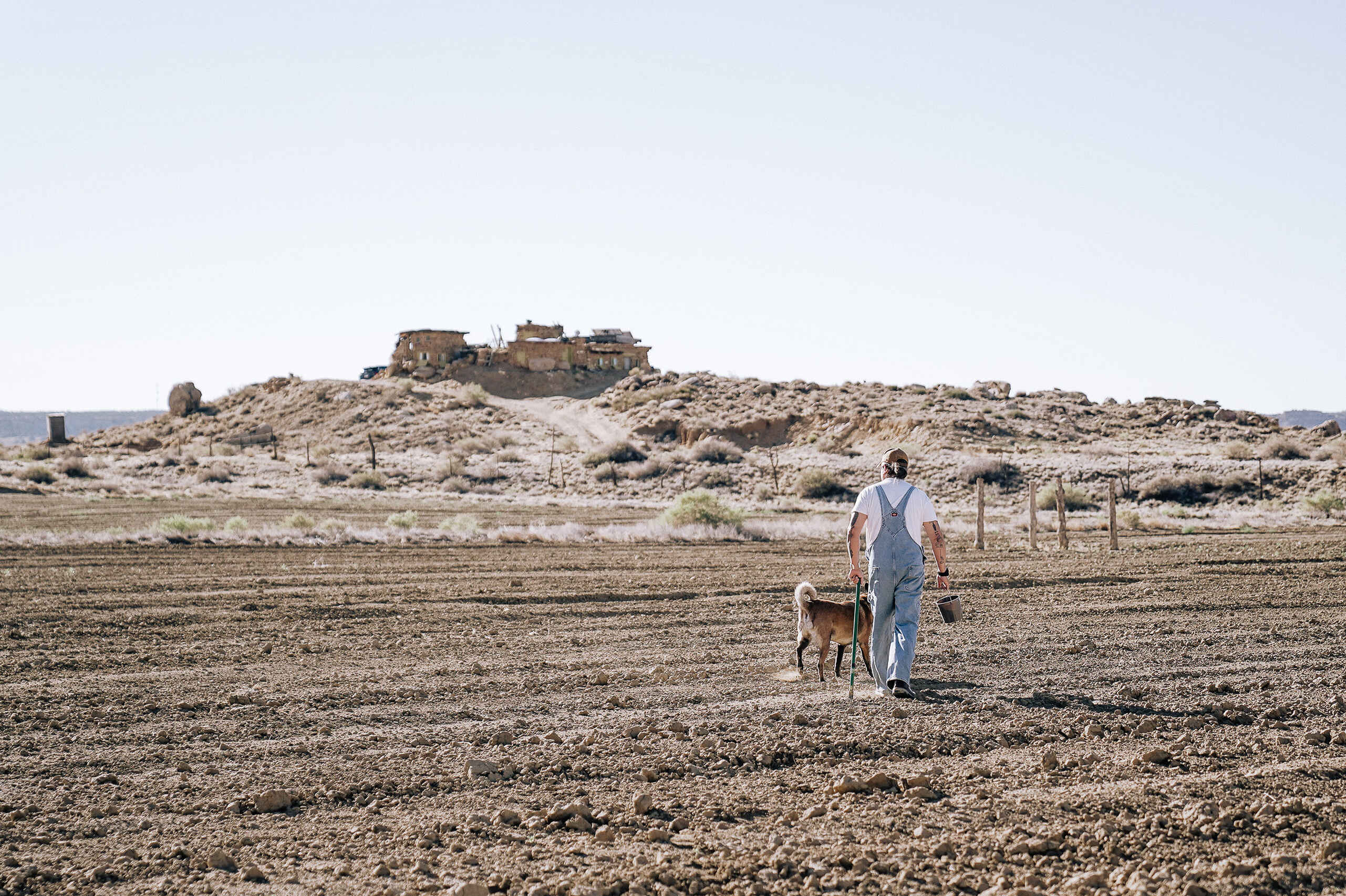
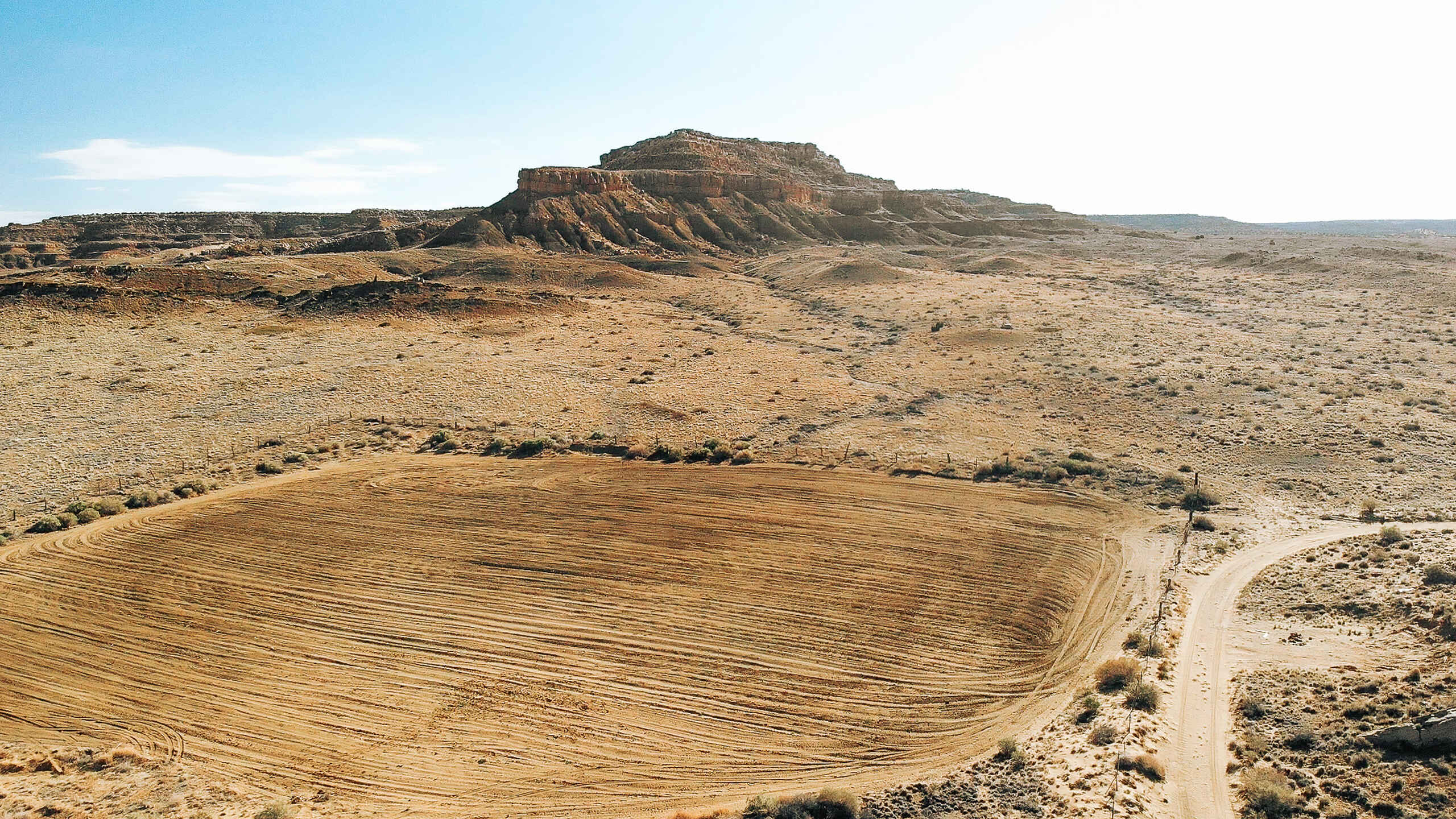
A la mañana siguiente, Michael me llevó a sus campos. Al principio, solo vi arena del desierto extendiéndose bajo las mesas. Había investigado sobre la agricultura sin riego de los Hopi antes de llegar y sabía que esta región recibe apenas entre 15 y 25 centímetros de lluvia al año. Sabía que los agricultores Hopi no dependen de sistemas de riego y que estos métodos habían sido perfeccionados durante miles de años
Even with that knowledge, standing there in those fields beneath the mesa, I found myself wondering: How does anything grow here?
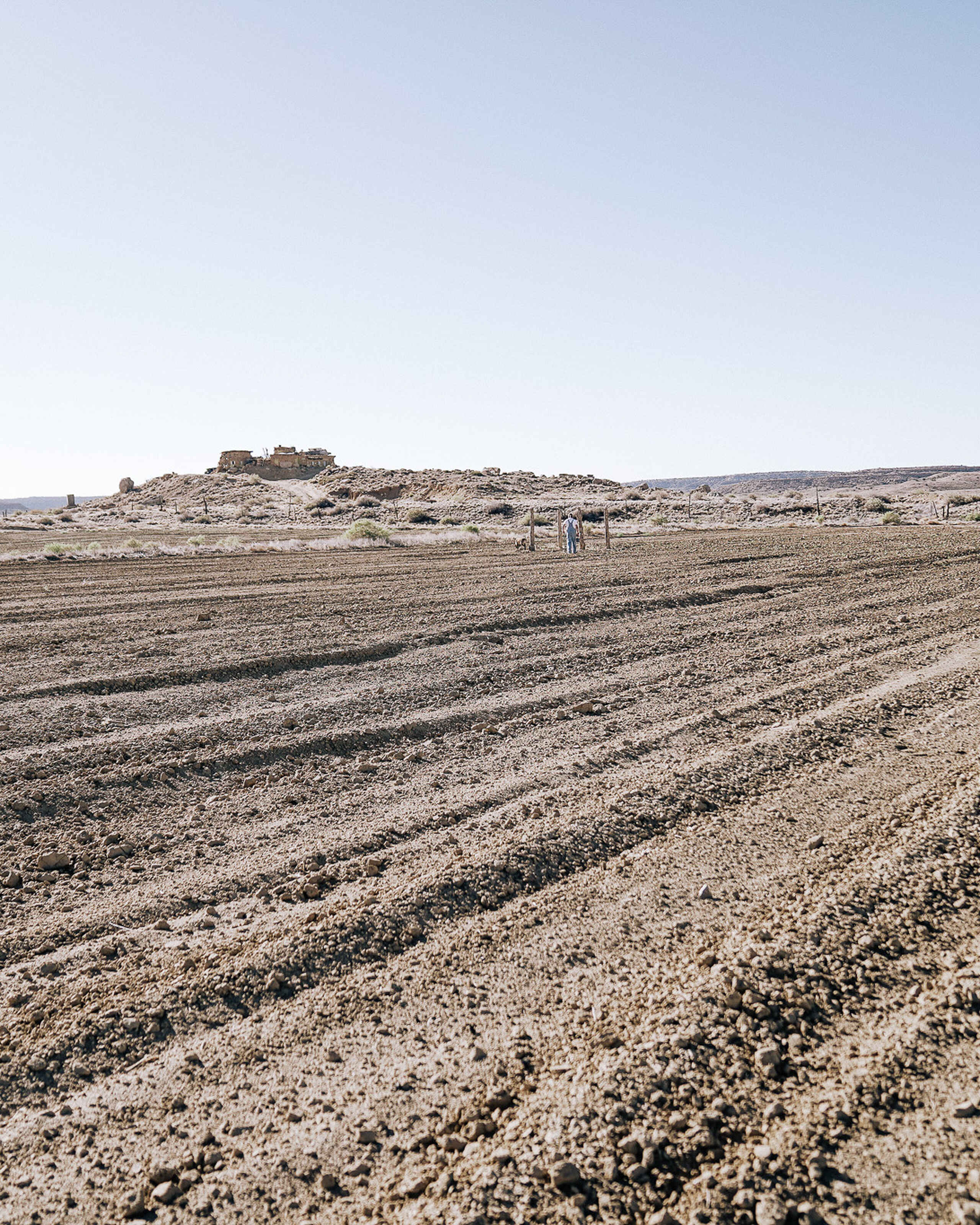
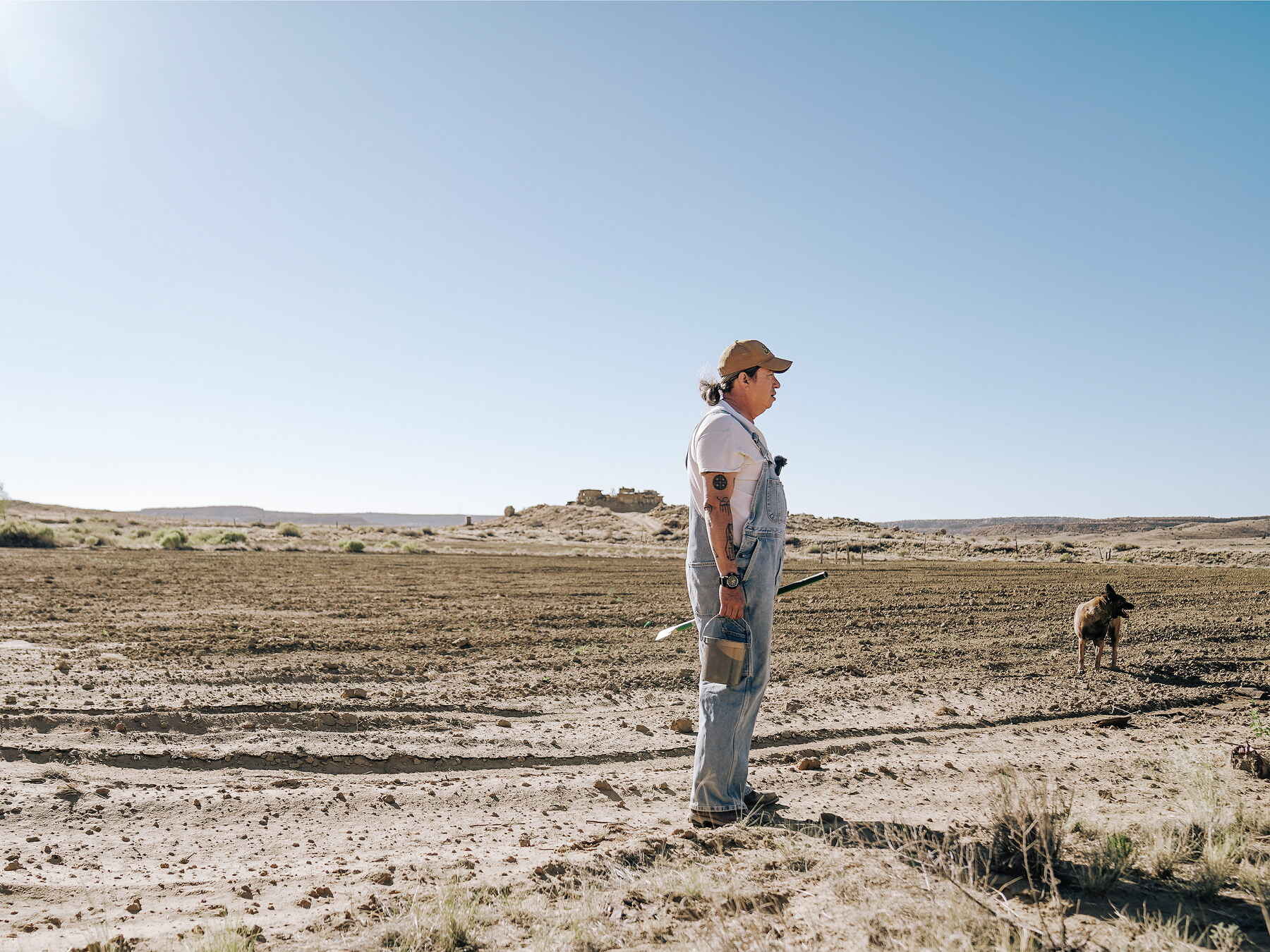
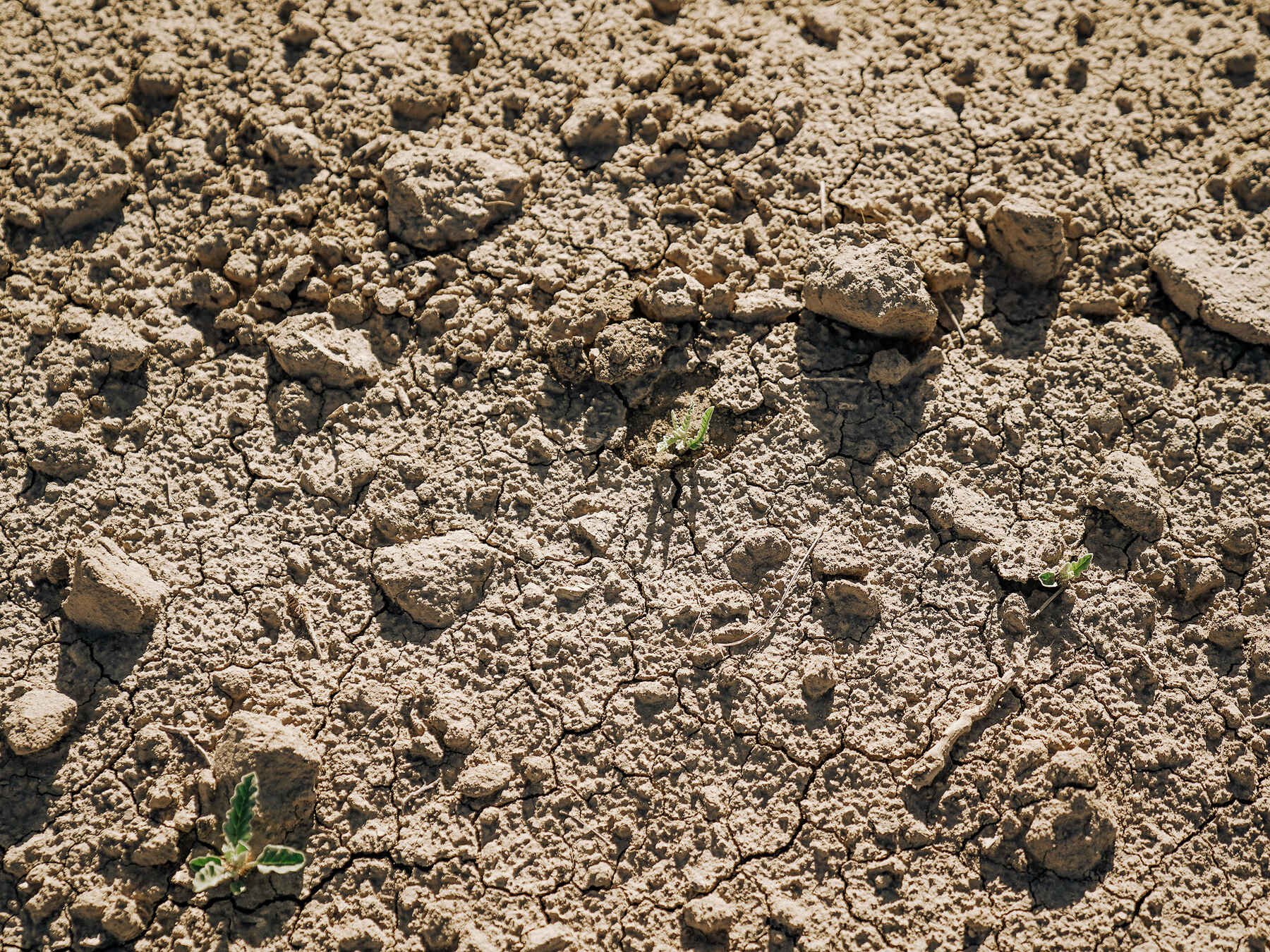
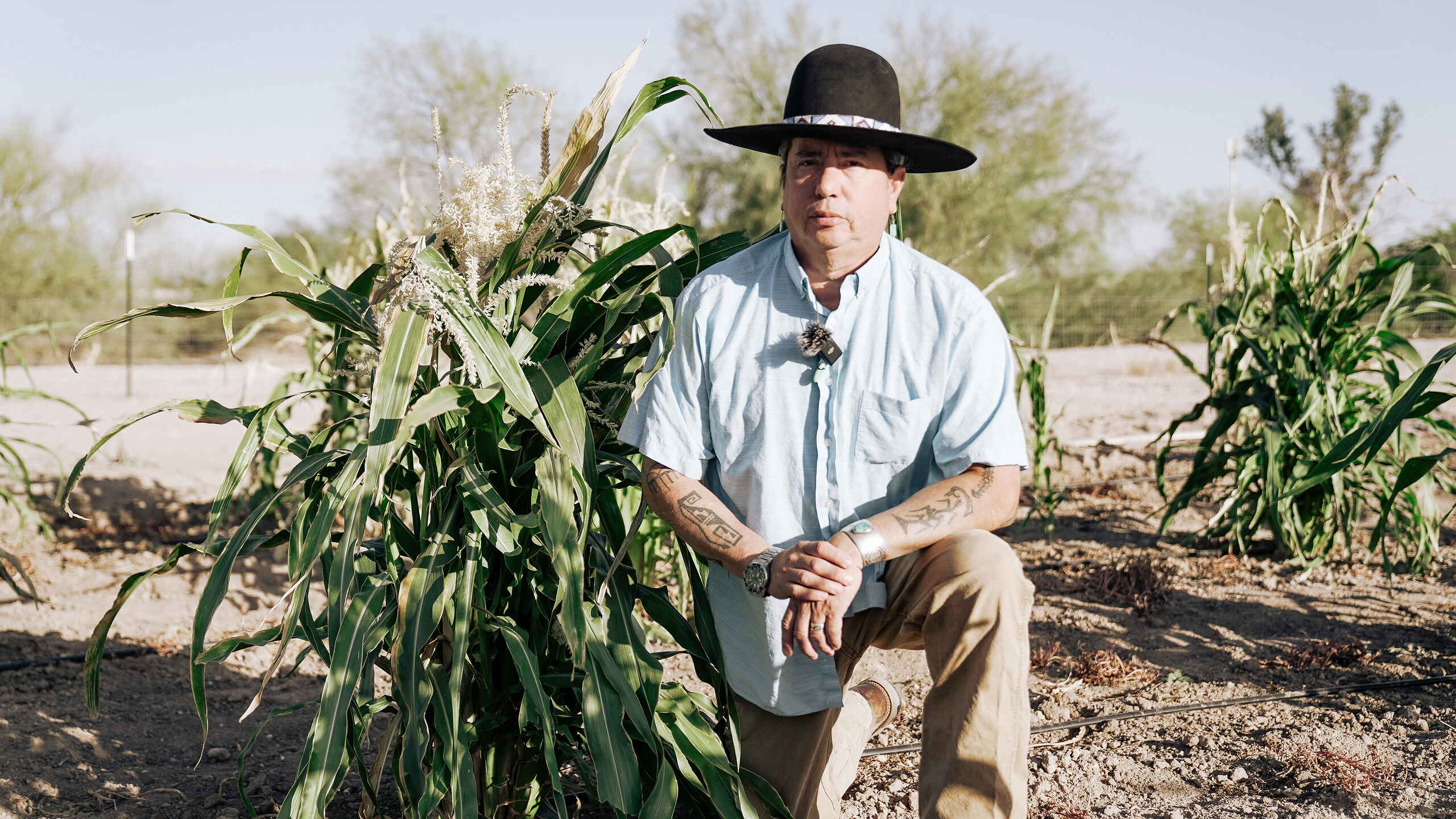
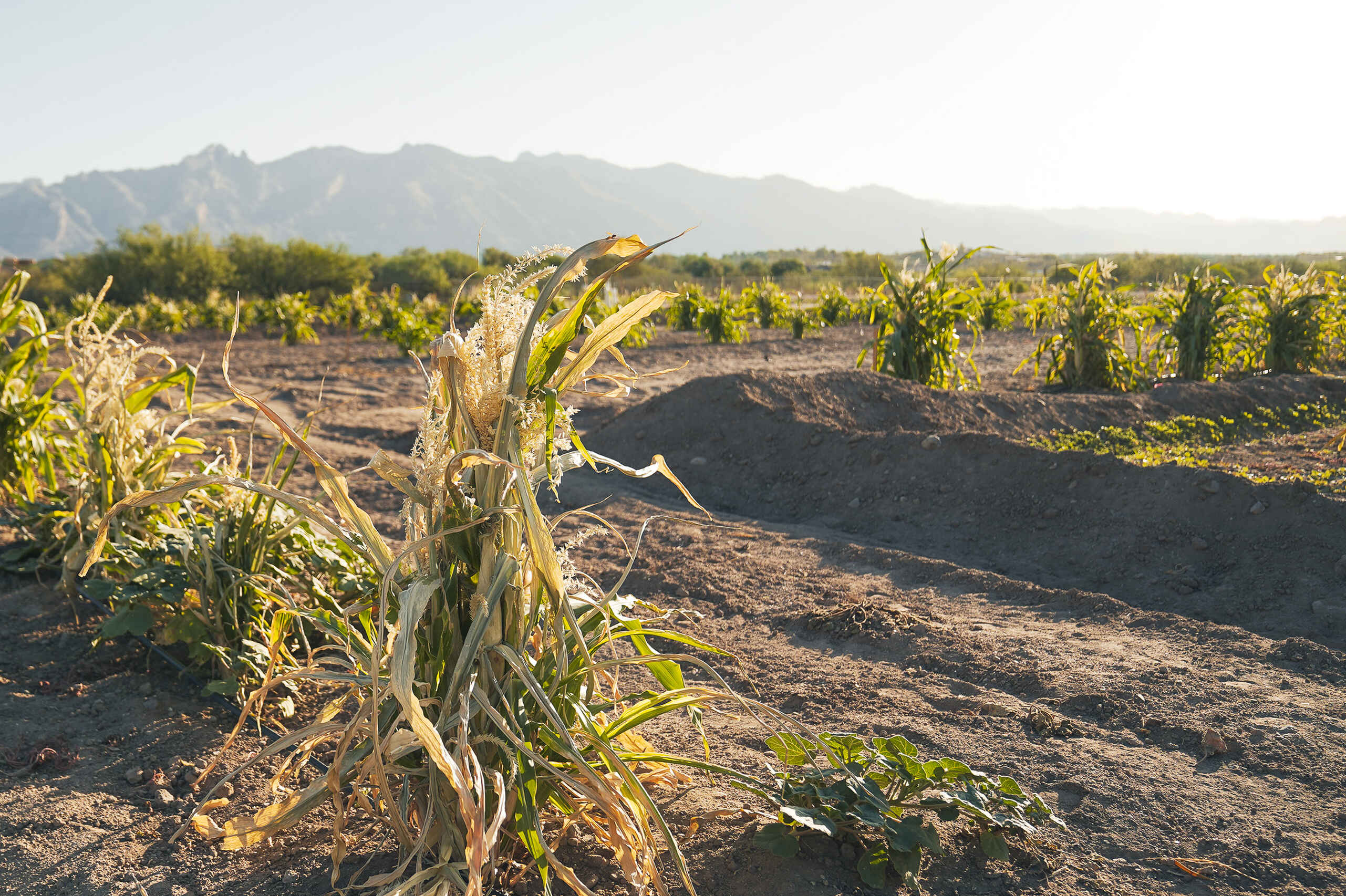
Mientras caminábamos por el campo, Michael me mostró cómo el maíz Hopi se siembra en grupos (en lugar de hacerlo con semillas individuales). Crecer juntas permite que las plantas se protejan mutuamente del viento, creen sombra durante los meses más calurosos y retengan humedad en uno de los entornos agrícolas más áridos del mundo.
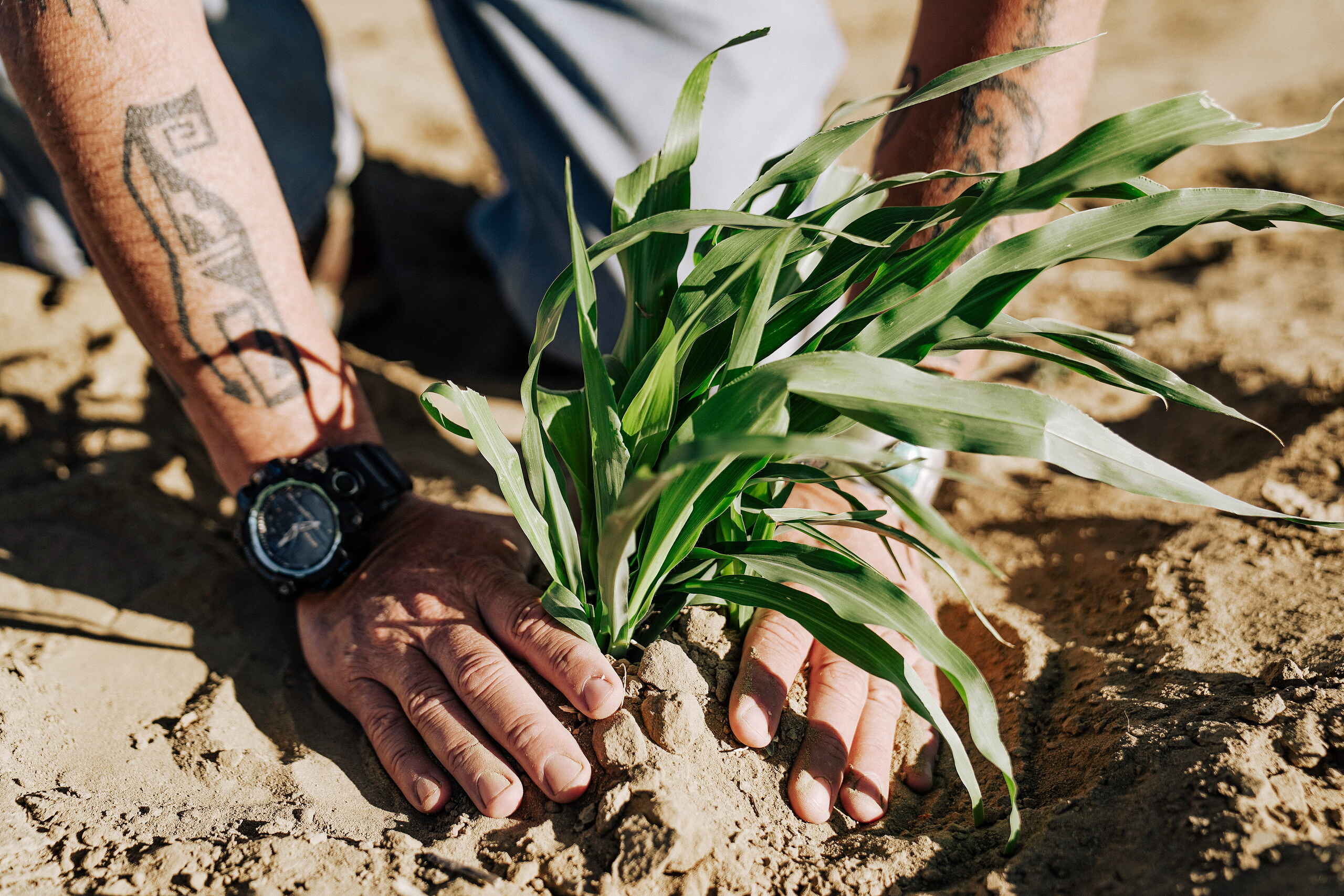
Al escuchar a Michael explicarlo, pensé menos en la agricultura y más en la comunidad. Cada semilla sostiene a las demás, y cada planta contribuye al bienestar del conjunto. Para Michael, ese principio refleja un valor Hopi innato: el maíz crece junto porque las personas también lo hacen.
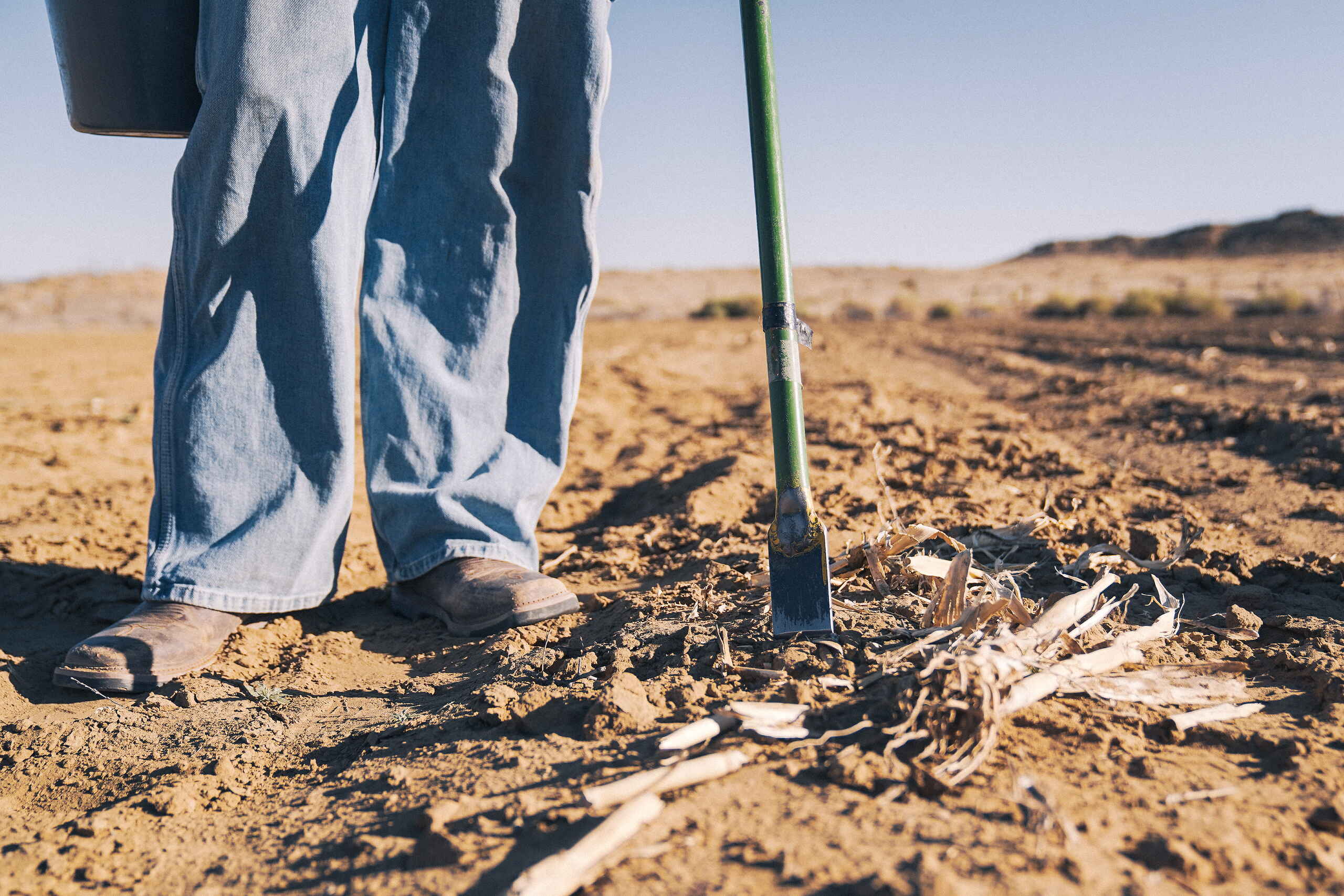
Más adelante en el campo, encontramos los restos de los tallos de maíz del año anterior sobre el suelo. En lugar de retirarlos, los agricultores Hopi los dejan donde caen. Con el tiempo devuelven materia orgánica a la tierra, capturan la nieve del invierno y ayudan a retener la humedad en el suelo.
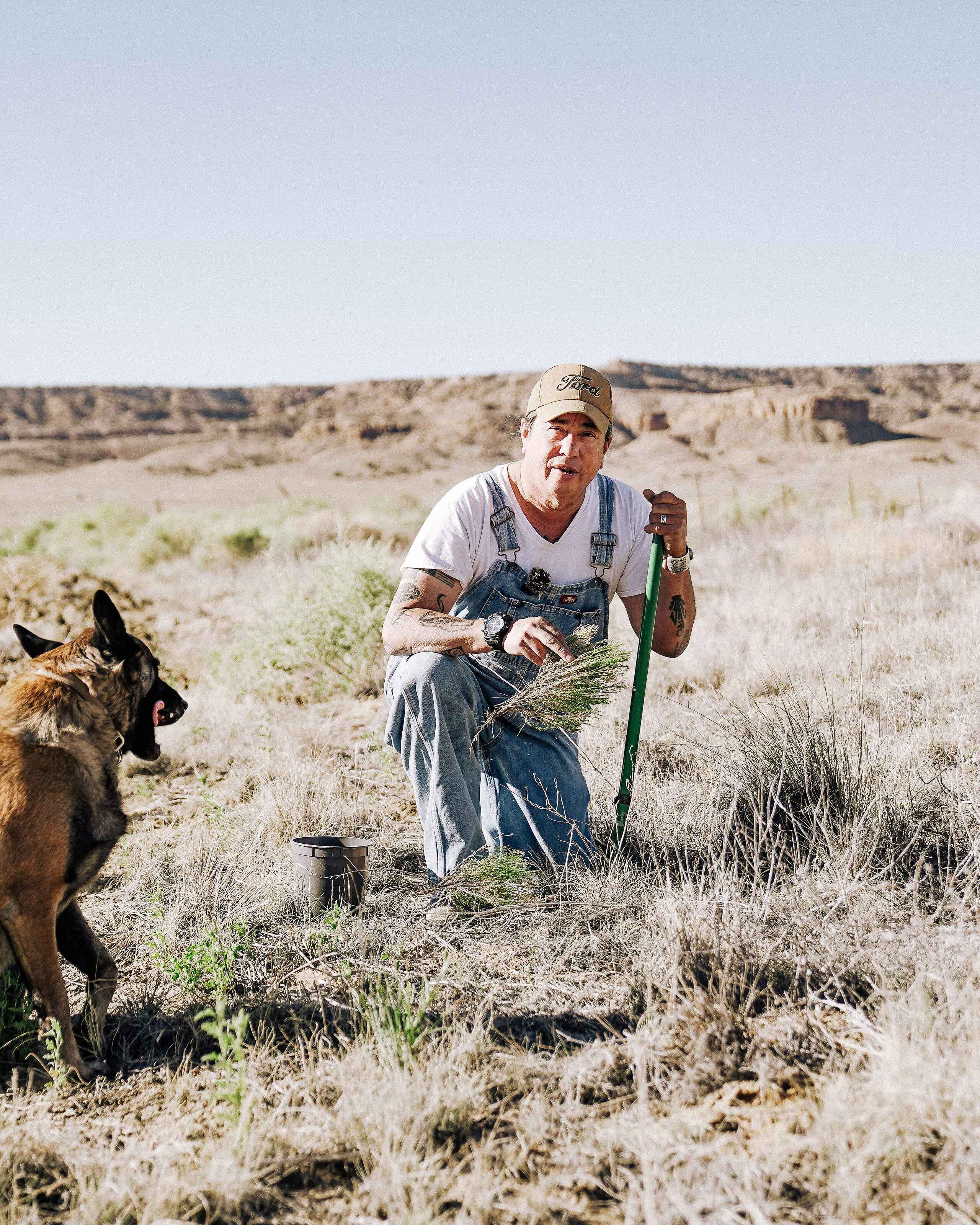
Luego, Michael se agachó junto a un arbusto de rabbit brush y comenzó a explicar cómo los agricultores Hopi leen el paisaje. Momentos después se rió y señaló hacia un espacio lleno de maleza cerca de nosotros.
"Aquí afuera no necesitamos sondas de humedad ni sensores de suelo," dijo. "Simplemente le llamamos maleza."
Me mostró cómo los sistemas de raíces de ciertas plantas revelan las condiciones de humedad ocultas bajo el suelo. Al observar estos indicadores, los agricultores pueden tomar decisiones sobre la profundidad de siembra, la separación para sembrar y el momento oportuno para hacerlo sin depender de sensores ni tecnología.
“This is just another example of indigenous ingenuity,” he said
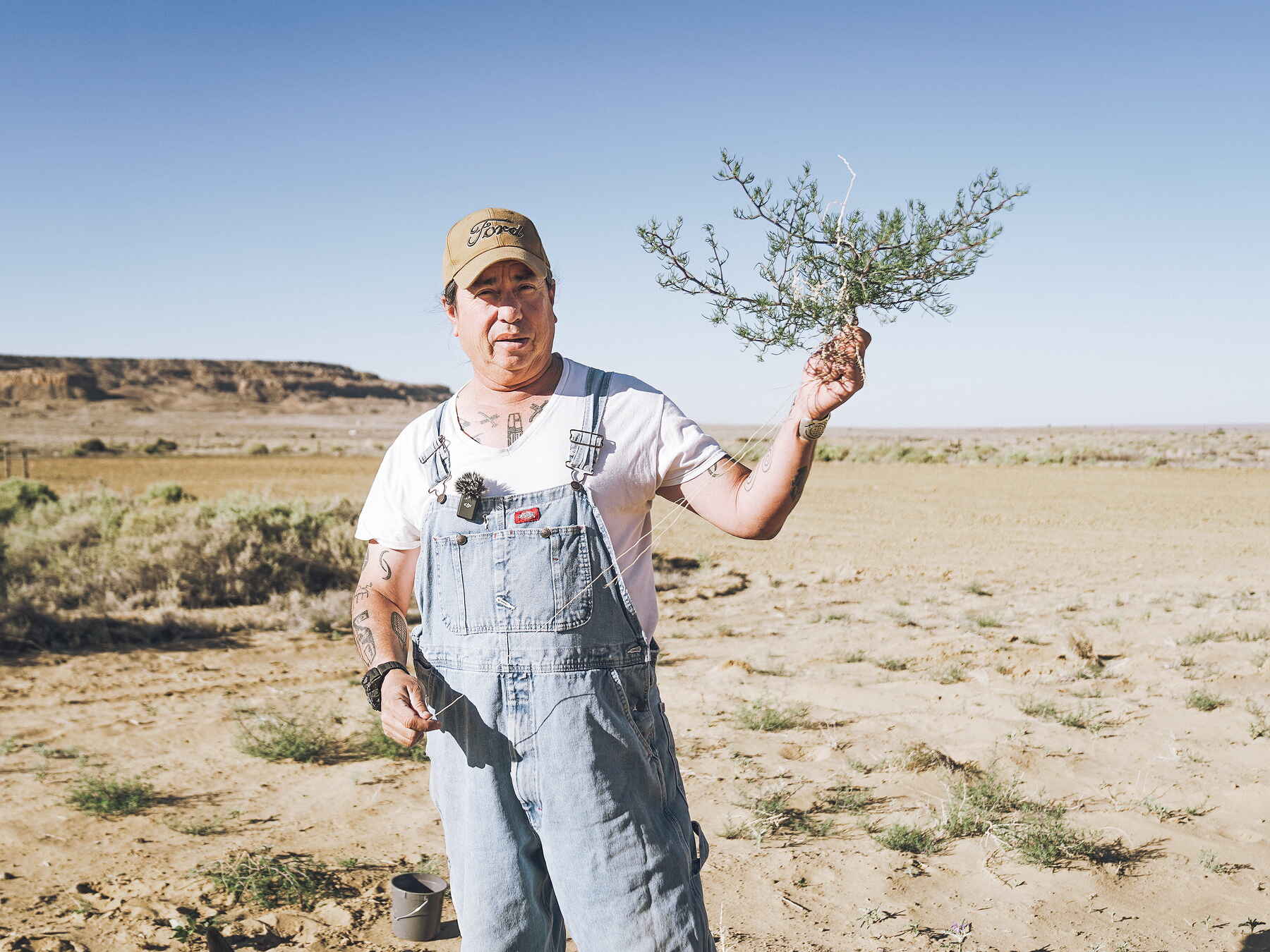
Estando a su lado, me encontré reflexionando sobre lo que mucha gente llama ahora “Conocimiento Ecológico Tradicional” o “Sistemas de Conocimiento Indígena”. Con frecuencia estos se reducen a teoría o lenguaje académico, pero lo que estaba presenciando se sentía mucho más profundo que eso. Era la sabiduría acumulada de personas que han prestado mucha atención a un lugar durante miles de años. Cada planta, cada estación y cada cambio en el clima estaba lleno de información.
Mientras escuchaba, el campo comenzó a revelarse de manera diferente. Lo que al principio me había parecido un paisaje hostil y estéril era, en realidad, profundamente inteligente y estaba lleno de relaciones.
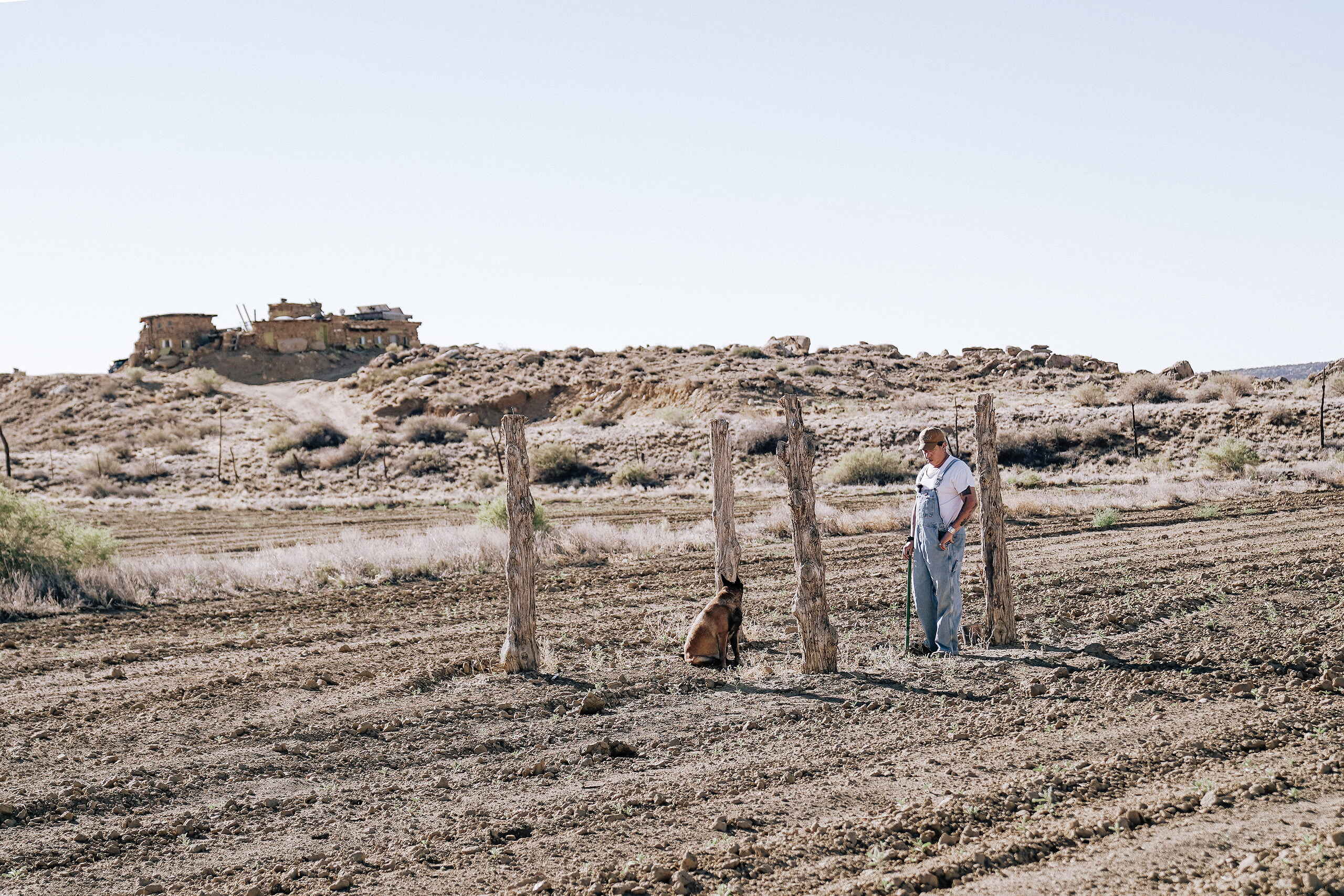
Mientras continuamos caminando por los campos, Michael señaló hacia una estructura que se alzaba sola en la distancia. Cuatro postes de madera emergían de la tierra, no tenían un techo.
Cuando le pregunté al respecto, explicó que estructuras como esas han sido usadas a lo largo mucho tiempo por los agricultores Hopi durante la temporada de siembra. Los hombres dormían junto al campo, despertando con el amanecer y con las semillas que habían confiado a la tierra.
Había algo profundamente conmovedor en elegir dormir junto a las semillas. Despertar con ellas y comenzar cada día a su lado. Para muchos pueblos indígenas, las semillas son mucho más que un medio de producir alimento: guardan memoria, responsabilidad, identidad e historia, conectando generaciones a través del tiempo.
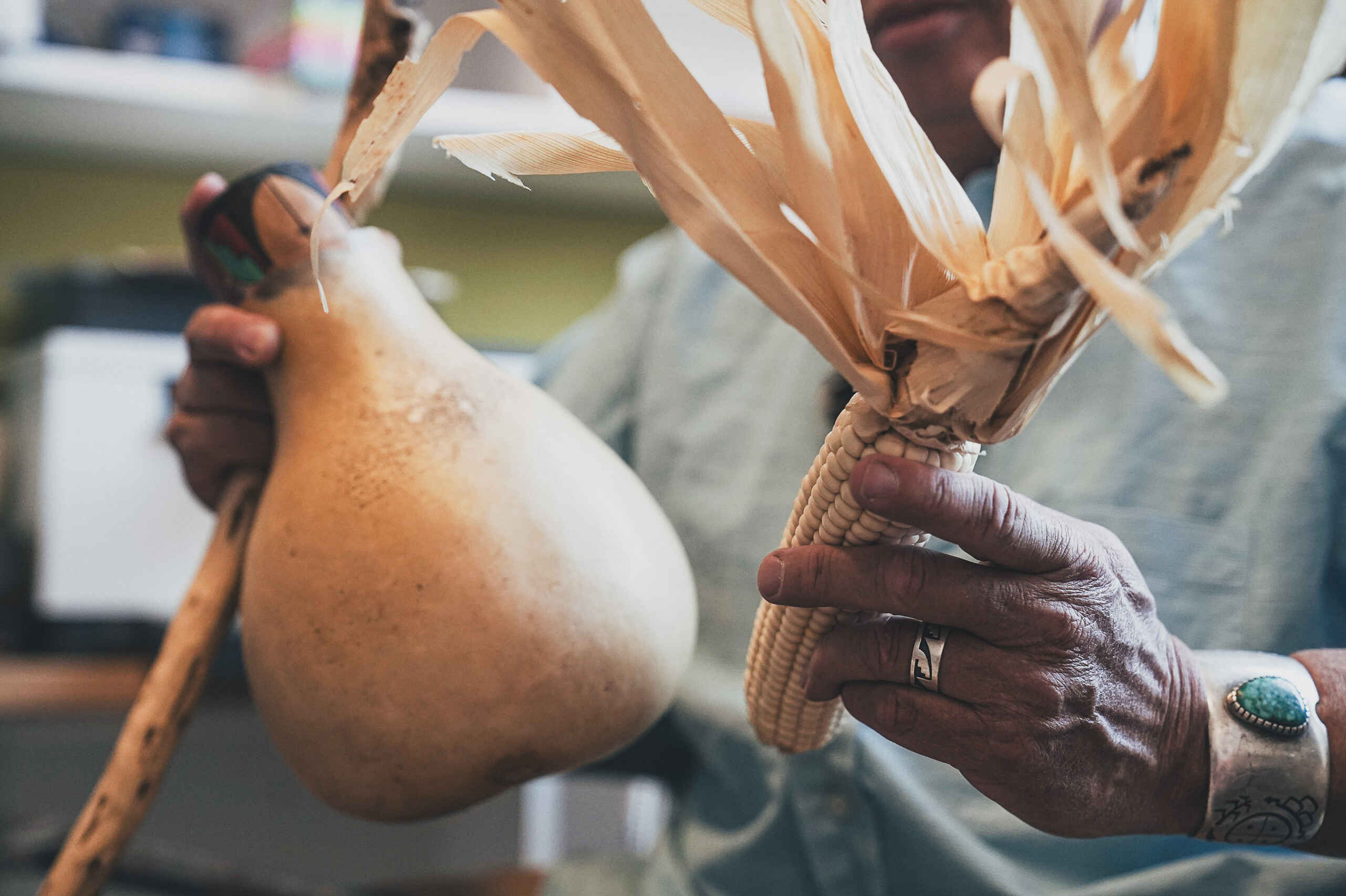
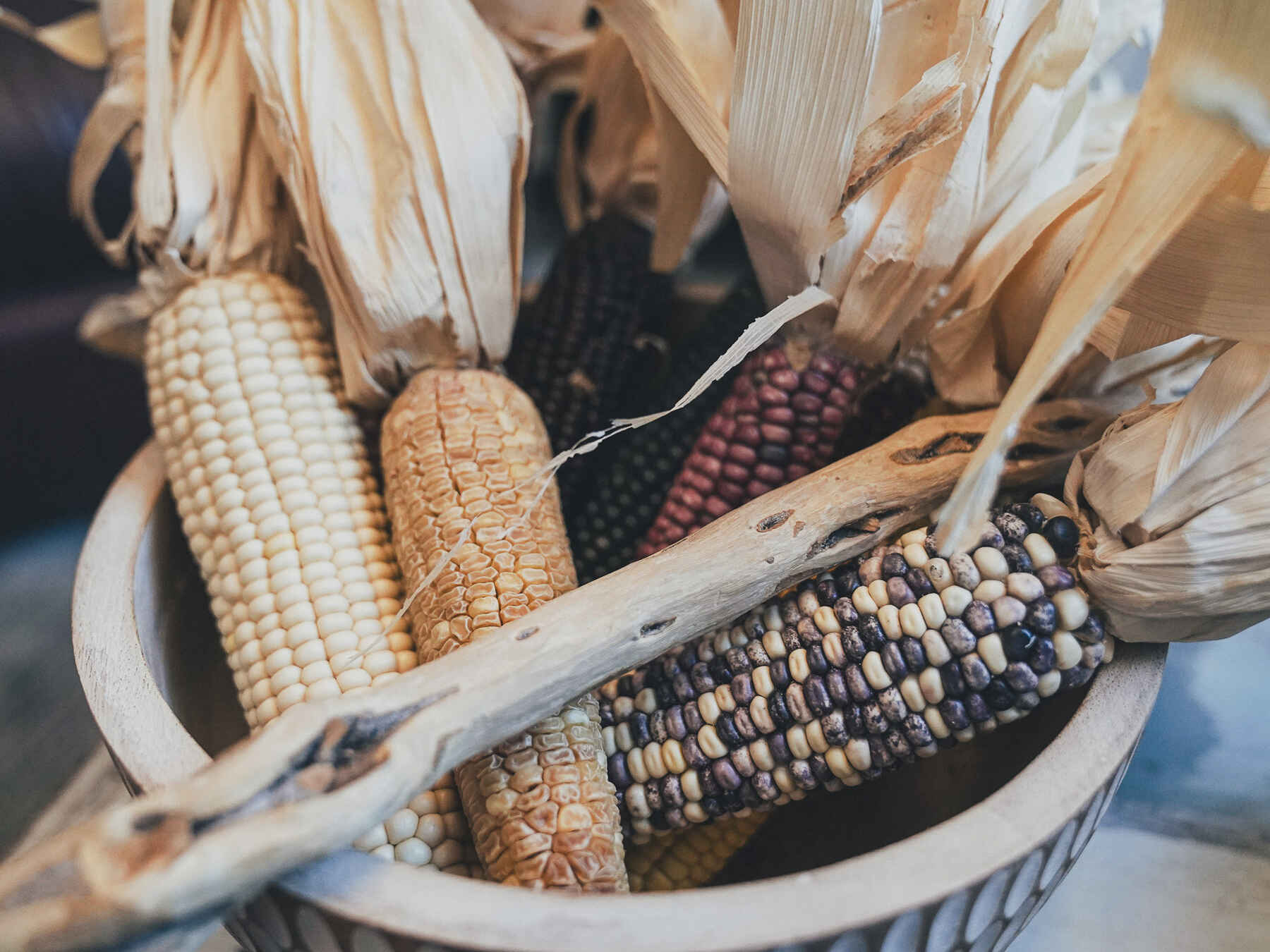
Pasando tiempo con Michael, me dí cuenta de que la importancia del maíz Hopi va mucho más allá de la agricultura. Lo vi representado en pinturas, colgado sobre puertas, tejido en joyería, tatuado en la piel y hablado a través de historias. Existía como alimento, pero también como cultura.
The more time I spent in Hopitutskwa, the more I understood that Hopi corn and Hopi identity are deeply intertwined.
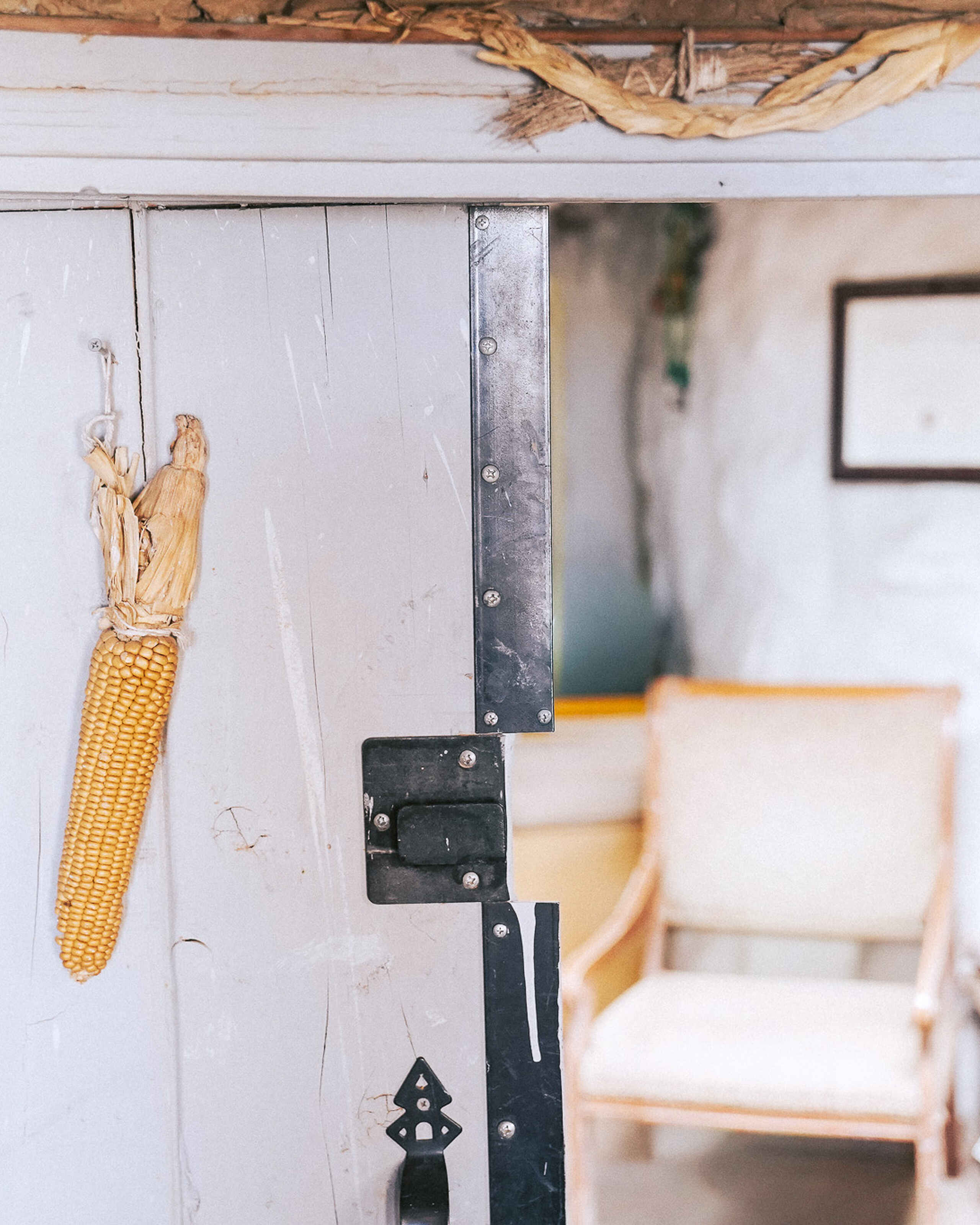
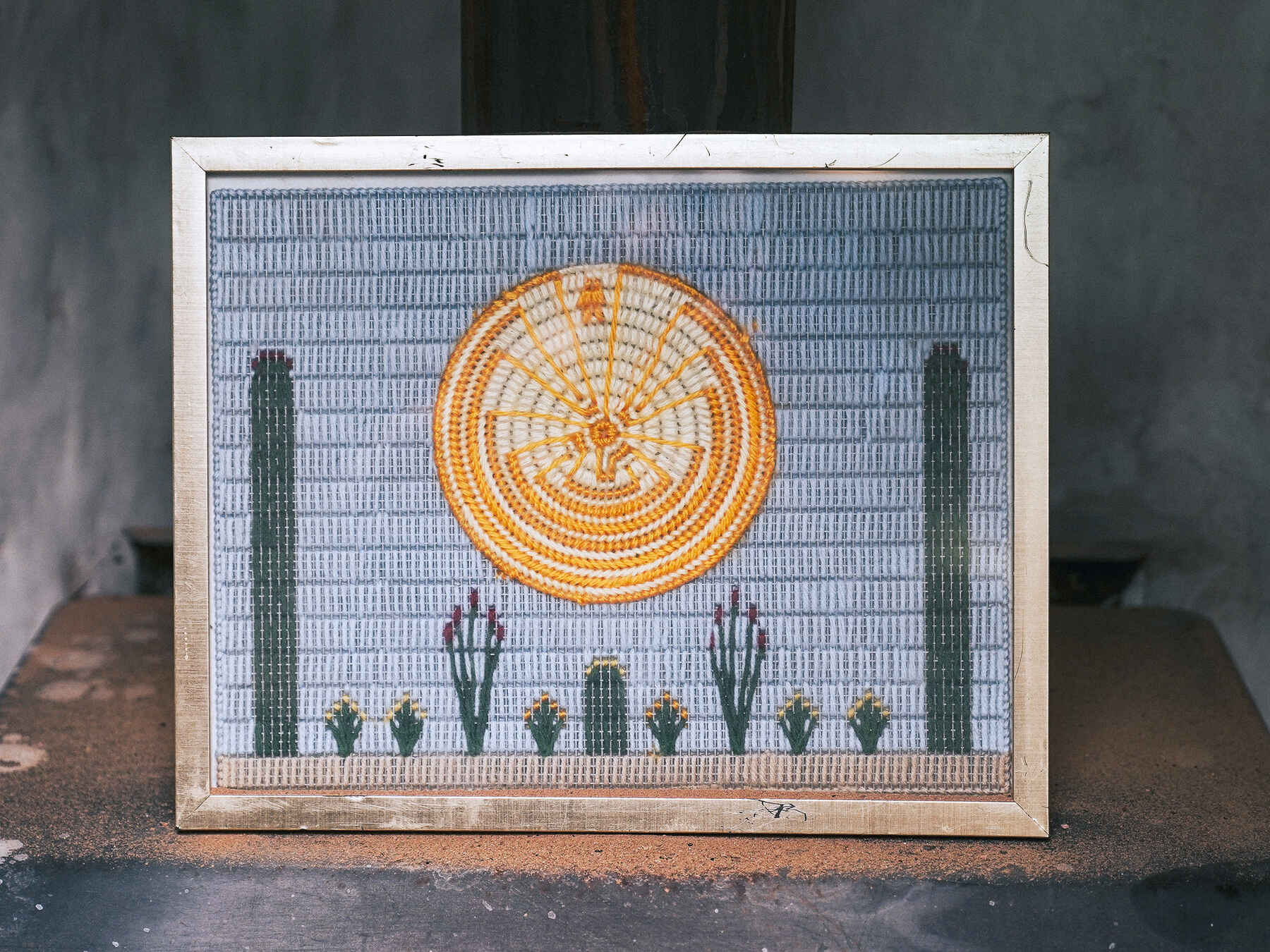
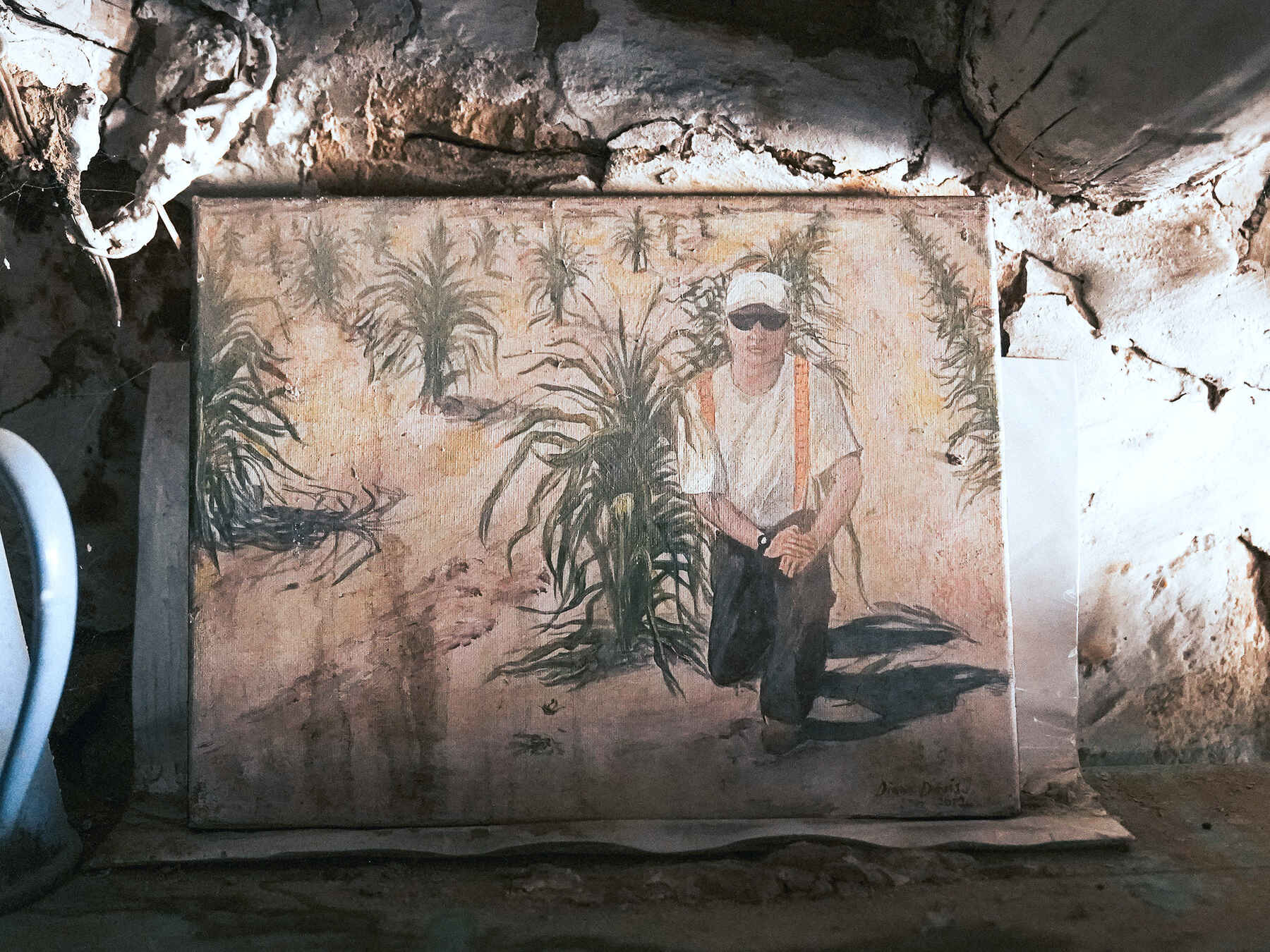
Al principio había llegado preguntándome cómo podía crecer algo en un entorno tan árido. Ahora me encontraba haciéndome una pregunta diferente: ¿Cómo se mantiene una conexión con un lugar durante más de 3,000 años?
La respuesta parecía revelarse frente a mi... En las semillas, en las historias, en las prácticas y en las personas.

Como mujer Māori, hubo momentos a lo largo de mi tiempo con Michael que se sintieron profundamente familiares. Los paisajes y las costumbres eran distintas a las de mi pueblo, pero reconocí muchos valores similares. A través de océanos, ecosistemas y culturas, fui capaz de ver el mismo compromiso por cuidar la tierra, honrar a nuestros ancestros y llevar la responsabilidad por las generaciones por venir.
Los paisajes que dieron forma a nuestras culturas no podrían ser más diferentes. Uno emergió de islas rodeadas de océano, el otro de una meseta árida formada por el viento, la arena y las escasas lluvias. Sin embargo, a pesar de las diferencias, existe una comprensión compartida: la tierra no es algo que poseemos, sino algo a lo que pertenecemos.
De pie junto a Michael, reconocí ese mismo sentido de responsabilidad.
Se mantenía con un profundo sentido de propósito, pero también con calidez, humor y humildad. A veces compartía conocimientos refinados a través de generaciones de observación y otras veces se reía, contaba historias y me decía "prima."
Cuanto más tiempo pasamos juntos, más llegué a verlo como un puente entre mundos.
Entre el conocimiento indígena y la ciencia.
Entre la sabiduría ancestral y la agricultura moderna.
Entre lo que se ha transmitido y lo que necesita ser recordado.
Ese equilibrio se hizo más visible durante una conversación sobre el riego.
Estando en medio del campo, hice una pregunta que había estado rondando mi cabeza desde que llegué. "¿Por qué no simplemente añaden riego a su proceso?" Su respuesta me detuvo en seco.
"Porque si tuviéramos riego, ¿por qué rezaríamos como pueblo Hopi?"
Recuerdo quedarme en silencio. De todas las respuestas que podría haber imaginado, esa no era una de ellas. Michael continuó explicando que el pueblo Hopi eligió estas tierras áridas intencionalmente. En las enseñanzas Hopi, vivir en un paisaje árido fortalecía su conexión con el Creador porque requería fé, humildad y confianza.
Luego compartió una historia de la tradición Hopi que se quedó conmigo.
El Creador le regaló al pueblo Hopi tres cosas: un palo de siembra, una semilla y una calabaza con agua. Los Hopi añadieron una cuarta: "Fé."
Gran parte de la agricultura moderna está construida sobre la certeza. Irrigamos contra la sequía, nos aseguramos contra las pérdidas y desarrollamos tecnologías que nos ayudan a predecir y controlar los resultados. La agricultura Hopi lleva una lección completamente diferente. Fé.
Michael me explicó que hay años en que las condiciones parecen imposibles. La tierra está seca, las lluvias no han llegado y cada señal sugiere que la siembra fracasará. Sin embargo, siembran de todas formas, porque sembrar es parte de quiénes son.
Y la mayoría de las veces llega un monzón. Las lluvias vienen, el maíz crece y la vida regresa al desierto.
Escuchando a Michael, me encontré reflexionando sobre las conversaciones que tienen lugar hoy dentro de la agricultura regenerativa. Constantemente nos enfocamos en técnicas, prácticas y resultados. Sin embargo, estando entre la Segunda y la Tercera Mesa, me recordaron que las prácticas regenerativas emergen de algo mucho más profundo. Las relaciones.
Aquí en el desierto, esas relaciones están tejidas entre la semilla, el lugar, la comunidad, el Creador y las generaciones que han cuidado esta tierra. Las prácticas mismas emergen de esas conexiones, moldeadas por los paisajes y las culturas de los que surgen.
The practices themselves emerge from those connections, shaped by the landscapes and cultures from which they grow.


Mirando atrás, la imagen que permanece conmigo es notablemente simple. La casa Hopi de Michael, sobre la colina bajo las mesas, con vista a los campos que han nutrido a generaciones de personas antes que él.
Tanto la casa como los campos habían emergido del desierto, moldeados por la tierra, construidos con lo que había disponible y sostenidos a través de generaciones de cuidado. Permanecieron como recordatorio del ingenio indígena, el sentido de pertenencia y la capacidad de las personas de conocer un lugar con tanta profundidad como para vivir dentro de sus límites.
Llegué a Hopitutskwa curiosa por saber cómo el pueblo Hopi cultiva alimento en el desierto. Me llevo algo mucho más grande: una fé más profunda en el poder de la conexión, una apreciación más profunda por el ingenio indígena y una comprensión más profunda de que la fé, la observación y la responsabilidad están en el corazón de la agricultura.
La mayor lección que Michael me ofreció no fue cómo cultivar maíz en el desierto, sino cómo permanecer en relación con un lugar el tiempo suficiente para que te enseñe cómo quiere ser cuidado.
Más Historias
Apoya nuestro trabajo
Mantente conectado
Recibirás nuestro boletín mensual Field Notes, actualizaciones de proyectos y recursos gratuitos, además de acceso prioritario a nuevas historias.

Haz una donación
Tu donativo deducible de impuestos impulsa las historias que transforman la cultura, la organización que convierte la conciencia en acción colectiva y las relaciones que hacen posible el cambio sistémico a largo plazo.