Road to Regeneration: The Zakarison Family
Meet Sheryl and Ariel Zakarison of Zak Feeds in the Palouse of Washington, where regenerative animal feed crops, healthy soils, and biodiversity begin with learning to listen to the land.
Farmer’s Footprint is a nonprofit initiative dedicated to restoring human and environmental health by advancing regenerative agriculture through education and storytelling.
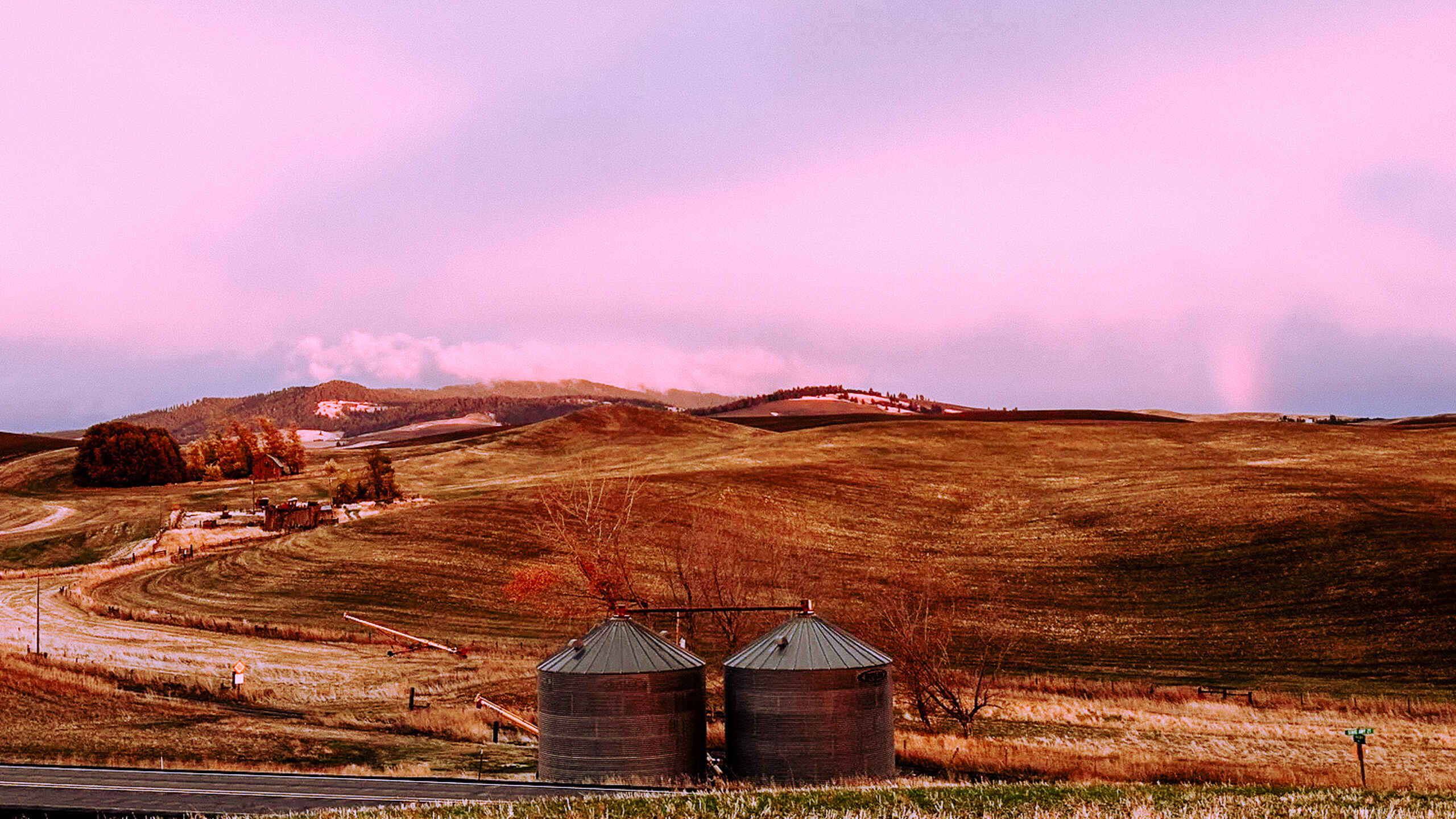
Learning to Listen to the Land
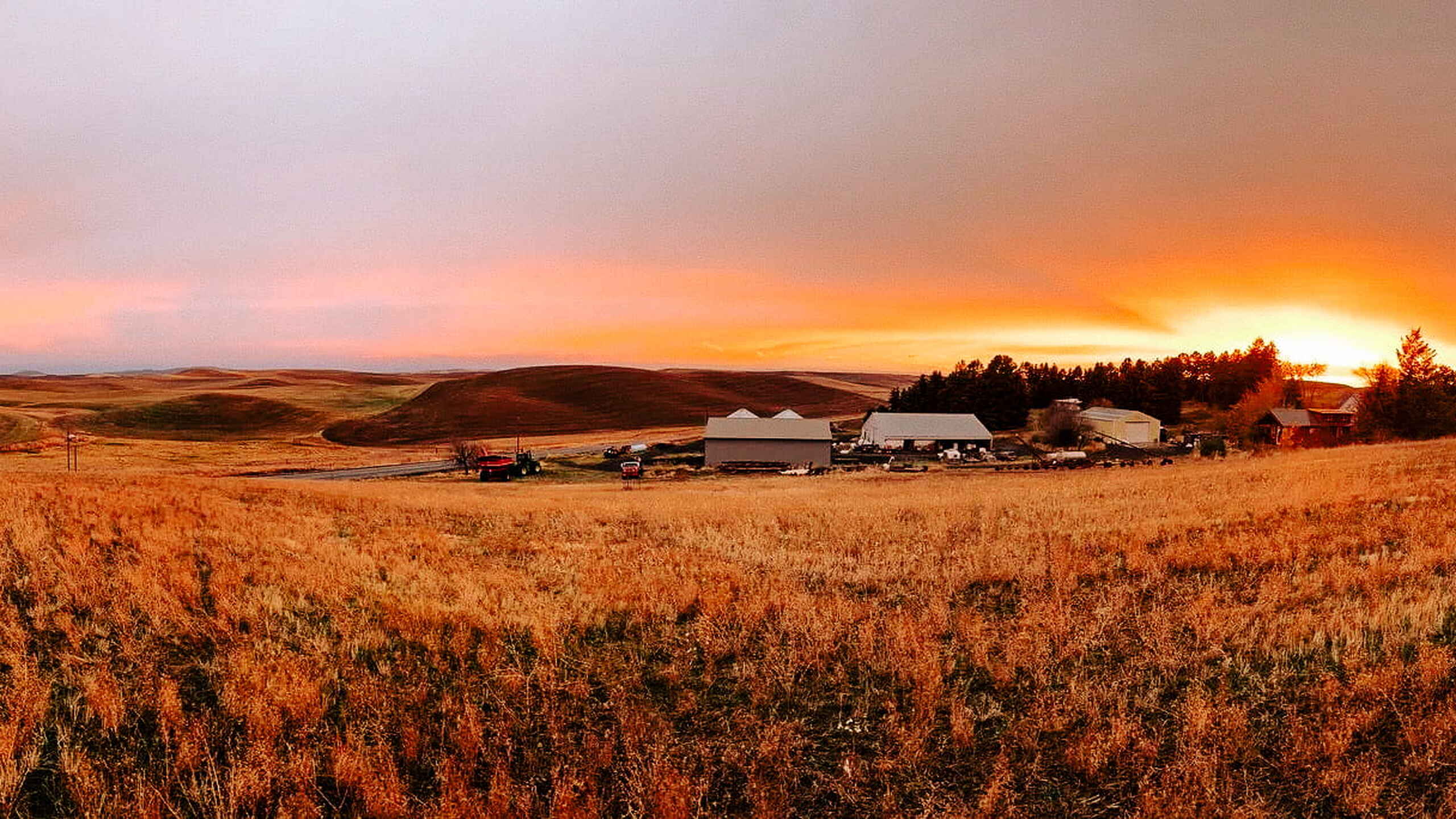
For years, Sheryl Hagen-Zakarison and her daughter Ariel walked the hills of the
Palouse
Flashcard
Palouse
a distinct geographical region of rolling hills spanning southeastern Washington and spilling into Idaho. As one of the most fertile farming areas in the world, it serves as the highest-yielding wheat-producing region and largest lentil-growing area in the United States.
The name "Palouse" is believed to originate from the Palus (or Palouse) Native American tribe, who historically inhabited the region. Today, descendants of the Palus are associated with the Yakama, Colville, and Nez Perce tribes.
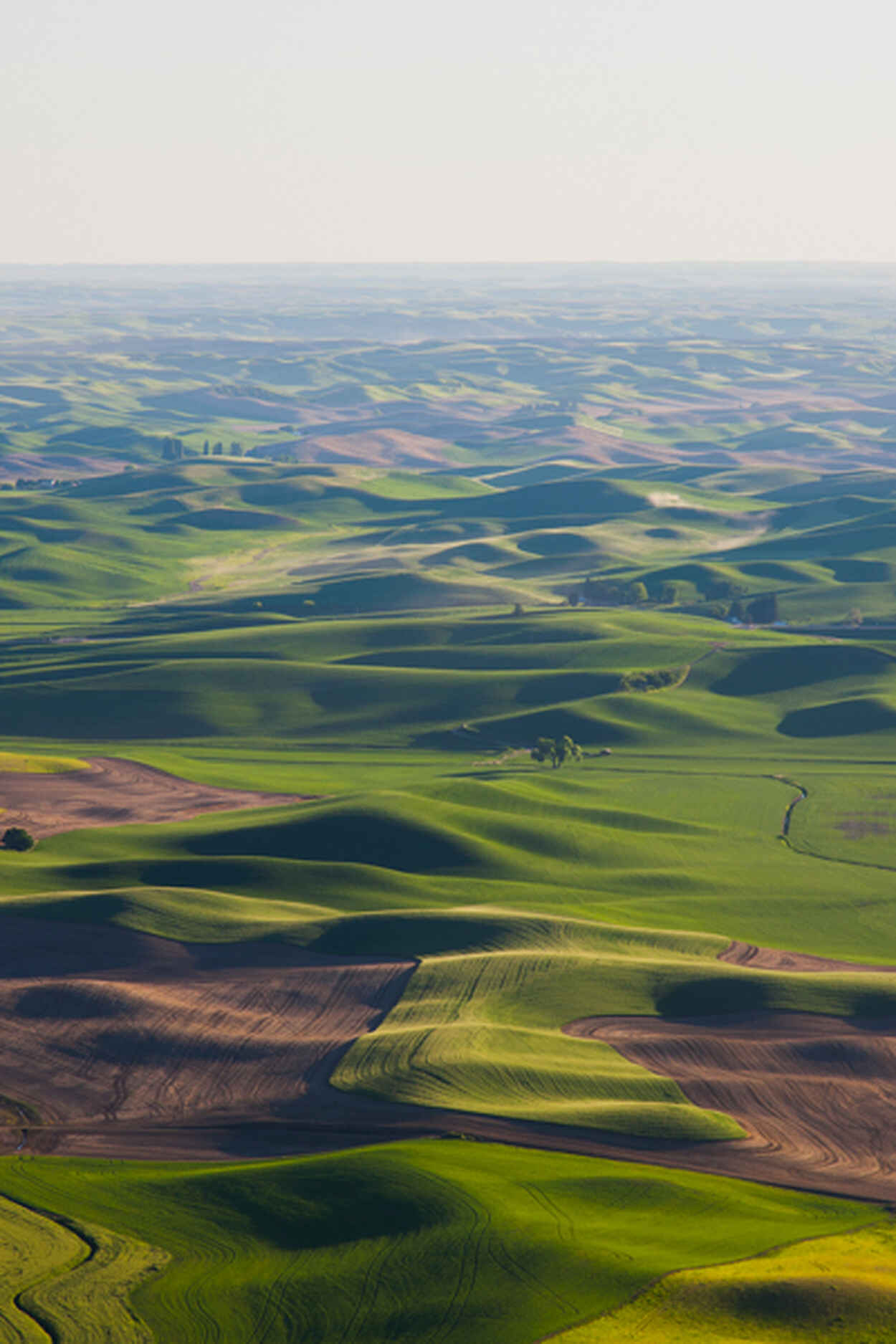
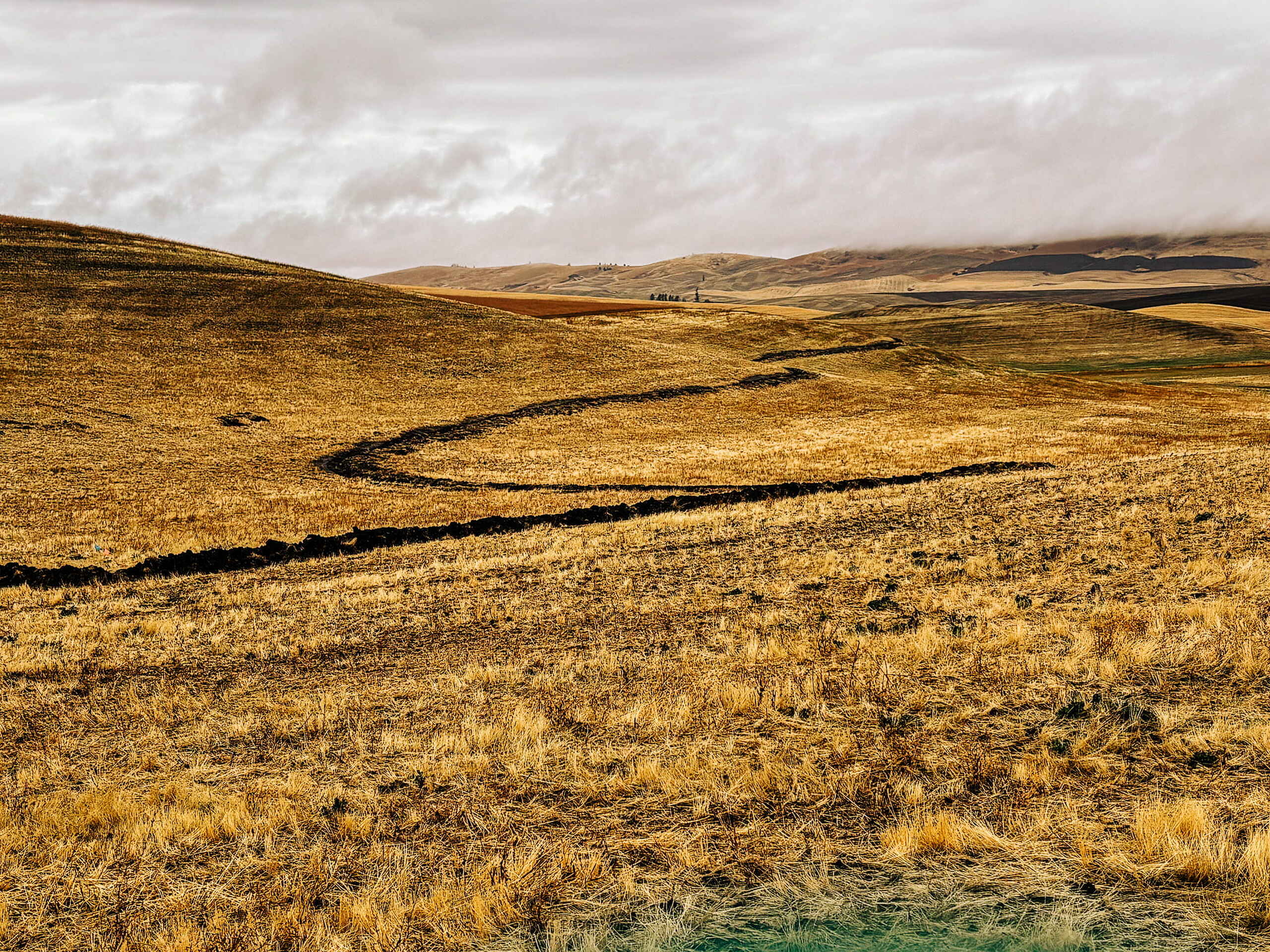
Season after season, they watched water move across the landscape, carving through fields and carrying away the very thing that made farming here possible - soil. The dark, fertile foundation that had sustained generations before them was slowly leaving the land, and once they began noticing it, they could not stop seeing it.
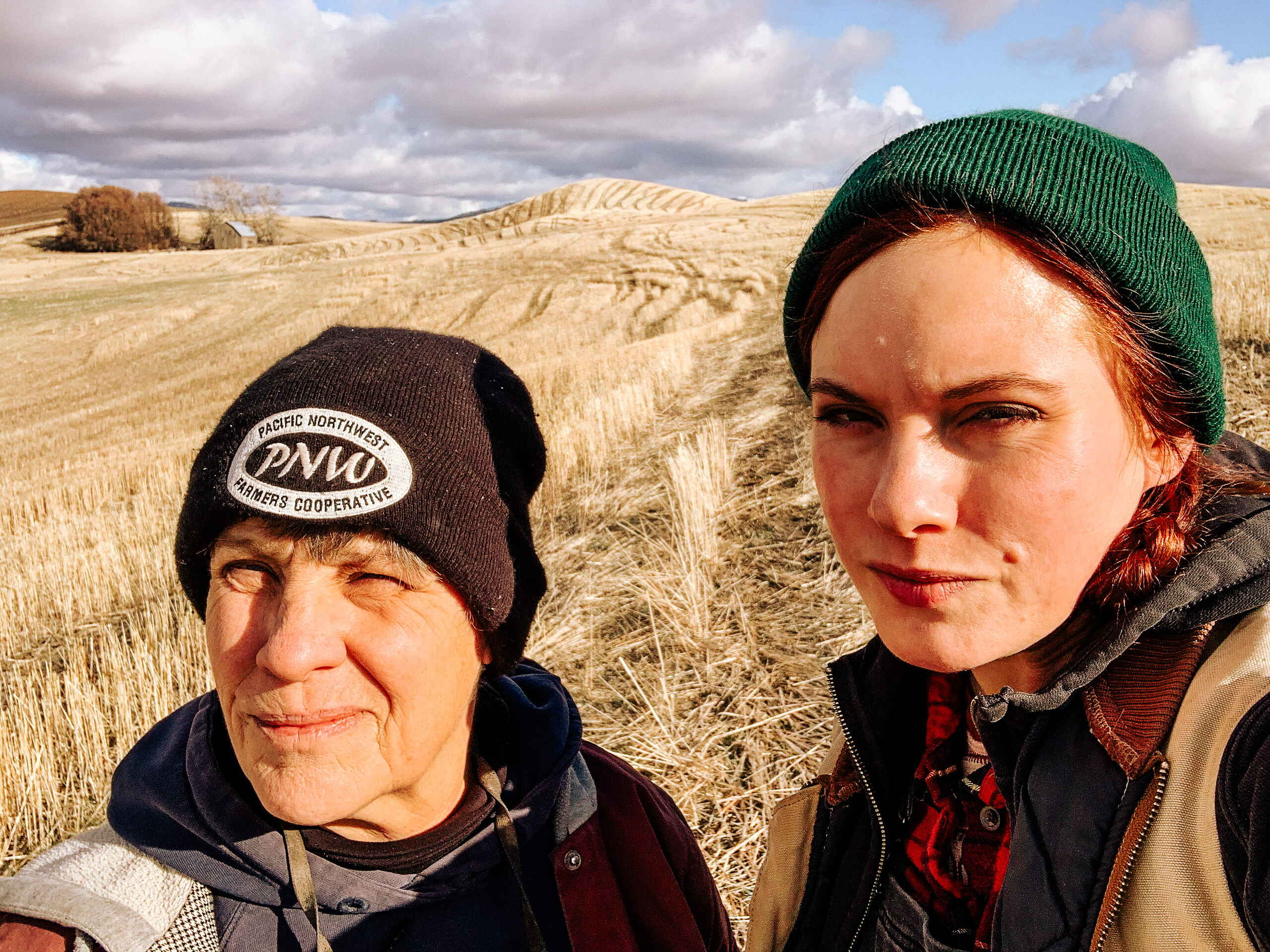
“I would drag my poor husband around by his ear, “Look at this. Look at this. We’re losing soil!“
Every storm seemed to reveal another scar across the landscape, another reminder that something was slipping away. Long before they encountered the language of regenerative agriculture, they knew the farm was asking different questions than the ones they had been taught to answer.
For nearly a century, the Zakarisons have farmed in the Palouse of eastern Washington.
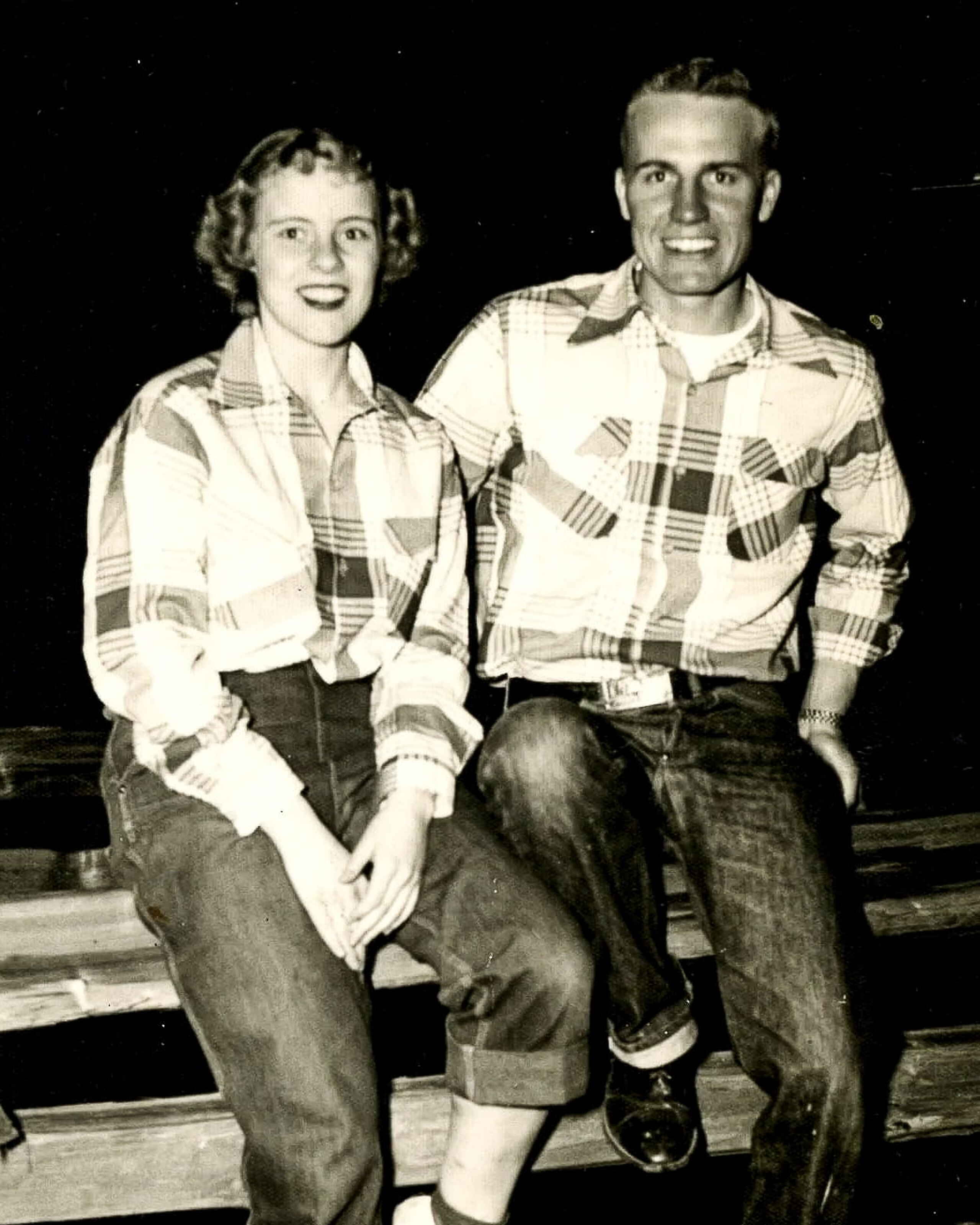
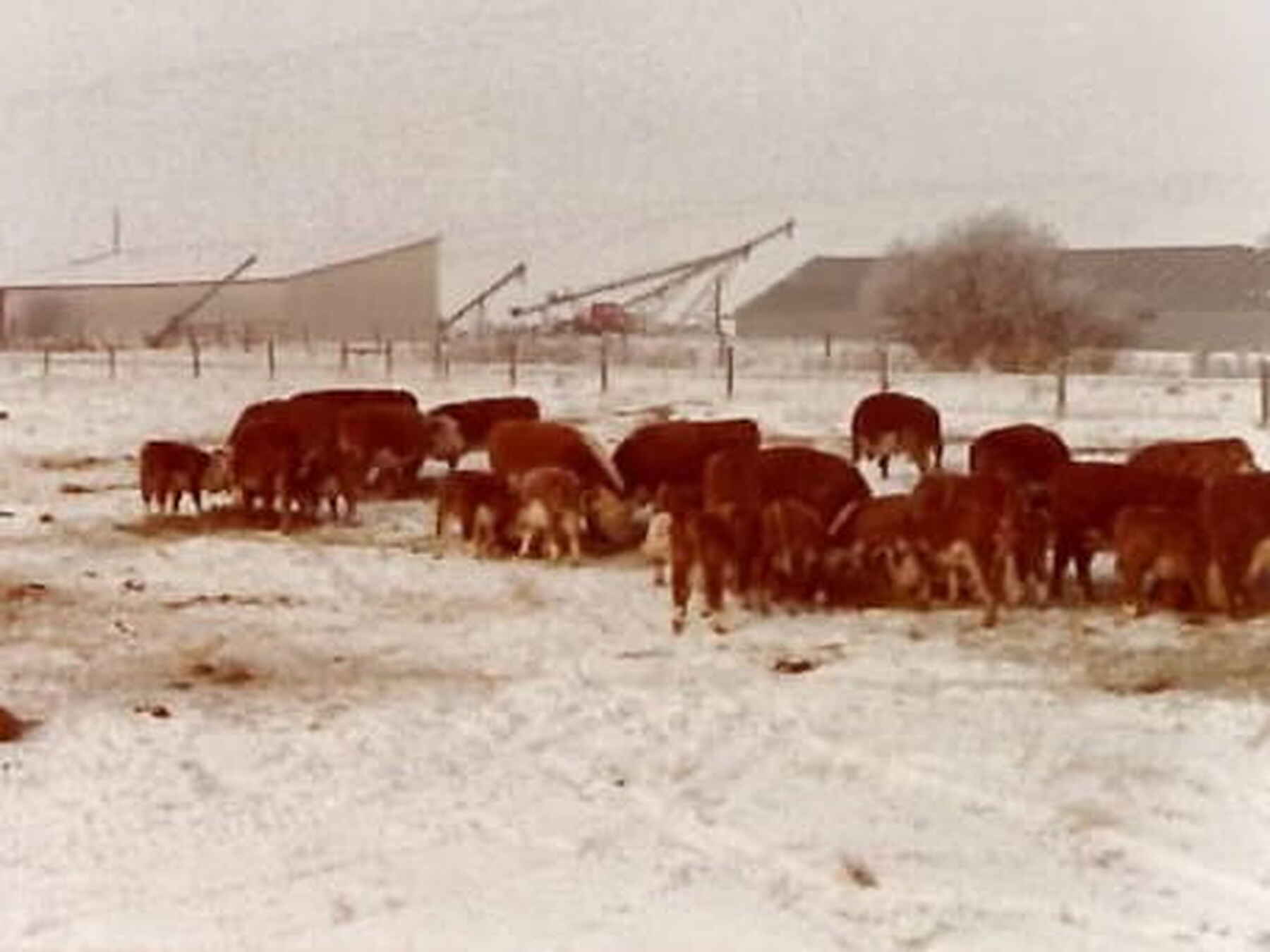
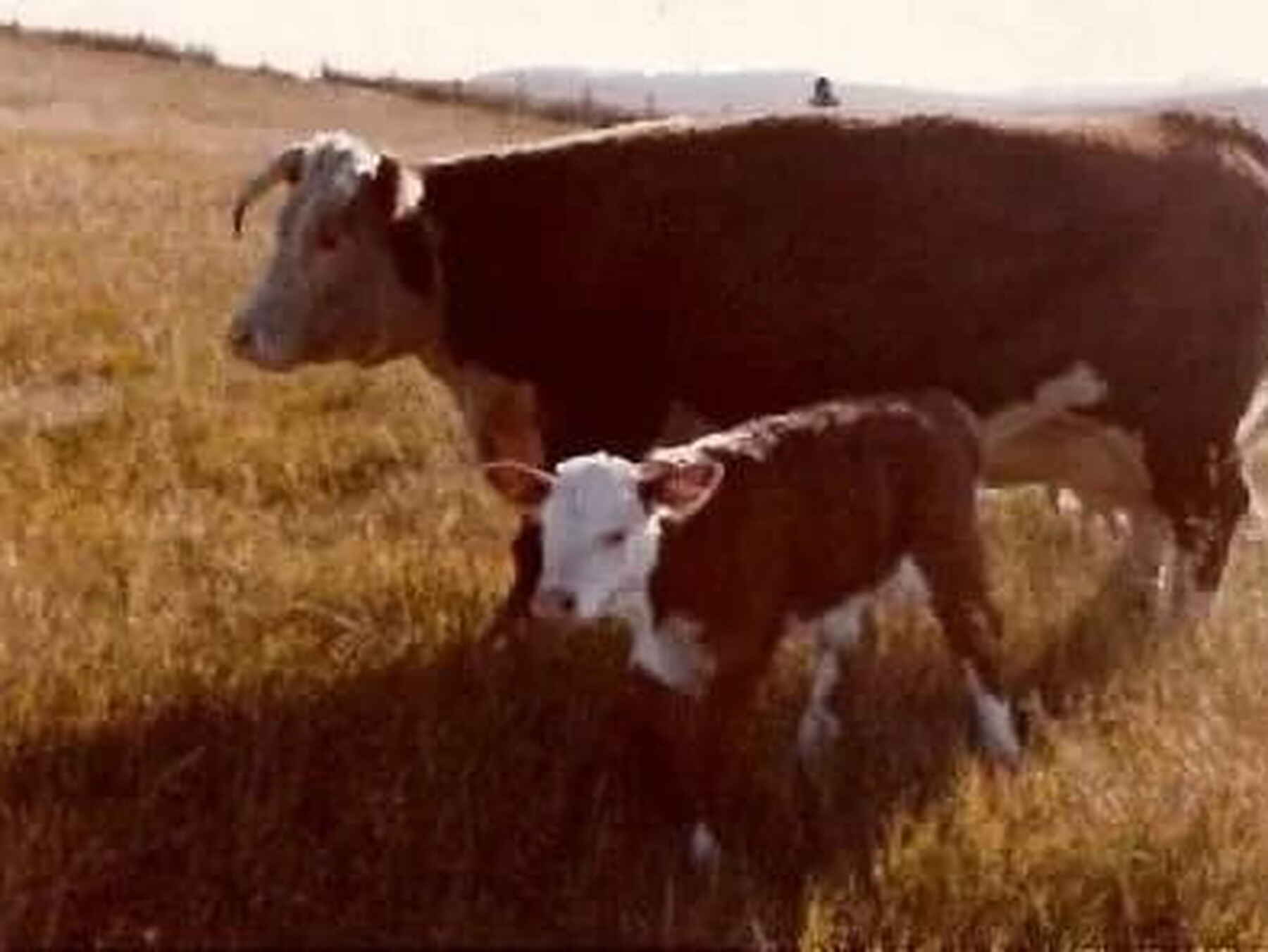
Their family's origins trace back to Norway and Finland, where earlier generations emigrated from before eventually settling among the region's rolling hills. Today, Sheryl farms alongside her daughter Ariel, the fourth generation of the family to steward the land. While Sheryl's questions emerged through years of observing erosion and soil health, Ariel grew up within those conversations, inheriting both the responsibility of the farm and the curiosity that continues to shape its future.
They operate Zak Feeds, a diversified dryland farm in the Palouse growing wheat, barley, peas, lentils, triticale, and forage crops. Like many farms in the region, their operation depends on working with the realities of water, weather, and soil across a landscape where every season brings a new set of challenges.
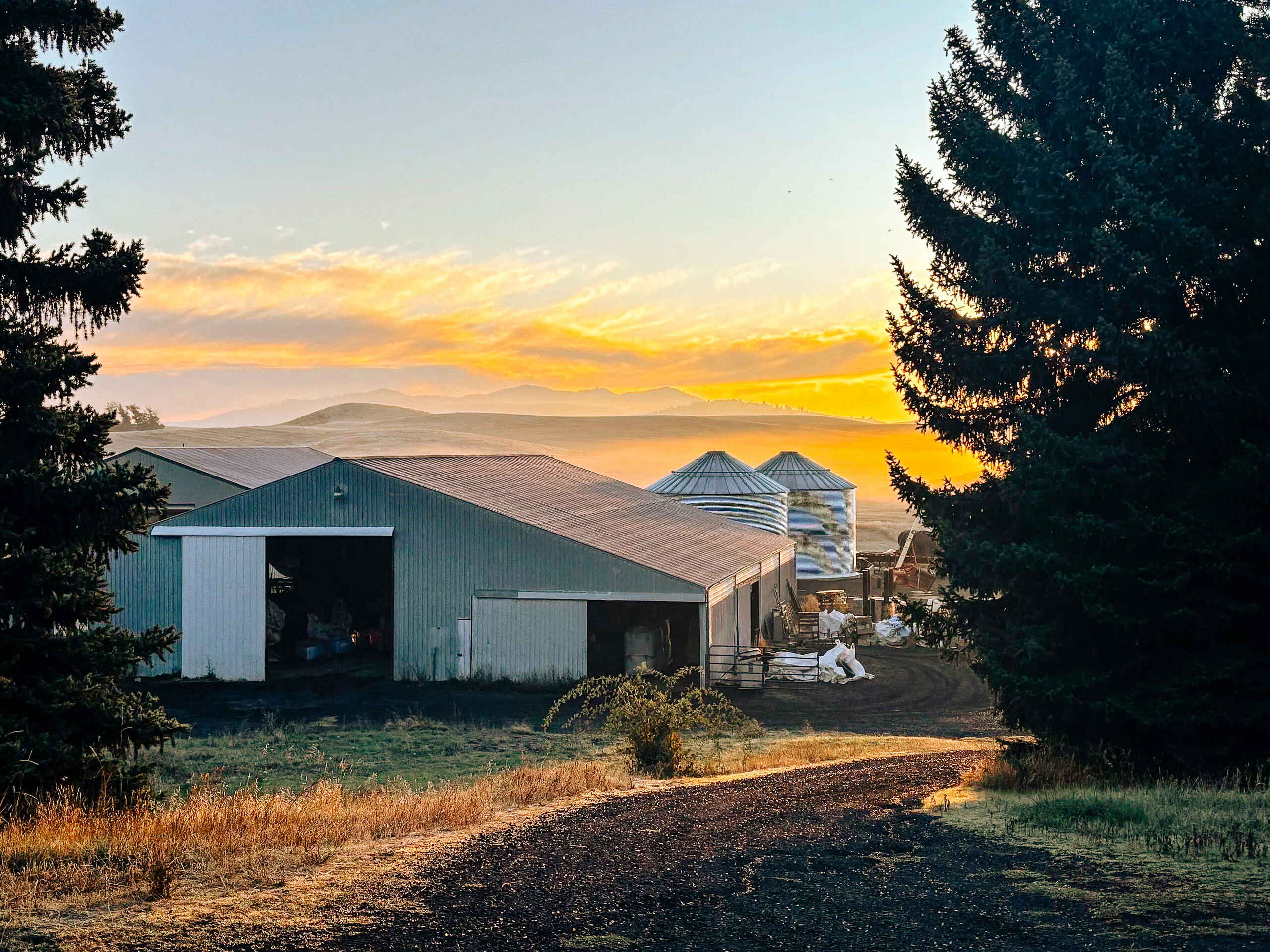
For Sheryl and Ariel, farming is a responsibility carried across generations. The land existed long before their family arrived and will continue long after they are gone. Their role is to care for it, learn from it, and leave it in better condition for those who come next.
Like many farms across the United States, the Zakarisons followed a conventional path for decades. Inputs solved problems, new technologies promised greater efficiency, success was measured through production, and production was linked to how effectively a farmer could control variables across the landscape.
The Zakarisons grow nutritious, non-gmo feed for cattle, sheep, goats, pigs, and poultry for over 150 local farmers, ranchers, and producers in Eastern Washington and Northern Idaho.
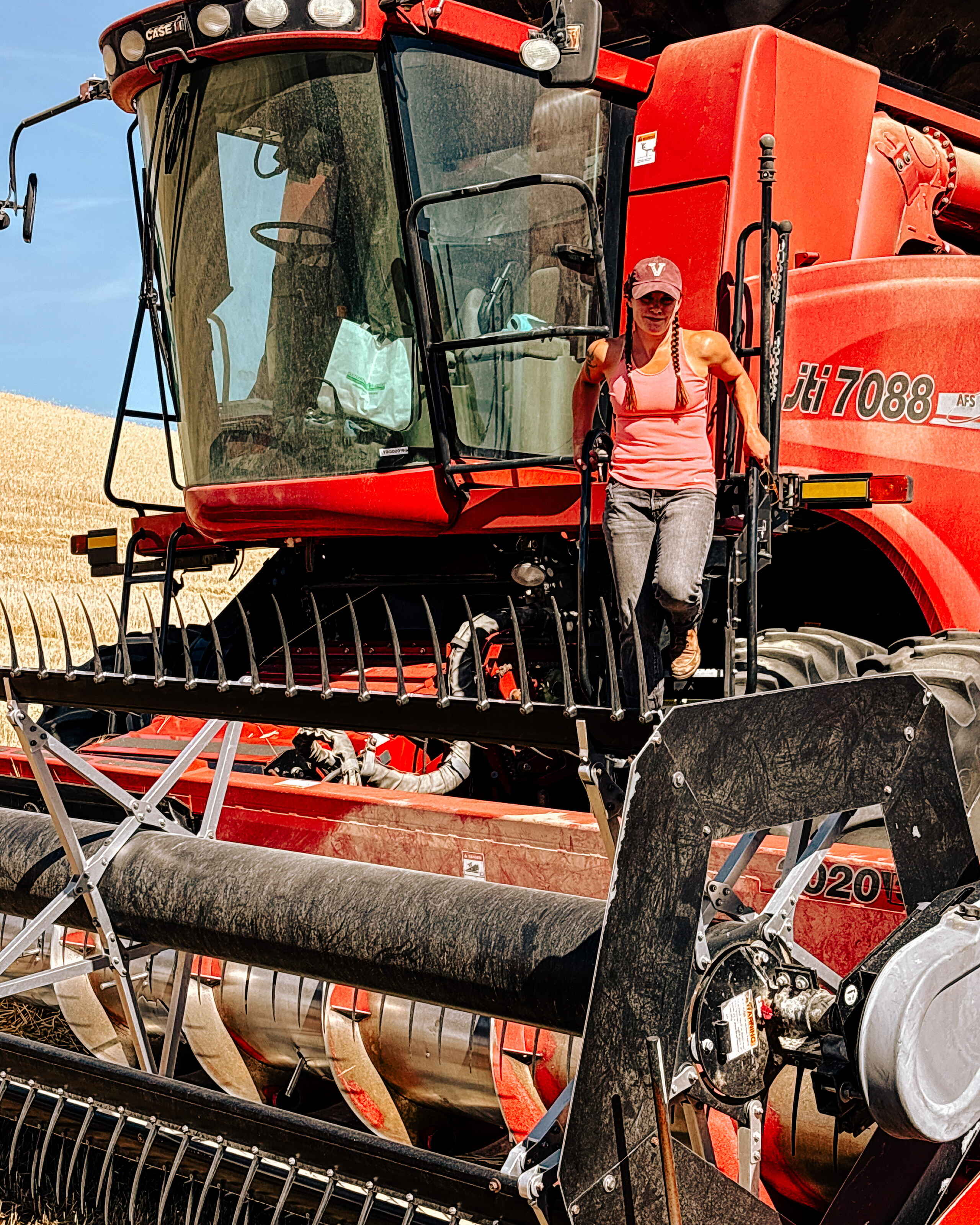
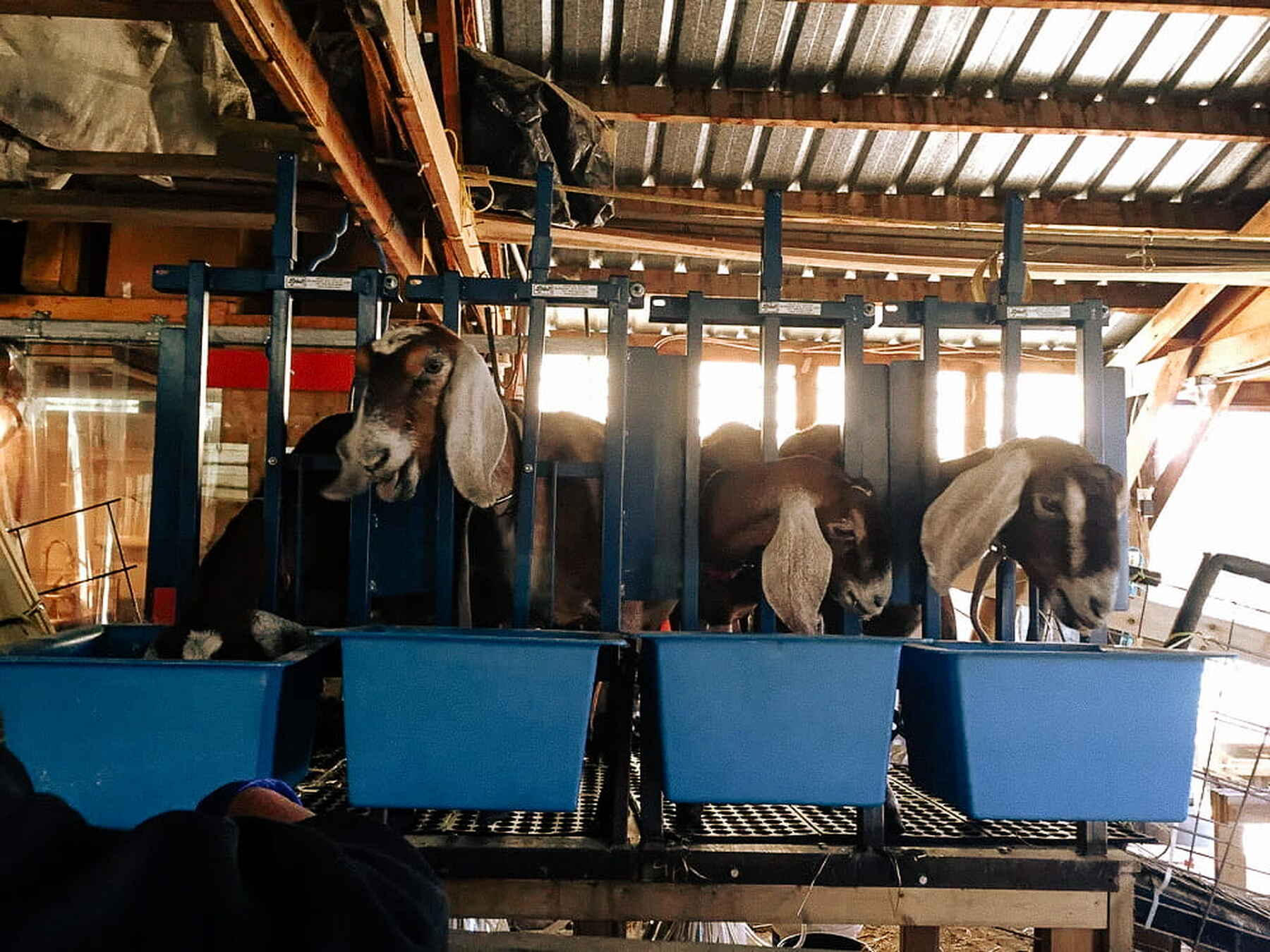
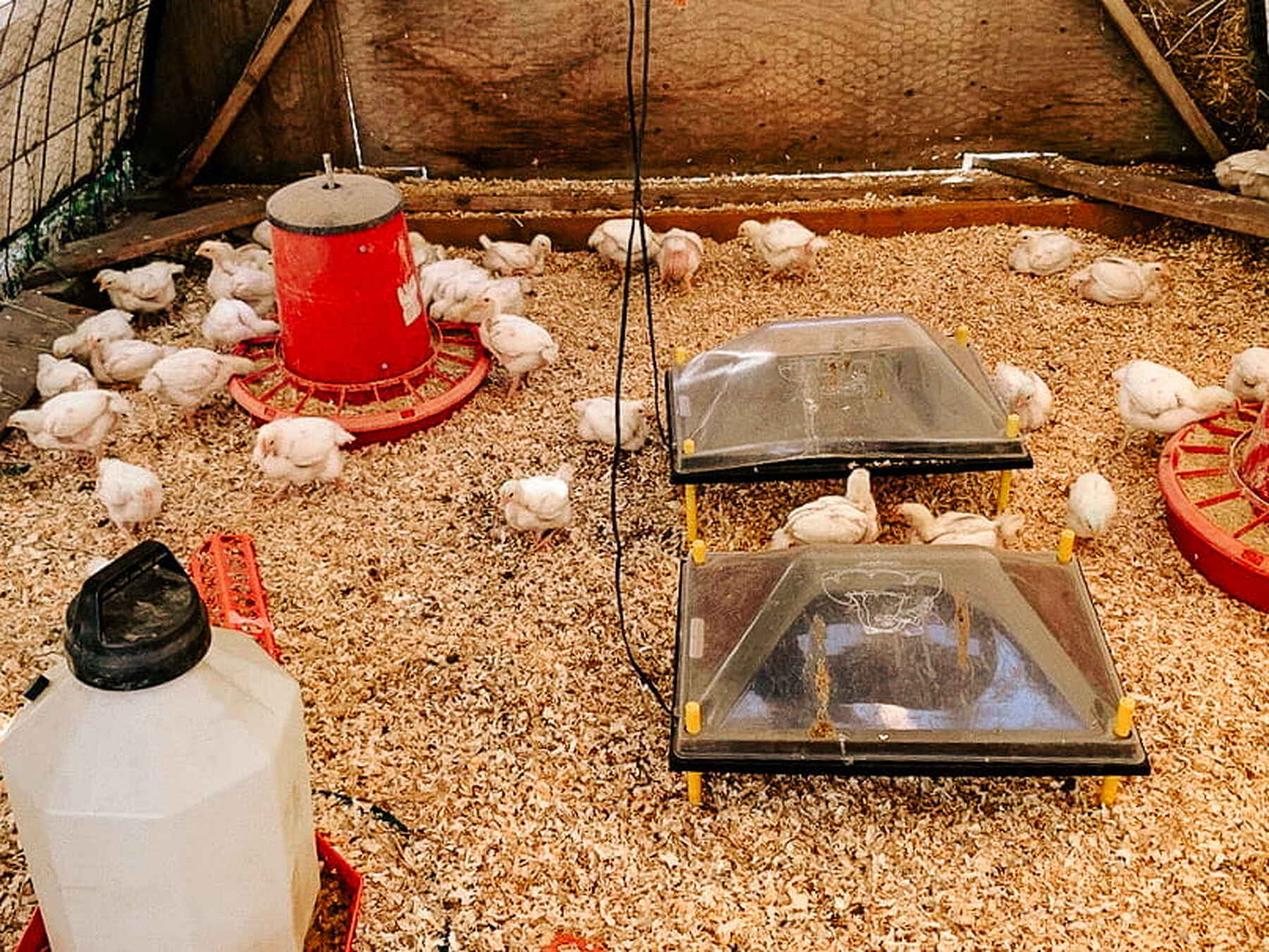
The longer they walked the farm together, the more questions began to emerge for Sheryl and Ariel. Certain hillsides seemed increasingly vulnerable to erosion, some fields required greater intervention each season, and the soil itself appeared less resilient as time passed.
In 2017, Sheryl picked up Gabe Brown's book Dirt to Soil. The book gave language to questions she had already been carrying for years. Despite holding a degree in agronomy from Washington State University, she found herself reexamining ideas she had accepted for much of her career.
"What I realized that year was that pretty much everything I learned, I had to kind of unlearn."
What followed was years of experimentation, mistakes, listening, and learning.
For Ariel, those years unfolded alongside her mother's growing curiosity about soil health and ecosystem function. As the farm experimented with new approaches, she was also learning what it meant to inherit both a business and a responsibility to the land. Like many farmers who begin questioning long-held assumptions, Sheryl and Ariel were eager to try something different. They purchased a no-till drill, moved away from seed treatments and insecticides, and began exploring ways to reduce their reliance on herbicides. Looking back, Ariel laughs when she reflects on those early years.
"The biggest mistake we made was changing too many things all at once."
The land responded in ways they had not anticipated. Weeds appeared that they had never seen before, fields became difficult to manage, and entire crops were lost. So rather than trying to transform everything at once, they began identifying priorities and working from there, focusing first on protecting soil biology, reducing tillage, and improving water retention across the farm.
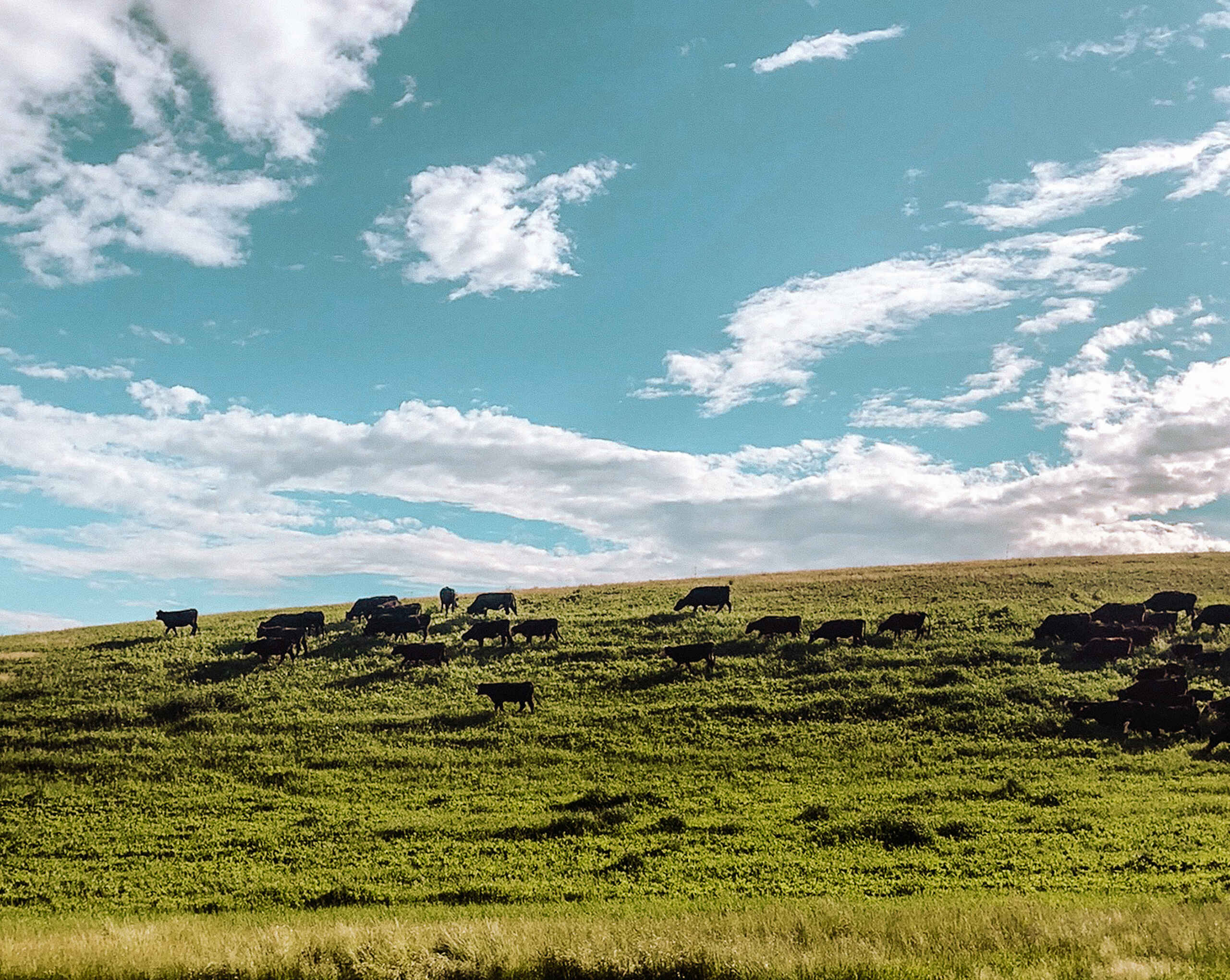
Along the way, they were also learning that regeneration is deeply tied to place. Many of the examples they encountered came from regions with significantly higher rainfall and different growing conditions than those found in the Palouse. The principles may be shared, but the path looks different everywhere. What works in one landscape may not work in another. Learning to farm with the realities of their own climate, soils, and seasons became just as important as learning new practices.
Their questions about agriculture eventually extended beyond the field itself.
For Sheryl, conversations around agricultural chemicals are deeply personal. Her husband Eric was exposed to Paraquat while working for the USDA. He was later diagnosed with Parkinson's disease. The experience left a lasting impact on the family and shaped the way they think about risk, responsibility, and the decisions they make on the farm today. As they continued refining their management, they gradually moved away from seed treatments, fungicides, and insecticides while focusing on practices that support biological life in the soil.
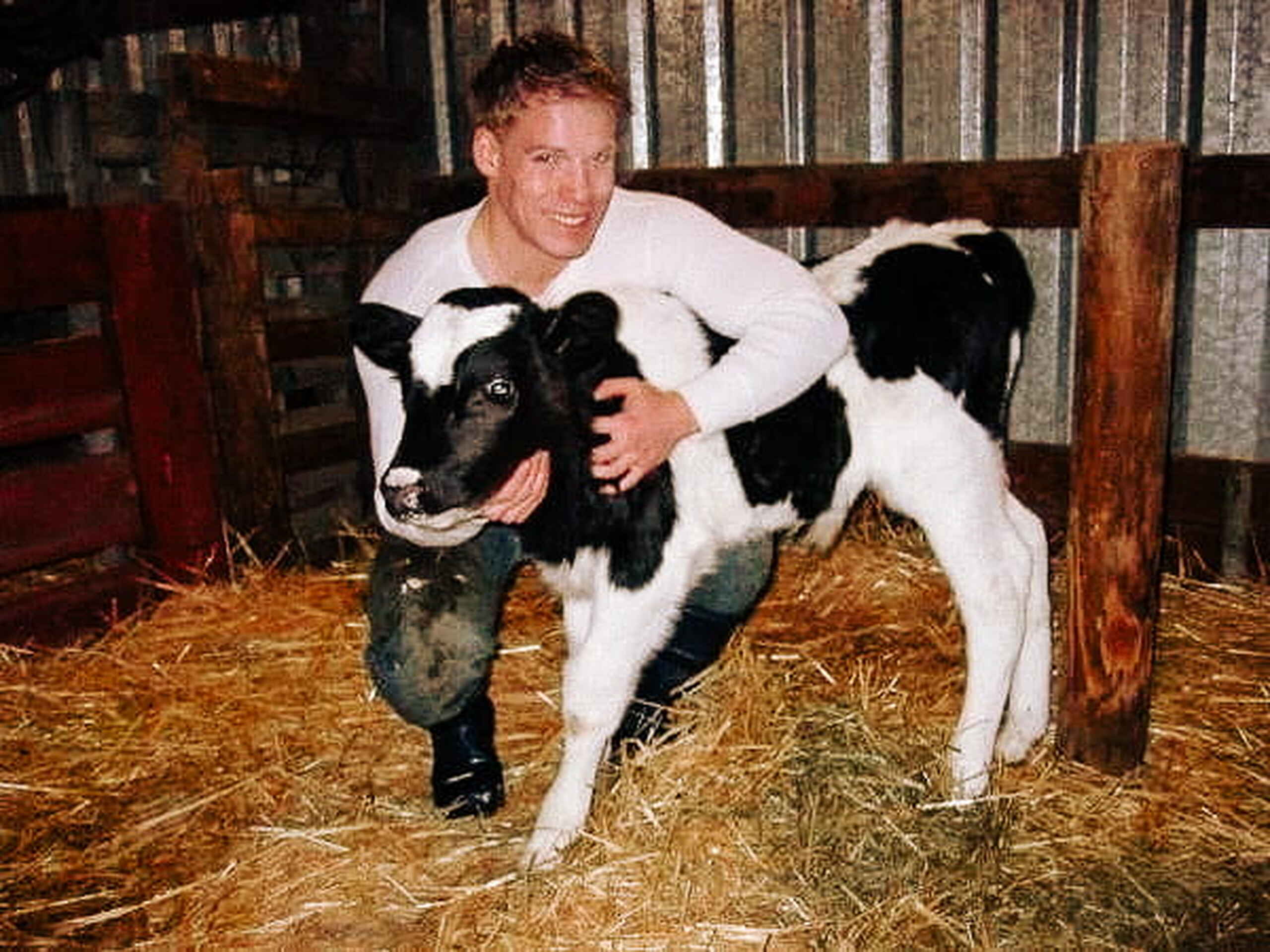
"We don't use things with a skull and crossbones on them"
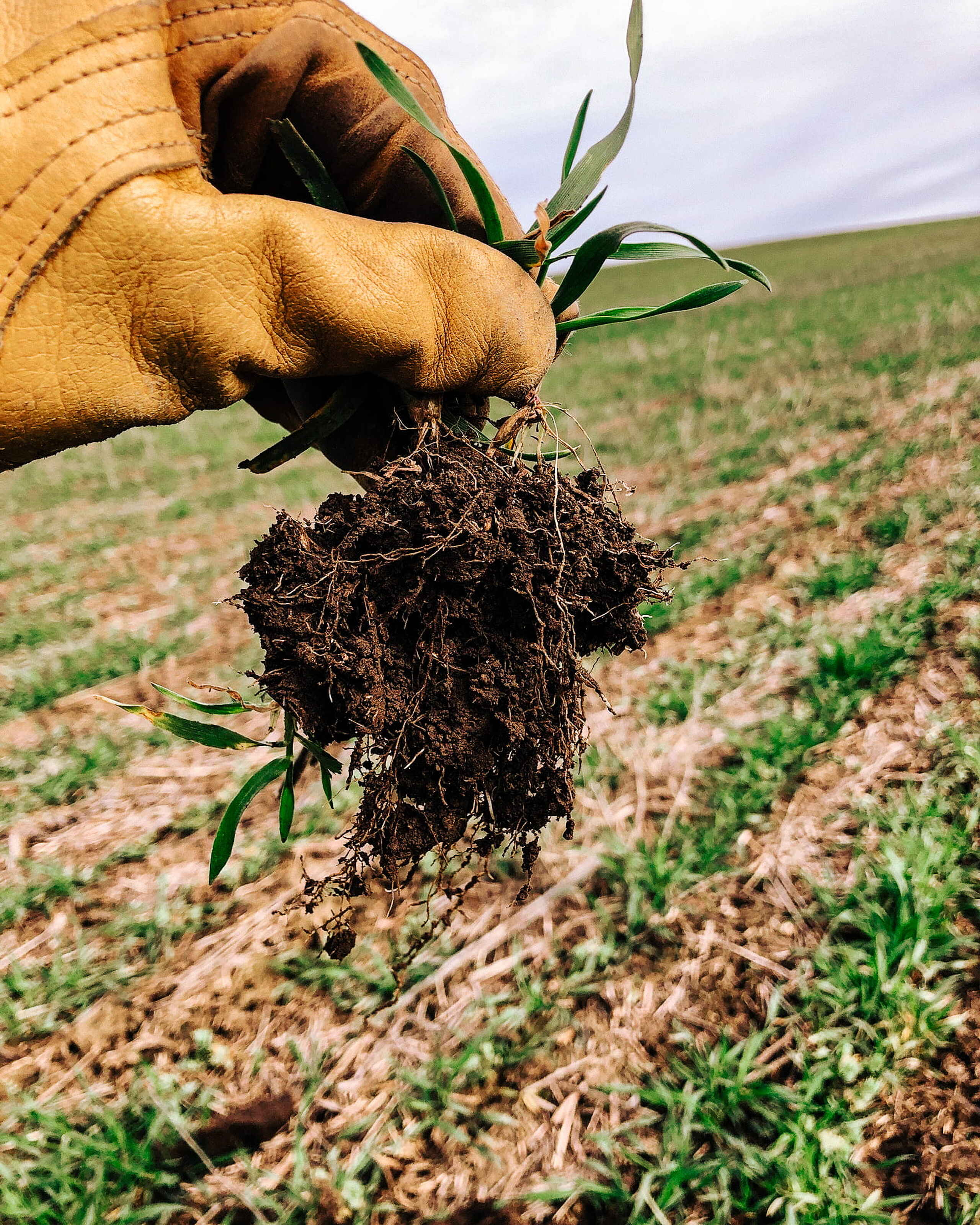
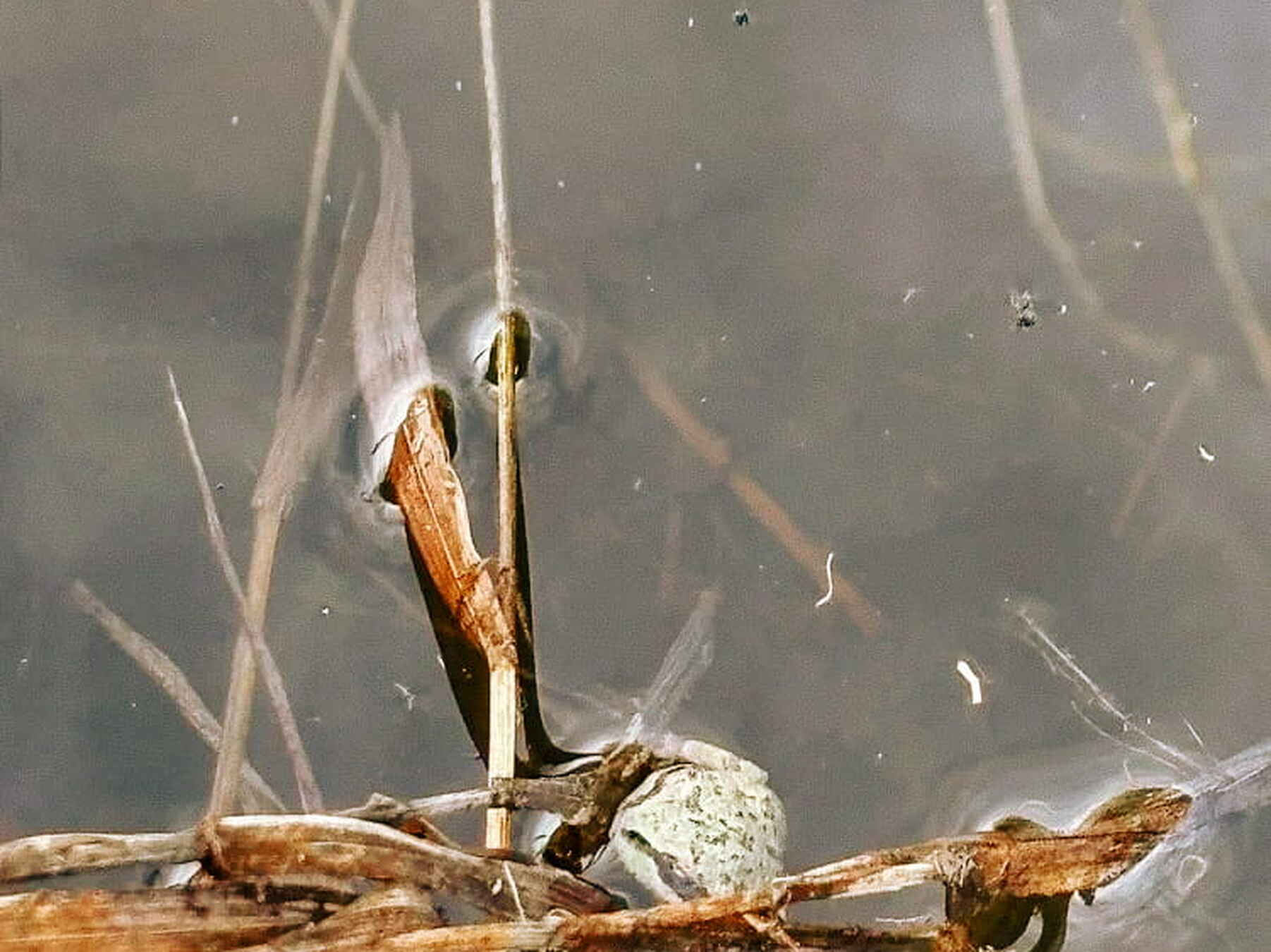
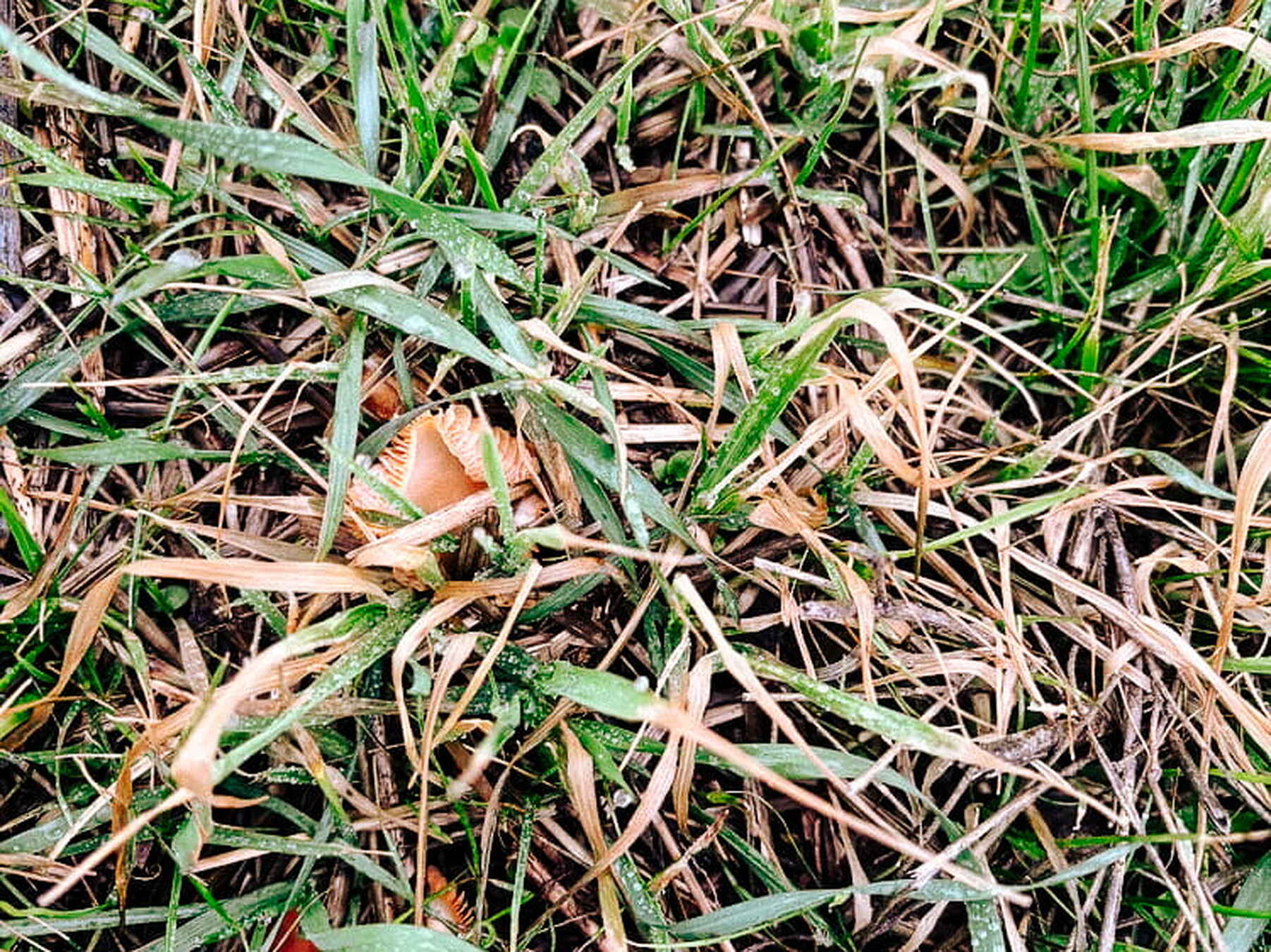
Small mushrooms began appearing throughout the fields after rain and mycelial networks became visible beneath the soil surface. The soil began holding itself together again as life returned below ground. Frogs returned to waterways and beneficial insects began showing up in greater numbers.
One season, while walking a field of triticale, a grain grown as part of the farm's forage system, Sheryl discovered what appeared to be a major aphid outbreak. Expecting significant crop losses, she prepared for the worst. When she returned the following day, the aphids were gone. Beneficial insects had arrived and restored balance before any intervention was necessary. Another lesson arrived through a herd of cattle that escaped into neighboring fields. Given the choice between conventional wheat and the Zakarisons' triticale, the cattle headed straight for the triticale.
Moments like these gave them confidence to keep going.
"We're seeing a functioning ecosystem starting, that's a good sign."
Ariel often returns to the idea of reciprocity. "We want to be farming in a way that we're not mining nutrients out of the soil," she says. "We want to be adding back." That philosophy shapes decisions across the farm, from soil health to the way they think about resilience, community, and the future of agriculture.
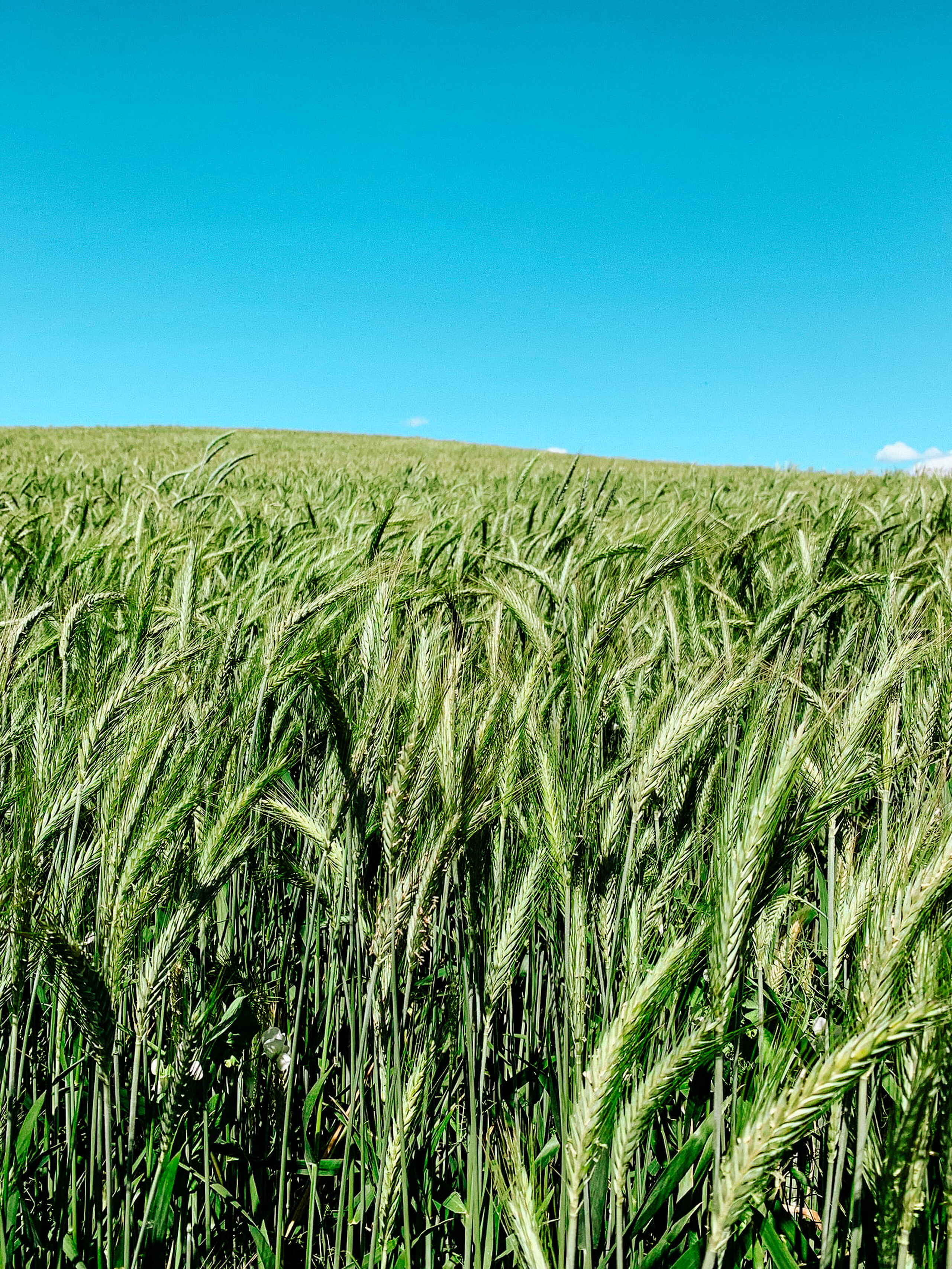
For Sheryl and Ariel, healthy food begins long before harvest.
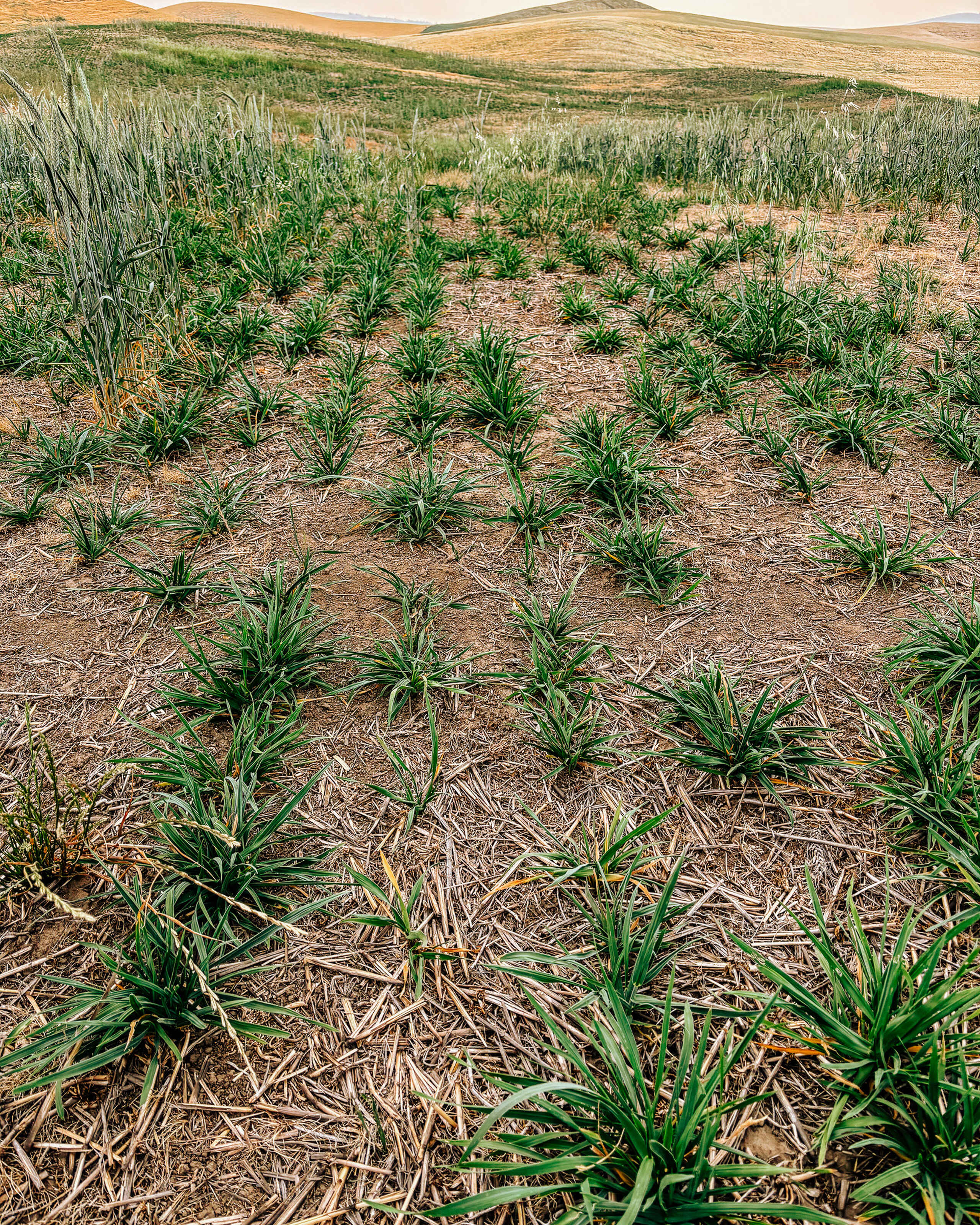
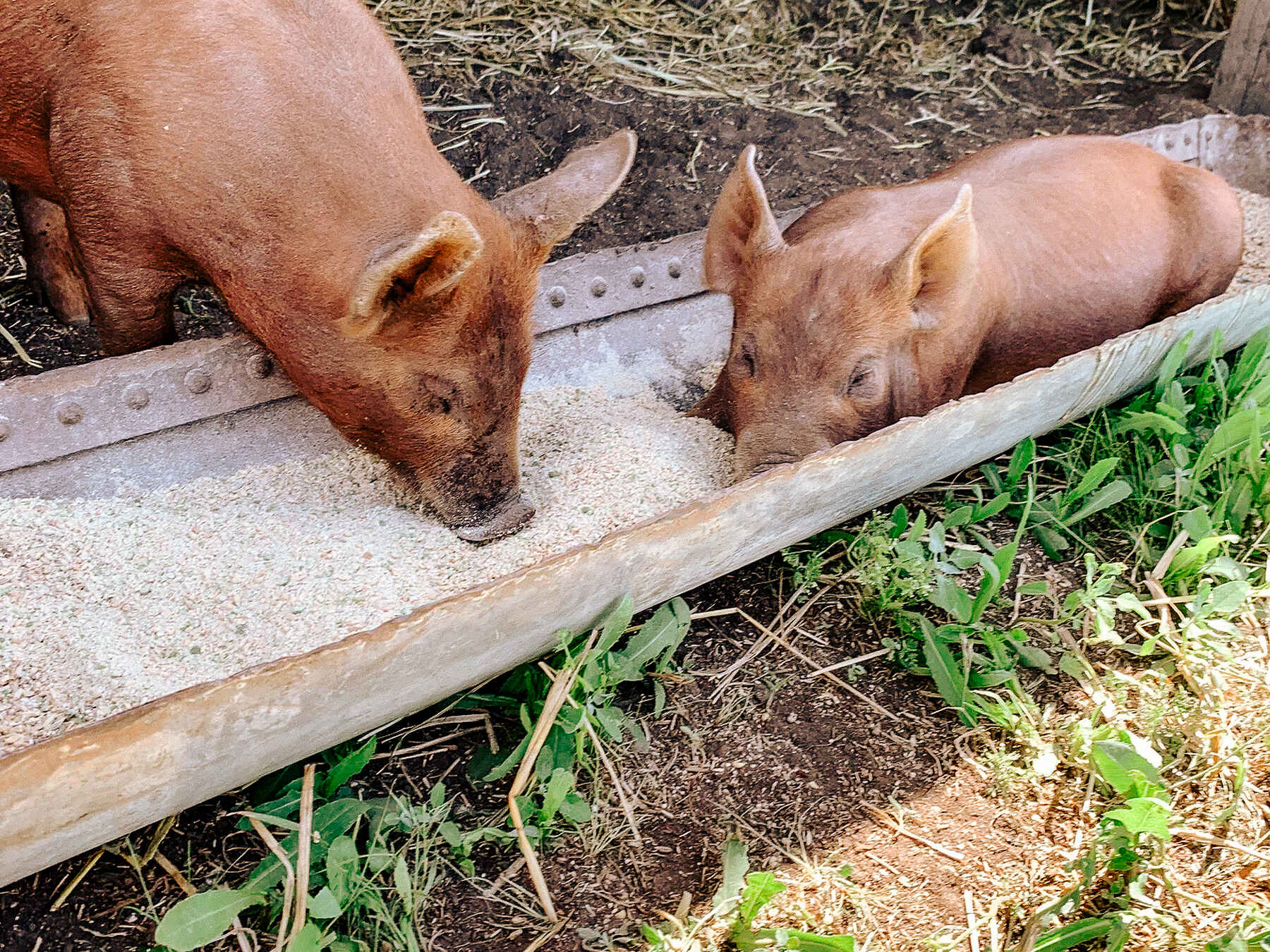
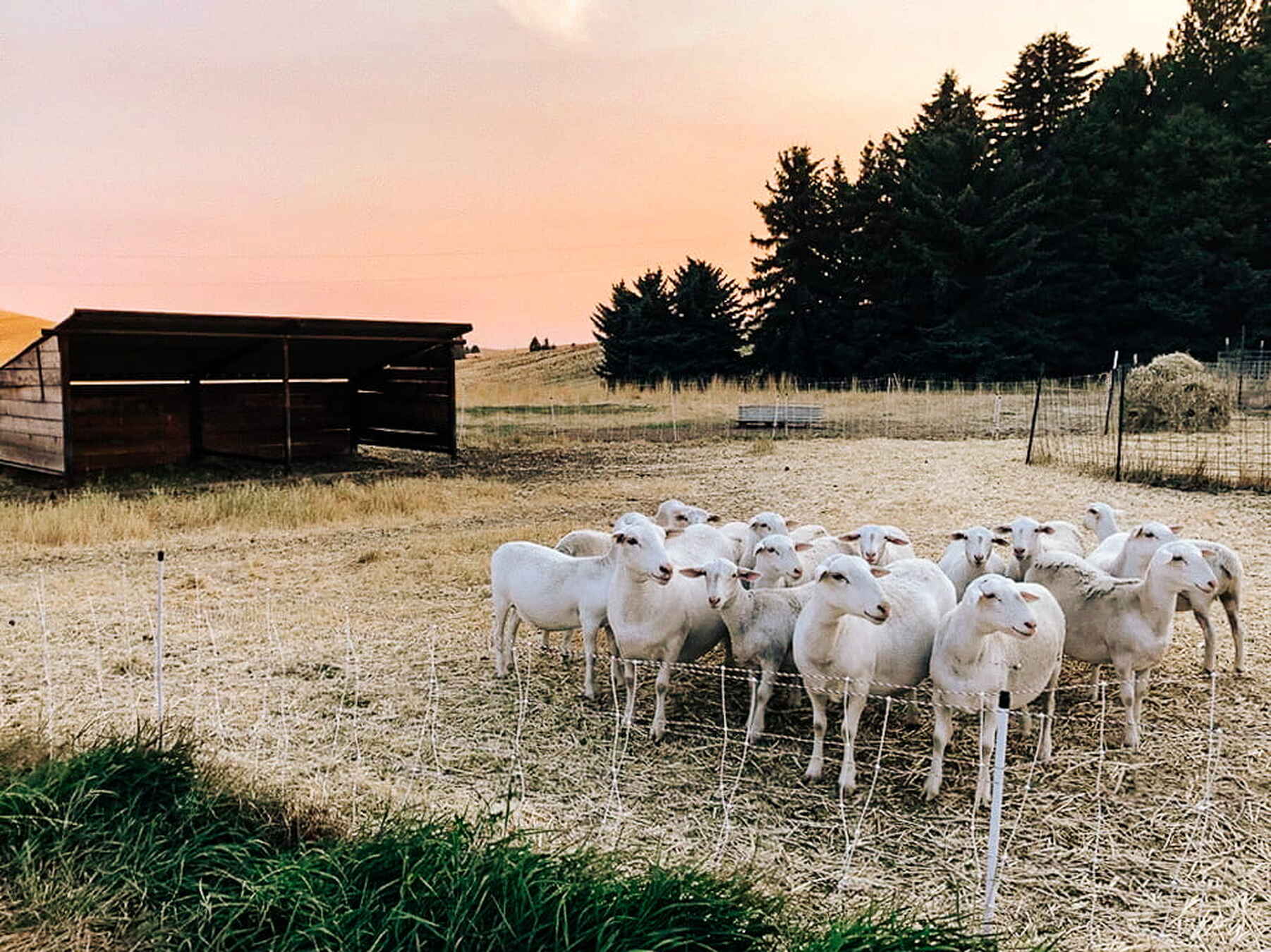
"You're eating the soil."
The phrase comes up often in conversation because it reflects the way they think about the relationship between soil, food, and human health. What happens beneath the surface eventually finds its way to all of us.
Their advice to other farmers is simple: “start small, pay attention, and allow mistakes to become teachers.”
When asked how people can support farmers like them, both Sheryl and Ariel respond with:
“Listen to farmers’ stories. Engage them when it comes to policy decisions. Be mindful about your food choices. And grow your own little garden to understand what it takes to grow food."
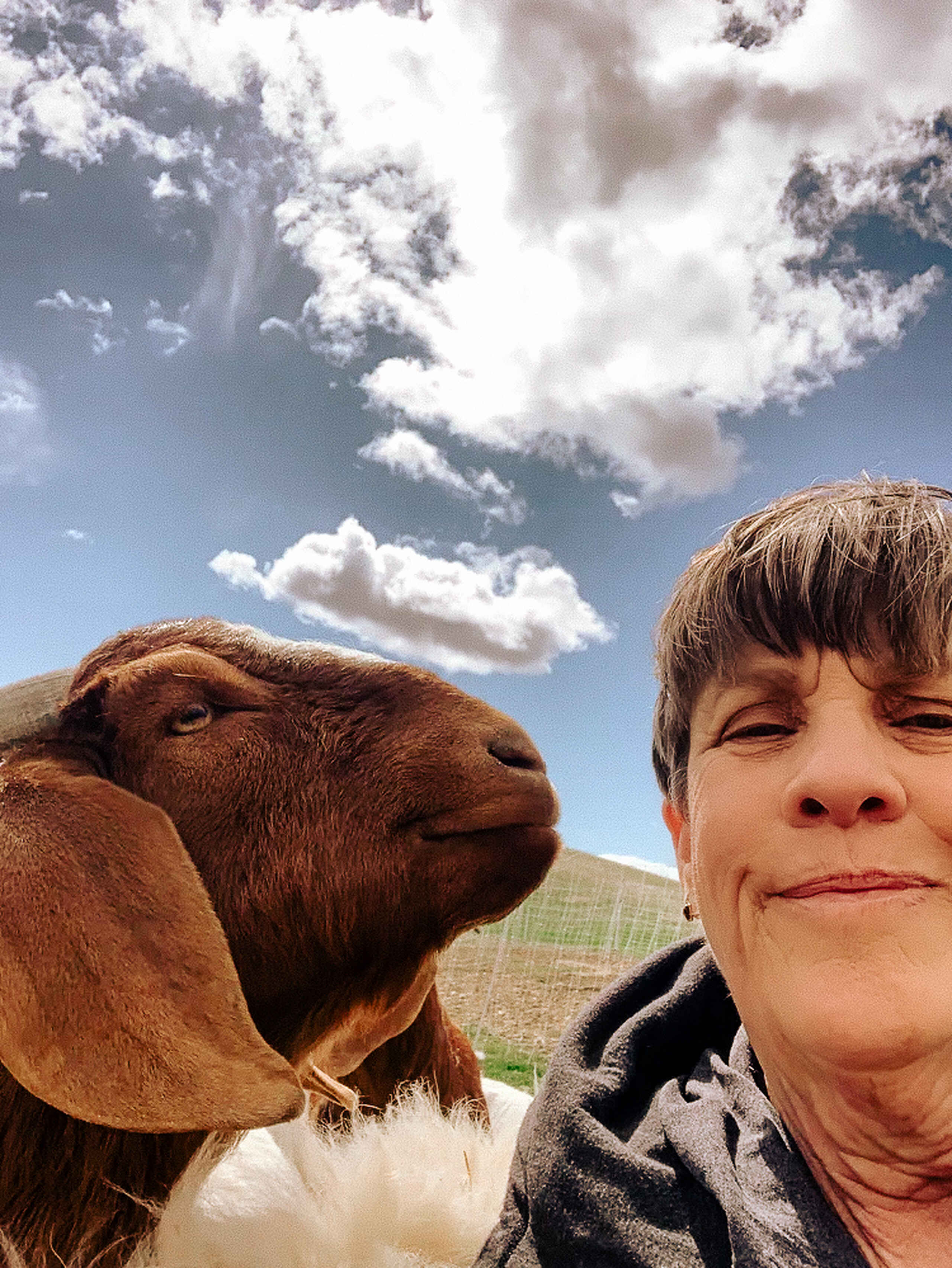
Even a small garden can teach the same thing Sheryl and Ariel have spent years relearning on a much larger scale: that food is not separate from soil, but grown from it. To have a hand in that process, even briefly, is to understand something no label can explain.
That is the inheritance Ariel carries forward now, the fourth generation to walk these hills, her mother's willingness to keep asking questions, and the patience to let the land answer in its own time.
To learn more about Zak Feeds: https://www.zakfeeds.com/
In Partnership with Soil & Climate Initiative
About Soil & Climate Initiative (SCI)
Soil & Climate Initiative (SCI) is a nonprofit regenerative agriculture transition program built in collaboration with farmers, brands, NGOs, and soil scientists. Its work focuses on supporting farmers as they shift toward regenerative systems, while helping align the broader supply chain around that transition.
SCI provides a range of support, including farm planning, agronomic guidance, soil testing, and tools to help measure and verify the impact of regenerative practices over time.
To date, SCI has supported more than 175 farms across over 350,000 acres in 27 states, helping drive improvements in soil health, water quality, biodiversity, and overall farm resilience. By working directly with farmers and integrating credible data and verification, SCI helps ensure that regenerative efforts are not only practiced, but understood, supported, and sustained.
Alongside its sister programs, the Soil & Climate Alliance and the Nutrient Density Initiative, SCI is helping build an ecosystem that scales regenerative systems from the ground up.
Learn more: soilclimateinitiative.org
More Stories
Support our work
Stay Connected
You’ll receive our monthly Field Notes newsletter, project updates, and free resources, plus you’ll get first access to new stories.
Make a Donation
Your tax-deductible gift fuels the storytelling that shifts culture, the organizing that turns awareness into collective action, and the relationships that make long-term systems change possible.