Meet a Forager: Bodhi Athanasios Vasilopoulos
What if food, medicine, and wisdom were growing all around us? Forager Bodhi Vasilopoulos invites us to slow down, look closer, and rethink our relationship with the living world.
Bodhi is a forest gardener, herbalist, forager, and teacher. He leads gardening and education at Forested and shares land stewardship through Nature’s Love and Wisdom.

Before I Knew There Was a Word for Foraging
My relationship with foraging began long before I knew there was a word for it.
As a child, I had a natural affinity for the plants and wild spaces around me and always felt most at home under the forest canopy. I remember playing in the local parks where I grew up in Virginia, gathering bush honeysuckle blossoms, gently pinching off the bases of the flowers and slurping the sweet nectar beading on the tender filaments. I would chew on wild onion greens and eat lots of little bright red wild strawberries, commonly called mock strawberries. I made bows and arrows too, using honeysuckle shoots for arrow shafts and supple young pine branches as bows.
At the time, I was unaware of the concept of foraging, yet somehow harvesting and using those plants came as naturally to me as climbing trees and playing with my friends.
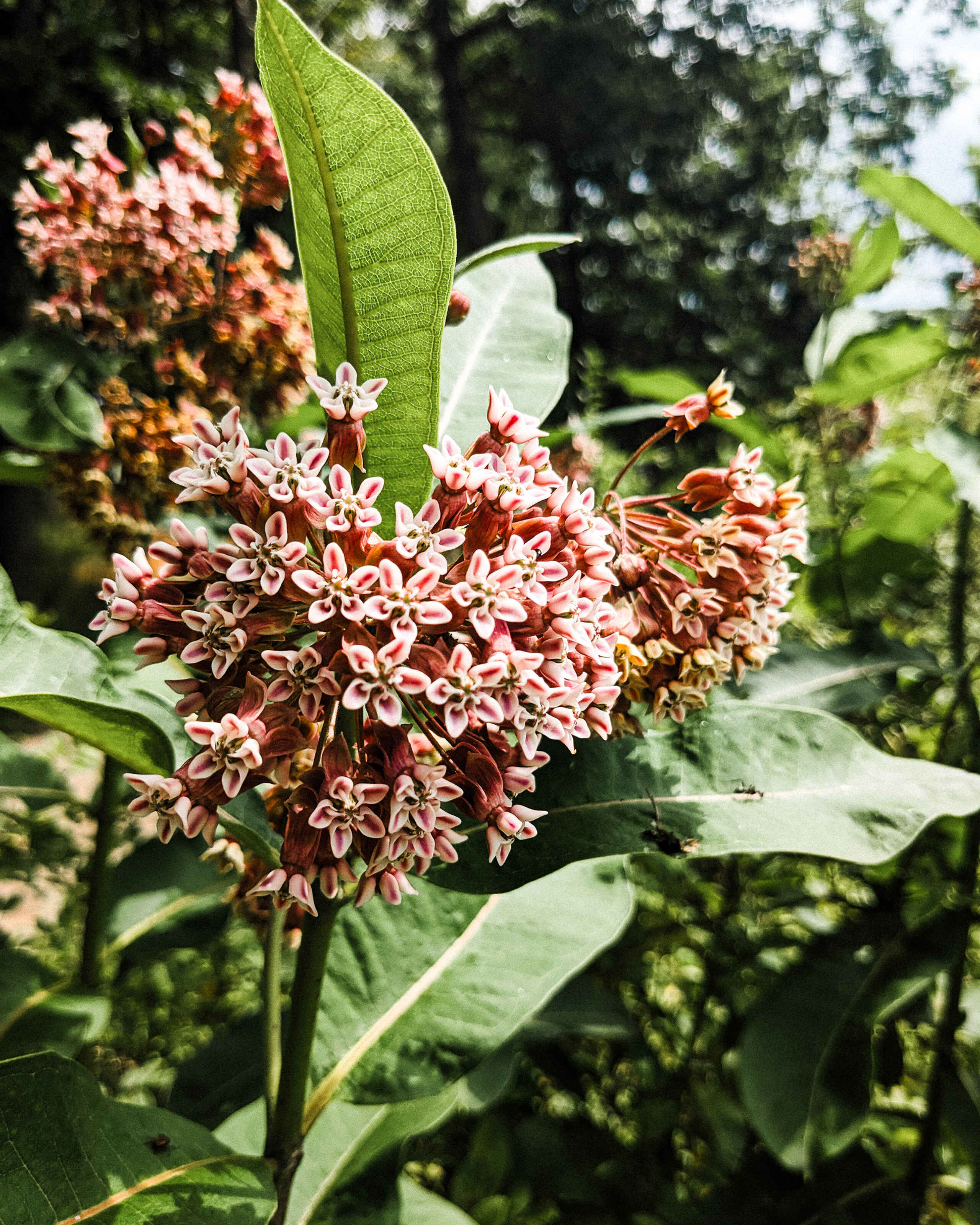
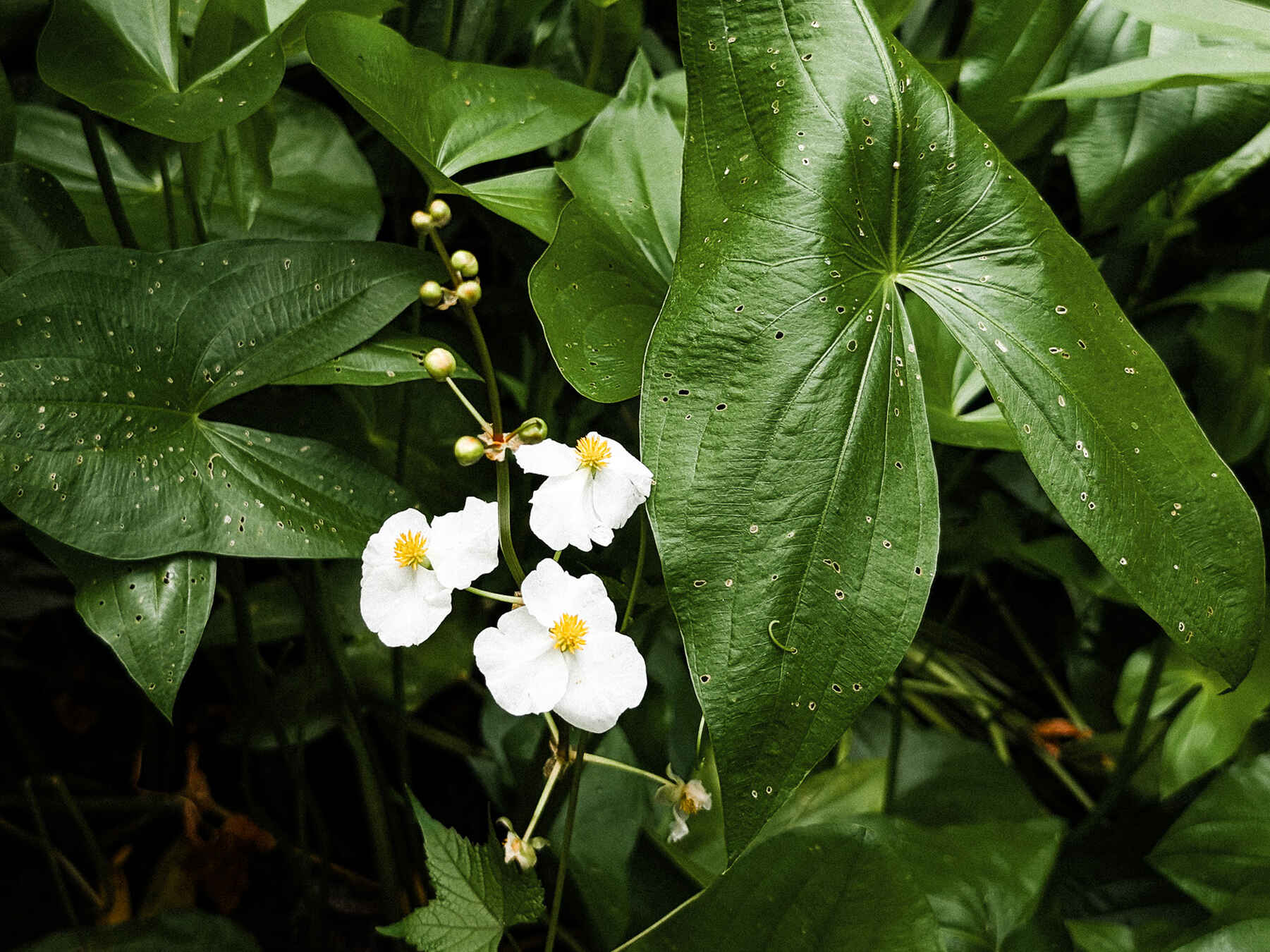
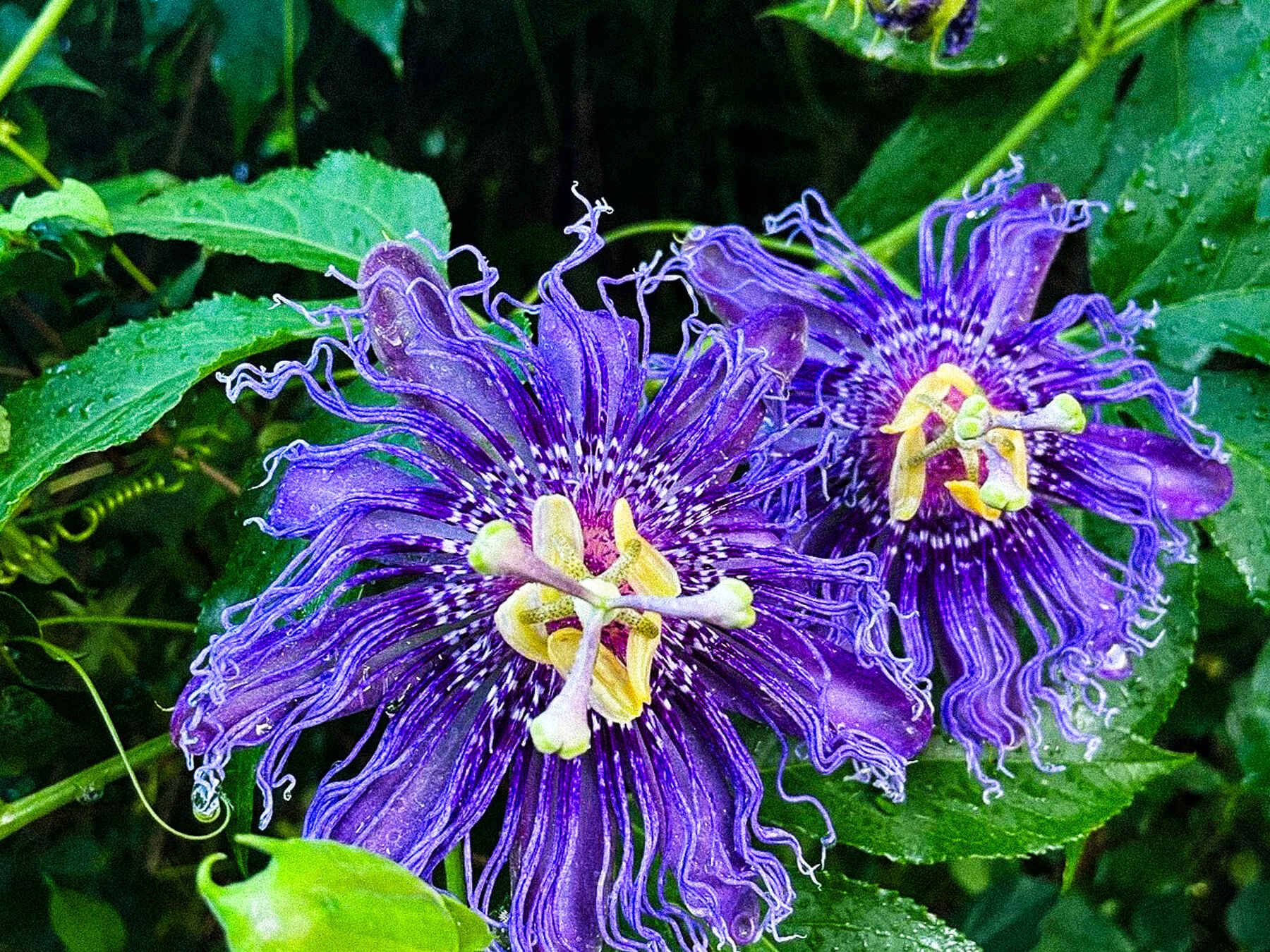
In 2012, I enrolled at James Madison University and began studying environmental science and regenerative agriculture. Outside of the classroom, I spent much of my free time volunteering on local farms, participating in environmental activism, camping, and hiking.
Through these experiences, I began to sense the vast intelligence of the Earth and the interconnectedness of all the species and forces at play in nature.
As an undergraduate, I began working in organic agriculture through internships and very soon I knew I wanted to pursue a career in growing food and working with the land.
While living and working on an organic farm in the Blue Ridge Mountains, surrounded by the immense biodiversity of the Appalachian woodlands, my relationship with wild foods became a deeper, lifelong passion.
I remember learning to harvest the perfectly spicy, juicy watercress growing in wetlands near the farm, and collecting dazzlingly yellow goldenrod flowers in the autumn for herbal medicine.
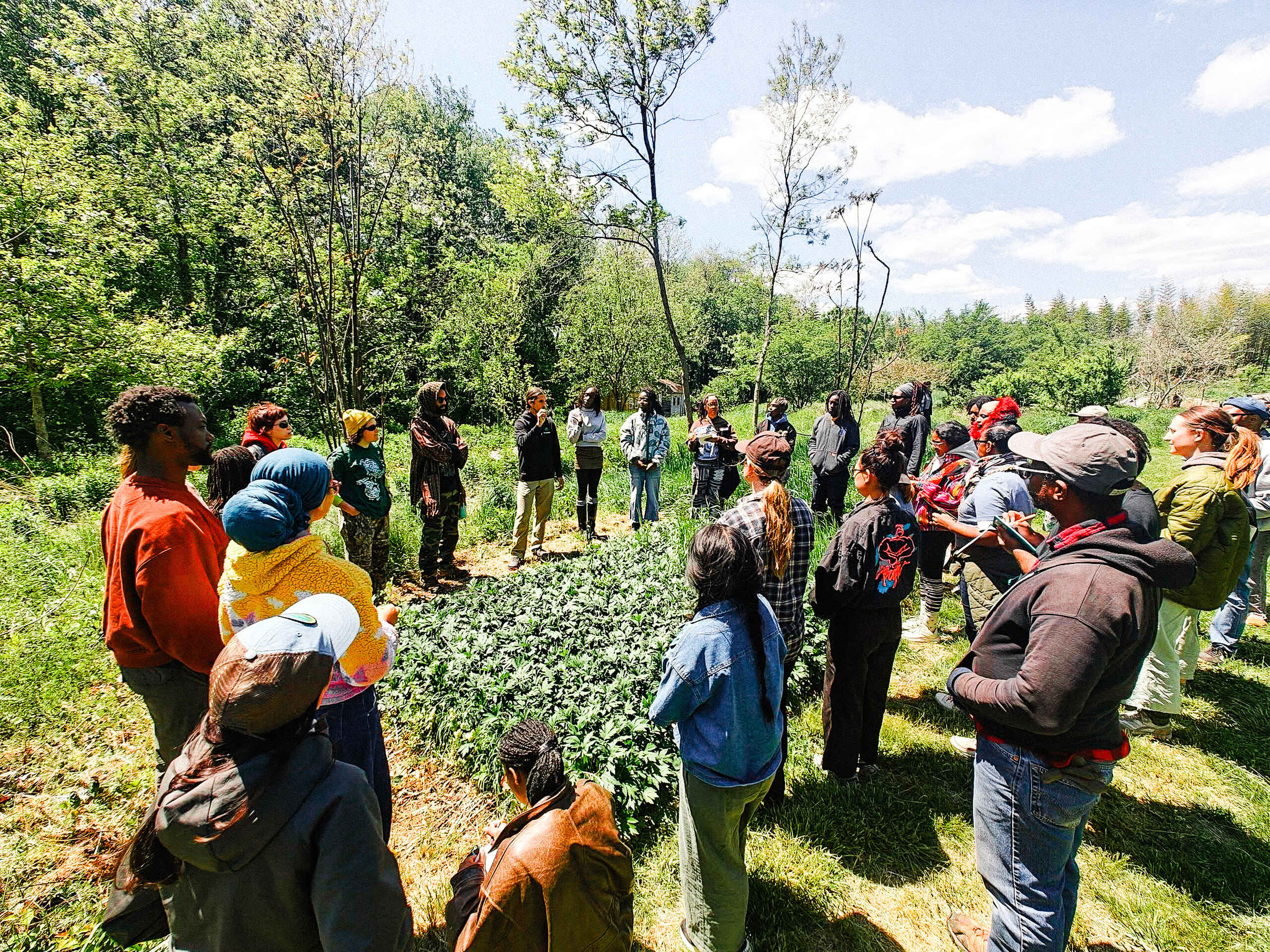
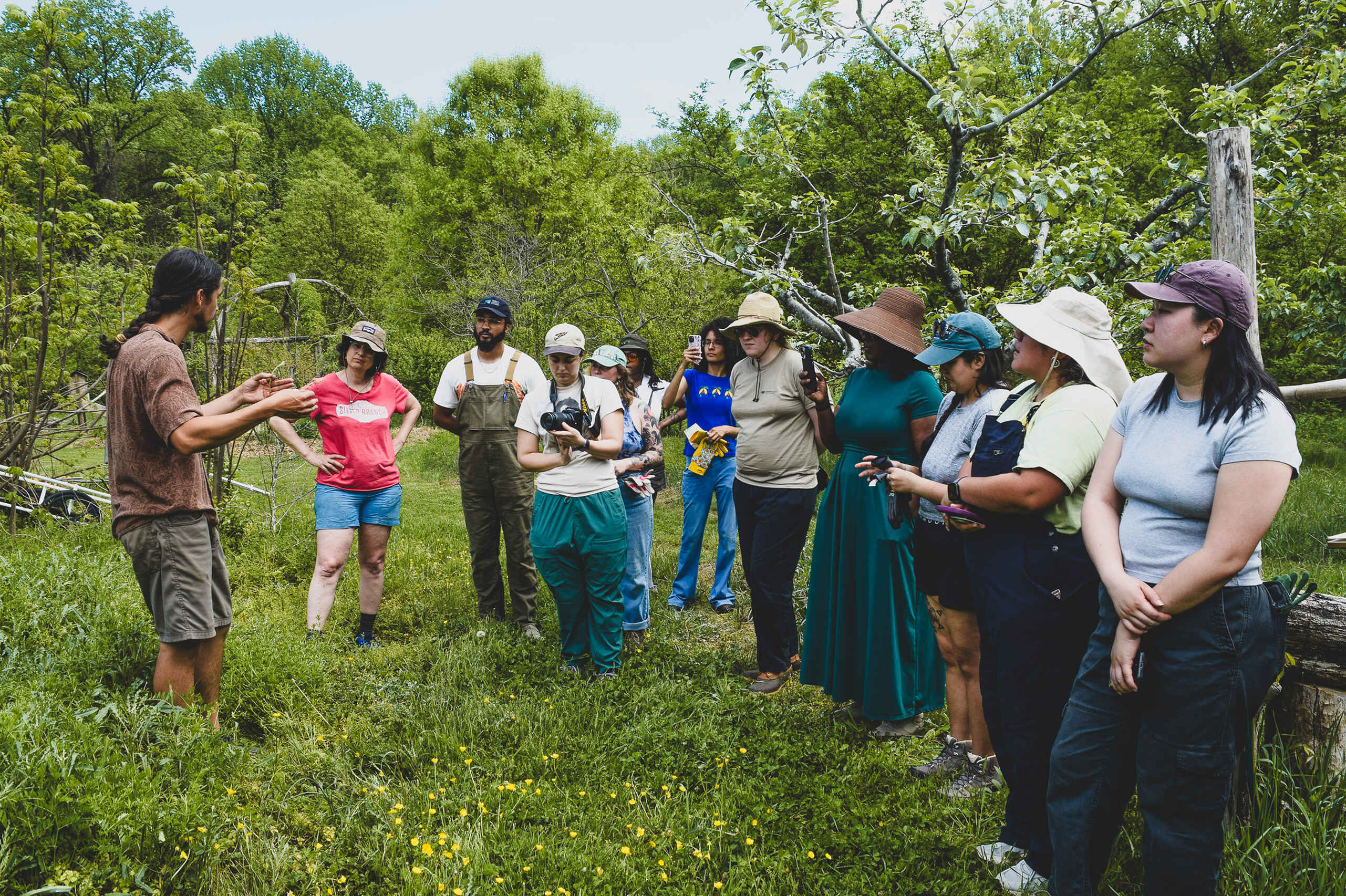
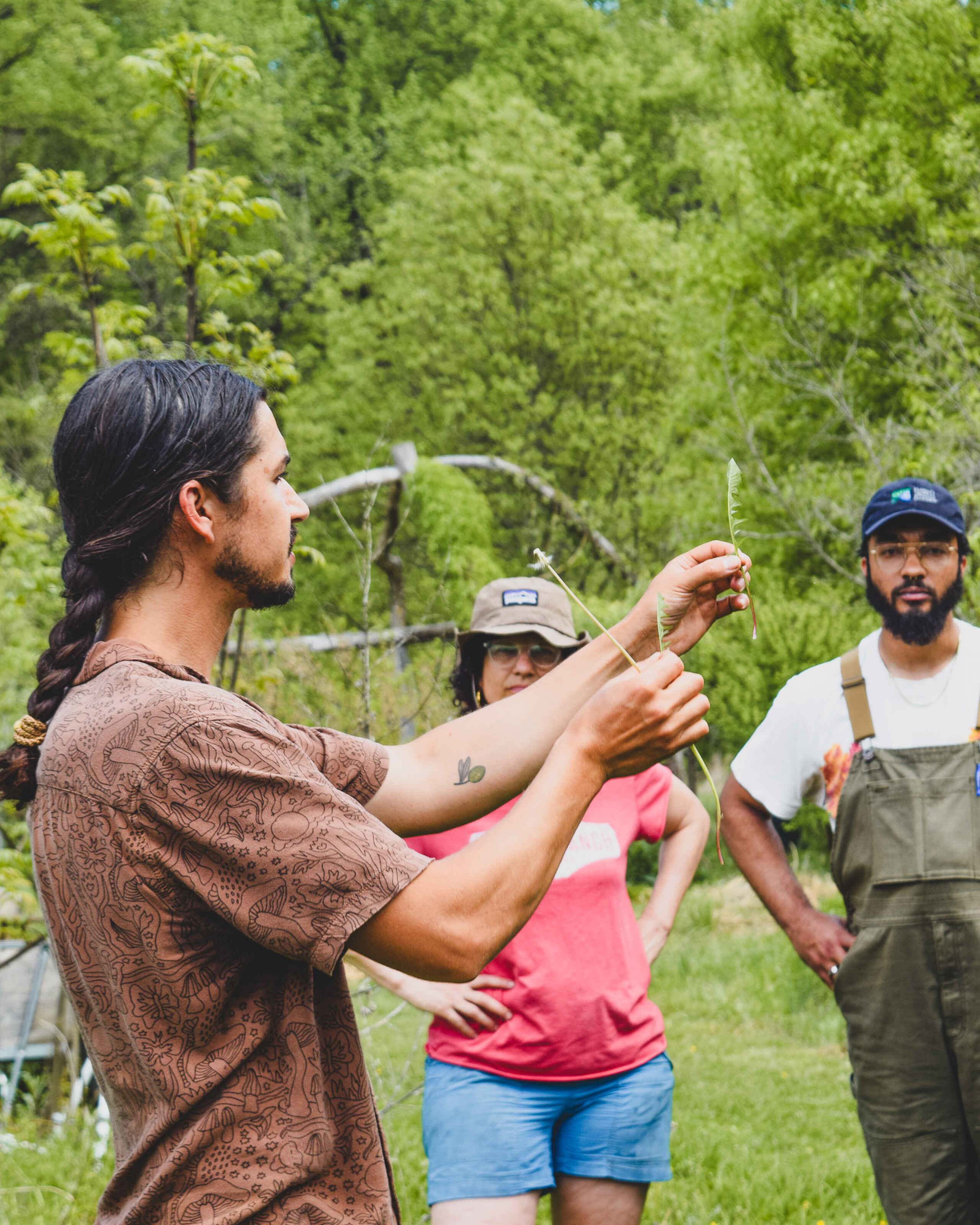
Today, I regularly teach foraging workshops and incorporate wild foods into my diet on a nearly daily basis. I have a deep desire to be self-sufficient and cultivate meaningful relationships with the beings in the world around me.
Those convictions, combined with the simple joy of harvesting a big mushroom or some delicious berries and making a yummy meal with friends, continue to drive me ever further.
What Foraging Has Taught Me
I learned that food is something Nature gives freely to all of the creatures of the Earth, and that access to clean, nourishing food is an intrinsic right of every living being.
The laws of nature transcend any law that humans have fabricated, and nature freely provides food, medicine, fuel, shelter, and more.
It is our responsibility to live in harmony with the Earth and each other, and to use these gifts in a good and honorable way.
Foraging is an ancient practice with roots in cultures across the world.
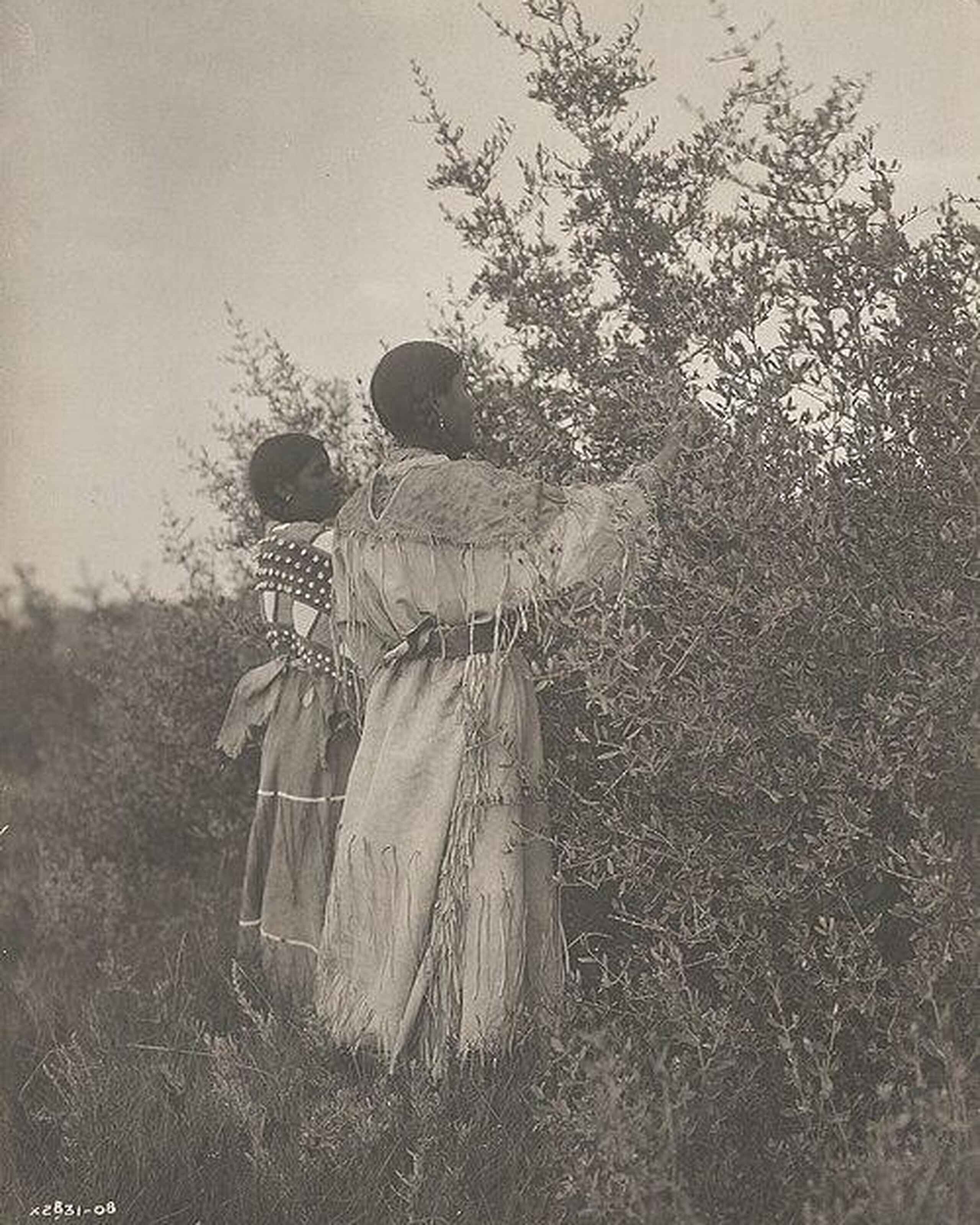
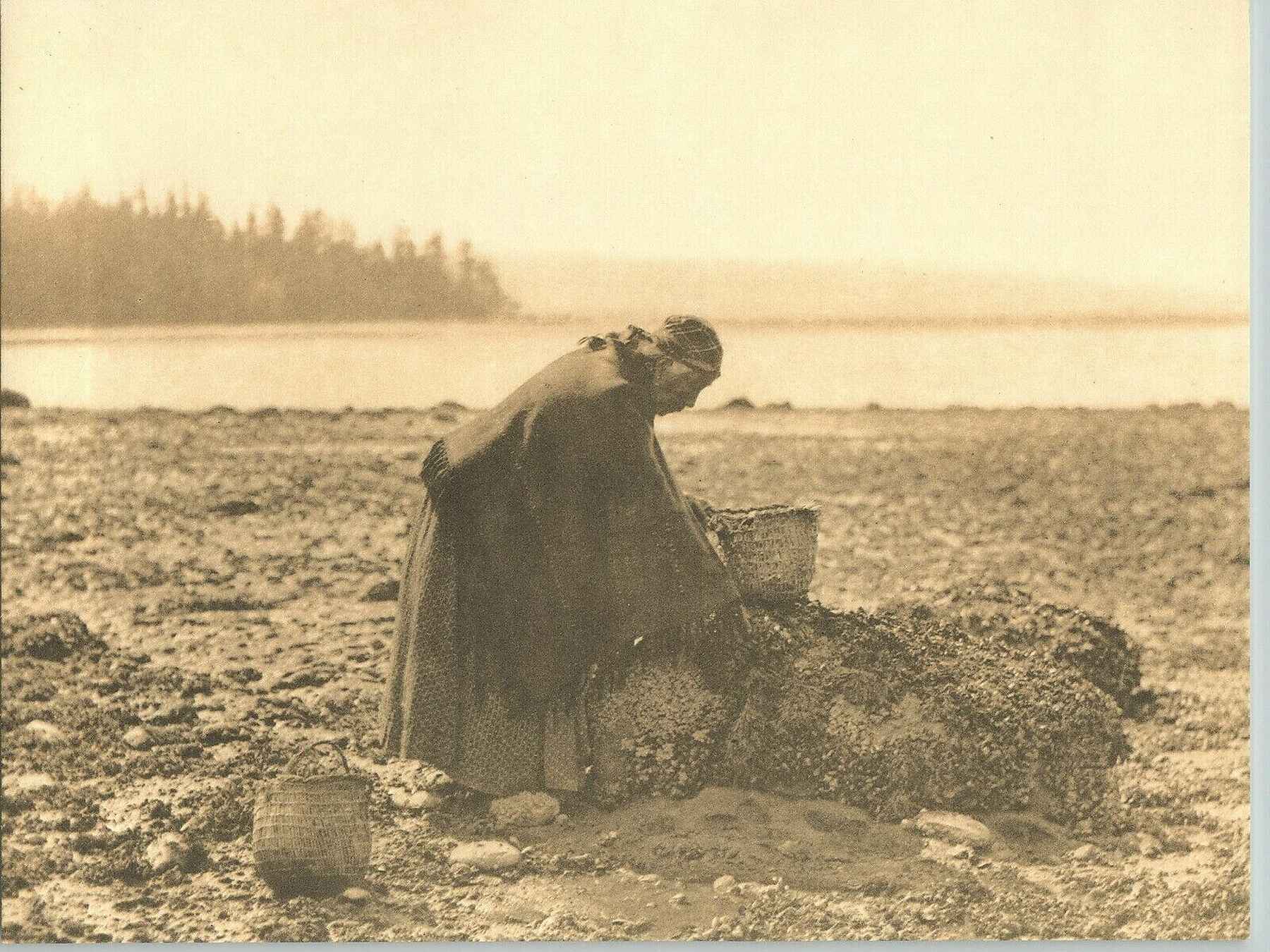
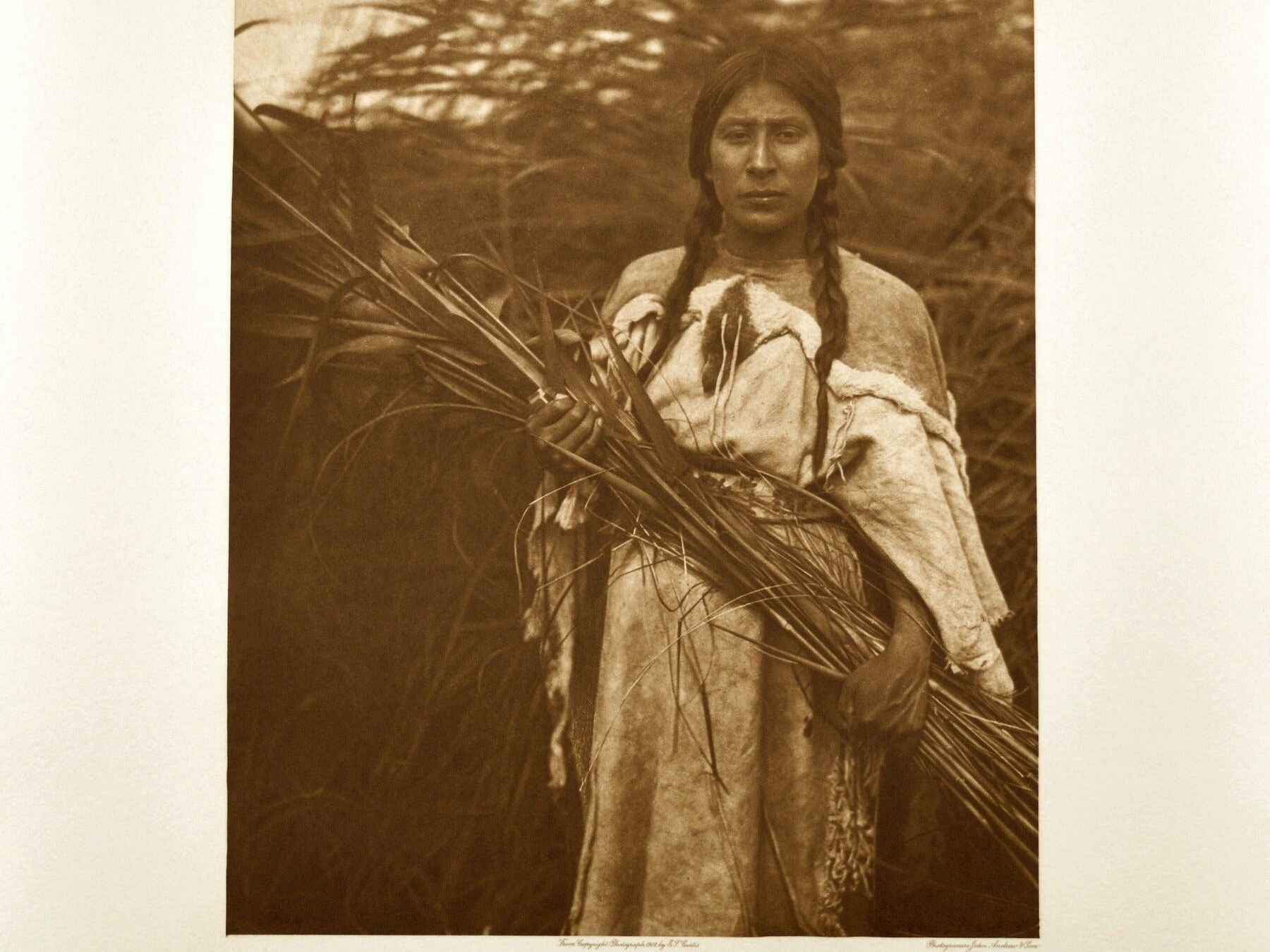
It is the custom of collecting herbs, bark, fruit, fungi, and other things growing in the environment for food, medicine, fuel, fiber, art, and other purposes.
The practice of foraging has taught me to be curious about everything growing around me, to appreciate the beauty of a place and to value the landscape for what it is.
It has also taught me about being in relationship with my environment. I see the plants and animals as my friends and community, and when I move through the world I never feel alone.
I think the plants feel happy to be seen and known as well, especially since most people walk by without a second thought.
In pursuit of wild foods, I have found myself in beautiful and remote places. Sometimes you have to tromp through a swamp to find tubers like American lotus or wapato. There is always adventure to be had while foraging.
Food Is Growing All Around Us
Foraging has changed the way I understand food.
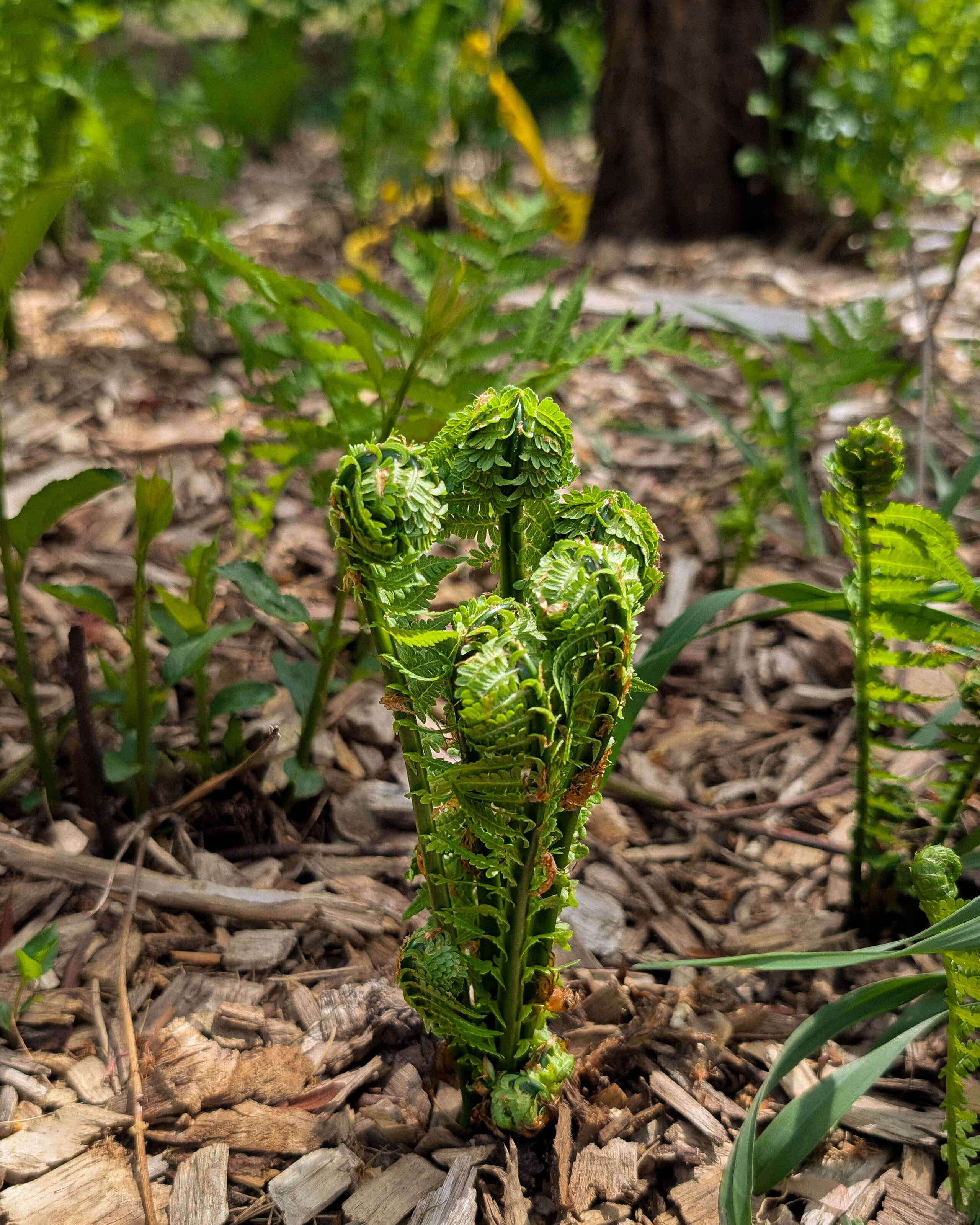
We are conditioned to think that food and medicine come from the shelves of the grocery store and the pharmacy, when in reality, they are present around us at all times. It is simply a matter of learning to identify the plants and mushrooms growing in our environment.
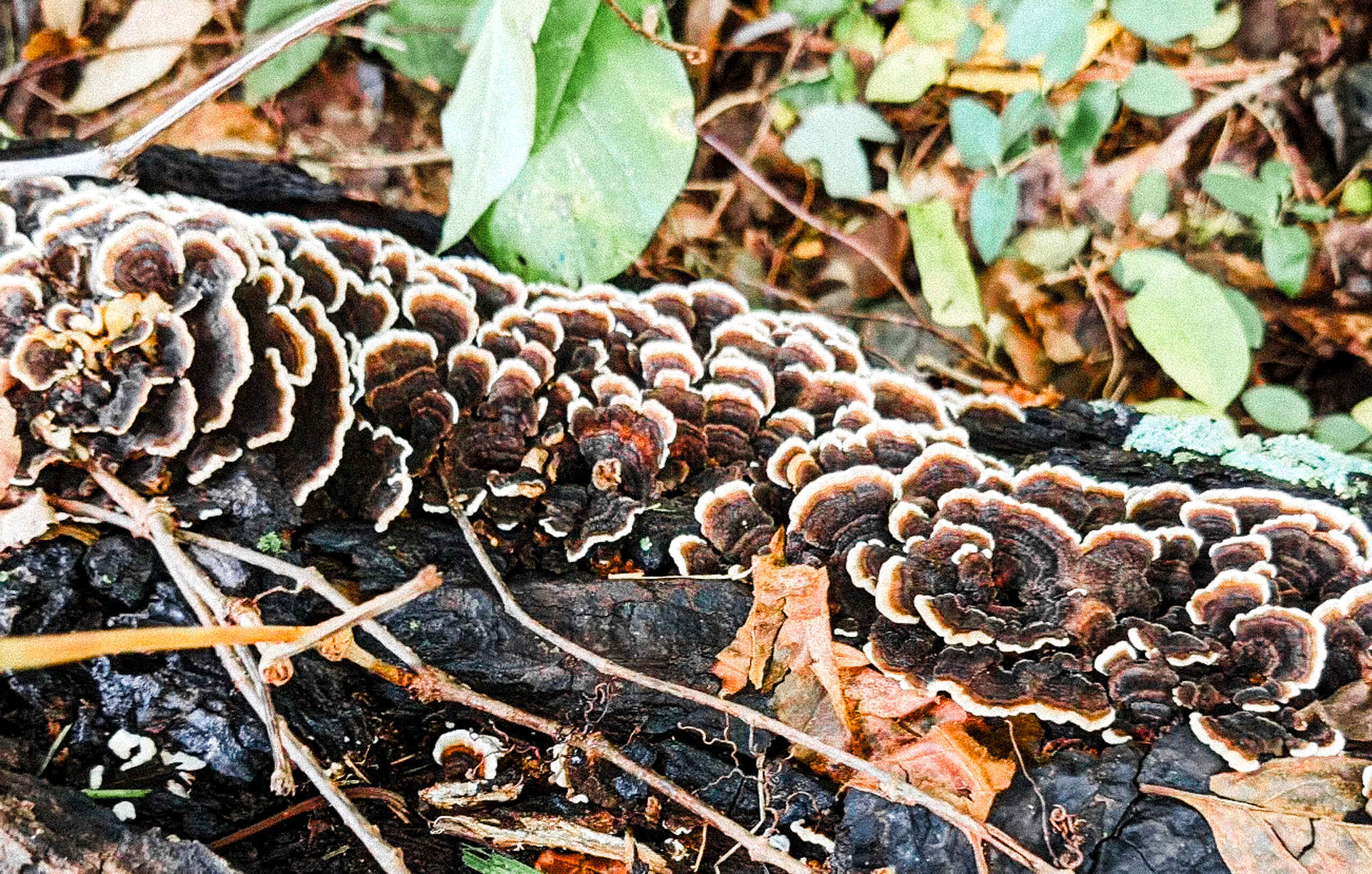
Learning to forage has expanded my palate and my understanding of what food and medicine are and what they can be.
When you start eating wild foods, the sky is the limit with all of the amazing ingredients, recipes, textures, and flavors you can experience.
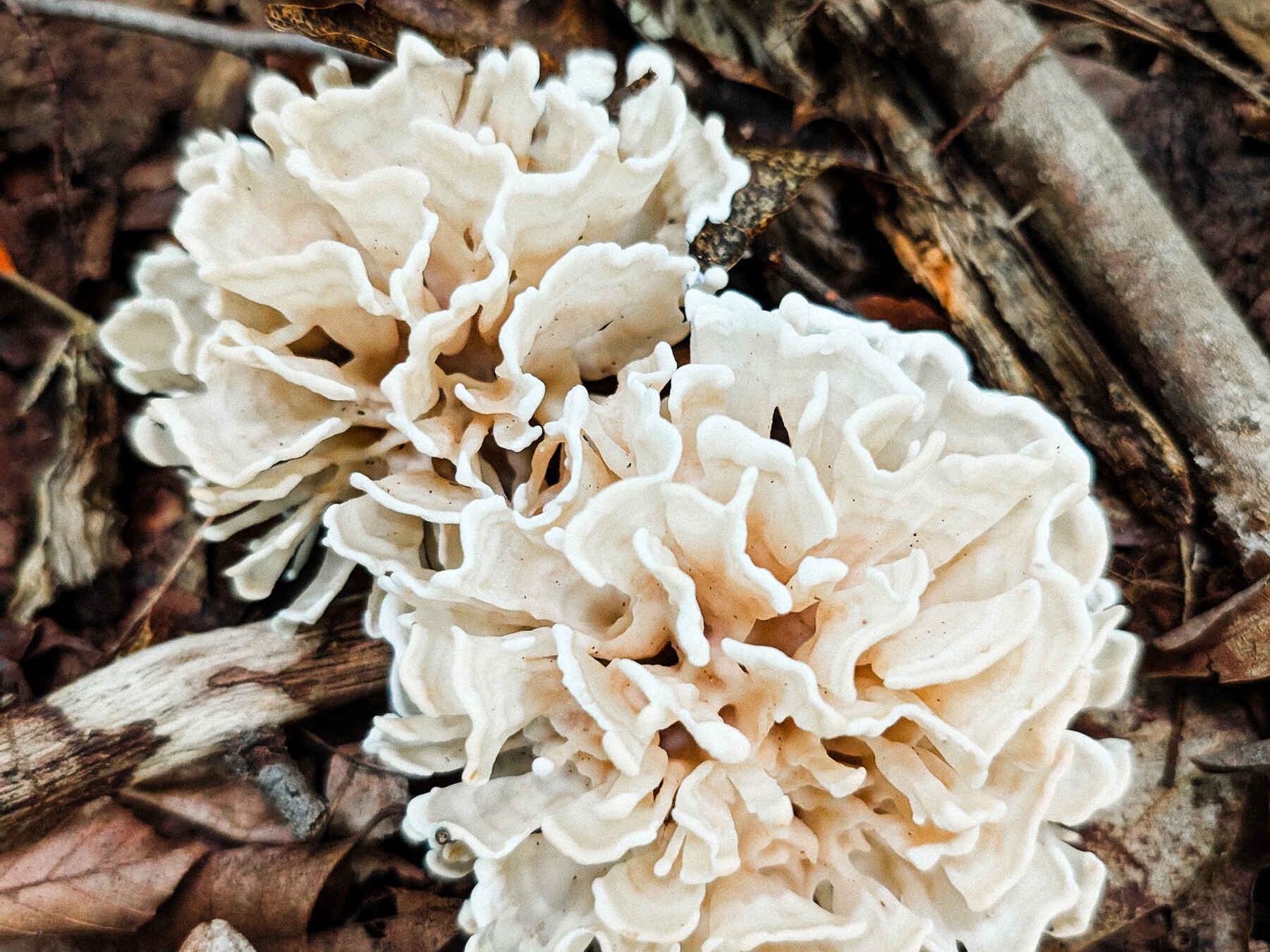
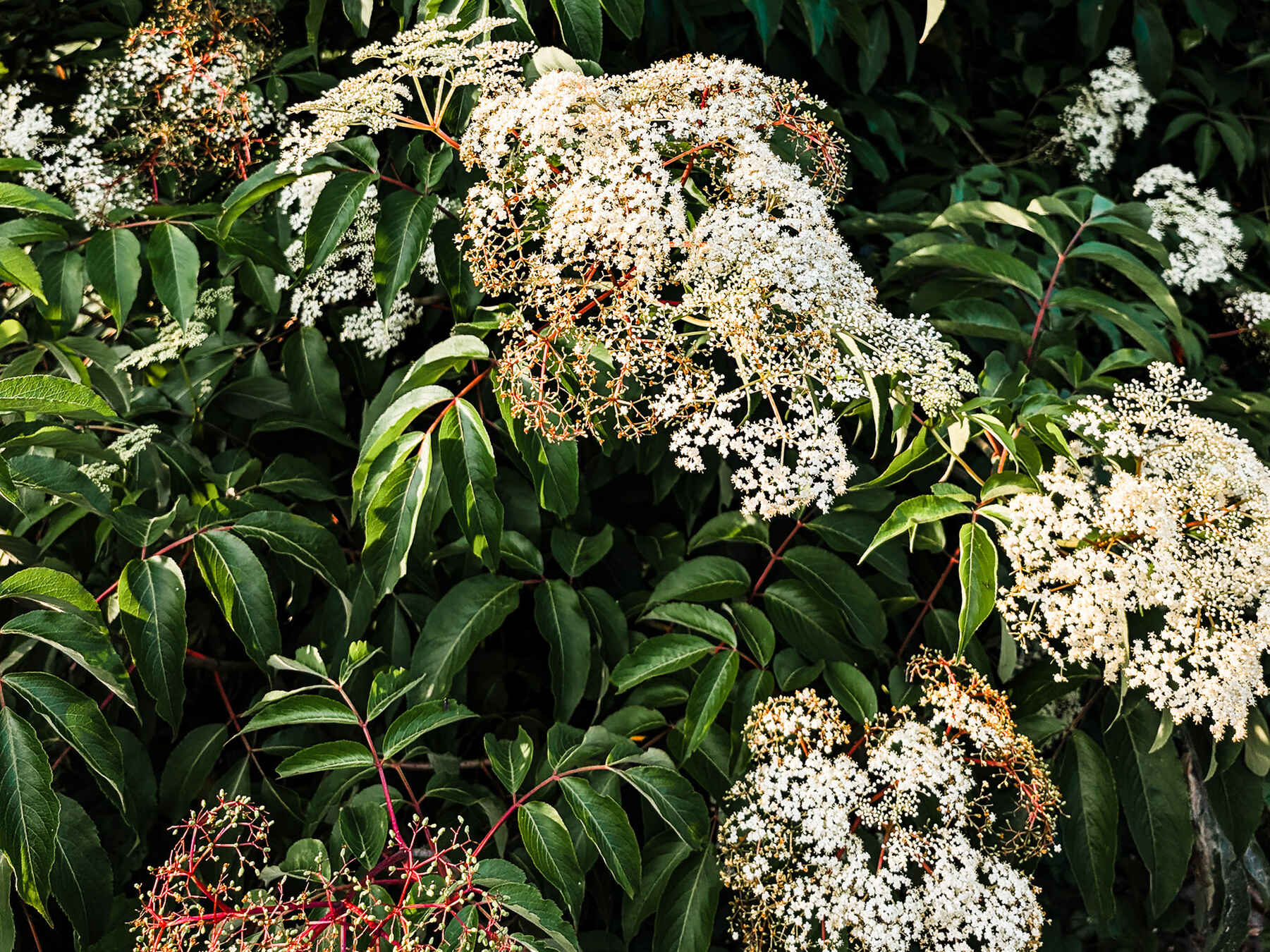
Foraging opens the door for countless culinary opportunities, while wild plants and mushrooms can also provide potent herbal medicine.
Within land-based cultures, wild foods and cultivated foods are eaten regularly, there is not such a distinction between the two.
However, our modern food system has created a tremendous distance between consumers and the source of our sustenance.
Most of us acquire the vast majority of our calories from food sold in grocery store chains, grown by underpaid and under-appreciated people working on massive farms located hundreds or thousands of miles away.
Many people have never grown and harvested vegetables from a garden, and fewer still have hunted, raised, processed, or gathered their own food.
By cultivating a deeper relationship with the natural world and sharing this awareness, I believe we can transform extractive and unjust systems and bring about positive change in our local food systems and beyond.
Eating even one thing every day that was homegrown, foraged, or locally produced is a powerful step toward building a deeper connection to your food and the land.
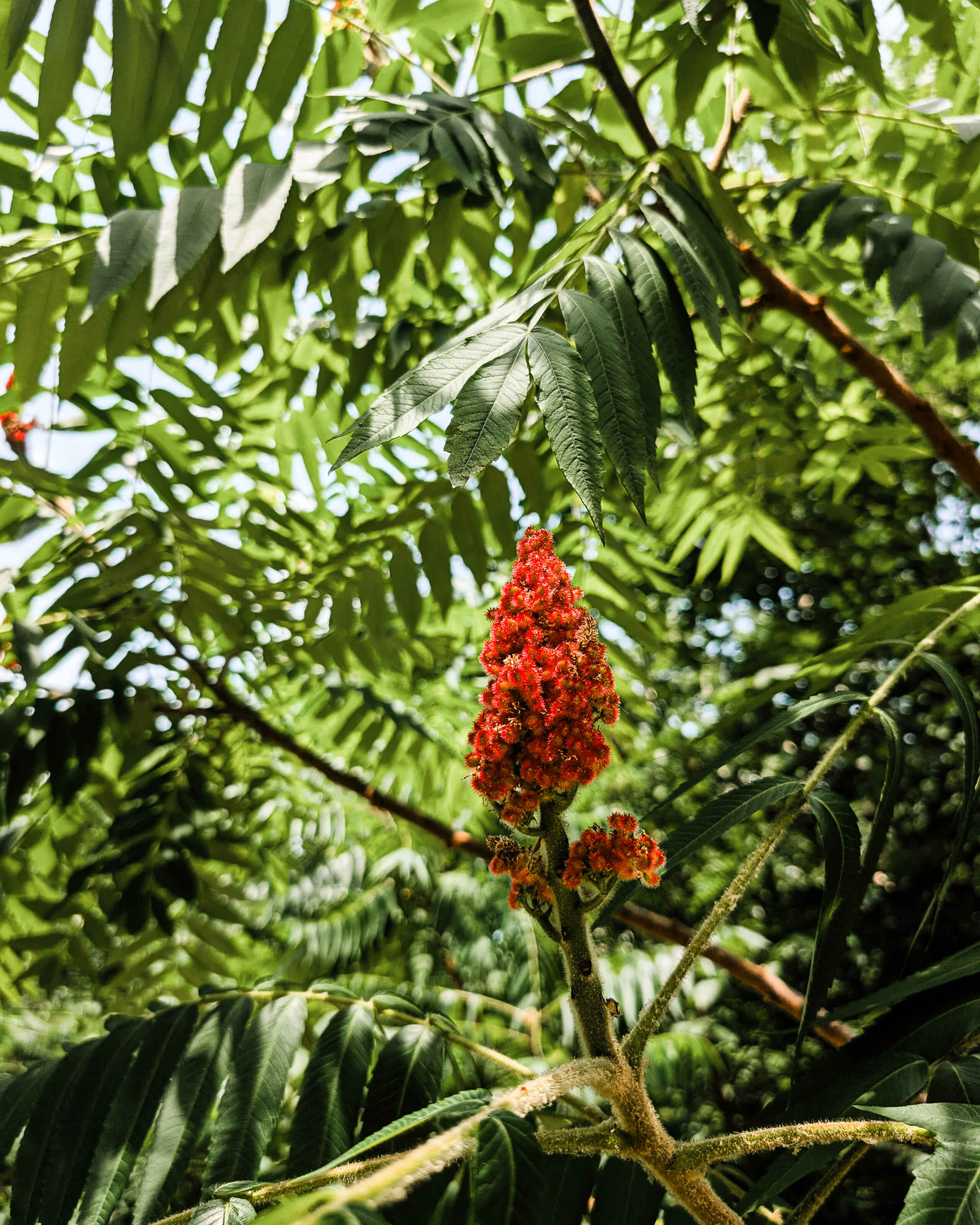
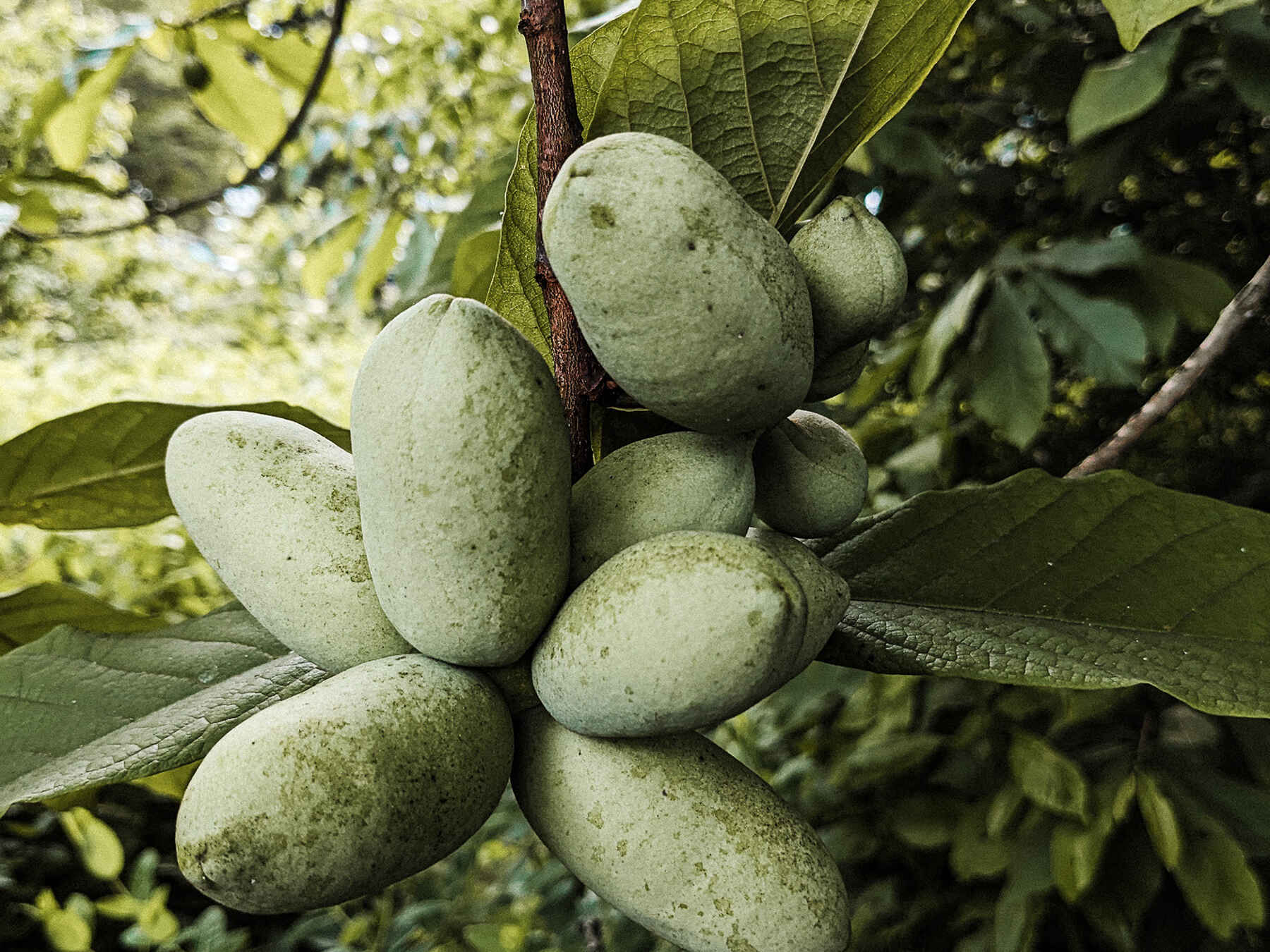
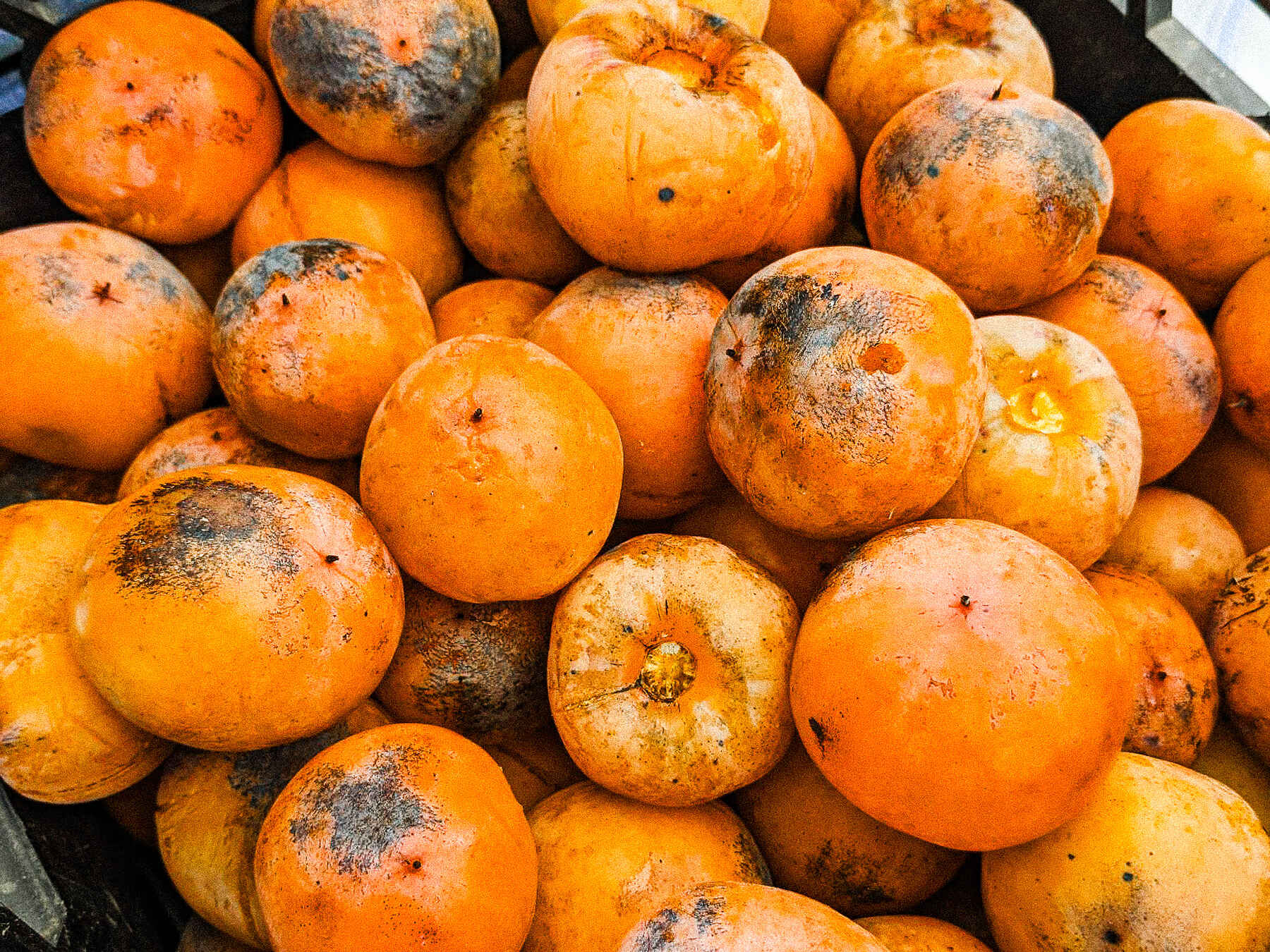
That could be one arugula plant for a salad, or wild raspberry leaves for tea in summer.
Little by little, as more of us do this, we can move toward more regenerative, regional food systems and greater personal, ecological, and community resilience.
Every Landscape Tells a Story
You can read the story of a landscape if you learn to identify the plants growing there and understand the environmental conditions that are present.
Disease, drought, limited diversity, fractured food webs, polluted waterways, eroded and degraded soil, and minimal wildlife can reveal an ecosystem under stress. While, verdant growth, ecological diversity, abundant wildlife, and healthy water and soil systems can indicate a vibrant and robust ecosystem.
When I arrive somewhere new, I take note of the different species present, observe the weather and climatic conditions, look at the soil and surface water, and assess how the land is being used.
All of this information speaks volumes about the health of the ecosystem and the physical and energetic architecture of the environment I am moving through.
We live in what is called the “
Anthropocene
Flashcard
Anthropocene
Anthropocene is a term used to describe a time when human activity has become a major force shaping Earth’s climate, land, water, and living systems. Burning fossil fuels, clearing forests, and changing how we grow food have left marks across the planet. The term draws attention to the scale of that change and to our responsibility for what happens next.
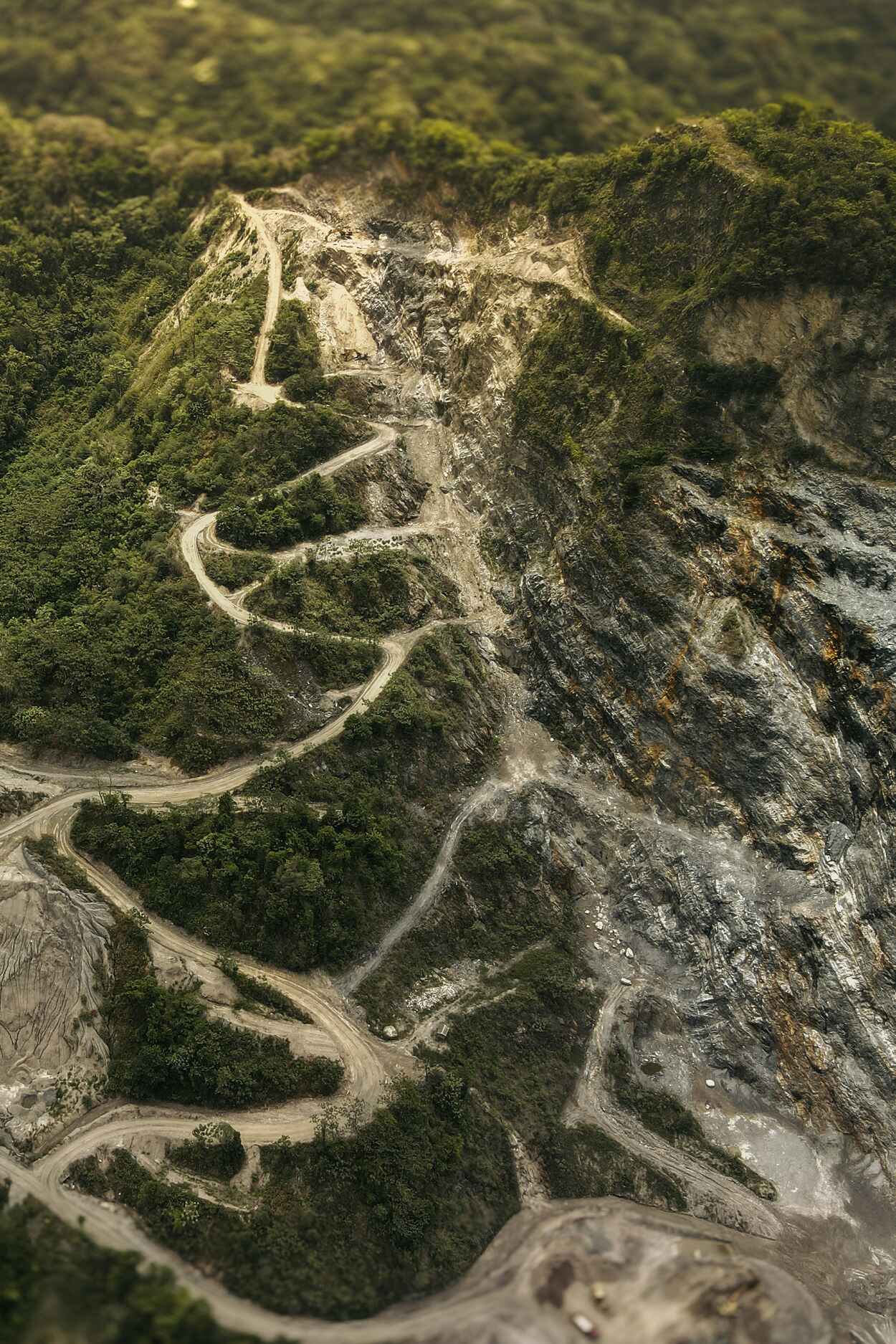
Industrial technology has allowed us to manipulate the land more than ever before, including in many destructive ways. Yet humans have been influencing landscapes for thousands of years.
Here on Turtle Island, Indigenous communities practiced sophisticated forms of agroforestry for millennia before the arrival of European colonists, demonstrating their deep knowledge of ecosystems, food production, propagation, and landscape management.
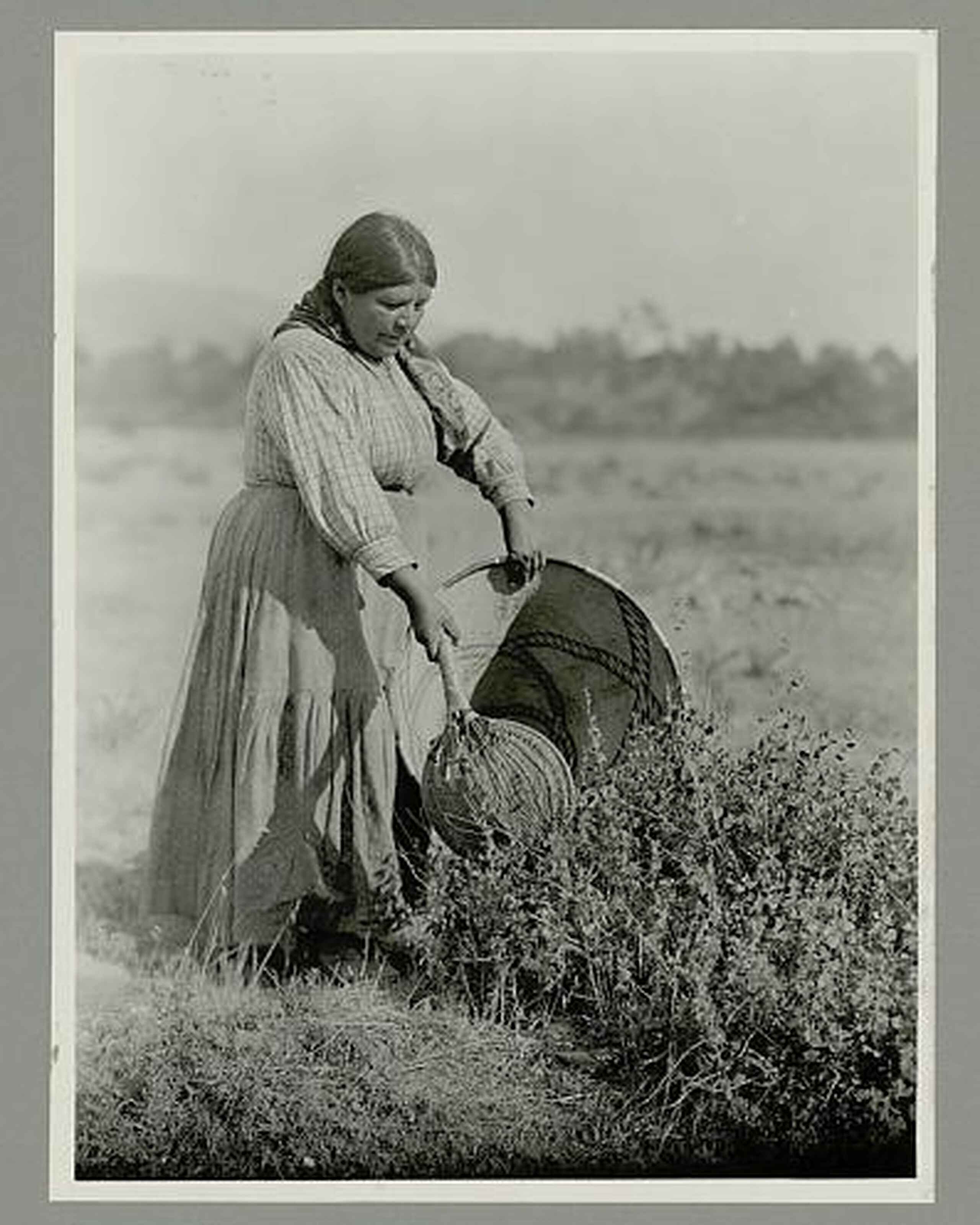
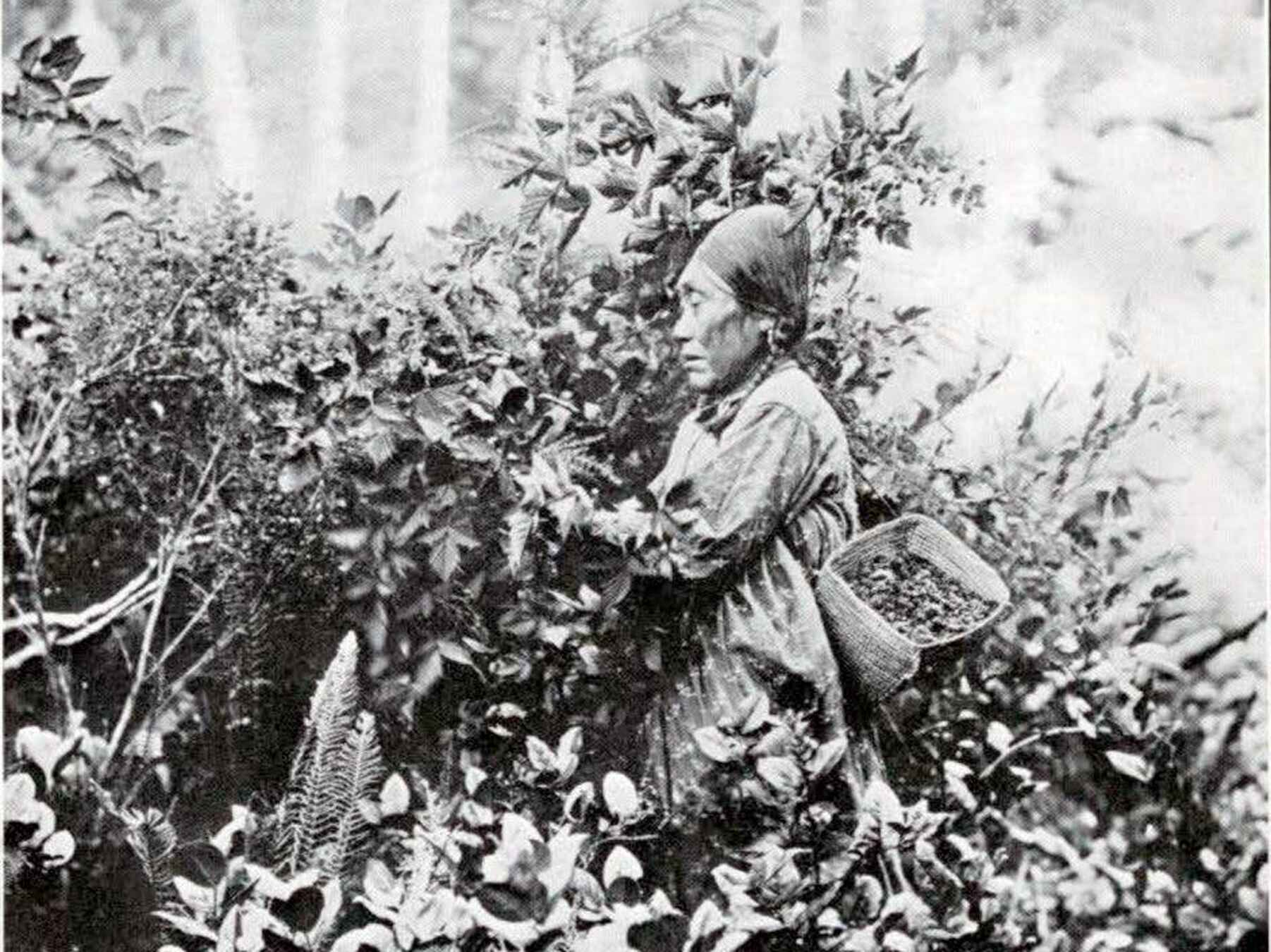
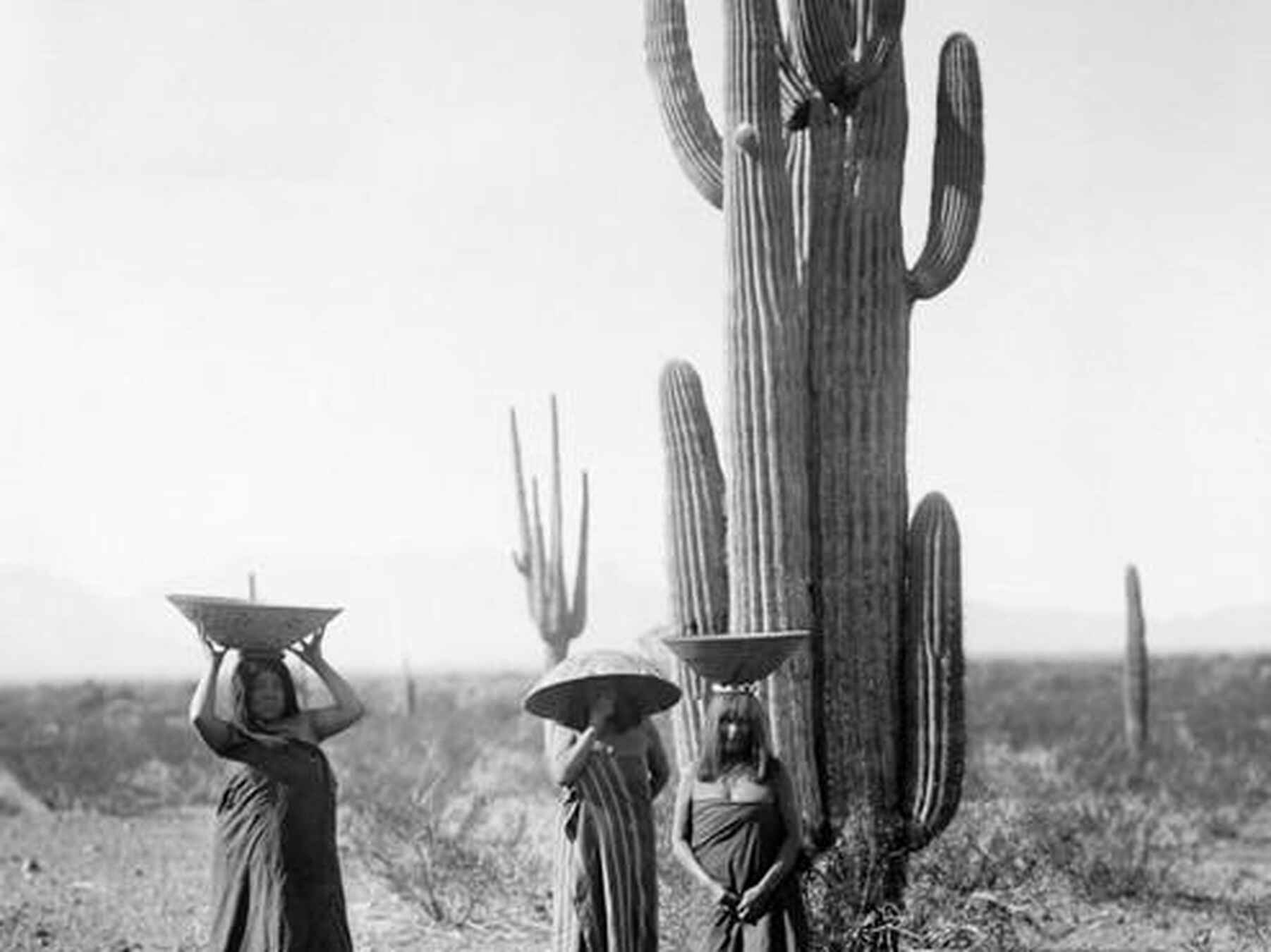
In many cases, these methods worked synergistically with the land.
Tragically, most Native communities on this continent were violently eradicated from their ancestral homelands through settler colonialism and prevented from practicing their traditional foodways. This legacy of disenfranchisement has a strong lasting impact to this day.
Embracing Complexity
A weed is not a bad plant.
It is simply a plant growing where we do not want it to grow.
So rather than pulling or spraying all of the “weeds” growing in your garden or lawn, why not take the opportunity to learn how to identify them and research which ones are edible and medicinal?
What ecosystem services might they be providing? Many weeds are tastier and more nutritious than the greens at your grocery store, and even non-native plants often have a role to play in their environment.
It’s important to practice decolonizing the way we talk about plants and nature in order to avoid perpetuating the harmful and war-like attitude toward the natural world that is all too common in our modern society.
This is partly why I do not agree with the use of the word “invasive” to describe plants.
The term ‘invasive’ carries a litany of political and cultural assumptions, and it can flatten a complex ecological and historical situation into an oversimplified story of good or bad, native or foreign.
Native plants are very important for many reasons, including their critical role in the environment, just as Native people. We need to uplift and empower both.
Plants and animals are not inherently good or bad because of where they come from. Many of the foods we eat on a daily basis in the United States are not native to this continent, yet they nourish us nonetheless.
Most of the people that live here have ancestors that originated from other parts of the world, and our country is a wonderful melting pot of culture for that reason. None of this diminishes the importance of native plants, whose role in our ecosystems is critical; or of Native people, whose knowledge and stewardship of this land we need to uplift and honor.
There are introduced plants that destabilize ecosystems and cause harm, and there are plants that naturalize and find beneficial ecological niches, but it is certainly not a binary.
Human disturbance, destruction, and manipulation of the environment create many of the conditions for introduced species to spread, so we must take responsibility and be informed stewards. Oftentimes, our strategies for solving the problems created by introduced species are short-sighted and perpetuate further damage.
We need to manage ecosystems, and coexist within them, with greater skill and awareness if we are to address the pressing ecological concerns we face.
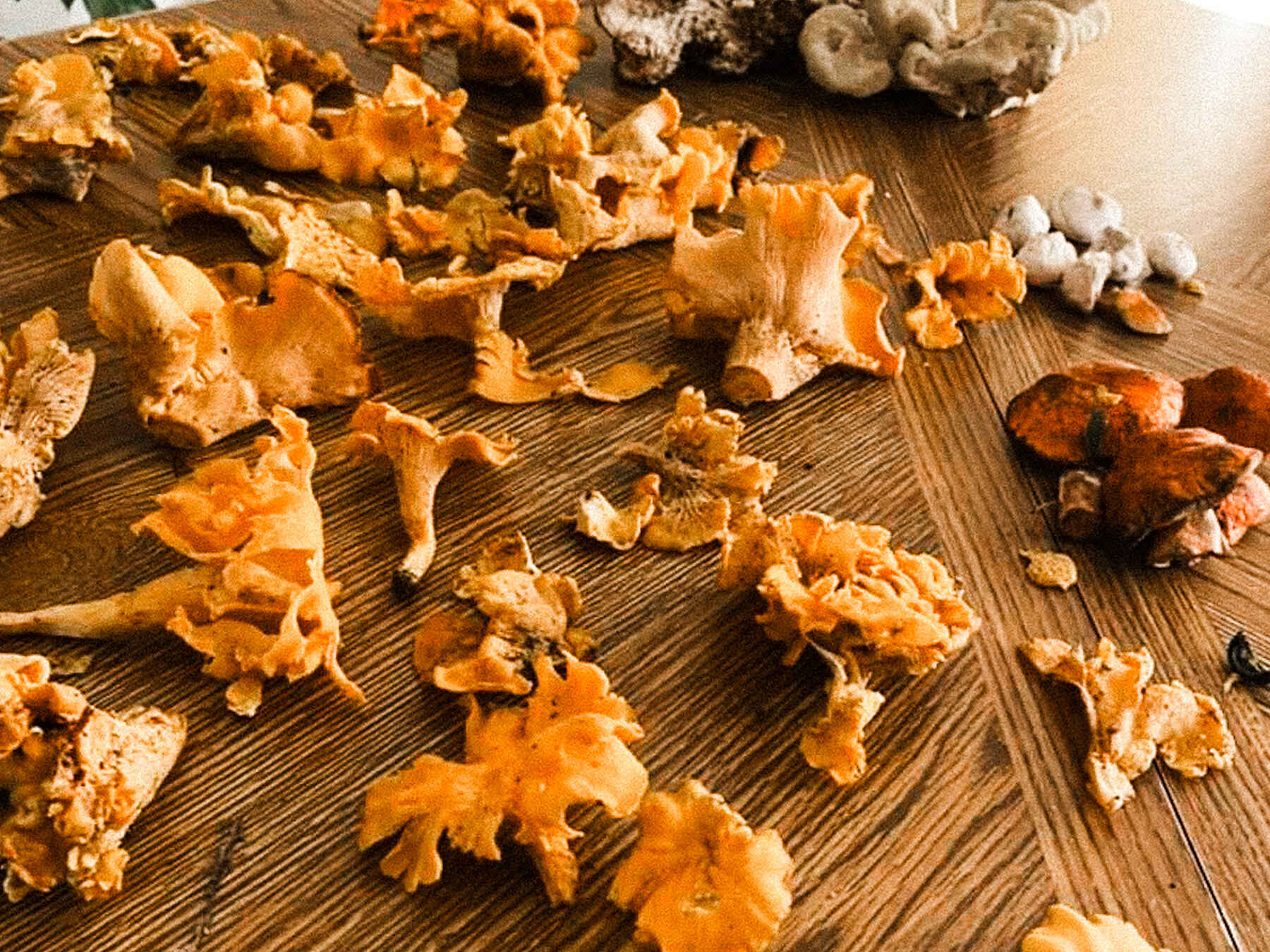
From a foraging perspective, many introduced plants are edible, medicinal, and abundant, which creates opportunities for sustainable harvesting and takes the pressure off native plants that are endangered, sacred, or over-harvested.
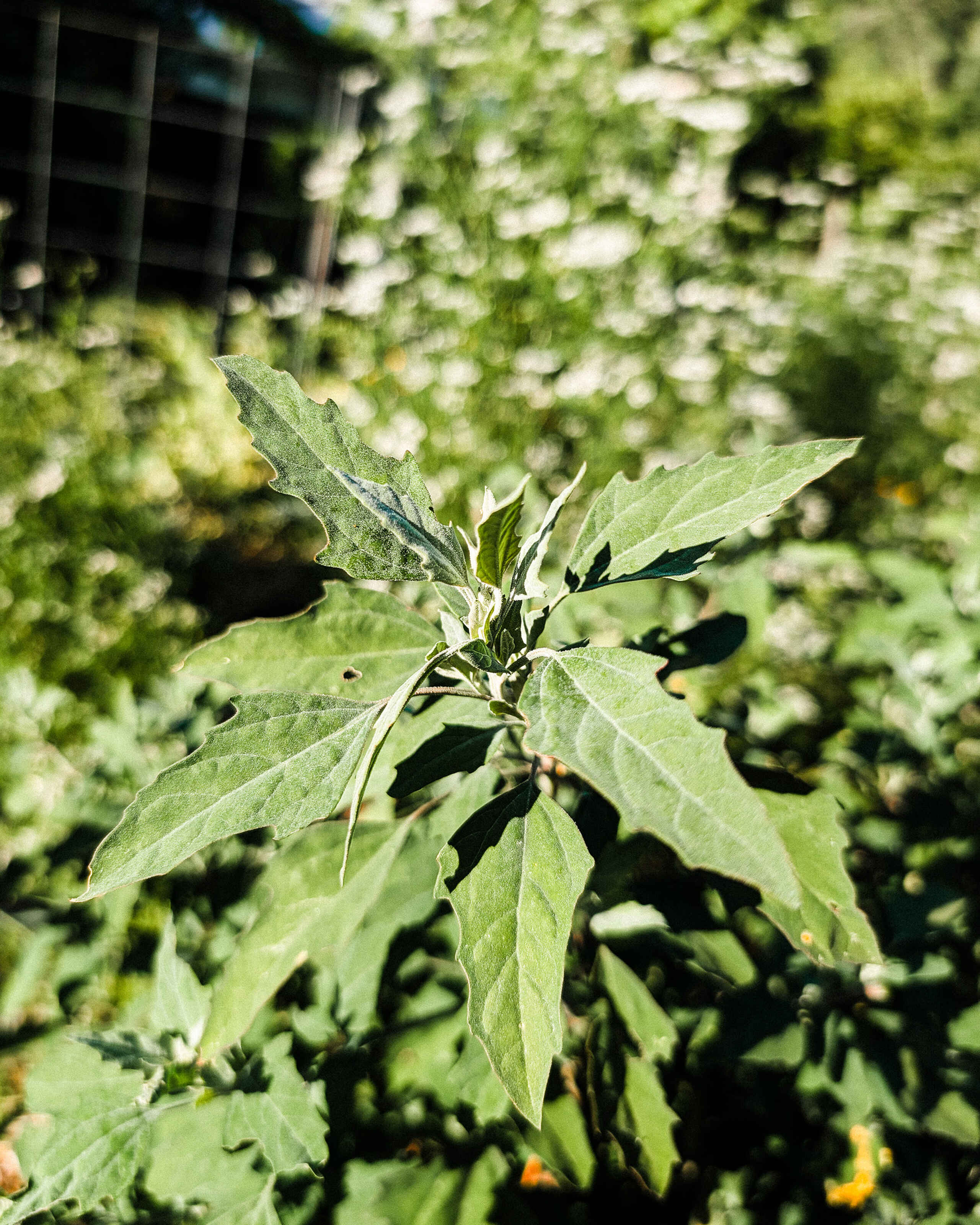
I prefer words that describe how plants propagate themselves, such as “dispersive,” and “spreading” or “
rhizomatic
Flashcard
Rhizomatic
Rhizomatic describes a way of growing or connecting that spreads in many directions, like a rhizome beneath the soil. A rhizome is a plant stem that sends out roots and new shoots along its length. The word can also describe networks of people, ideas, or living things that grow through many connections rather than from one central point.
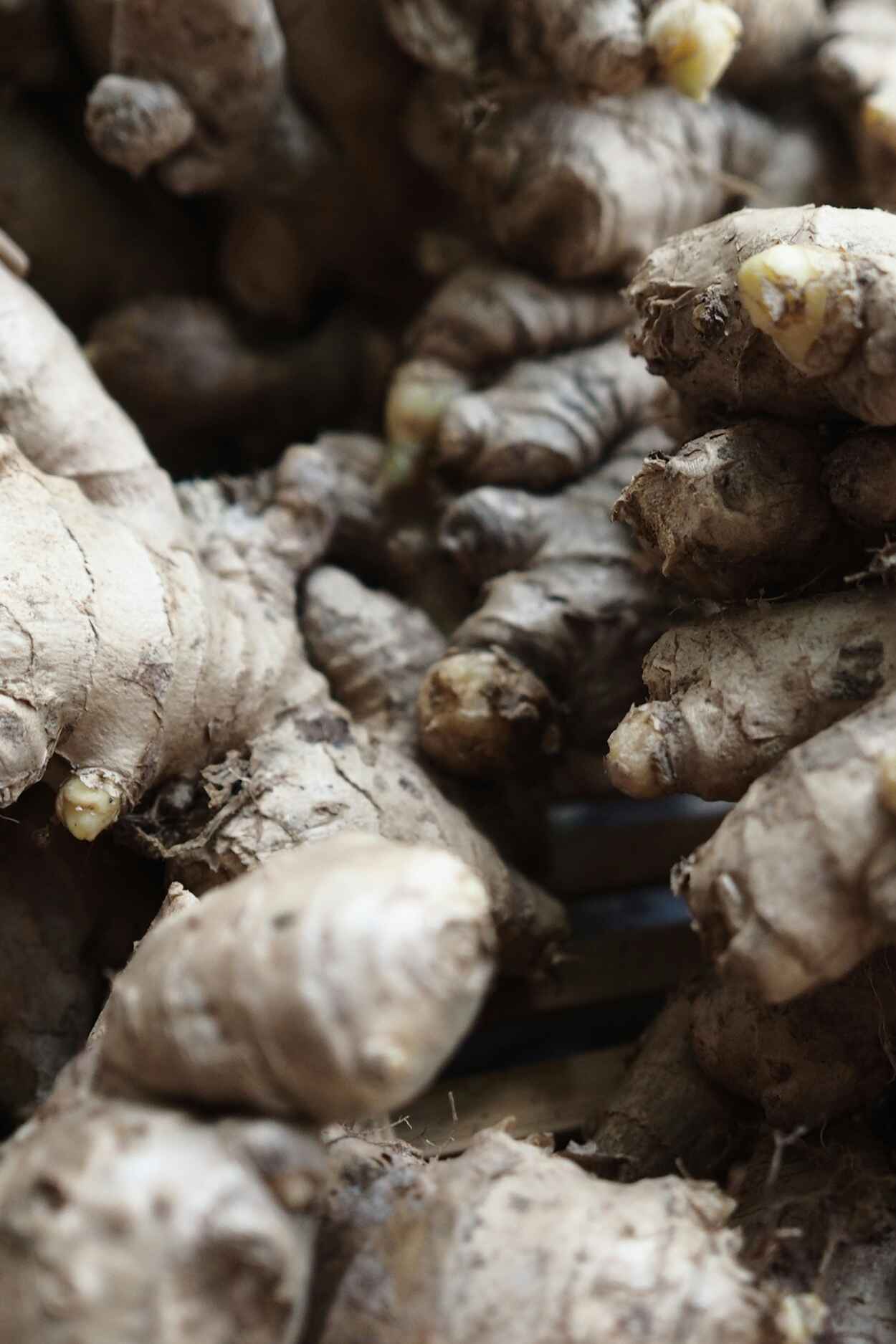
These terms describe how plants move through a landscape, whether through seeds distributed by animals, wind, or water, or through root systems spreading underground. Perhaps there are better terms than the ones I have proposed, but our current paradigm is rife with misconception and needs to be re-envisioned.
Ultimately, I want us to think more holistically and move away from the linear, reductionistic rationale that causes us to make harmful, short-sighted decisions.
The ways we think and speak are powerful and impact the way we behave. We need discourse that reflects the complexity and nuance that is inherent in these issues.
If We Harvest From the Land, We Have to Give Back
As foragers, it is our job to make sure we are mindfully and respectfully harvesting what nature has done the hard work of growing.
Part of our responsibility is to give back to the ecosystems that support us. We do this by practicing the ‘honorable harvest’ and being mindful of how much we take.
Prioritizing harvesting things that are plentiful and leaving endangered and over-harvested species is key to this.
Foraging also asks us to cultivate humility and gratitude. Humans are a small part of the vibrant web of life and consciousness on Earth. Our intelligence is Nature’s intelligence.
All of life is sacred and interconnected, and it’s past time we realize and embody this reality.
Reciprocity and relationship are the heart of this work.
We can give back by:
Propagating native plants
Supporting Native people
Participating in mutual aid
Starting a community garden
Helping a neighbor
Planting a tree
Protesting injustice
Or simply spending more time getting to know the places that sustain us.
All of these small acts add up and contribute to a more beautiful and harmonious world for everyone.
What the Forest Can Teach Us About Regenerative Agriculture
In mature ecosystems, plants, fungi, and animals perform functions that support their own survival, while providing ecological services that benefit other elements in the system.
In fact, there are many cases where humans have played a critical role in ecosystem symbiosis.
Some of the most productive ecosystems on
Turtle Island
Flashcard
Turtle Island
Turtle Island is the original Indigenous name that First Nation peoples use for North America. It draws on creation stories in which land forms on a turtle’s back; these stories differ among Nations. Today, the name also speaks to an enduring relationship with the land and the responsibility to care for it.
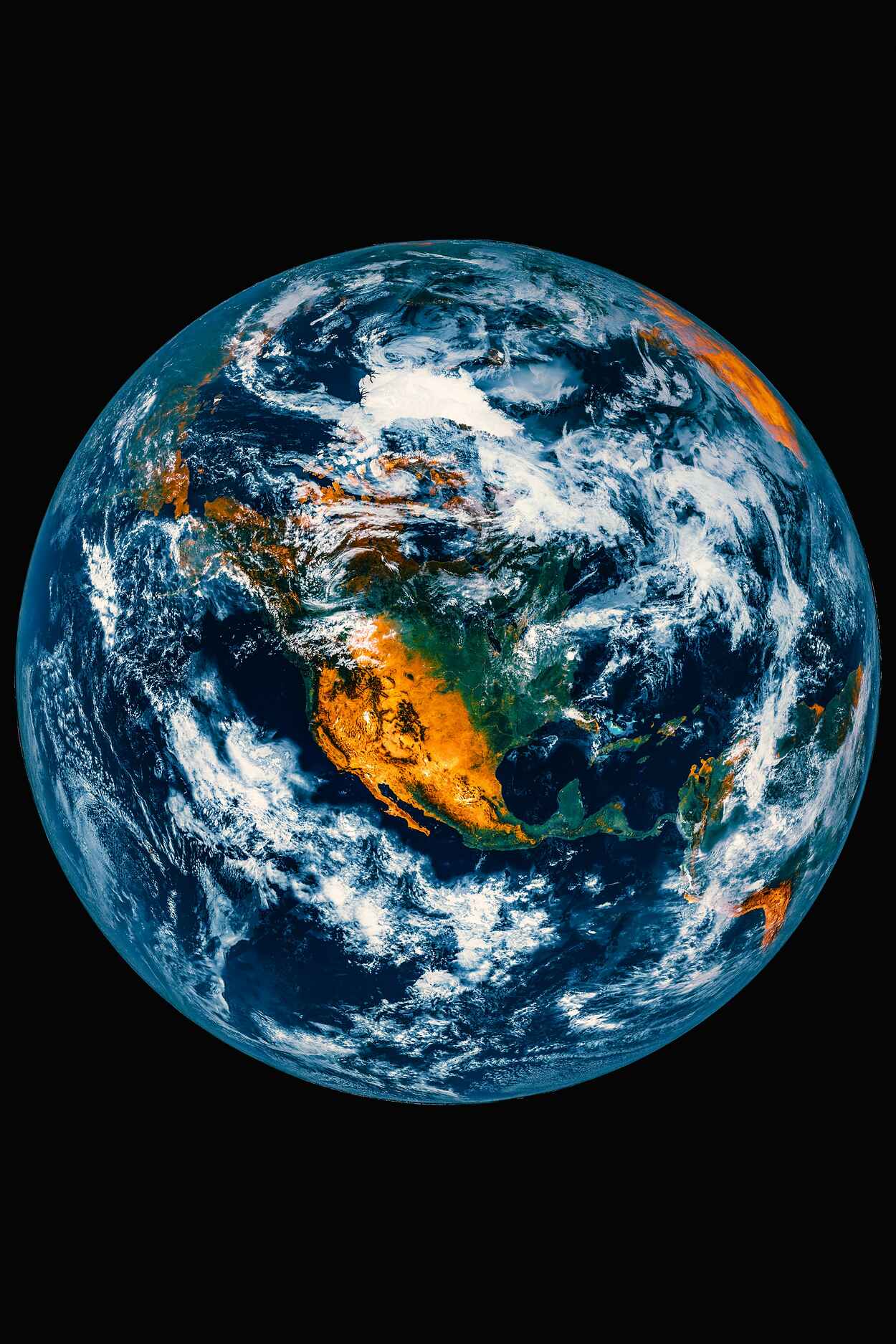
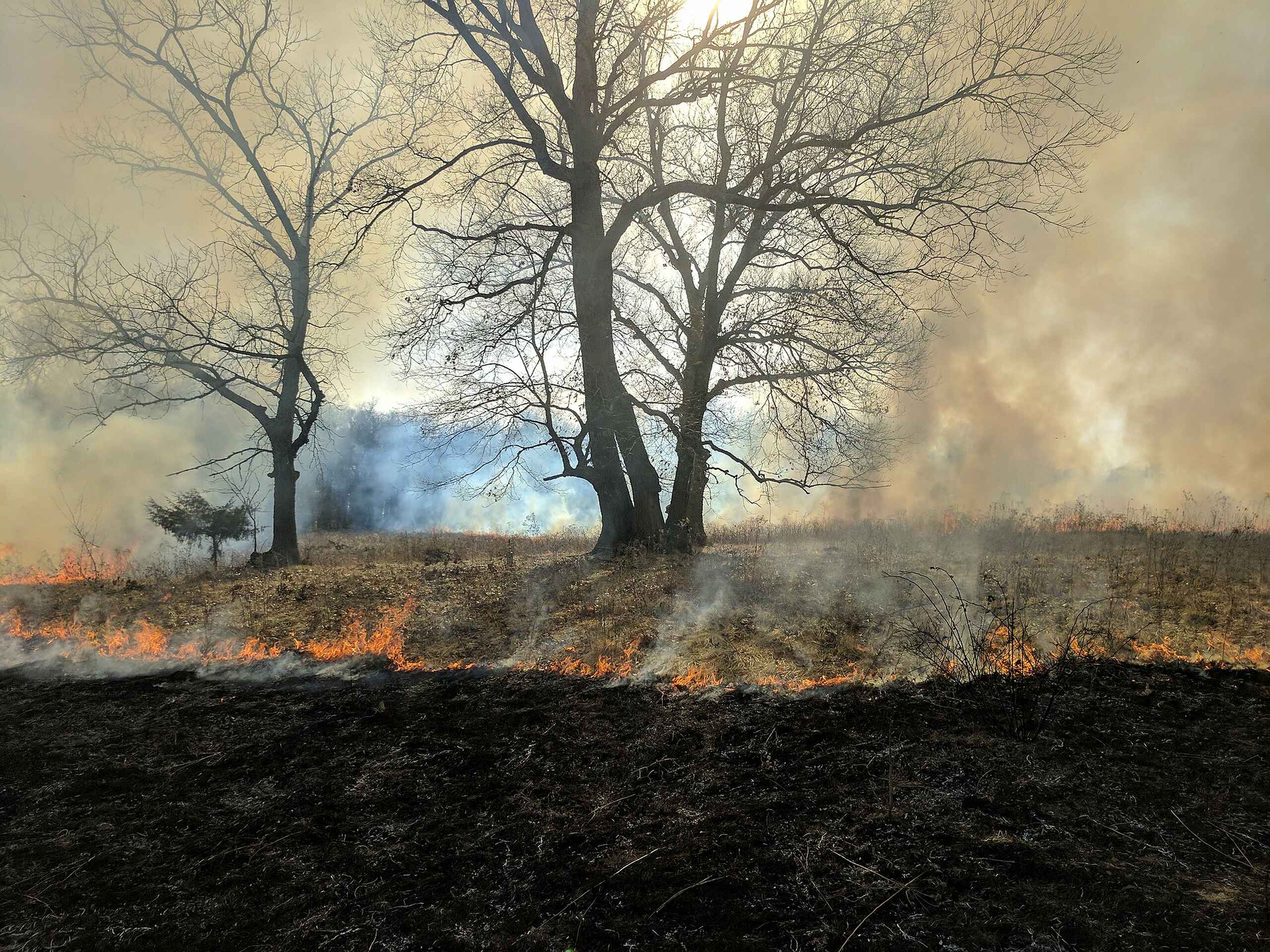
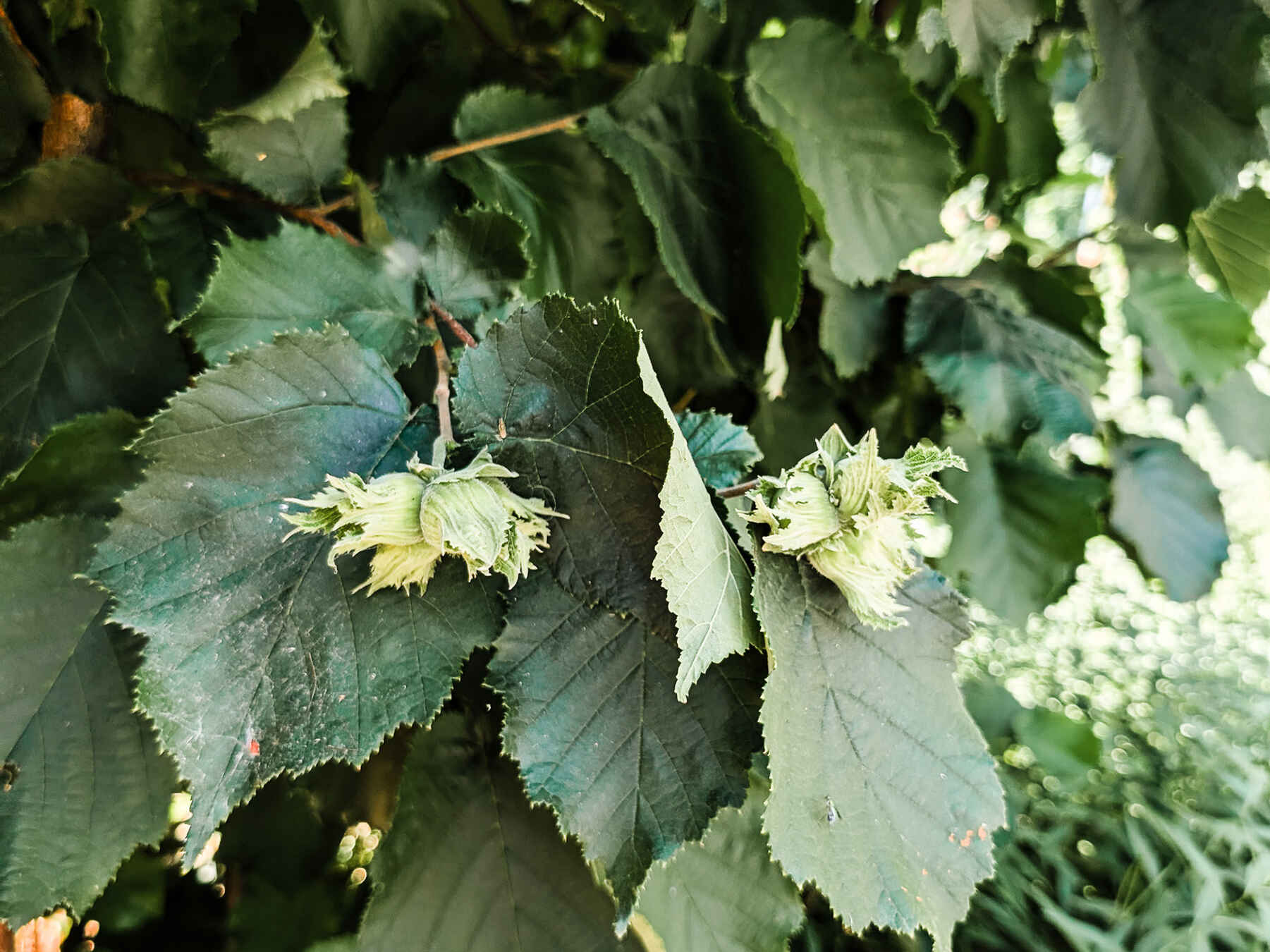
These techniques bolstered ecosystem health and drastically increased productivity of staple food crops, like acorns, hazelnuts, plums and others, which benefitted both humans and wildlife and attracted animals for hunting.
Agriculture can learn from these symbiotic relationships.
There are many farming approaches that aim to mimic this, including agroecology, agroforestry, syntropic farming, analog forestry, silvopasture, and permaculture.
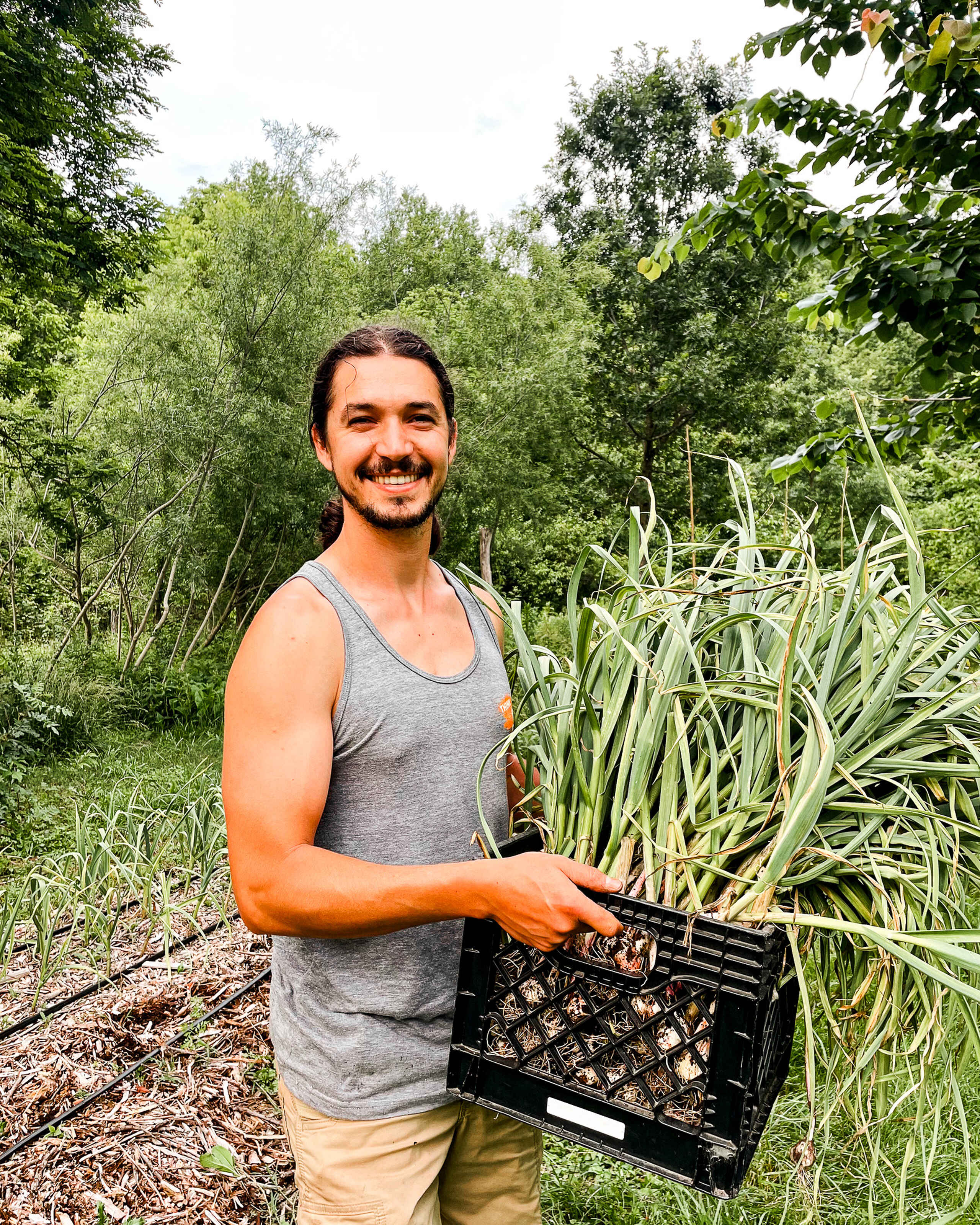
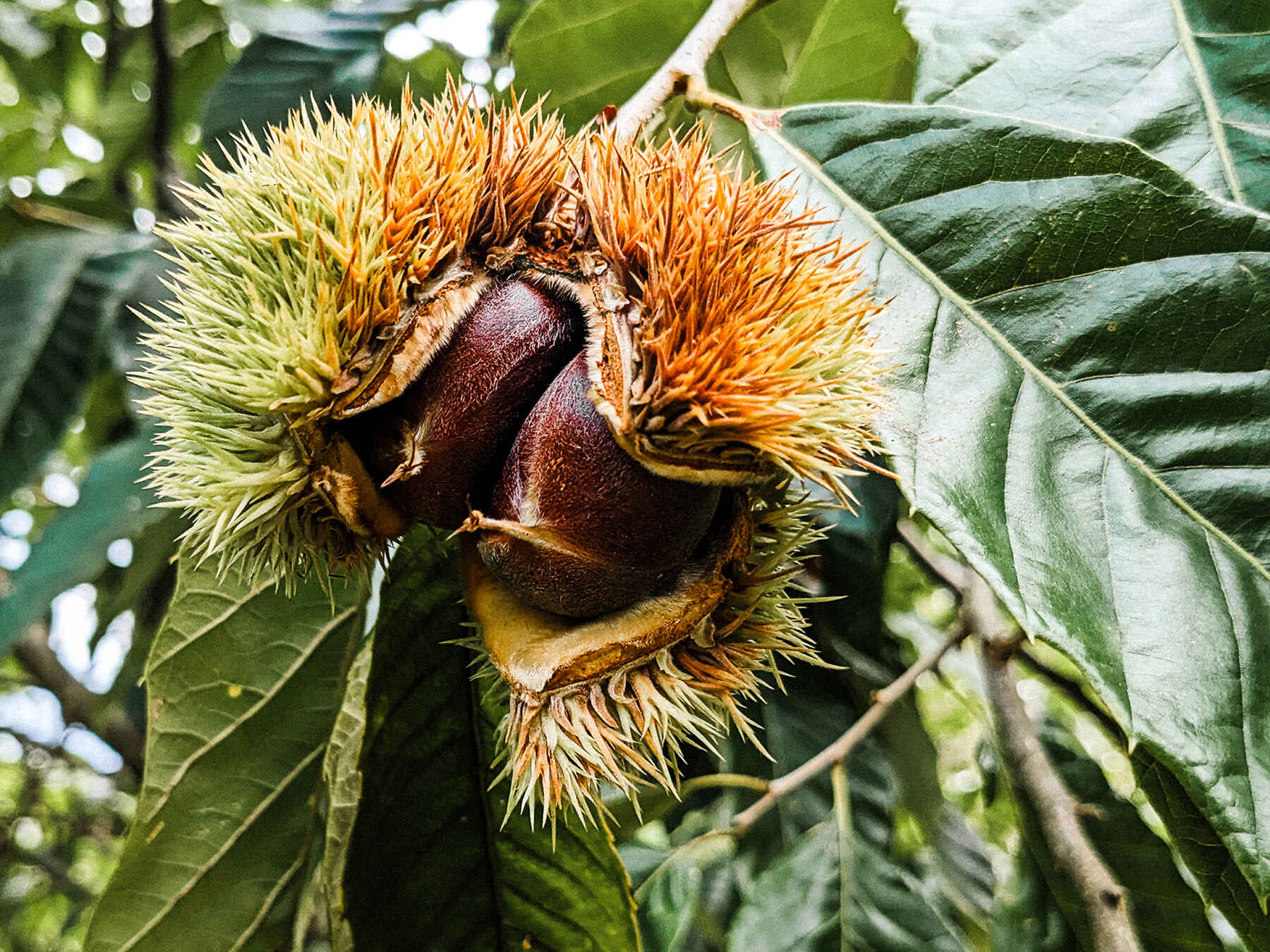
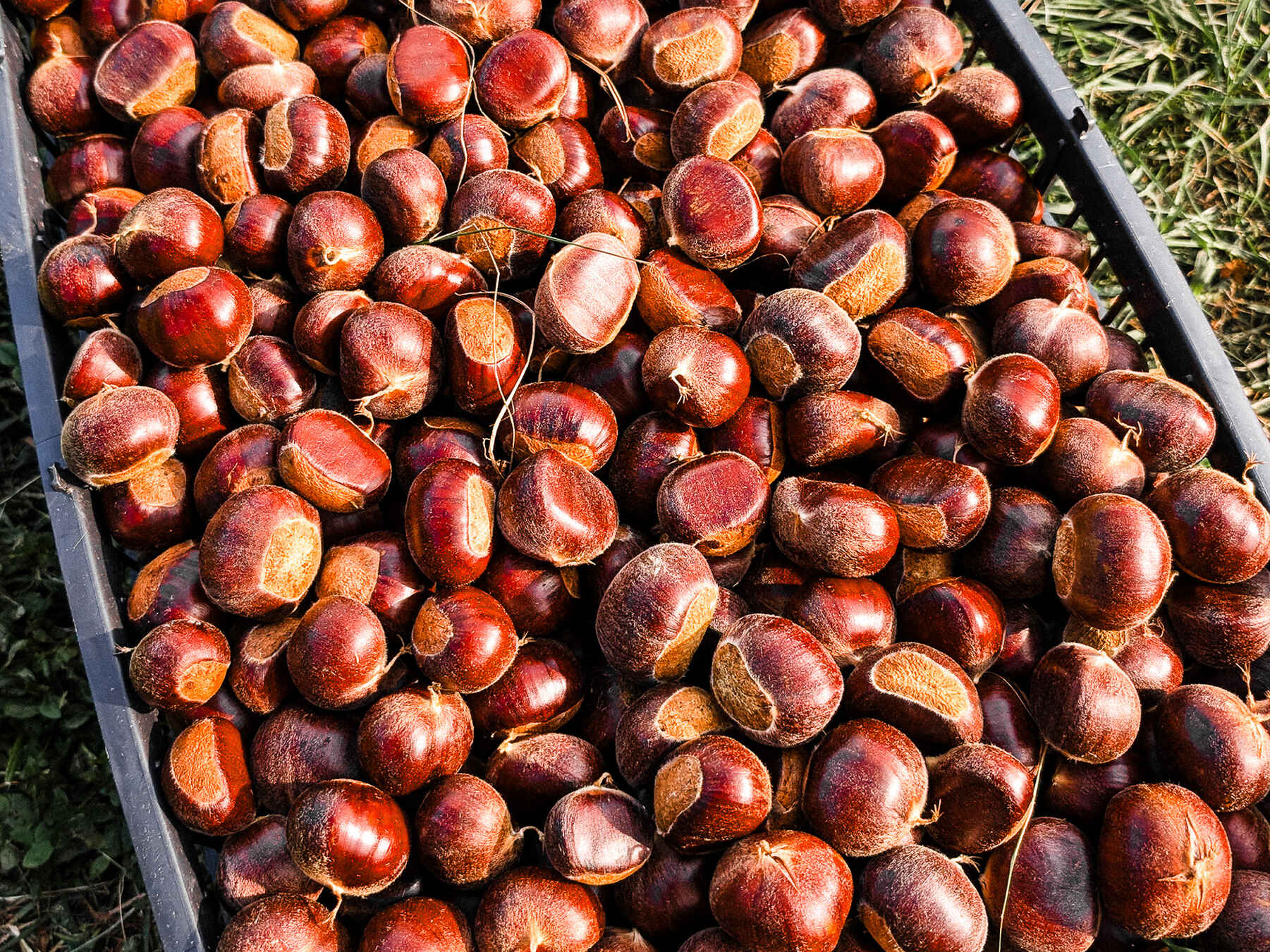
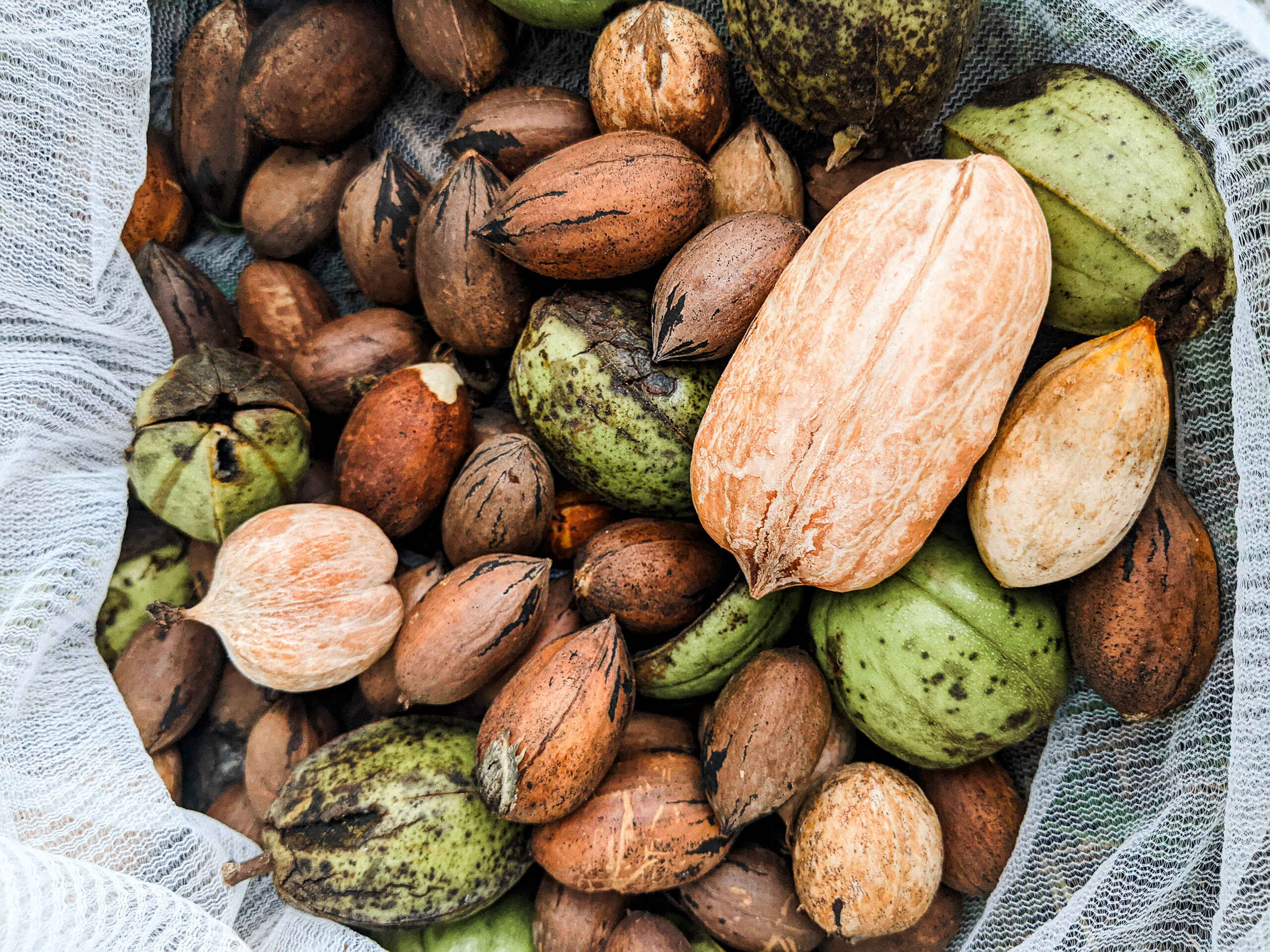
At Forested, the forest farm I co-manage in Bowie, MD, we grow hundreds of types of fruit and nut trees, herbs, vegetables, and other species, designing our landscapes to mimic patterns observed in the temperate forest ecosystems of this region.
We maximize biodiversity to boost ecosystem health and minimize inputs and irrigation.
Globally, our food systems need to adapt to increasing climatic, economic, and political variability and uncertainty.
A forest, ocean, or meadow is resilient because of the complex web of relationships that sustain its health and integrity, and we can organize our communities, farms, and movements to reflect these patterns as well.
Alongside regenerative agriculture, foraging can play an important role in creating resilience, while also providing a powerful source of supplemental nutrition, but we need to protect and regenerate ecosystems around the world in order to continue to safely and sustainably forage.
Wild foods are often highly nutritious, and healthy ecosystems can provide incredible abundance.
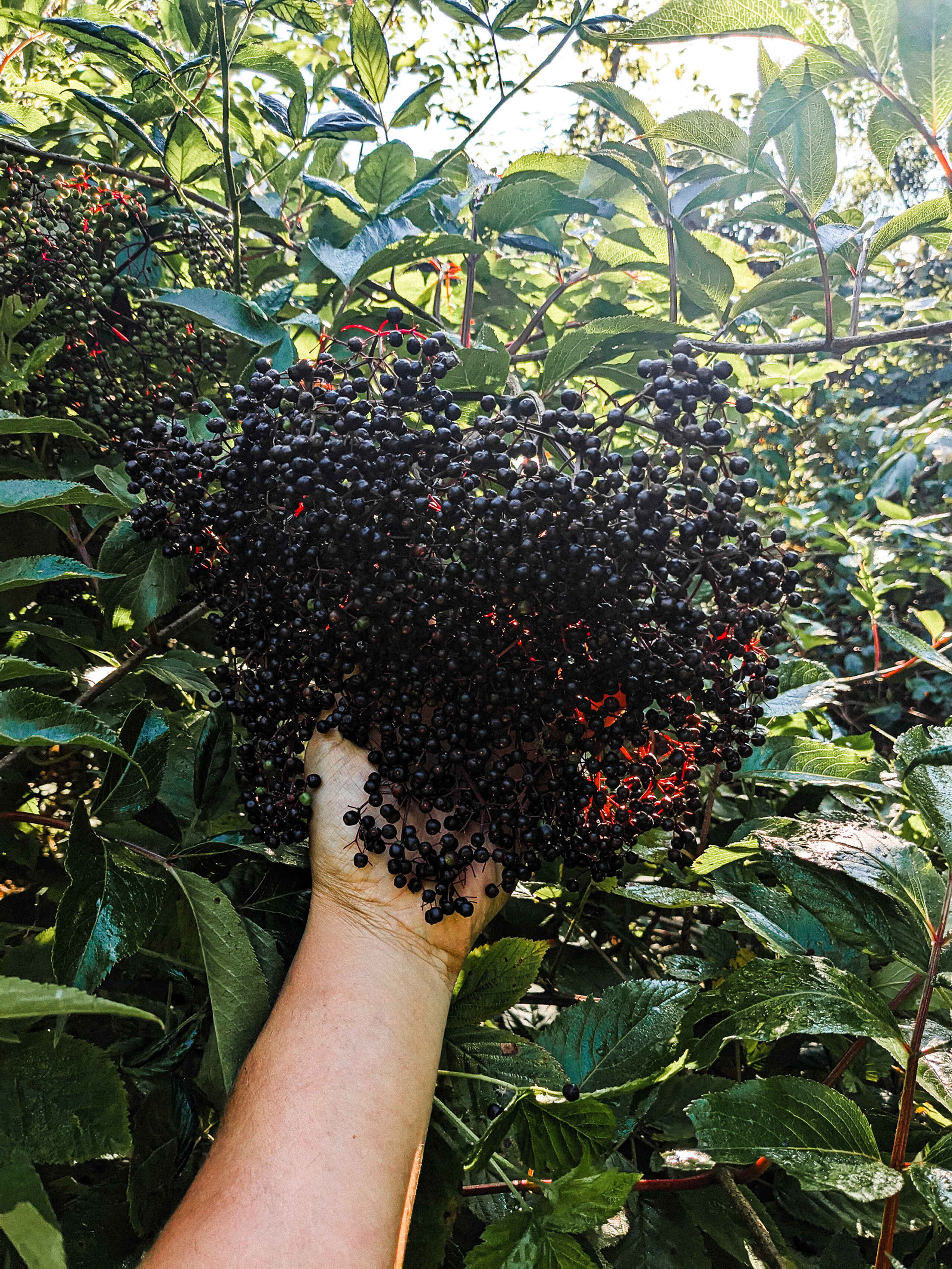
Many wild foods that become ‘trendy’ or develop a reputation for powerful medicinal properties have been overharvested, and some populations have been almost completely depleted. We can remedy this by cultivating high-value foragable foods such as American ginseng, goldenseal, ramps, black cohosh, and others in forest understories, helping meet demand while protecting wild populations from excessive harvesting.
What If We Learned This as Children?
Children often demonstrate a natural curiosity and openness to the world around them, and that curiosity is very important to maintain into adulthood.
If we were taught from a young age that we are interconnected with the Earth and each other, and exposed to practices like foraging and gardening from an early age, we'd spend less of our lives trying to rediscover those relationships.
If we grew up eating fresh, local, homegrown foods, understanding where our food comes from, and learning how the ecosystems around us nourish and sustain us, we could build systems that reflect that awareness.
We could structure our societies to be in service to life.
What Does It Mean to Live in Service to Life?
I see a resurgence of people who long to feel more connected to the natural world around them.
There is a collective recognition that our current business-as-usual approach is destroying the planet, and people all over the world are responding by pursuing ways of co-existing more harmoniously with each other and the Earth.
There is a birth of a new way of being human taking place that represents a sort of amorphous synthesis of ancient and modern.
More people are becoming interested in regenerative farming, gardening, local food, mindfulness, community living, multigenerational relationships, equity, justice, sovereignty, and upholding the sacredness of life.
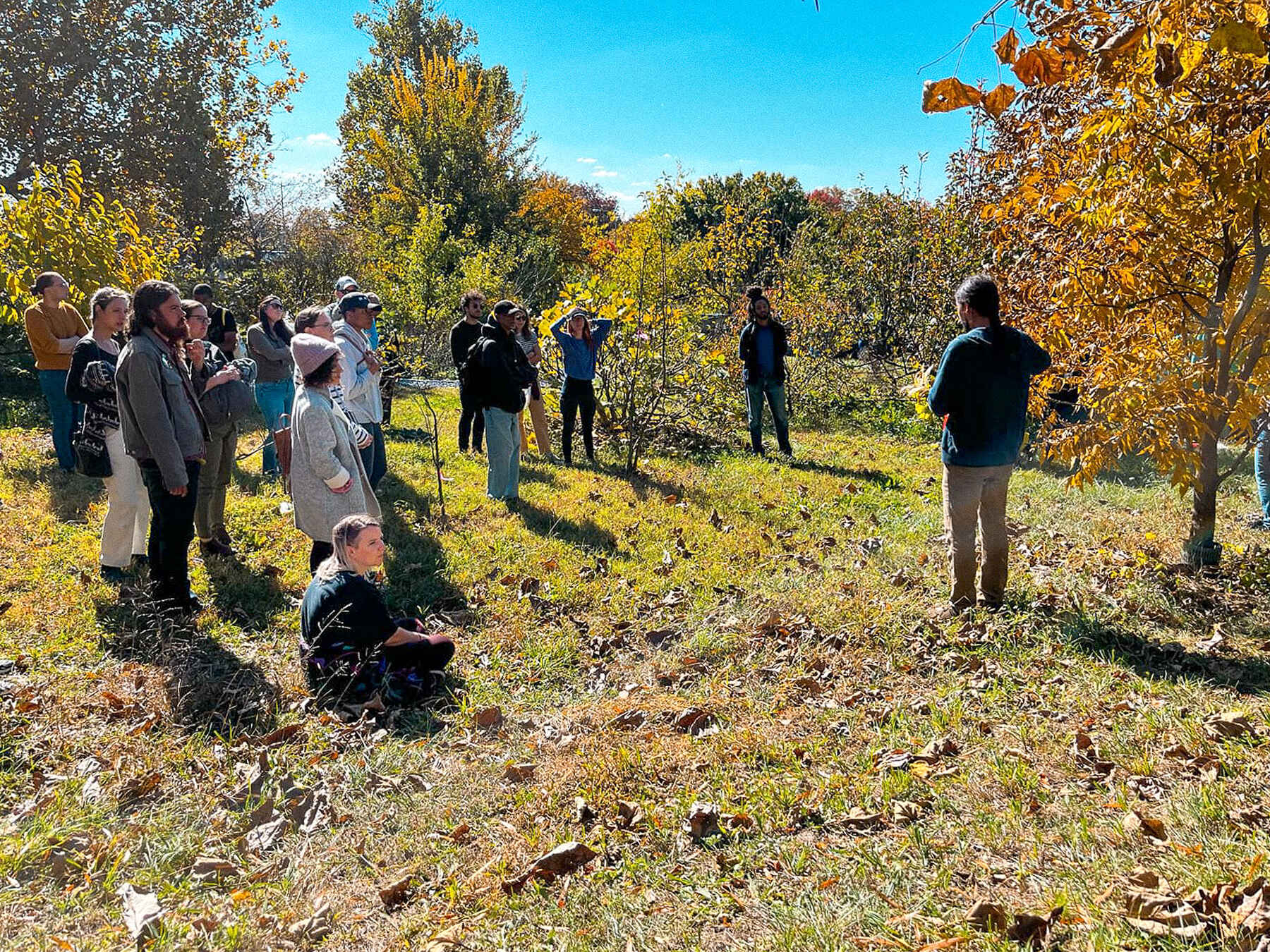
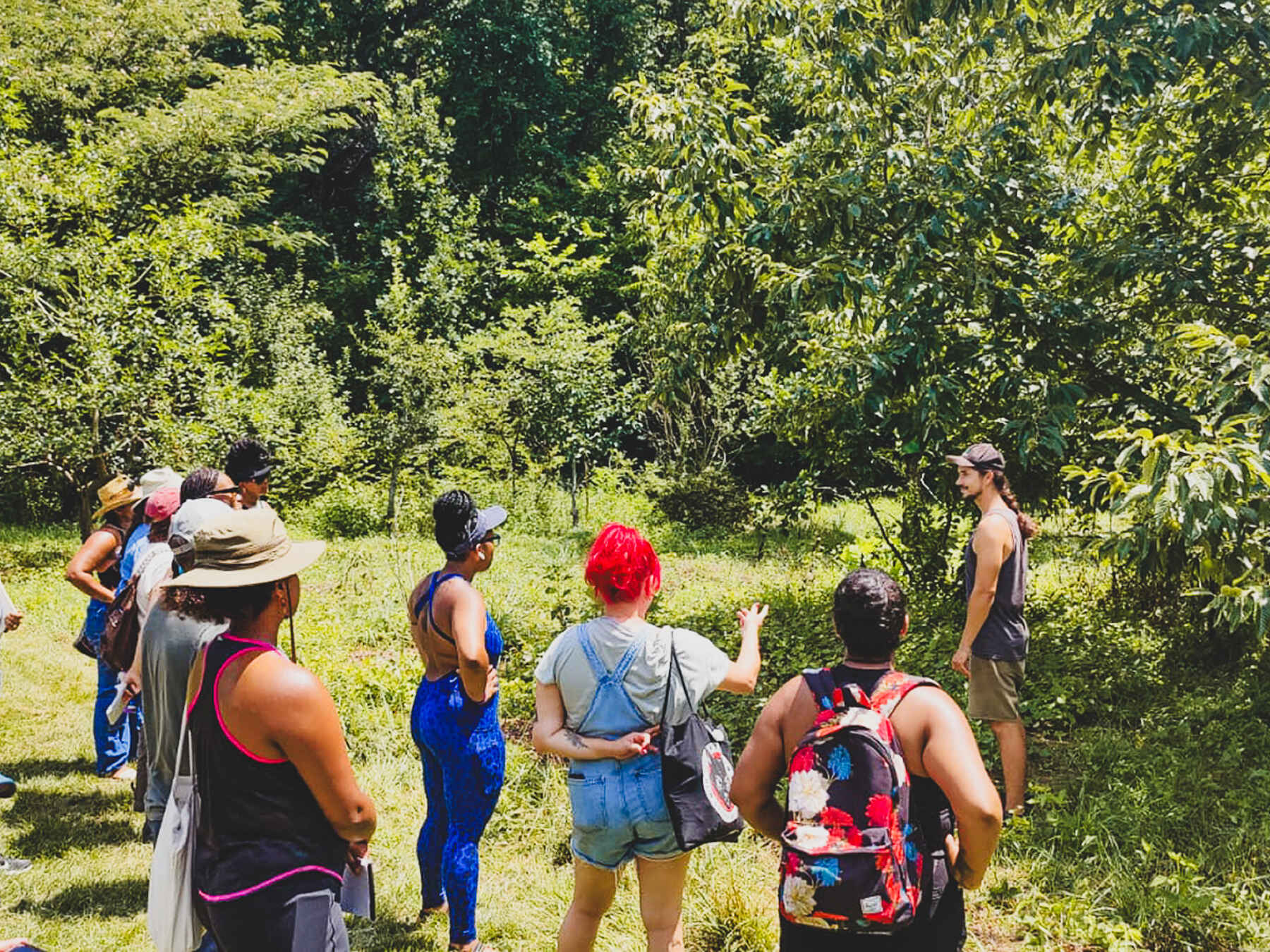
People from cultures around the world have been stewards of nature since time immemorial. We can all create more life and beauty on this planet because it’s an innate part of being human.
Growing, foraging, and sharing food may seem like a trivial pursuit, but actually, it connects us to what matters most, and imbues our lives with purpose and fulfillment. Perhaps that is the simplest invitation within my work.
We are all interconnected through an invisible web of consequence and relationality.
When we cause harm to a person or an ecosystem in one part of the world, there is a ripple effect that reaches out and touches other people and ecosystems in both seen and unseen ways.
The same thing happens when we create healing.
Foraging has taught me to slow down, pay attention to small details, recognize patterns, and closely observe what is growing around me.
If you read this story and step outside differently tomorrow, I hope you notice the simple things:
the sensation of a gentle breeze across your skin,
the songs of the birds,
the fresh air enlivening your body,
and the feeling of peace and presence that comes with slowing down and connecting to the living world around you.
To learn more about Bodhi's work, visit:
Nature's Love & Wisdom
Bodhi's Instagram
Bodhi's Facebook
A Beginners Guide to Ethical Foraging - Downloadable Resource Coming Soon
Más Historias
Apoya nuestro trabajo
Mantente conectado
Recibirás nuestro boletín mensual Field Notes, actualizaciones de proyectos y recursos gratuitos, además de acceso prioritario a nuevas historias.

Haz una donación
Tu donativo deducible de impuestos impulsa las historias que transforman la cultura, la organización que convierte la conciencia en acción colectiva y las relaciones que hacen posible el cambio sistémico a largo plazo.