Meet A Farmer: Dr. Michael Kotutwa Johnson
For over 3,000 years, Hopi farmers have grown food in the desert. Dr. Michael Kotutwa Johnson shares the faith, stewardship, and knowledge that has sustained 250 generations.
Briar Rose is an indigenous storyteller and the Director of Storytelling at Farmer’s Footprint, where she leads narrative across film, editorial, and creative production.
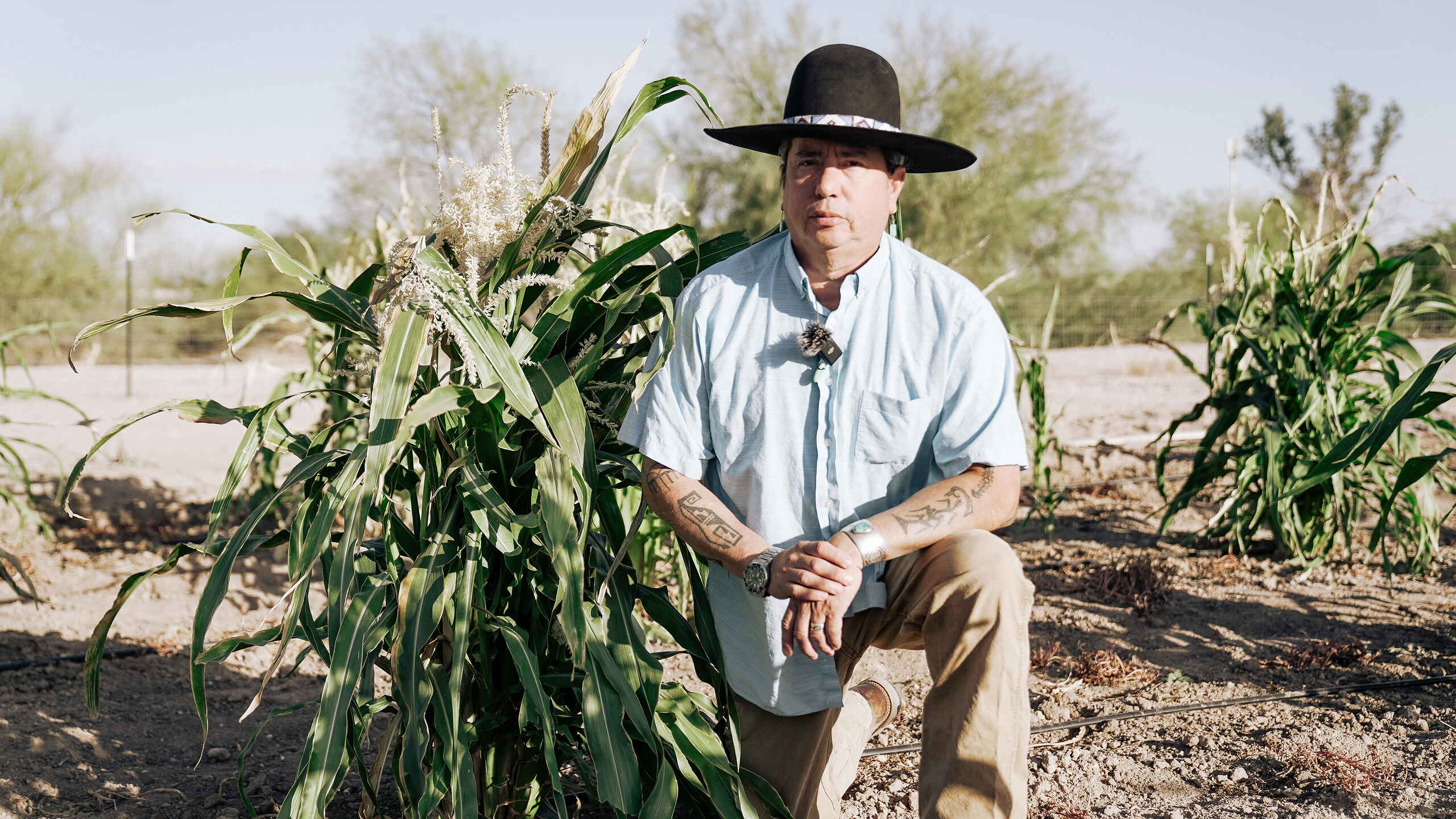
What 250 Generations of Hopi Dry Farming Can Teach Us
I got lost on my way to Hopitutskwa.
Many people know this place as the Hopi Indian Reservation. After arriving, I quickly learned that reservation is a colonial term imposed from the outside. The Hopi people call this place Hopitutskwa, and that is the name I will use.
I had crossed onto Hopi land only minutes before when my phone lost reception entirely. There was no signal in the desert, no GPS, and no way to contact Michael. After a few wrong turns, I found myself pulling into a small gas station somewhere between Second and Third Mesa, wondering how I was going to find a man I had never met in person.
In the lead up to my visit we had exchanged emails and spoken over video calls. I knew his work as a Hopi farmer and an Assistant Professor at the University of Arizona. What I didn't know was where exactly I was supposed to find him.
As I stood at the gas station looking out across the desert, I whispered a quiet prayer asking for a little guidance and within minutes, I heard the sound of a truck approaching.
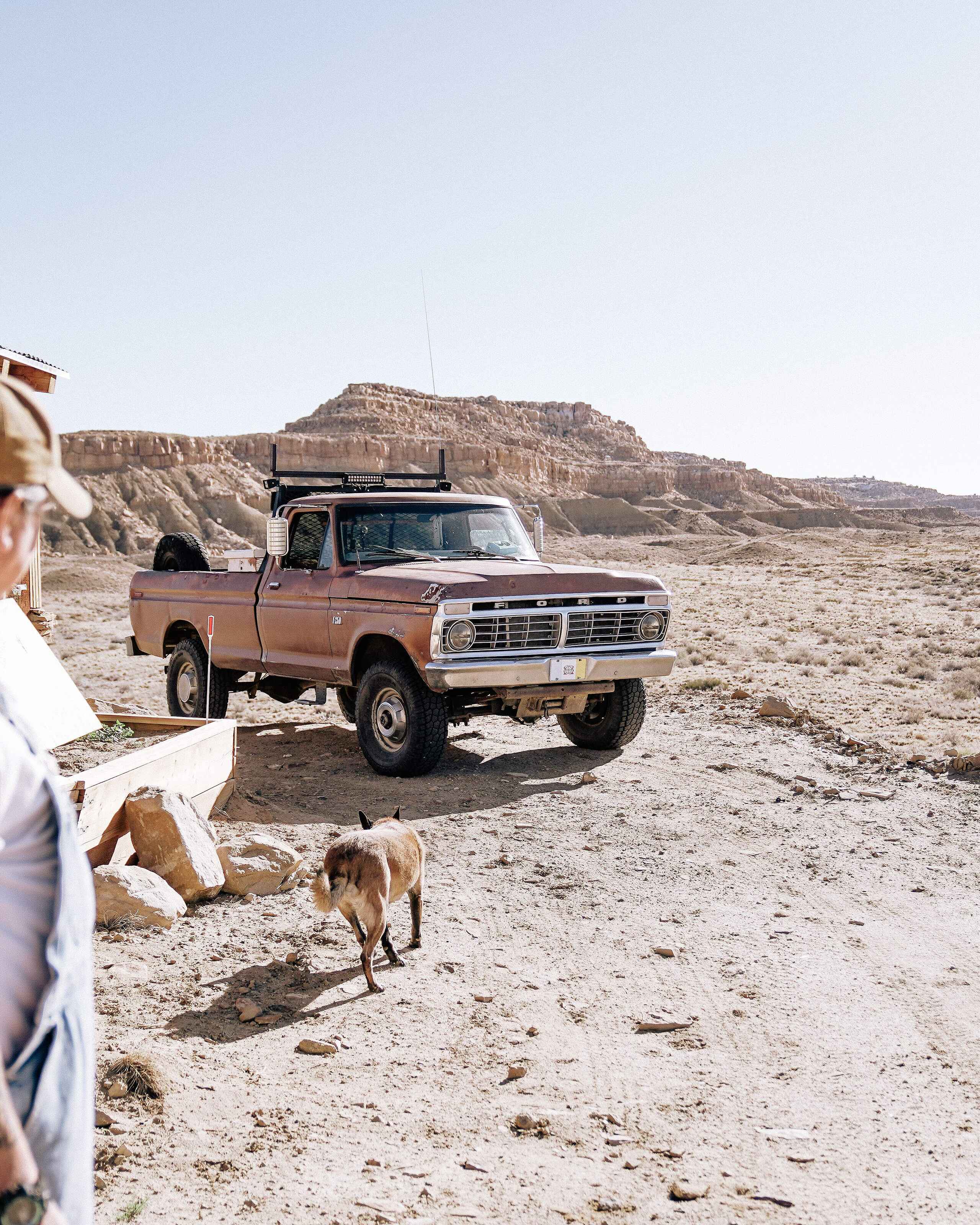
I looked up to see an old brown 1975 Ford F-250 rolling toward me with a dog hanging happily out the passenger window. Behind the wheel was Dr. Michael Kotutwa Johnson.
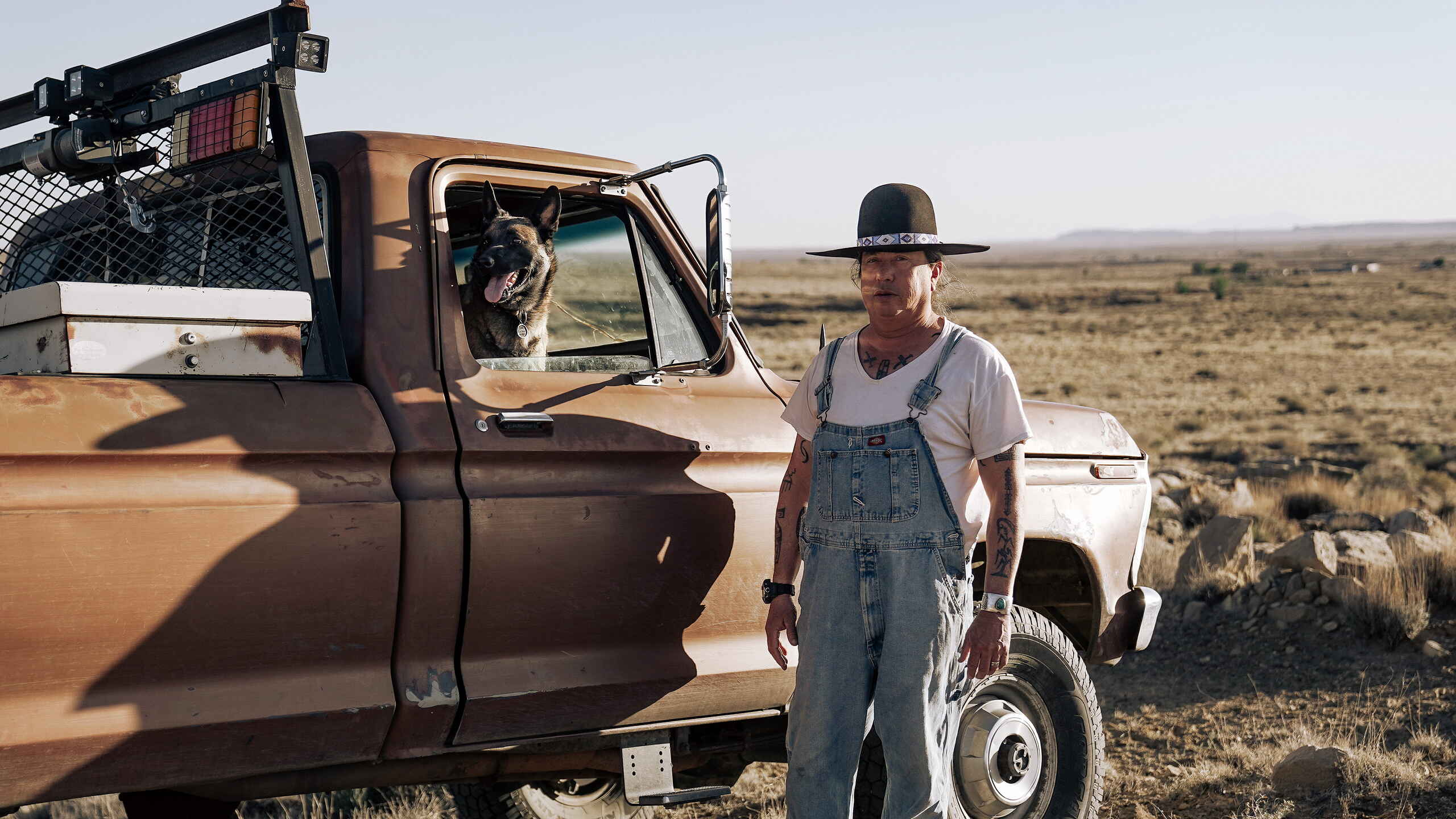
As an Indigenous storyteller, I've spent a lot of time sitting with Indigenous elders and communities around the world. Different lands, different languages, different histories, yet something familiar always emerges. It’s a feeling that is difficult to put into words.
I felt it immediately with Michael.
As I followed him in his truck, the road soon disappeared, giving way to a sandy track carved through the landscape, leading to his home on the hill.
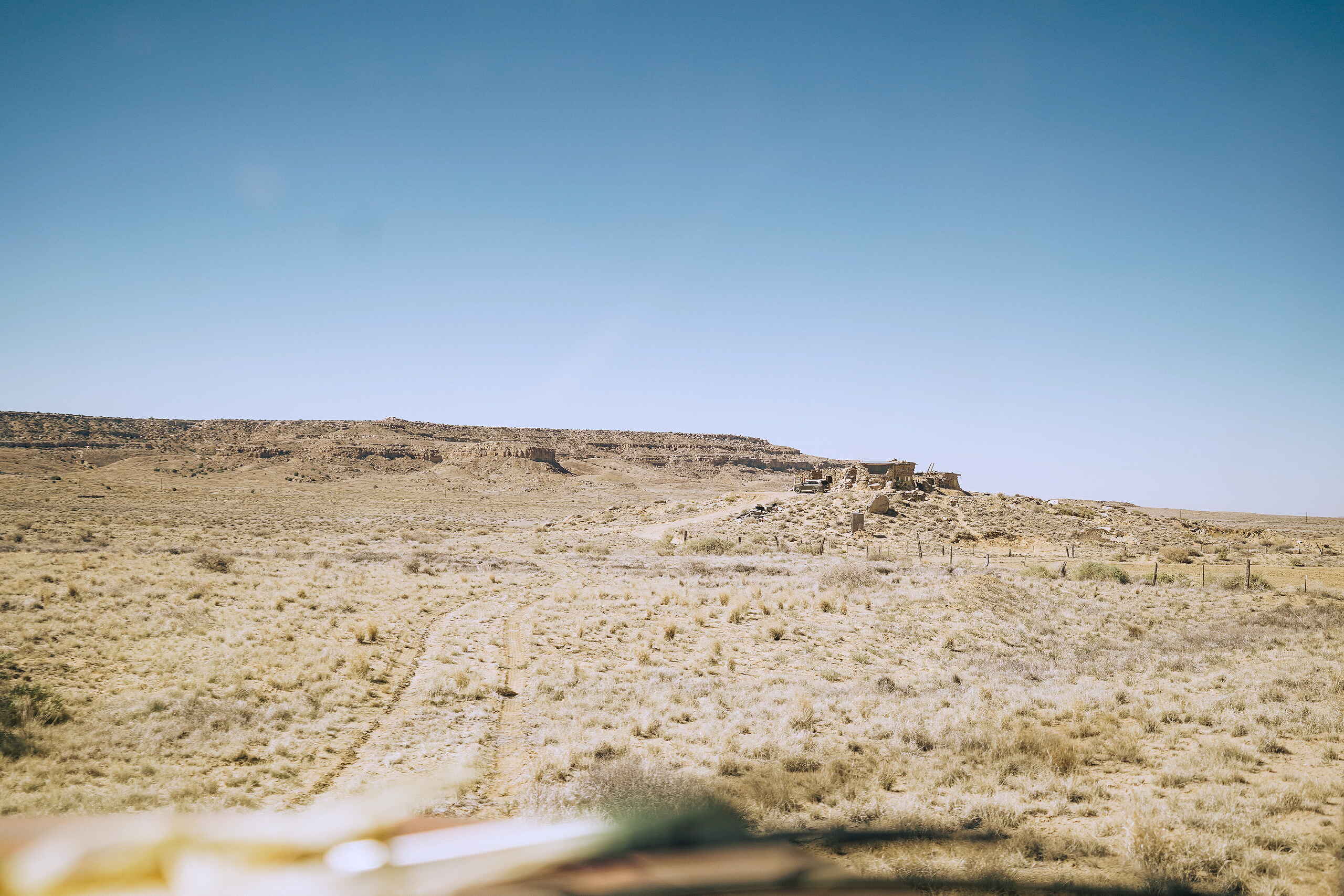
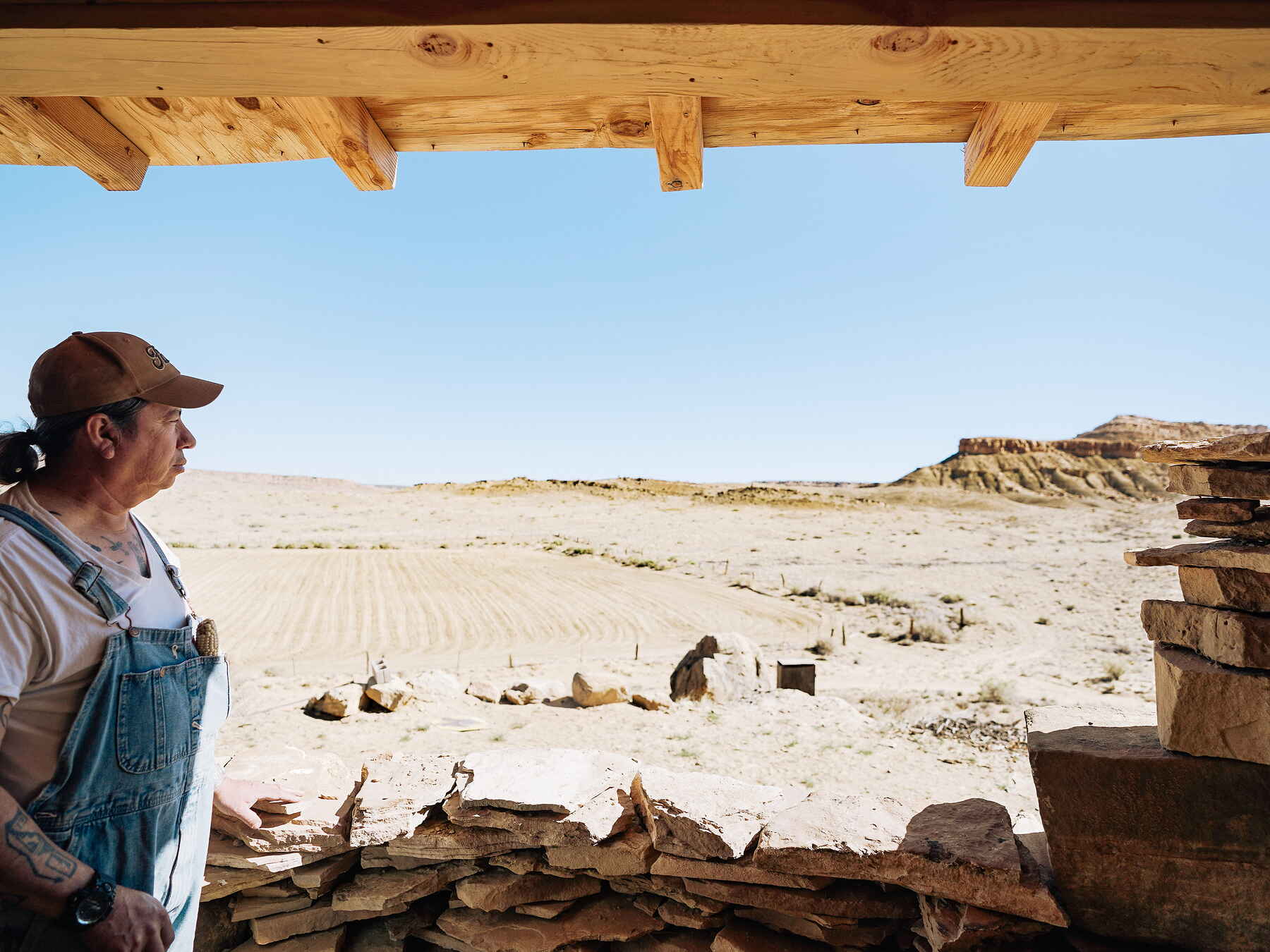
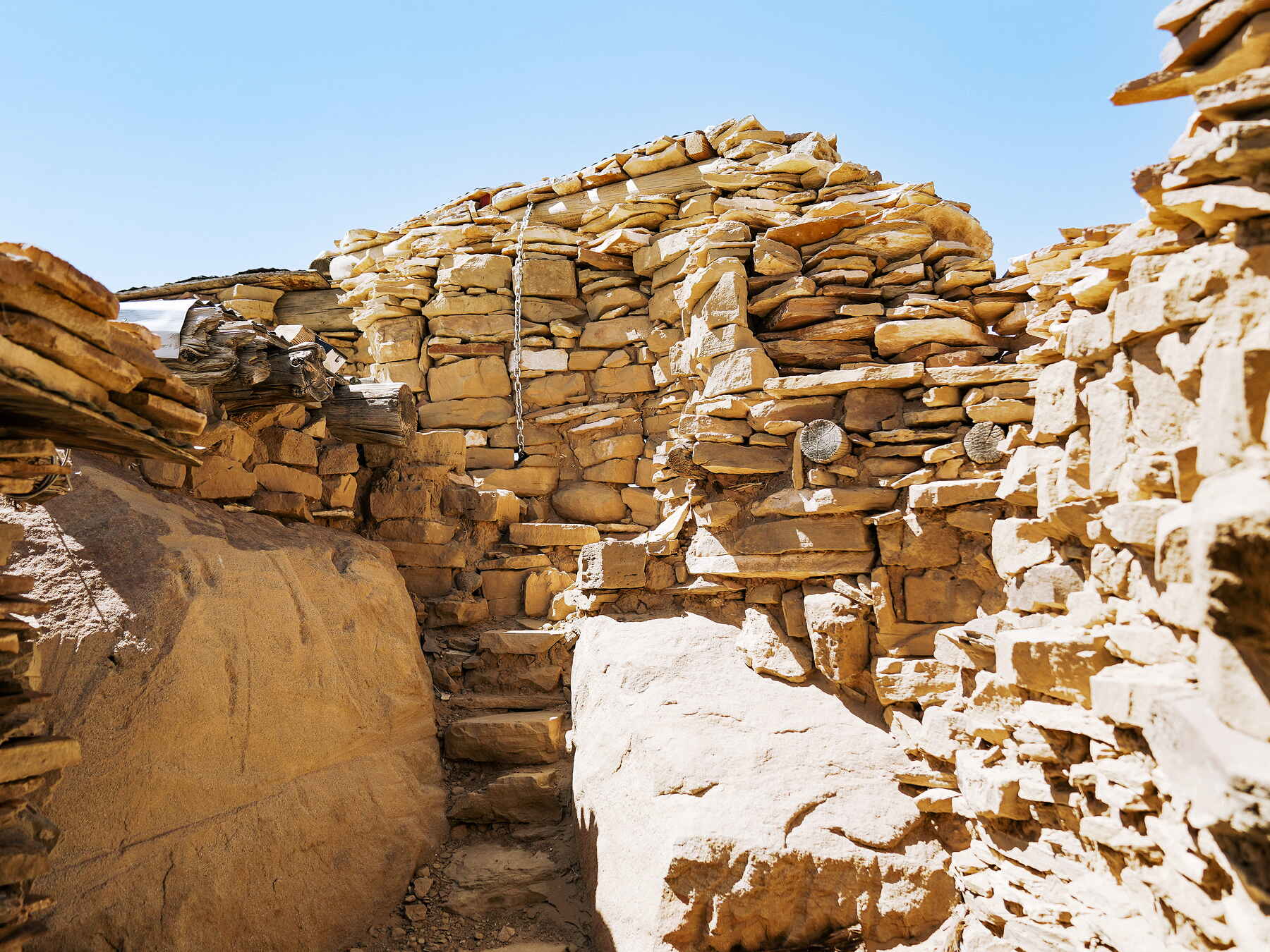
The first thing Michael showed me was his Hopi house, sitting proudly on a small hill overlooking the land below. Built from stacked stones gathered from the surrounding mesas, the house felt like an extension of the landscape itself. Resourceful, simple and yet deeply sophisticated, it stood as an expression of, as Michael calls it, “Indigenous ingenuity”. The house belonged there, shaped by generations of observation, adaptation, and understanding.
Standing on the balcony, I could see across the desert in every direction. The mesas rose from the landscape like ancient guardians, holding the land beneath them. Standing there in silence, looking across the fields below, I felt something I would return to throughout my time with Michael: the land knows these people, and these people know this land. That feeling only deepened as we began filming.
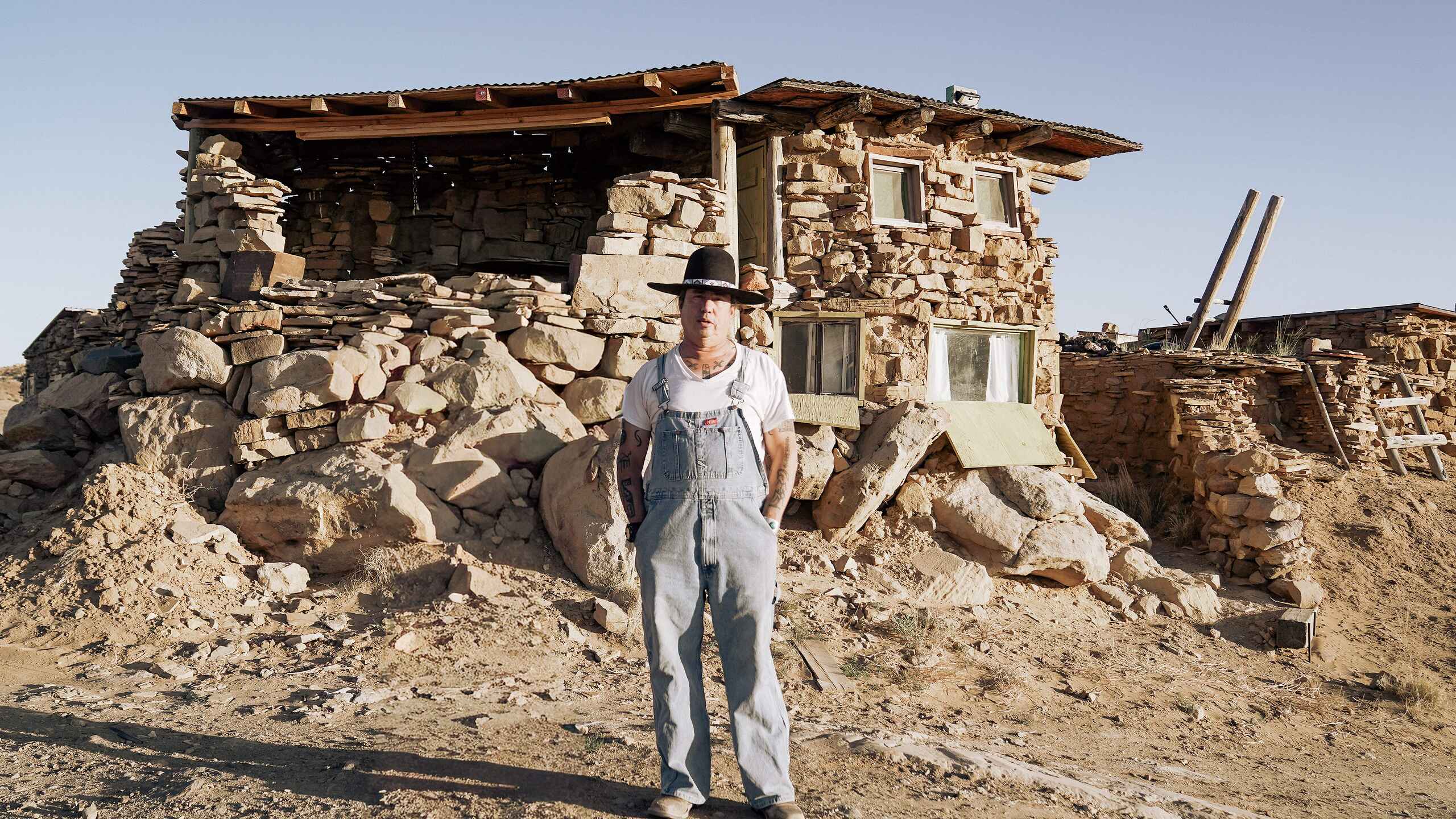
The first thing Michael showed me was his Hopi house, sitting proudly on a small hill overlooking the land below.
Like most interviews, I started with a simple question. "Can you introduce yourself and tell us where we are?” I checked the audio levels, locked the frame, pressed record, and Michael began speaking.
"My name is Michael Kotutwa Johnson, and I am a 250th-generation Hopi farmer."
I immediately stopped recording. "Wait," I said in disbelief, "Did you just say 250th generation?" He smiled a humble smile and nodded back to me.
I've interviewed farmers from all over the world. Third-generation farmers. Fifth-generation farmers. Even seventh-generation farmers. Yet 250 generations was a number my mind struggled to comprehend.
The Hopi people have lived, farmed, and adapted to these lands for more than 3,000 years as the original peoples of Hopitutskwa. Sitting there looking out across Michael's fields, I found myself returning to that number again and again.
Two hundred and fifty generations means something.
It means the system works. The seeds, the knowledge, the culture, and the relationship between people and place have endured across droughts, changing climates, colonization, and the countless challenges that come with time.
If a farming system lasts for 250 generations, it has demonstrated something most modern agricultural systems never will: endurance.
It was then that I realized I wasn't simply interviewing a farmer. I was sitting with the living continuation of one of the longest-running agricultural traditions on Earth.
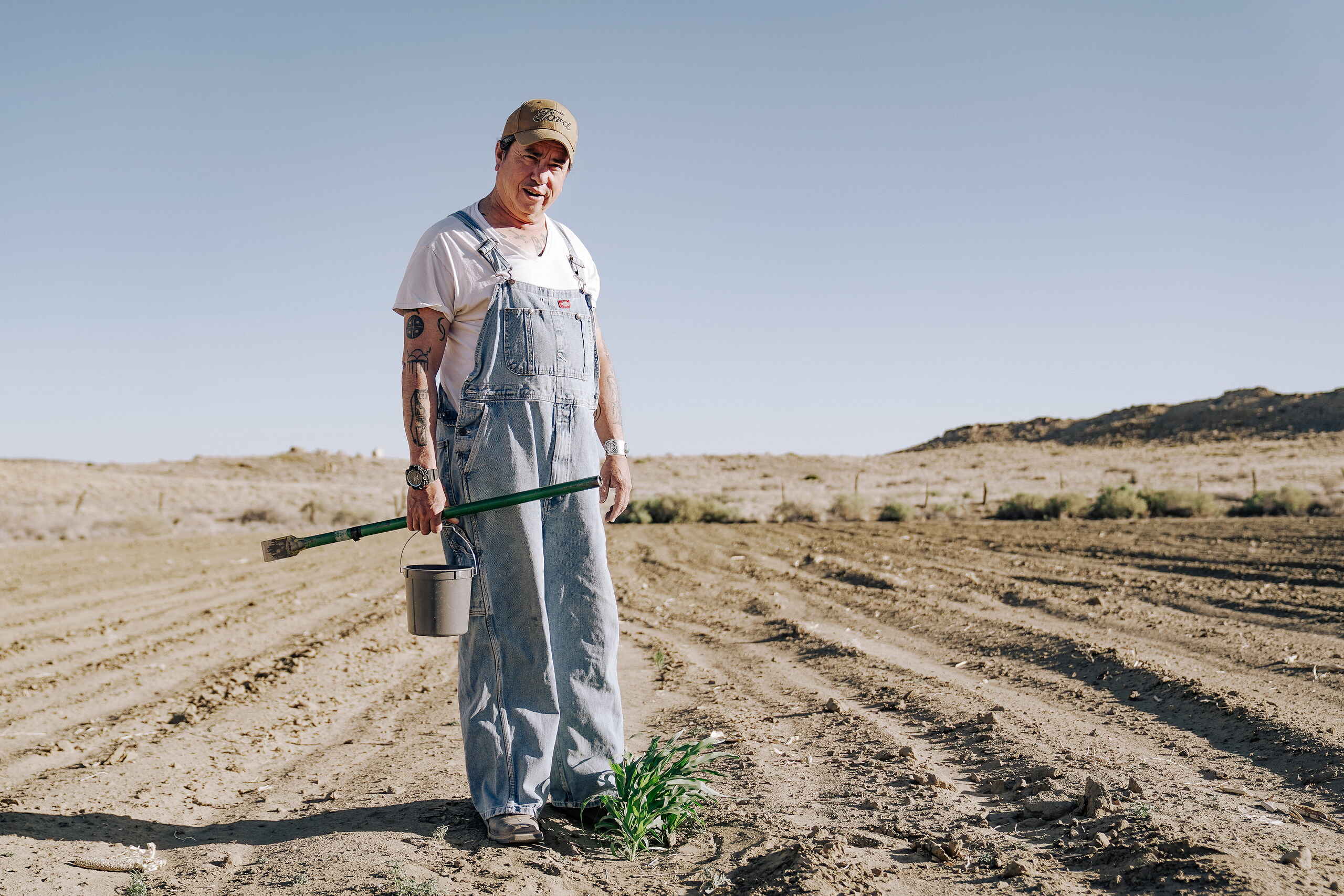
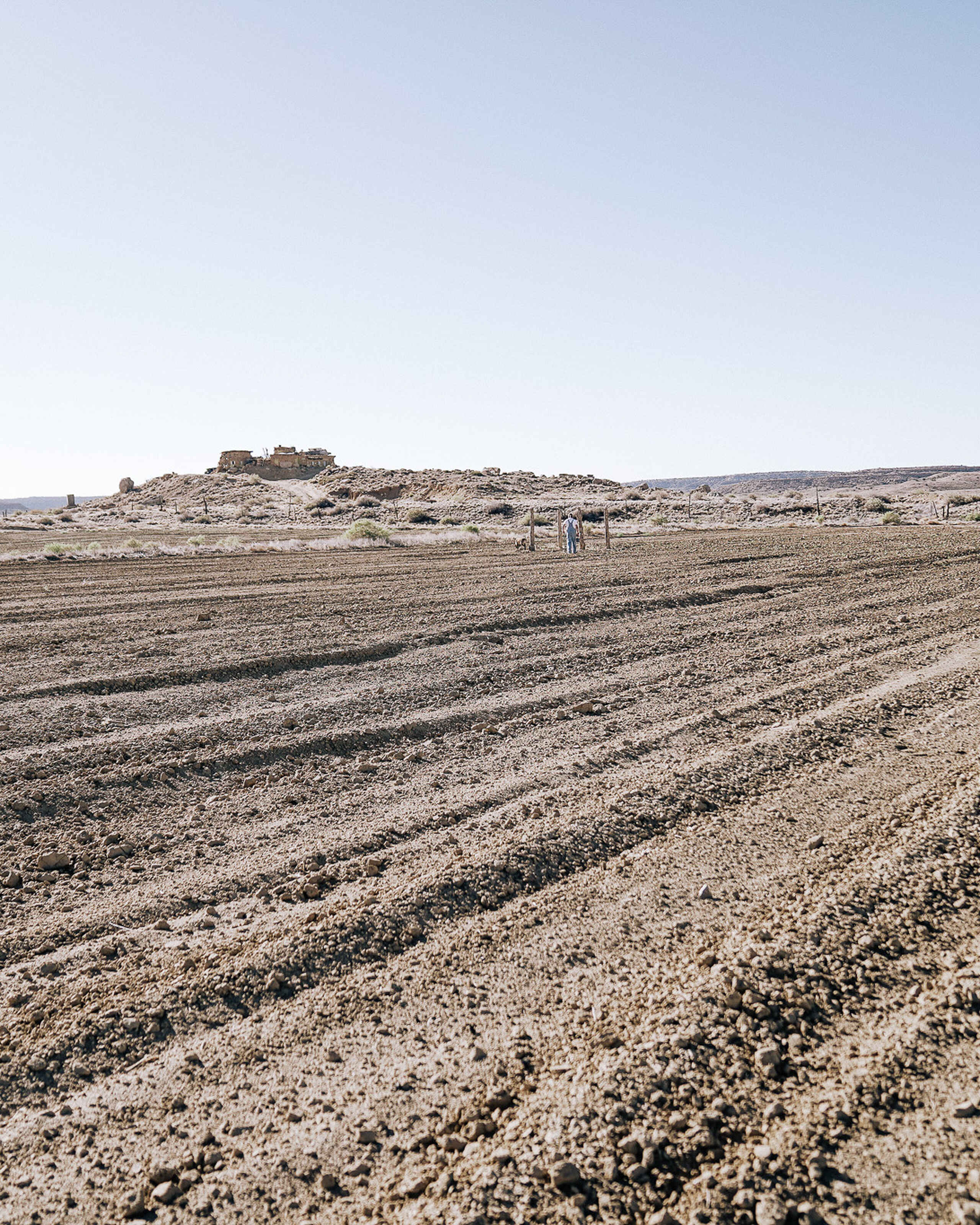
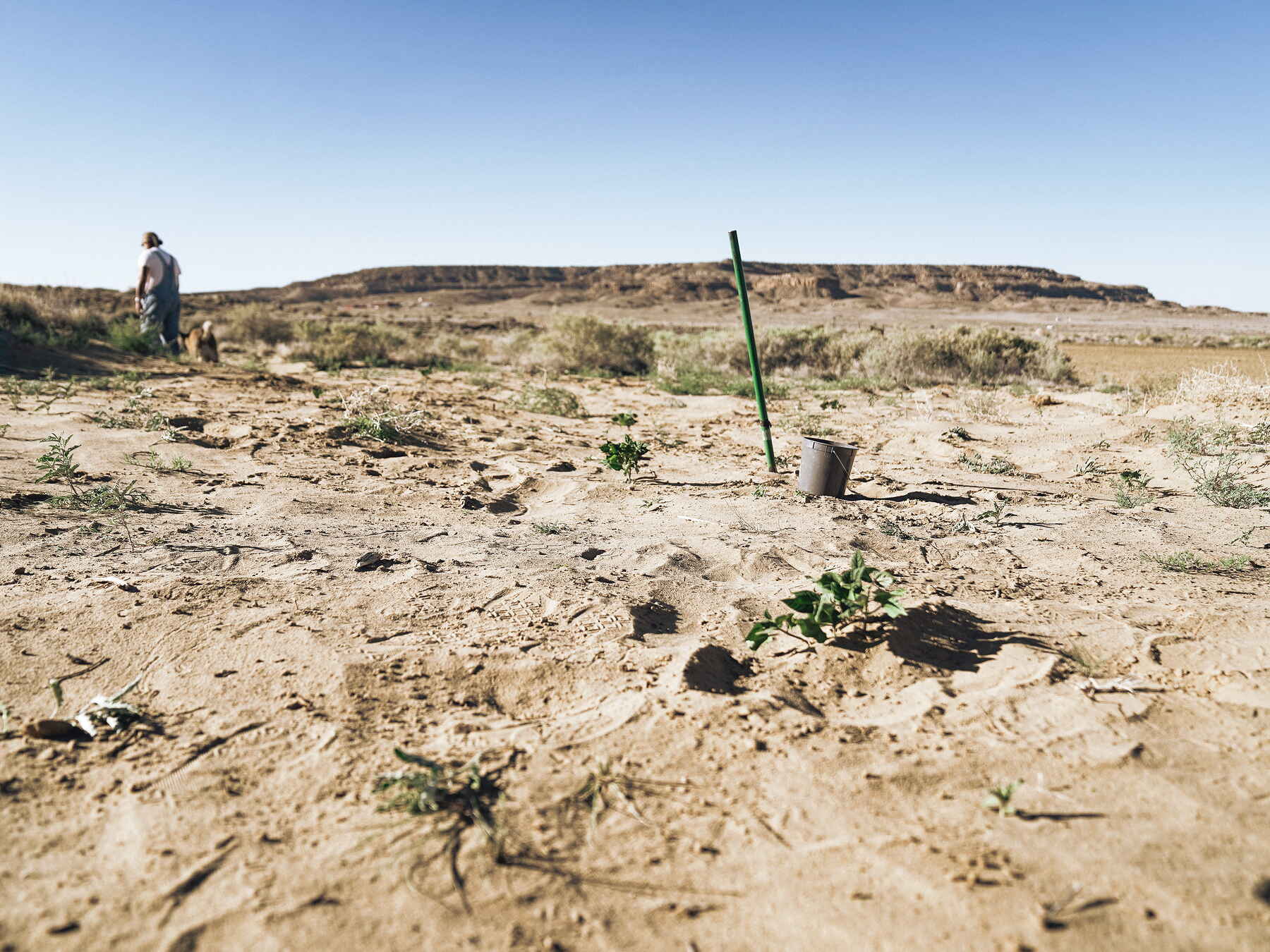
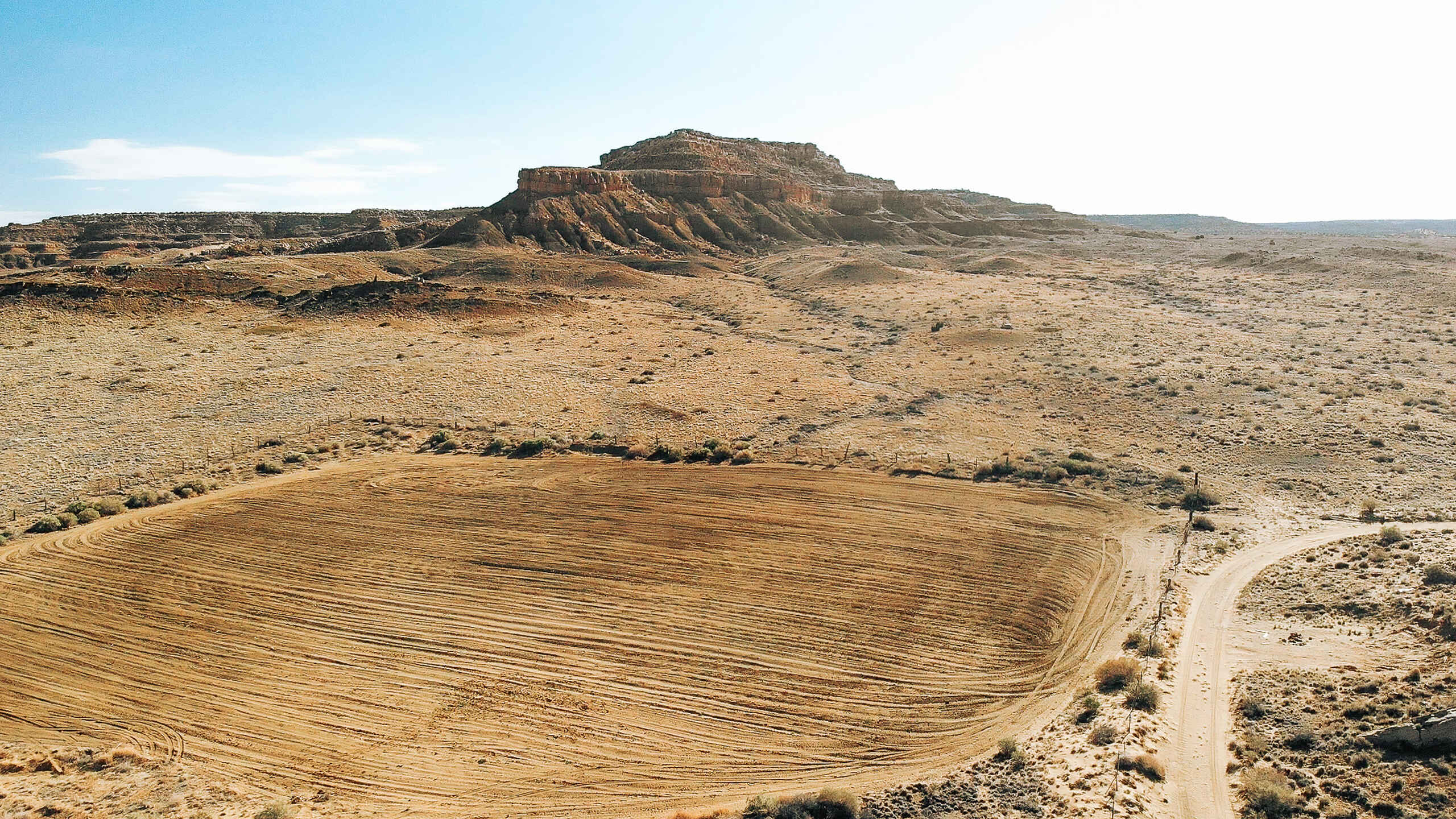
The following morning, Michael took me down into his fields. At first glance, all I saw was desert sand stretching beneath the mesas. I had researched Hopi dryland farming before arriving and knew that this region receives only six to ten inches of rainfall each year. I knew Hopi farmers do not rely on irrigation systems, and I knew these methods had been refined over thousands of years.
Even with that knowledge, standing there in those fields beneath the mesa, I found myself wondering: How does anything grow here?
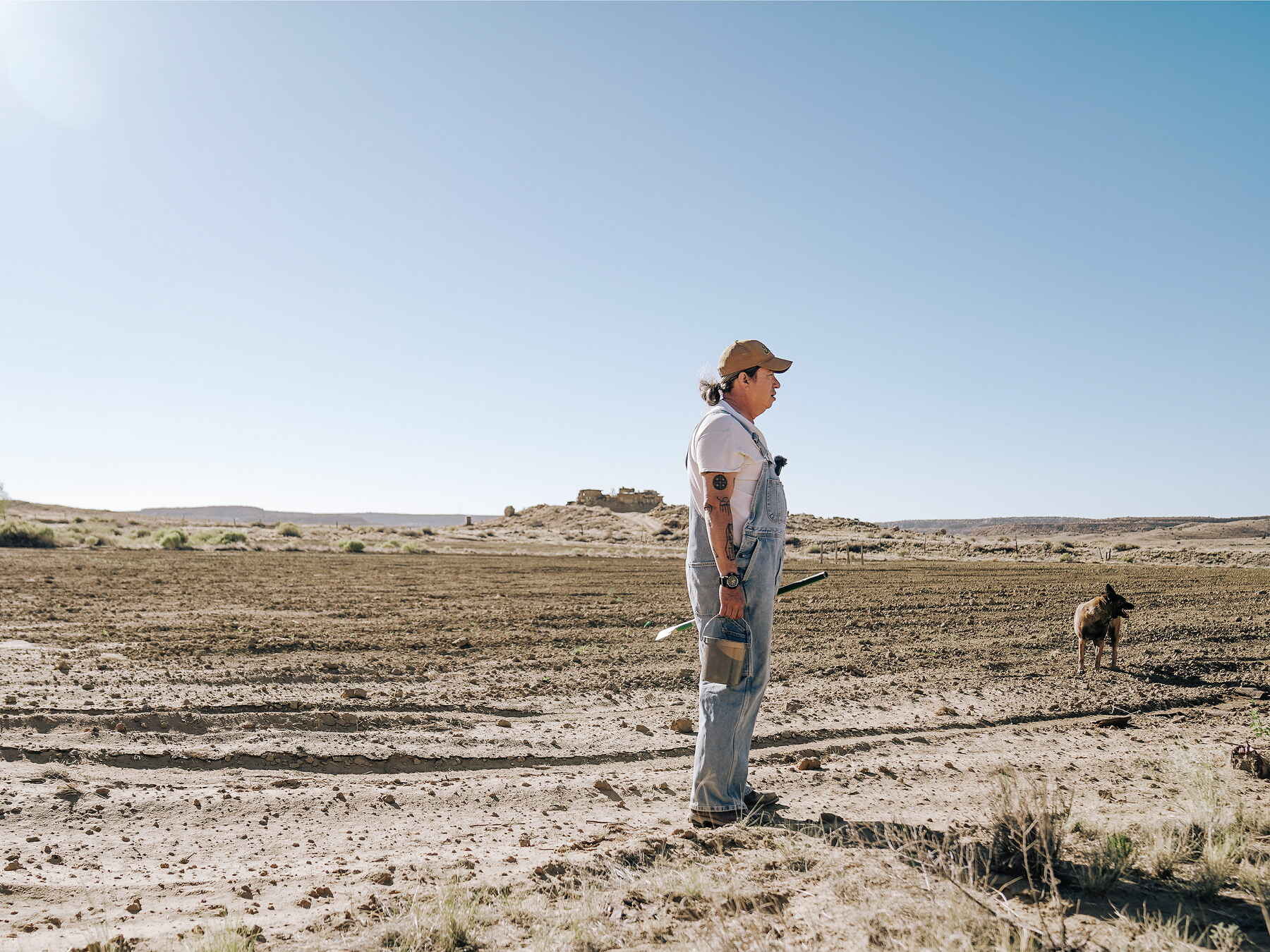
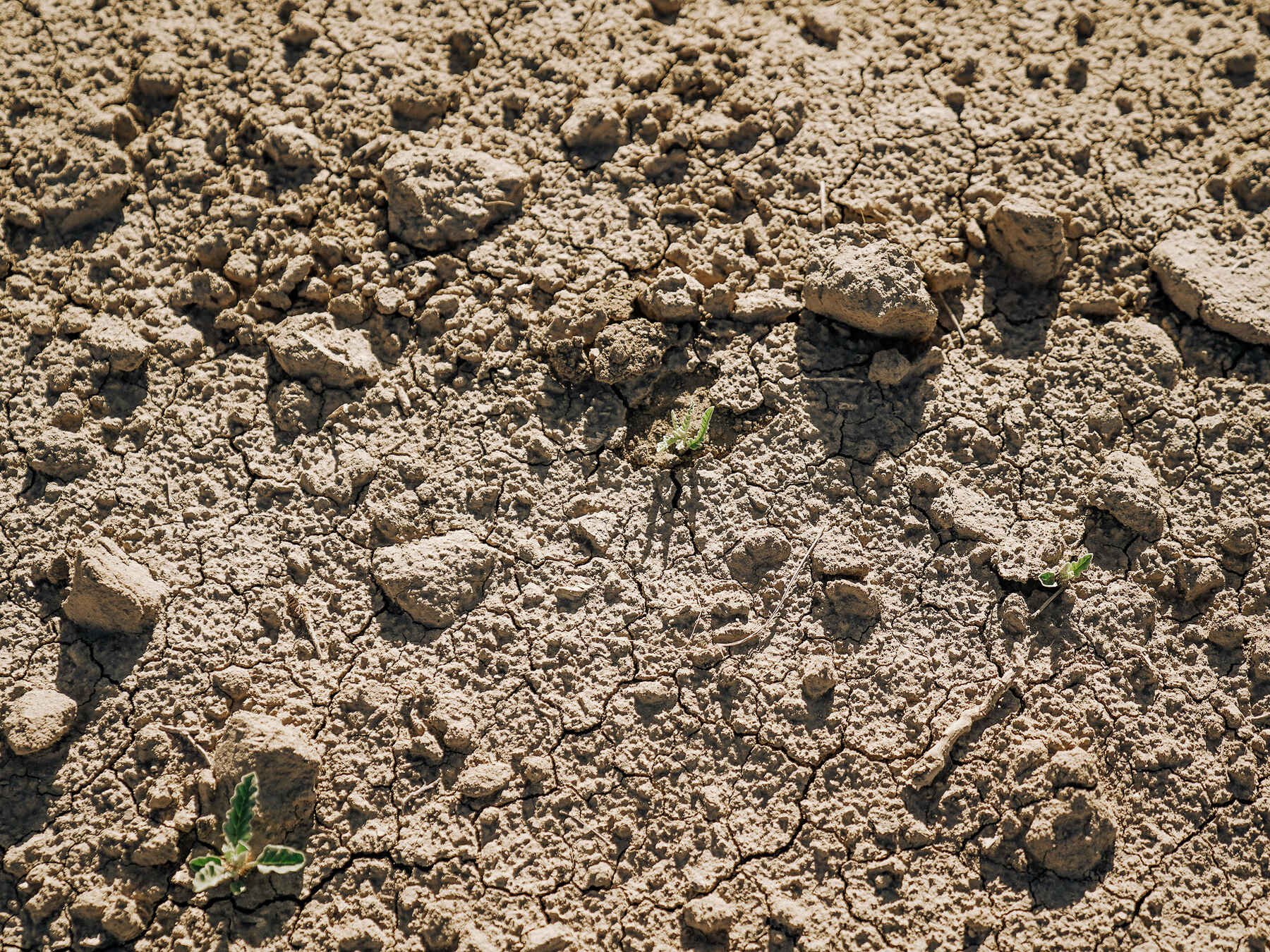
As we walked through the fields, Michael showed me how Hopi corn is planted in clumps rather than as individual seeds. Growing together allows the plants to protect one another from the wind, create shade during the hottest months, and retain moisture in one of the driest farming environments in the world.
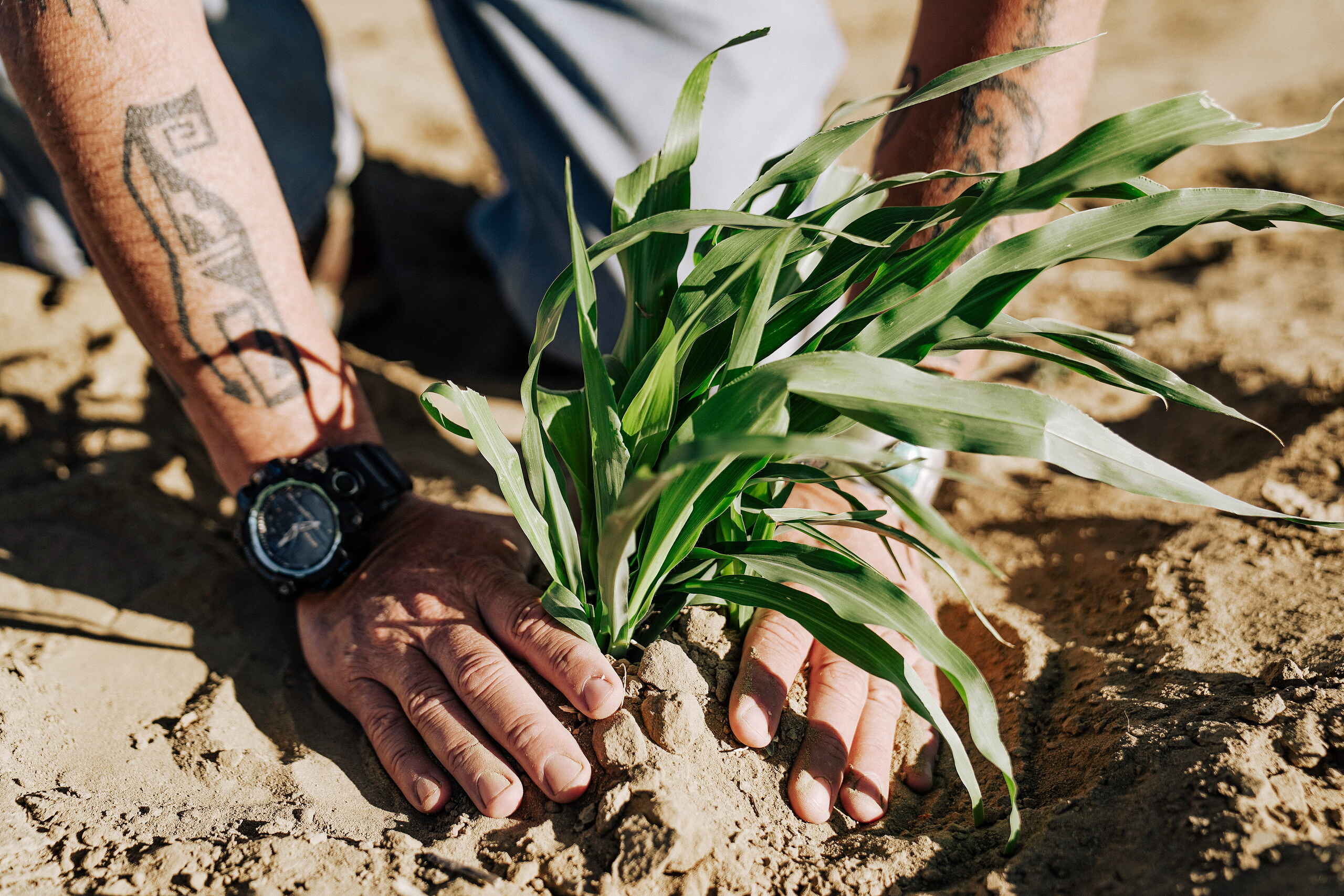
As he explained it, I found myself thinking less about agriculture and more about community. Each seed supports the others, and each plant contributes to the wellbeing of the whole. For Michael, that principle reflects an innate Hopi value - the corn grows together because the people do too.
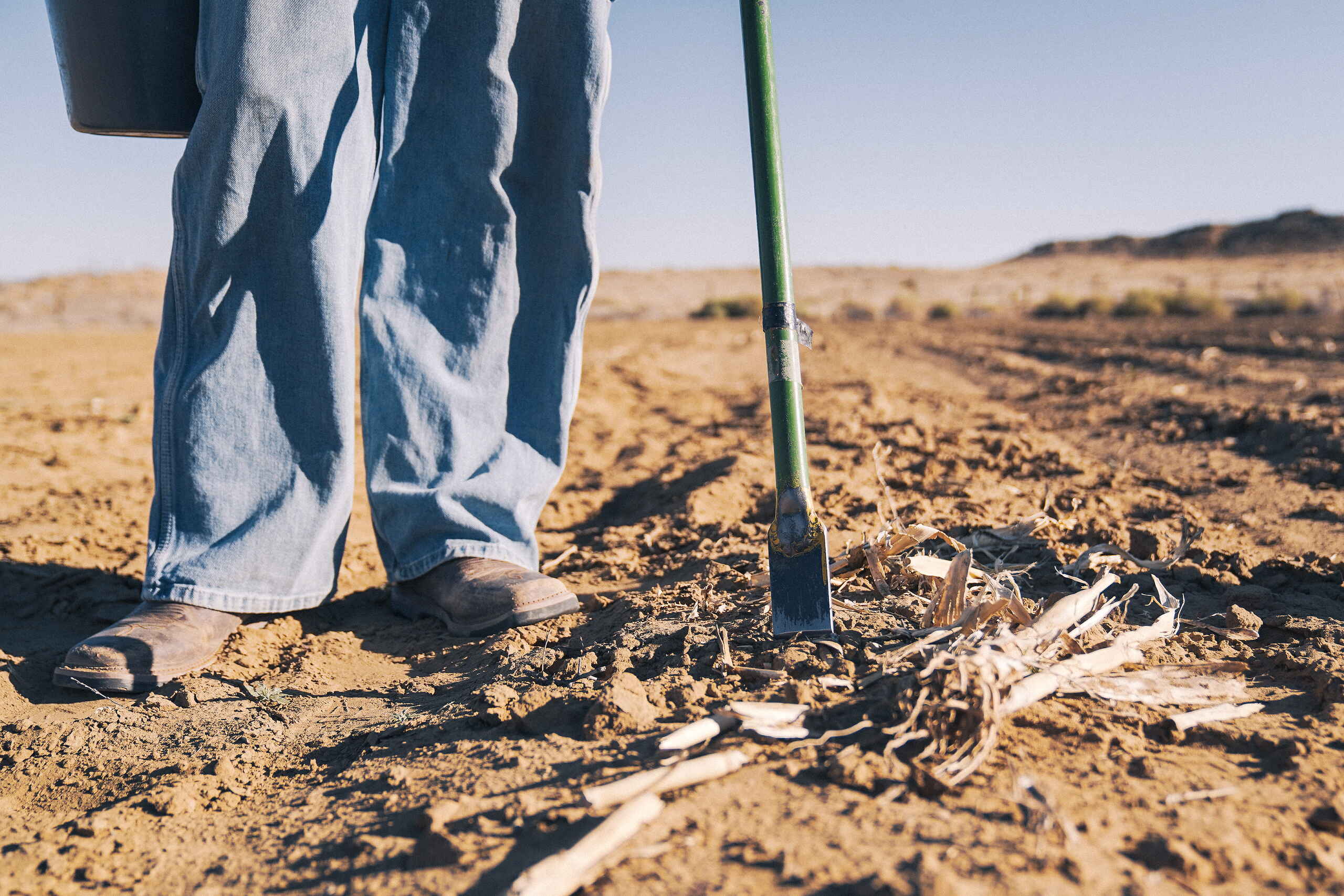
Further along the field, he pointed to the remains of last year's corn stalks resting across the soil surface. Rather than clearing them away, Hopi farmers leave them where they fall. Over time they return organic matter to the earth, catch winter snow, and help hold precious moisture in the soil.
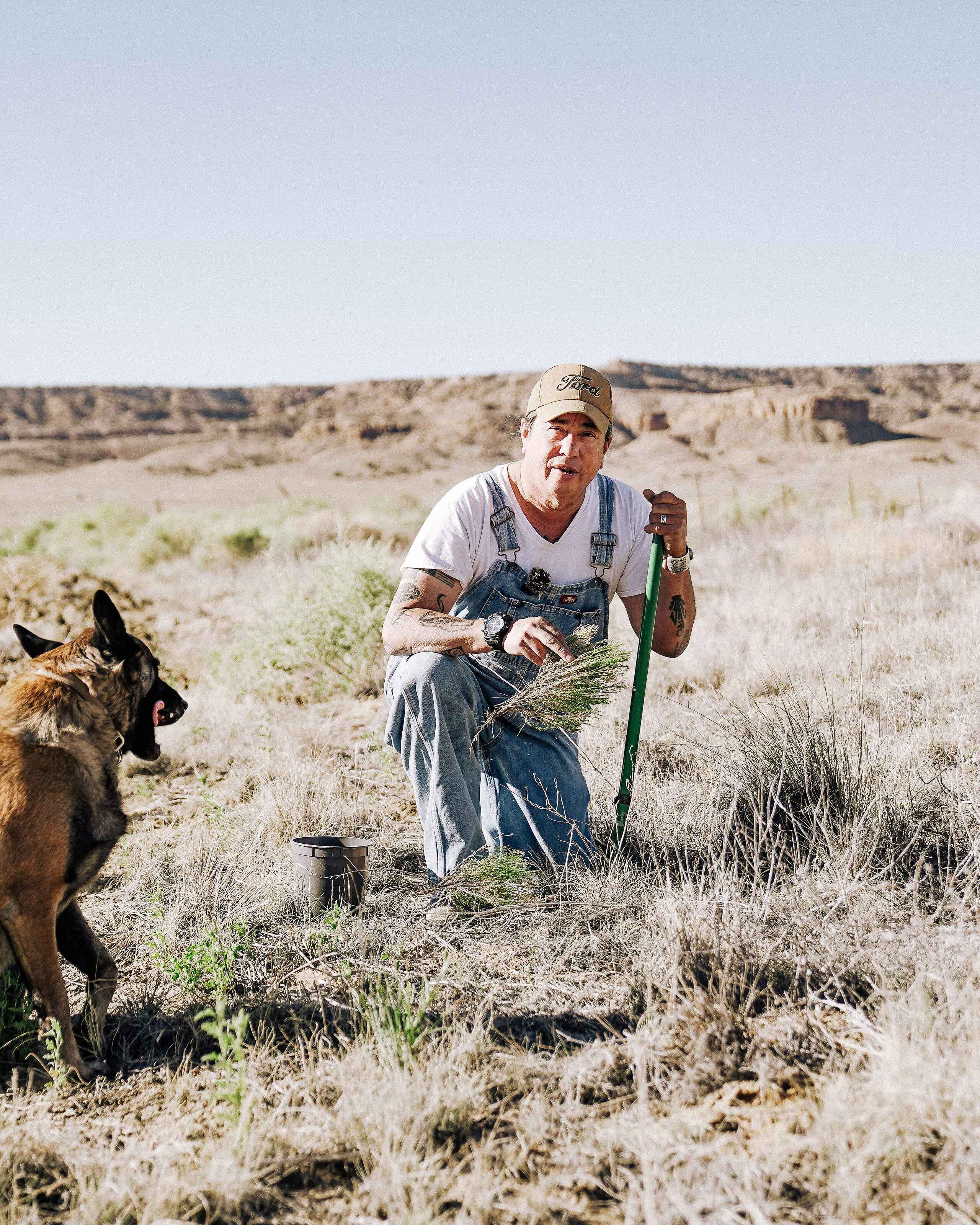
Then Michael crouched beside a patch of rabbit brush and began explaining how Hopi farmers read the landscape. A few moments later he laughed and pointed toward a patch of weeds nearby.
"Out here we don't need moisture probes or soil sensors," he said. "We just call them weeds."
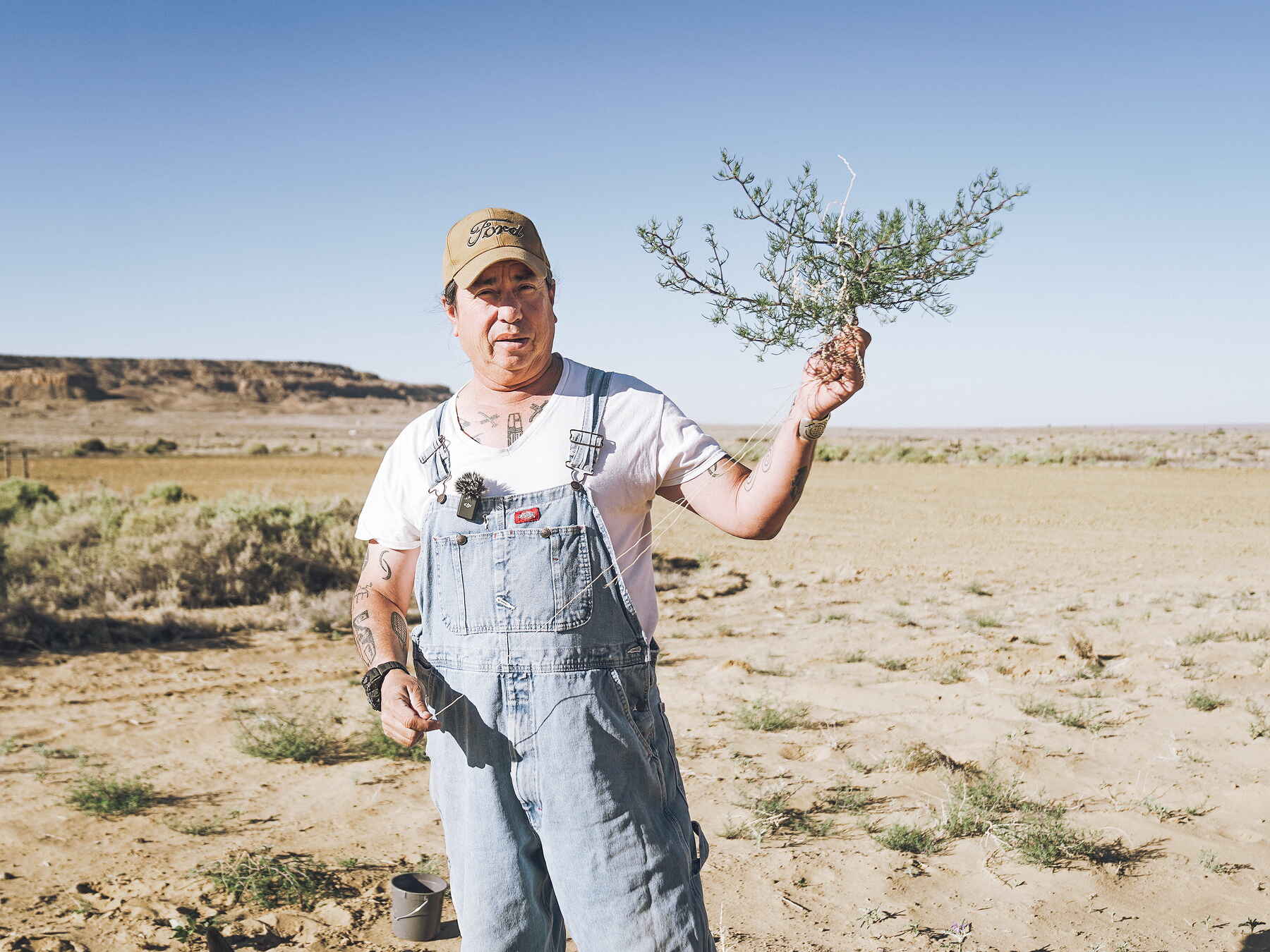
He showed me how the root systems of certain plants reveal the moisture conditions hidden beneath the soil. By observing these indicators, farmers can make decisions about planting depth, spacing, and timing without relying on sensors or technology.
“This is just another example of indigenous ingenuity.”
Michael Kotutwa Johnson
Standing beside him, I found myself thinking about what many people now call
Traditional Ecological Knowledge
Flashcard
Traditional Ecological Knowledge (TEK)
refers to the environmental knowledge developed by Indigenous and local communities through generations of direct interaction with ecosystems. It includes an understanding of plants, animals, soils, water systems, and seasonal patterns, as well as the relationships between them. TEK is place-based, adaptive, and often passed through oral tradition and practice, guiding how land is stewarded and how ecosystems are sustained over time.
As I listened, the fields began to reveal themselves differently. What had first appeared to be a harsh and barren landscape, was in fact deeply intelligent and alive with relationships.
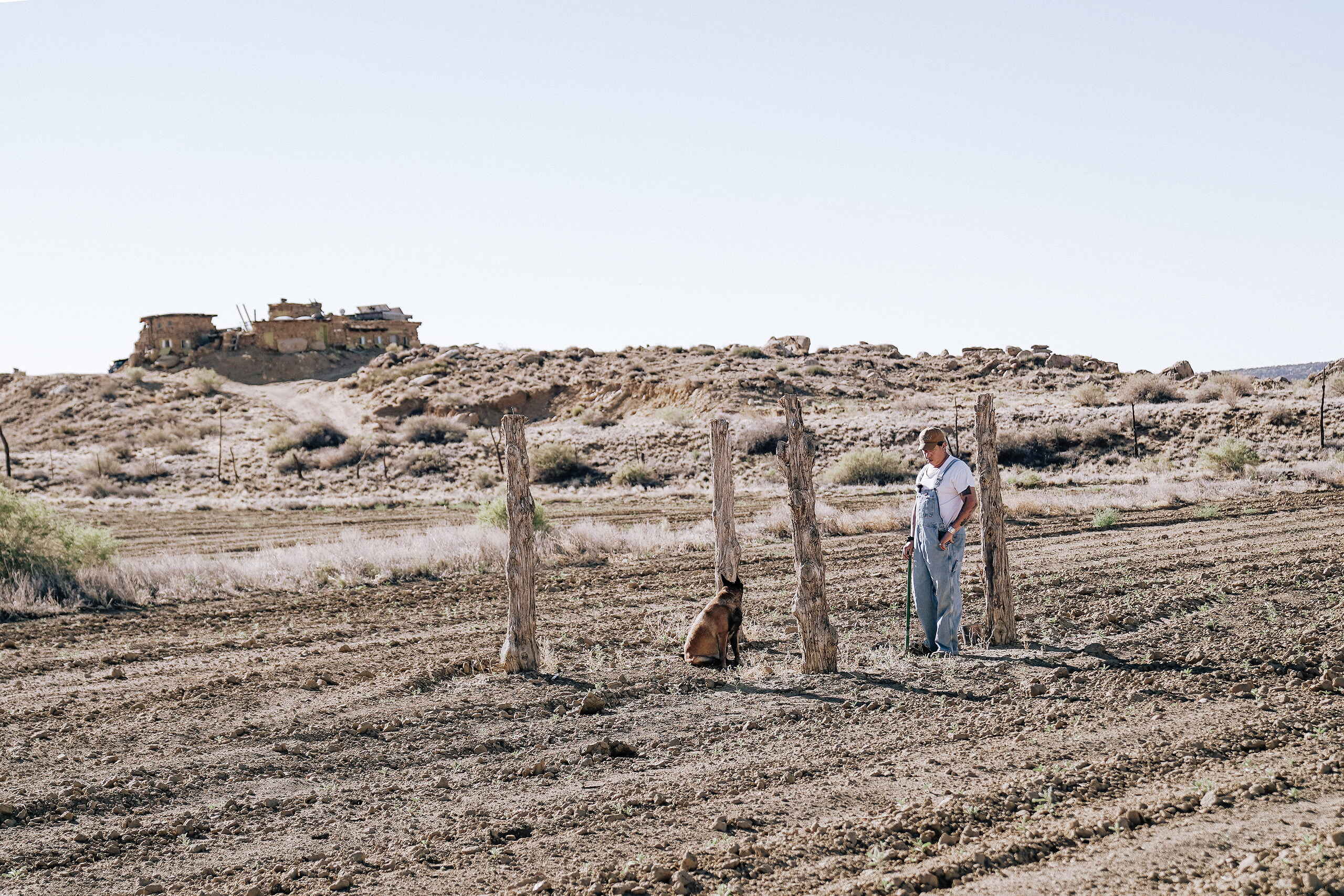
As we continued walking through the fields, Michael pointed toward a simple structure standing alone in the distance. Four wooden posts rose from the earth, but there was no roof.
When I asked him about it, he explained that structures like these have long been used by Hopi farmers during planting season. Men would sleep beside their fields, waking with the sunrise and the seeds they had entrusted to the earth.
There was something deeply moving about choosing to sleep beside your seeds. To wake with them and to begin each day in their presence. For many Indigenous peoples, seeds are far more than a means of producing food - they carry memory, responsibility, identity, and story, connecting generations through time.
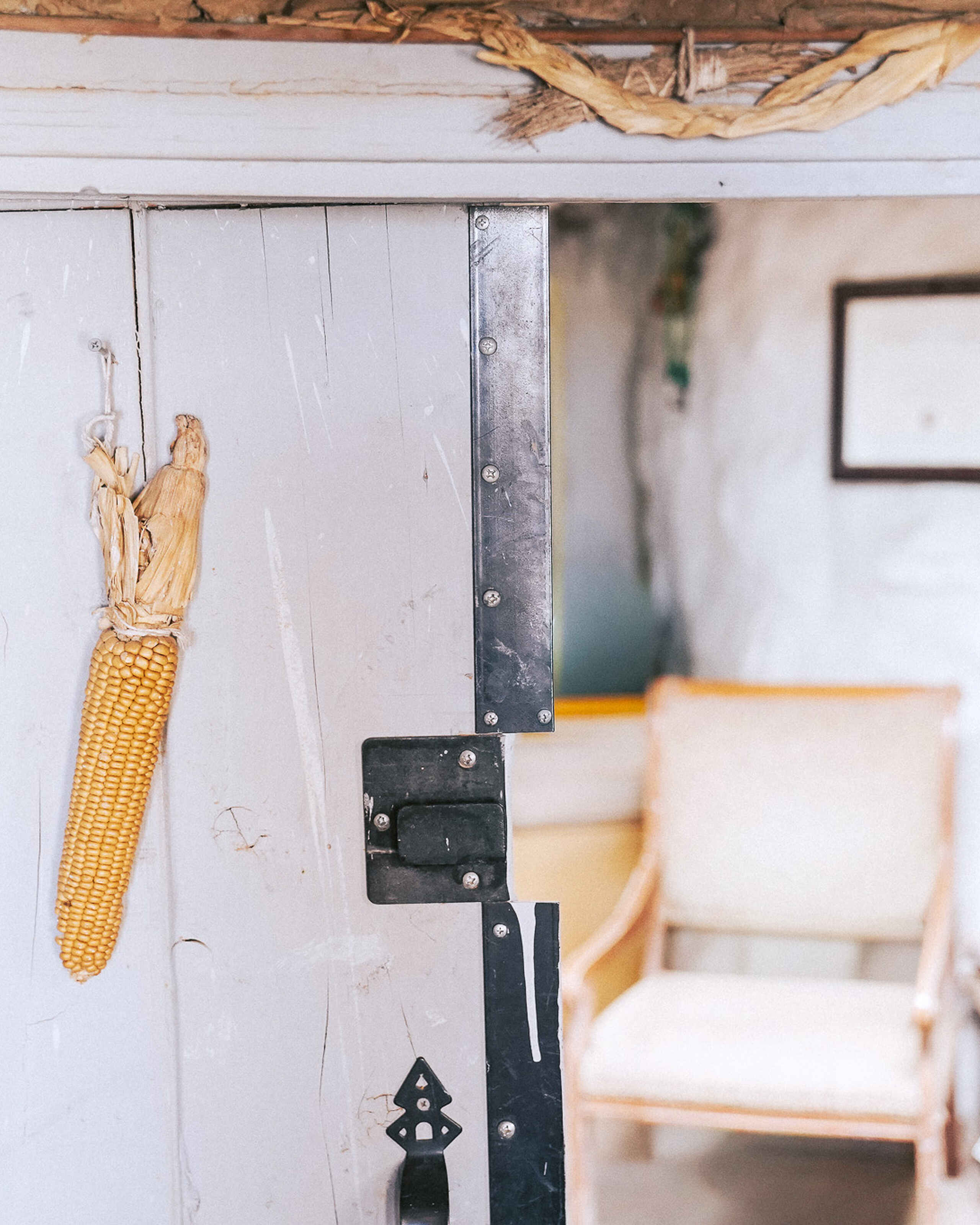
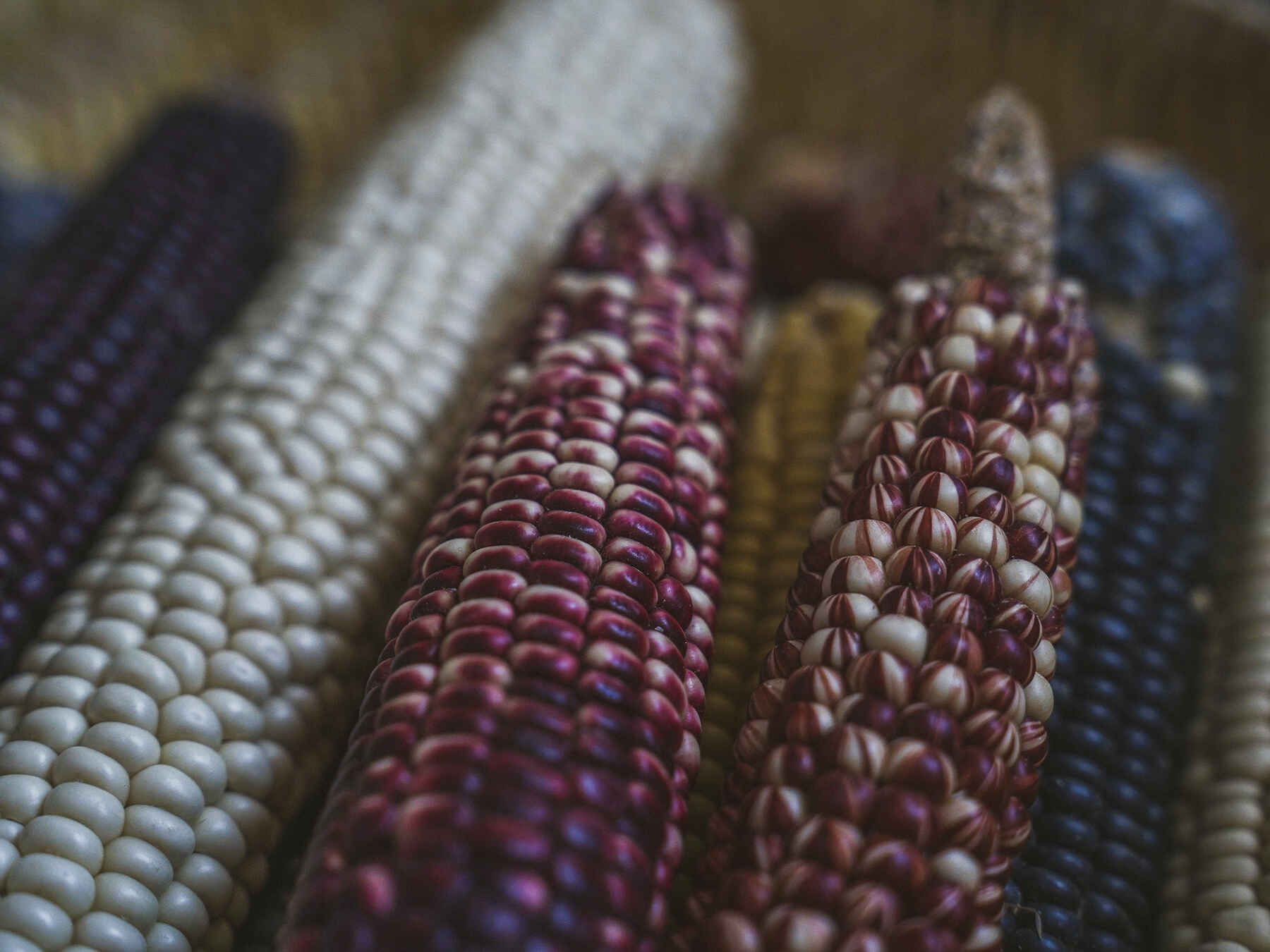
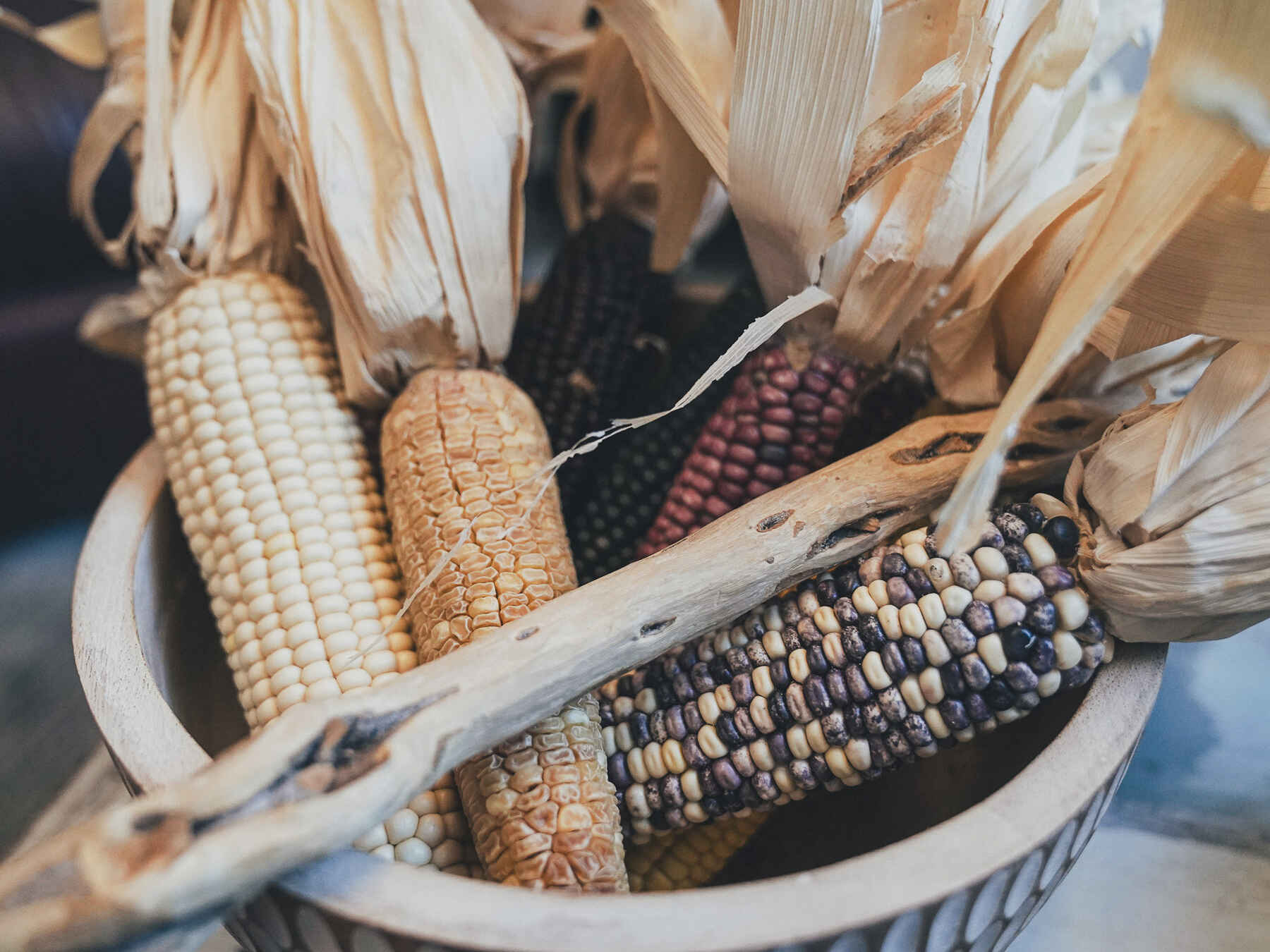
Spending time with Michael, I came to understand that the importance of Hopi corn extends far beyond agriculture. I saw it depicted in paintings, hung above doorways, woven into jewerly, tattooed on skin and spoken through stories. It existed as food, but also as culture made visible.
The more time I spent in Hopitutskwa, the more I understood that Hopi corn and Hopi identity are deeply intertwined.
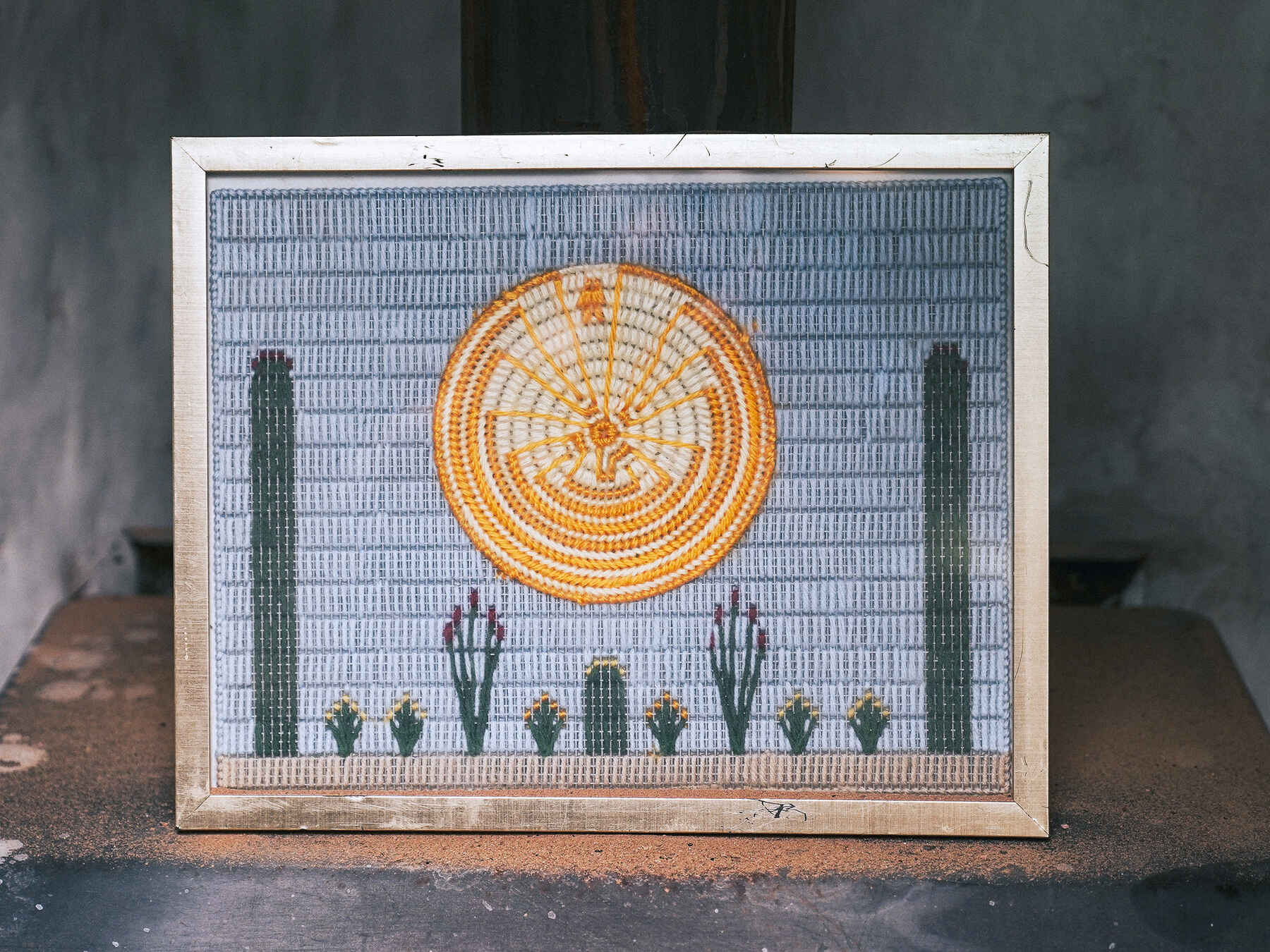
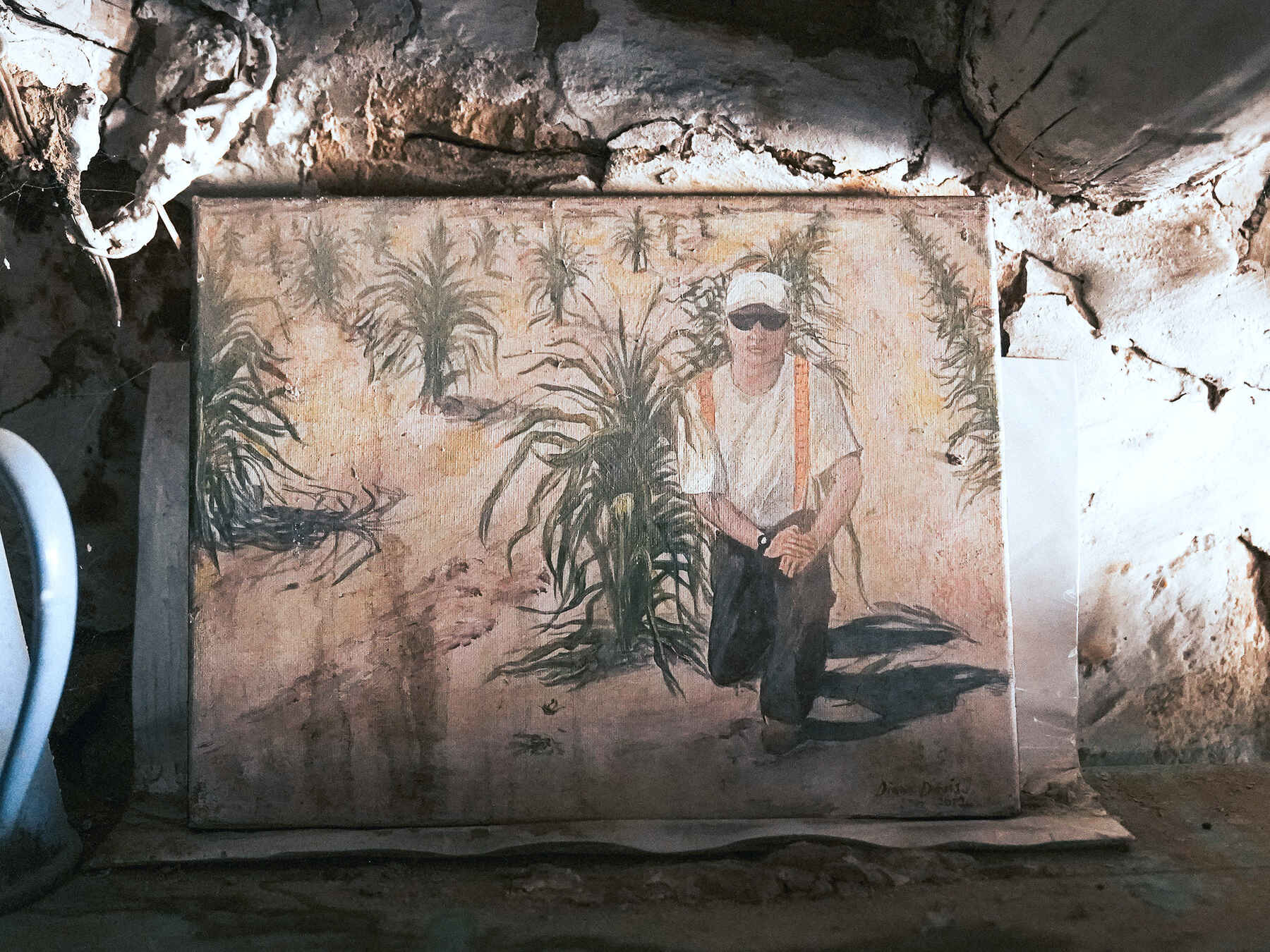
At first, I had arrived wondering how anything could grow in such a harsh environment. Now I found myself asking a different question: How do you maintain a connection with a place for more than 3,000 years?
The answer seemed to reveal itself everywhere I looked. In the seeds, in the stories, in the practices, and in the people.

As a Māori woman, there were moments throughout my time with Michael that felt deeply familiar. The landscapes and practices were different from those of my own people, yet I recognised many of the same values. Across oceans, ecosystems, and cultures, I recognized the same commitment to caring for the land, honoring our ancestors, and carrying responsibility for the generations to come.
The landscapes that shaped our cultures could hardly be more different. One emerged from islands surrounded by ocean, the other from an arid desert plateau shaped by wind, sand, and scarce rainfall. Yet beneath those differences, is a shared understanding that the land is not something we own, but something we belong to.
Standing with Michael, I recognized that same sense of responsibility.
He carried himself with a deep sense of purpose, but also with warmth, humor, and humility. One moment he was sharing knowledge refined through generations of observation. The next he was laughing, telling stories, and calling me "cuz."
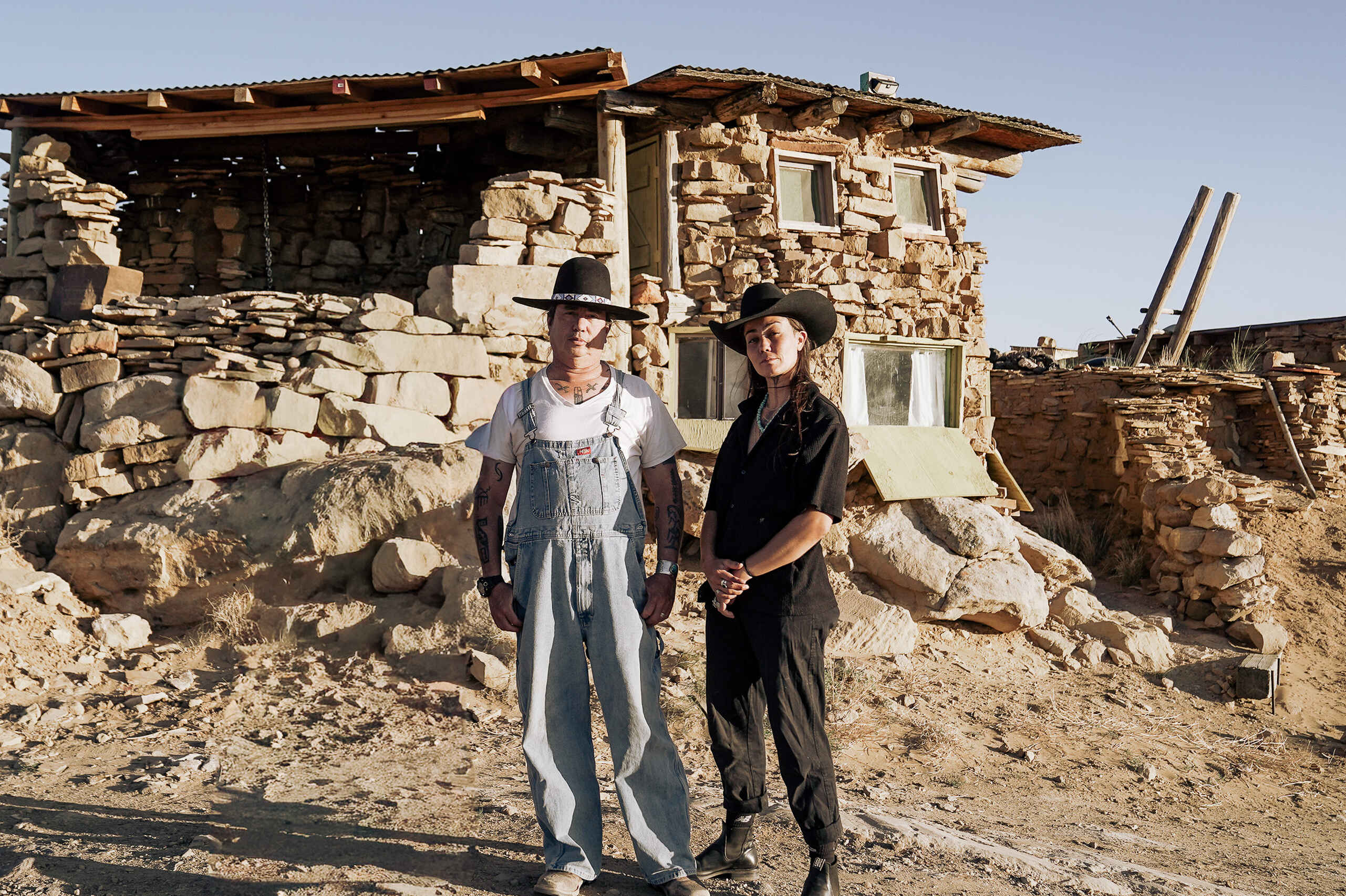
The longer we spent together, the more I came to see him as a bridge between worlds.
Between Indigenous knowledge and institutional science.
Between ancestral wisdom and modern agriculture.
Between what has been carried forward and what still needs to be remembered.
That balance became most visible during a conversation about irrigation.
Standing in the middle of his fields, I asked a question that had been sitting with me since I arrived. "Why don't you just add irrigation?" His answer stopped me in my tracks.
"Because if we had irrigation, what would we pray for as a Hopi people?"
I remember standing there in silence. Of all the responses I could have guessed, that was not one of them. Michael went on to explain that the Hopi people chose these dry lands intentionally. In Hopi teachings, living within an arid landscape strengthened their connection with Creator because it required faith, humility, and trust.
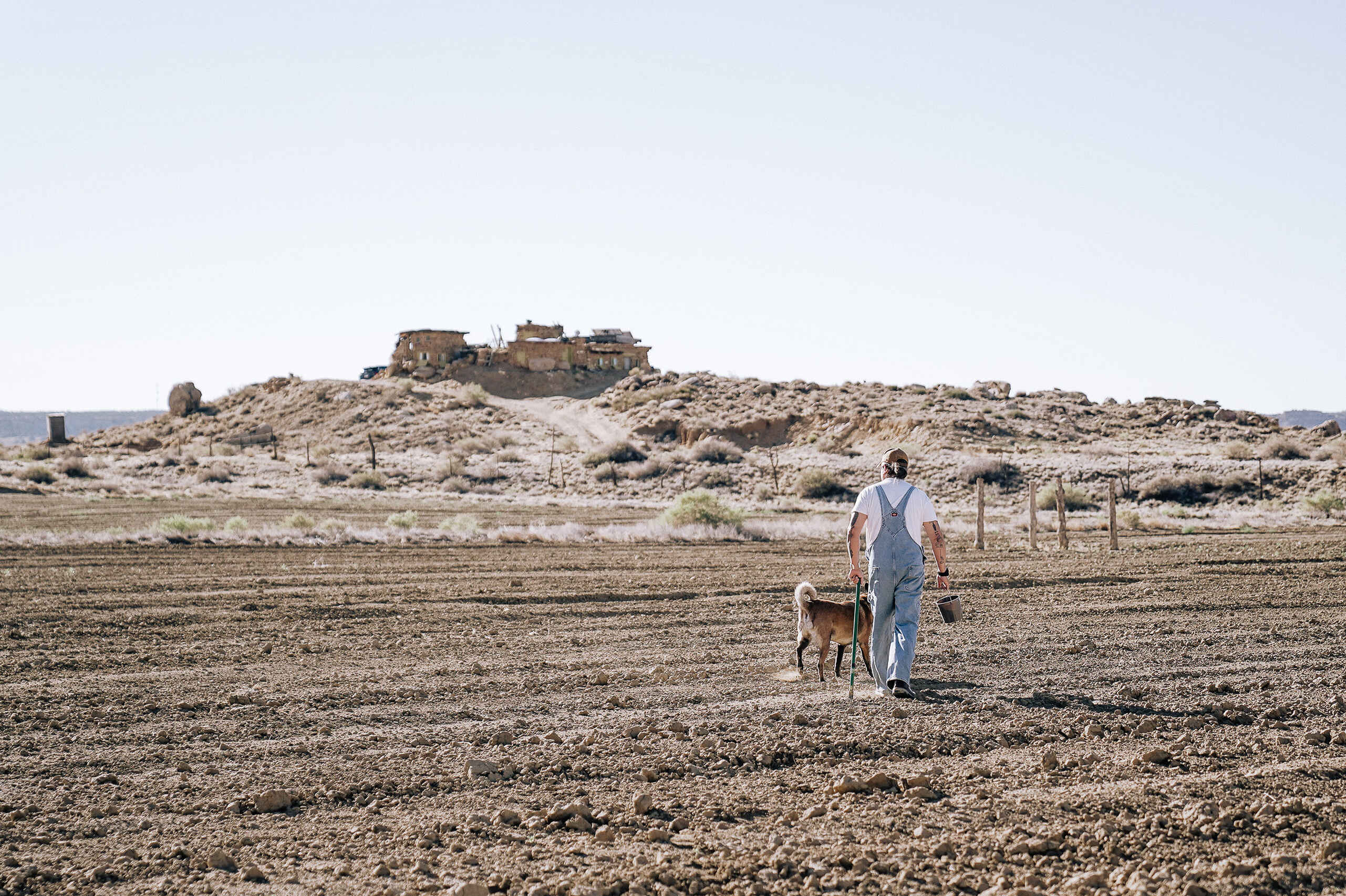
He then shared a story from Hopi tradition that has stayed with me.
Creator gifted the Hopi people three things: a planting stick, a seed, and a gourd of water. The Hopi added a fourth. "Faith."
Much of modern agriculture is built around certainty. We irrigate against drought, insure against loss, and develop technologies that help us predict and control outcomes. Hopi agriculture carries a different lesson entirely. Faith.
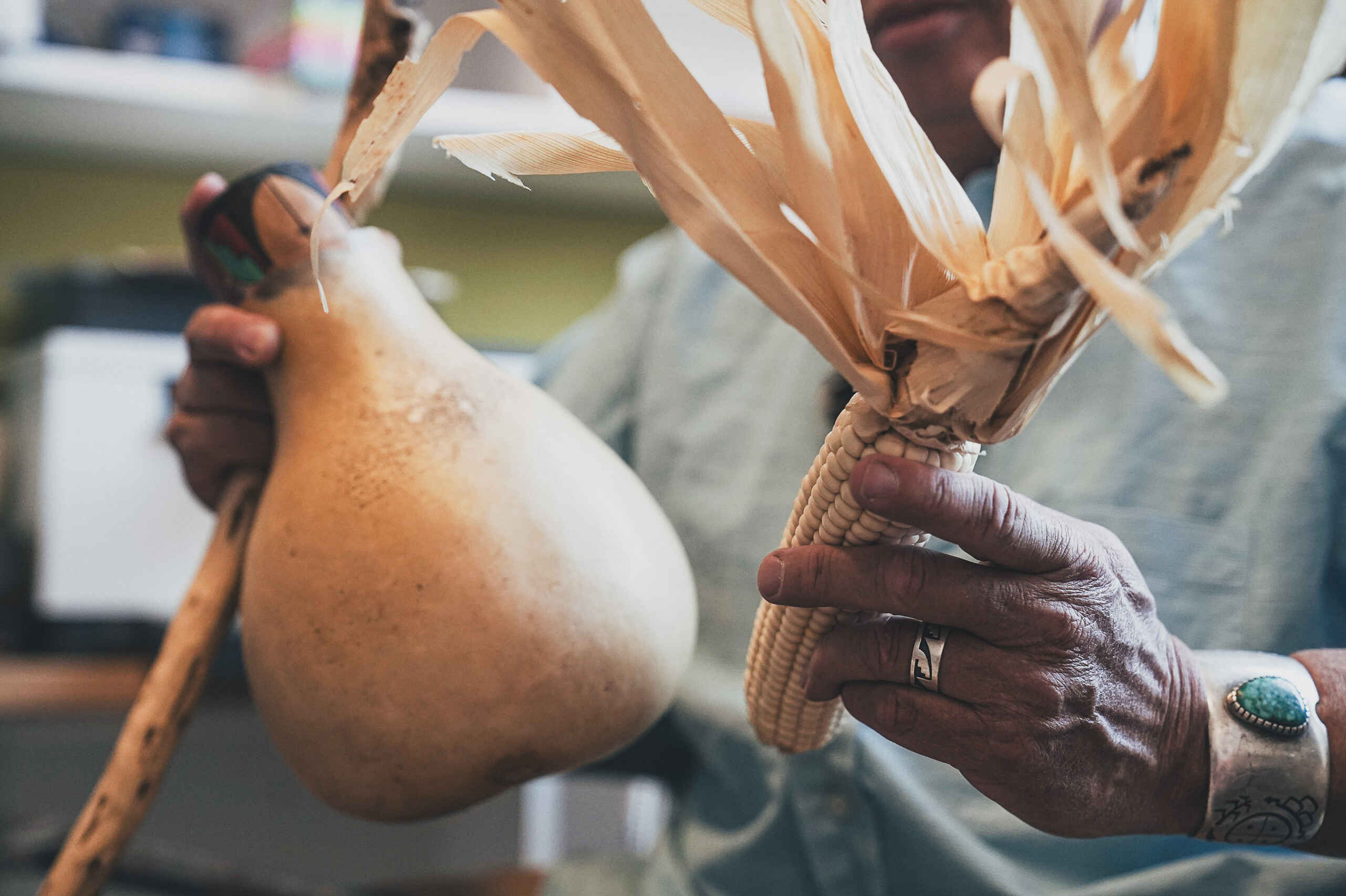
Michael explained that there are years when conditions appear impossible. The ground is dry, the rains have not come, and every sign suggests that planting will fail. Yet they plant anyway, because planting is part of who they are.
And more often than not, a monsoon arrives. The rains come, the corn grows, and life returns to the desert.
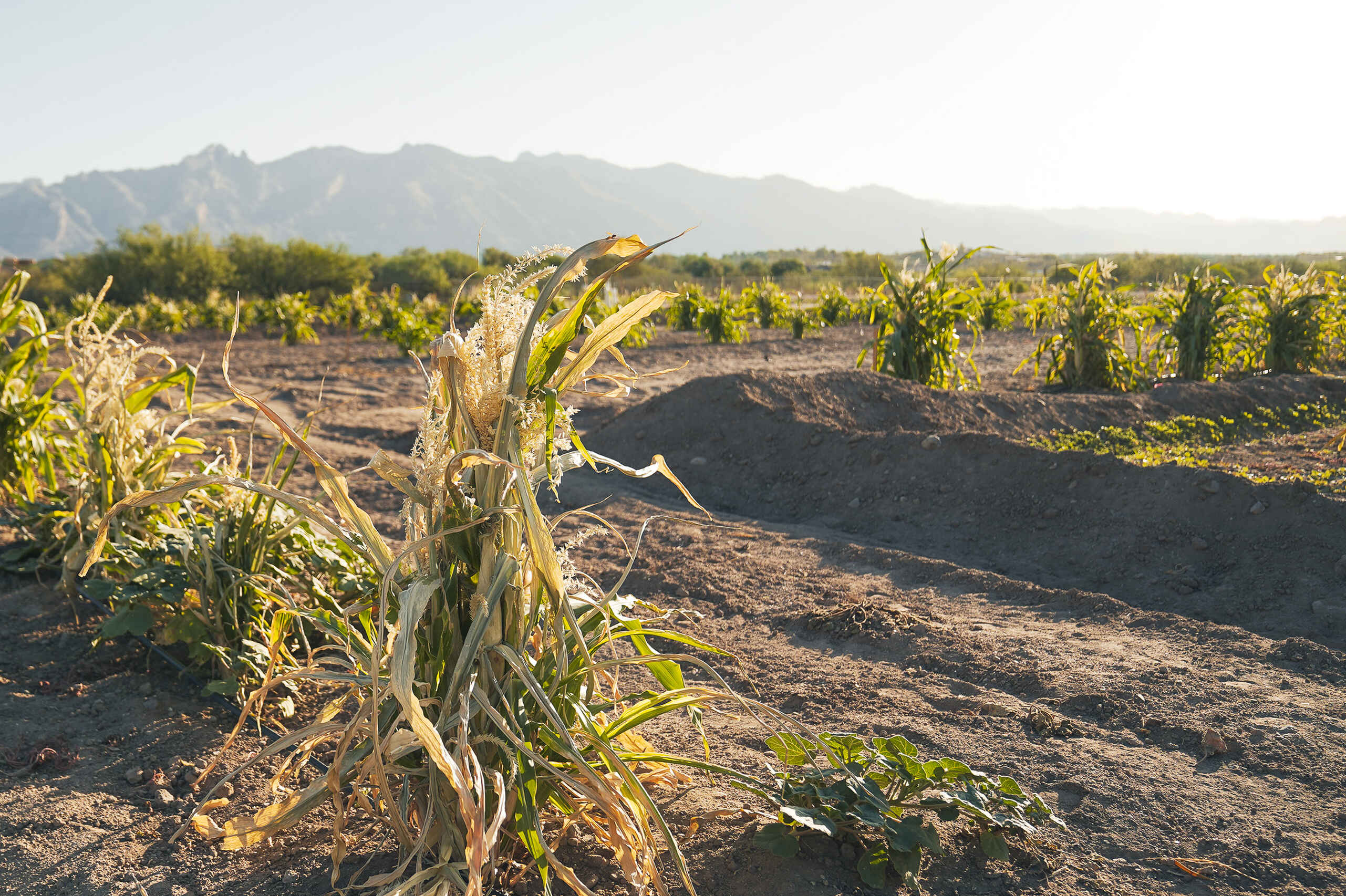
Listening to Michael, I found myself reflecting on the many conversations taking place within regenerative agriculture today. We often focus on techniques, practices, and outcomes. Yet standing between Second and Third Mesa, I was reminded that regenerative practices emerge from something much deeper. Relationship.
Here in the desert, those relationships are woven between seed, place, community, Creator, and the generations who have cared for this land.
The practices themselves emerge from those connections, shaped by the landscapes and cultures from which they grow.

Looking back now, the image that remains with me is remarkably simple. Michael's Hopi house sitting on the hill beneath the mesas, overlooking fields that have nourished generations of people before him.
Both the house and the fields had emerged from the desert itself, shaped by the land, built from what was available, and sustained through generations of care. They stood as reminders of Indigenous ingenuity, belonging, and the enduring ability of people to know a place deeply enough to live within its limits.
I arrived in Hopitutskwa curious about how the Hopi people grow food in the desert. I left carrying something much greater: a deeper belief in the power of relationships, a deeper appreciation for Indigenous ingenuity, and a deeper understanding that faith, observation, and responsibility sit at the heart of agriculture.
The greatest lesson Michael offered me was not how to grow corn in the desert, it was how to remain in relationship with a place long enough for it to teach you how it wants to be cared for.
More Stories
Support our work
Stay Connected
You’ll receive our monthly Field Notes newsletter, project updates, and free resources, plus you’ll get first access to new stories.

Make a Donation
Your tax-deductible gift fuels the storytelling that shifts culture, the organizing that turns awareness into collective action, and the relationships that make long-term systems change possible.