Briar Rose is an indigenous storyteller and the Director of Storytelling at Farmer’s Footprint, where she leads narrative across film, editorial, and creative production.
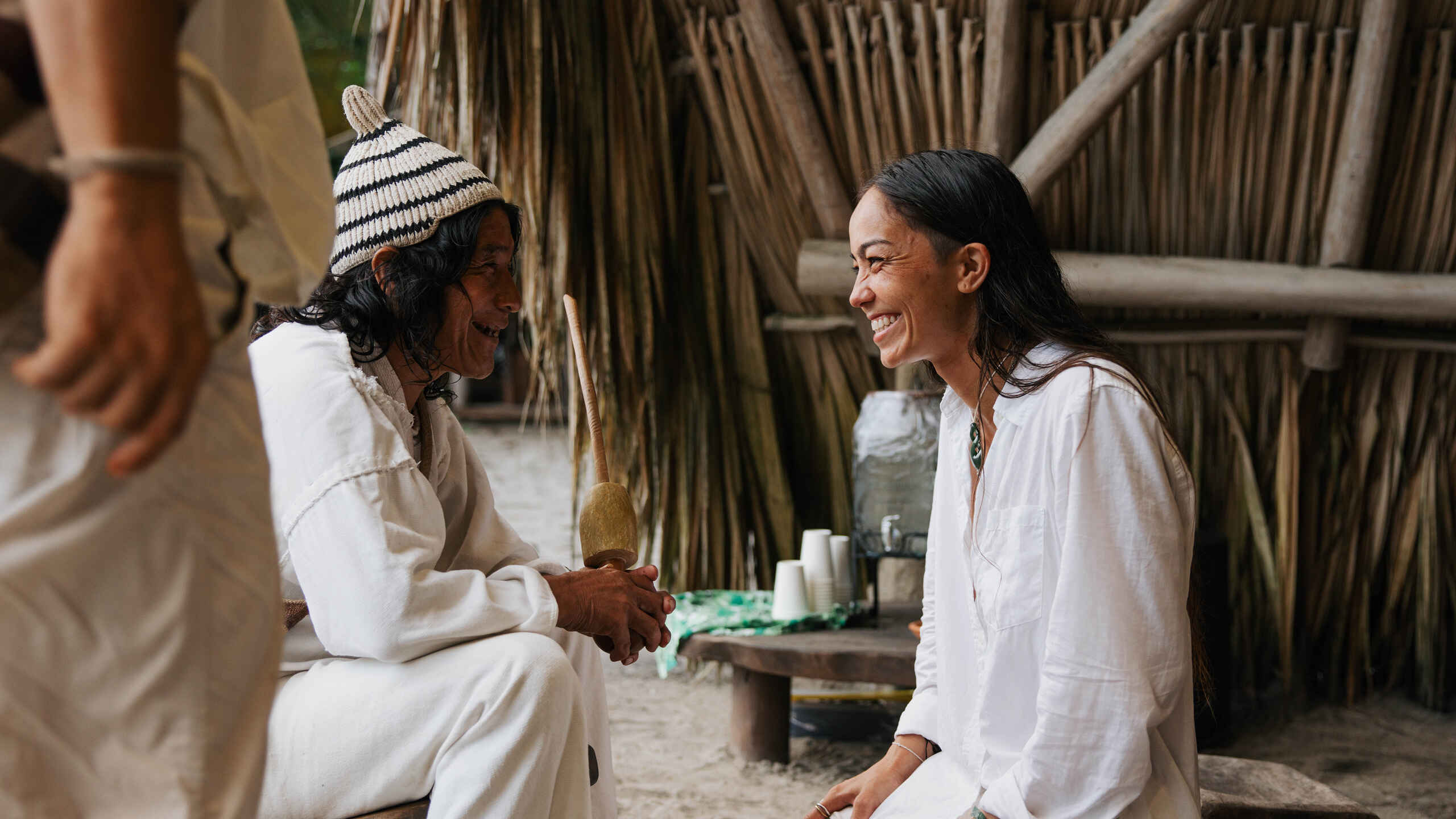
What it Means to be Indigenous
What does it mean to be indigenous? Explore the relationship between land, lineage, and cultural identity - and how reconnection shapes the way we grow and eat.
“A lot of people say we are all indigenous to somewhere, and we are. If you know about that place, that’s how you reconnect. If you know your lineage and where you came from, then collectively we can move forward together in a good way.”
What it means to be Indigenous
While every human being ultimately comes from the Earth, the concept of Indigeneity refers more specifically to the enduring relationships between people, their ancestral lands, and the cultural systems that have developed across generations.
In recent years, the word Indigenous has become more visible in conversations about land stewardship, biodiversity, cultural identity, and food systems. Governments reference Indigenous rights in environmental policy and scientists are increasingly recognizing Indigenous knowledge in efforts to protect ecosystems. At the same time, many people around the world are asking deeper questions about ancestry, belonging, and our relationship to the places we live.
The definition of ‘Indigenous’
While there is no single global definition, international frameworks such as the United Nations Permanent Forum on Indigenous Issues describe Indigenous peoples as ‘communities with historical continuity to lands and ecosystems that existed before the arrival of colonial societies. These communities often maintain distinct languages, governance systems, cultural traditions, and knowledge practices shaped through long relationships with place. Self-identification and recognition within the community are also central to how Indigenous identity is understood.’(United Nations, 2006).
Today, more than 476 million Indigenous people live in over 90 countries worldwide, representing thousands of distinct cultures and languages (United Nations, 2021). Despite this diversity, many Indigenous traditions share a common understanding: that human life is inseparable from the landscapes that sustain it. Land is not simply property or a resource, but the foundation of culture, memory, food, identity, and responsibility.
Understanding what it means to be Indigenous therefore begins with recognizing this relationship between people and place - a relationship that has shaped knowledge systems, cultural practices, and ways of caring for the Earth for generations.
Indigeneity as relationship
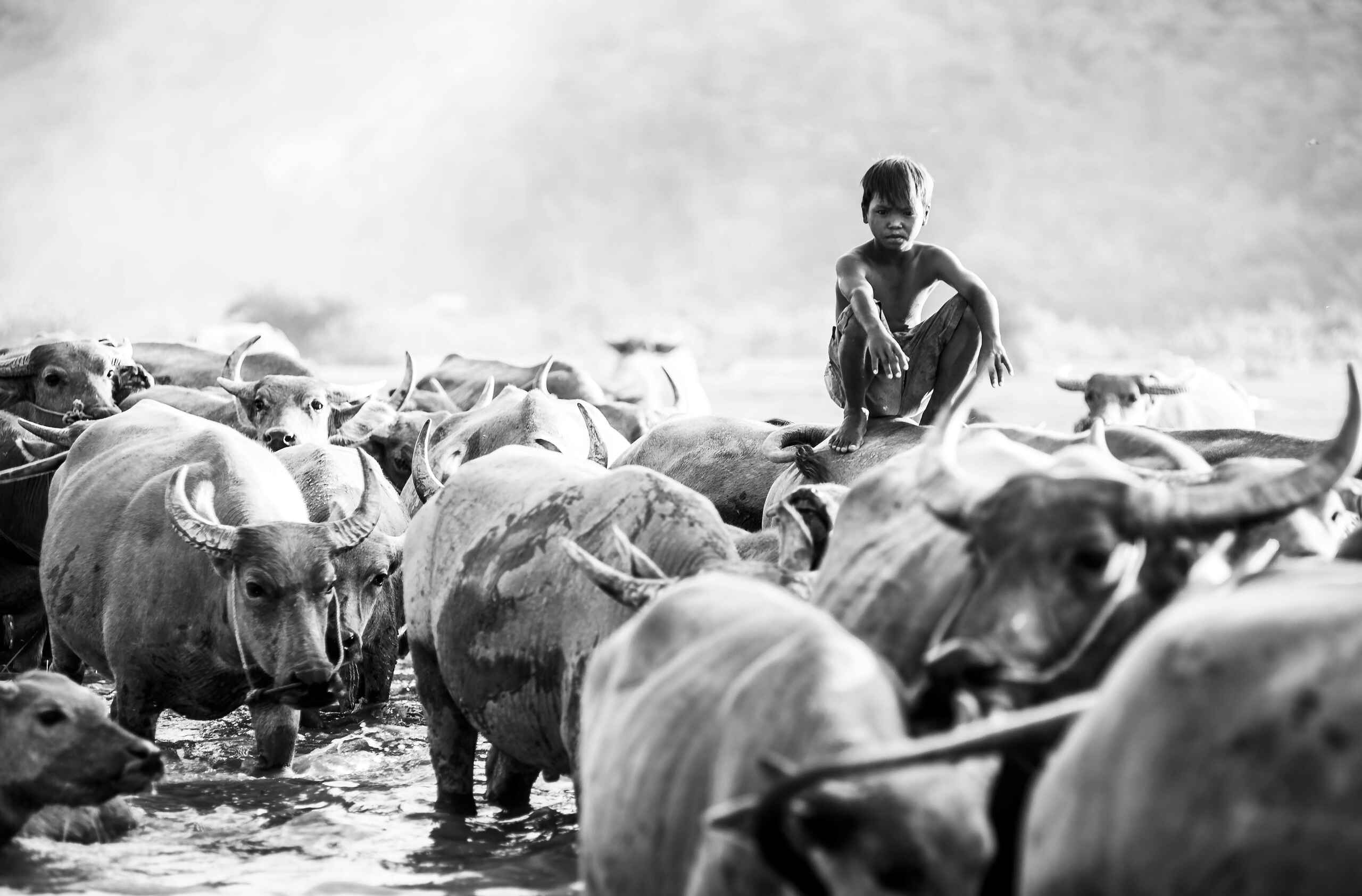
Across Indigenous cultures, identity is not defined only by ancestry or heritage, but by the relationships people hold with land, waters, ancestors, and community. These relationships are expressed through lived experience and daily practices, like how food is grown and gathered, how seasons are observed, how stories are told, and how knowledge is passed between generations. In this sense, indigeneity is not simply a label or identity, but a way of relating to the world.
For Indigenous communities, land is not viewed as a resource, property, or commodity to own, it is understood as a living system that sustains all of life. Mountains, rivers, forests, oceans, and animals are often regarded as relatives rather than resources, reflecting worldviews that emphasize responsibility, stewardship, and reciprocity between humans and the natural world (Berkes, 2018; IPBES, 2019).
In the Lakota language, the phrase Mitákuye Oyás’iŋ, meaning “all my relations,” expresses this understanding that humans, animals, plants, waters, and the Earth itself exist within a shared family of life (Black Elk & Neihardt, 2008).
Cultural traditions, governance systems, and knowledge practices are shaped through generations of close interaction with land and ecosystems. This long-term observation of the natural world becomes embedded in ceremonies, oral traditions, and daily practices, forming knowledge systems that connect ecological understanding with community life. Scholars often refer to these systems as TEK: Traditional Ecological Knowledge - bodies of knowledge developed through generations of direct environmental experience (Berkes, 2018).
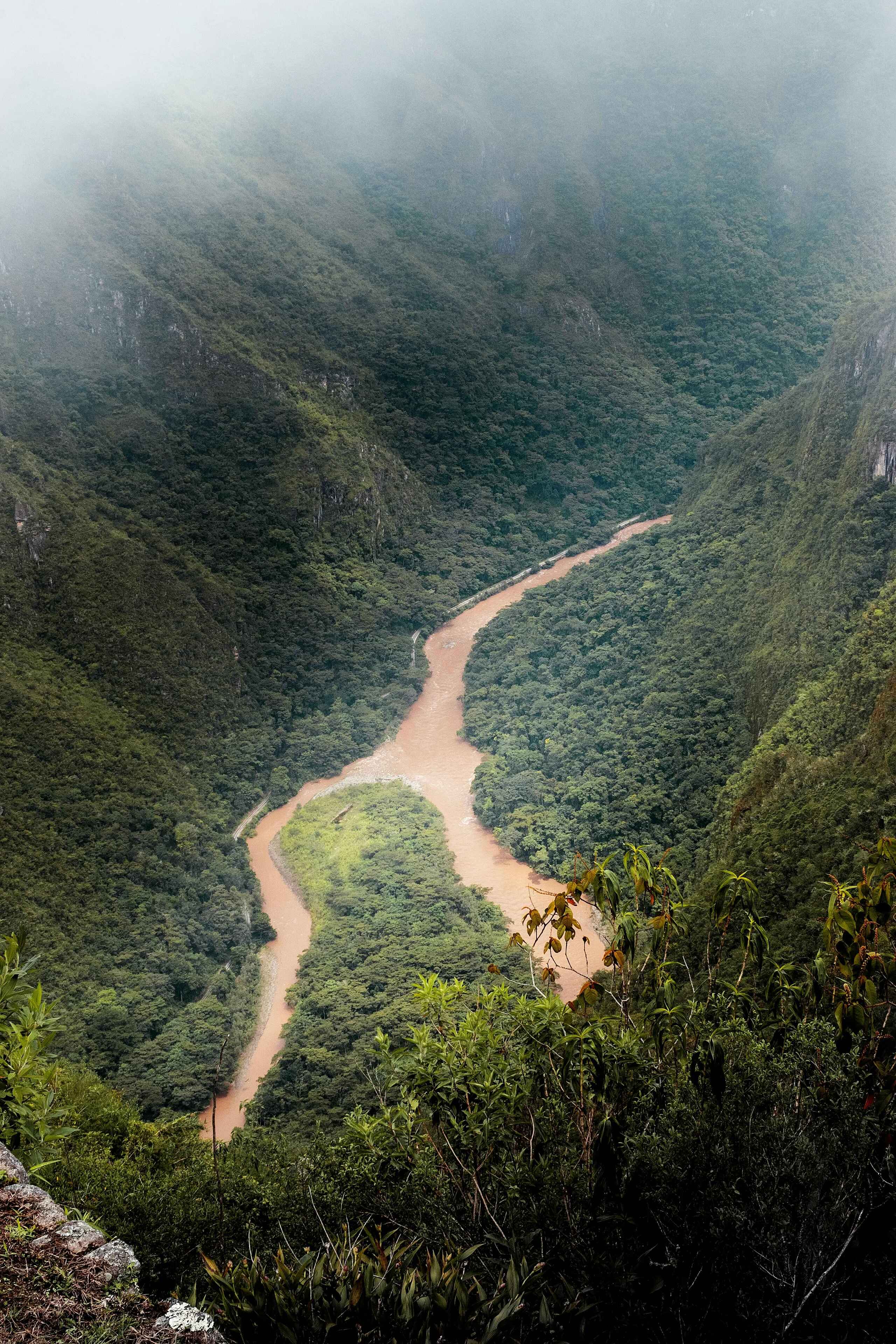
As Māori researcher Dr. Jessica Hutchings reflects, reconnecting with the natural world can help people rediscover this deeper relationship with place:
“We are all from somewhere. We all come from nature. When we take time to sit and listen in the natural world, we can begin to remember that connection again.”
Acknowledging the role of colonization as cultural disruption
Across many regions of the world, colonization disrupted the relationships between Indigenous peoples and their lands. Beginning in the fifteenth century and continuing through later waves of expansion, colonial systems displaced Indigenous communities from ancestral territories, imposed new political structures, and suppressed cultural practices that had sustained communities for generations often through the vehicles of force and violence. (United Nations, 2007).
These policies restricted Indigenous languages, governance systems, and ceremonial practices (United Nations, 2009). When relationships to land were disrupted, so too were the systems through which traditional knowledge was passed between generations. Traditional lifeways tied to seasonal cycles, ecological understanding, and ancestral food systems became increasingly difficult to maintain. Researchers have linked these disruptions to lasting social and health impacts, including the loss of traditional diets and reduced access to ancestral lands (Damman et al., 2008; Batal et al., 2021).
Despite these challenges, Indigenous cultures and knowledge systems have endured. Communities around the world continue to revitalize languages, restore cultural traditions, and reclaim relationships with ancestral lands.
Reconnecting to ancestry and place
Today, many people feel disconnected from the lands, cultures, and traditions that once shaped their ancestors’ lives. Industrialization, urbanization, and the global movement of people have distanced many communities from the knowledge of lineage, place, and traditional lifeways. Yet every human being comes from somewhere. Each of us carries ancestors who once lived in close relationship with their lands, waters, and communities.
Reconnection often begins with remembering where we come from, and we can do this by learning about family histories, our ancestral landscapes, and the cultural traditions that shaped earlier generations.
Reconnection can begin in small, intentional ways. Start with asking whose land you are standing on, and learning the histories of the first peoples who have long held relationship with that place. If your lineage comes from elsewhere, you might trace where your ancestors once lived, what lands they moved across, and what foods sustained them.
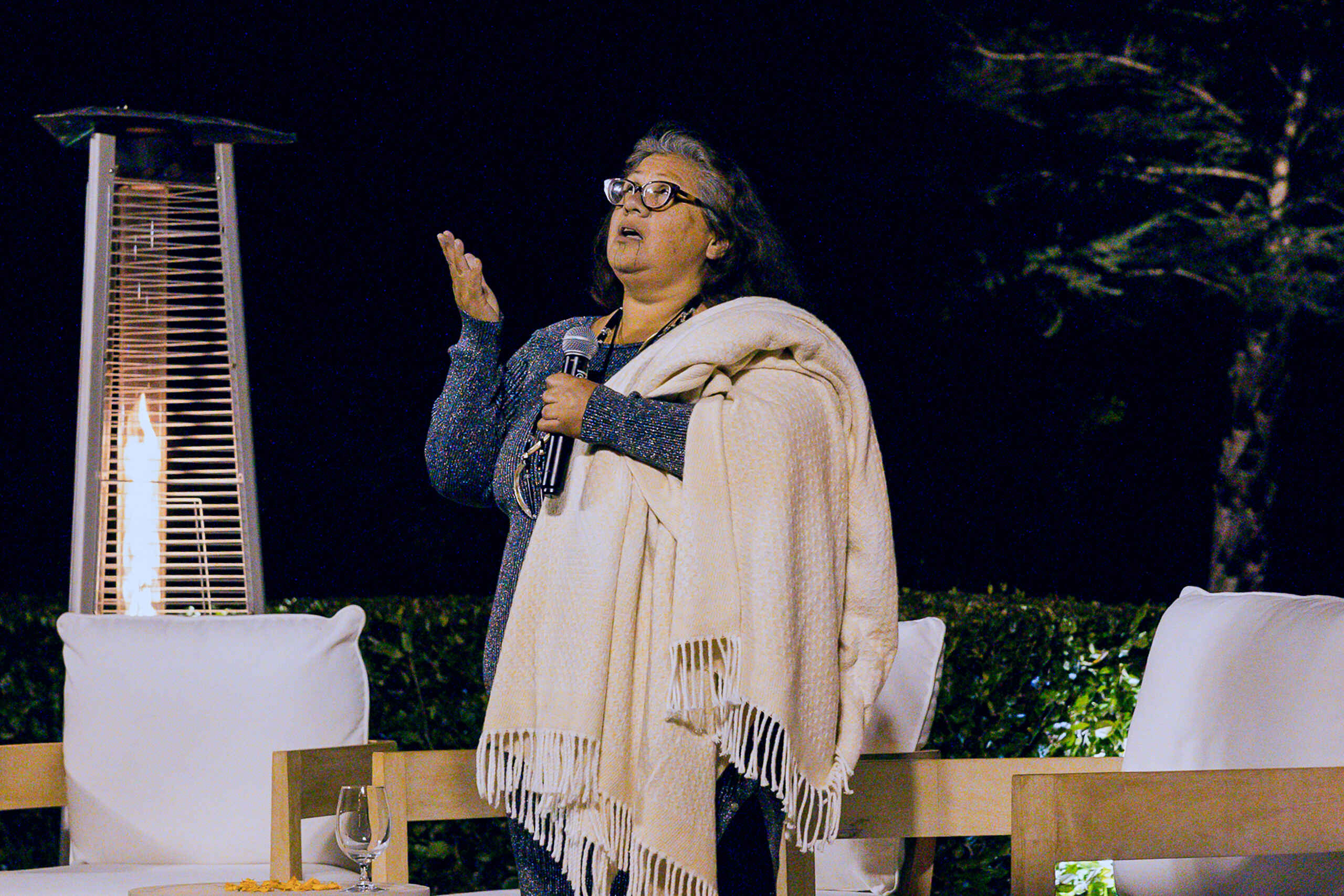
As Chumash elder and cultural educator Maria Elena “Mia” Lopez reminds us:
“A lot of people say we are all indigenous to somewhere, and we are. If you know about that place, that’s how you reconnect. If you know your lineage and where you came from, then collectively we can move forward together in a good way."
Speak with elders in your family or community, and listen for the stories that remain. Begin by learning the names and stories of your parents, grandparents, and great grandparents, from both sides of your family. Who were they, how did they live, what did they do, what did they eat? In te ao Māori, this is understood through whakapapa, our genealogy and layering of connection. Through understanding the stories of our ancestors, we come to know that we are the living expression of those who came before us, which restores a deep sense of belonging.
Many Indigenous cultures hold an understanding that we are part of an unbroken line of connection, held by those who came before us and responsible to those who will come after. Within many Indigenous knowledge systems, the teaching of seven generations, living for seven generations back and seven generations forward, guides how we live. It asks us to think beyond ourselves, beyond our lifetime, and to act in ways that sustain both people and land for generations to come. It reminds us that we are connected both backward to our ancestors and forward to those yet to be born. In this way, each decision we make today shapes both our lineage and the future, calling us to live in right relation with all that is, in every moment. (Indigenous Corporate Training Inc., n.d.)
Spend time understanding the original foodways of the land you now inhabit, and consider how you might honor them through awareness, sourcing, or practice. Reconnection can also live in quiet acts, through presence, gratitude, and time spent with the land itself.
Whether through research, conversation, or simple observation, these small steps begin to rebuild relationship. They remind us that ancestry is not only something we learn about, but something we come back into through practice and attention.
Reconnecting with land and spirit must be approached with care and respect. As Māori researcher Dr. Jessica Hutchings explains:
“How can you come into spirit in ways that don’t borrow or misappropriate other Indigenous ways of being? That begins with relationship to your own community and your own place.”
Around the world, communities are working to revitalize cultural knowledge, restore traditional practices, and rebuild relationships with land and heritage (UNESCO, 2023).
In remembering our ancestry and our relationship to place, we begin to restore a deeper understanding of who we are and where we come from, encouraging right relation to our Earth and ecosystems.
In closing
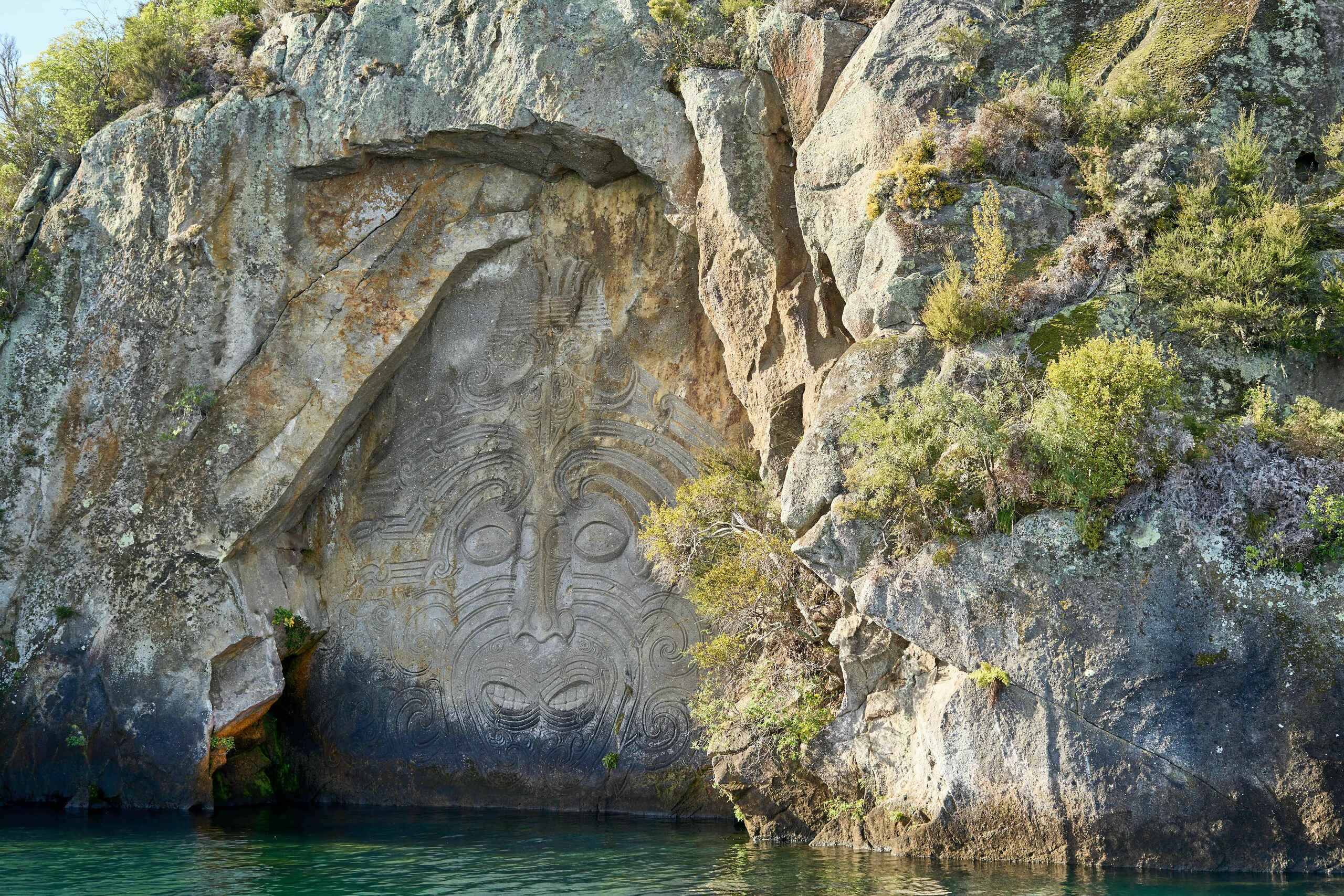
To be Indigenous is not only about where we come from, but about how we relate to land, to people, and to the systems that sustain life. It is to remember that we are not separate from the Earth but shaped by it, and that our identities are formed through relationship, responsibility, and care.
Indigeneity is not a concept to adopt, but a relationship to be understood, respected, and, where appropriate, remembered. For those seeking reconnection, the path begins with one’s own lineage, one’s own place, and one’s own responsibility within it.
And while not all of us are Indigenous in the cultural or political sense, all of us have the capacity to live in right relationship with the places we call home. Because to be Indigenous, at its core, is to live in relationship with life itself.
To read more about Reconnecting to our Indigeneity, read this story.
To read more about Origins of place and people, read our Origin Series.
Sources:
Batal, M., Johnson-Down, L., Moubarac, J. C., Ing, A., Fediuk, K., Sadik, T., Tikhonov, C., Chan, H. M., & Willows, N. (2021). Sociodemographic associations of food insecurity among First Nations households in Canada. Public Health Nutrition, 24(5), 1–12.
Berkes, F. (2018). Sacred ecology (4th ed.). Routledge.
Black Elk, N., & Neihardt, J. G. (2008). Black Elk speaks: Being the life story of a holy man of the Oglala Sioux. University of Nebraska Press.
Damman, S., Eide, W. B., & Kuhnlein, H. V. (2008). Indigenous peoples’ nutrition transition in a right to food perspective. Food Policy, 33(2), 135–155.
Hutchings, J. (2015). Te mahi māra hua parakore: A Māori food sovereignty handbook. Papawhakaritorito Charitable Trust.
Indigenous Corporate Training Inc. (n.d.). The seventh generation principle. https://www.ictinc.ca/blog/seventh-generation-principle
Intergovernmental Science-Policy Platform on Biodiversity and Ecosystem Services (IPBES). (2019). Global assessment report on biodiversity and ecosystem services. IPBES Secretariat.
United Nations. (2006). Report of the United Nations Permanent Forum on Indigenous Issues. United Nations.
United Nations. (2007). United Nations declaration on the rights of Indigenous peoples. United Nations.
United Nations. (2009). State of the world’s Indigenous peoples. United Nations.
United Nations. (2021). Indigenous peoples. https://www.un.org/en/observances/indigenous-day
UNESCO. (2023). Indigenous knowledge and practices for sustainable development. UNESCO.
Más Artículos Educativos

Apoya nuestro trabajo
Mantente conectado
Recibirás nuestro boletín mensual Field Notes, actualizaciones de proyectos y recursos gratuitos, además de acceso prioritario a nuevas historias.
Haz una donación
Tu donativo deducible de impuestos impulsa las historias que transforman la cultura, la organización que convierte la conciencia en acción colectiva y las relaciones que hacen posible el cambio sistémico a largo plazo.