Holly Morgan was raised on a small farm in rural Wisconsin where she grew her appreciation for interconnection and food sovereignty.
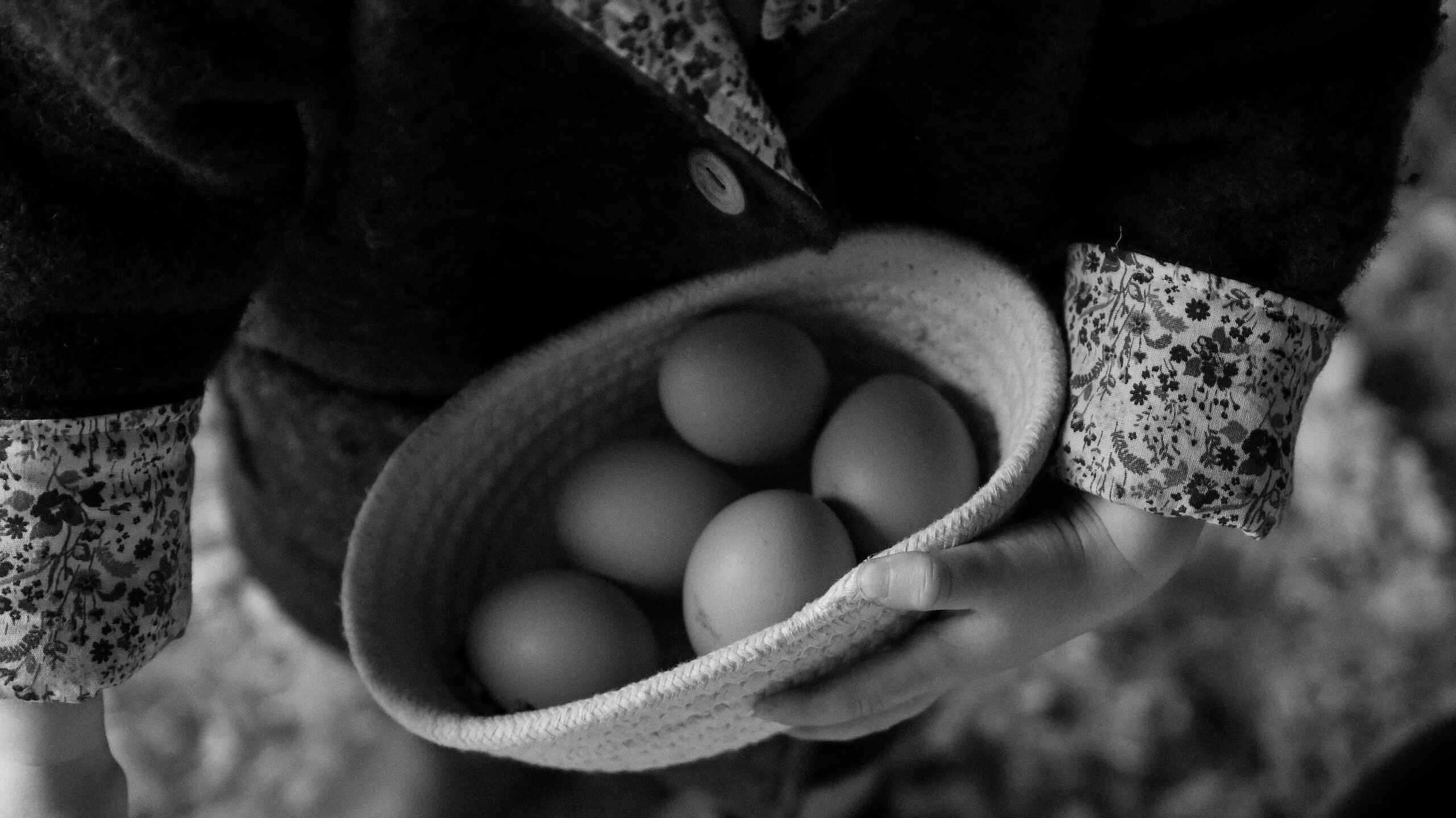
From Intention to Action: Widening the Circles of Agriculture
Actionable ways to expand our capacities and actively participate in our shared food systems.
From Intention to Action: Widening the Circles of Agriculture
If you were traveling through the small Wisconsin town where I grew up in late August, you’d pass a rural highway curve where an old burgundy pick up truck sat parked, its tailgate down and wooden crates spilling over with heads of bicolor sweet corn. Sometimes the farmer would be there, and he and my Dad would talk about how much rain we’d had.Other times, there was simply a small metal box where you left payment and made your own change. I would patiently watch the corn grow all summer long, waiting for that first piece of sweet corn, warm and buttered, with a sprinkle of salt, grown right there in a neighbor’s field.
Today, we can head to any supermarket year-round and access food that has traveled by train, airplane, and diesel-fueled semi truck to reach our shelves, sometimes weeks after it was first harvested. Most of these foods are produced outside of their actual growing season. At the same time, consumers delight when businesses boast “local” on advertisements. But what is “local” by definition?
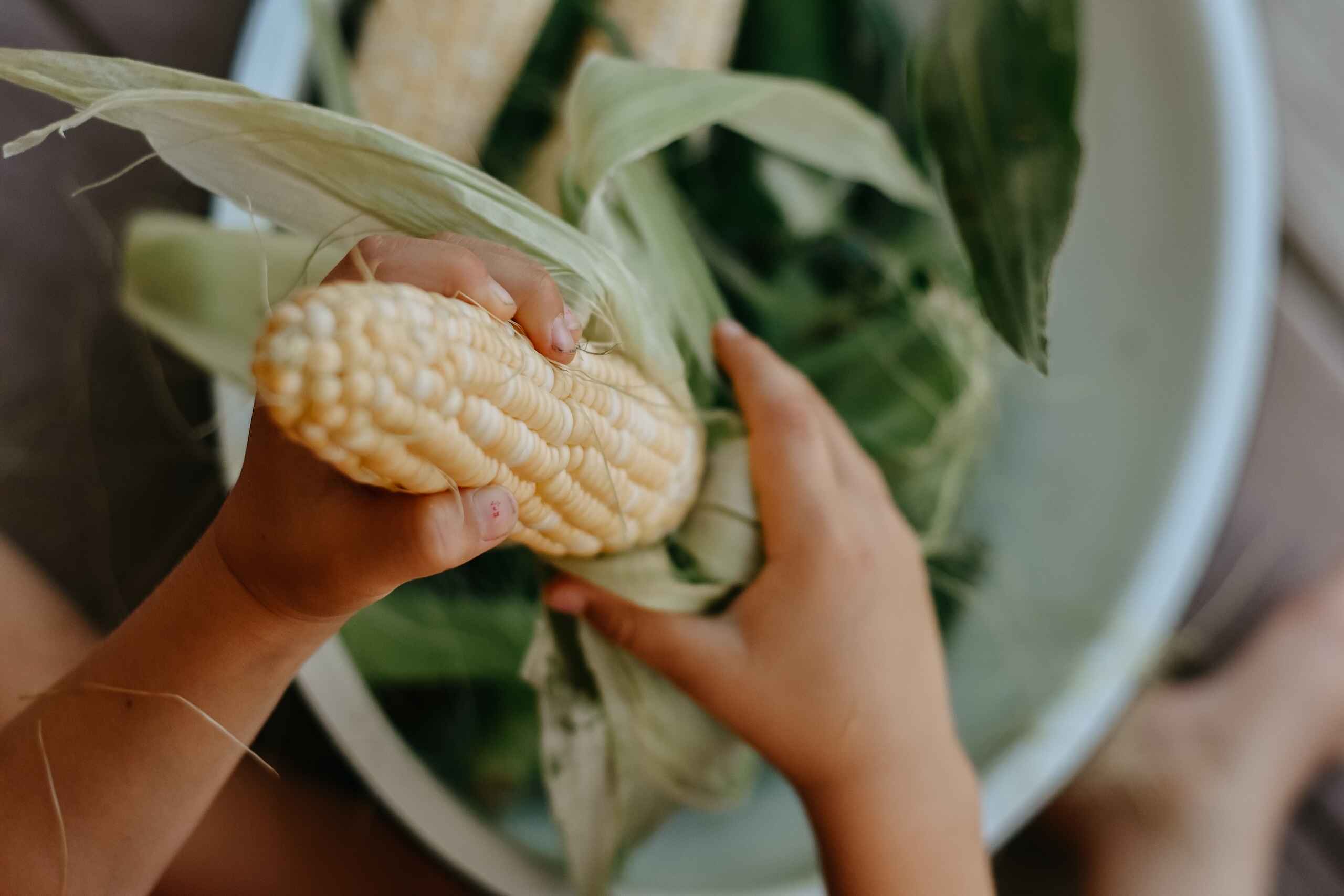
What is Local Food?
When it comes to agriculture, the term local is somewhat broad and has not yet been established by consistent exposition. There are several ways by which locality has been demonstrated within governmental and organizational definitions. Some consider food local if it was produced in the same place where it is being sold, others would argue that locality is determined by the distance which it traveled. The reality is that the term local is subjective.
With respect to food production and consumption, the term is particularly ambiguous and is usually conflated with various benefits, but remains at an industrial level. The word is often used in legislative language where the focus is to promote local food systems, but it is not always adequately defined (Rosanno, 2022). To me, being able to source and eat food that has been produced by people whose farm practices I know and respect transforms the experience of simply eating to truly nourishing the body. Oftentimes local is the intersection where perspective meets experience in food systems.
What are Regenerative Food Systems?
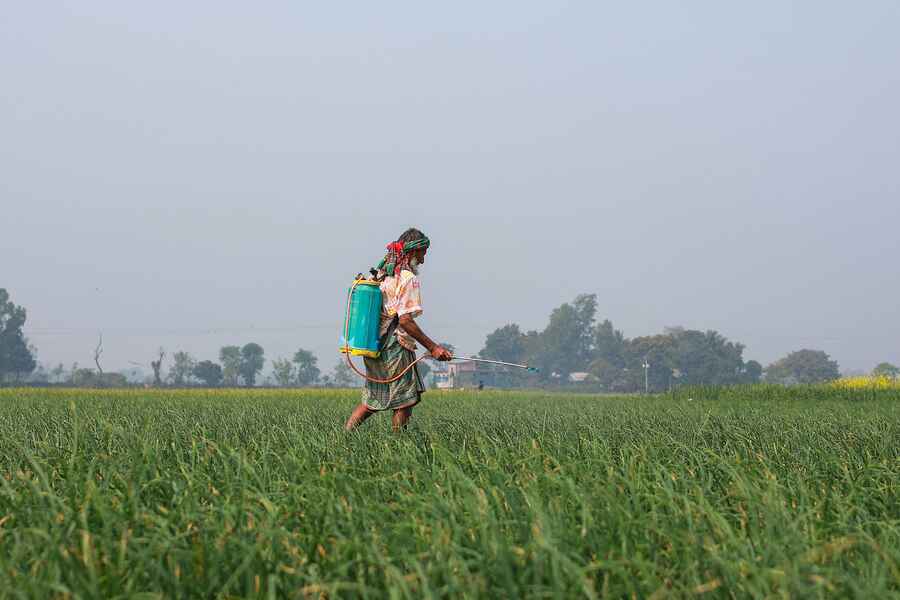
Food Systems are the networks needed to produce and transform food, and ensure it reaches humans on a global level (World Food Programme, 2026). Regenerative Food Systems are systems that focus on accessibility, climate resiliency, land stewardship practices and nutrition to feed our growing global population. There are major flaws in our current systems, markedly in land management practices with the dependence on chemical agriculture, socioeconomic inequalities, and land displacement from conflict driving market prices and accessibility. With new introductions in technology, the mechanization of agriculture is pushing us further away from quality food production and in turn, nutrition. Luckily we have choices, as both consumers and neighbors, about how we engage in these current structures.
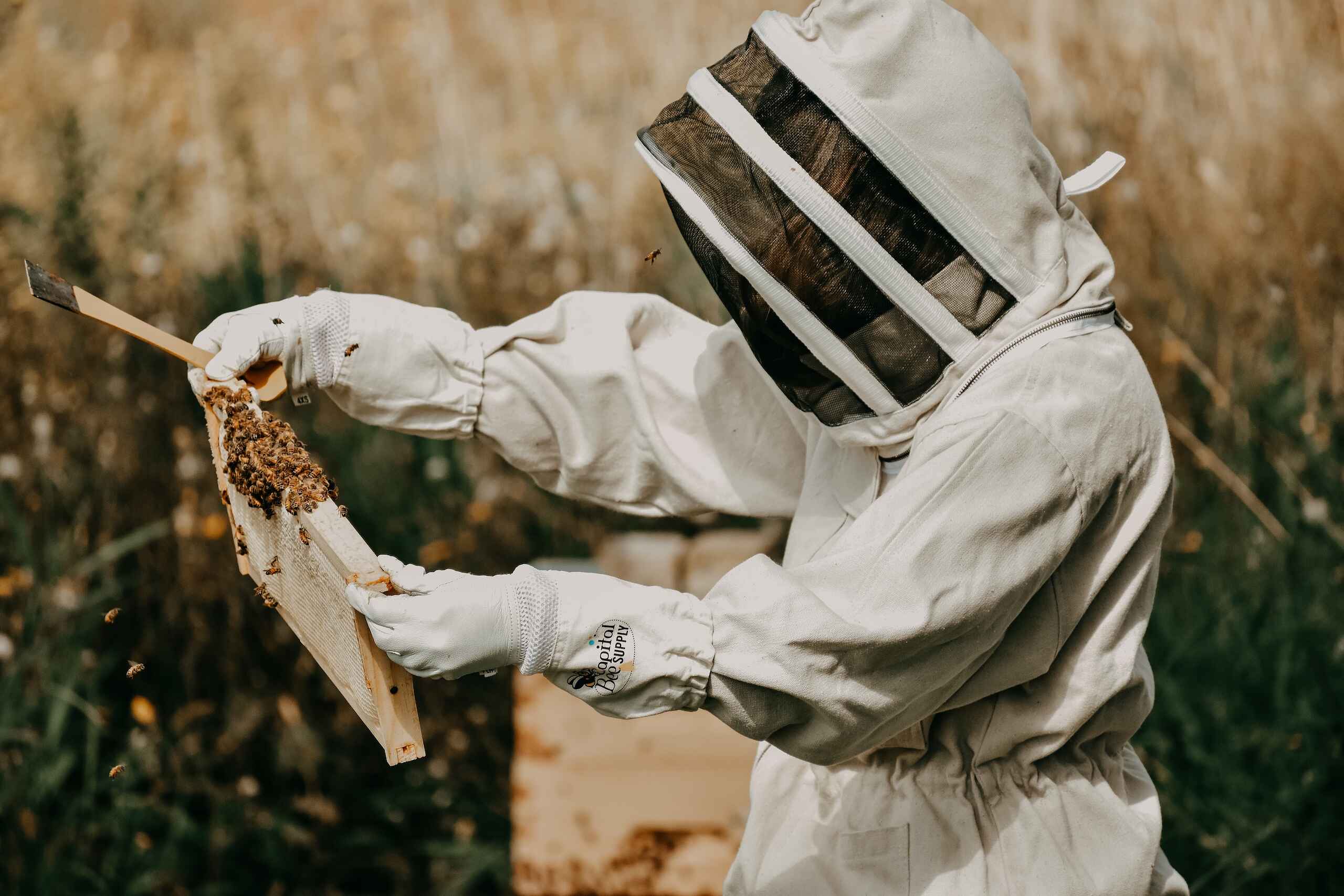
How We Engage In Food Systems
For most of human existence we have ritualized the act of nourishment by sharing meals in community - a celebration of belonging, culture, and reciprocity. Food, including who and how it nourishes, is an important way of building belonging to a place and its people.
Recognizing that we have a choice in the foods we choose and how they are grown are powerful methods of participation. Connecting with and supporting farmers and growers who care about their land and share the value of ‘quality over quantity’ feels like such a necessary part of the future of regenerating our food systems. Oftentimes these are not the large scale farms and businesses that we see lining the grocery store shelves, but the small, multigenerational family farmers, market growers, and neighbors.
From my experience, there is an appetite for cooperation in order to strengthen our food systems. When we connect, share resources, and get to know the humans doing this ancestral work as well as share their stories, we nurture the resiliency needed to create actionable change. Working together, dissolving isolation, and extending reach builds hope. I can feel the shift inside of myself as this work ripples out into the world, emblazoned by the fact that we are working collaboratively for the health of people and our planet.
Active Hope in the Anthropocene
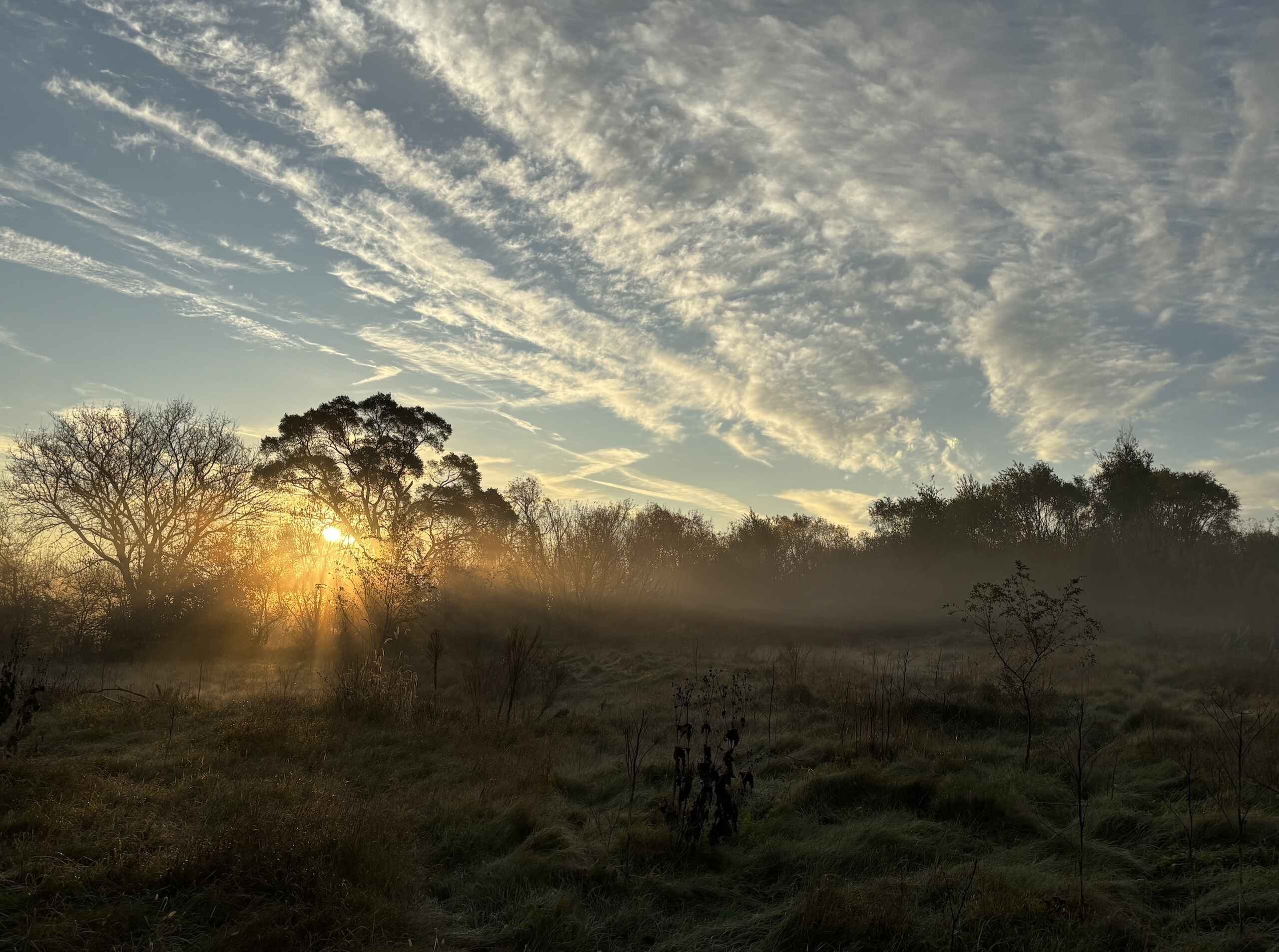
Understanding that we all belong to a living world is paramount to what the late Joanna Macy has called ‘Active Hope’. This idea follows the belief that we are interconnected to the plants and animals that feed us and the land on which makes possible this refreshed sense of belonging (Macy and Johnstone, 2012). Our modern conventional agriculture practices have shifted away from this knowledge, but I continue to meet people who live both three miles and three thousand miles away from me who are widening the circles of agriculture through regenerative land practices and the production of quality, nutrient dense foods. These are People who are working tirelessly to feed humanity, preserve and celebrate cultural importance, and improve the health of the soil for the betterment of our planet.
On a recent trip to Utah I met a medicinal herb farmer who was just beginning to incorporate Biodynamic Agriculture practices on their farm. We shared our experiences with compost teas in our varying bioregions and I felt so much gratitude for the empathy and understanding of the challenges we were both facing. Have you met any of these folks and heard their stories? Better yet, Have you shared them?
Actionable Ways to Widen Circles
The movement from intention to action can feel overwhelming, but there are so many approachable ways to participate in widening these circles. Here are some of my own observations on where you might begin:
Learn the names of the farms (and people who steward them!) in your community. Do they have a farm store?
Learn what popular food crops look like as whole plants. Have you ever seen an oat plant growing before you cooked the grain in your kitchen?
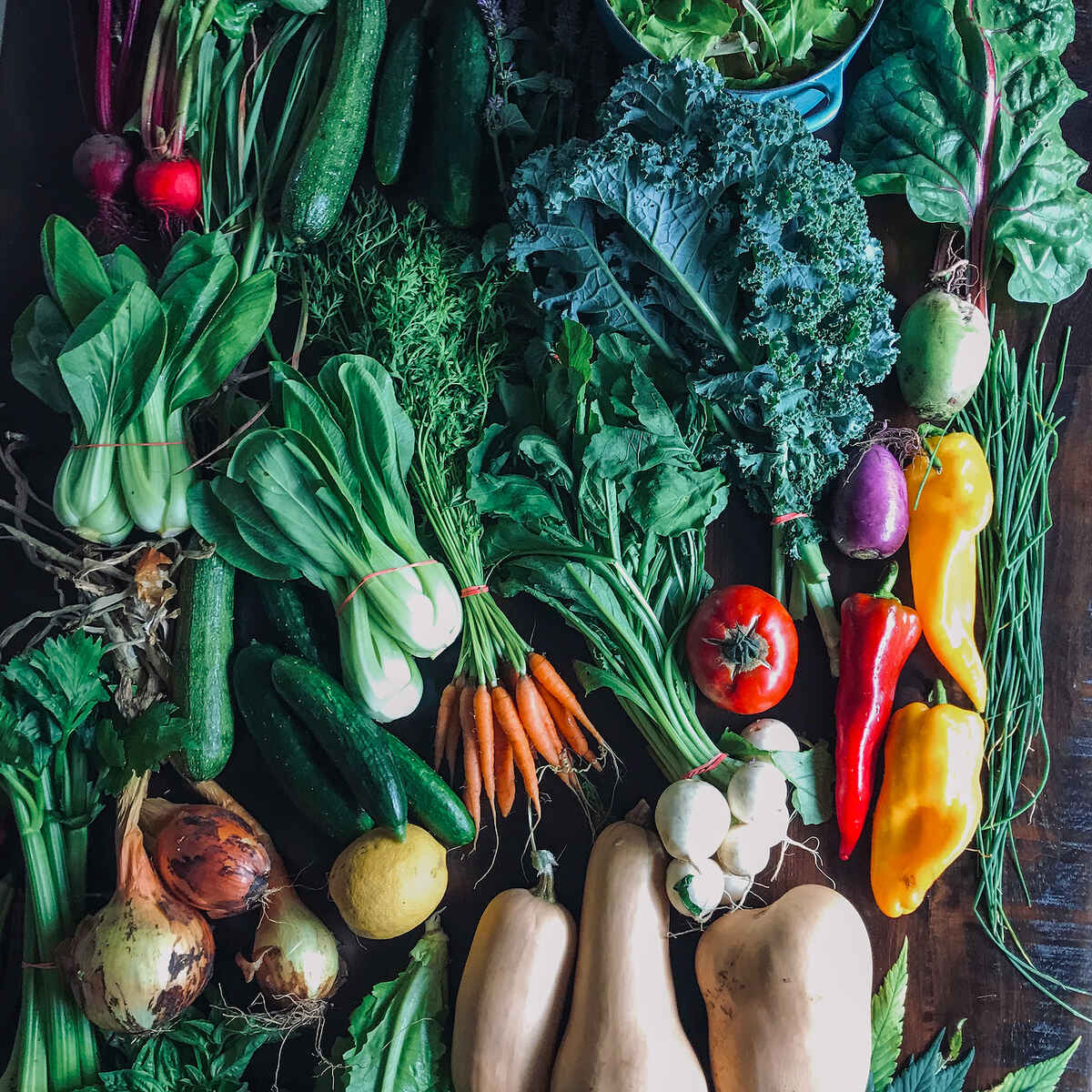
Eat with the seasons. Learn what foods are growing in your bioregion and when you can expect to celebrate their abundance.
Look up what growing zone you are in and get an idea of when local Farmers and Growers are beginning to grow the foods you enjoy.
Learn the differences in seed and why these crops are grown- are they hybrid, heirloom, or open pollinated varieties?
Research the history of the land where you live. What challenges have the people and the land overcome?
Purchase seeds that support cultural diversity through their carrying of heritage, promotion of food sovereignty and biodiversity.
Find out if there are farms in your community who give tours or allow visitors to come and see their infrastructure and management practices.
Attend a field day of a local farm or organization. These often highlight the work they are doing and the ways they are hoping to impact their local communities. (Bonus, often you get to eat delicious food!)
Support a Folk School, where skillsharing classes are often taught for practices like seed saving and food preservation.
Share seeds from your garden with neighbors and friends.
Grow native perennial plants rather than annuals to increase the health of the soil and of beneficial pollinators.
Stay open and curious; be willing to try new ways of tending your own gardens, such as utilizing water catchment.
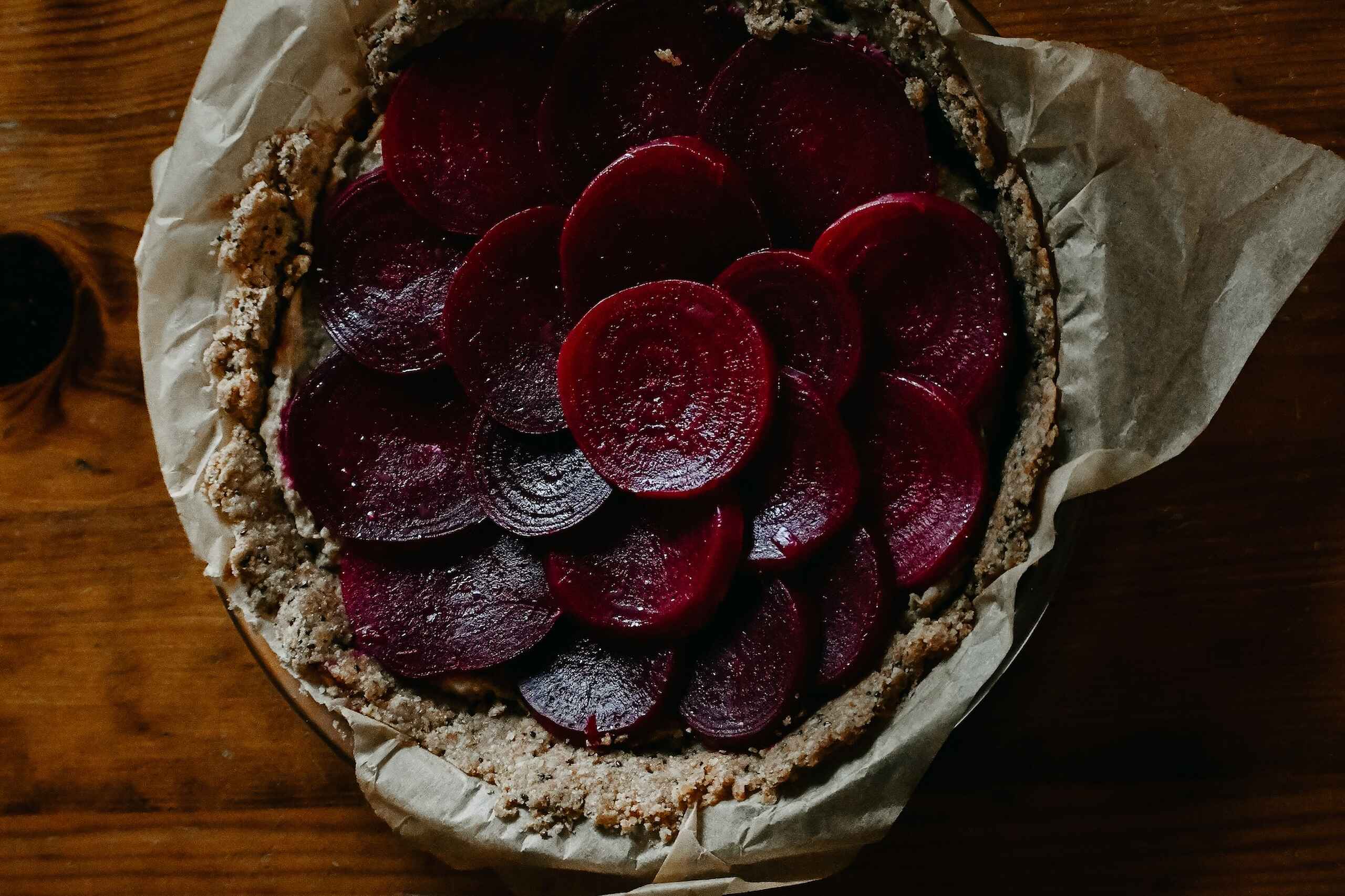
Living in a city might mean more physical distance between you and where your food is grown, but there are still many ways to participate in your food system:
Look for products that are only available in your local community and are made or grown using regenerative practices.
Support a neighborhood Farmer’s Market and try eating or cooking with a new food.
Find out if your local school systems have a local food education curriculum that includes learning how food is grown and provides access to fresh foods.
Register to vote and participate in your local political elections, which often include items and people who impact land health and agriculture.
Find out if there is a Community Garden in your neighborhood you can volunteer in.
Learn if your community has a food bank or pantry where excess fresh food can be offered to those in need.
Sign up for a Community Supported Agriculture (CSA) share for the season to reduce shopping at the grocery store. This can be a great way to try new seasonal food items and learn to prepare foods in a variety of ways.
Research your lineage and learn about the foods and their cultural significance in your family ancestry.
It is truly a gift to be present each day with the land and to know that the work I do with plants feeds the people, animals, and soil around me. Becoming a more active participant in the living world is the beginning of rebuilding the relationships between people, place, and planet. When we sync into the cycles of the natural world, we are reminded that seasons of rest and renewal are vital. Regeneration is more than a way of farming; it is also a way of remembering. You don’t need to be a farmer to widen the circles of agriculture— you can help build a food future of health and abundance right from where you are
Más Artículos Educativos


Apoya nuestro trabajo
Mantente conectado
Recibirás nuestro boletín mensual Field Notes, actualizaciones de proyectos y recursos gratuitos, además de acceso prioritario a nuevas historias.

Haz una donación
Tu donativo deducible de impuestos impulsa las historias que transforman la cultura, la organización que convierte la conciencia en acción colectiva y las relaciones que hacen posible el cambio sistémico a largo plazo.