Greg Reese is a first-generation regenerative farmer leading Fox Point Farms in Encinitas, California
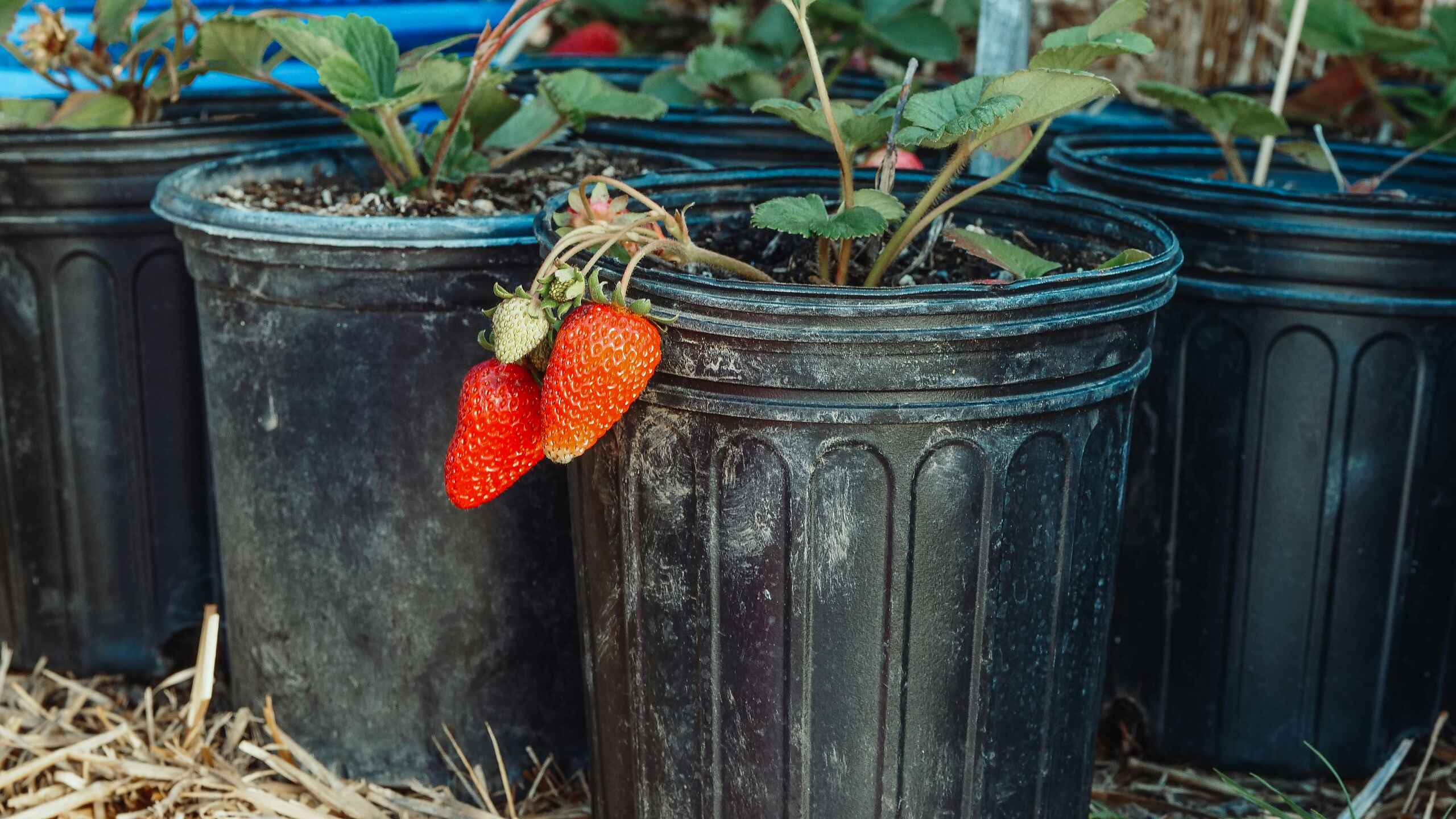
How to Grow in Pots: Pot Types and Soil
Many people don’t have space for raised beds or garden rows, but you can still grow nutrient-dense food at home in pots in tight spaces like balconies and patios. Learn how to choose the right containers and soil for success at-home.
Key takeaways for growing plants in pots and containers:
Container Options:
Plastic Planter Pots: These come in various sizes, such as 15 gallons, and feature drainage holes at the bottom. Large versions are suitable for big plants like tomatoes or even trees.
Fabric Grow Bags: These bags provide excellent drainage and aeration as water can seep out through the fabric and air can easily reach the roots.
Trays: Trays can be placed under pots that have drainage holes to catch excess water and prevent the surrounding area from getting wet.
Soil and Aeration:
Potting Soil Composition: This soil typically contains decomposed plant material and perlite.
Perlite: Added to soil to improve aeration and drainage.
Potting Soil vs. Garden Bed Mix: Potting soil is distinguished from garden bed mix by its higher concentration of aeration materials like perlite. Do not use garden bed mix for your pots and containers!
Filling and Watering Techniques
Layering Method: One way to ensure the soil is fully saturated is to fill the pot in stages (e.g., 1/4 full, then 1/2 full), watering each layer thoroughly as you go.
Wheelbarrow Method: Alternatively, you can dump an entire bag of soil into a wheelbarrow and water it there to ensure 100% saturation before transferring it to the pot.
Full Filling: Containers should be filled all the way to the top. This is necessary because soil naturally compacts and its level drops—sometimes by 2 to 3 inches—after watering or sitting for 24 hours.
Ensuring Saturation: Even if the top of the soil looks wet, it can remain dry underneath. Watering should continue until it seeps from the sides or bottom to ensure total saturation.
Más Artículos Educativos



Apoya nuestro trabajo
Mantente conectado
Recibirás nuestro boletín mensual Field Notes, actualizaciones de proyectos y recursos gratuitos, además de acceso prioritario a nuevas historias.

Haz una donación
Tu donativo deducible de impuestos impulsa las historias que transforman la cultura, la organización que convierte la conciencia en acción colectiva y las relaciones que hacen posible el cambio sistémico a largo plazo.