Greg Reese is a first-generation regenerative farmer leading Fox Point Farms in Encinitas, California
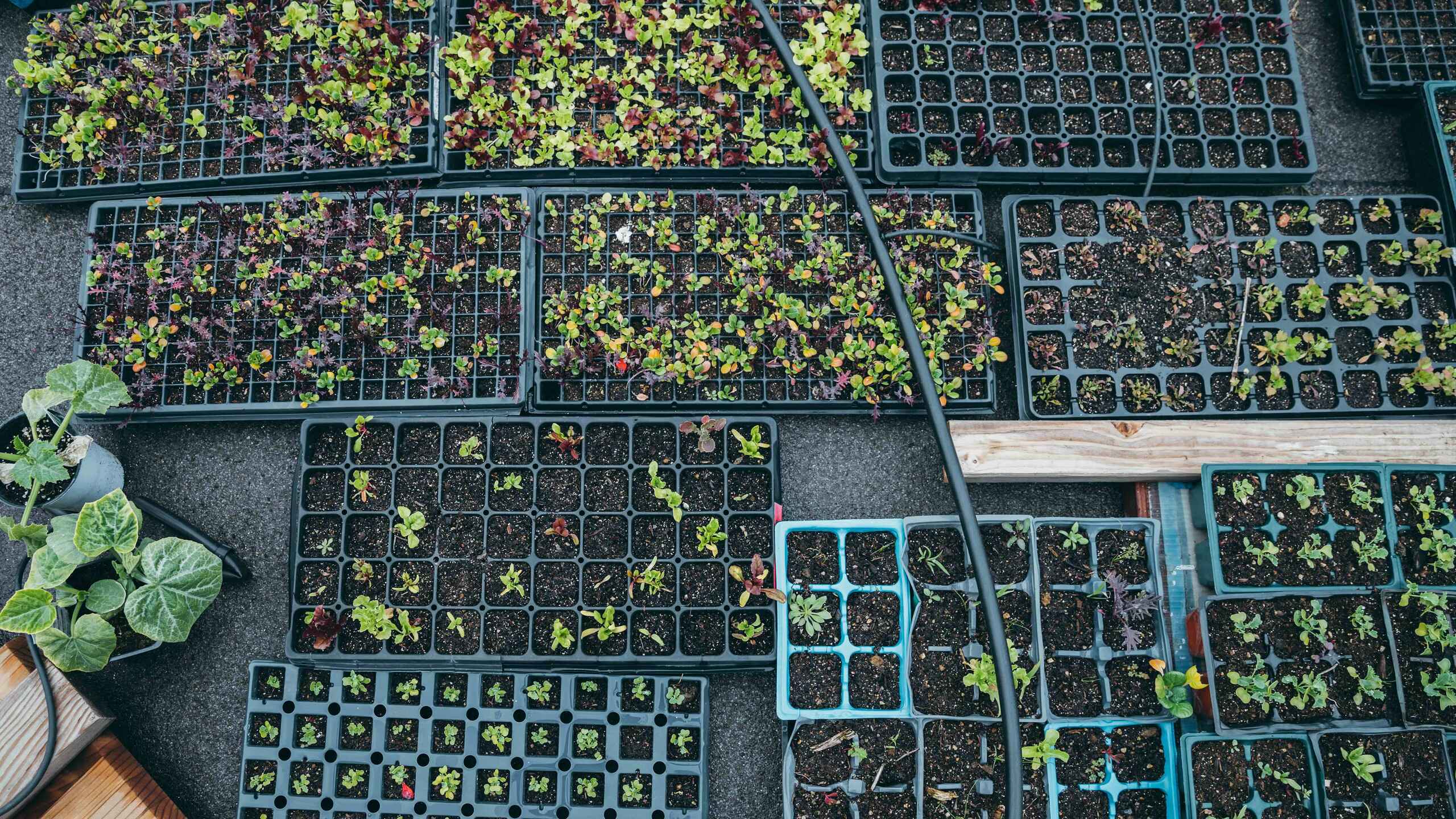
Choosing What to Plant and Understanding Spacing
Learn how to choose and space plants by sizing for maturity, placing tall crops at the back, keeping daily herbs close, and mixing species to share nutrients and save space.
Key takeaways regarding plant selection, spacing, and garden layout:
Planting Containers: Plants are commonly available in six-packs or four-inch pots. Six-packs are less expensive, often costing the same as a single four-inch pot, and may adapt better to local soil and climate. While four-inch pots are larger and further along in growth, they are more expensive.
Spacing Guidelines: Proper spacing should be determined by a plant's size at maturity.
Root Vegetables: Beets should be spaced approximately three inches apart, while carrots need about one to two inches.
Large Plants: Tomatoes require approximately 18 inches of space.
General Rule: If unsure, give large plants at least one foot of spacing.
Garden Layout and Placement:
Climbing Plants: Vining plants like cucumbers and pole beans should be placed in the back of the garden near a fence or trellis to save space and prevent them from bushing along the ground.
High-Use Herbs and Vegetables: Items used daily, such as cilantro and green onions, should be planted closest to the kitchen for easy access.
Sunlight Management: Taller plants should be placed in the back, with smaller, low-growing plants in the front to ensure everything receives adequate sunlight.
Interplanting Benefits: Planting different species together is often more successful than planting several of the same type in one spot. Different plants utilize different nutrients - such as nitrogen or potassium - which allows them to thrive together rather than competing for the same resources. Small plants like lettuce or radishes can be planted in the open spaces around larger, vining plants.
Más Artículos Educativos




Apoya nuestro trabajo
Mantente conectado
Recibirás nuestro boletín mensual Field Notes, actualizaciones de proyectos y recursos gratuitos, además de acceso prioritario a nuevas historias.

Haz una donación
Tu donativo deducible de impuestos impulsa las historias que transforman la cultura, la organización que convierte la conciencia en acción colectiva y las relaciones que hacen posible el cambio sistémico a largo plazo.