Elle is a communications leader with 15 years experience in audience engagement and mission-led storytelling, who translates food system topics into clear, human education
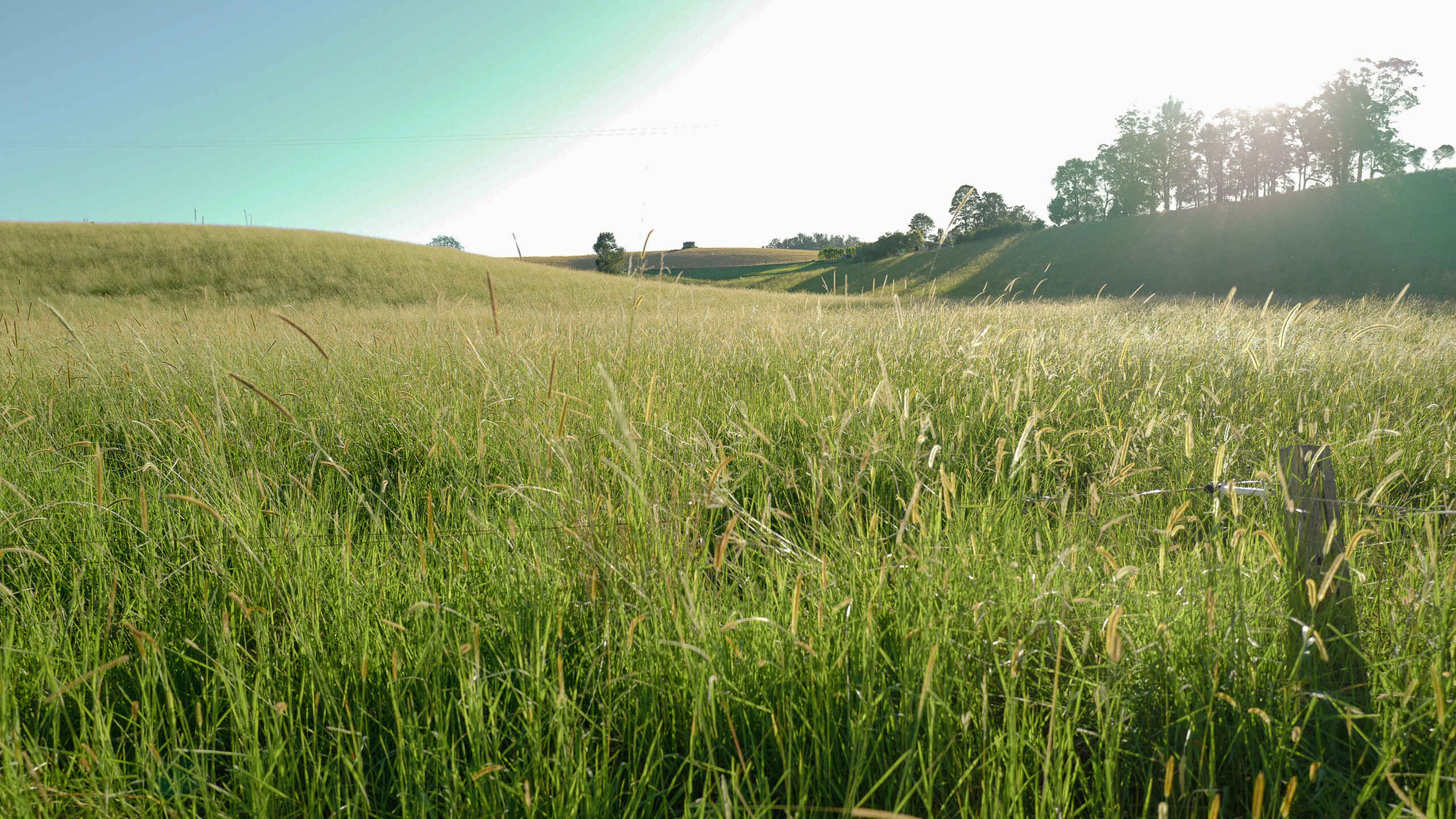
Regenerative Agriculture: Farming in Relationship
There is no single definition of regenerative agriculture, and that may be the point. Here we explore its origins, principles, challenges, and what farming in relationship with land really looks like.
One Phrase, Many Interpretations
If you came here hoping for a neat, copy-and-paste definition of regenerative agriculture, you may leave with something even more useful.
Regenerative agriculture is not a single technique, a universal checklist, or a term with one settled meaning. Even within the research, there is no legal or universally accepted definition, and different researchers, farmers, organizations, brands, and institutions emphasize different goals, practices, and outcomes.
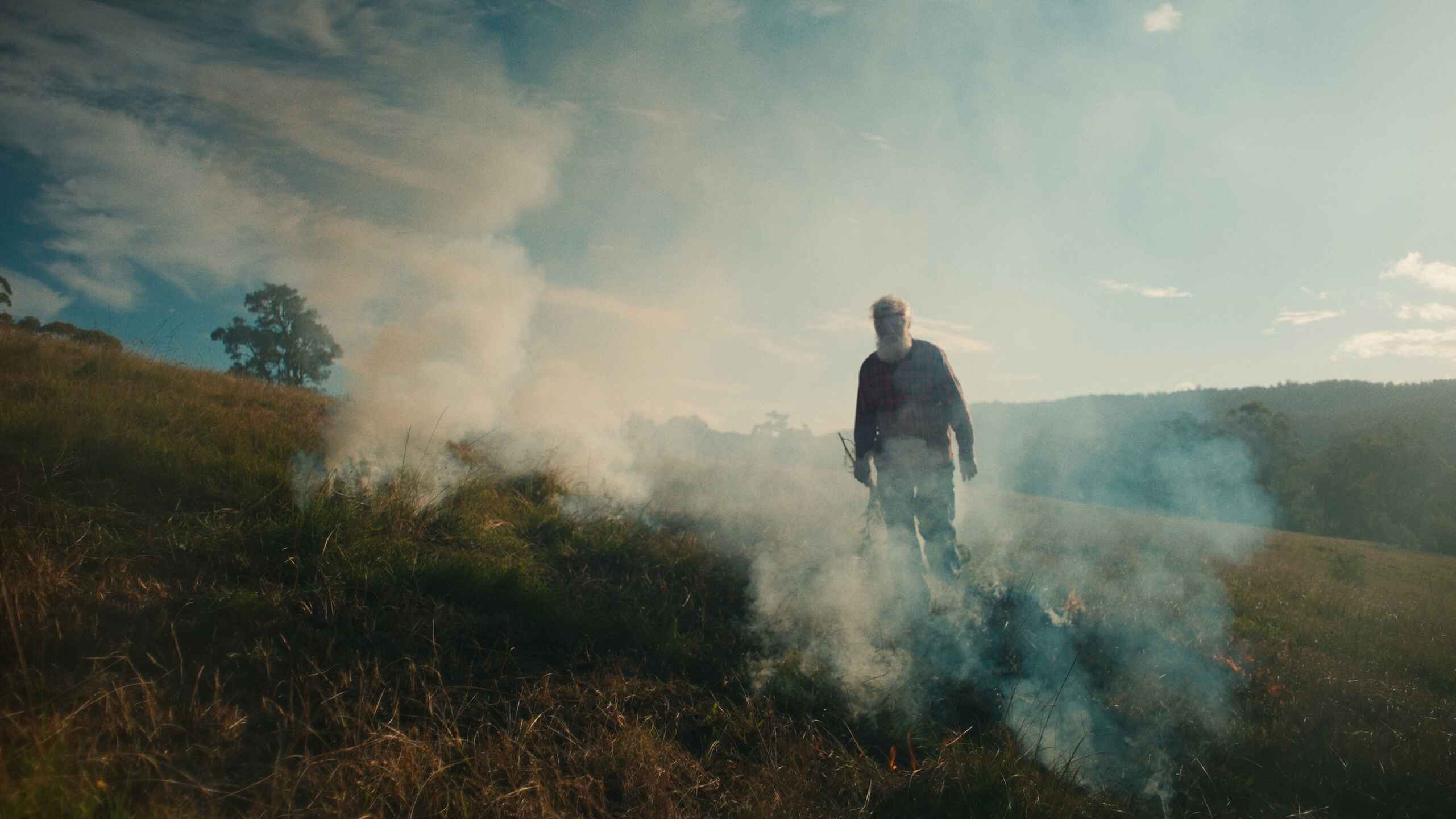
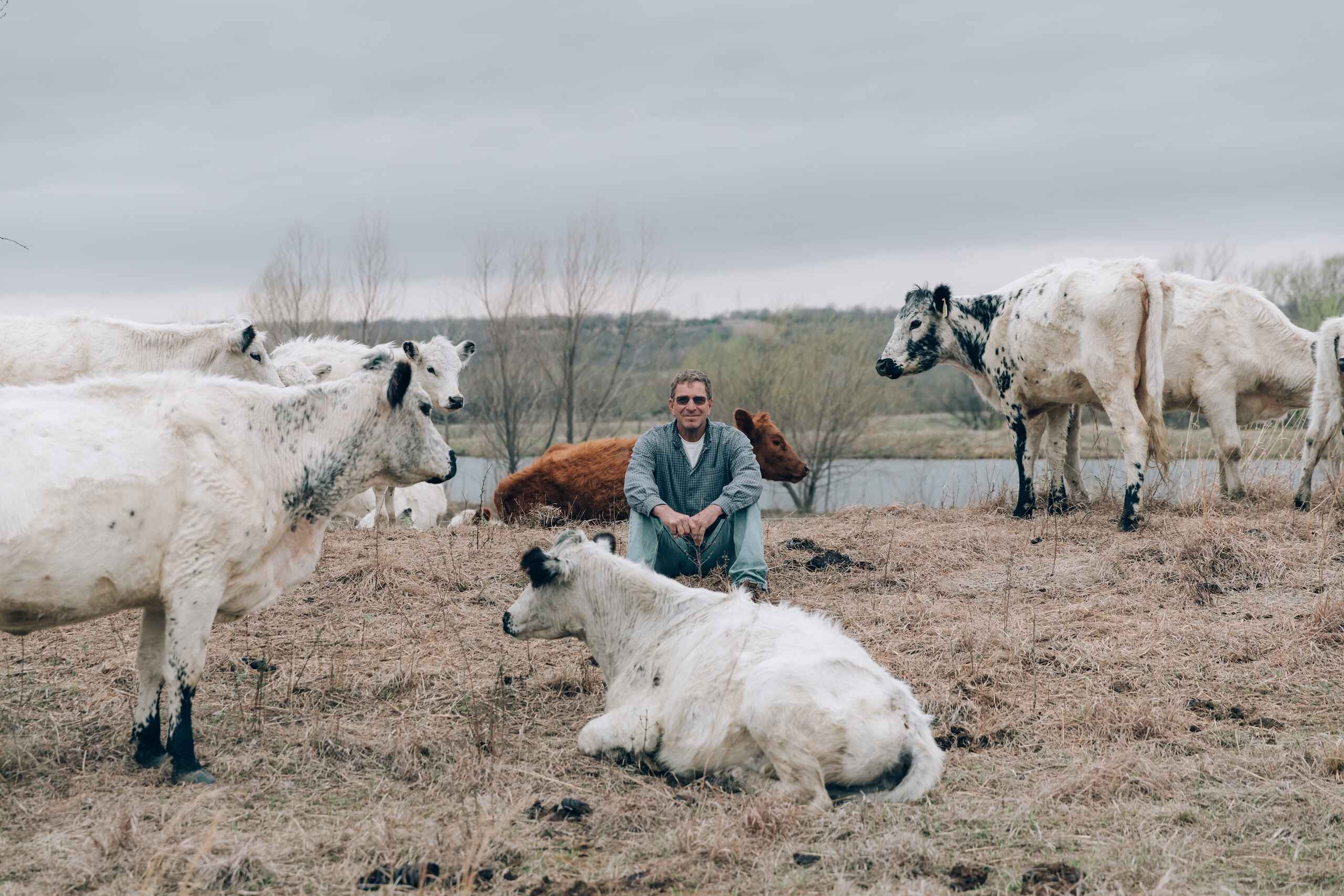
At Farmer’s Footprint, we have walked with farmers on their land in places like Redwood Falls, Minnesota, on the Atherton Tablelands in North Queensland, Australia, and in Xolochiuhyan, Mexico. Across these diverse landscapes, climates, and farming systems, one thing becomes clear very quickly: regeneration cannot be reduced to a slogan. It is shaped by place, by history, and by the health of relationships between soil, water, plants, animals, and people.
So rather than offering a rigid definition that glazes over this nuance, this article is better understood as an exploration of the regenerative movement: where it comes from, what people mean when they use the term, what practices are commonly associated with it, what the research says so far, and where the real tensions lie.
What is Commonly Meant by “Regenerative Agriculture”
At its core, regenerative agriculture describes an approach to farming that aims to improve the health of the land while producing food. In the literature, one of the most widely cited provisional definitions describes it as farming that uses soil conservation as an entry point to regenerate multiple ecosystem services. Other reviews frame it as an approach intended to produce food while improving soil health, biodiversity, and climate resilience (Science Direct, 2020).
Put simply, to regenerate is to restore, renew, or bring life back to something that has been diminished.
That is why many people are drawn to the term. It acknowledges a hard truth: in many places, our landscapes are already degraded. Soil has been eroded. Water cycles have been disrupted. Biodiversity has been thinned. In that context, we are too far gone to simply aim to sustain the current systems.
In practice, regenerative agriculture is usually associated with outcomes such as healthier soil, stronger biodiversity, improved water infiltration and retention, greater ecological function, and reduced dependence on external inputs. Practices commonly associated with it include cover cropping, diversified crop rotations, reduced tillage, managed grazing, and maintaining living roots in the ground. Reviews of the literature suggest these kinds of practices can improve soil carbon and other soil health indicators, though outcomes vary significantly by climate, soil type, and management context (Science Direct, 2025).
This is where an important distinction needs to be made.
Regenerative agriculture is best understood as an orientation around outcomes, not an input swap or a branding exercise. A farm does not become regenerative because it adopts one new practice in isolation. What matters is whether the whole system is moving toward greater ecological function, resilience, and repair.
Some organizations have tried to formalize that distinction. Rodale Institute describes regenerative organic agriculture as building on organic foundations while explicitly prioritising soil health, carbon restoration, animal welfare, and social fairness (Rodale, 2026). Regenerative Organic Certified® (ROC) now operates as a third-party certification around soil health, animal welfare, and farmworker fairness, while the Real Organic Project uses whole-farm standards that require crops to be grown in living soil and exclude hydroponics and CAFO (concentrated animal feeding operation) production.
The Origins of a Movement
“Borrowing from the past to build our future.’
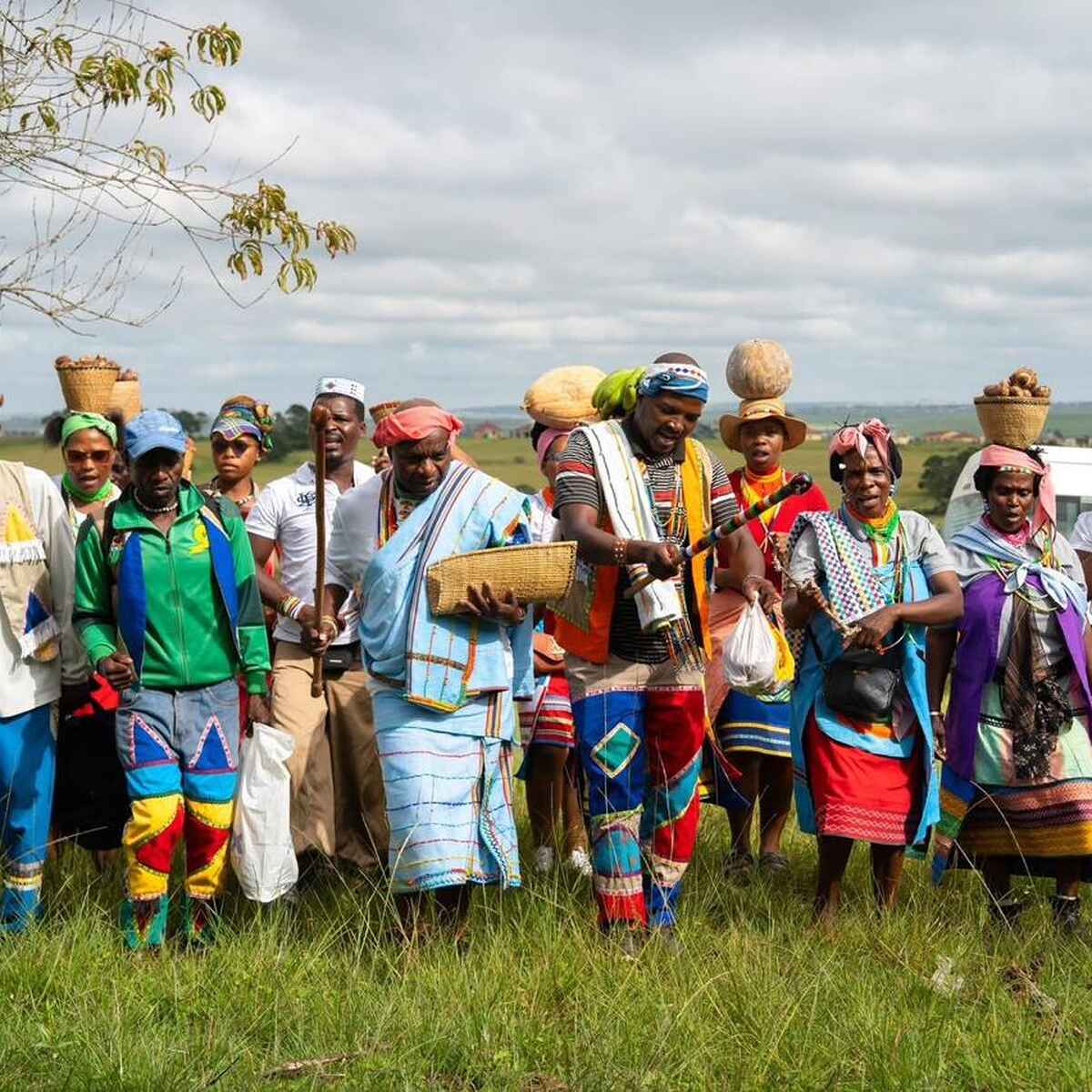
Although regenerative agriculture is often presented as new, many of the practices associated with it are not new at all. They long predate the term itself and have been practiced for centuries, in some cases far longer, by Indigenous and local communities around the world (Agriculture and Human Values, 2023).
Indigenous Peoples hold rich agricultural knowledge grounded in local ecosystems, crop diversity, traditional seeds, and biodiversity protection. Many of the farming practices now gathered under the banner of regenerative agriculture have been used by Indigenous and local communities for generations. What is often missing from modern versions is the deeper worldview behind those practices: the understanding that land is not simply a resource to manage, but a living relationship to care for (Trends in Food Science & Technology, 2025)
The term itself is much more recent. “Regenerative Agriculture” began gaining traction in the late 1970s and early 1980s, particularly through Robert Rodale and the Rodale Institute, who used it to describe a farming system designed to build soil life, strengthen ecological and economic resilience, and reduce reliance on harmful inputs.
From there, the idea continued to take shape through several overlapping traditions: Indigenous and traditional land stewardship, organic farming, agroecology, holistic grazing and land management, and the farmer-led soil health movement.
Specifically, the term agroecology matters in this conversation because it has helped build much of the ecological thinking that sits beneath regenerative agriculture, even where the two differ in their politics, structure, or social values.
No one group owns the term, and that has shaped both its strength and its weakness. It has allowed regenerative agriculture to travel across farming communities, research institutions, and public conversation. It has also left the term open to confusion, disagreement, and co-option.
The Core Principles
“Regenerative agriculture is a way of being, of doing, of thinking, and of relating within nature, as part of nature and as carbon life forms.”
There is no universal checklist that guarantees regeneration. What works on one farm may not work on another, and what works in one season may need to shift in the next.
Across the farms we have spent time on, certain patterns tend to show up again and again. These principles are not abstract ideas. They are visible in how land is managed, season after season:
Minimizing soil disturbance
Healthy soil does not benefit from being repeatedly broken apart. Reduced tillage and no-till practices are used to protect soil structure, preserve microbial habitat, and retain organic matter. In broadacre systems, this may involve specialized planting equipment. In smaller systems, it can be as simple as mulching, top-dressing compost, and leaving soil undisturbed. Research shows that tillage alters soil microbial communities, while reducing disturbance helps maintain the structure and functions that soil depends on (Springer, 2024).Keeping living roots in the ground
Living plants feed the soil microbiome and support water infiltration, nutrient cycling, and soil aggregation. One of the clearest expressions of this principle is cover cropping, where plants are grown not for harvest, but to protect the soil, build organic matter, and keep biological systems active between production cycles. Studies show cover crops can improve soil health and, in some contexts, increase soil organic carbon by up to 30% (MDPI, 2025).Increasing biodiversity
Diversity strengthens resilience. This can take many forms, including crop rotation, multi-species cover crops, agroforestry, and more complex pasture systems. Greater diversity supports more stable microbial communities, reduces pest pressure, and helps balance ecosystems over time.Integrating livestock where appropriate
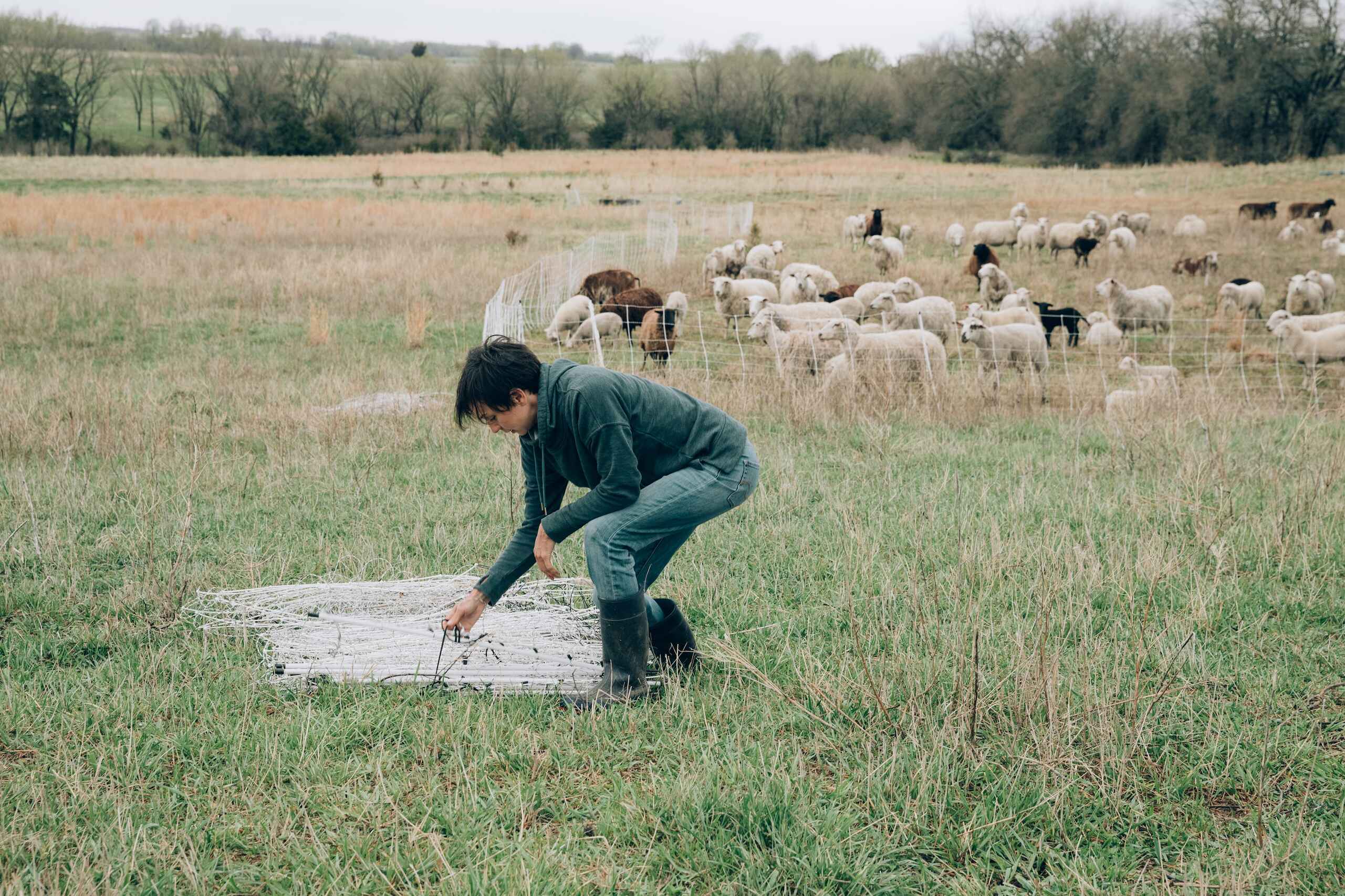
In some systems, animals are part of how nutrients cycle and landscapes recover. Rotational or adaptive grazing involves moving livestock in a way that allows plants time to regrow before being grazed again. When managed well, this can support soil health and pasture resilience. When poorly managed, it can degrade both. As with many regenerative practices, outcomes depend on timing, density, and recovery.Building soil organic matter and restoring ecological function over time
These practices are connected by a broader goal: helping land regain its capacity to function as a living system. As organic matter increases, soils tend to hold more water, cycle nutrients more effectively, and become more resilient to environmental stress.
A vivid example of how these practices can be layered into a diverse farming system appears in the documentary The Biggest Little Farm, which follows one couple as they work to regenerate a degraded farm in Moorpark, California. It also shows why regenerative agriculture is better understood as a set of patterns than a set of prescriptions. These systems are place-based, and their integrity depends less on ticking off practices than on whether those practices are helping the land recover function over time.
Challenges to the System
Because regenerative agriculture has no legal or universally agreed definition, the term can be used loosely. It appears in marketing, on product labels, and in corporate sustainability language, often without clear accountability. This creates real risk. A farm or brand can gesture toward regeneration while making only limited changes on the ground. It’s easy to see how this lack of standardization could become a growing source of inconsistency and potential greenwashing.
There is also an ongoing tension between certification-based and principle-based approaches. Certification can offer structure, accountability, and consumer trust. It can also be costly, rigid, or difficult to apply across diverse landscapes. Principle-based approaches allow for flexibility and farmer-led innovation, but they rely heavily on integrity and can be more difficult to verify.
Then there is the question of access.
Transitioning land takes time, knowledge, labor, and financial resilience. For many farmers, the risk is real. Increasingly, research and on-the-ground experience point to the need for long-term support, shared learning, and economic pathways that make transition viable, rather than expecting farmers to carry that burden alone.
Can Regenerative Agriculture Feed the World?
This is one of the biggest questions in the whole conversation, and it deserves a more careful answer than either side of the debate often gives it.
Regenerative agriculture is not well understood if it is measured only against the output logic of highly industrialized systems. A more useful question is what kind of food system can nourish people over the long term while maintaining soil, water, biodiversity, and the livelihoods that depend on them.
Part of the tension in this question comes from how we define the problem. “Feeding the world” often assumes a centralized, globalized system where food is produced in one place and consumed in another. But much of the world is already fed differently. Smallholder farmers, many working on less than two hectares of land, produce a significant share of the global food supply, often feeding their own communities and regions directly (FAO, 2021).
This points to a different way of thinking about scale. Rather than asking how a single system can feed everyone, could it not be more useful to ask how many regional, place-based systems can feed the people closest to them? In that context, localization becomes a pathway to legitimate solutions. When food systems are designed to serve communities first, they are instinctively more diverse, which creates more resilience and less dependence on long supply chains that are vulnerable to disruption.
These ideas and more are explored through our podcast series of The Invisible Ingredient, especially in Episode 6 - Close to Home with Helena Norberg Hodge and Episode 7 The Long Game with Dr Charles Benbrook.
The conversations explore how in some contexts, regenerative systems are highly productive. In others, transition periods, labor requirements, and market structures create real constraints. The evidence points to a more nuanced reality. Regenerative approaches can improve resilience, reduce ecological damage, and, in some systems, support long-term profitability and stability. In Andhra Pradesh, India, a major true cost accounting study of agroecological natural farming found 49% higher farmer incomes, greater diet diversity, and average yields that were 11% higher than comparison farming systems, while also delivering the strongest positive returns on public investment in the study. That does not mean every regenerative system will produce the same results everywhere, but it does show that these approaches can perform strongly when they are well supported and shaped to place.
How that scales depends on region, diet, waste, land access, and the broader design of the food system.
A Living Movement
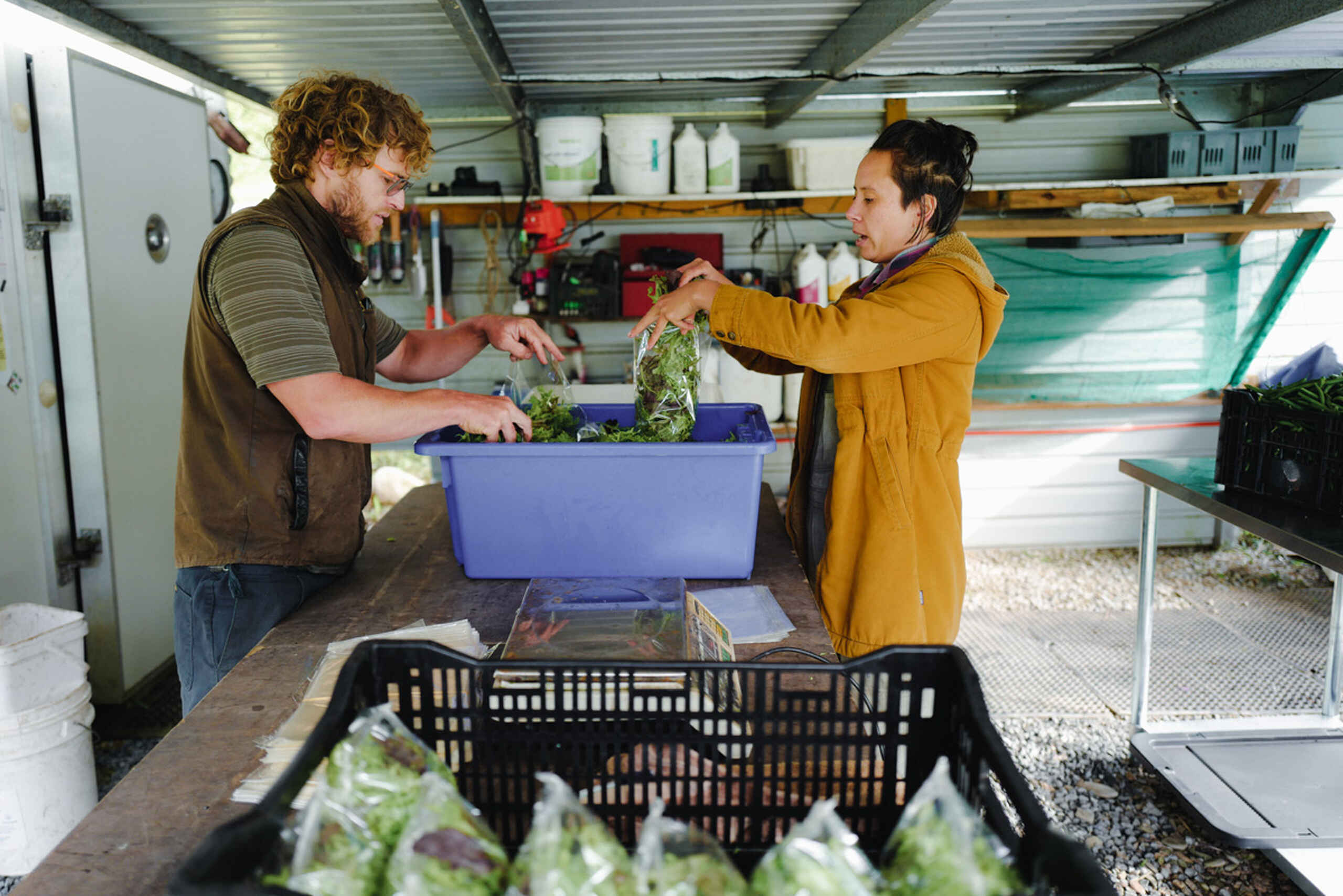
“Nobody is going to change the system by themselves.”
Regenerative agriculture is still evolving. That is part of its promise and part of its vulnerability.
What gives the movement credibility is not a fixed definition. It is the growing number of farmers, land stewards, and communities working to restore ecological function in places where extraction has become normal. The direction it takes will depend on whether it remains grounded in real outcomes, place-based knowledge, and accountability, or whether it becomes diluted into a marketing term.
From where we stand, the most compelling regenerative farmers are not chasing a label. They are paying close attention to the land in front of them. They are asking better questions of soil, water, plants, and animals. They are adapting, experimenting, and, in many cases, reviving ways of thinking that were pushed aside.
For regeneration to take hold at scale, those knowledge systems need to be recognized as legitimate, not peripheral. That includes supporting the people who carry them, and confronting the structures that continue to concentrate land, extract value, and limit access to resources and markets. Without that shift, there is a risk that regeneration becomes another layer applied to the same underlying system.
This is also where the conversation moves beyond practice alone. The success of this movement is tied to how knowledge is recognized, whose land is supported, and which systems are allowed to change. Many of the principles now described as regenerative have long existed within Indigenous and traditional food systems, as well as among smallholder and peasant farmers across the world. These systems have sustained landscapes and communities over generations, often under pressure from the same economic and political forces that have driven ecological decline elsewhere.
As agriculture faces accelerating soil degradation, climate instability, biodiversity loss, and widening inequity, clarity is important, as is humility. Organic and regenerative organic frameworks offer one pathway toward clearer standards. Farmer-led, place-based systems offer another source of insight and innovation. Our job as a collective is to ensure that the term continues to point back to the work itself: restoring the living systems that food depends on, while supporting the people and cultures that have long understood how to do so.
L. Schreefel, R.P.O. Schulte, I.J.M. de Boer, A.P. Schrijver, H.H.E. van Zanten Regenerative agriculture – the soil is the base Glob. Food Sec., 26 (2020)
A. Kumar, G. Antoniella, E. Blasi, T. Chiti, Recent advances in regenerative sustainable agricultural strategies for managing soil carbon and mitigating climate change consequences CATENA, 258 (2025), Article 109208
Arash Ghale, PhD; Stacy Kimmel, PhD; Andrew Smith, PhD, What Is Organic and What Is Regenerative?, Rodale, Jan 23, 2026
B. Sands, A White, M Machado, E Zent, Moving towards an anti-colonial definition for regenerative agriculture, Agriculture and Human Values, May 2023 DOI: 10.1007/s10460-023-10429-3
Rosado-May, FJ, et al. 2025. Constructing an Indigenous knowledge approach to agroecology and regenerative agriculture: The case of Yucatec Maya. Elem Sci Anth, 13: 1. DOI: https://doi.org/10.1525/elementa.2023.00121
Knorr D, Augustin M. Towards resilient food systems: interactions with indigenous knowledge. Trends Food Sci Technol. 2025;156:104875. https://doi.org/10.1016/j.tifs.2025.104875.
Salisu MA, Ampim PAY, Oyebamiji YO, Kotochi ABA, Imoro MM. Cover Crops Enhance Soil Organic Carbon and Soil Quality for Sustainable Crop Yield: A Systematic Review. Agronomy. 2025; 15(12):2865. https://doi.org/10.3390/agronomy15122865
Fritze, H., Tuomivirta, T., Orrù, L. et al. Effect of no-till followed by crop diversification on the soil microbiome in a boreal short cereal rotation. Biol Fertil Soils 60, 357–374 (2024). https://doi.org/10.1007/s00374-024-01797-x
Sadiq, F. K., Anyebe, O., Tanko, F., Abdulkadir, A., Manono, B. O., Matsika, T. A., Abubakar, F., & Bello, S. K. (2025). Conservation Agriculture for Sustainable Soil Health Management: A Review of Impacts, Benefits and Future Directions. Soil Systems, 9(3), 103. https://doi.org/10.3390/soilsystems9030103
Salisu, M. A., Ampim, P. A. Y., Oyebamiji, Y. O., Kotochi, A. B. A., & Imoro, M. M. (2025). Cover Crops Enhance Soil Organic Carbon and Soil Quality for Sustainable Crop Yield: A Systematic Review. Agronomy, 15(12), 2865. https://doi.org/10.3390/agronomy15122865
Sandhu H, Sukhdev P, Sharma K, Obst C, Pretty J, Bharucha Z, Gundimeda H, Das N, Bhopale M. Sandhu Prof H, Gastaldi Dr C, GIST Impact Report, 2023. “Natural Farming Through a Wide-Angle Lens: True Cost Accounting Study of Community Managed Natural Farming in Andhra Pradesh, India.” GIST Impact, Switzerland and India.
Más Artículos Educativos




Apoya nuestro trabajo
Mantente conectado
Recibirás nuestro boletín mensual Field Notes, actualizaciones de proyectos y recursos gratuitos, además de acceso prioritario a nuevas historias.

Haz una donación
Tu donativo deducible de impuestos impulsa las historias que transforman la cultura, la organización que convierte la conciencia en acción colectiva y las relaciones que hacen posible el cambio sistémico a largo plazo.