Greg Reese is a first-generation regenerative farmer leading Fox Point Farms in Encinitas, California
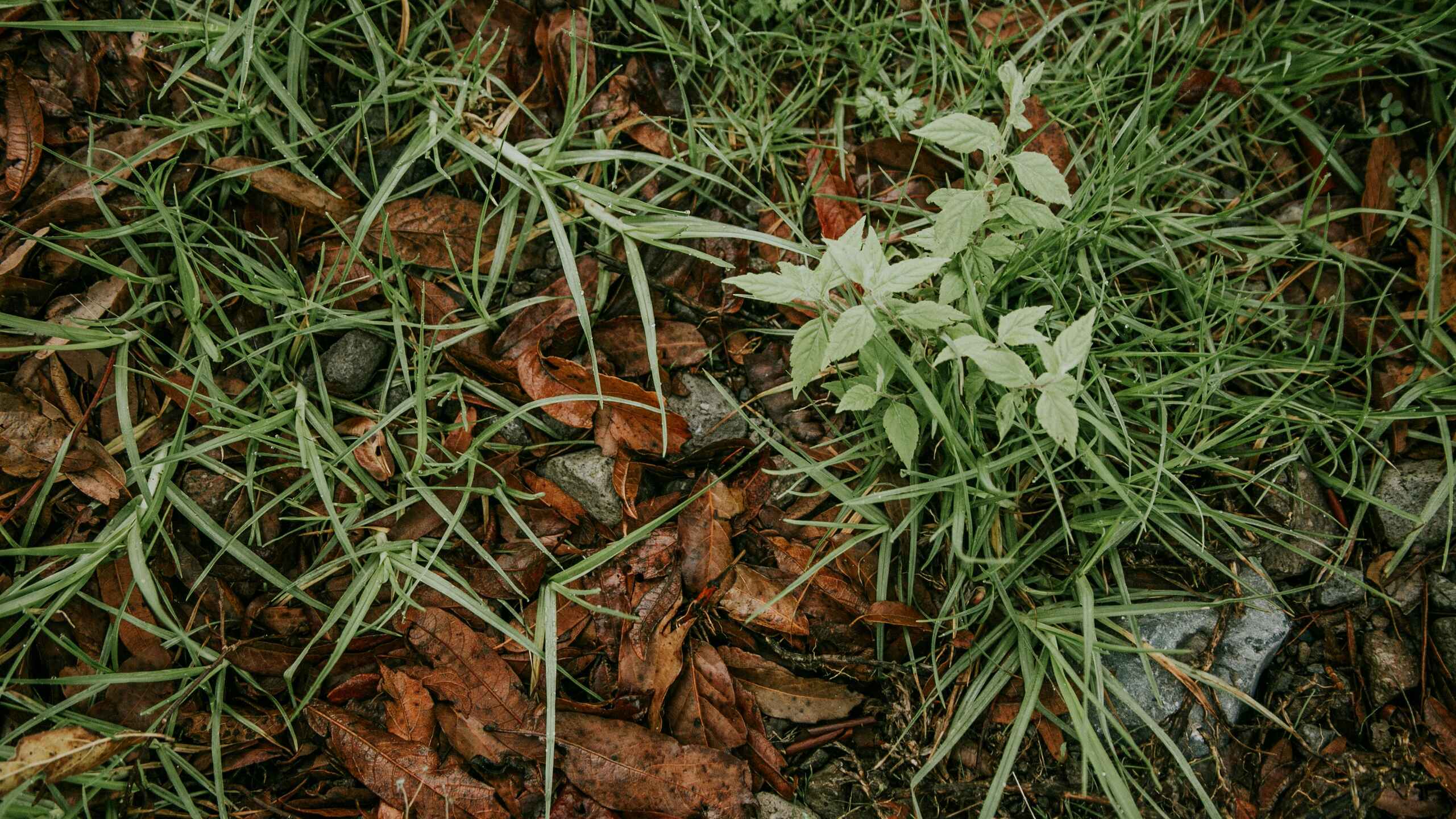
How to Use Weeds as a Resource
Learn to see weeds as soil signals, not just problems, and use them to reveal nutrient gaps, build soil life, and turn your garden into a more responsive, regenerative system.
Key takeaways for weed management:
Shift your perspective: Weeds are often seen as pests, but in nature, every plant has a role. Instead of only competing with crops, weeds can offer valuable insight into your soil’s condition.
Weeds as soil indicators: Weeds can help you read what is happening underground. For example, grasses often appear first in disturbed soil to help stabilize it, while stinging nettle can signal a calcium deficiency.
Soil health benefits: Weeds contribute to soil biology and life. As they grow and decompose, they return nutrients like calcium back into the soil, supporting long-term fertility and plant health.
Practical uses: Many weeds are edible or can be used medicinally in teas and remedies, adding additional value beyond the garden bed.
Management strategies: Identify weeds early to understand soil conditions and prevent more aggressive species, like crabgrass, from taking over. Remove or cut them before they flower or go to seed to reduce spread and buildup.
Yield impact: Weeds may slightly reduce nutrients available to crops, but they rarely harm plants directly. In many gardens, a manageable level of weeds can coexist with productive growth, especially outside of large-scale farming systems.
Más Artículos Educativos





Apoya nuestro trabajo
Mantente conectado
Recibirás nuestro boletín mensual Field Notes, actualizaciones de proyectos y recursos gratuitos, además de acceso prioritario a nuevas historias.

Haz una donación
Tu donativo deducible de impuestos impulsa las historias que transforman la cultura, la organización que convierte la conciencia en acción colectiva y las relaciones que hacen posible el cambio sistémico a largo plazo.