Reconnecting With Our Indigeneity: We Are All Ancestral
Read the Story of Our Return to Culture through Land, Lineage, Food, and Story .
Briar Rose is an indigenous storyteller and the Director of Storytelling at Farmer’s Footprint, where she leads narrative across film, editorial, and creative production.
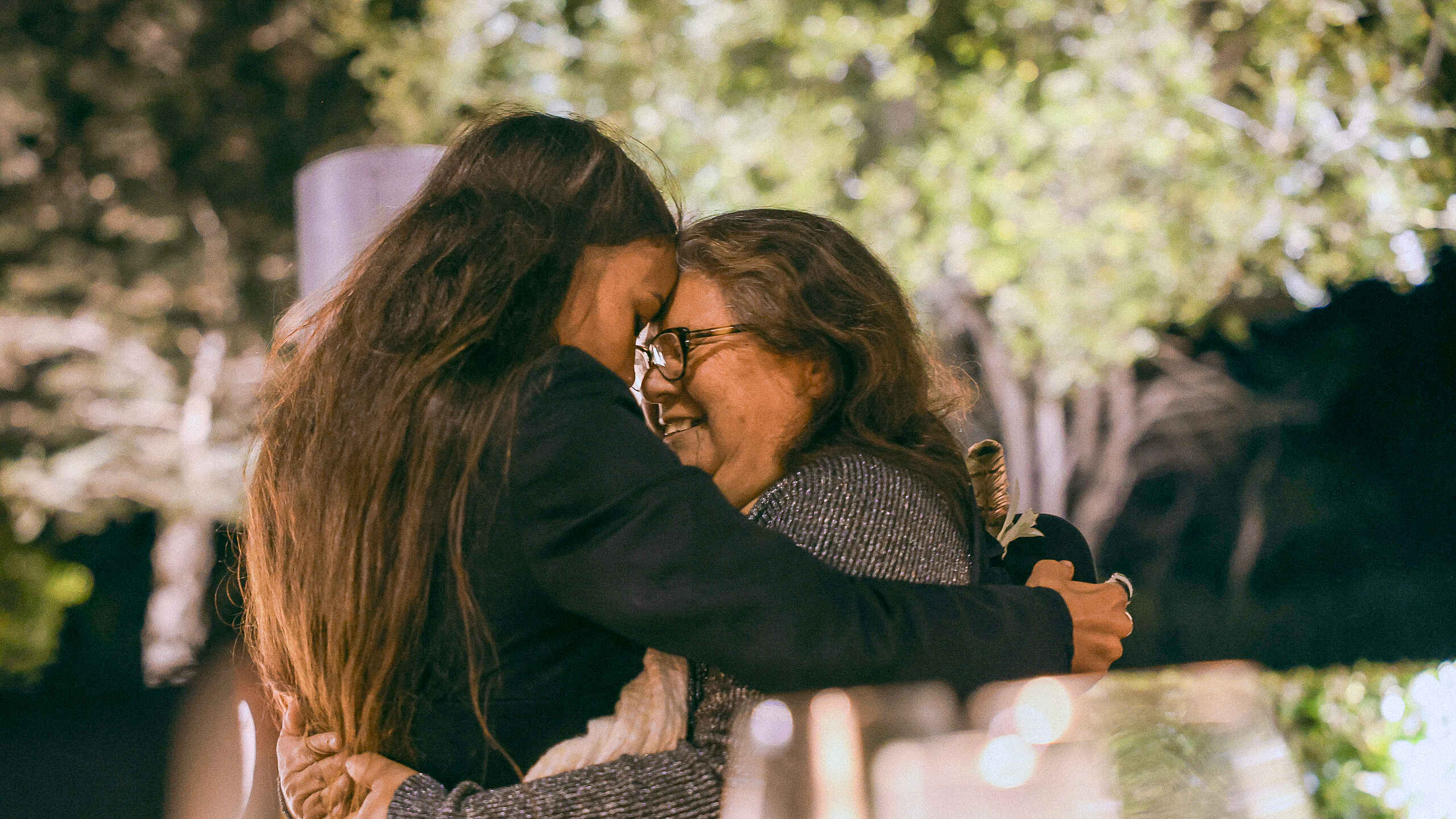
As Indigenous storytellers, we carry the wisdom of our ancestors, of farmers, weavers, knowledge keepers, and land stewards whose lives were lived in deep reciprocity with the earth. Rooted in ancestral heritage, we come from a lineage where oral tradition, carving, and song have passed down time tested knowledge from one generation to the next.
In my journey, I have been in dialogue with many elders from different Indigenous cultures, including Chumash, Māori, Kogi, Arhuaco, Waitaha, Kuntanawa, and beyond. Though their languages and cultures vary, their message is the same...the time to remember is now. The time to reconnect with our ancestral roots and indigeneity is now. The time to reclaim our belonging to this earth is now.
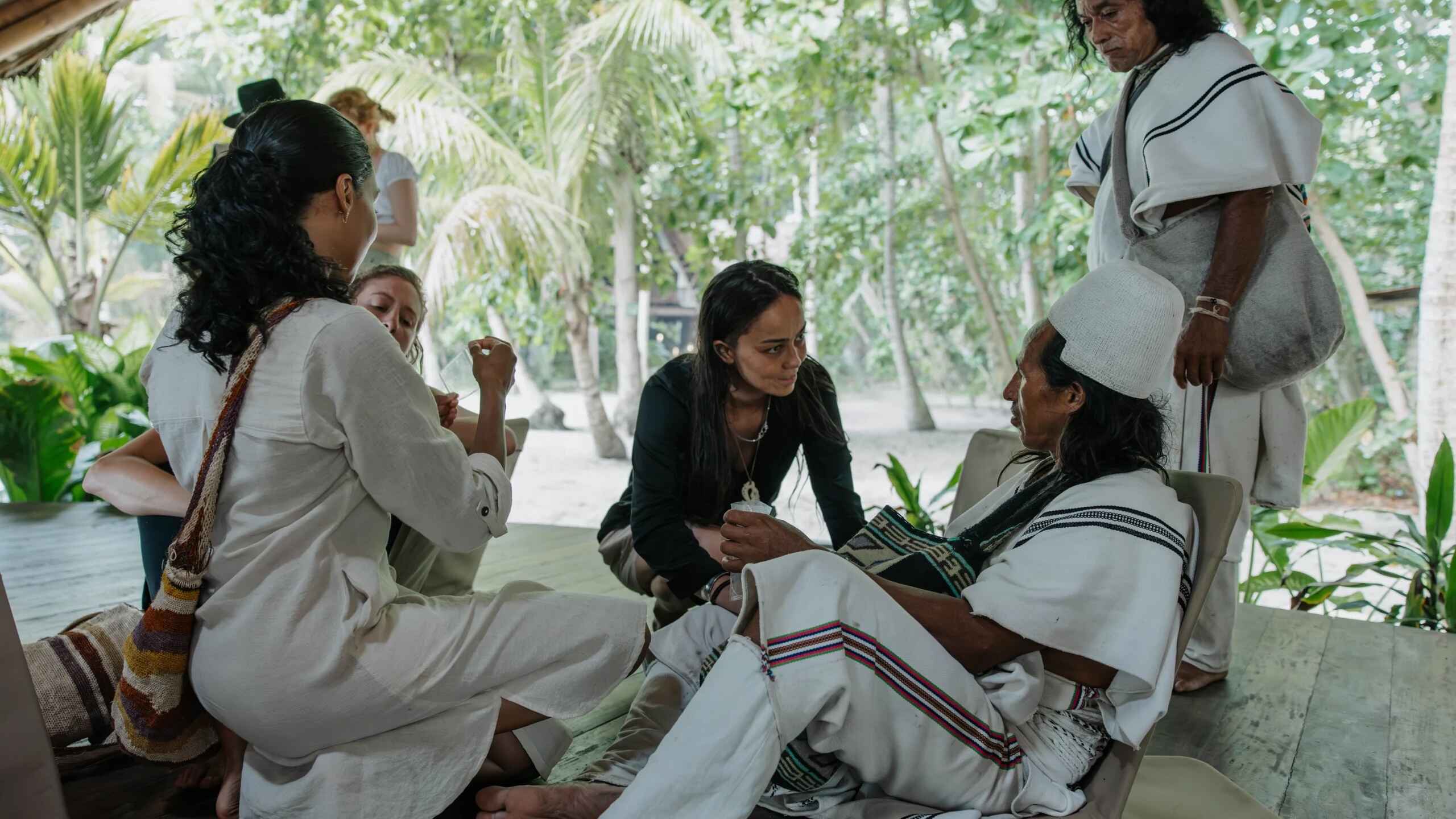
In the language of the land, stories are seeds. Ancestrally, stories were vehicles of continuity, wisdom, knowledge, and lineage - transmitted through each generation. Through story, we handed down our learnings of the land, the ceremonies of our people, and the sacred responsibilities that were held. Storytelling safeguards the truths of our existence, ensuring that the generations to come will know who they are and where they belong.
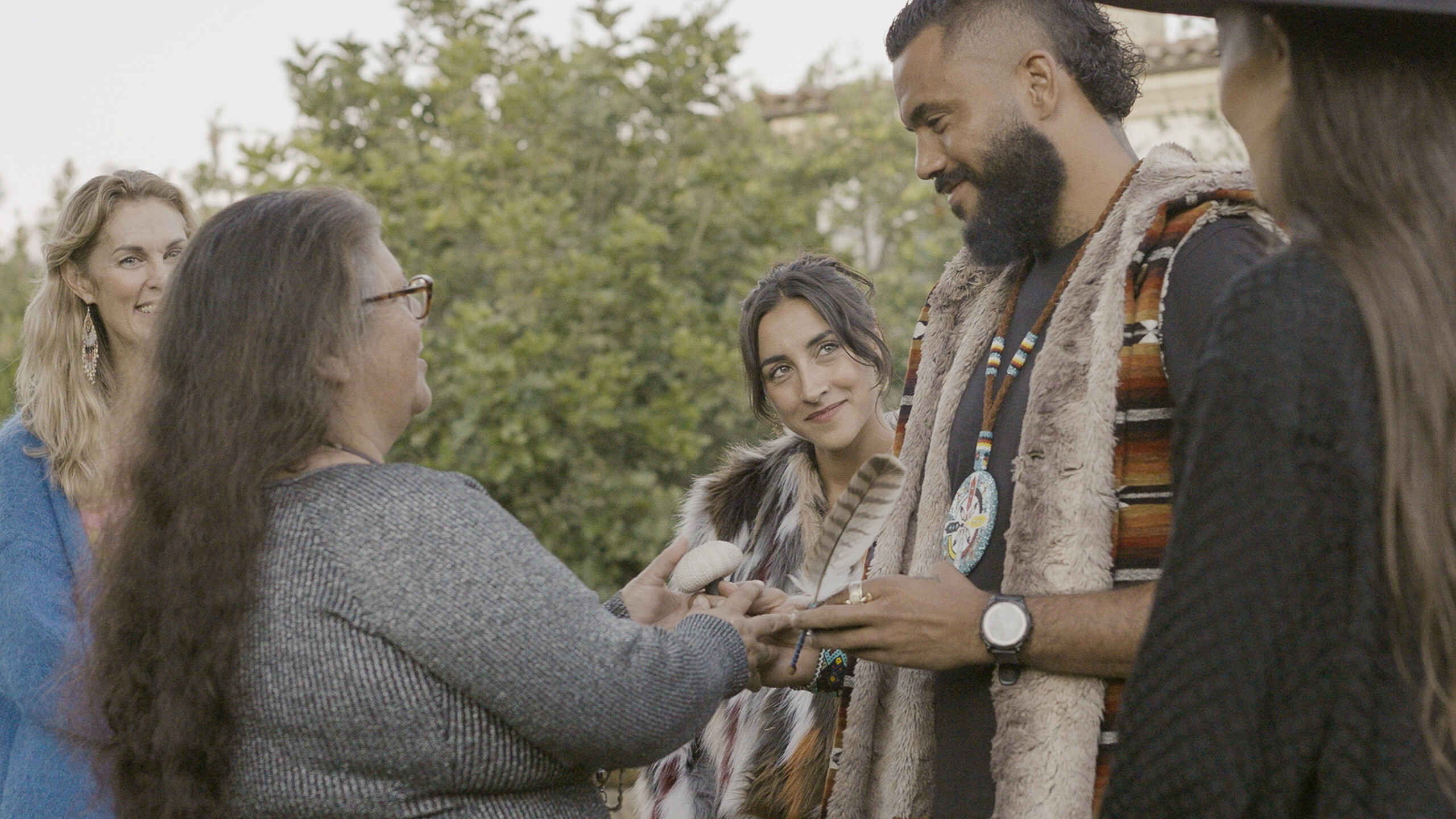
At one such gathering, we brought together Chumash Elder Maria Elena ‘Mia’ Lopez, Zach Bush, and Oliver English to explore the story of our return to culture through land, lineage, food, and story.
The ceremony was opened in deep reverence by Dr. Brett Jones who led us in Lakota song and prayer, thanking our Earth Mother, acknowledging the four directions, and calling in our ancestors to guide the space, to “be with us now”. His invocation was a living example of prayer passed from generation to generation, ancestral wisdom carried through our breath, offered to the moment with devotion and intent.
Maria Elena ‘Mia’ Lopez, a Chumash Elder, university professor, and wisdom keeper, speaks to this sacred remembering. She reminds us that we are all Indigenous to somewhere and that our roots are waiting to be remembered.
“A lot of people say we are all Indigenous to somewhere, and we are... if you know about that place, that’s how you reconnect. If you know deeper about who you are, who your parents are, your grandparents and so forth, know your lineage, know where you came from. And so if you know your history, your people, your lineage, then collectively, we can move forward together in a good way.”
“I don’t want you to go home, because we are all now home together,” she says, her voice steady as the earth itself. “But I do want you to know where your ancestral home was. I want you to know why your people thrived there, why they loved it, what was in that land that brought them health and family and community.”
This is an invitation—not to retreat, but to return. Not to claim, but to remember. The land does not ask us to possess it. It asks us to be in relationship with it, to understand that where we stand now is woven with the places our ancestors once called home.
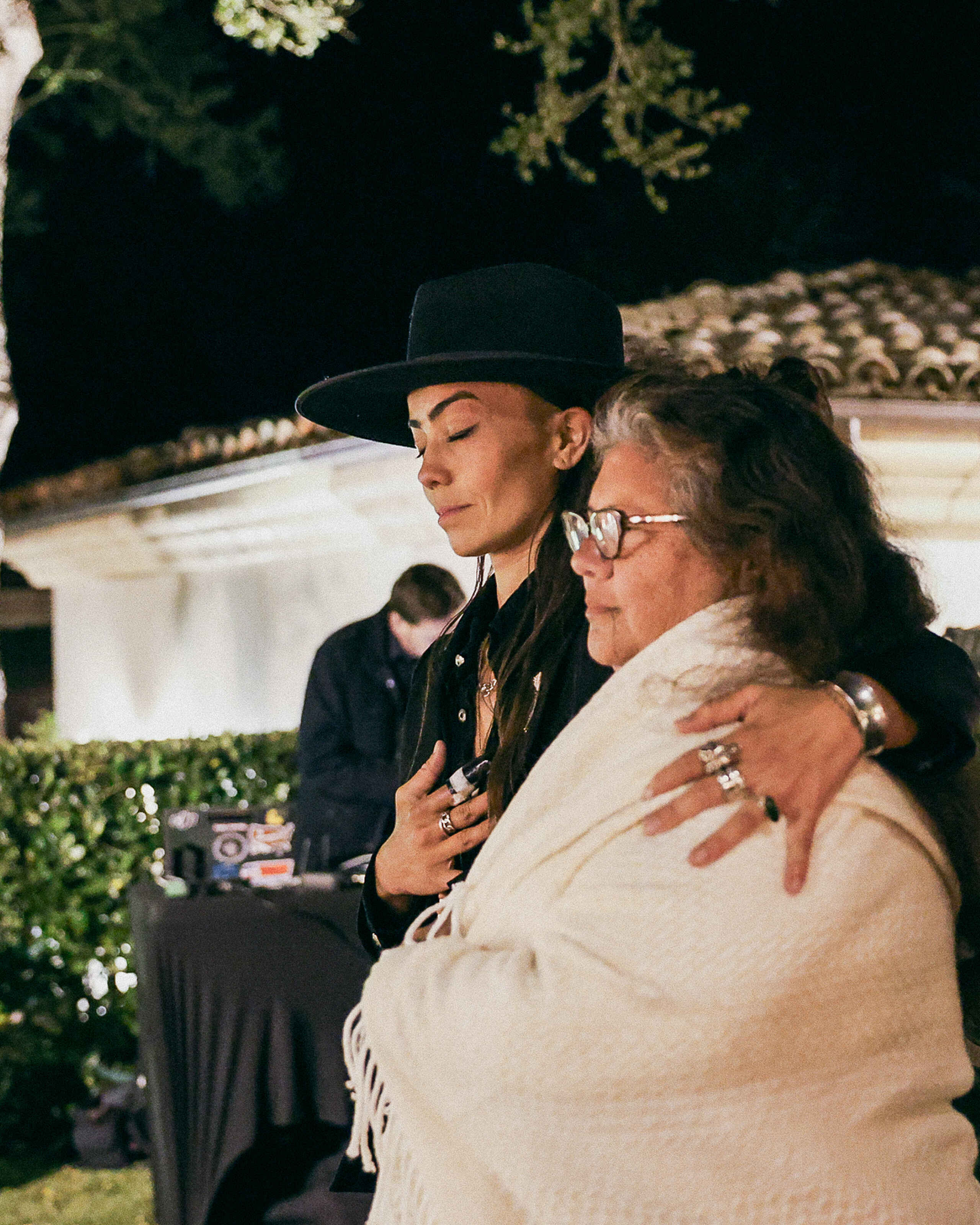
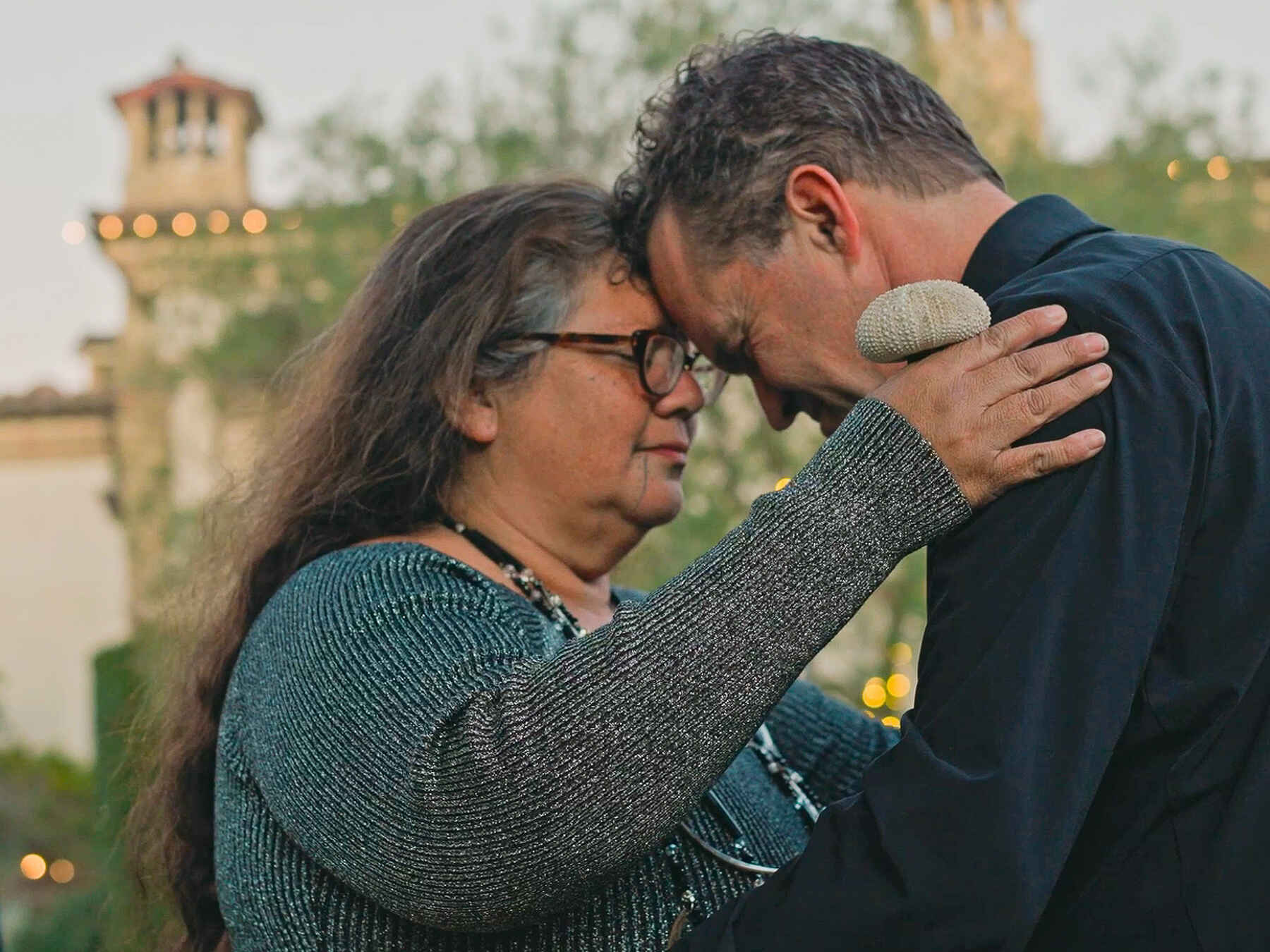
I have spoken with elders from many Indigenous traditions, and every one of them has shared the same message. The time is now. The time to remember that we are all Indigenous is now. Every human being is Indigenous to this earth, yet many have been severed from the knowledge of their origins. If we do not know where we come from, how can we know how to belong?
If we trace our lineage, if we seek the lands that nurtured our ancestors, the food they ate, the ways they spoke to the earth, we begin to see that indigeneity is not exclusive. It is our birthright. At some point in time, we all had ancestors connected and living on their original lands.
As a Māori woman, I carry the understanding that my people, like all peoples, have been gifted the wisdom of those who came before. Our ancestors left us knowledge, practices, and principles so we may come together and move forward in unity. The deeper I move into regenerative agriculture, the more I am reminded of our ancestral food systems. This wisdom was not meant to be hoarded or lost. It was meant to be lived, shared, and remembered. Our tūpuna (ancestors) understood reciprocity, how to listen to the land and to spirit, and how to cultivate abundance in ways that sustained generations.
Many of us today are disconnected, not only from our ancestral lands, but from the knowing that we belong to the earth. Colonization and industrial systems pulled us from the paradigms, belief systems and cycles that once sustained our people. Knowledge that had been passed from grandparent to grandchild, through hands in soil and prayer in ceremony, was broken. And yet, as Mia reminds us, the memory of that relationship still exists, it is waiting for us to listen.
She speaks of Syuxtun, now called Santa Barbara, and how her people lived in deep harmony with the land.
“Our landscape here was abundant because we allowed our plants to live together. The Three Sisters, corn, beans, and squash, grew as companions, supporting and nourishing one another. But colonization brought monocropping, and in severing those relationships, the land suffered.”
This severance is not only agricultural, it is cultural, spiritual, and systemic.
The shift to extractive farming mirrors a wider shift in human pardigms toward control, ownership, and dominance over the natural world. Regenerative agriculture is not a trend or a new idea, it is an the remembering of what has always been, a remembering of our indigenous knowledge systems - when we farmed with the land and it's seasons.
Zach Bush speaks of this moment as one of deep imbalance, where disruption moves from the cellular to the societal to the planetary. Yet within that disorder is the potential for renewal.
“We live in a universe that practices centropy, the emergence of order from chaos. What will bring us back into balance is the moment we give witness to beauty.” He reminds us that for thousands of years, human economies have been shaped by scarcity. Nature has never worked this way. We are being called to return to the value systems of the earth.He also speaks to a deeper cultural shift. “If we are going to change everything, it will begin with the culture of food. NANA is our description of this culture of food that is being born. It will make the regenerative story real in every home, where we begin to eat the future we want to live in.”
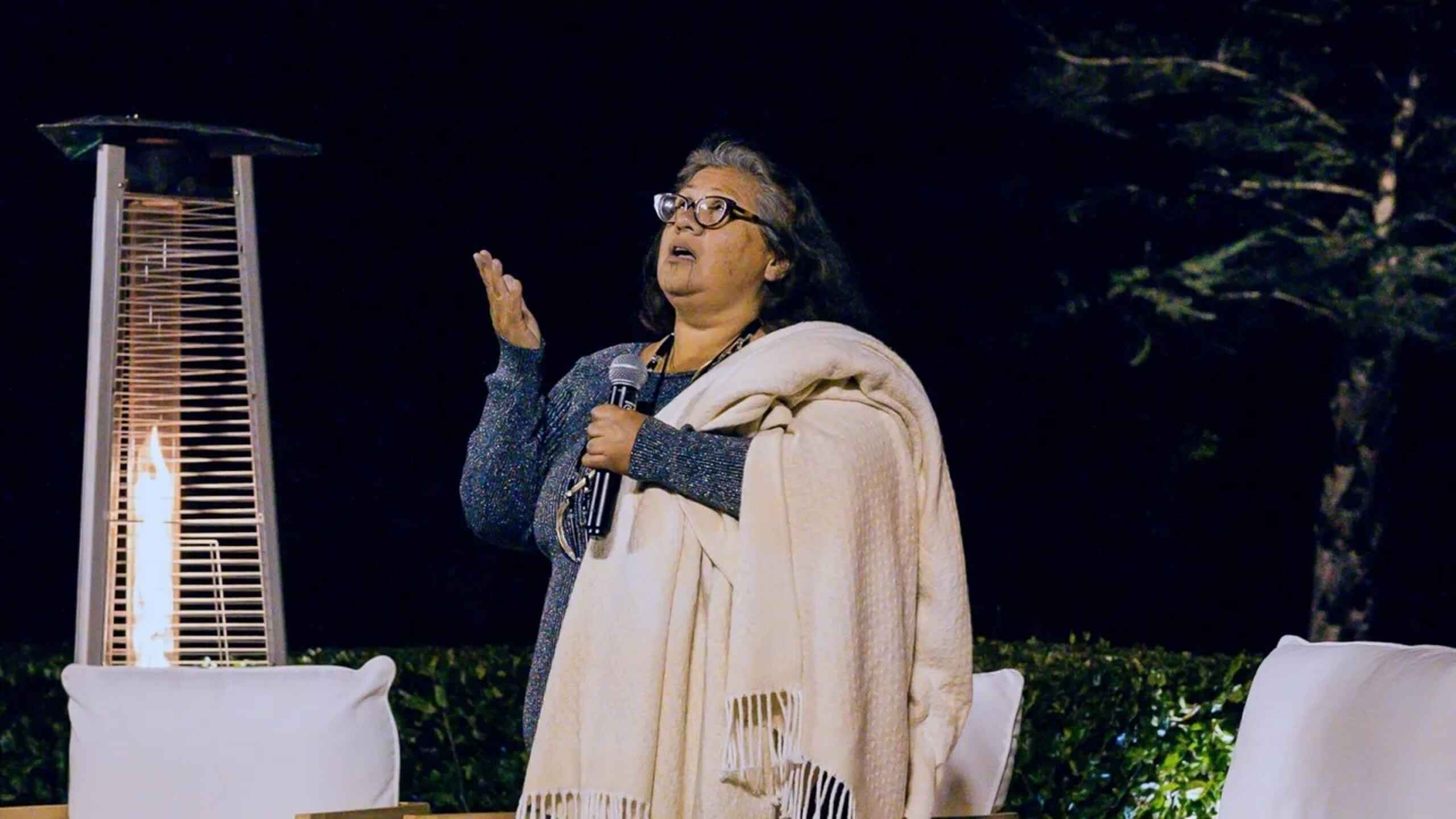
Storytelling is a path to rememberance. As Robin Wall Kimmerer writes, it is how we re-story ourselves back into balance.
As Oliver English says:
“We have the solutions already. This is not about inventing something new. It is about realignment. It is a return to ancient and Indigenous wisdom, to practices that have sustained life for generations.”
We must embrace our ancestral wisdom, and honor those who carry it. We must bridge modern science with ancient truth and legitimize ancient wisdom as a living body of knowledge - knowledge that adapts overtime in relation to place, land, and people. This is about reclaiming indigenous knowledge systems that were set aside by a colonial way of thinking.
Mia hears this and brings us back to community.
“We are not alone. If everything we do, we do with ten others in mind, we will do better. And we must choose to move forward with positivity. No more narratives of despair. We turn that story around. We start small, but we start. Even if it is 5%, even if it is 1%, it is something. And we do it together.”
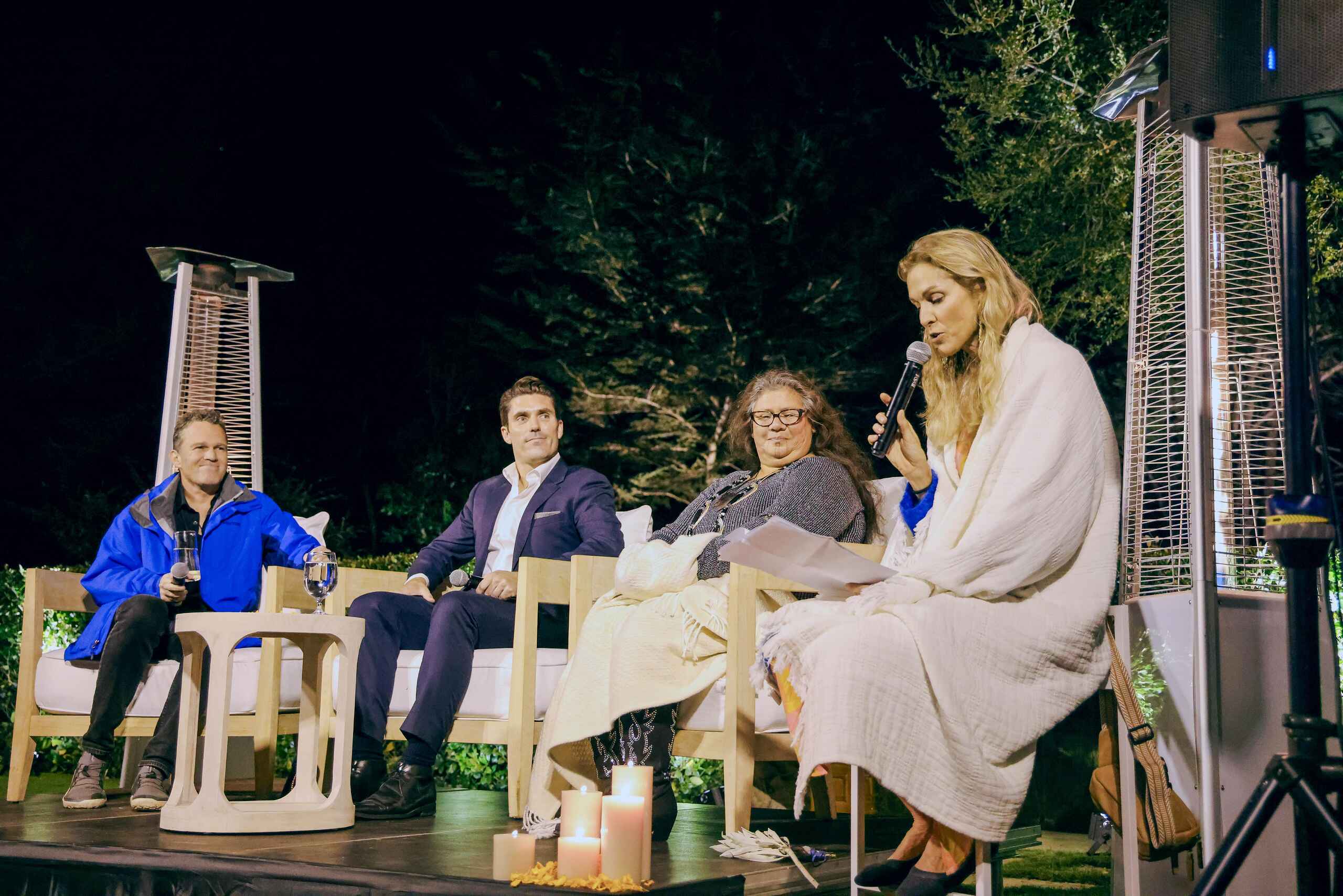
As the human species Indigenous to this earth, we are in this together. And to begin is all that Mia asks. The first seed of curiosity planted, the first story told, the first step back toward reciprocity. This is what restoryation looks like - a remembering and a return.
A seed planted deep in the soil of our shared knowing, waiting to be witnessed, learned from, and grown for the generations to come.
It is time to remember the culture in agriculture, through food, story, and ancestral wisdom.
Más Historias

Apoya nuestro trabajo
Mantente conectado
Recibirás nuestro boletín mensual Field Notes, actualizaciones de proyectos y recursos gratuitos, además de acceso prioritario a nuevas historias.
Haz una donación
Tu donativo deducible de impuestos impulsa las historias que transforman la cultura, la organización que convierte la conciencia en acción colectiva y las relaciones que hacen posible el cambio sistémico a largo plazo.