Road to Regeneration: Rocking Z Acres
At Rocking Z Acres in South Dakota, BJ McNeil is preparing the next generation by adapting his business, building direct-to-consumer beef, and passing on a family farm built to endure.
Farmer’s Footprint is a nonprofit initiative dedicated to restoring human and environmental health by advancing regenerative agriculture through education and storytelling.
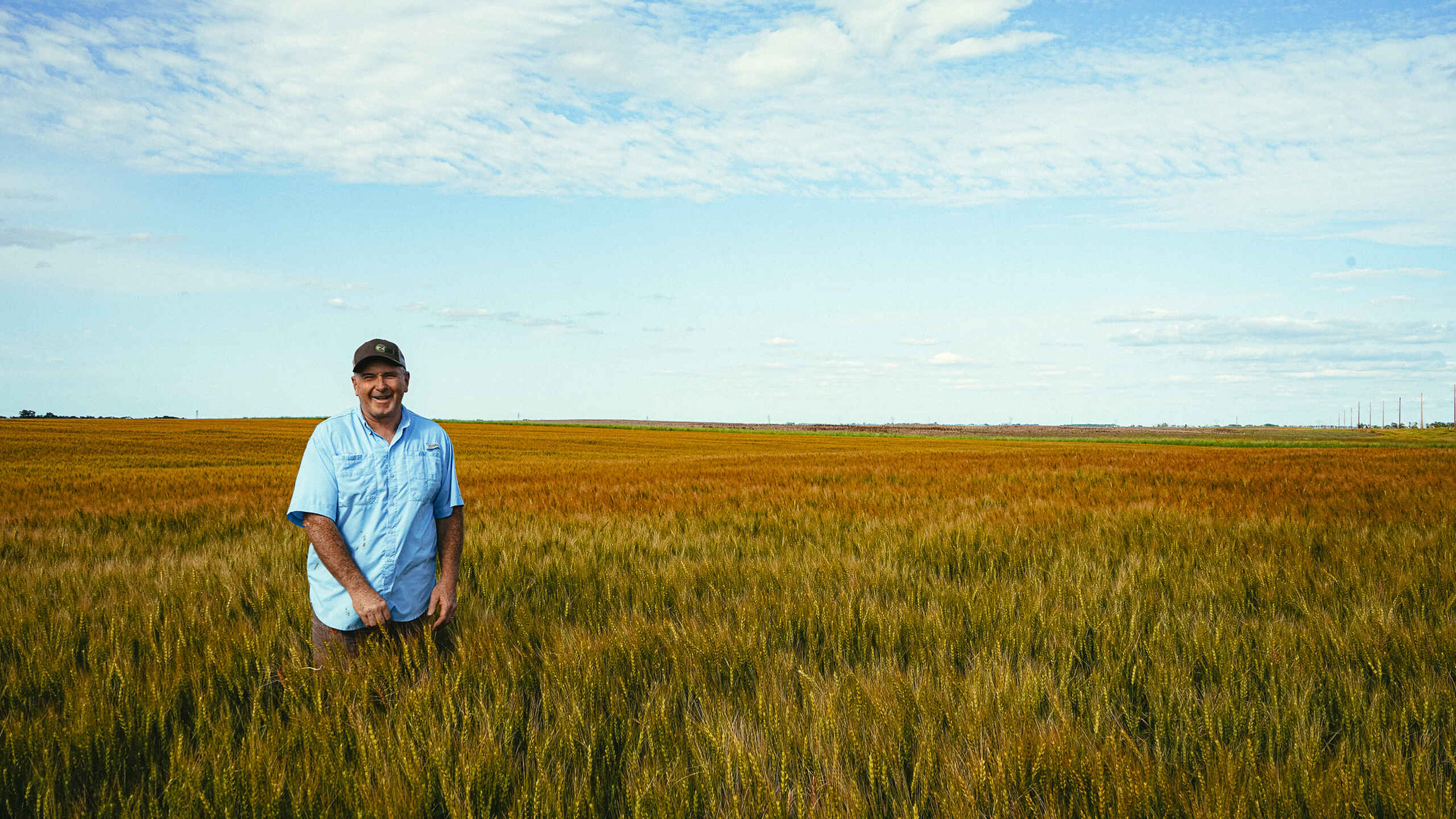
Stewarding the Next Generation
In the rolling prairies of eastern South Dakota, where generations of families have shaped the landscape through agriculture, farming has always been part of BJ McNeil's family story.
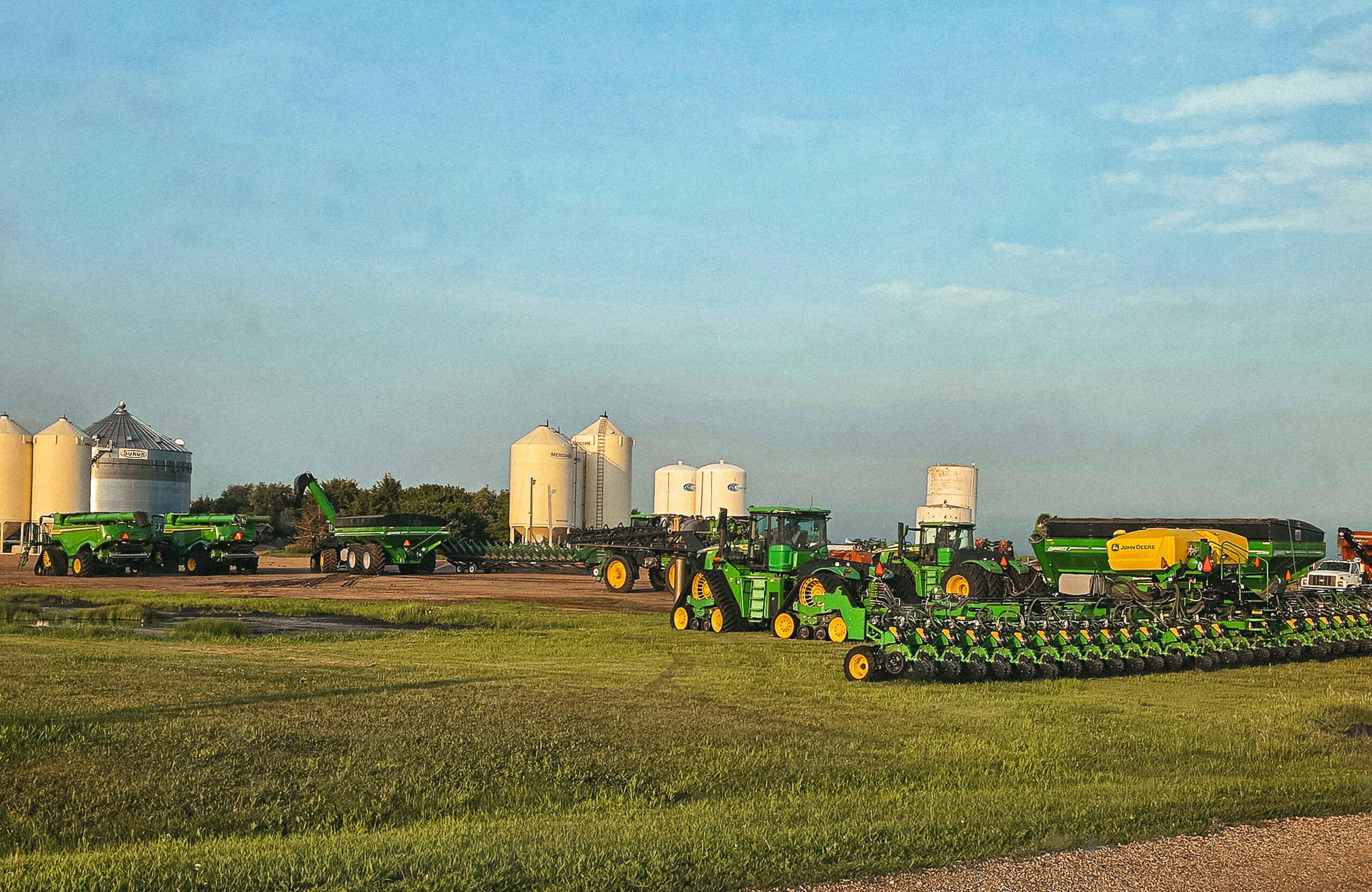
His father farmed until the 1980s Farm Crisis pushed him off the land. Across the Midwest, rising interest rates and falling land values left many farming families unable to keep up with debt taken on just years earlier, and the McNeils were among those who lost their footing. When BJ’s father lost the farm, he moved his family to Texas, where BJ studied Agricultural Engineering at Texas A&M University.
Although his parents’ farm was gone, another part of his family’s farming story continued in South Dakota. BJ’s grandfather had continued farming there, and BJ returned each summer to help on the farm.
When his grandfather passed away, BJ stepped in to help his grandmother keep the farm running.
"We thought we'd stay for a couple of years... one thing led to another, and here we are."
The temporary move became a lifelong commitment, carrying forward a family legacy rooted in the land, shaped by generations before him and now entrusted to those who will follow.
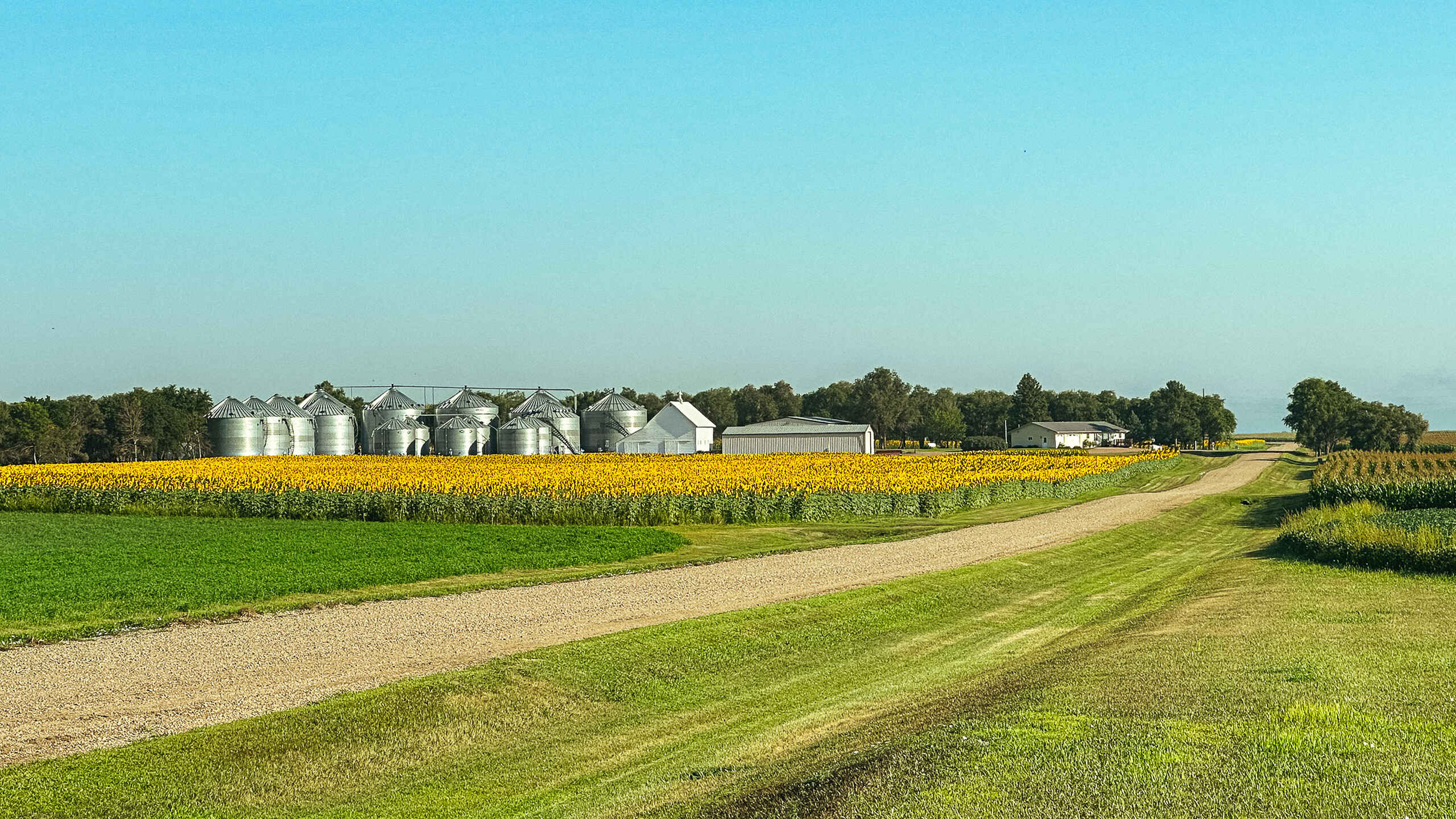
Like most farmers, the end of university marked the beginning of his real farming education. Every season brought new lessons, many of them learned through trial and error.
"Jumping in head-first and figuring it out is a ‘farmer mentality'... you don't always have the answers. You learn as you go."
That willingness to learn became increasingly important as the landscape around him began to change.
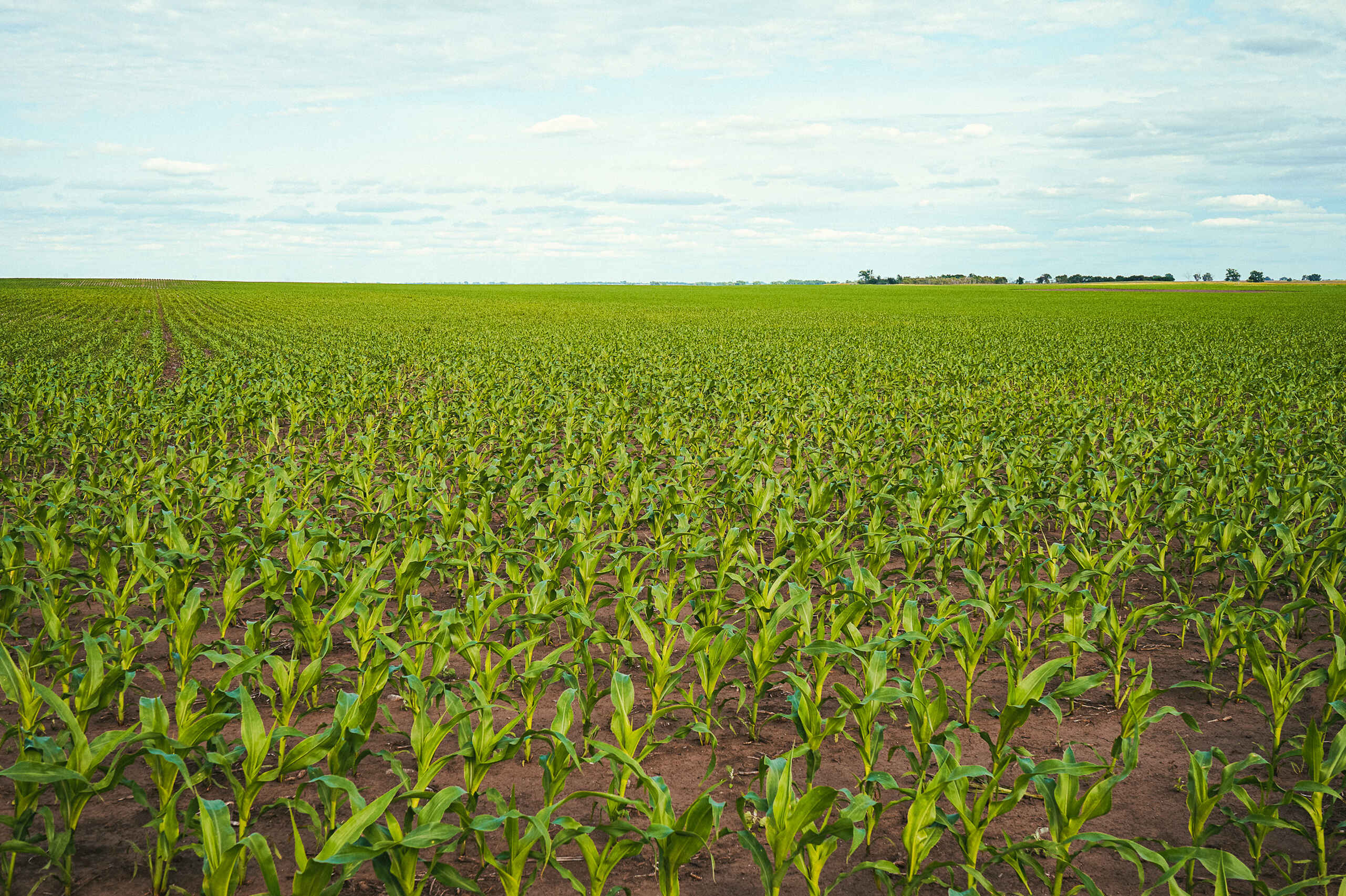
As weather patterns shifted, so did the decisions being made at Rocking Z Acres. Between 2019 and 2021, BJ transitioned half of the operation to organic production, exploring ways to build healthier soils within South Dakota's uniquely semi-arid environment. Growing consumer demand also influenced the decision.
As both a farmer and a businessman, BJ saw an opportunity to align more sustainable farming practices with a market that was increasingly seeking organically grown food.
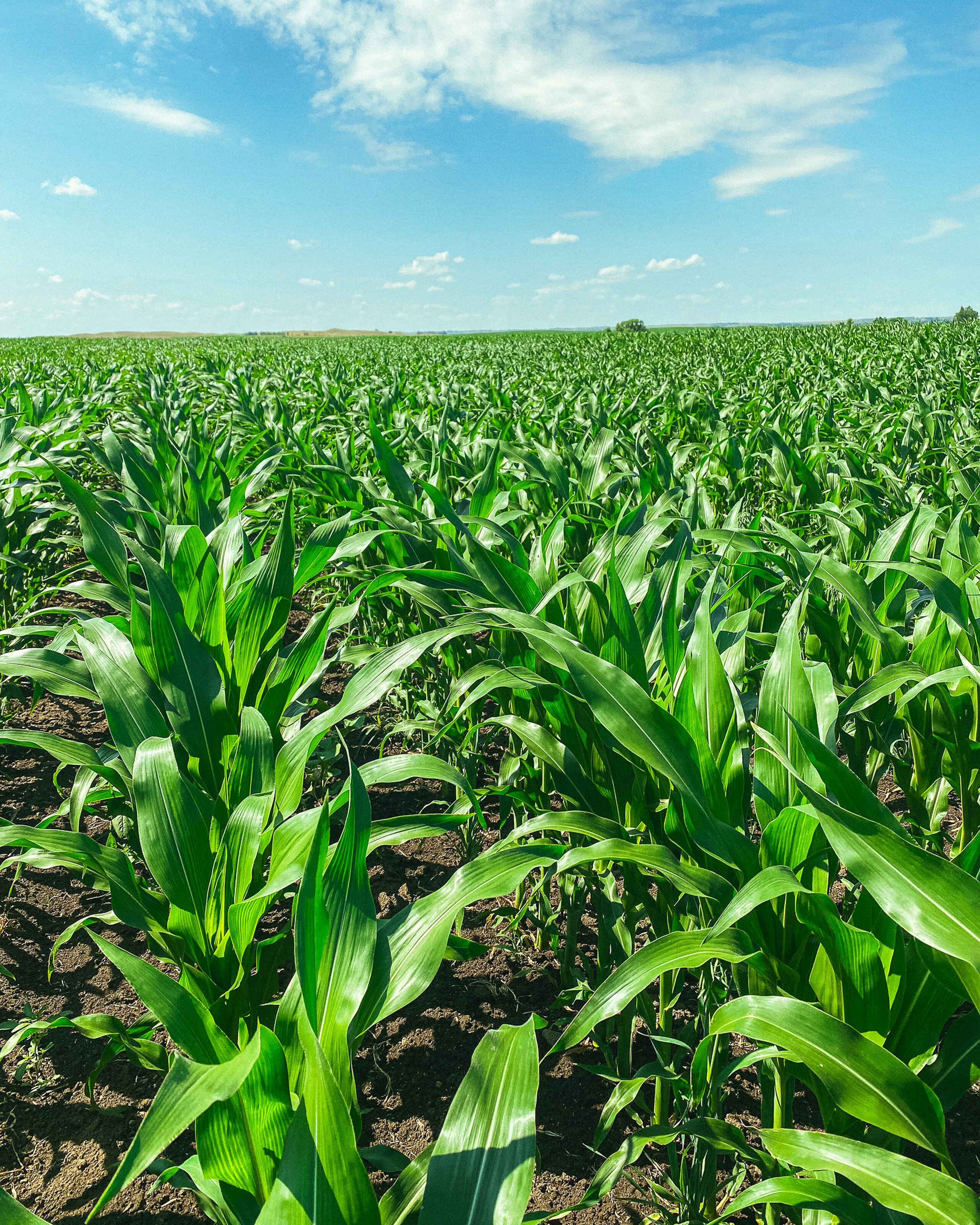
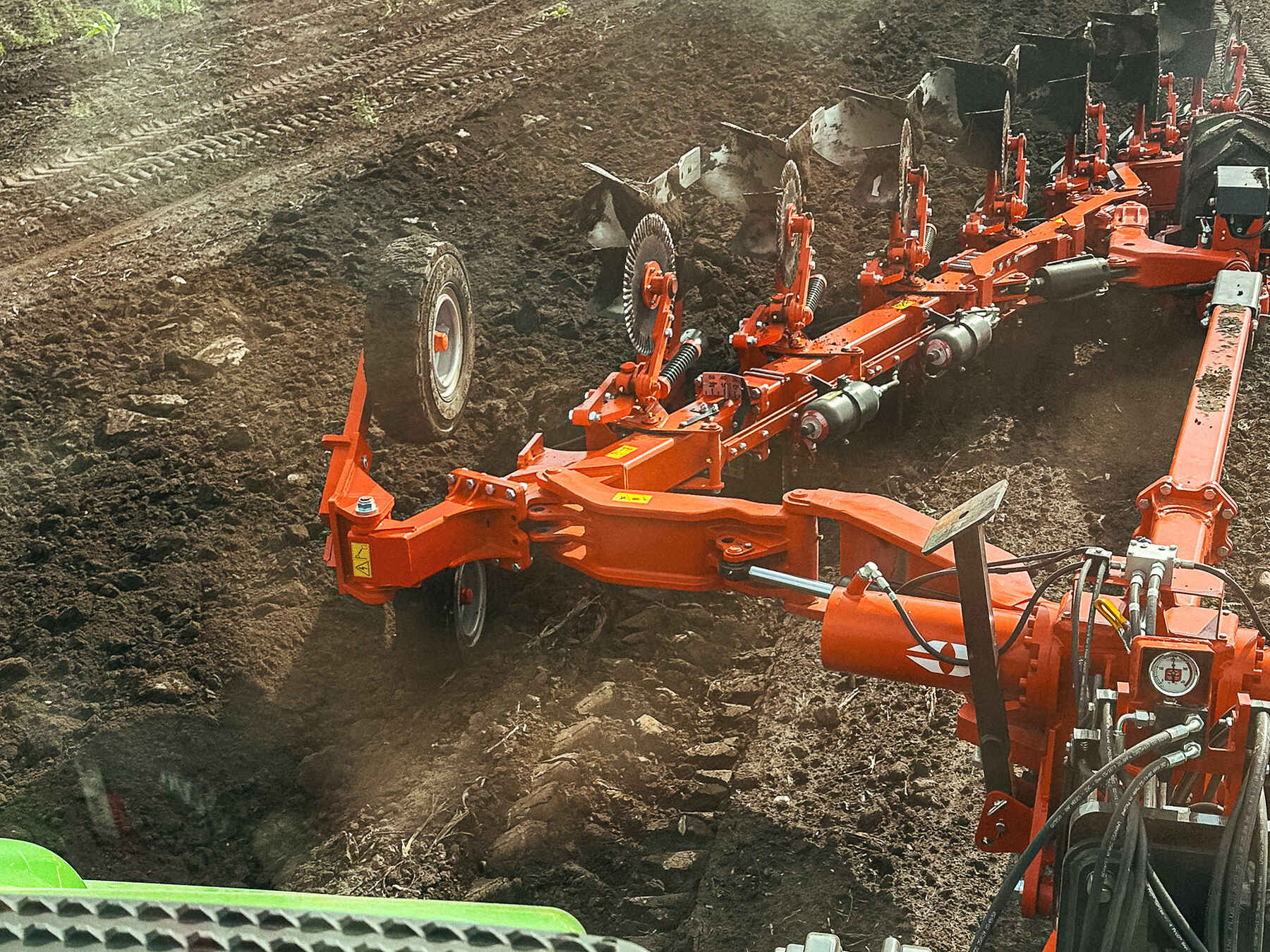
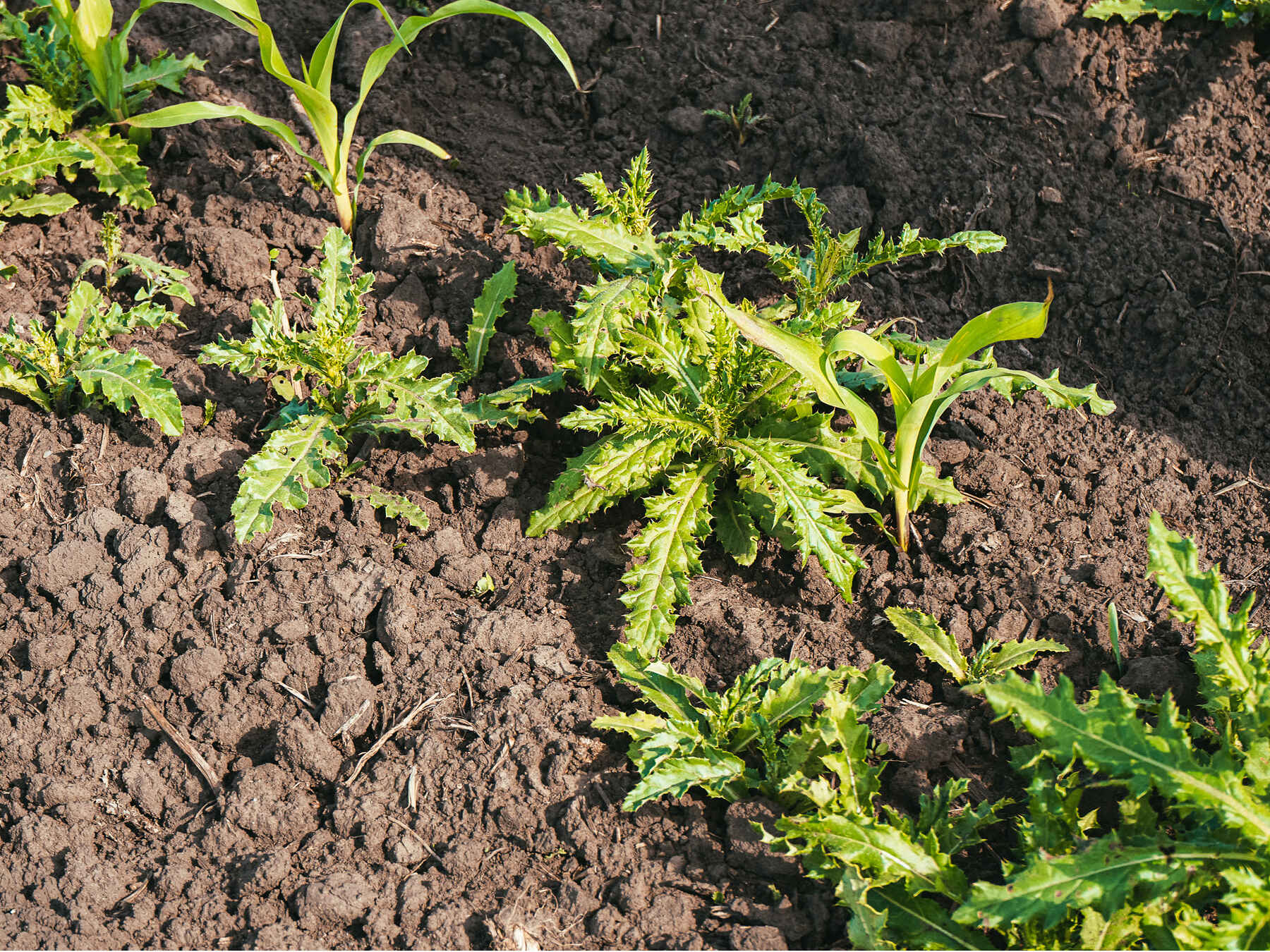
"Our rainfalls have changed over the years, and so has our farm."
Now, every decision begins with the same questions: Is it good for the land? And can it support the farm as a business?
Because in his eyes, the future of the farm depends on both.
The transition came with financial challenges, alongside invaluable lessons. "It definitely cost us financially, but we learned a tremendous amount," BJ explains. "That knowledge has been invaluable."
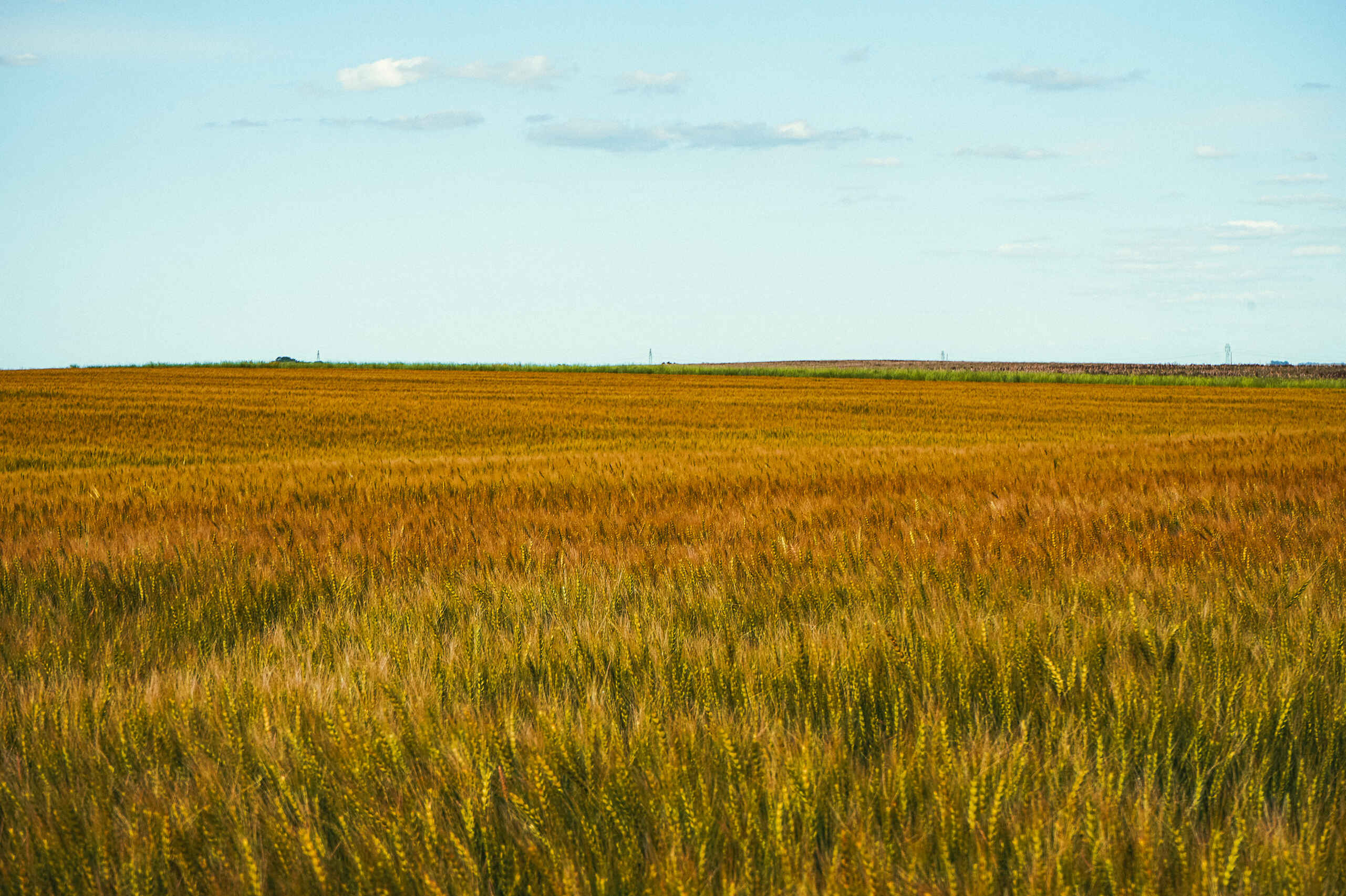
The experience reinforced something BJ carries into every season. Every farm is different. Every landscape has its own climate, ecology, and challenges. The principles may be shared, but every landscape asks something different of the farmer.
"Organic has been very humbling. Our environment is very arid, and a lot of the information available comes from farmers in wetter climates," he says. "We had to figure out what worked here."
The next generation is already finding its own ways to carry Rocking Z Acres forward. As the farm grows, BJ and his family are finding new ways to connect their work with the people they feed. This has led to the creation of Rocking Z Cattle Co., a direct-to-consumer beef business that brings their Wagyu directly to families beyond South Dakota.
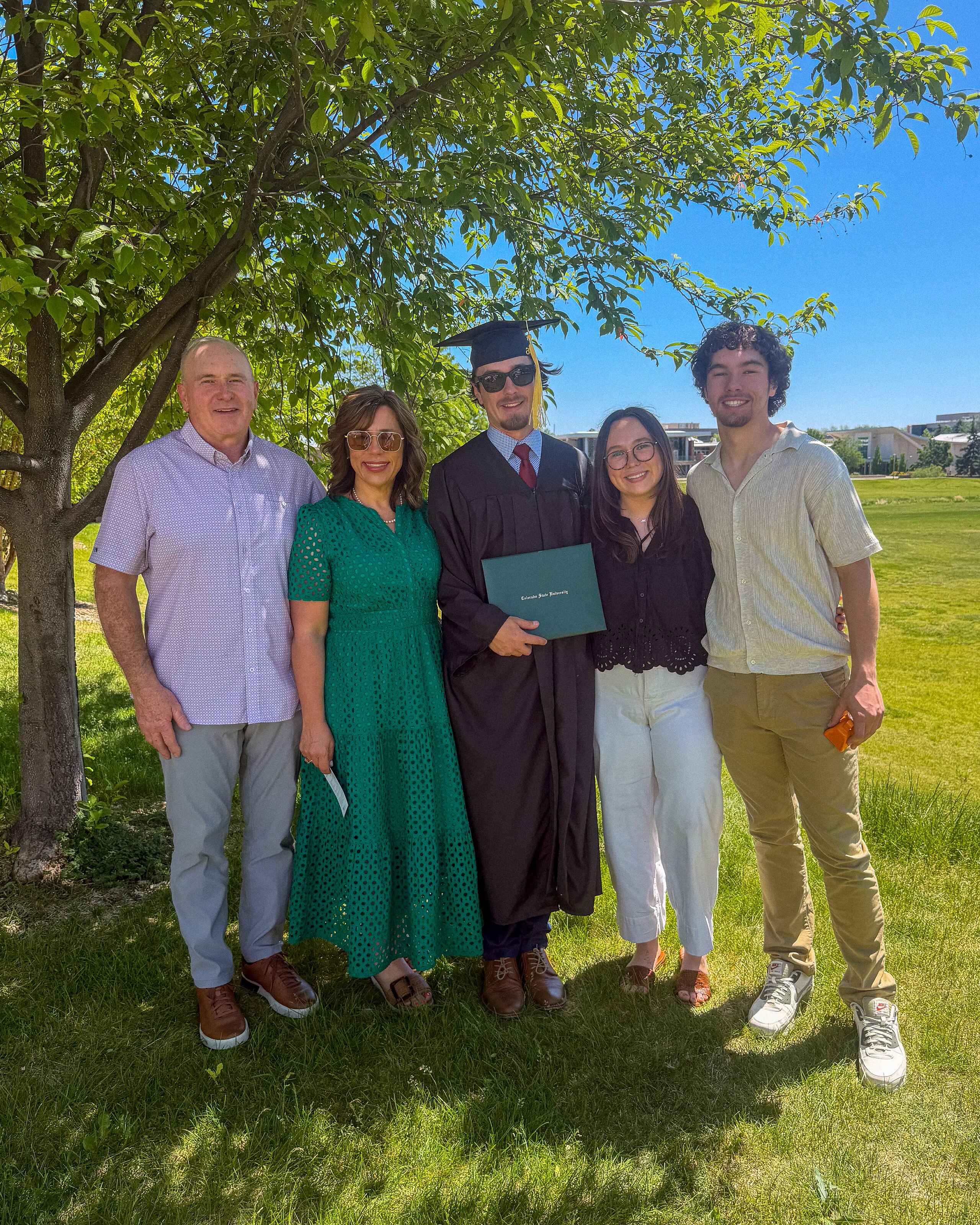
BJ’s sons have chosen agriculture and are helping shape the future of the farm, while his daughter Caitlyn is building a career as a biologist in Philadelphia where she will represent Rocking Z Cattle Co. at local farmers’ markets, connecting East Coast customers with the farm and the values behind its products.
For BJ, passing on the farm means giving each of his children a way to contribute, wherever their paths may take them.
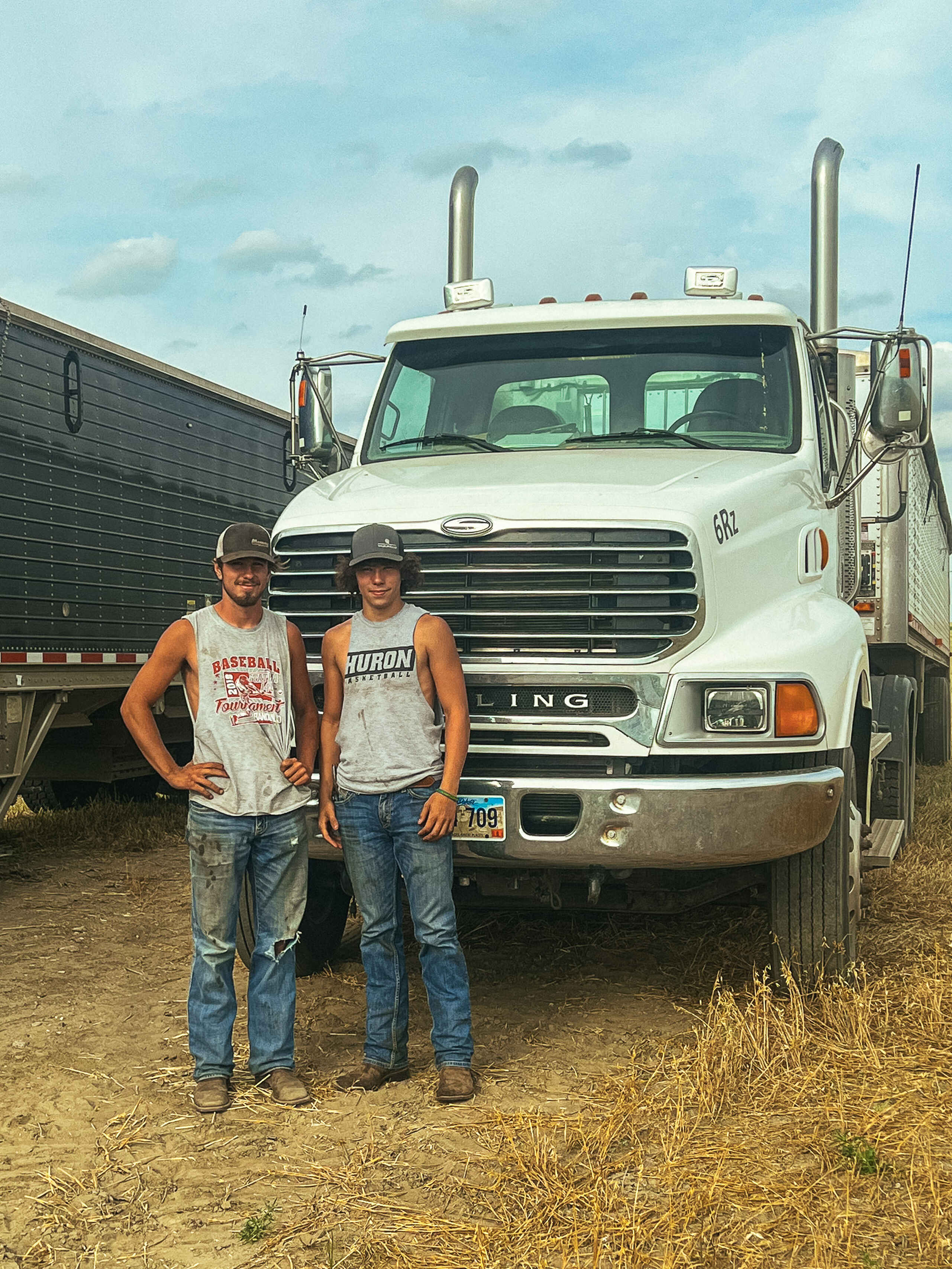
"Both of my son's have agriculture degrees, and they both want to farm like their fathers and grandfathers. It's in their blood."
BJ feels a deep pride in seeing the next generation choose agriculture, as he knows that decision carries weight beyond just his farm.
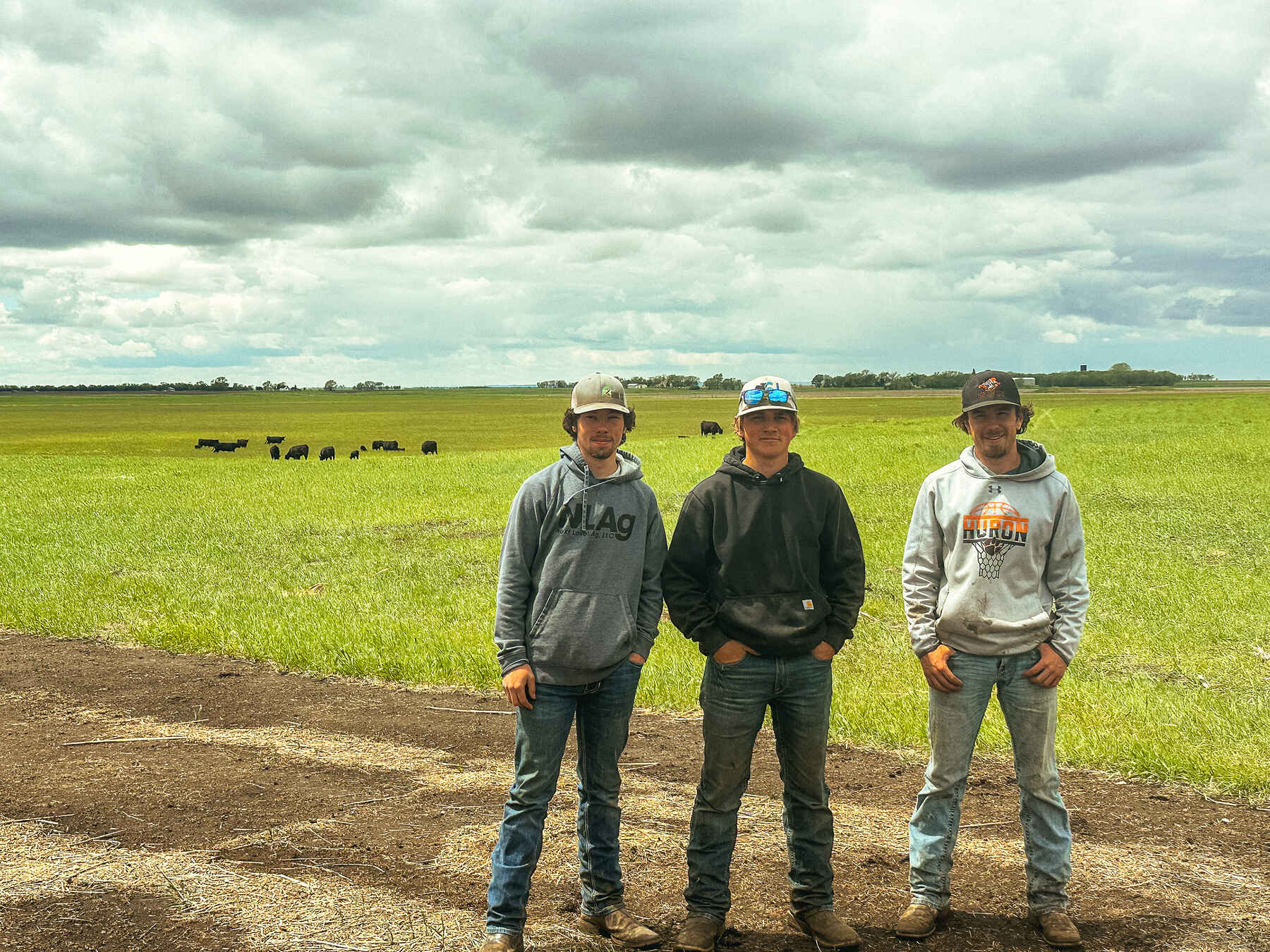
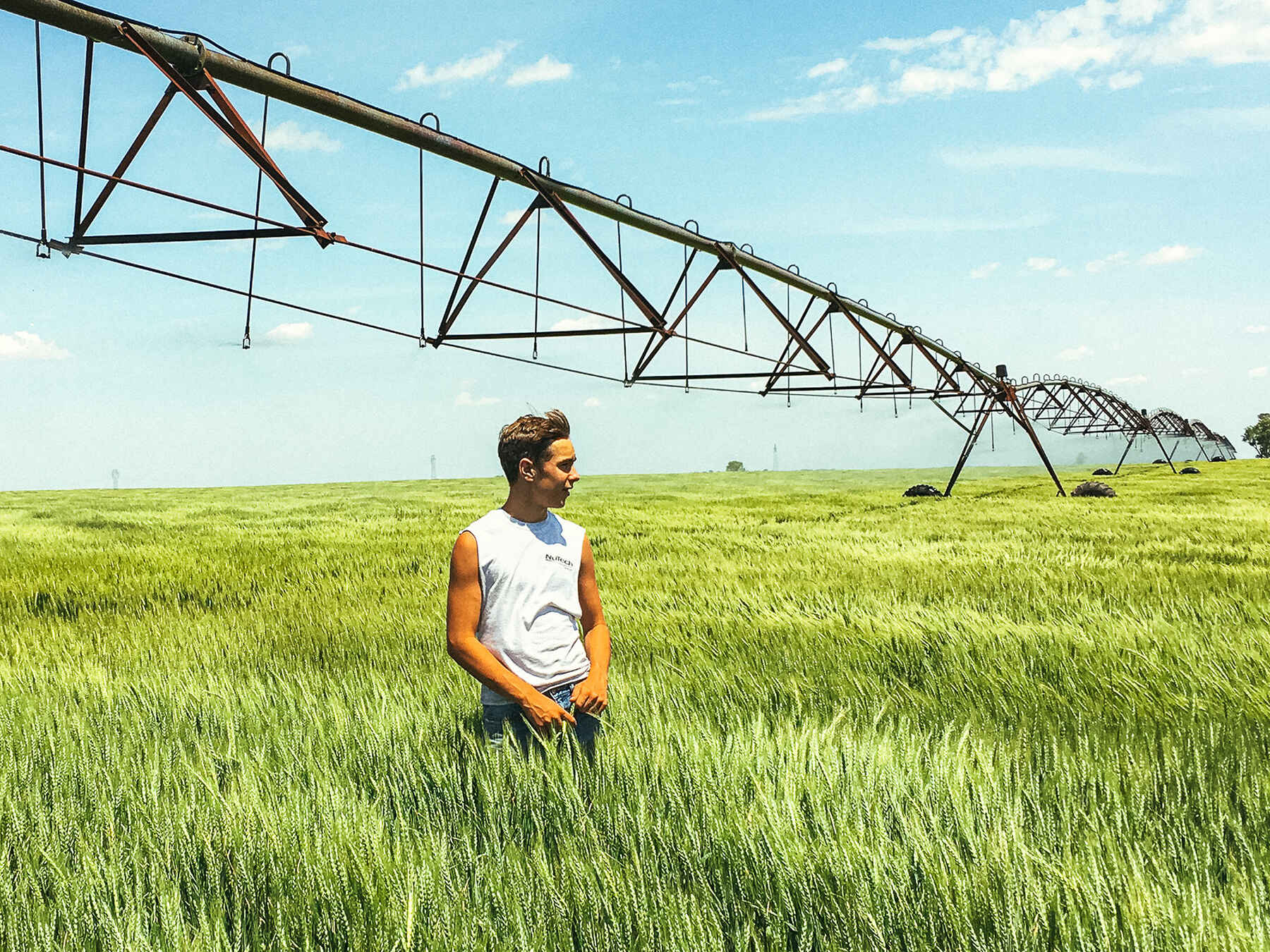
Across the United States, family farms continue to disappear as economic pressures, rising land values, and an aging farming population make succession increasingly difficult. Every young person who chooses to return home is committing to a way of life that asks for resilience, responsibility, and a willingness to think in generations.
For BJ, passing on a farm means sharing responsibility, trusting his sons with meaningful decisions, and giving them the opportunity to grow into leadership. Those values have shaped the way he's welcomed the next generation into the family business.
"I see so many people in agriculture where the older generation hangs on to control longer than they should. I wasn't going to do that."
His sons have taken on loans, manage employees, and make decisions that carry real responsibility. They are learning what it takes to steward the land, lead a business, and navigate the realities of modern agriculture while working alongside their father.
"I wanted my boys to have some skin in the game."
Every generation inherits more than land. They inherit the decisions of the generations before them, the seasons worked, the hard calls, and what was learned along the way.
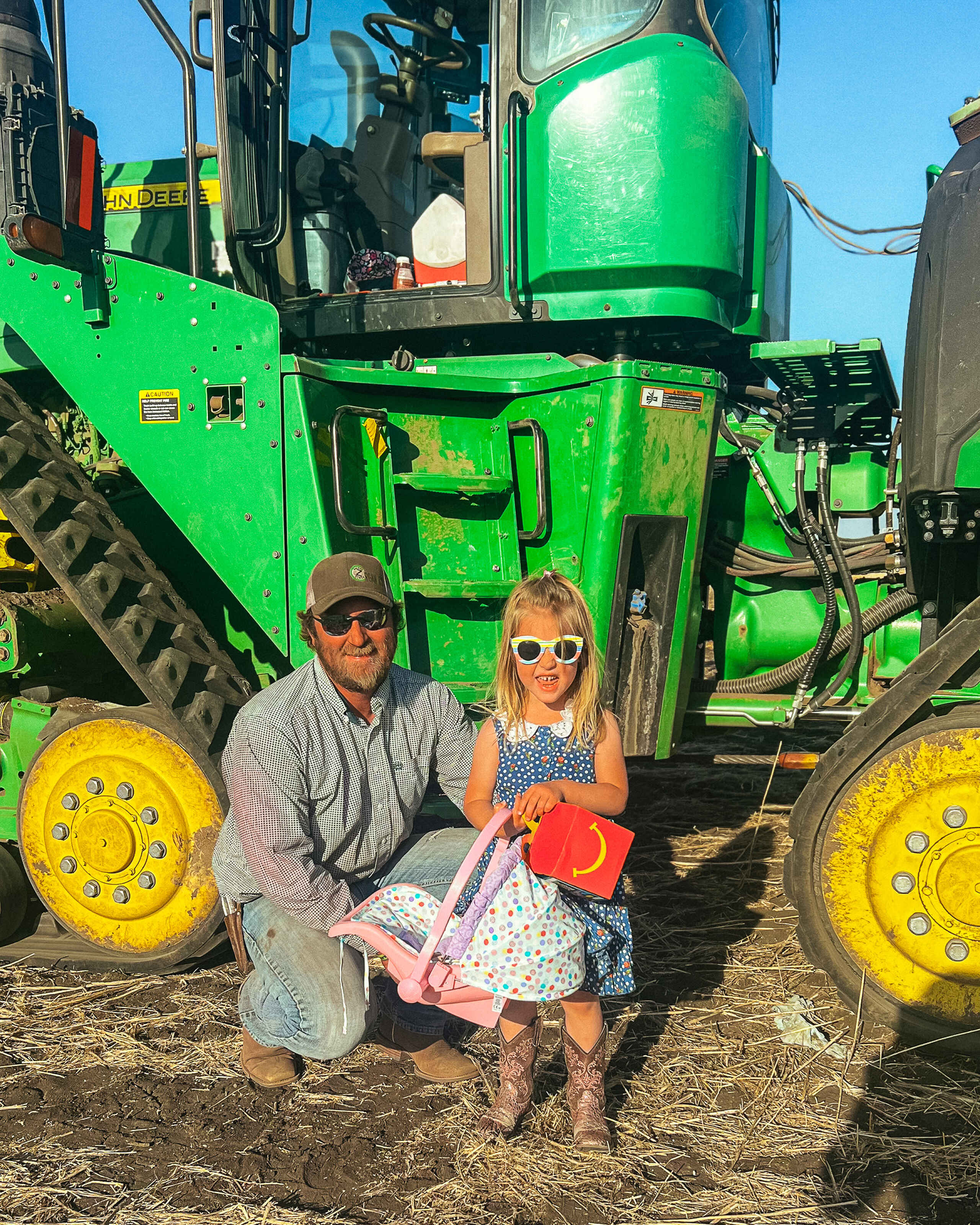
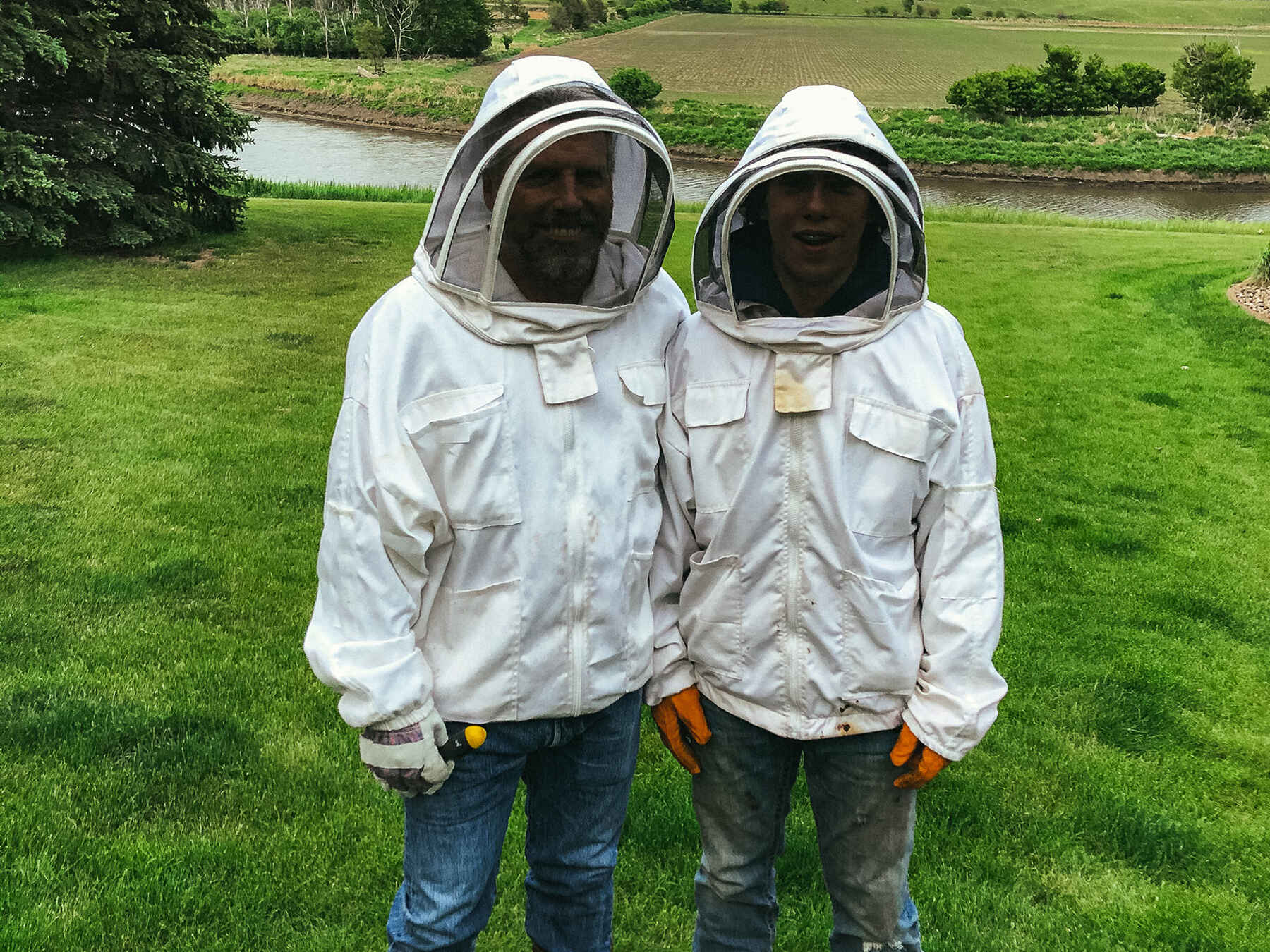
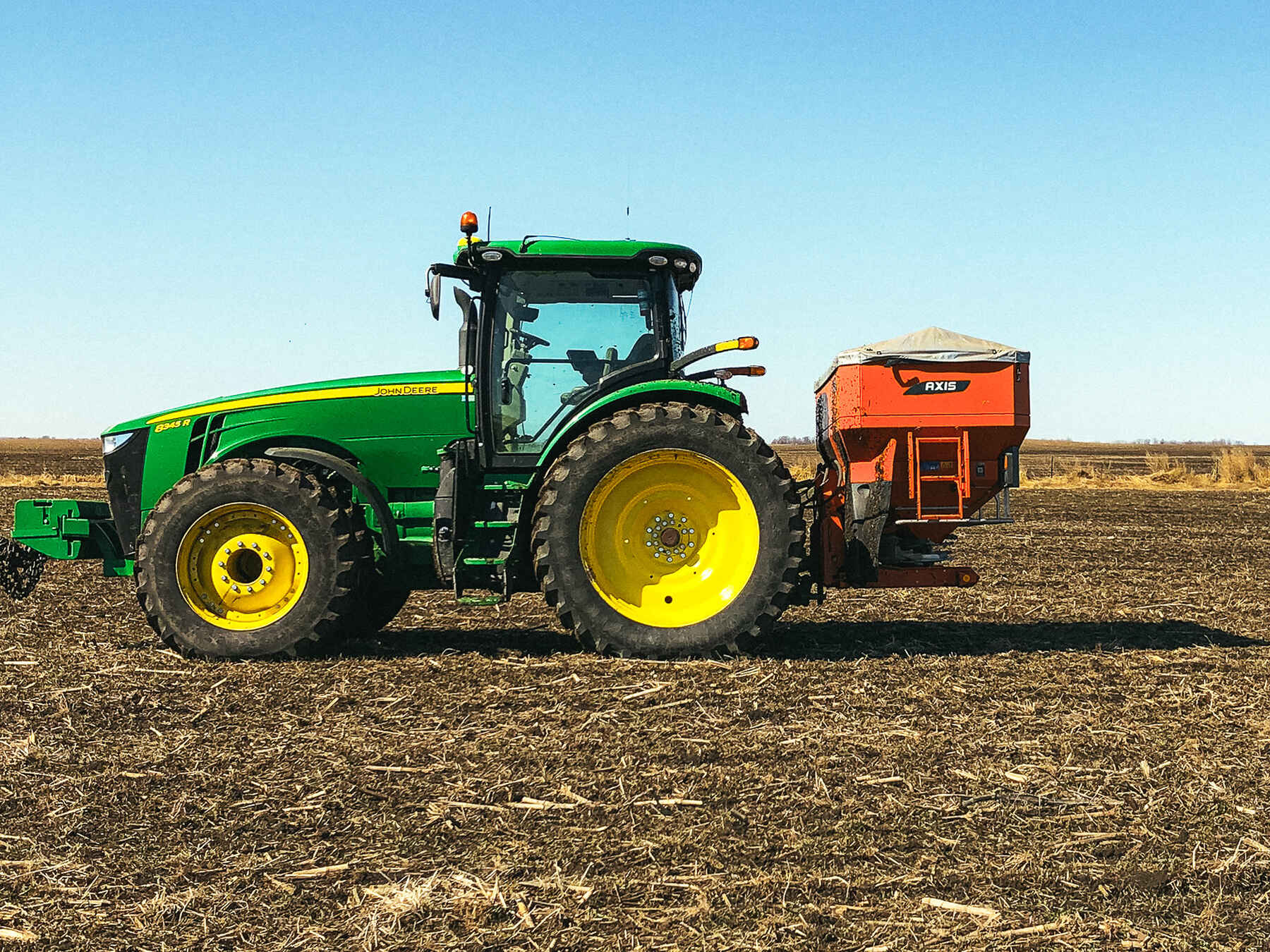
As BJ looked to the future of Rocking Z Acres, he found himself asking another question. How could the farm continue to grow alongside the next generation?
The answer came in the form of cows, and with them, a new chapter for the farm through Rocking Z Cattle Co.
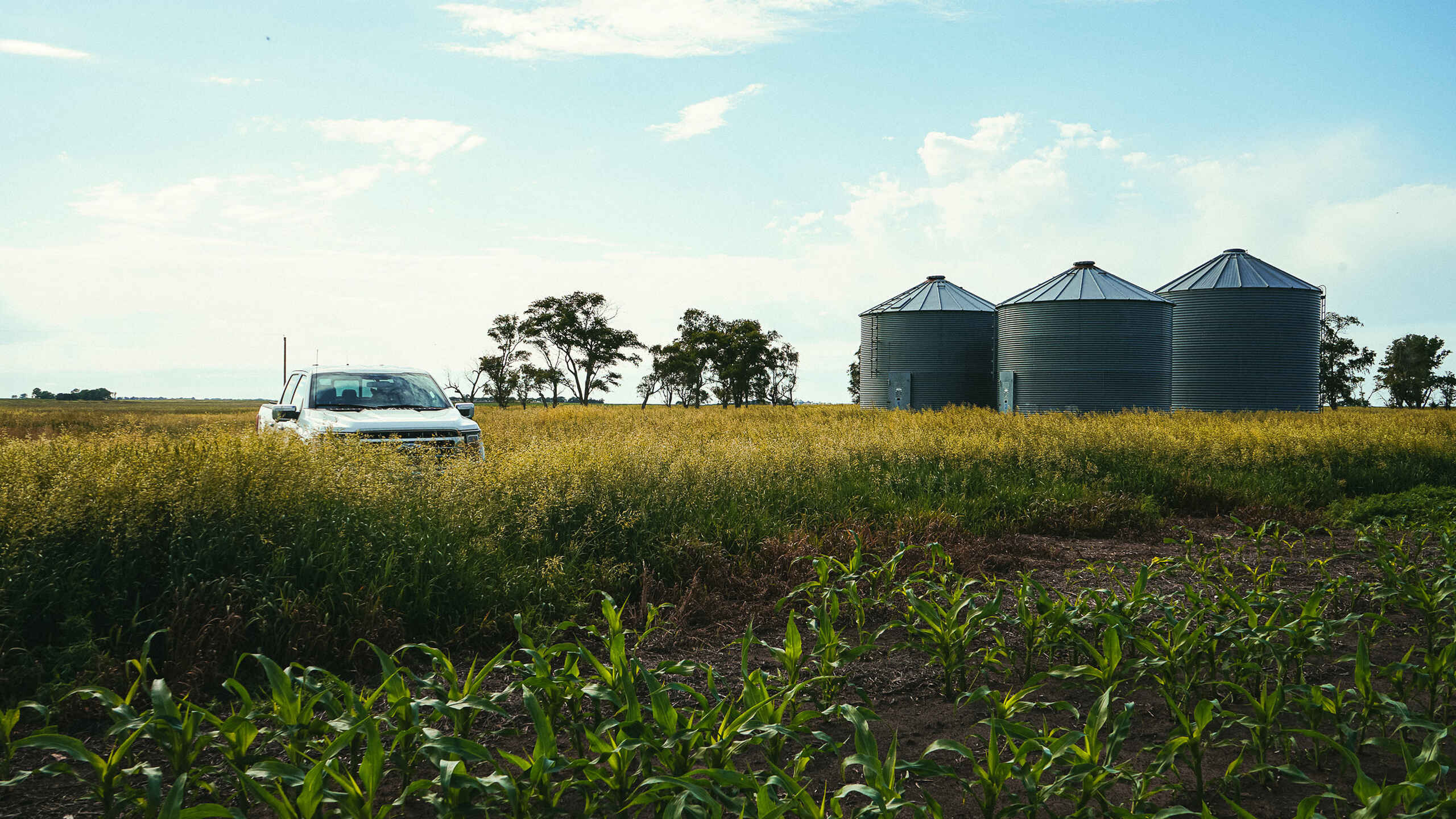
For nearly twenty years, cover crops had been an important part of the farming system. They protected the soil, improved its health between cash crops, and represented a long-term investment in the land. That investment eventually revealed another opportunity.
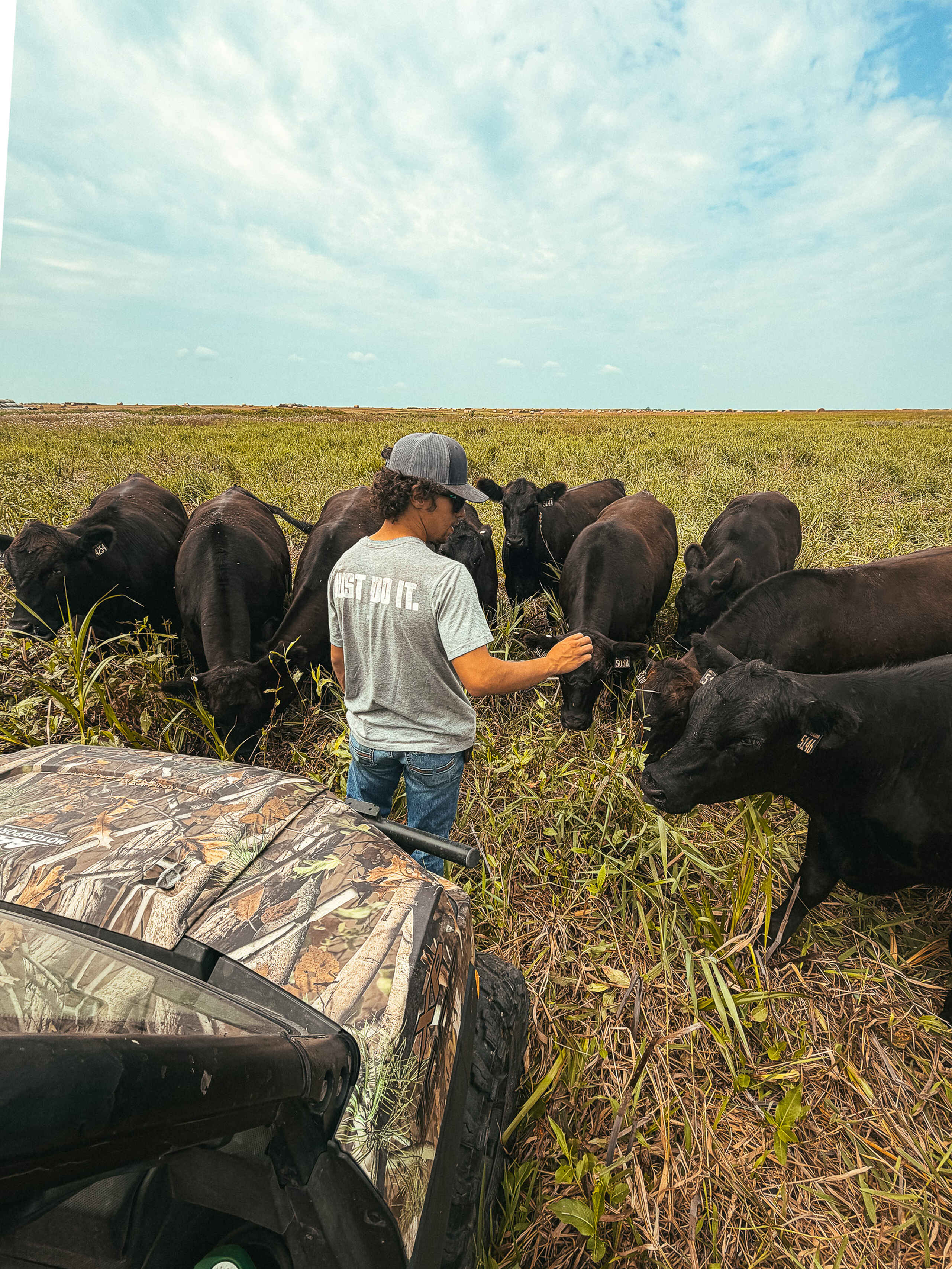
"We've been doing cover crops for almost twenty years and there’s no economic return on those cover crops. With cattle, we can graze the cover crops and get an economic return. It's a more resilient, more regenerative system that's also more financially beneficial."
The decision reflects the same philosophy that has guided BJ for years: finding ways for the land and the business to grow stronger, together.
It's an approach rooted in a simple idea that when crops and livestock work together, each strengthens the other.
For much of agricultural history, crops and livestock functioned as part of the same system. Managed grazing helps cycle nutrients back into the soil, stimulate plant growth, build soil organic matter, improve water infiltration, and support healthy soil biology. Today, many farmers are rediscovering these integrated systems, adapting long-standing principles to the realities of modern agriculture.
Integrating cattle became the next step in a system BJ had been building for decades. The cover crops were already growing. The cattle gave them purpose beyond the soil, creating another source of income while strengthening the health of the land and expanding opportunities for the next generation.
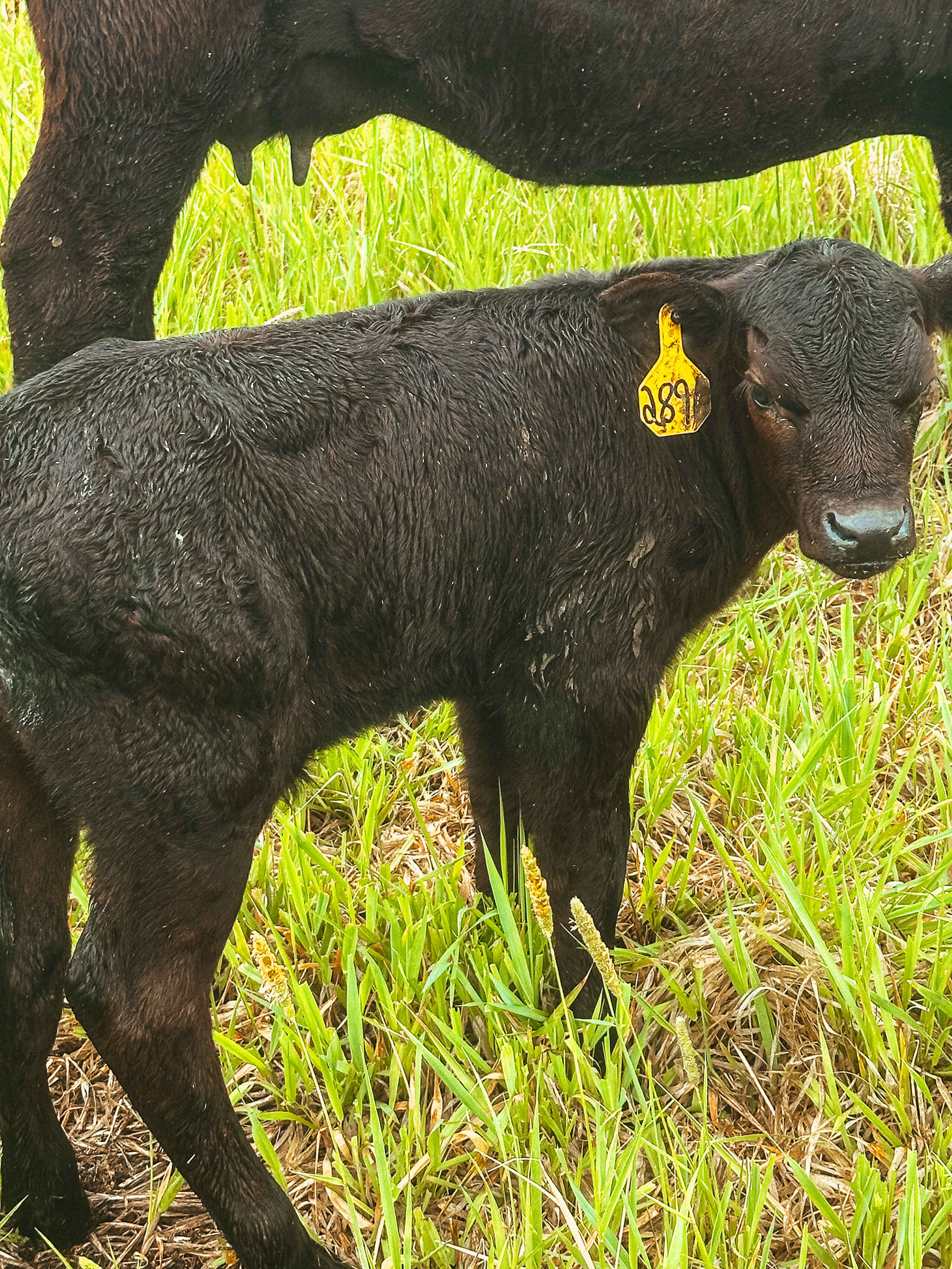
“Cattle ranching is one of the oldest known farming practices that’s proven itself sustainable over time.”
BJ believes that some ideas endure because they continue to work, and integrating livestock is one of them. Doing so brings together healthier soils, a stronger business, and new opportunities for his sons, who are carrying the farm forward.
Farming is an evolution, and BJ knows today's challenges require new thinking.
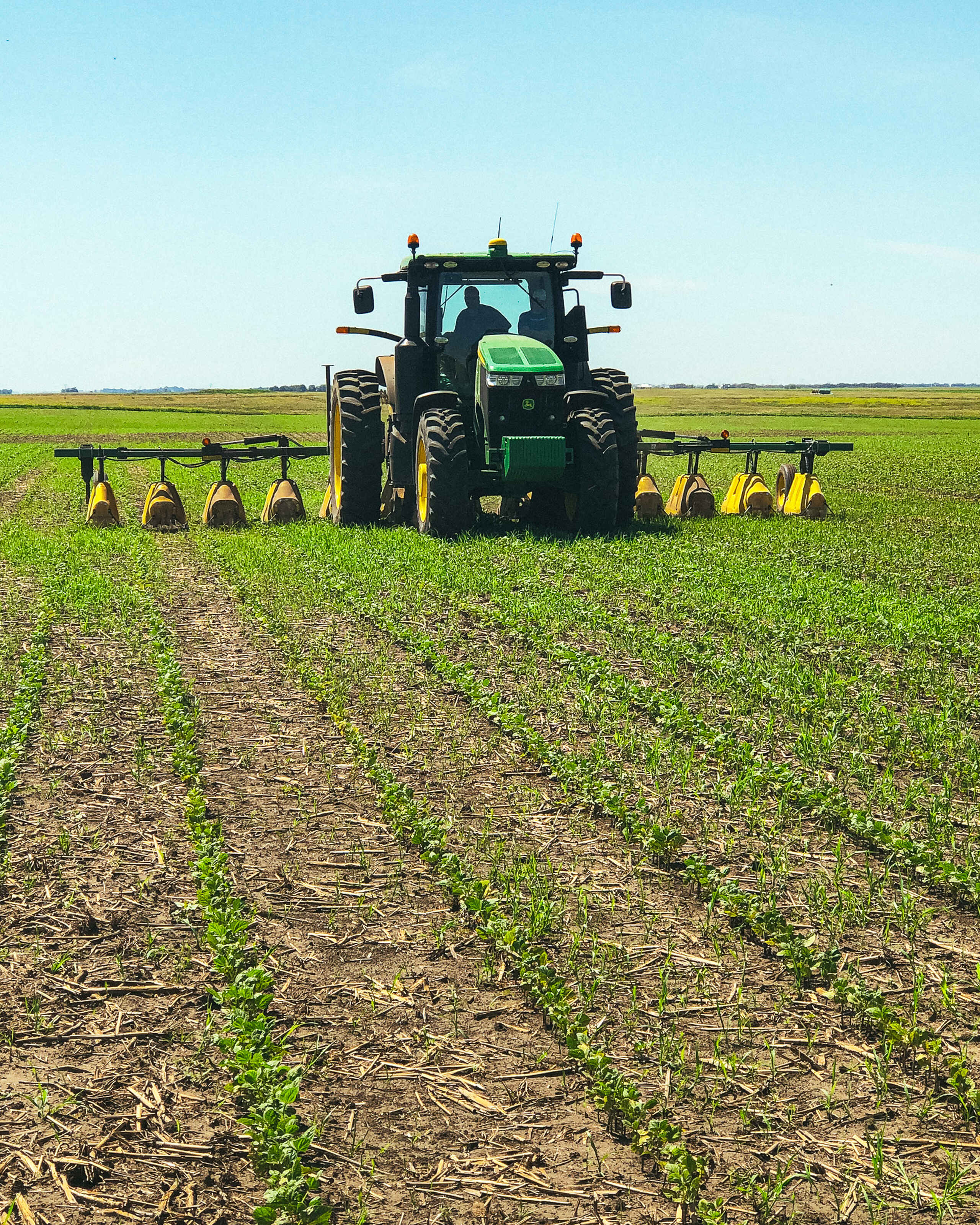
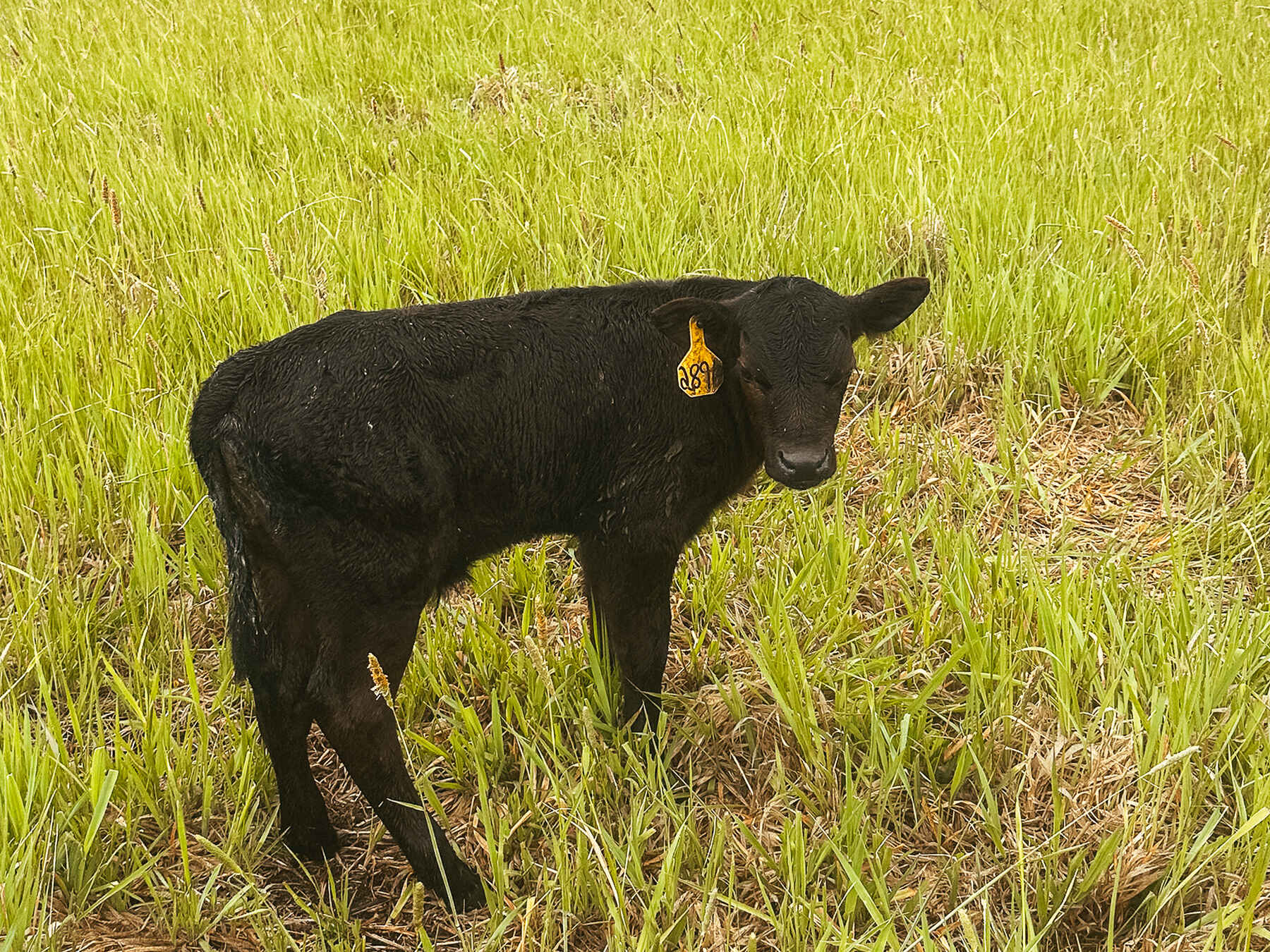
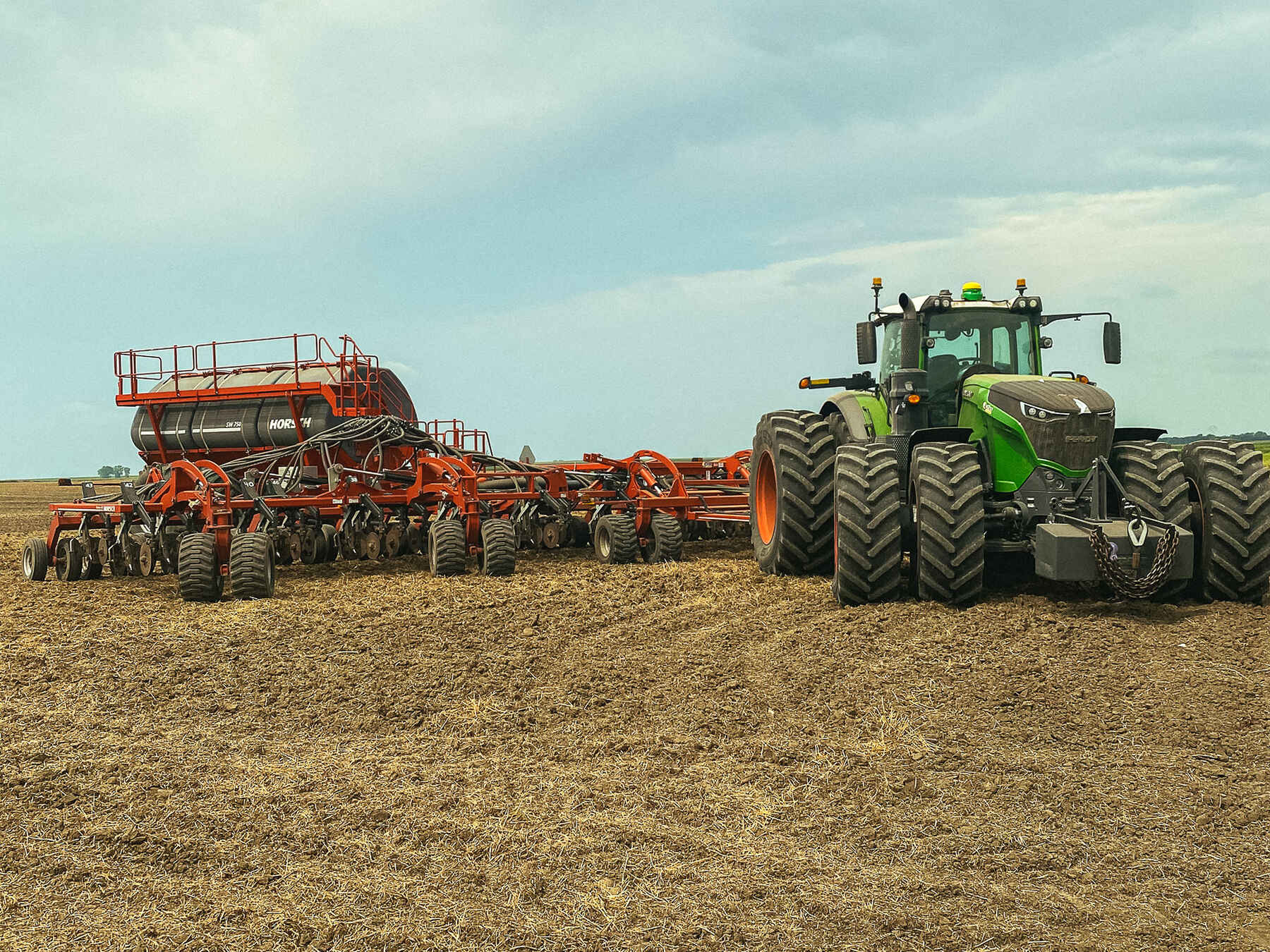
Regenerating the land is only part of the work. For BJ, it means little if the disconnect between the people who grow food and the people who eat it stays broken.
It's part of why Rocking Z Acres expanded into direct-to-consumer beef through Rocking Z Cattle Co., shortening the distance between the farm and the families they feed, and making room for the trust that often disappears in larger food systems.
"One of the things that's broken in our food system is the connection between the farmer and the consumer. When I was a kid, there was only one or two generations removed from the farm, so we all knew each other."
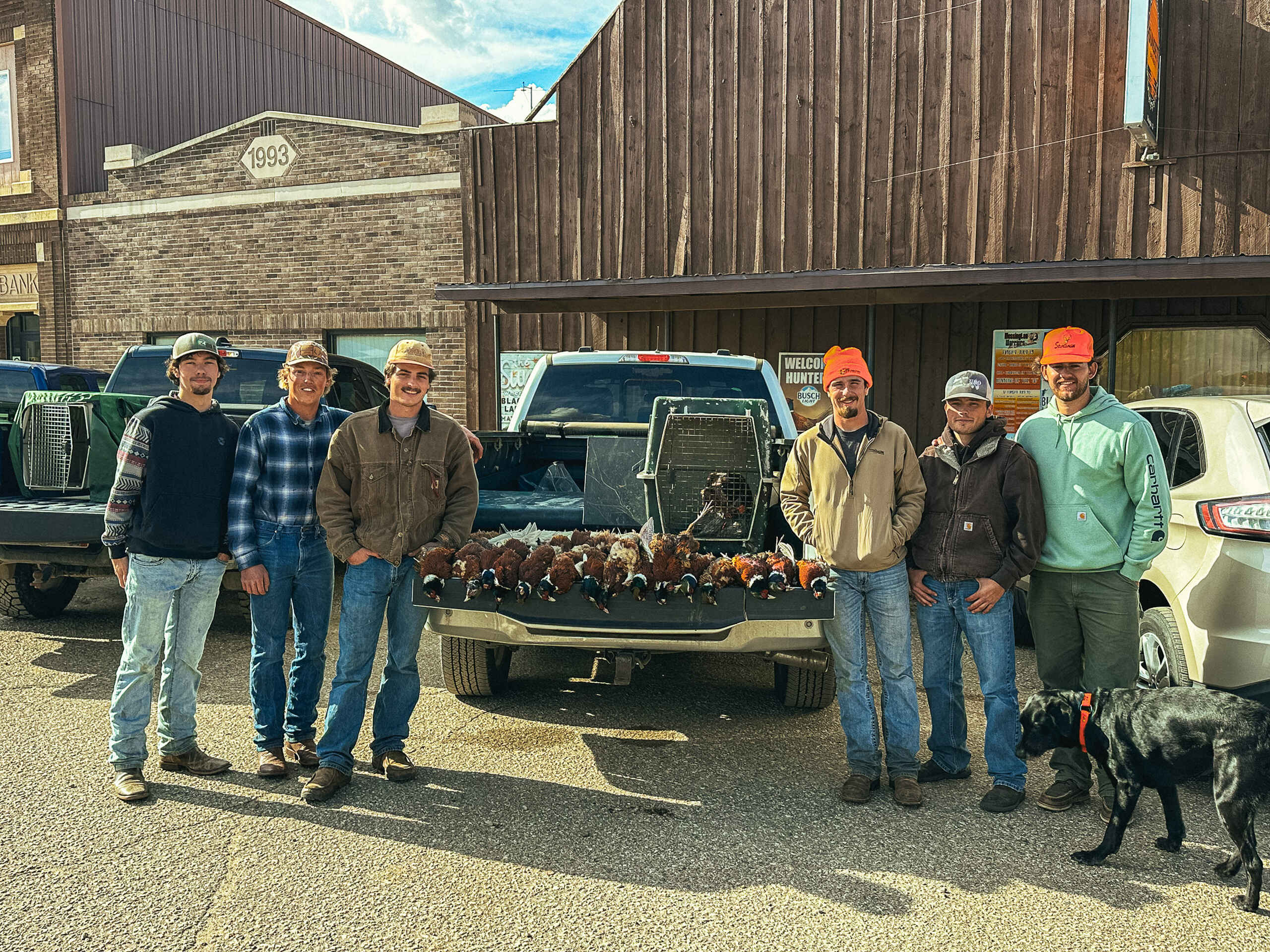
"The younger generation has a completely different attitude towards food. My generation wanted cheap food. This generation cares what they feed their children, and I want my sons to create relationships with their community."
Listening has always been part of how BJ farms.
He listens to the land, to changing conditions, and to the people he's feeding.
"Consumers are becoming more conscious, and we need to adapt to that."
The decision to transition to organic reflected changing consumer demand, and the expansion into direct-to-consumer beef answered that same pull toward local food and stronger relationships with the people producing it.
Supporting local farmers, BJ says, is one of the most meaningful ways people can strengthen their communities. Shopping at farmers' markets, buying directly from local producers, and choosing local businesses wherever possible keeps relationships alive and communities resilient.
“When farmers and communities know one another, each grow stronger.”
For BJ’s family, every decision has been made with the future in mind: transitioning to organic production, planting cover crops, integrating cattle, and building stronger relationships with his community are all part of that same work.
Now his sons are carrying it forward. They're building their own lives in agriculture, making their own decisions, and developing direct relationships with the families they feed, the same way BJ once did for them. It's a different chapter, written with the same intention his father and grandfather brought to theirs.
"Every generation tries to leave something better for the next."
To learn more about Rocking Z Acres: https://www.rockingzacres.com/
In Partnership with Soil & Climate Initiative
About Soil & Climate Initiative (SCI)
Soil & Climate Initiative (SCI) is a nonprofit regenerative agriculture transition program built in collaboration with farmers, brands, NGOs, and soil scientists. Its work focuses on supporting farmers as they shift toward regenerative systems, while helping align the broader supply chain around that transition.
SCI provides a range of support, including farm planning, agronomic guidance, soil testing, and tools to help measure and verify the impact of regenerative practices over time.
To date, SCI has supported more than 175 farms across over 350,000 acres in 27 states, helping drive improvements in soil health, water quality, biodiversity, and overall farm resilience. By working directly with farmers and integrating credible data and verification, SCI helps ensure that regenerative efforts are not only practiced, but understood, supported, and sustained.
Alongside its sister programs, the Soil & Climate Alliance and the Nutrient Density Initiative, SCI is helping build an ecosystem that scales regenerative systems from the ground up.
Learn more: soilclimateinitiative.org
Written by Farmers Footprint
More Stories
Support our work
Stay Connected
You’ll receive our monthly Field Notes newsletter, project updates, and free resources, plus you’ll get first access to new stories.

Make a Donation
Your tax-deductible gift fuels the storytelling that shifts culture, the organizing that turns awareness into collective action, and the relationships that make long-term systems change possible.