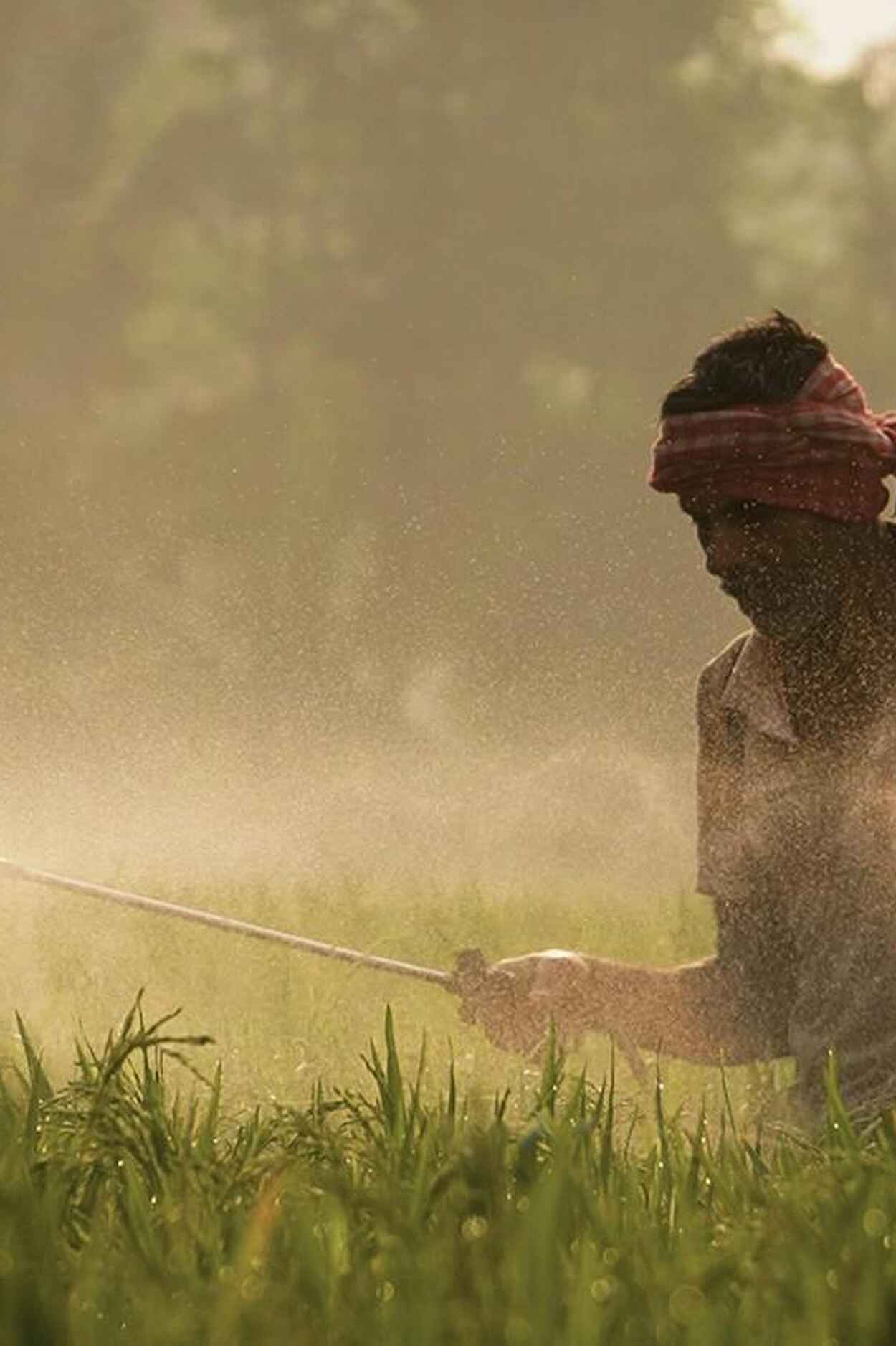
Agrochemical
an umbrella term which refers to any chemical used in agriculture, including pesticides, fertilizers, hormones, or soil treatments. Similar to how all herbicides are a type of pesticide, all pesticides are a type of agrochemical.
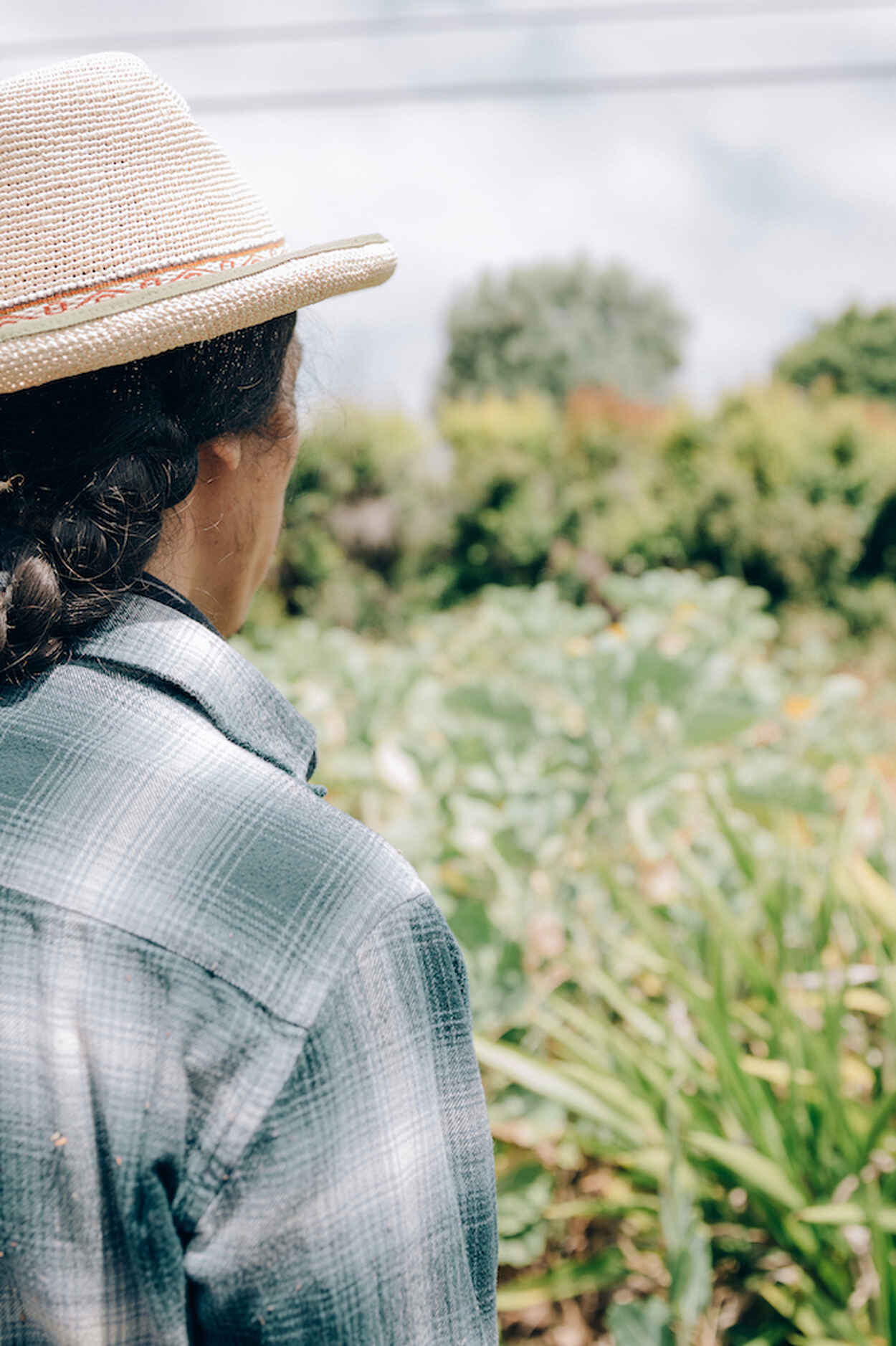
Agroecology
is a holistic approach to farming that applies ecological principles to design and manage sustainable food systems. It harnesses natural processes — like biodiversity, nutrient cycling, and predator-prey dynamics — to enhance soil health, control pests and diseases, and ensure long-term fertility, minimizing reliance on external inputs. Unlike regenerative agriculture, which primarily restores soil and ecosystem functions on farms, agroecology encompasses social and cultural dynamics, integrating indigenous knowledge systems, community resilience, and local food systems for systemic change.
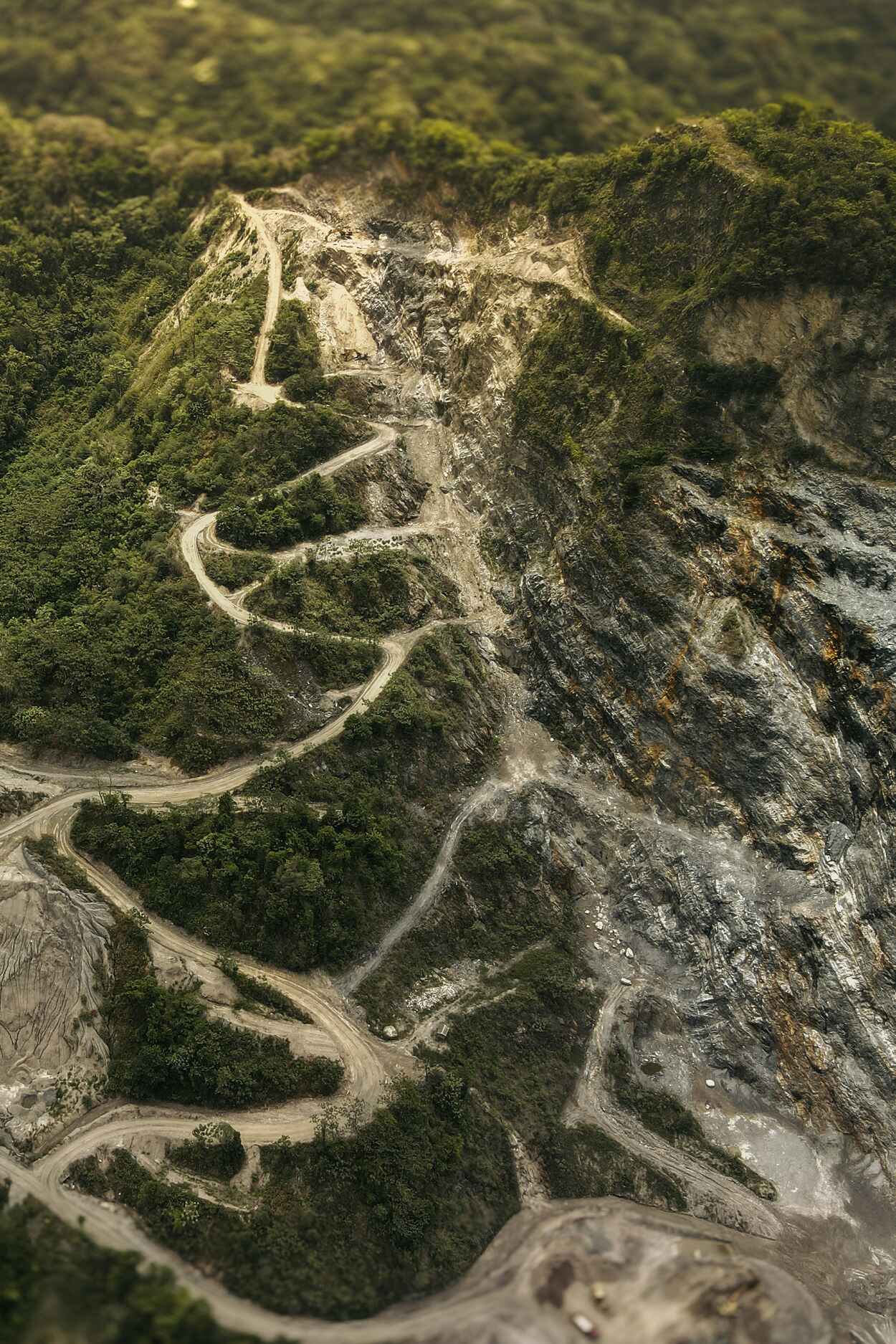
Anthropocene
Anthropocene is a term used to describe a time when human activity has become a major force shaping Earth’s climate, land, water, and living systems. Burning fossil fuels, clearing forests, and changing how we grow food have left marks across the planet. The term draws attention to the scale of that change and to our responsibility for what happens next.
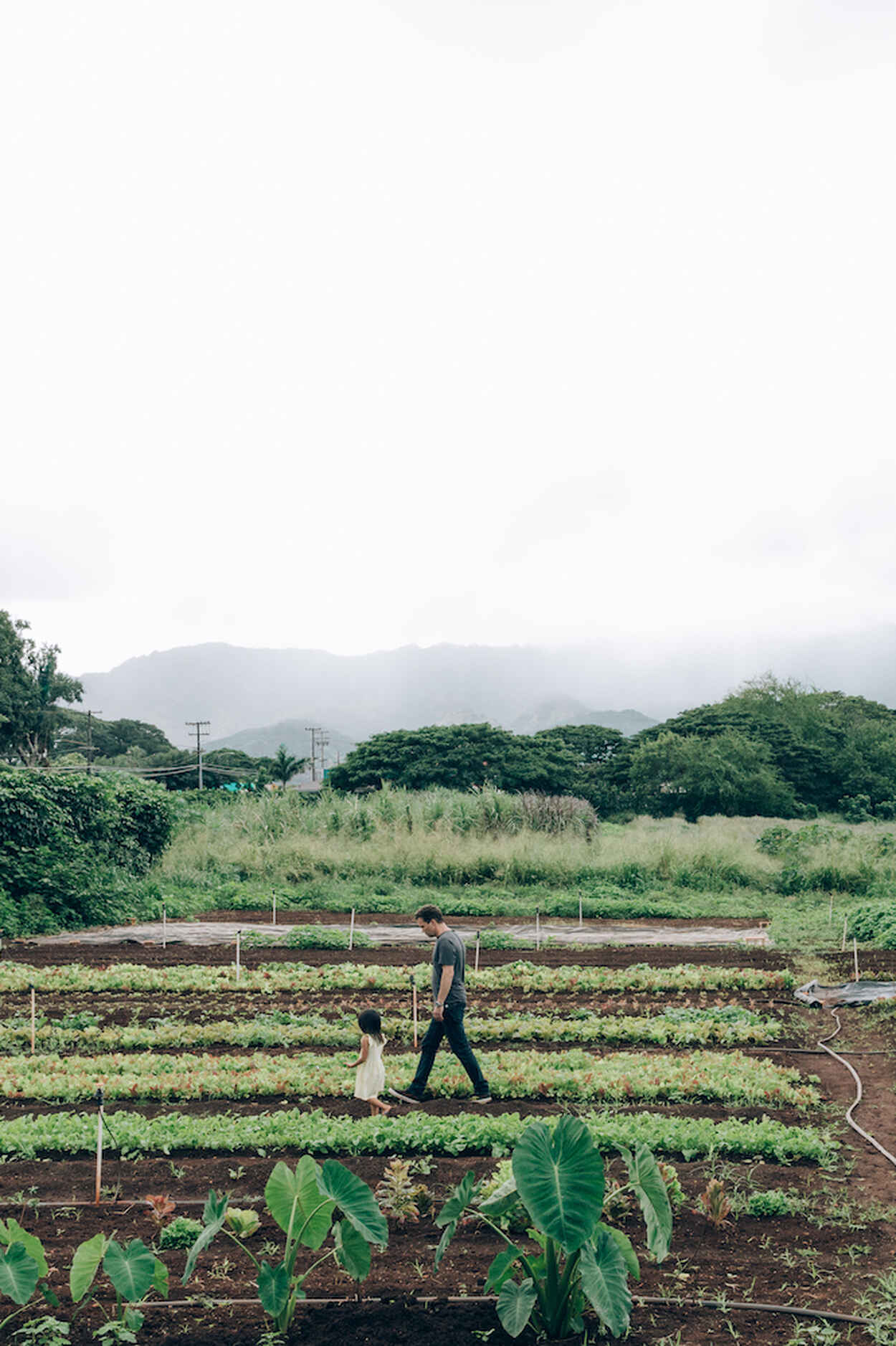
Arable land
while the technical definition is simply “land capable of being plowed,” arable land more broadly refers to land suitable for growing crops due to factors like soil quality, plowability, climate, temperature, and sun exposure. Some land can be improved and converted into arable land over time, while other areas - such as deserts, tundra, and steep mountainous regions - are generally unsuitable for conventional crop production. Roughly 12% of the land on Earth is considered arable (Anderson, 2023).
Biodiversity
(biological diversity) refers to the full variety of life on Earth: the diversity within species, between species, and across entire ecosystems. It includes everything from microorganisms and fungi to plants, animals, and the living communities they form together. Biodiversity supports the balance and resilience of these systems, creating the conditions in which life can flourish.
Biome
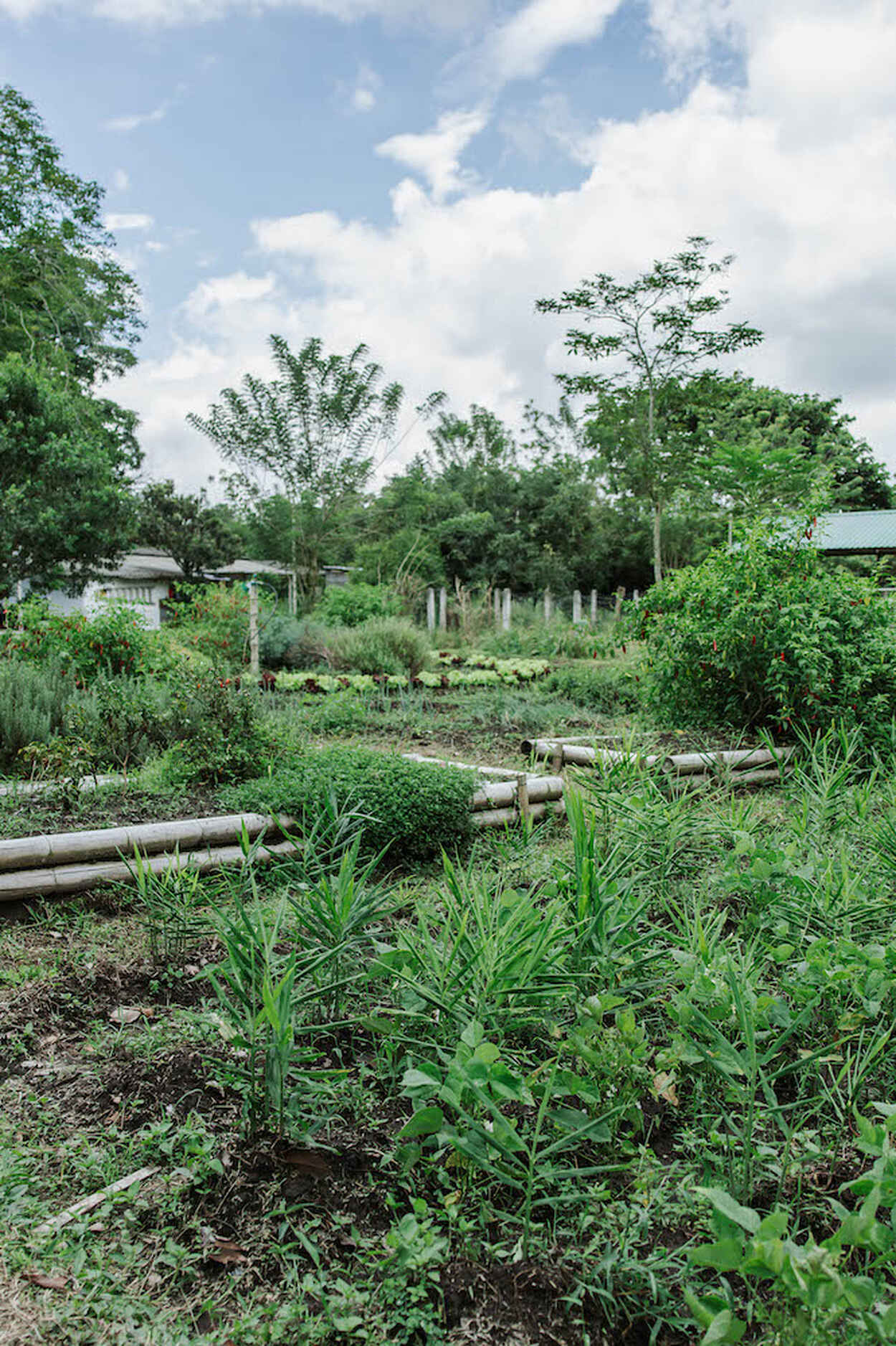
Biome describes natural ecosystems on Earth that have distinct climates, plants, and animals uniquely adapted to live there. Scientists have identified seven geographical biomes on Earth: tundras, deserts, grasslands, deciduous forests, coniferous forests, tropical rainforests, and aquatic biomes (National Geographic, 2025).

CAFO
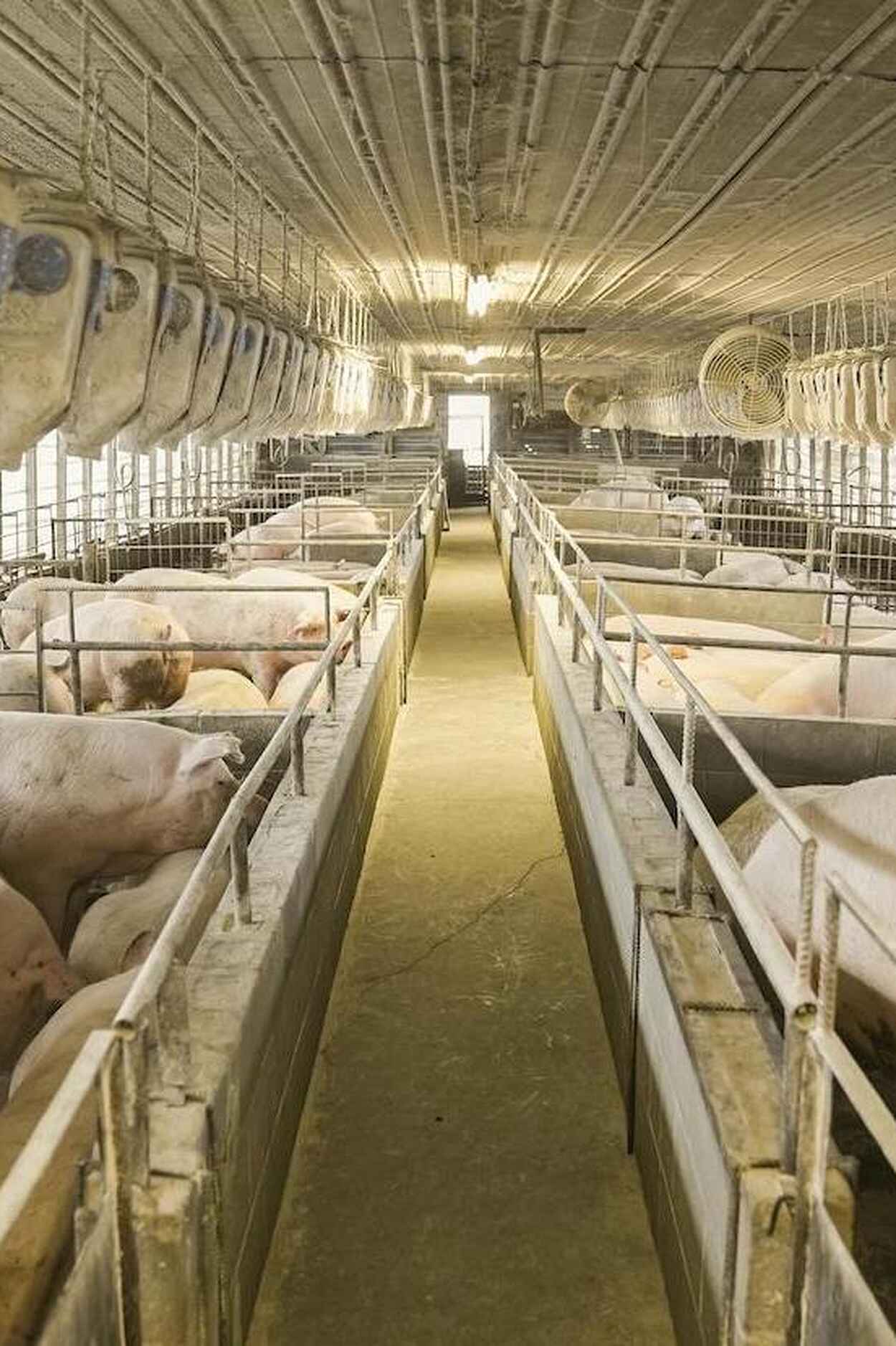
A commonly used abbreviation for Concentrated Animal Feeding Operations.
Also known as factory farms and megafarms around the world, these systems confine animals like cows, pigs, chickens, and turkeys indoors, with little or no access to the natural environments they evolved to thrive in. Animals are often fed corn-based diets to maximize growth, and they are often slaughtered young. The goal is to move as many animals through the system as possible, with less consideration for the well-being or health of the animals being raised.
Commodity crops
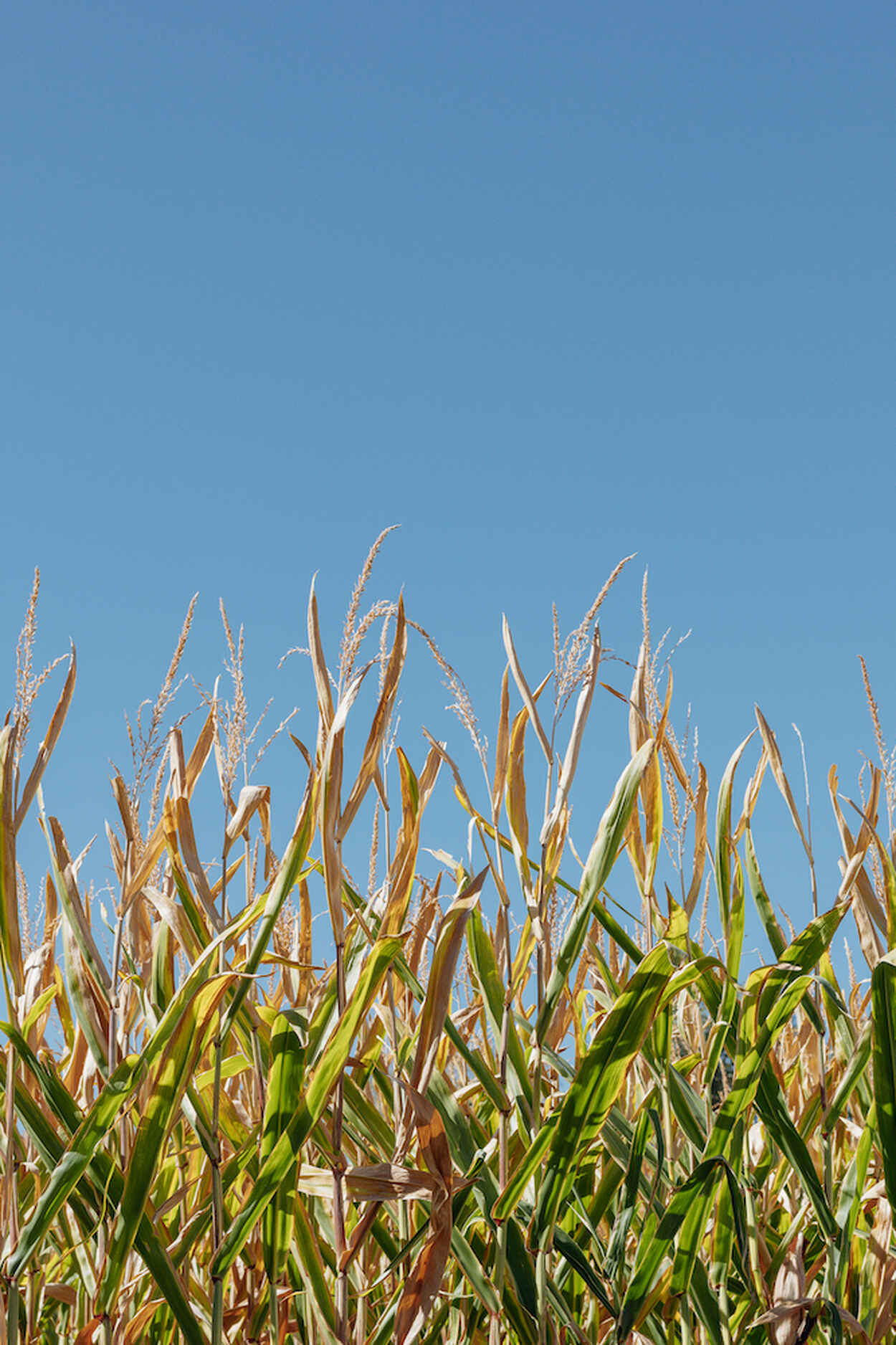
plants grown at scale within industrial systems, designed for high-volume trade and most often used for animal feed, biofuels, or the production of ultra-processed foods. They are known as “commodity” crops because they are standardized and treated in the market as interchangeable, regardless of where or by whom they were grown. In the industrial system, they are valued for their uniformity and tradability, which makes them profitable, but also helps drive the simplification of landscapes, diets, and supply chains. Common examples include corn, soy, wheat, and cotton.
Cover crop
a crop such as rye, barley, or legumes that is planted between growing seasons to keep the soil covered and maintain living roots in the ground between harvests. Cover crops help protect topsoil from erosion while also supporting organic matter and microbial life. When soil is left bare between harvests, it becomes more vulnerable to erosion, drought, and flooding.
Crop subsidy
a government payment or financial support provided to farmers growing certain commodity crops. They are designed to incentivize farmers into growing a small number of subsidized crops at scale by making it more economically viable. In practice, they often entrench a system that favors scale, uniformity, and overproduction, rather than rewarding ecological health or nutritional value. Historically they have helped prop up the mass cultivation of a small number of commodity crops, shaping not only what farmers grow, but what the wider food system is built around.
Diaspora
is a group of people who live outside their native or ancestral region while maintaining a connection - cultural, social, familial, linguistic, or historical - to that place.
An example within food culture could be families living in the United States or abroad who continue passing down recipes rooted in places like India or Mexico, preserving traditions, flavors, and a connection to their heritage across generations.

Ecosystem
a dynamic system where living organisms such as plants, animals, fungi, bacteria and microbes interact with non-living elements such as sunlight, air, water, and nutrients, working together as a functioning unit that exchanges information and energy.
Food culture
refers to the beliefs, traditions, practices, and values that shape how people grow, prepare, share, and eat food. It is influenced by geography, history, religion, economics, migration, agriculture, and community life.

Food sovereignty
the right of people and communities to define and control their own food systems, including how food is grown, shared, and distributed. Rooted in Indigenous and traditional food systems, it prioritizes local knowledge, cultural practices, and relationships to land over industrial, centralized models. Food sovereignty goes beyond access to food, it is about restoring autonomy, cultural continuity, and the ability to sustain communities in relationship with their ecosystems.
Genetically Modified Organism (GMO)
a plant, animal or microorganism that has been subjected to biotechnology. GMOs can be processed into ingredients that are present in food and personal care products (definition provided by the Non-GMO Project).
Glyphosate
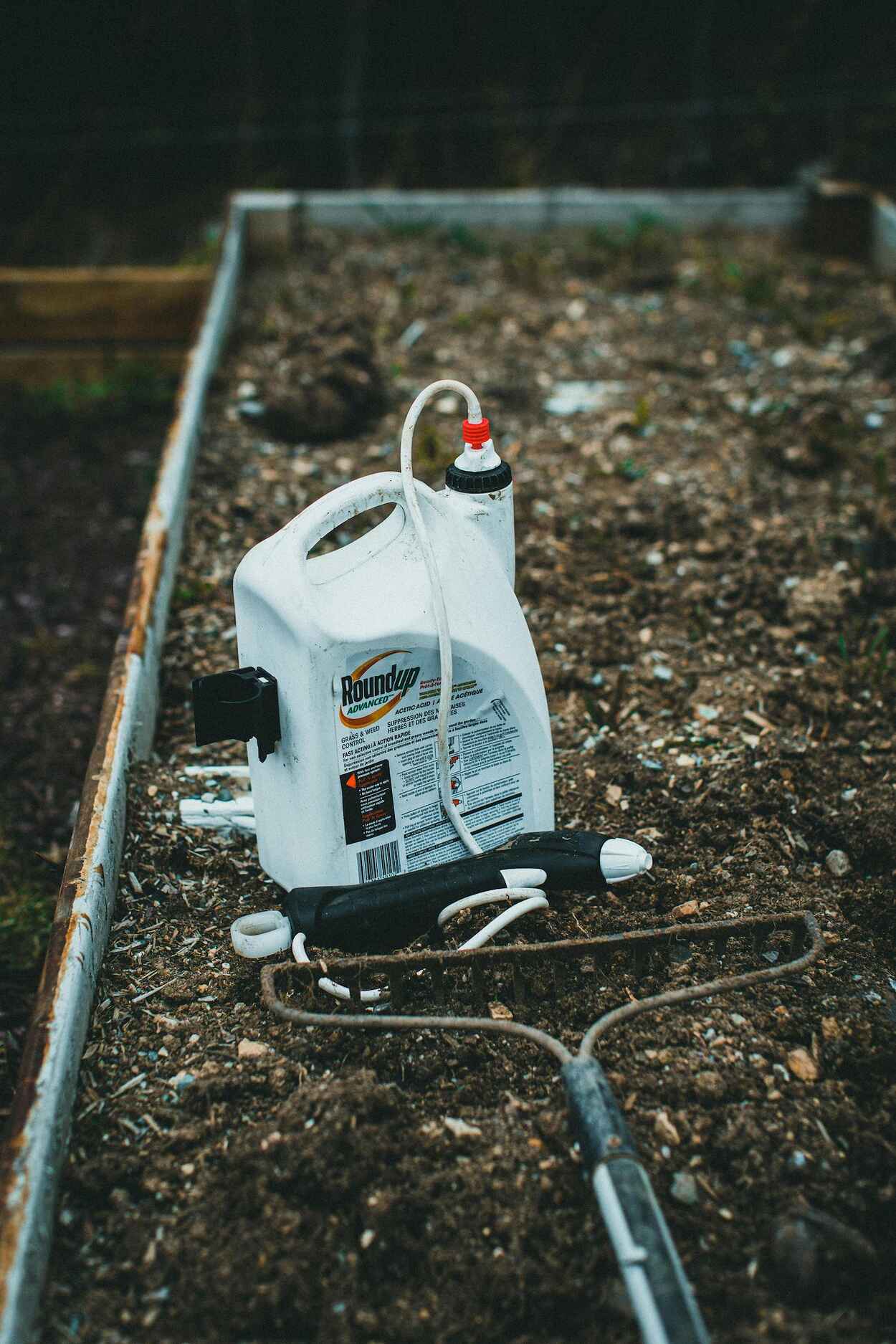
the active ingredient in the weed killer RoundUp and the most widely used herbicide globally. It has been classified as a “probable human carcinogen” by the IARC, and human exposure has been linked to negative effects on reproductive, neurological, and metabolic health.
Gut microbiome
the community of trillions of microbes (mostly bacteria, but also viruses, fungi, and archaea) that live in the digestive system, especially the large intestine. It helps break down food, produce vitamins, support the immune system, and regulate metabolism, hormones, and brain function - making it essential to overall human health.

Indigenous Knowledge Systems (IKS)
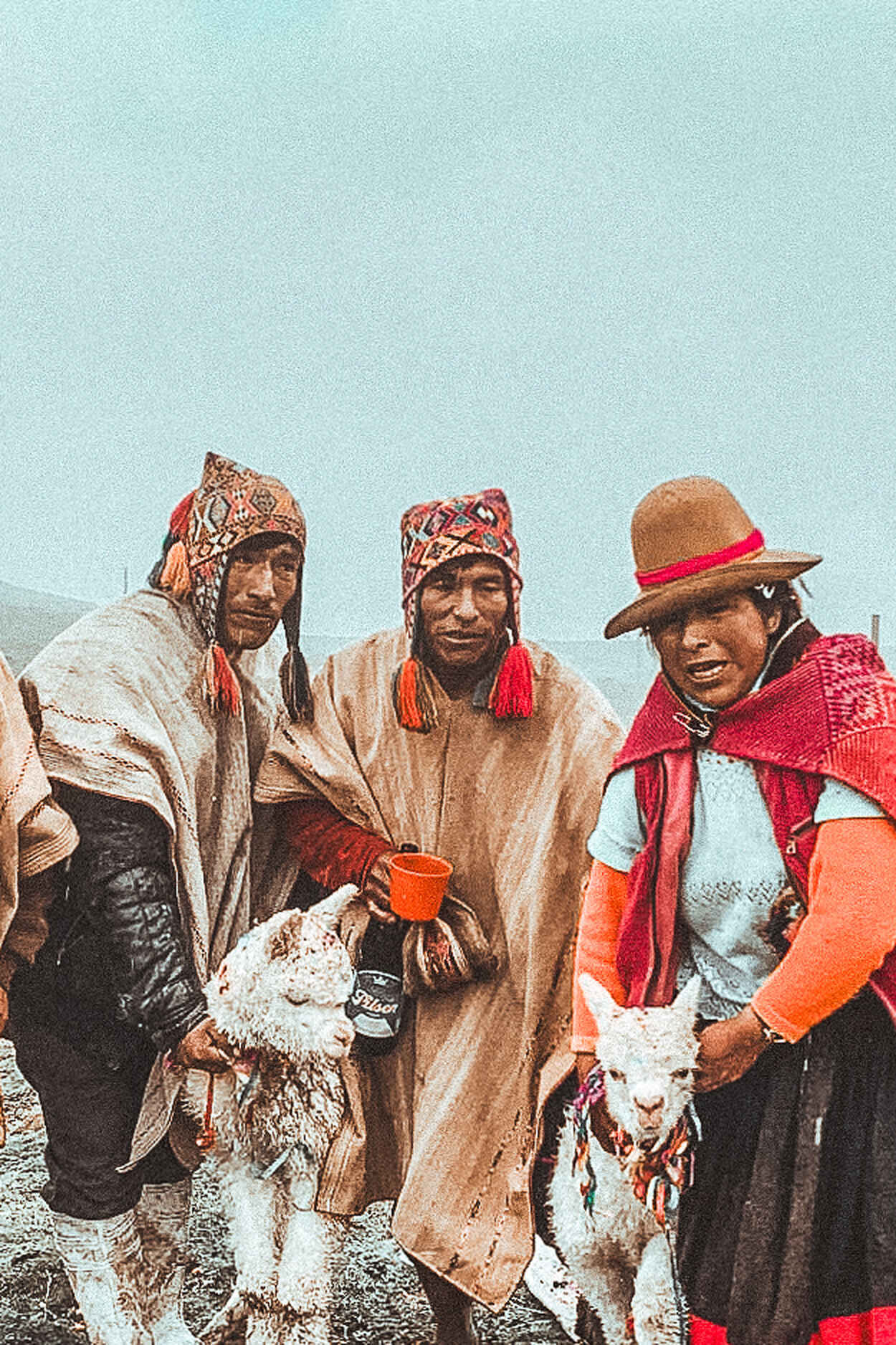
bodies of knowledge developed through long-standing relationships between Indigenous communities and their environments. Built through observation, lived experience, and intergenerational learning, these systems guide how people grow food, care for land, and sustain ecosystems. IKS reflects a holistic worldview where ecological, cultural, and spiritual knowledge are interconnected, and where humans hold responsibility within the living systems they are part of.
Industrial agriculture
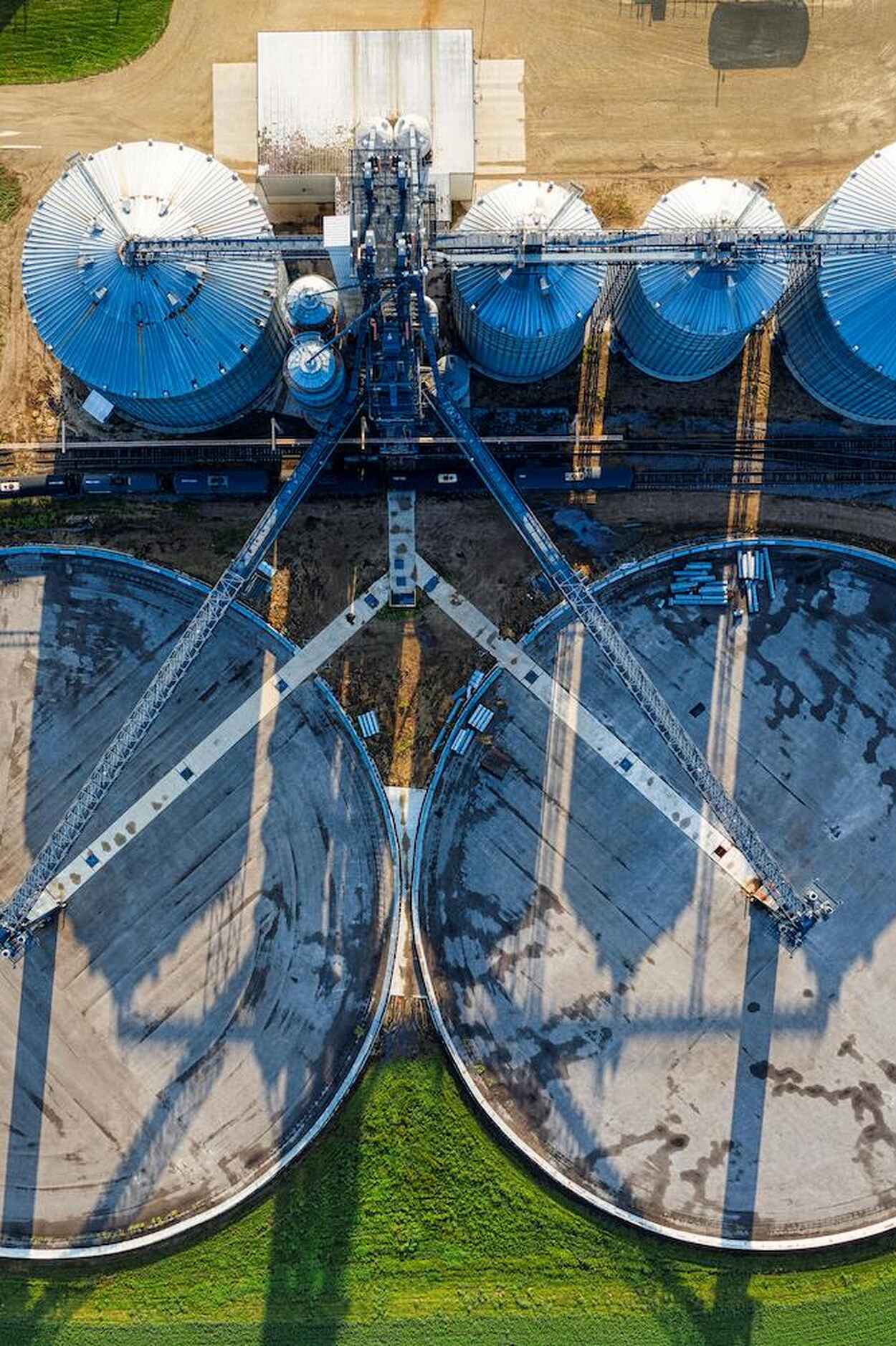
a large-scale, highly mechanized approach to farming that has become the dominant model of food production in much of the world. Shaped by industrialization and later accelerated by the Green Revolution, it is typically defined by monocultures, heavy reliance on synthetic fertilizers and chemical pesticides, specialized production systems, and an emphasis on maximizing yield, efficiency, and profit at scale. Systems commonly associated with industrial agriculture include factory farming, intensive feedlots, and large-scale single-crop production known as monocultures.
Metabolism
the process your body uses to turn food and drinks into usable energy, and then use that energy to keep you alive and functioning well. This process powers everything you do, and every tissue in your body depends on it. Growing research suggests that the quality of the food we eat can influence how well this process works, and that dysfunction in metabolism is increasingly thought to play a central role in many chronic diseases.
Microbiome
A microbiome is a microscopic community of living organisms - such as bacteria, fungi, viruses, and archaea - that live in a specific environment and help shape its function.
Microbiomes exist everywhere - on our skin, in the air we breathe, on our kitchen counters - but the microbiomes in soils and the human gut are particularly relevant to understand the impact of how our food is grown on our health.
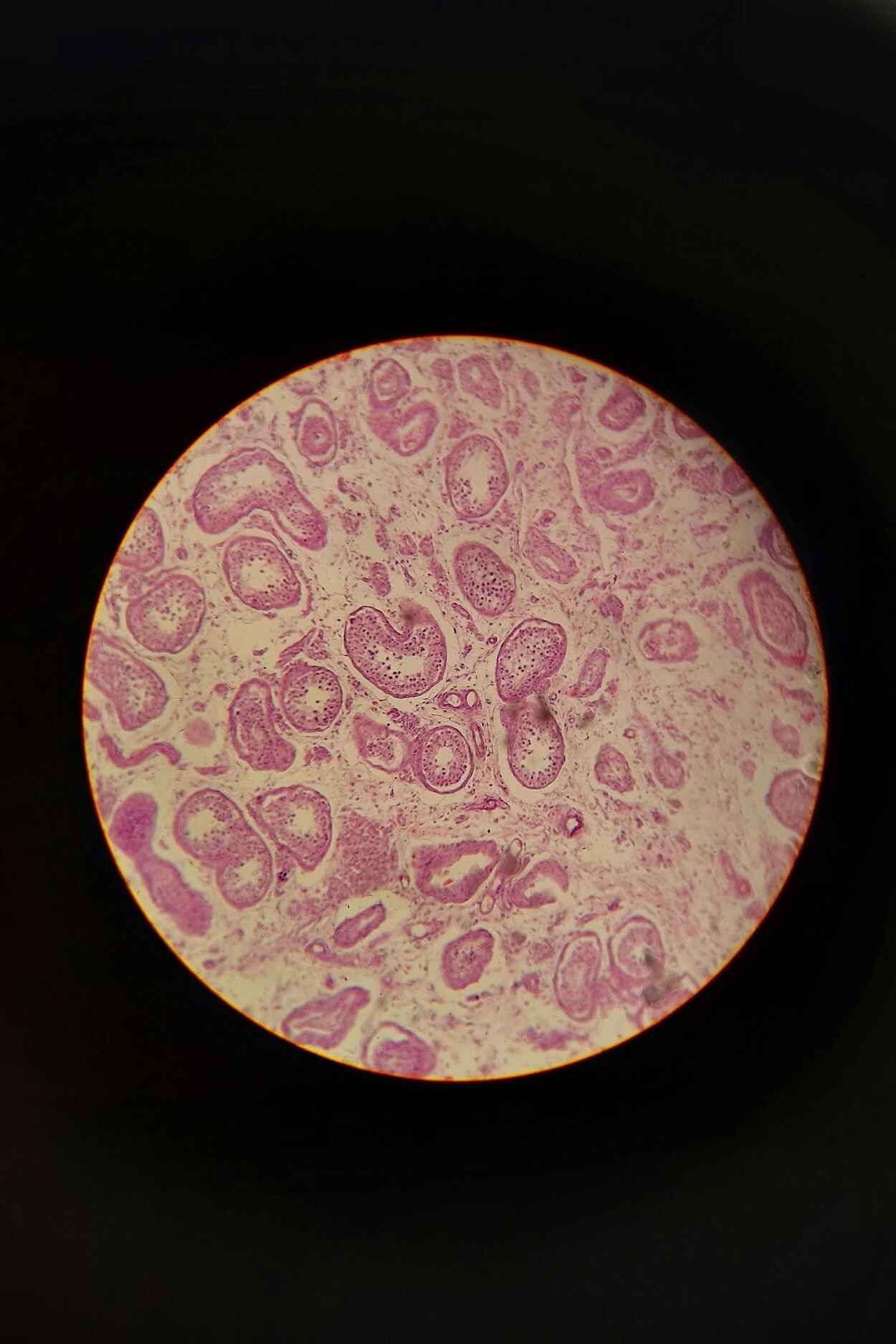
Micronutrients
are essential vitamins and minerals that your body needs in very small amounts in order to function properly. They help support energy production, immune function, brain health, growth, and tissue repair. Unlike macronutrients - fats, carbohydrates, and proteins - they do not provide energy on their own, but they are critical for helping your body’s systems, including metabolism, work efficiently and stay in balance.
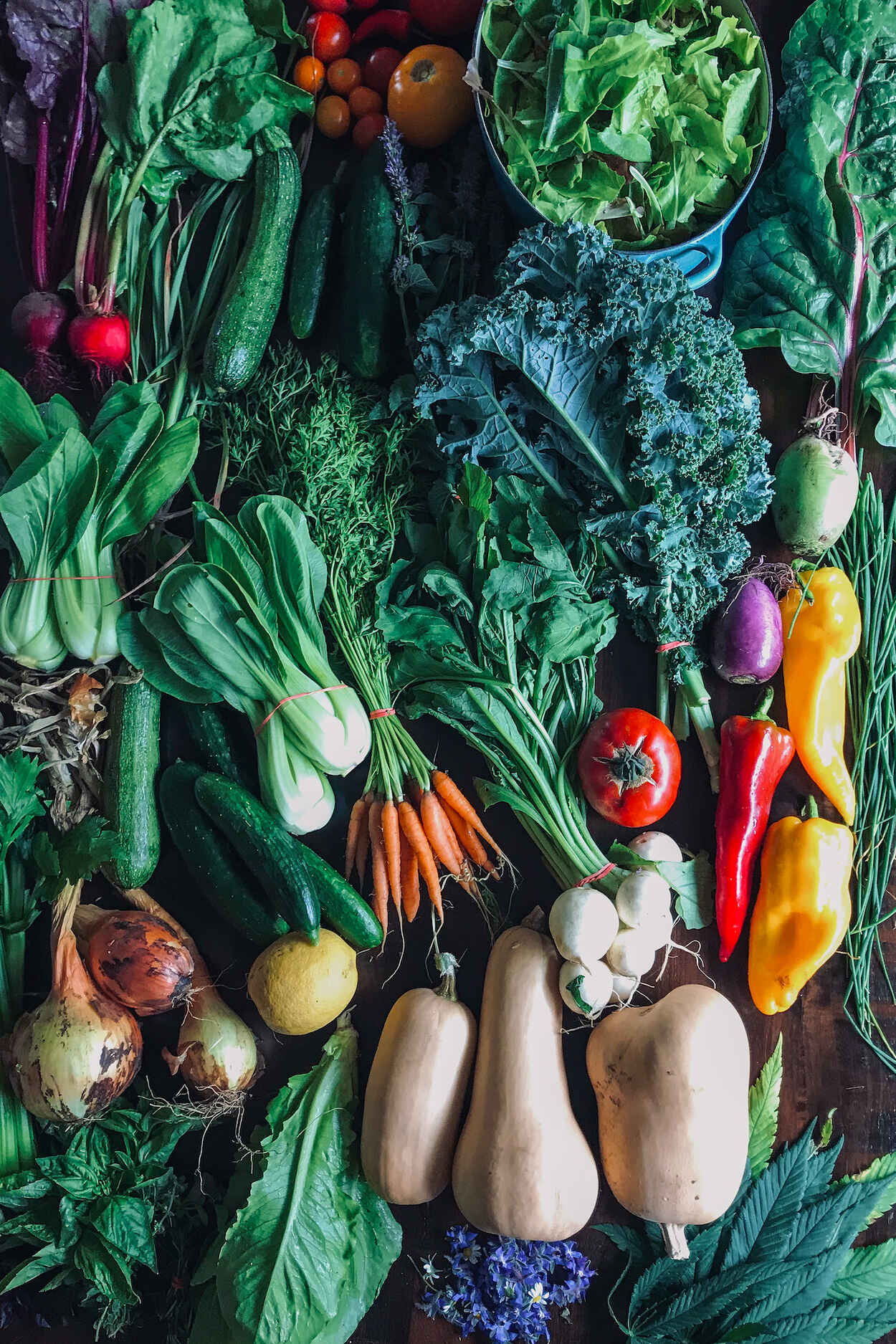
Monoculture
is the practice of growing a single crop species across the same agricultural land, often season after season, without the presence of other crops or plant diversity. It is a defining feature of industrial agriculture, where advances in mechanization and chemical inputs have enabled farmers to specialize in producing one crop at large scale. While it has increased efficiency, it impacts landscapes and communities by increasing reliance on chemicals, breaking down soil structure, reducing the land’s ability to store carbon, and exposing humans to harmful pesticides.
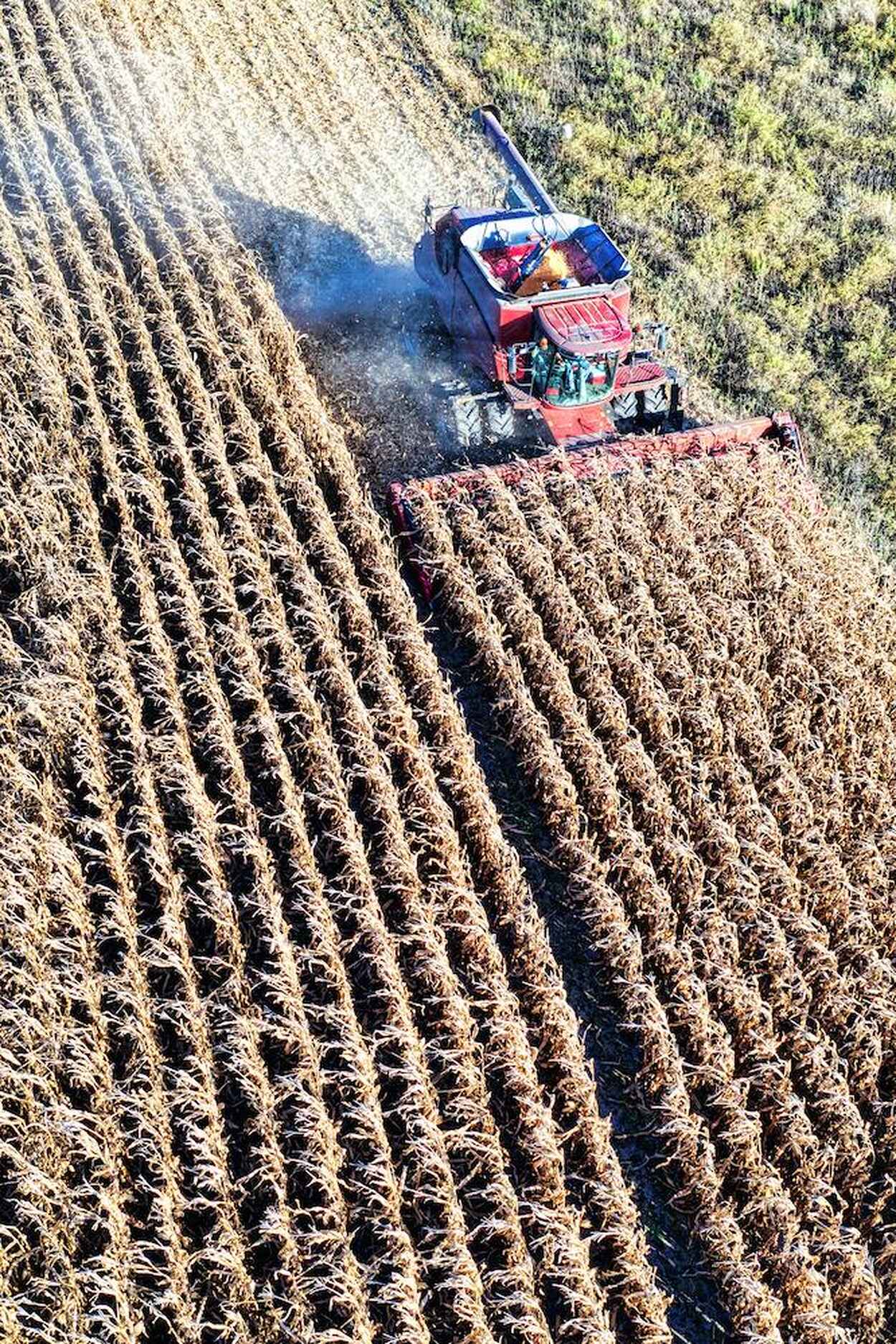
Natural pesticide
a substance derived from natural sources such as plants, minerals, bacteria, or other biological organisms, rather than being synthetically manufactured, and used to deter, repel, or kill pests that damage crops. These pesticides may include compounds such as neem oil, pyrethrins, or beneficial microbes.
In the U.S., farmers may use certain approved natural pesticides and still qualify to be Certified Organic by the USDA.
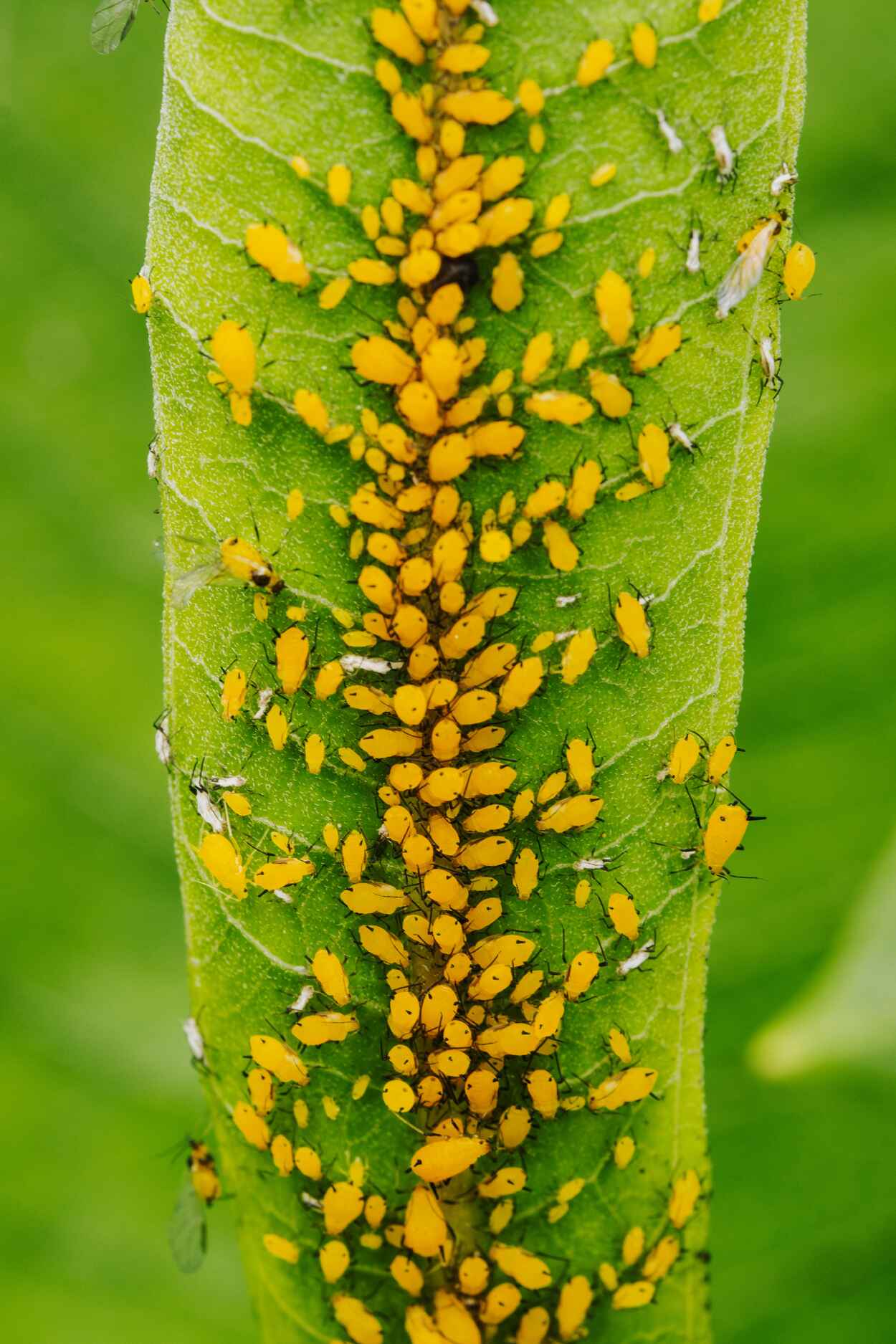
No-till farming
an approach to farming that avoids mechanical tillage, leaving the soil’s upper layer largely undisturbed. This helps preserve soil structure, protect root systems, and support the microbial life that healthy soil depends on. No-till is commonly associated with regenerative agriculture because it reduces disturbance and helps maintain the biological integrity of the soil.
Nutrient density
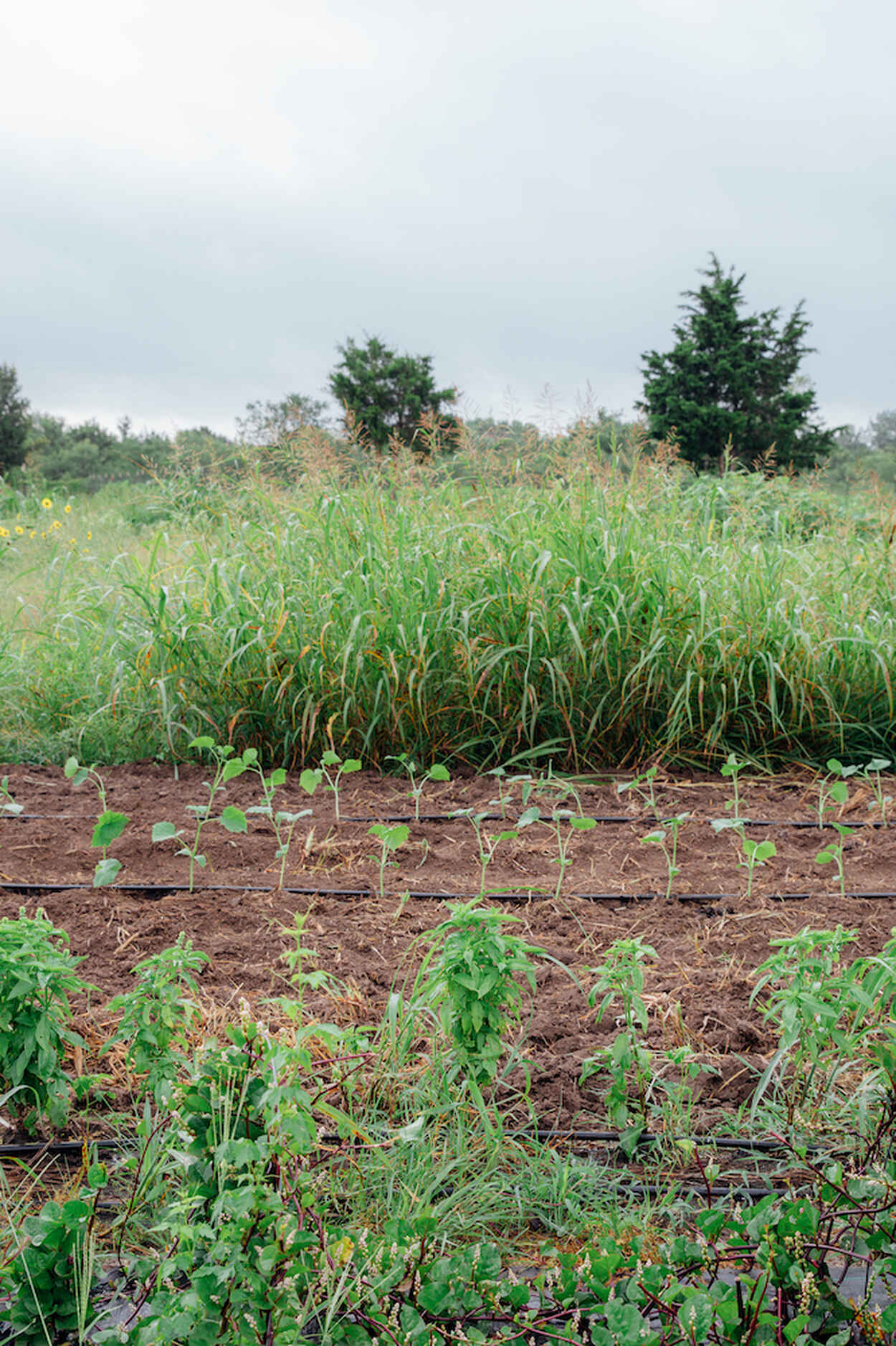
the concentration of beneficial nutrients in food that support human health. Influenced by how food is grown and processed, research on nutrient density suggests that regenerative and traditional farming systems that build healthy soils and biodiverse ecosystems can produce more nutrient-dense foods.
Organic matter
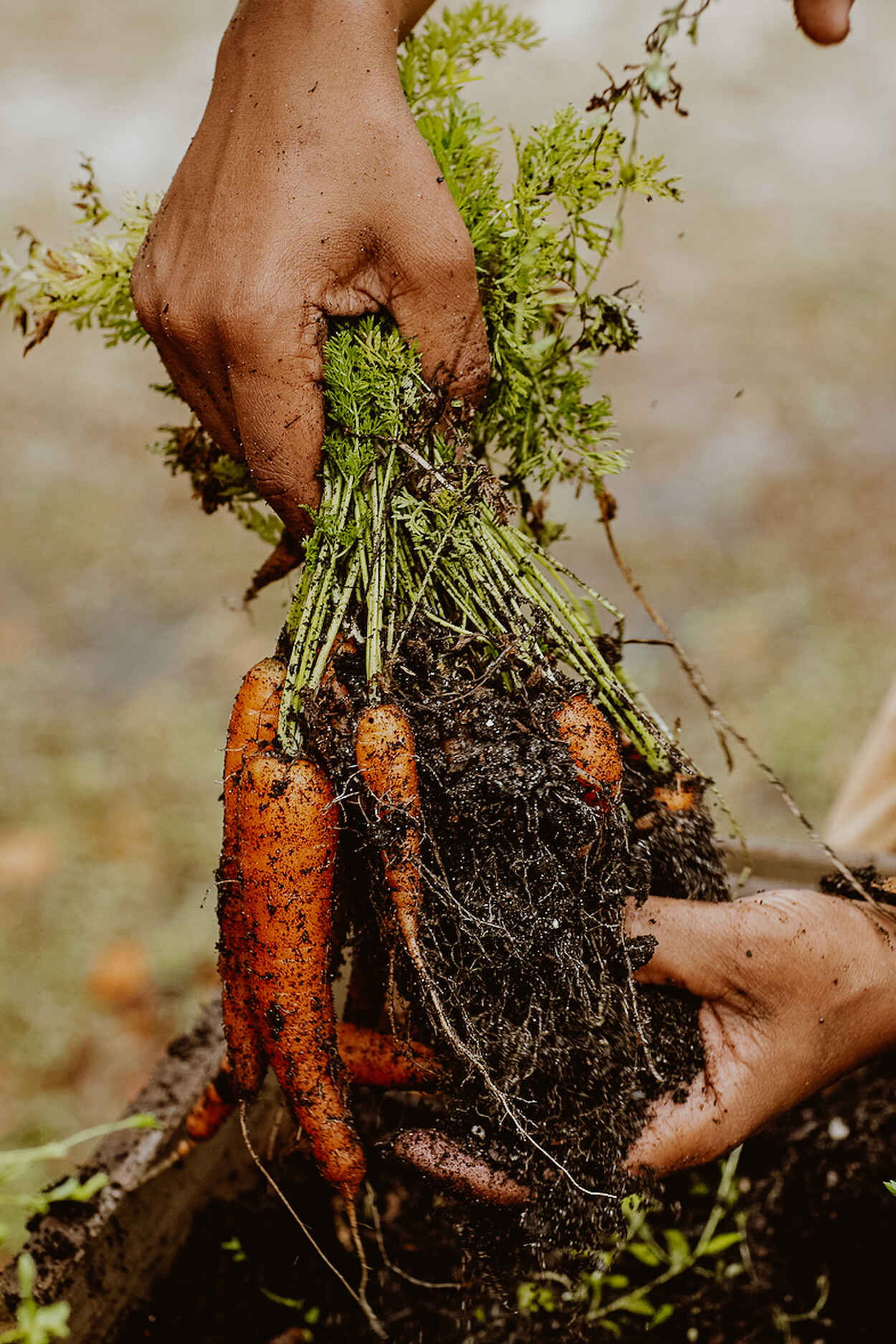
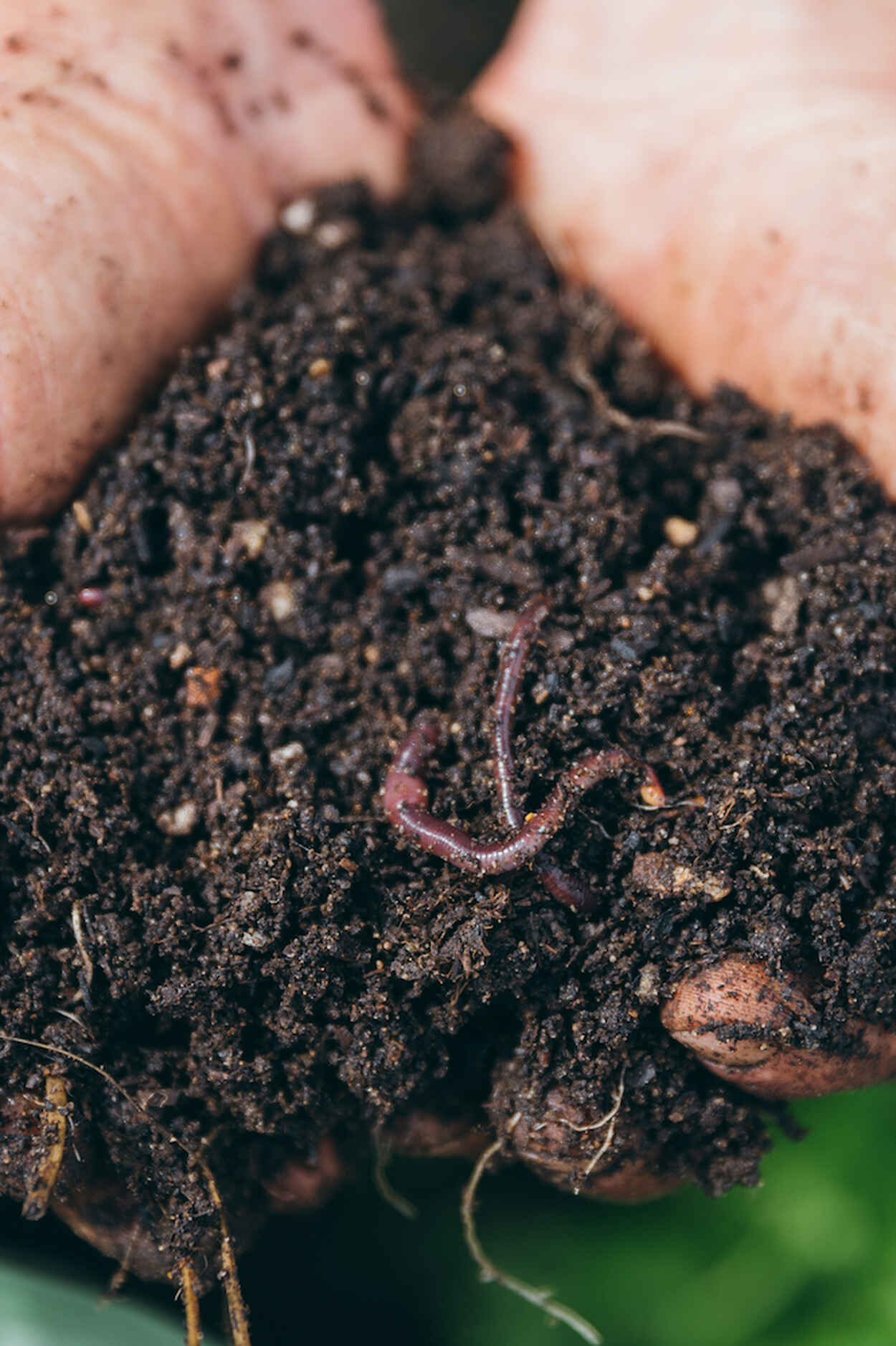
also known as soil organic matter (SOM), is any living or dead plant and animal material. It includes plant roots, animals, and remains at various stages of decomposition, along with microorganisms and their excretions. On farms, main sources are plant litter (roots, stubble, leaves, mulch) and animal manures. Earthworms and microorganisms decompose these materials, releasing nutrients for plant uptake. The end product is humus, a stable, crumbly material that stores nutrients, holds moisture, and improves soil structure.
Palouse
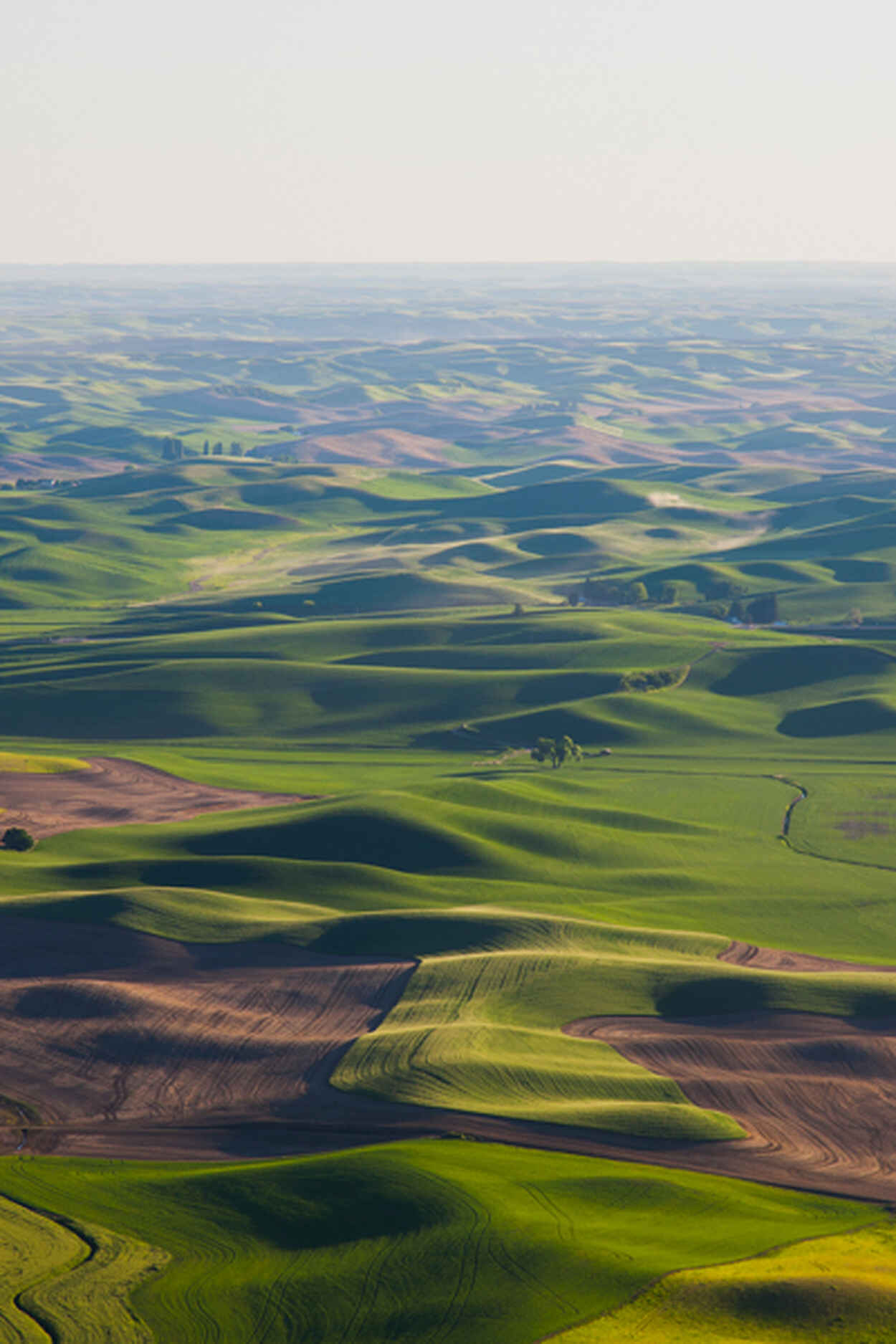
a distinct geographical region of rolling hills spanning southeastern Washington and spilling into Idaho. As one of the most fertile farming areas in the world, it serves as the highest-yielding wheat-producing region and largest lentil-growing area in the United States.
The name "Palouse" is believed to originate from the Palus (or Palouse) Native American tribe, who historically inhabited the region. Today, descendants of the Palus are associated with the Yakama, Colville, and Nez Perce tribes.
Pesticide
an umbrella term for all chemicals used in agriculture or landscaping to kill, repel, or control pests that would otherwise damage crops or plants - including weeds, insects, and rodents. There are eight distinct types of labeled pesticides: insecticides, herbicides, fungicides, rodenticides, algicides, antimicrobials, fumigants, and repellents.
For example: All herbicides are a type of pesticide, not all pesticides are herbicides.
Pre-harvest desiccation
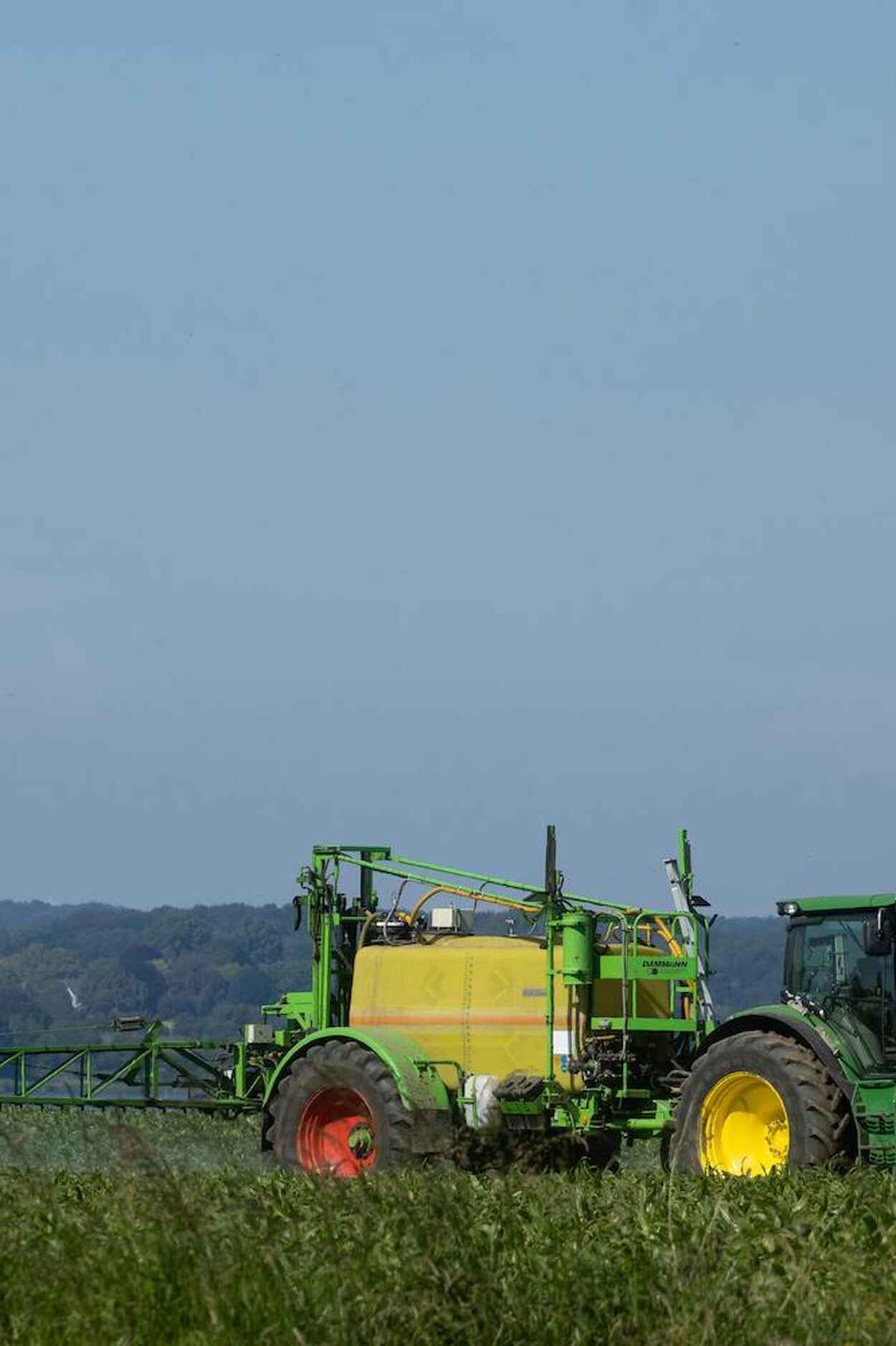
a farming practice that involves applying a drying agent (also known as a desiccant) to crops - most commonly wheat - shortly before harvest to speed up and promote more uniform drying, making harvesting easier and supporting more efficient yields. This practice is most common in regions with short growing seasons or early rainfall risk, including parts of North America such as the northern Great Plains and Canada.
Studies have found that pre-harvest desiccation can increase pesticide residues in harvested grain and animal feed.
Regenerative Agriculture
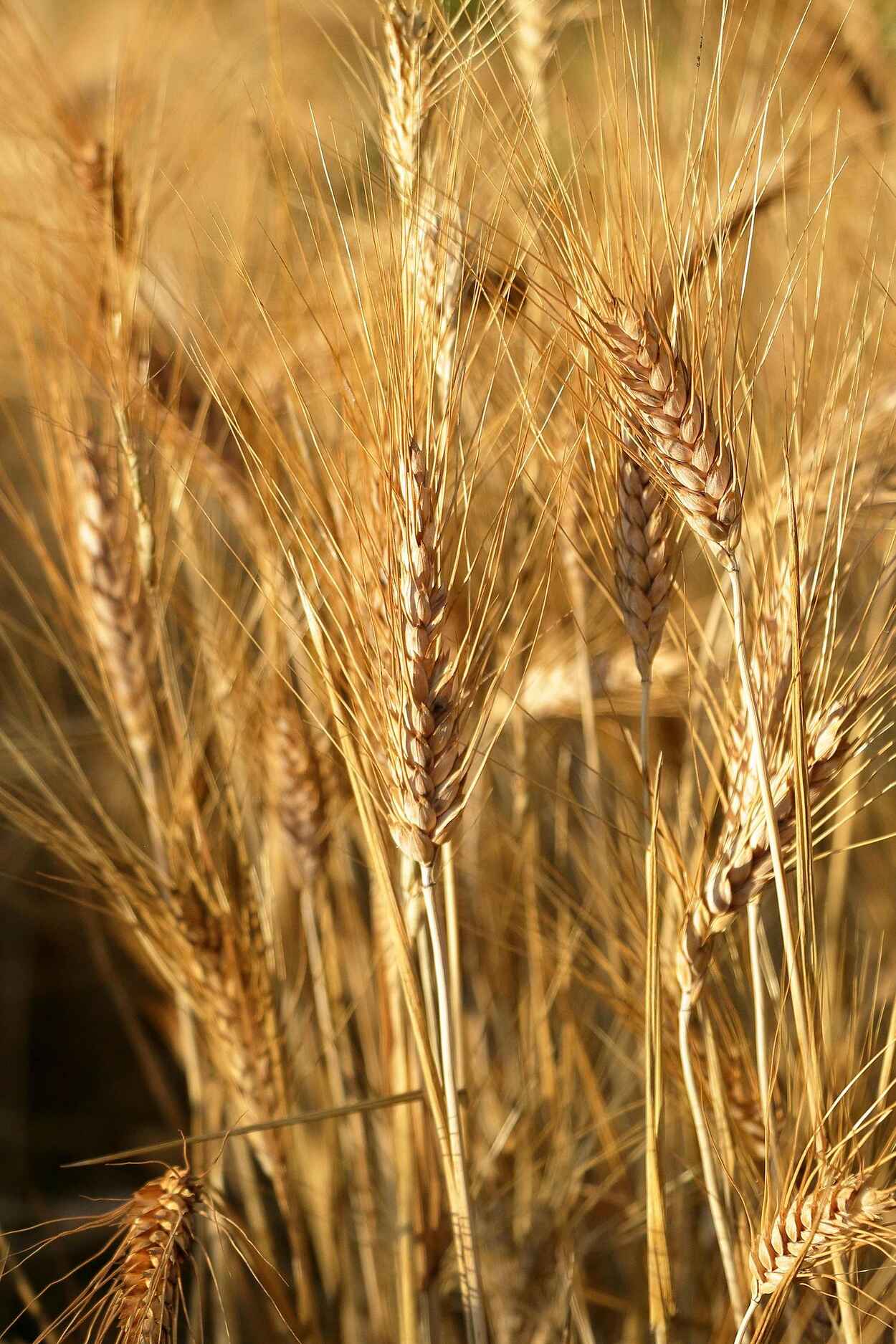
Regenerative agriculture is an approach to farming rooted in indigenous land stewardship that has sustained ecosystems for generations. It understands land, people, and animals as part of one living system and seeks to restore and improve the health and wellbeing of each through farming practices that work in harmony with natural cycles rather than against them. Healthy soil, clean water, thriving biodiversity, and reduced chemical dependence are among its key markers. Focused on outcomes over prescriptions, it looks different depending on place, climate, and the people who call that land home
Rhizomatic
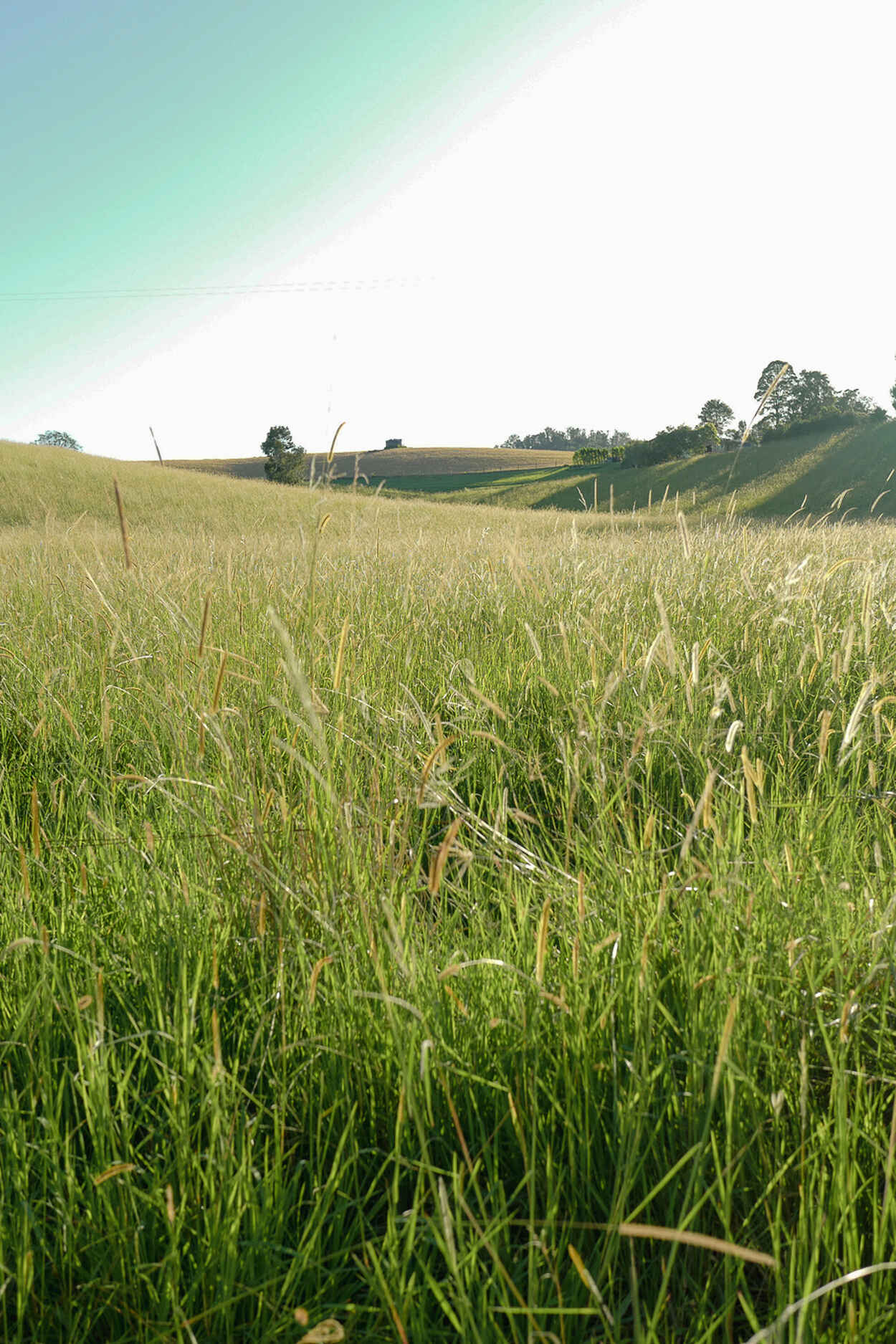
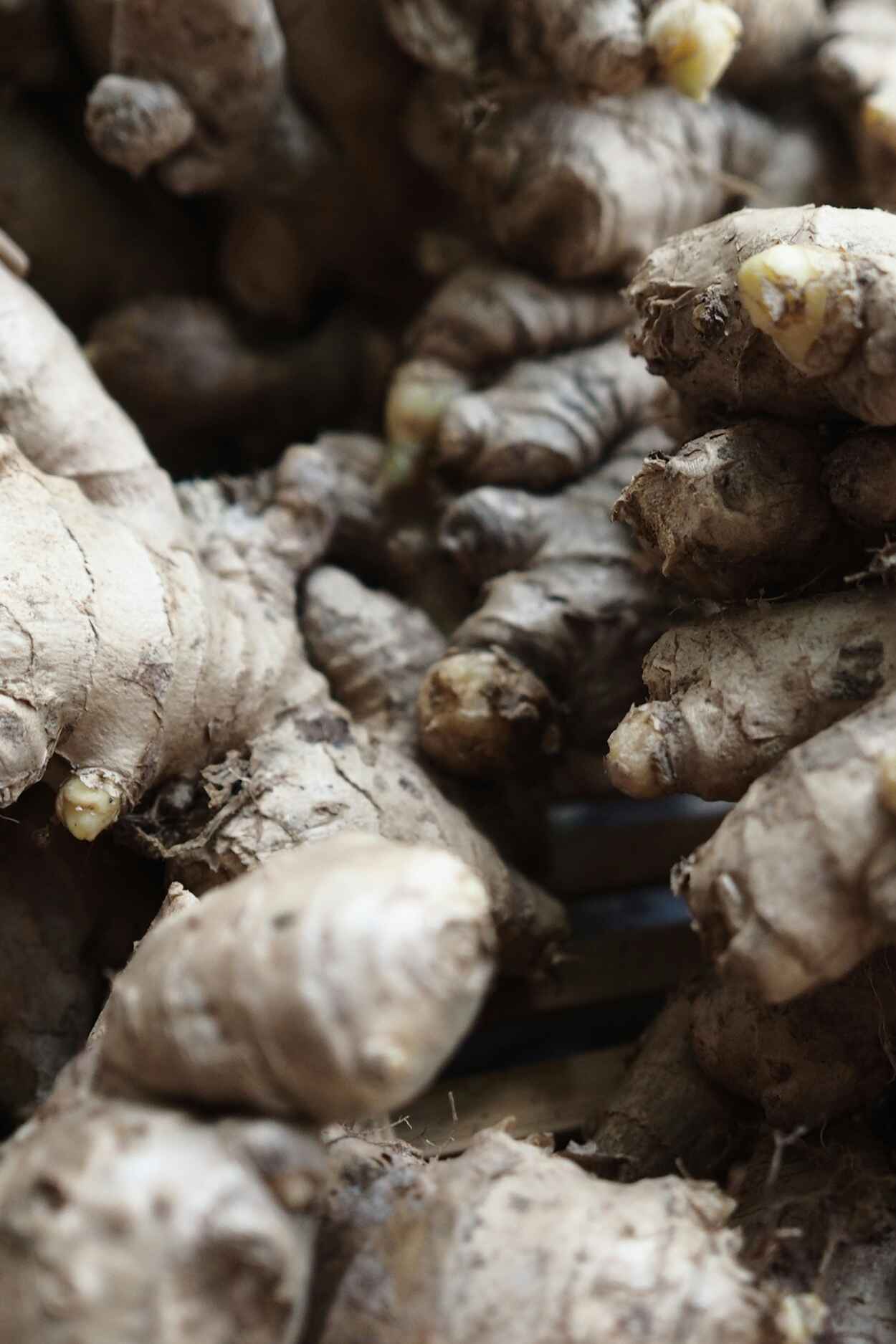
Rhizomatic describes a way of growing or connecting that spreads in many directions, like a rhizome beneath the soil. A rhizome is a plant stem that sends out roots and new shoots along its length. The word can also describe networks of people, ideas, or living things that grow through many connections rather than from one central point.
Rotational grazing
also known as managed or adaptive grazing, is an approach to livestock management in which herds, often cattle, are moved between purpose-built paddocks, sometimes called cells, to allow grazed areas time to rest and recover before animals return. This recovery period helps strengthen plant growth and improve the resilience of the landscape. As ruminant animals graze, deposit manure, and tread organic matter into the soil, they can help cycle nutrients naturally and contribute to healthier soil systems.
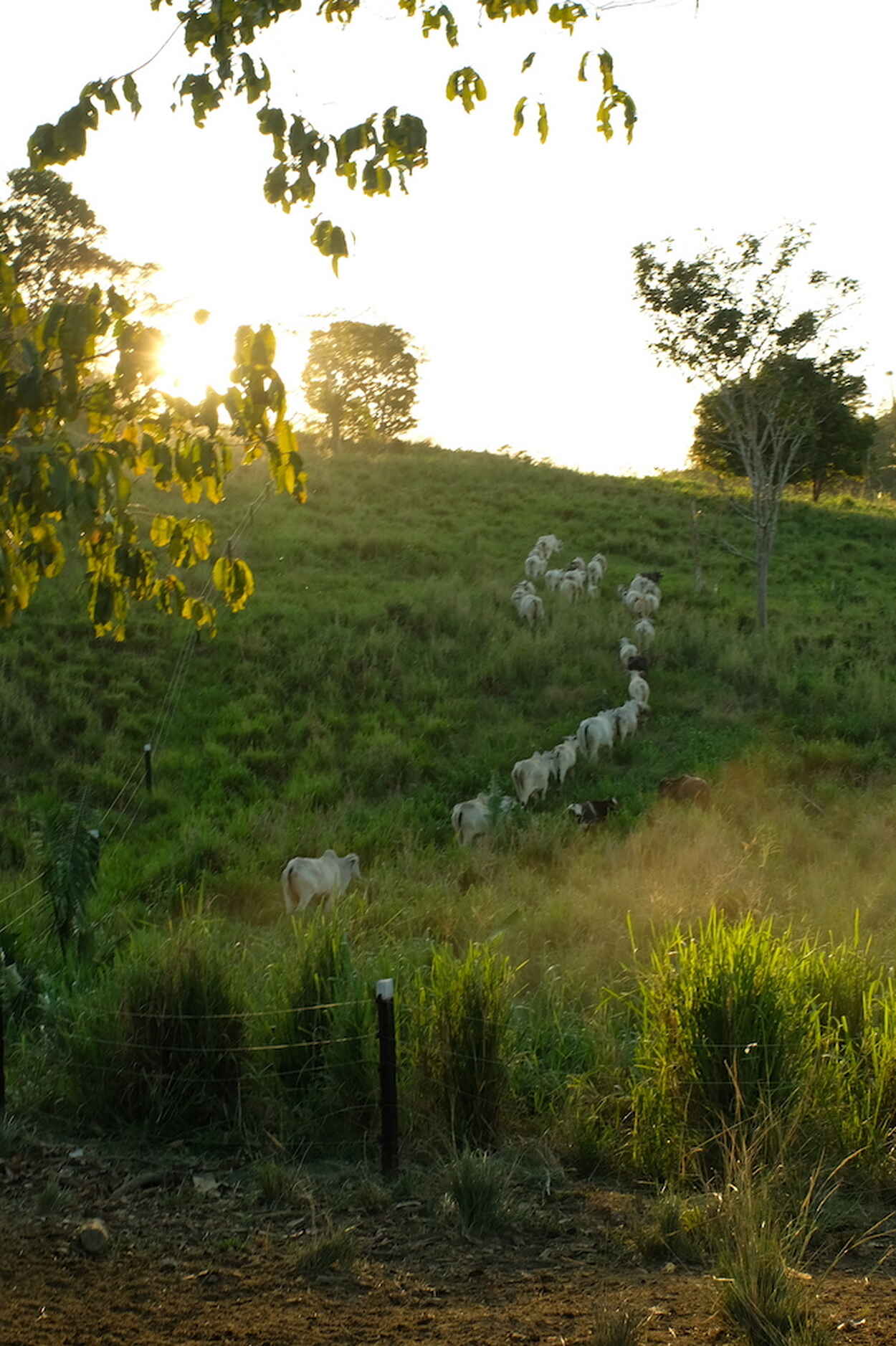
Ruminant
a type of grazing mammal with a specialized four-chambered stomach designed to ferment, break down, and extract nutrients from tough plant fibers (like grass) with the help of microbes. Common examples in agriculture include cows, sheep, and goats.
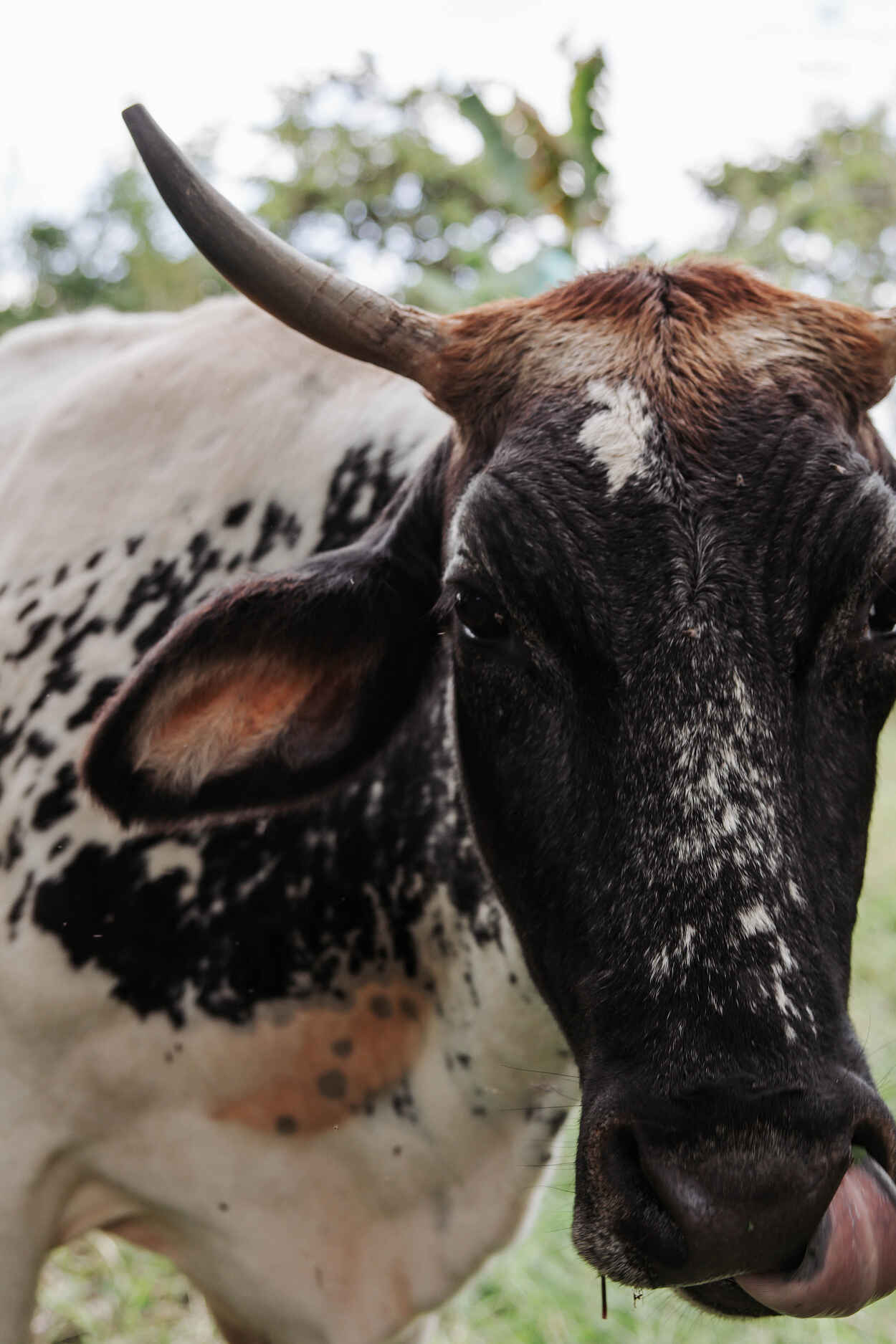
Seed saving
the practice of collecting, storing, and replanting seeds across growing seasons, allowing crops to adapt to local environments over time. It supports biodiversity, strengthens resilience within food systems, and reduces dependence on external inputs. Beyond its biological role, seed saving carries cultural knowledge, preserving food traditions, ecological relationships, and the connection between people, land, and future generations.

Seed sovereignty
the right of communities to save, use, exchange, and steward their own seeds. It places control of seeds back into the hands of farmers and communities, protecting biodiversity and reducing reliance on industrial seed systems. Rooted in Indigenous and traditional food systems, seed sovereignty recognizes seeds as carriers of culture, memory, and ecological knowledge, and as the living foundation of resilient food systems.
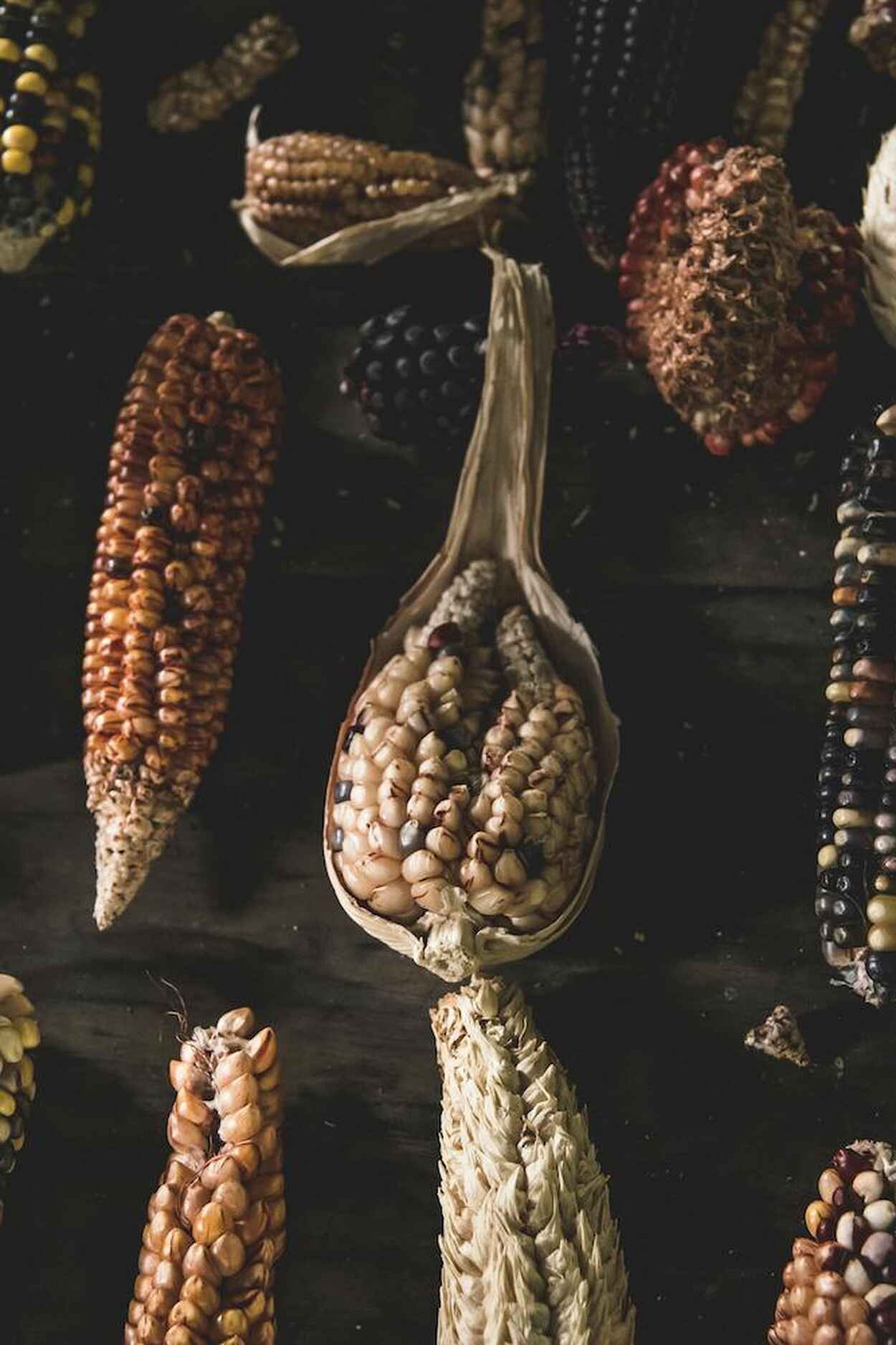
Soil microbiome
the community of microorganisms - bacteria, fungi, and archaea - living in soil that work together to support plant and ecosystem health. These microbes break down organic matter, recycle essential nutrients, enhance nutrient availability, produce growth-promoting compounds, and protect plants from disease (Wang et al., 2024). When this community is diverse and thriving, it helps move nutrients from soil into plants, and from plants into the food we eat. In this way, the soil microbiome plays a foundational role in the health of entire food systems, including our own.
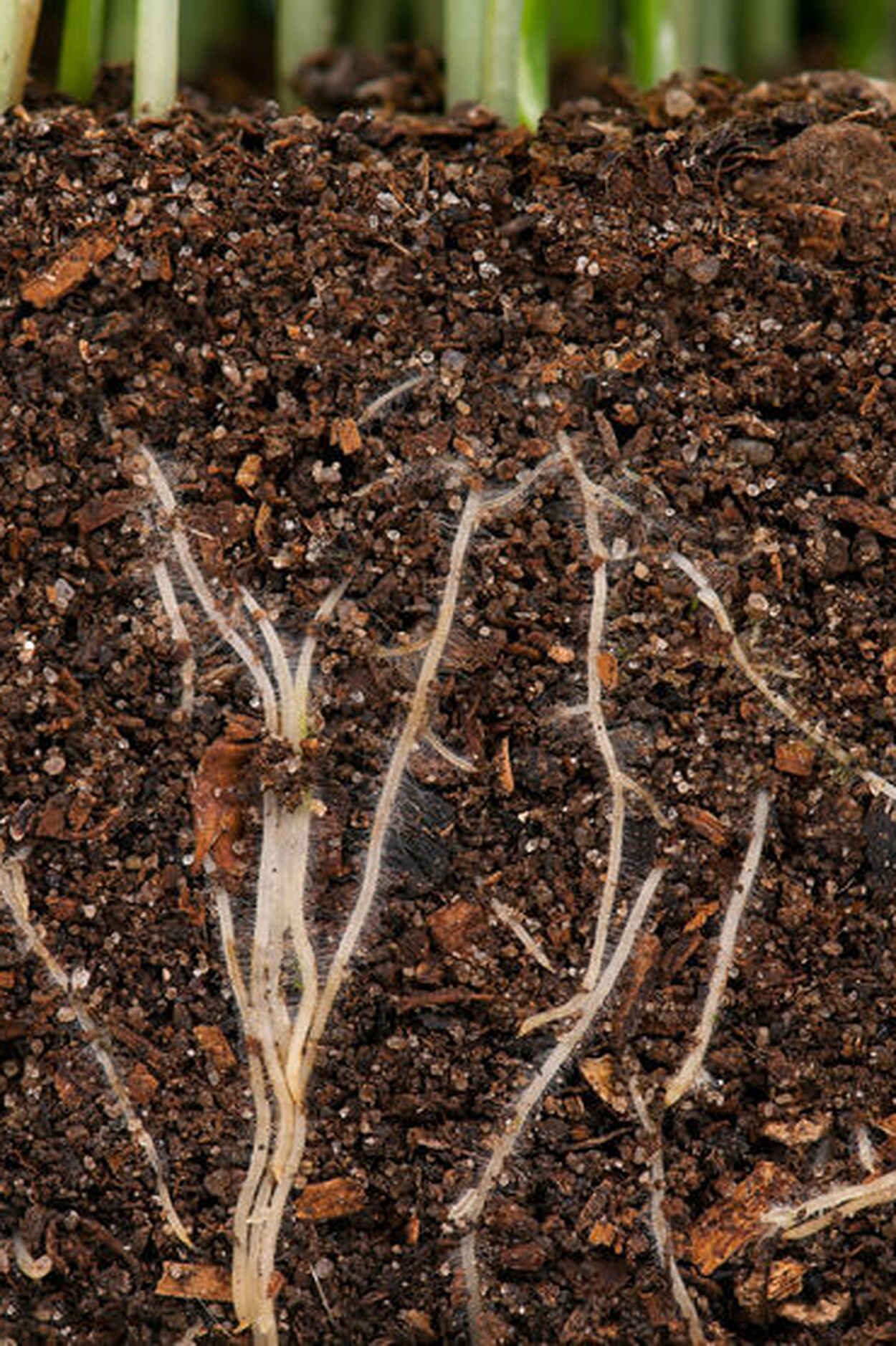
Traditional Ecological Knowledge (TEK)
refers to the environmental knowledge developed by Indigenous and local communities through generations of direct interaction with ecosystems. It includes an understanding of plants, animals, soils, water systems, and seasonal patterns, as well as the relationships between them. TEK is place-based, adaptive, and often passed through oral tradition and practice, guiding how land is stewarded and how ecosystems are sustained over time.
Traditional farming practices
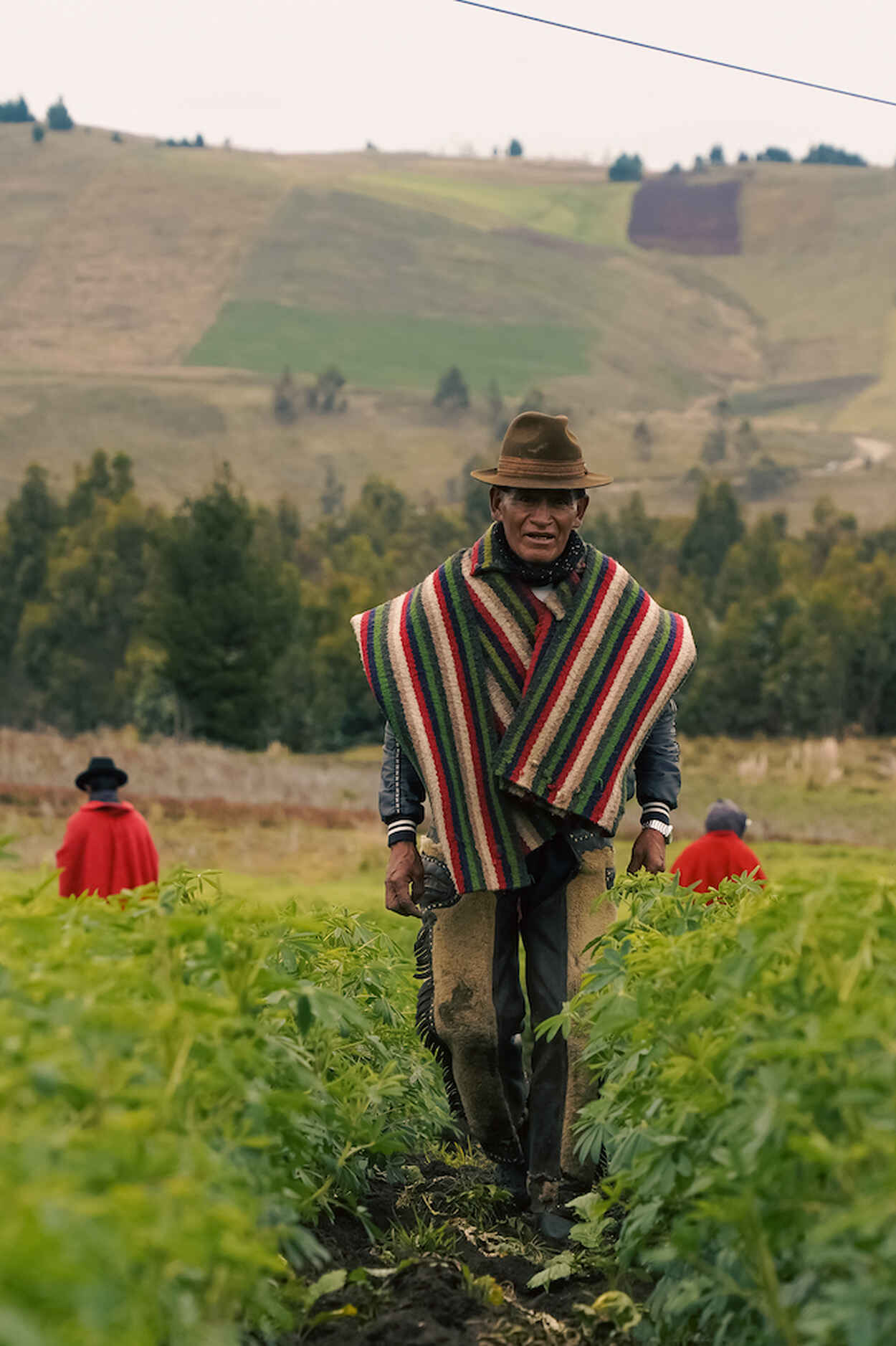
are place-based ways of growing food developed over generations through close relationships with land, climate, and ecosystems. These systems are guided by observation of seasonal cycles, soil health, biodiversity, and local conditions, often including practices such as crop diversity, seed saving, and low external inputs. Rather than controlling nature, traditional farming works with ecological processes to sustain long-term soil health, community wellbeing, and ecosystem balance.
Turtle Island
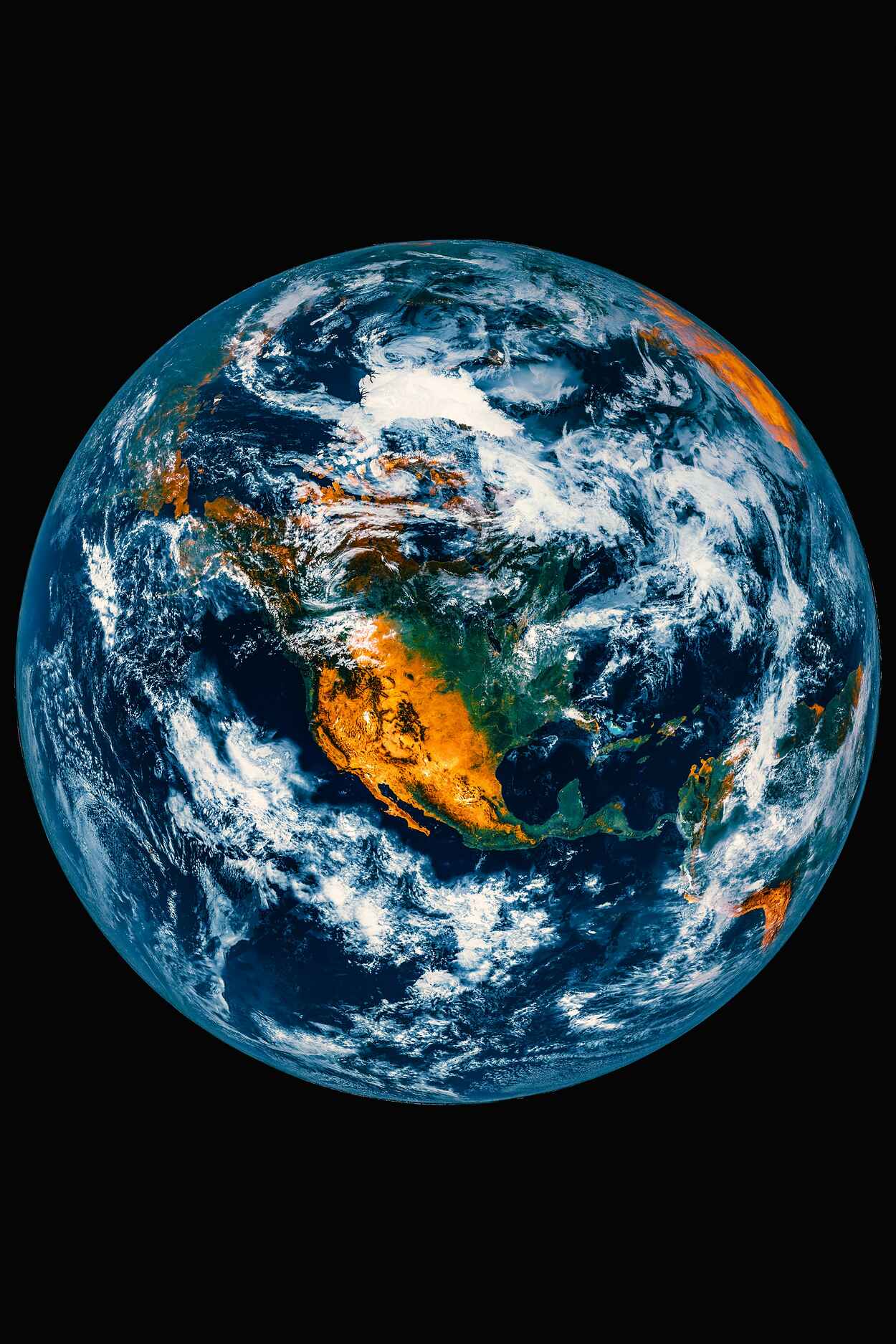
Turtle Island is the original Indigenous name that First Nation peoples use for North America. It draws on creation stories in which land forms on a turtle’s back; these stories differ among Nations. Today, the name also speaks to an enduring relationship with the land and the responsibility to care for it.
Ultra-processed foods (UPFs)
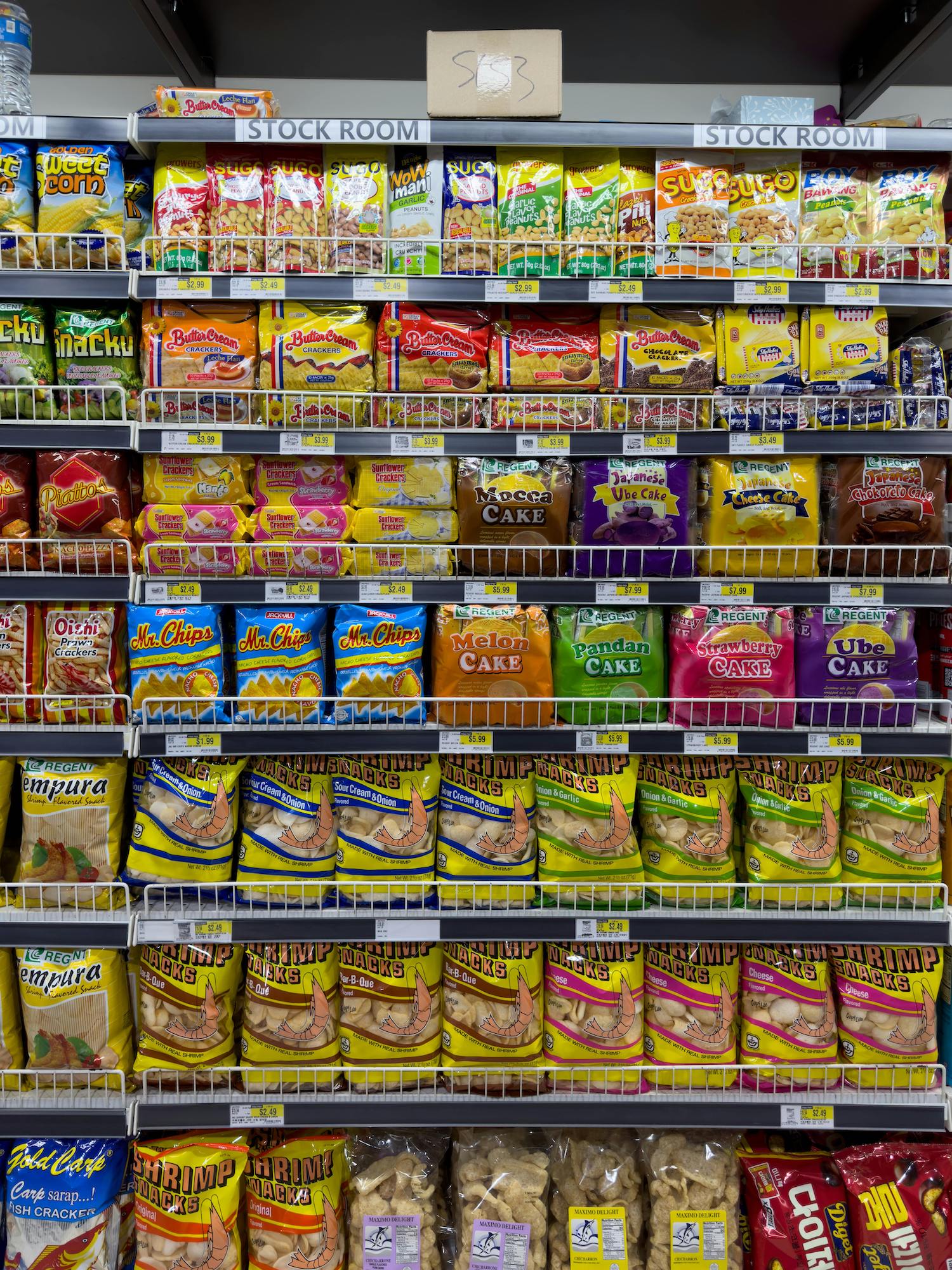
food products made from refined ingredients and additives, rather than whole foods that are minimally processed. Ingredients are typically extracted from foods (oils, starches, and sugars) or chemically modified. Because these foods are designed for convenience, shelf life, and hyper-palatability, they often contain cosmetic additives such as flavorings, colorings, emulsifiers, and preservatives. UPFs are high in calories, added sugars, unhealthy fats, and sodium, while being low in fiber and essential nutrients, making them harmful to human health.
Agrochemical
an umbrella term which refers to any chemical used in agriculture, including pesticides, fertilizers, hormones, or soil treatments. Similar to how all herbicides are a type of pesticide, all pesticides are a type of agrochemical.
Agroecology
is a holistic approach to farming that applies ecological principles to design and manage sustainable food systems. It harnesses natural processes — like biodiversity, nutrient cycling, and predator-prey dynamics — to enhance soil health, control pests and diseases, and ensure long-term fertility, minimizing reliance on external inputs. Unlike regenerative agriculture, which primarily restores soil and ecosystem functions on farms, agroecology encompasses social and cultural dynamics, integrating indigenous knowledge systems, community resilience, and local food systems for systemic change.
Anthropocene
Anthropocene is a term used to describe a time when human activity has become a major force shaping Earth’s climate, land, water, and living systems. Burning fossil fuels, clearing forests, and changing how we grow food have left marks across the planet. The term draws attention to the scale of that change and to our responsibility for what happens next.
Arable land
while the technical definition is simply “land capable of being plowed,” arable land more broadly refers to land suitable for growing crops due to factors like soil quality, plowability, climate, temperature, and sun exposure. Some land can be improved and converted into arable land over time, while other areas - such as deserts, tundra, and steep mountainous regions - are generally unsuitable for conventional crop production. Roughly 12% of the land on Earth is considered arable (Anderson, 2023).
Biodiversity
(biological diversity) refers to the full variety of life on Earth: the diversity within species, between species, and across entire ecosystems. It includes everything from microorganisms and fungi to plants, animals, and the living communities they form together. Biodiversity supports the balance and resilience of these systems, creating the conditions in which life can flourish.
Biome
Biome describes natural ecosystems on Earth that have distinct climates, plants, and animals uniquely adapted to live there. Scientists have identified seven geographical biomes on Earth: tundras, deserts, grasslands, deciduous forests, coniferous forests, tropical rainforests, and aquatic biomes (National Geographic, 2025).
CAFO
A commonly used abbreviation for Concentrated Animal Feeding Operations.
Also known as factory farms and megafarms around the world, these systems confine animals like cows, pigs, chickens, and turkeys indoors, with little or no access to the natural environments they evolved to thrive in. Animals are often fed corn-based diets to maximize growth, and they are often slaughtered young. The goal is to move as many animals through the system as possible, with less consideration for the well-being or health of the animals being raised.
Commodity crops
plants grown at scale within industrial systems, designed for high-volume trade and most often used for animal feed, biofuels, or the production of ultra-processed foods. They are known as “commodity” crops because they are standardized and treated in the market as interchangeable, regardless of where or by whom they were grown. In the industrial system, they are valued for their uniformity and tradability, which makes them profitable, but also helps drive the simplification of landscapes, diets, and supply chains. Common examples include corn, soy, wheat, and cotton.
Cover crop
a crop such as rye, barley, or legumes that is planted between growing seasons to keep the soil covered and maintain living roots in the ground between harvests. Cover crops help protect topsoil from erosion while also supporting organic matter and microbial life. When soil is left bare between harvests, it becomes more vulnerable to erosion, drought, and flooding.
Crop subsidy
a government payment or financial support provided to farmers growing certain commodity crops. They are designed to incentivize farmers into growing a small number of subsidized crops at scale by making it more economically viable. In practice, they often entrench a system that favors scale, uniformity, and overproduction, rather than rewarding ecological health or nutritional value. Historically they have helped prop up the mass cultivation of a small number of commodity crops, shaping not only what farmers grow, but what the wider food system is built around.
Diaspora
is a group of people who live outside their native or ancestral region while maintaining a connection - cultural, social, familial, linguistic, or historical - to that place.
An example within food culture could be families living in the United States or abroad who continue passing down recipes rooted in places like India or Mexico, preserving traditions, flavors, and a connection to their heritage across generations.
Ecosystem
a dynamic system where living organisms such as plants, animals, fungi, bacteria and microbes interact with non-living elements such as sunlight, air, water, and nutrients, working together as a functioning unit that exchanges information and energy.
Food culture
refers to the beliefs, traditions, practices, and values that shape how people grow, prepare, share, and eat food. It is influenced by geography, history, religion, economics, migration, agriculture, and community life.
Food sovereignty
the right of people and communities to define and control their own food systems, including how food is grown, shared, and distributed. Rooted in Indigenous and traditional food systems, it prioritizes local knowledge, cultural practices, and relationships to land over industrial, centralized models. Food sovereignty goes beyond access to food, it is about restoring autonomy, cultural continuity, and the ability to sustain communities in relationship with their ecosystems.
Genetically Modified Organism (GMO)
a plant, animal or microorganism that has been subjected to biotechnology. GMOs can be processed into ingredients that are present in food and personal care products (definition provided by the Non-GMO Project).
Glyphosate
the active ingredient in the weed killer RoundUp and the most widely used herbicide globally. It has been classified as a “probable human carcinogen” by the IARC, and human exposure has been linked to negative effects on reproductive, neurological, and metabolic health.
Gut microbiome
the community of trillions of microbes (mostly bacteria, but also viruses, fungi, and archaea) that live in the digestive system, especially the large intestine. It helps break down food, produce vitamins, support the immune system, and regulate metabolism, hormones, and brain function - making it essential to overall human health.
Indigenous Knowledge Systems (IKS)
bodies of knowledge developed through long-standing relationships between Indigenous communities and their environments. Built through observation, lived experience, and intergenerational learning, these systems guide how people grow food, care for land, and sustain ecosystems. IKS reflects a holistic worldview where ecological, cultural, and spiritual knowledge are interconnected, and where humans hold responsibility within the living systems they are part of.
Industrial agriculture
a large-scale, highly mechanized approach to farming that has become the dominant model of food production in much of the world. Shaped by industrialization and later accelerated by the Green Revolution, it is typically defined by monocultures, heavy reliance on synthetic fertilizers and chemical pesticides, specialized production systems, and an emphasis on maximizing yield, efficiency, and profit at scale. Systems commonly associated with industrial agriculture include factory farming, intensive feedlots, and large-scale single-crop production known as monocultures.