As Managing Director at Farmer’s Footprint, Alana brings a cultural lens to food, emphasizing its deep ties to tradition, memory, and place.
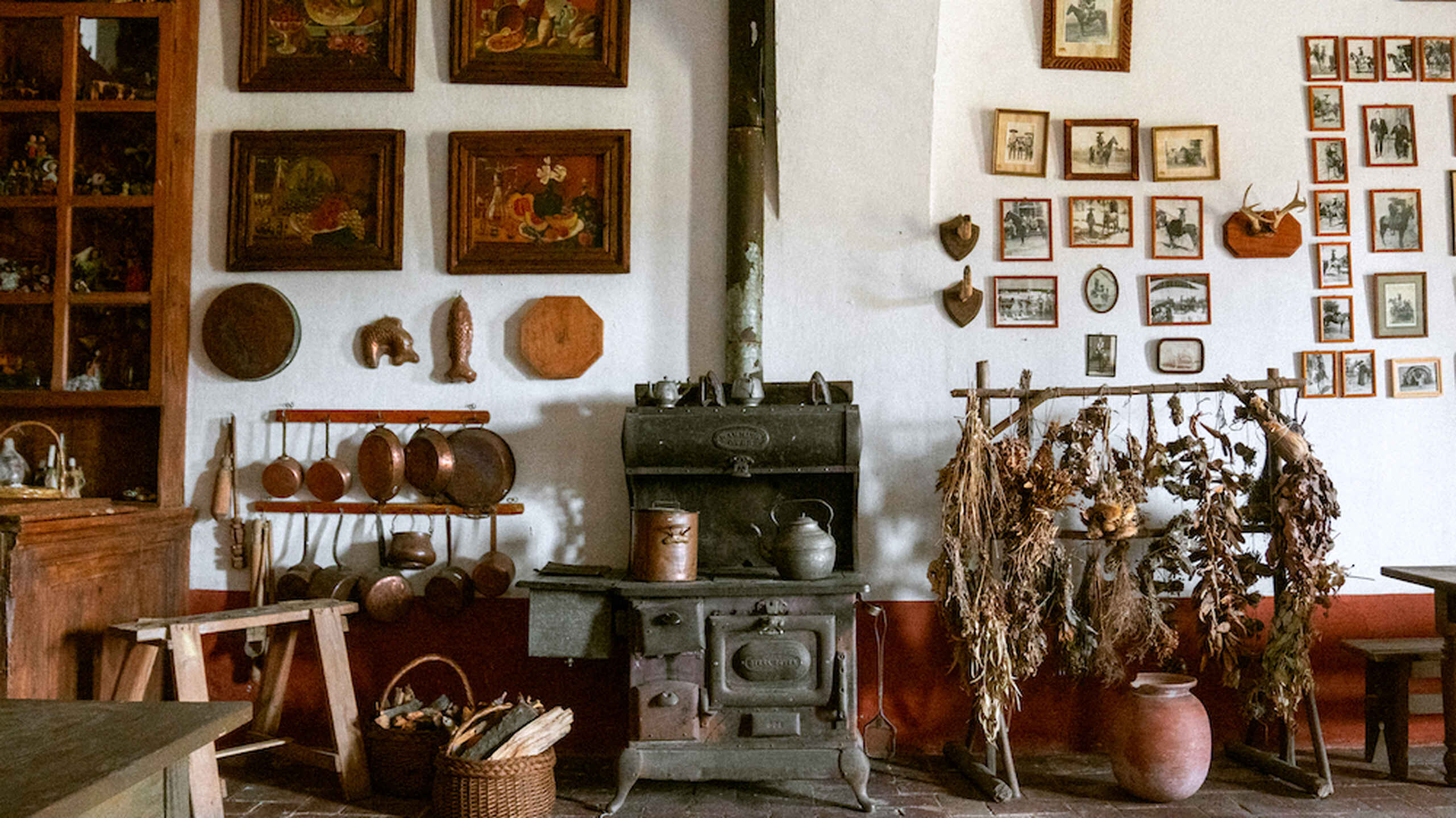
How Food Shapes Identity, Health, and Community
Understanding food culture invites us to step out of unconscious patterns and choose how we nourish ourselves individually and collectively.
What did home taste like when you were a child? What does a special meal look like in your life today? What makes a food “good” or “bad”?
Beyond evoking nostalgia, these questions are an entry point into your food culture - the beliefs, traditions, and practices that shape how we grow, prepare, and eat - every day. Food culture influences how our choices reflect our identity, shape our health, and sense of community. It is the invisible architecture behind every meal.
I grew up globalized from a young age, moving between cultures and kitchens that each held their own rules around food. That experience gave me the opportunity to notice both the differences and the deep commonalities in how people feed themselves and each other. Wherever I went, food was where belonging lived. Again and again, those observations brought me back to these questions of what food culture is, why it matters, and what it means to choose it again.
Understanding food culture invites us to step out of unconscious patterns and choose how we nourish ourselves individually and collectively.
"Food culture refers to the beliefs, traditions, practices, and values that shape how people grow, prepare, share, and eat food. It is influenced by geography, history, religion, economics, migration, agriculture, and community life."
What Is Real Food?
Before we can understand food culture, let’s dive into food itself.
Real food is whole food: primarily plants, vegetables, fruits, and whole grains that your great-grandmother would recognize, rather than the "edible food-like substances" that fill most supermarket shelves today (Pollan, 2008). To that definition, I would add foods from the animal realm: eggs, fish, meat, insects, all of which have nourished humans for millennia across diverse ecosystems and landscapes.
For most of human history, food was shaped by place: soil, climate, season, and community. What people ate in one part of the world looked entirely different from what people ate somewhere else. That began to change with increased migrations, the rise of global supply chains, and ultimately, the Industrial Revolution.
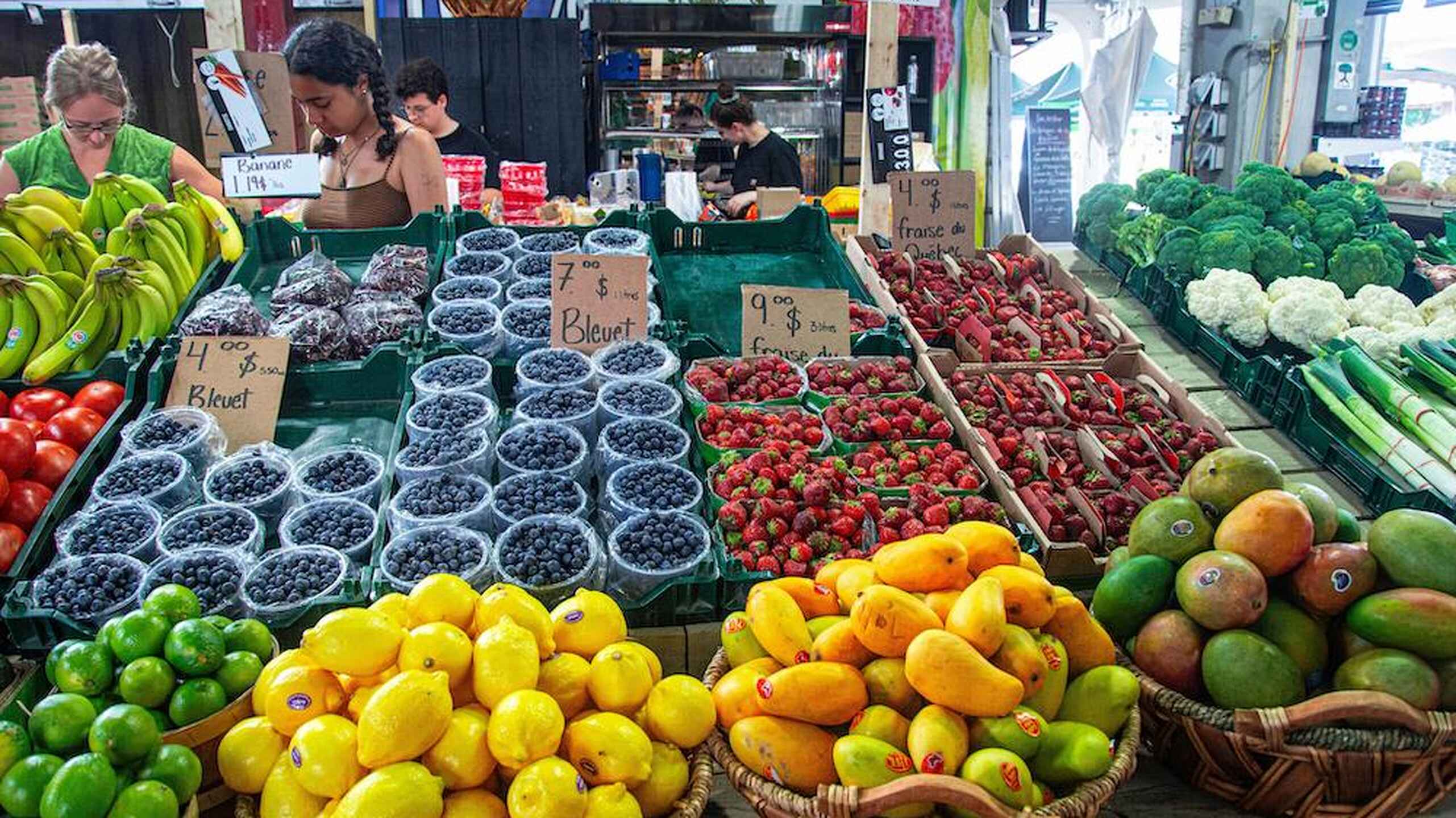
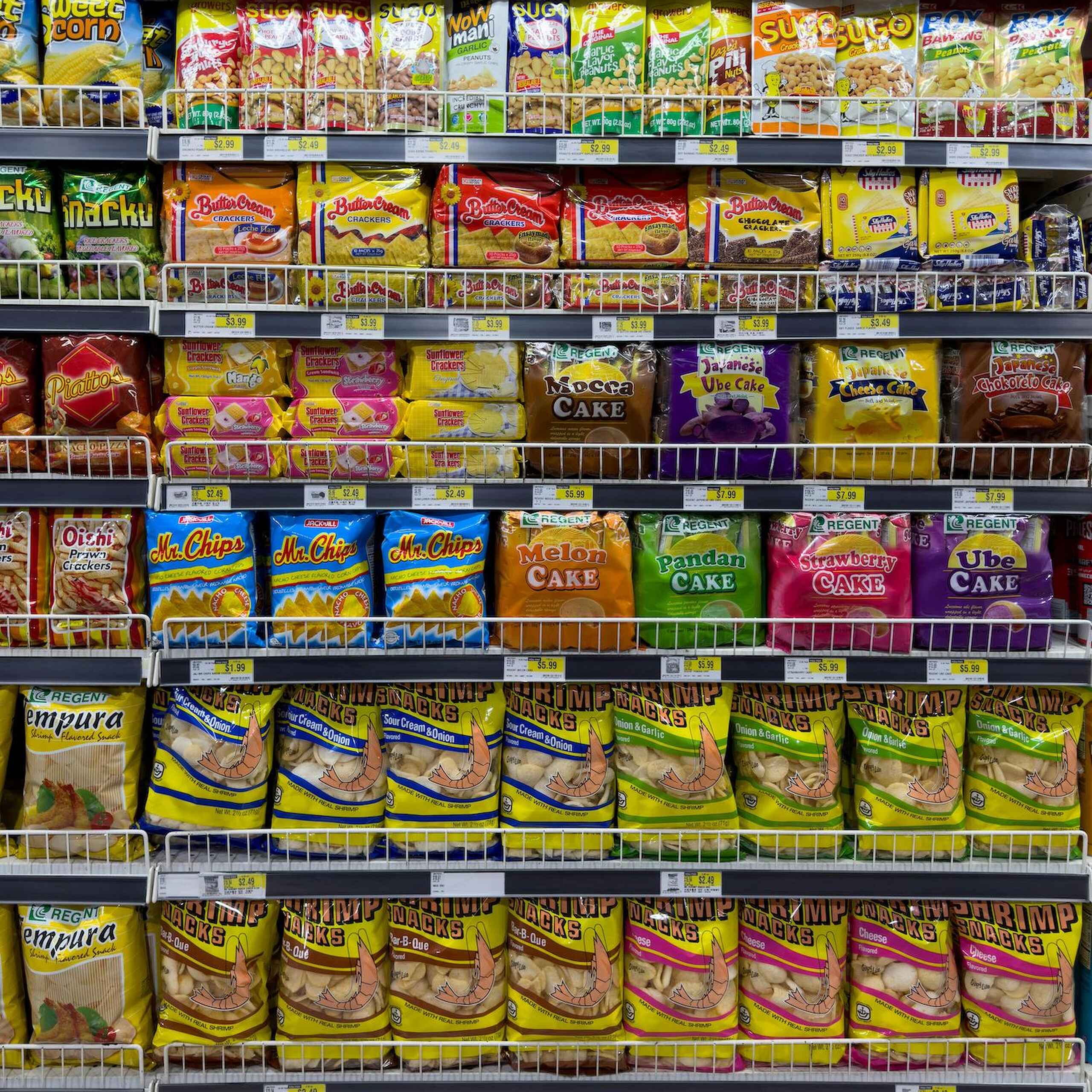
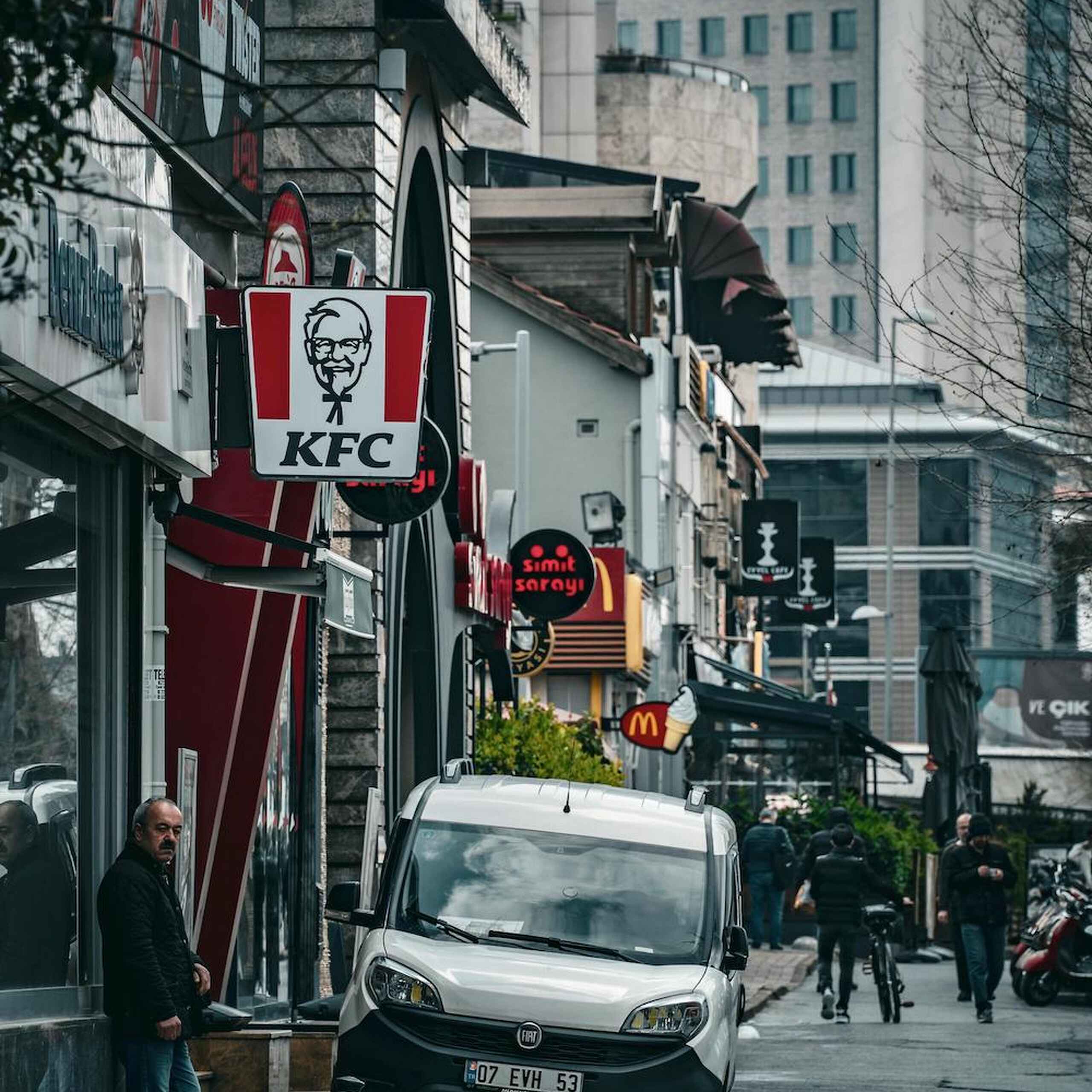
Today, a child in New York, Panama, or Australia is likely eating variations of the same
ultra-processed
Flashcard
Ultra-processed foods (UPFs)
food products made from refined ingredients and additives, rather than whole foods that are minimally processed. Ingredients are typically extracted from foods (oils, starches, and sugars) or chemically modified. Because these foods are designed for convenience, shelf life, and hyper-palatability, they often contain cosmetic additives such as flavorings, colorings, emulsifiers, and preservatives. UPFs are high in calories, added sugars, unhealthy fats, and sodium, while being low in fiber and essential nutrients, making them harmful to human health.
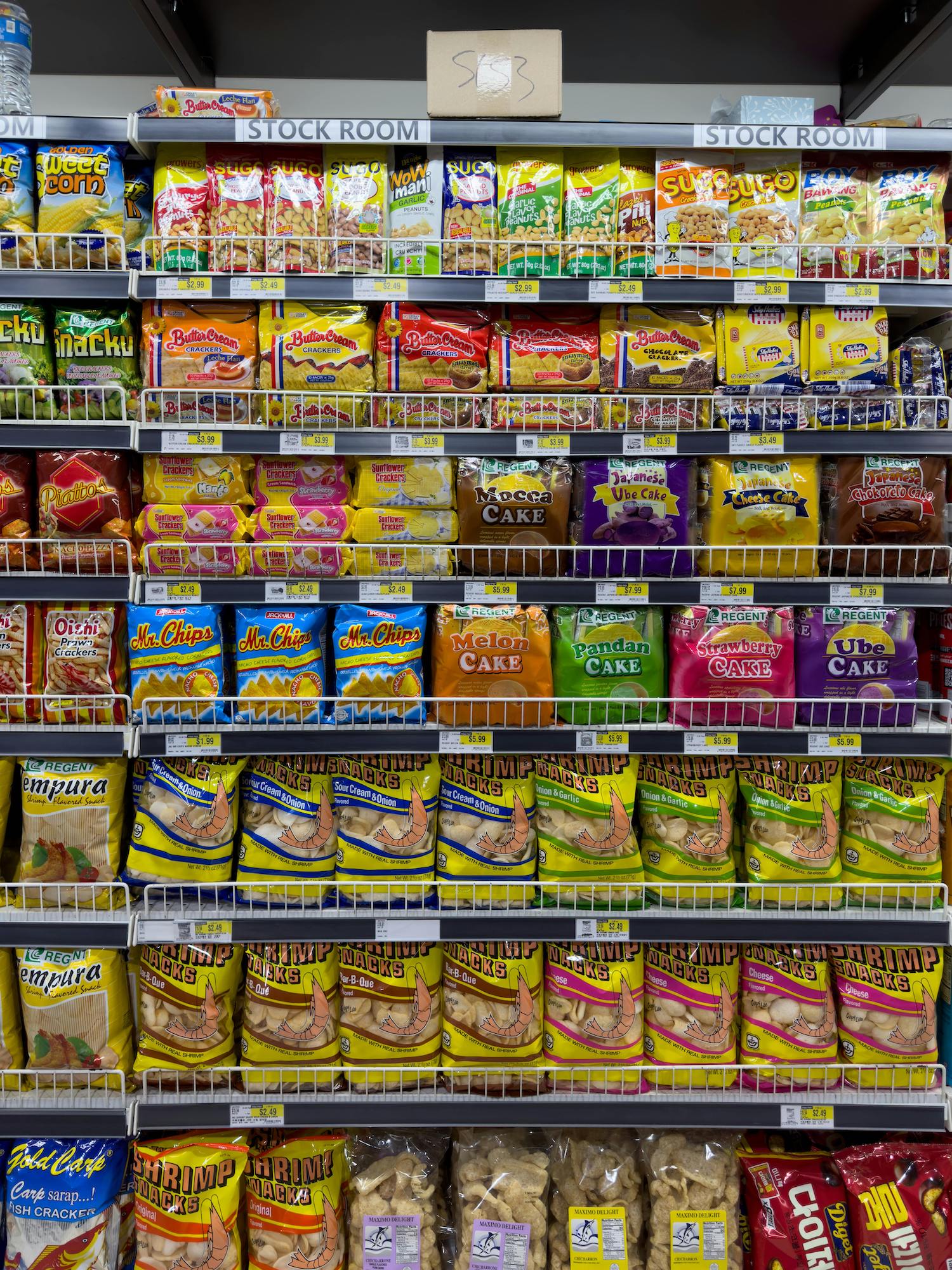
And yet, despite this expansion of globalized processed food, traditional food cultures remain strong in many parts of the world, both in their native lands and through
diaspora
Flashcard
Diaspora
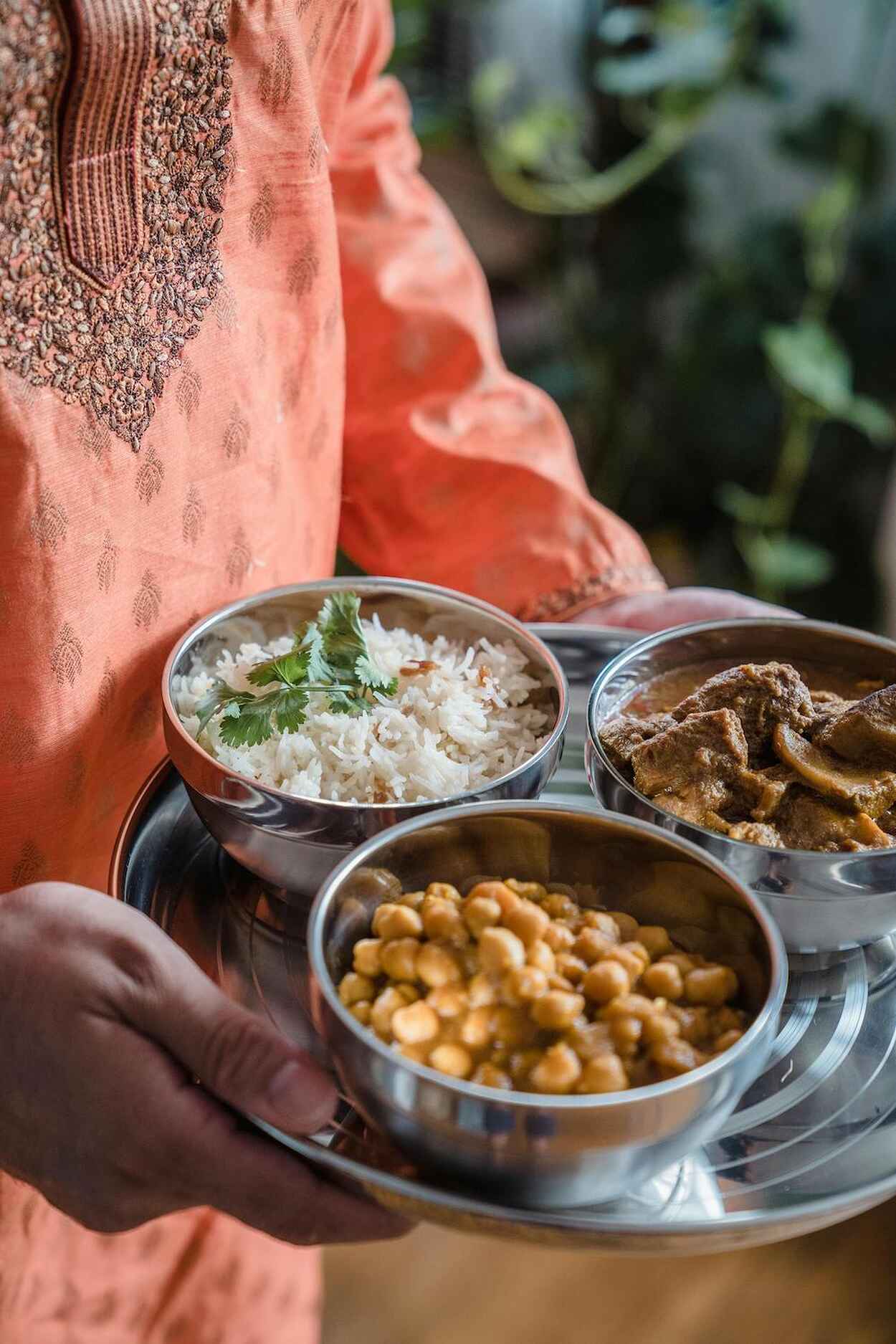
is a group of people who live outside their native or ancestral region while maintaining a connection - cultural, social, familial, linguistic, or historical - to that place.
An example within food culture could be families living in the United States or abroad who continue passing down recipes rooted in places like India or Mexico, preserving traditions, flavors, and a connection to their heritage across generations.
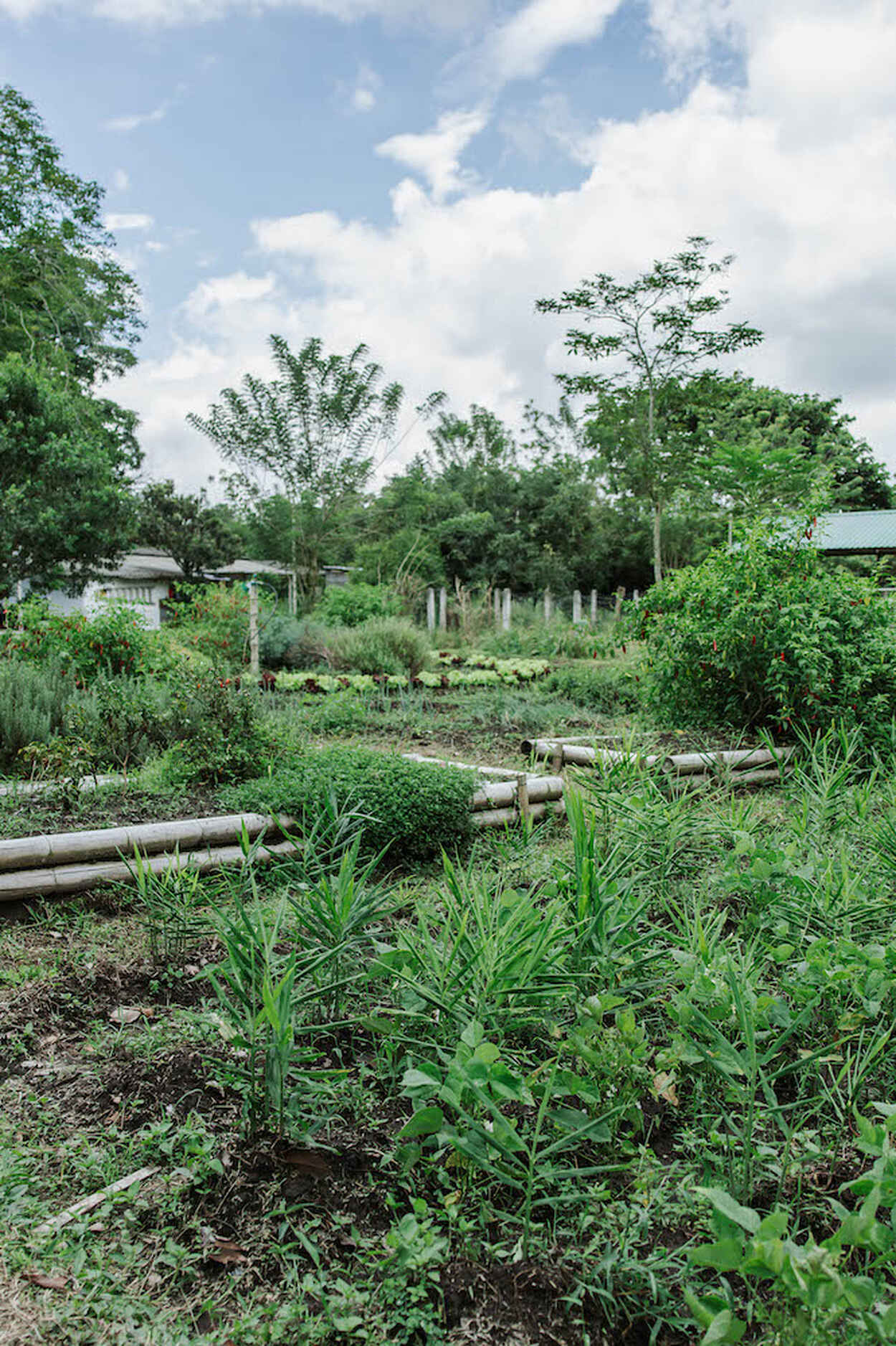
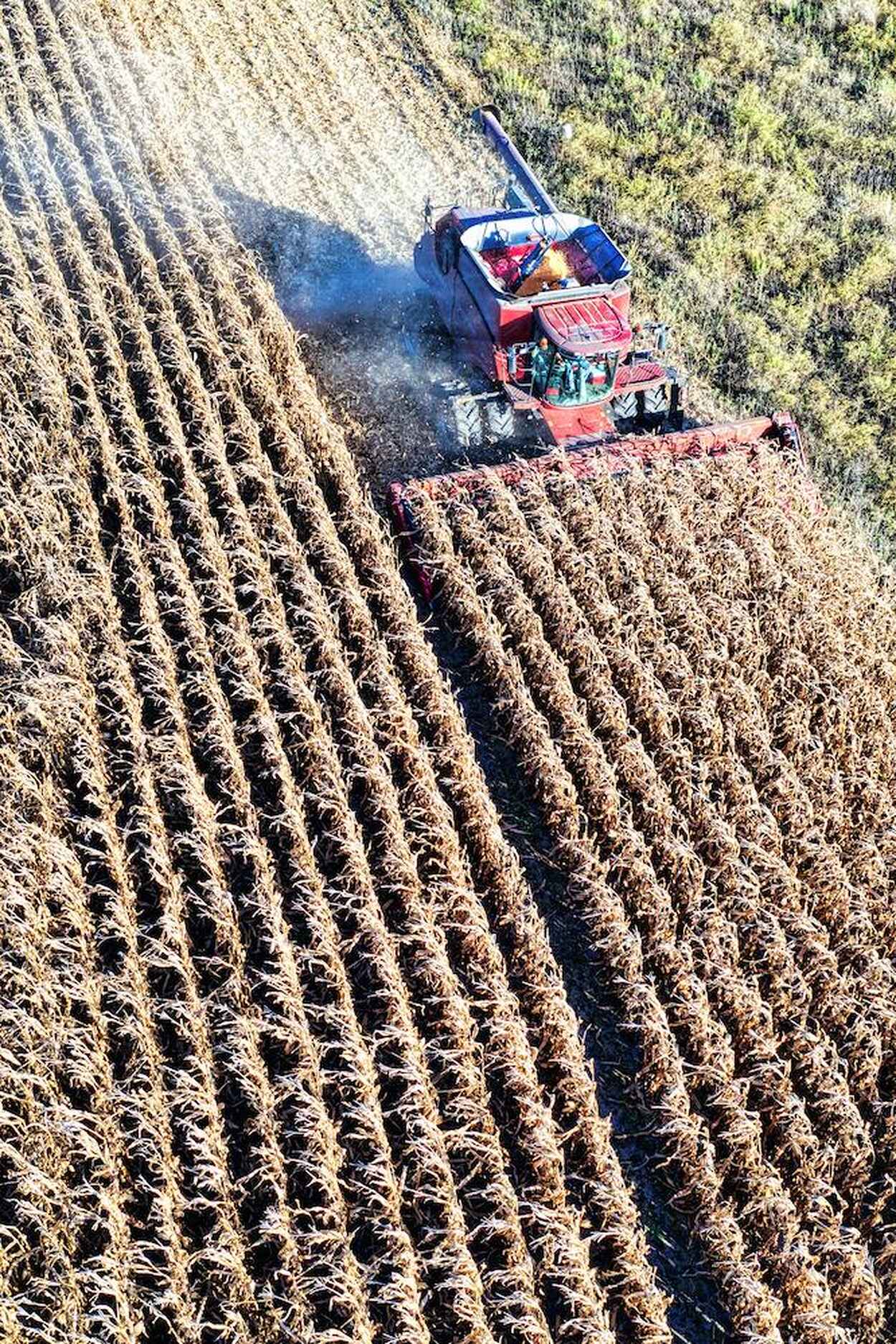
Our plates mirror our landscapes. The loss of
biodiversity
Flashcard
Biodiversity
(biological diversity) refers to the full variety of life on Earth: the diversity within species, between species, and across entire ecosystems. It includes everything from microorganisms and fungi to plants, animals, and the living communities they form together. Biodiversity supports the balance and resilience of these systems, creating the conditions in which life can flourish.
Related Reads:
How Biodiversity Shapes Everyday Life
How Industrial Agriculture Is Quietly Shaping Your Health
How Culture Shapes the Way We Eat
Culture is often defined as a system of shared beliefs, values, and practices that shape how groups understand themselves and the world around them. Much of culture operates unconsciously. It is the story we tell ourselves about who we are - the personal and collective myth that gives our lives continuity and meaning (McAdams, 2001). It is learned through repetition, family, community, media, and environment. It evolves over time, shaped by both internal traditions and external influences.
Today, external forces shaping our food decisions are more powerful and integrated into society than ever before.
What Is Food Culture and Why Does It Matter?
Food culture is the set of beliefs, values, and traditions that inform how we access, prepare, and eat - every day. It is the answer to a simple but profound question: what do we prioritize when it comes to food?
That answer varies widely.
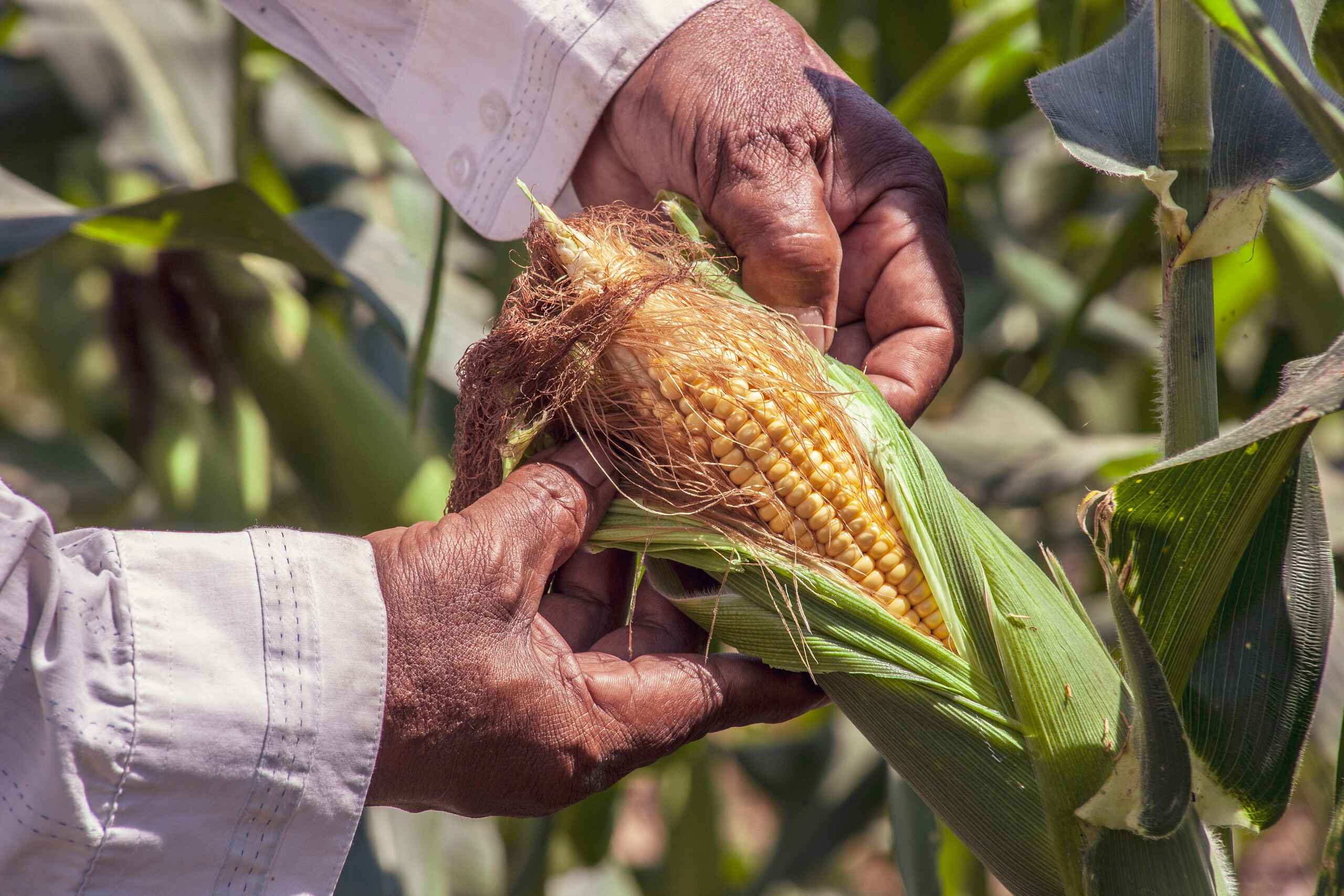
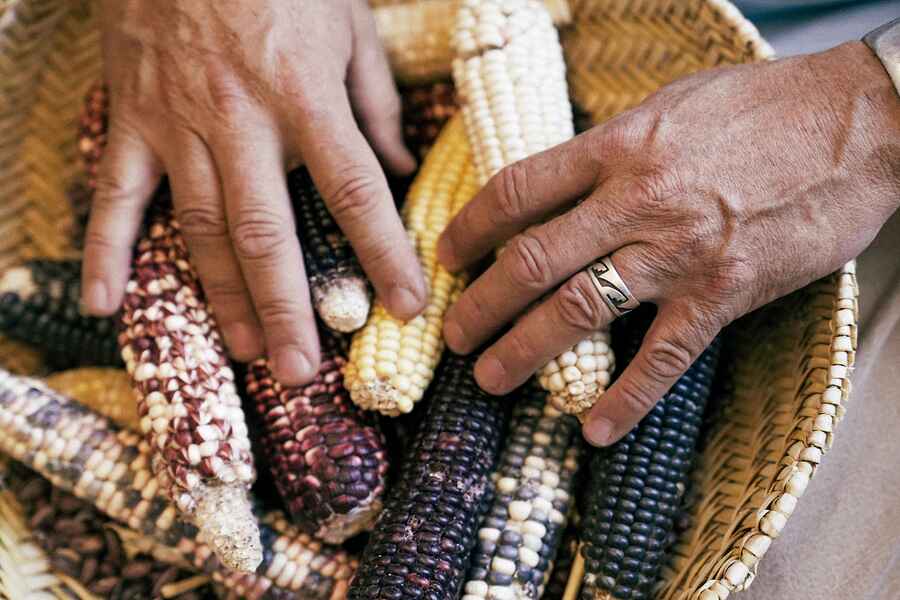
A family in New Mexico who grows their own corn and prepares masa by hand operates within a food culture shaped by thousands of years of agricultural knowledge, community ritual, and ancestral memory. A family in a food desert in Ohio who relies on a corner store stocked with processed goods is also operating within a food culture, one shaped by economic marginalization, industrial food systems, and decades of policy decisions that were never made with their nourishment in mind.
Beyond fuel, food is also nourishment and belonging.
The erosion of food culture may be one of the most overlooked drivers of both chronic disease and cultural disconnection today. Historically, traditional cultures encoded the rules of wise eating long before nutritional science existed - distilling the wisdom of generations about what to eat, how to prepare it, and with whom to share it (Pollan, 2008). No nutritional label can replace what that living system once provided.
Traditional Food vs. Food Culture: What’s the Difference?
Traditional foods are informed by the way our ancestors ate in specific places over many generations - the fermented grains and legumes of West Africa, the mole of Central Mexico, the koji-fermented foods of Japan, the olive oil and vegetable-rich plates of the Mediterranean. Though these examples vary from place to place, they share recurring characteristics: local, seasonal ingredients; low refined sugar; specific preparation and preservation techniques that unlock nutrients and support digestibility.
But food culture is broader than what is on the plate. It is everything that surrounds the plate.
Beyond the techniques, the hands that teach them, the occasion that calls for a certain dish, the memory embedded in a flavor. Food is a marker of heritage, a vehicle through which communities gain cultural awareness, shape their identities, and maintain continuity across generations (Brulotte & Di Giovine, 2014).
How Food Exchange Shaped Food Culture Globally
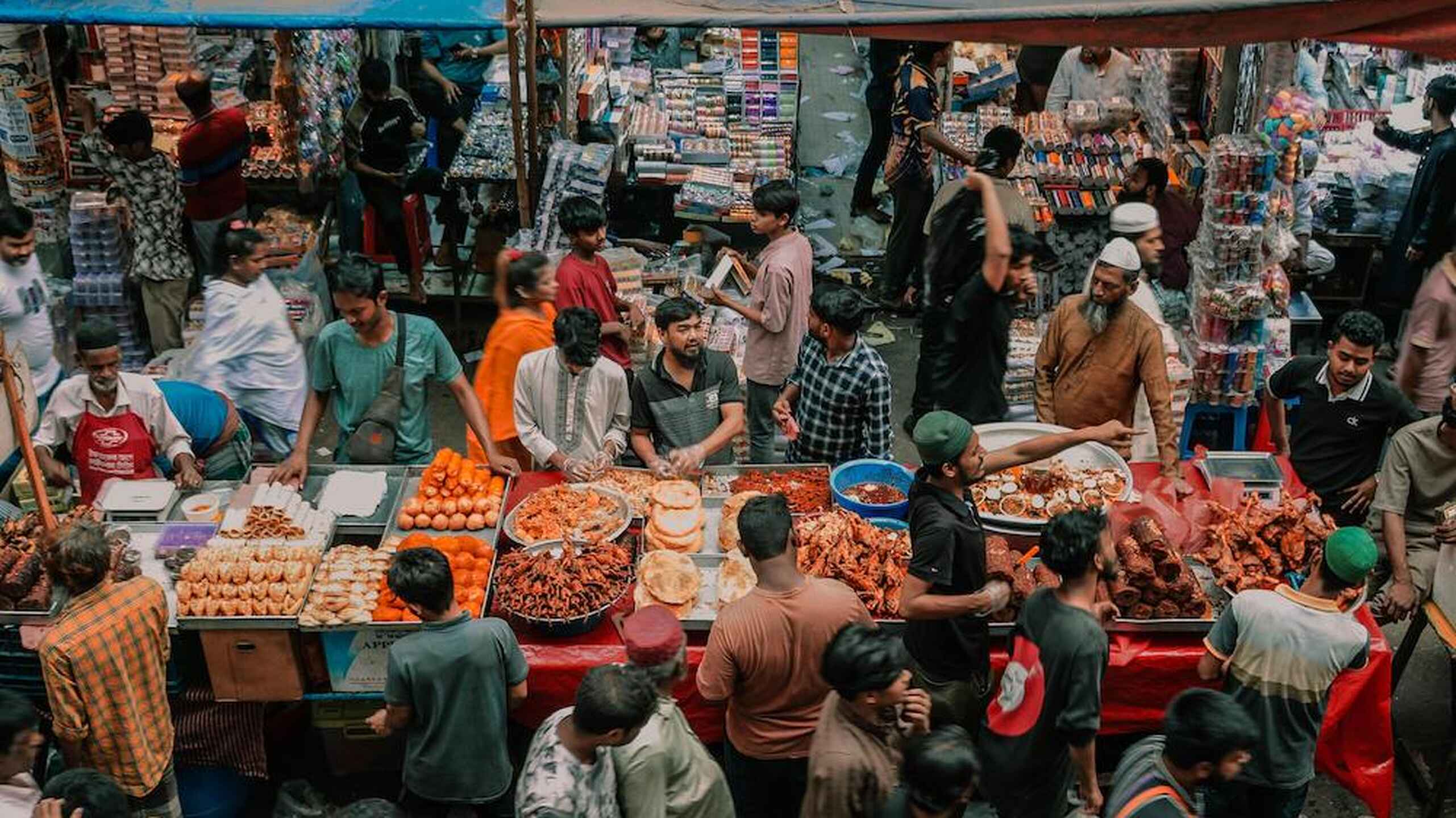
As migration increased and cultures began to encounter one another, new food cultures were born. This exchange was as generative as it was disruptive.
Consider the potato, which arrived in Europe from Peru via Spanish colonizers in the 1570s. Within two centuries, it had become a dietary staple across Ireland and northern Europe - so embedded that when blight destroyed the crop in 1845, over a million people died. A food that began as an Andean heritage became the foundation of an entire continent's survival. The tomato traveled from Central America to Italy in the 16th century, regarded with suspicion for decades before becoming so thoroughly Italian that it is now unimaginable without it. Cacao from the Americas transformed European confectionery. Corn, quinoa, and sweet potatoes became relied upon by populations who had never seen them before.
Yes, food culture has never been sealed or pure. It has always been in motion, and it benefits from diversity and exchange.
How Colonization Changed Traditional Food Systems
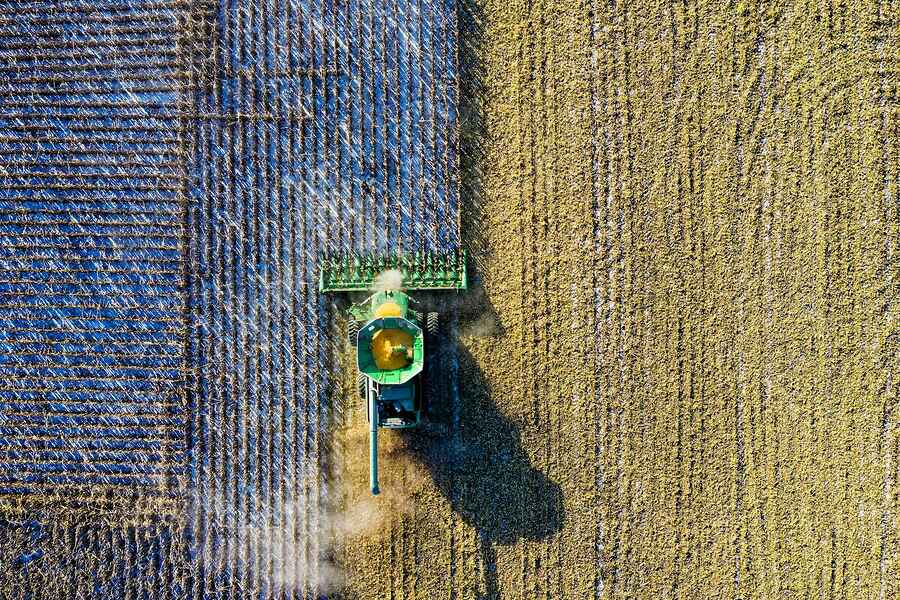
Not all dietary changes are chosen. Colonization systematically dismantled food cultures, replacing diverse, locally adapted diets with imported processed foods, invalidating indigenous agricultural knowledge, and severing communities from the landscapes that had fed them for generations. A prime vehicle for this was
Industrial agriculture
Flashcard
Industrial agriculture
a large-scale, highly mechanized approach to farming that has become the dominant model of food production in much of the world. Shaped by industrialization and later accelerated by the Green Revolution, it is typically defined by monocultures, heavy reliance on synthetic fertilizers and chemical pesticides, specialized production systems, and an emphasis on maximizing yield, efficiency, and profit at scale. Systems commonly associated with industrial agriculture include factory farming, intensive feedlots, and large-scale single-crop production known as monocultures.

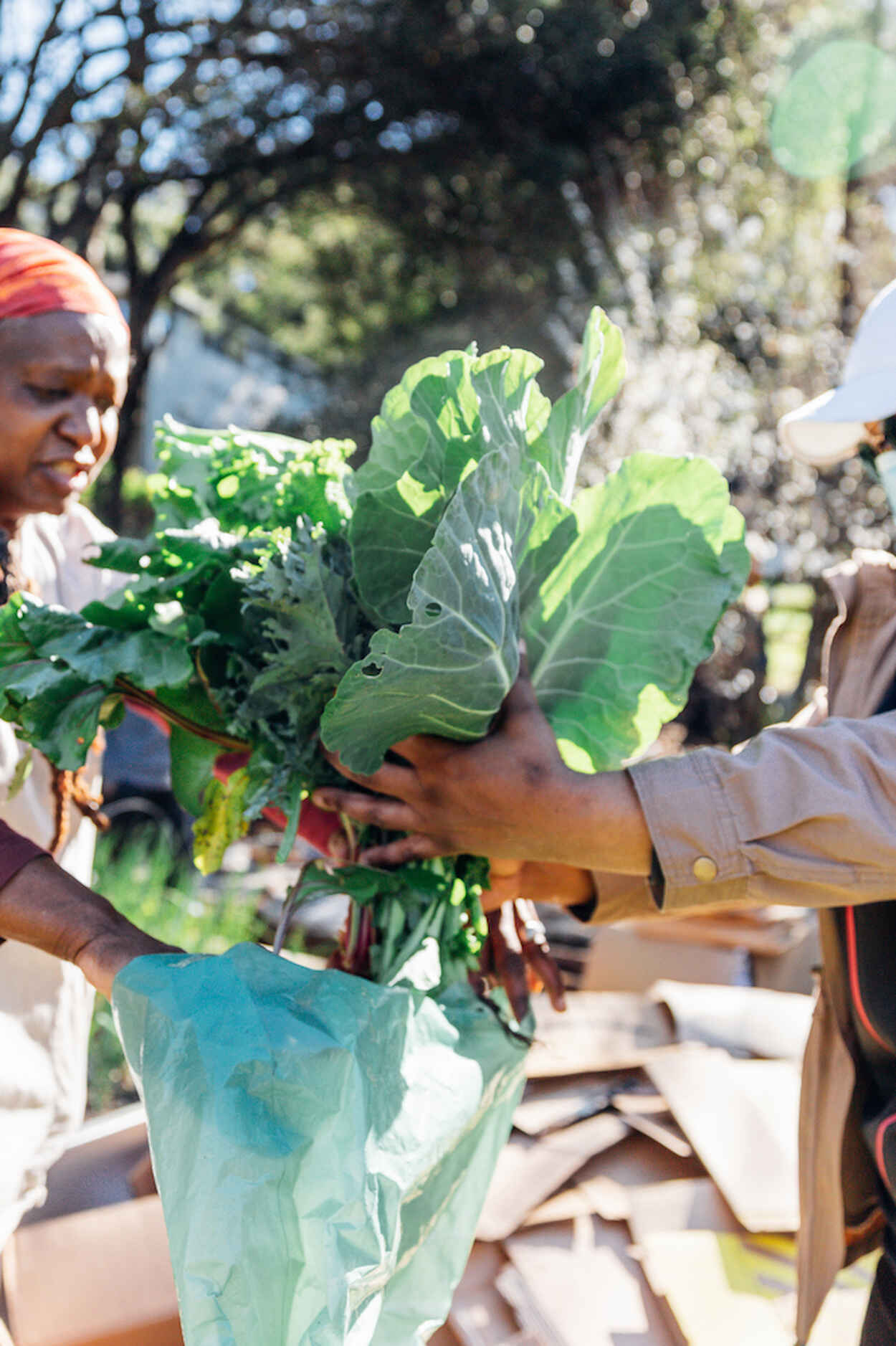
The stigmatization of traditional foods as "poor people's food," "bush food," or "peasant food" compounded this loss. Shame is a powerful mechanism of cultural erasure. Generations of people in colonized nations, immigrant communities, and working-class neighborhoods across the world, learned to hide or abandon the foods of their ancestors in exchange for the social currency of modern, processed food. Family recipes and preparation methods that took generations to develop were forgotten within a single lifetime.
To take away someone's right to choose what and how they eat is to attack their identity at its most intimate level (LaDuke, 1999).
Food and Identity: How Diaspora Communities Keep Food Culture Alive
And yet, food held on, even when everything else was stripped away. In situations of migration and cultural displacement, culinary features are often retained even when the language itself has been forgotten (Fischler, 1988). Families who have been separated from their homeland and language still gather to cook the dishes their grandmothers made. The food remembers what the words could not hold, and often remains as the last living connection to a homeland.
Food-centered memory is deeply tied to identity, woven together with sensory memory, ethnic identity, diaspora, nostalgia, and ritual (Holtzman, 2006).
No supplement or fortified cereal can replicate what a shared meal provides. Cooking gave humans not just the meal but the occasion, the practice of eating together at an appointed time and place, which served to build and sustain civilization itself (Pollan, 2013). The shared table is where community is made and remade, generation after generation. We are, in the most literal sense, what we eat, and we belong to the communities whose food we share.
Our Food Culture is At Risk
We are living in a moment of contradiction. Food knowledge is more accessible than ever, traditional cuisines are being revived, indigenous food systems are increasingly documented and restored, and chefs are reclaiming their culinary heritage on a global stage. The local food movement, built on intellectual foundations laid over the last four decades (Nabhan, 1989; Pollan, 2008), has grown from a fringe proposition to a mainstream conversation.
And yet, ultra-processed foods continue to dominate global diets. Across rural regions and urban food deserts alike, many communities lack access to fresh, local food, leaving that choice out of their hands. Children in countries around the world eat the same processed snacks, fed by the same global supply chains, disconnected from any knowledge of where food comes from or what it once meant.
This is the result of food systems designed for efficiency and profit, not nourishment.
How to Reconnect With Your Food Culture Today
Reconnecting with food culture does not require a complete lifestyle overhaul. It can begin with a single intentional act: cooking one traditional recipe from your family or region, visiting a local market and choosing seasonal ingredients, asking an elder how they learned to cook, learning one preservation method (fermentation, drying, pickling), or simply sharing a meal with others without distraction. Each of these is an embodiment of what one of the founding voices of the local food movement called “conservation with a human face” (Nabhan, 1989).
An Invitation
NANA exists at the intersection of culture, food, and community, exploring how ancestral knowledge and everyday practices can guide us back to nourishment. Through the In the Kitchen with NANA series, we have been reaching into our own histories: the recipes passed down from one generation to the next, filled with meaning, memory, and tradition. Whether you are keeping alive a recipe that has been in your family for generations, or you see yourself as the starting point of a new tradition, this invitation is for you. Discover More Recipes.
Food cultures only stay alive when meals are made, shared, and passed on, and that happens in community. This is a space where your family's food history becomes part of something larger, and where the people and stories behind the dish are honored just as much as the food itself.
Food culture is not a relic of the past. It is a living system that shapes how we eat, how we relate to each other, and how we care for the land.
Recovering and honoring it calls for curiosity rather than perfection. Curiosity about where we come from, what our landscapes offer, and how the people before us nourished themselves and each other.
Alharbi, F., Naumovski, N. & McFarlane, R.A. (2025). Traditional place-based diets and their effects on healthy and sustainable food transitions: a systematic literature review. Public Health Nutrition. https://doi.org/10.1017/S1368980025101274
Berry, W. (1990). What Are People For? https://www.ebsco.com/research-starters/literature-and-writing/what-are-people-wendell-berry
Brulotte, R.L. & Di Giovine, M.A. (eds.) (2014). Edible Identities: Food as Cultural Heritage. https://doi.org/10.4000/aof.7824
Fischler, C. (1988). Food, self and identity. Social Science Information, 27(2), 275–292. https://doi.org/10.1177/0539018880270020
Holtzman, J.D. (2006). Food and memory. Annual Review of Anthropology, 35, 361–378. https://doi.org/10.1146/annurev.anthro.35.081705.123220
LaDuke, W. (1999). All Our Relations: Native Struggles for Land and Life.
Manzel, A., Muller, D.N., Hafler, D.A., Erdman, S.E., Linker, R.A. & Kleinewietfeld, M. (2014). Role of "Western diet" in inflammatory autoimmune diseases. Current Allergy and Asthma Reports, 14(1), 404. https://doi.org/10.1007/s11882-013-0404-6
McAdams, D.P. (2001). The psychology of life stories. Review of General Psychology, 5(2), 100–122. https://doi.org/10.1037/1089-2680.5.2.100
Nabhan, G.P. (1989). Enduring Seeds: Native American Agriculture and Wild Plant Conservation. https://www.researchgate.net/publication/264595021_Enduring_Seeds_Native_American_Agriculture_and_Wild_Plant_Conservation_Gary_Paul_Nabhan
Pollan, M. (2008). In Defense of Food: An Eater's Manifesto. Penguin Press.
Pollan, M. (2013). Cooked: A Natural History of Transformation.Penguin Press.
Shiva, V. (1993). Monocultures of the Mind: Perspectives on Biodiversity and Biotechnology.
Zhang, C. et al. (2022). Dietary fiber intake and gut microbiota in human health. Microorganisms, 10(12), 2507. https://doi.org/10.3390/microorganisms10122507
More Education Articles

Support our work
Stay Connected
You’ll receive our monthly Field Notes newsletter, project updates, and free resources, plus you’ll get first access to new stories.
Make a Donation
Your tax-deductible gift fuels the storytelling that shifts culture, the organizing that turns awareness into collective action, and the relationships that make long-term systems change possible.