Briar Rose is an indigenous storyteller and the Director of Storytelling at Farmer’s Footprint, where she leads narrative across film, editorial, and creative production.
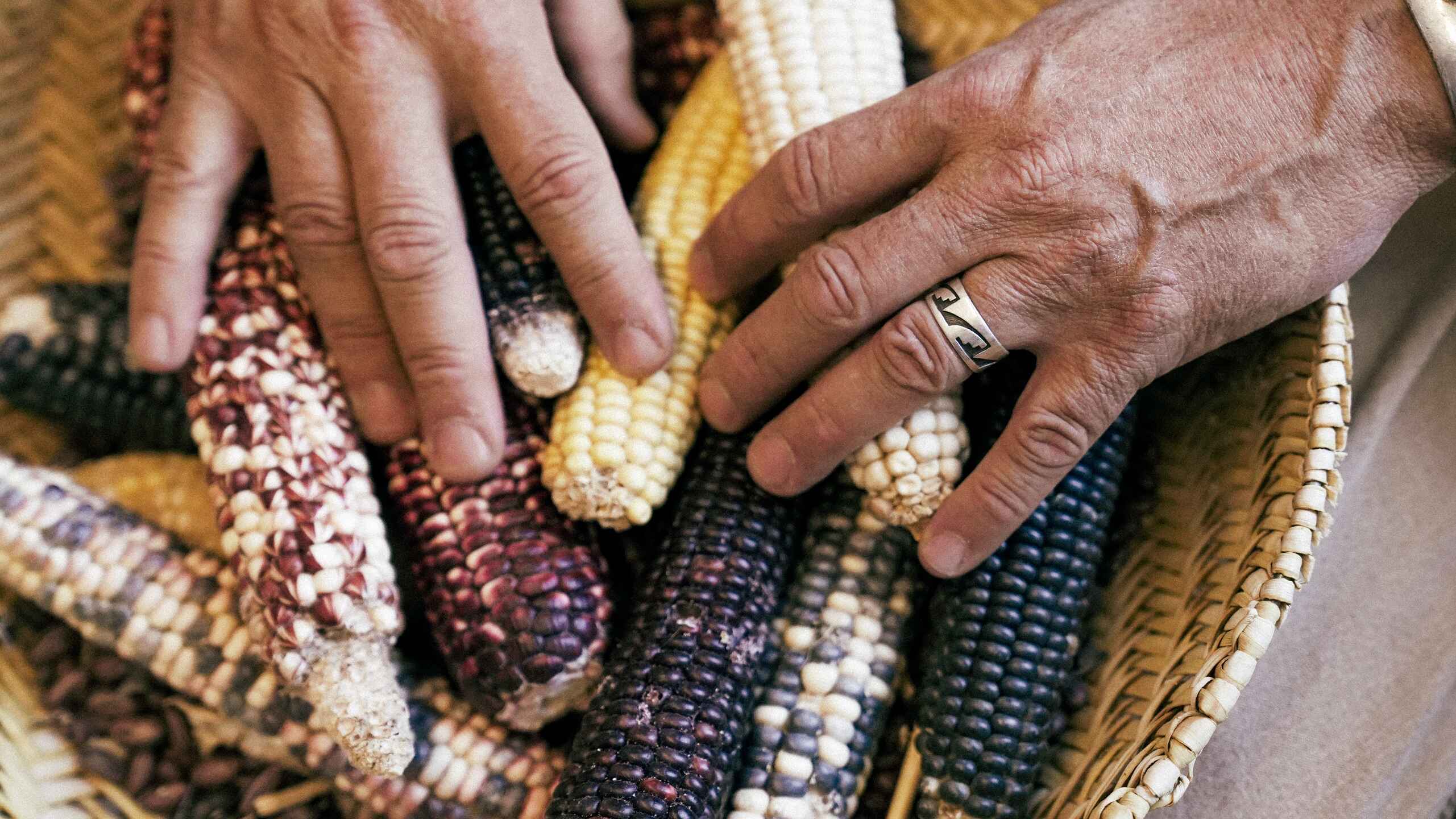
What is Food Sovereignty?
Food and seed sovereignty center the right of communities to control food systems, restore cultural ties to land, and protect seeds as living sources of resilience, identity, and future nourishment.
Food is a fundamental human right.
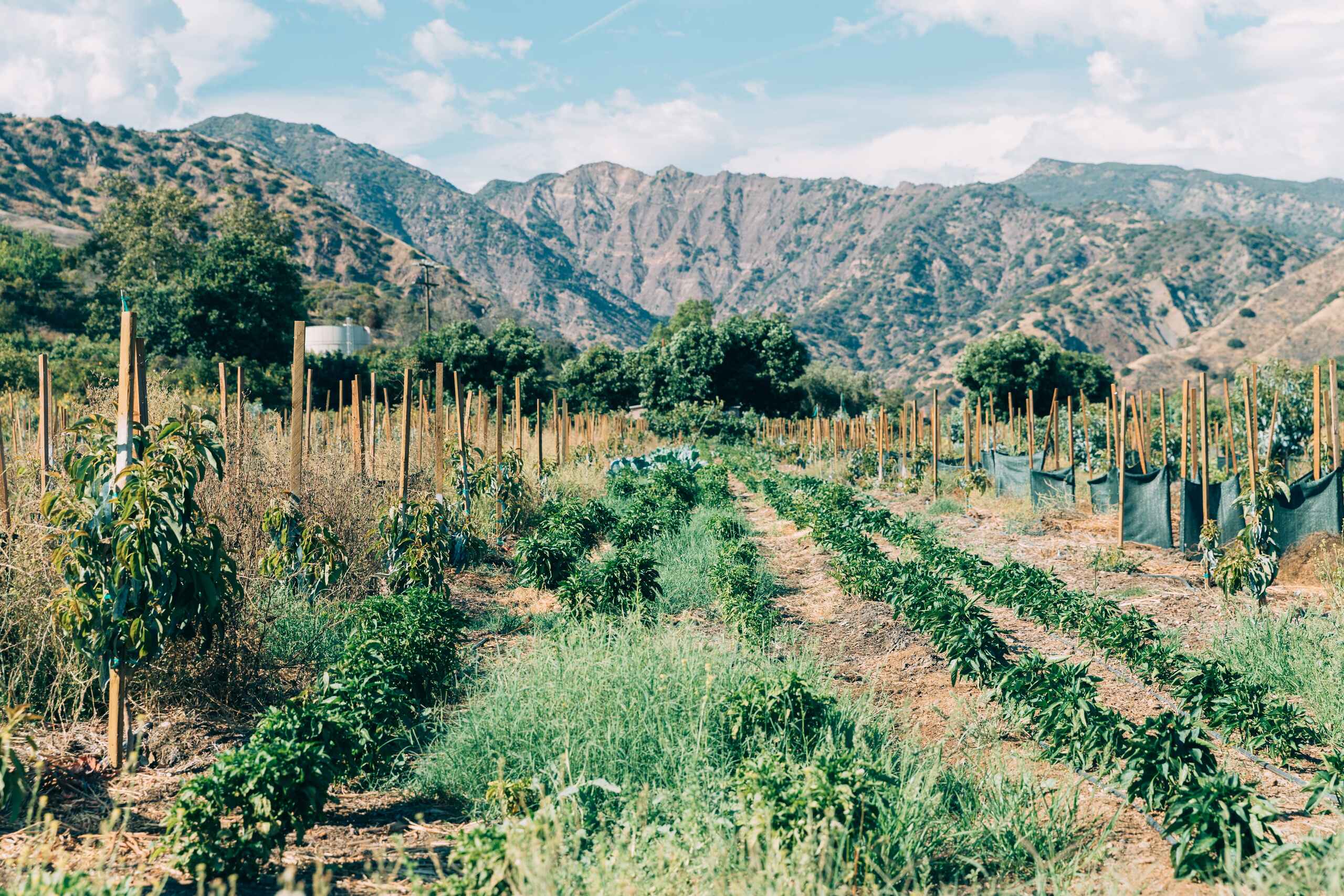
Food sovereignty and why it matters
Food sustains life, shapes culture, and connects people to land, community, and identity. Beyond nourishment, food sovereignty is about who holds the power to shape the systems that feed us.
The term ‘food sovereignty’ was introduced by La Via Campesina in 1996 in response to the growing industrialization and globalization of agriculture. It centers the idea that those who grow, harvest, and prepare food should have control over how food is produced, distributed, and consumed (La Via Campesina, 1996; FAO, 2021).
As Māori researcher Dr. Jessica Hutchings explains,
“Food sovereignty is about the right to define our own food and agriculture systems.”
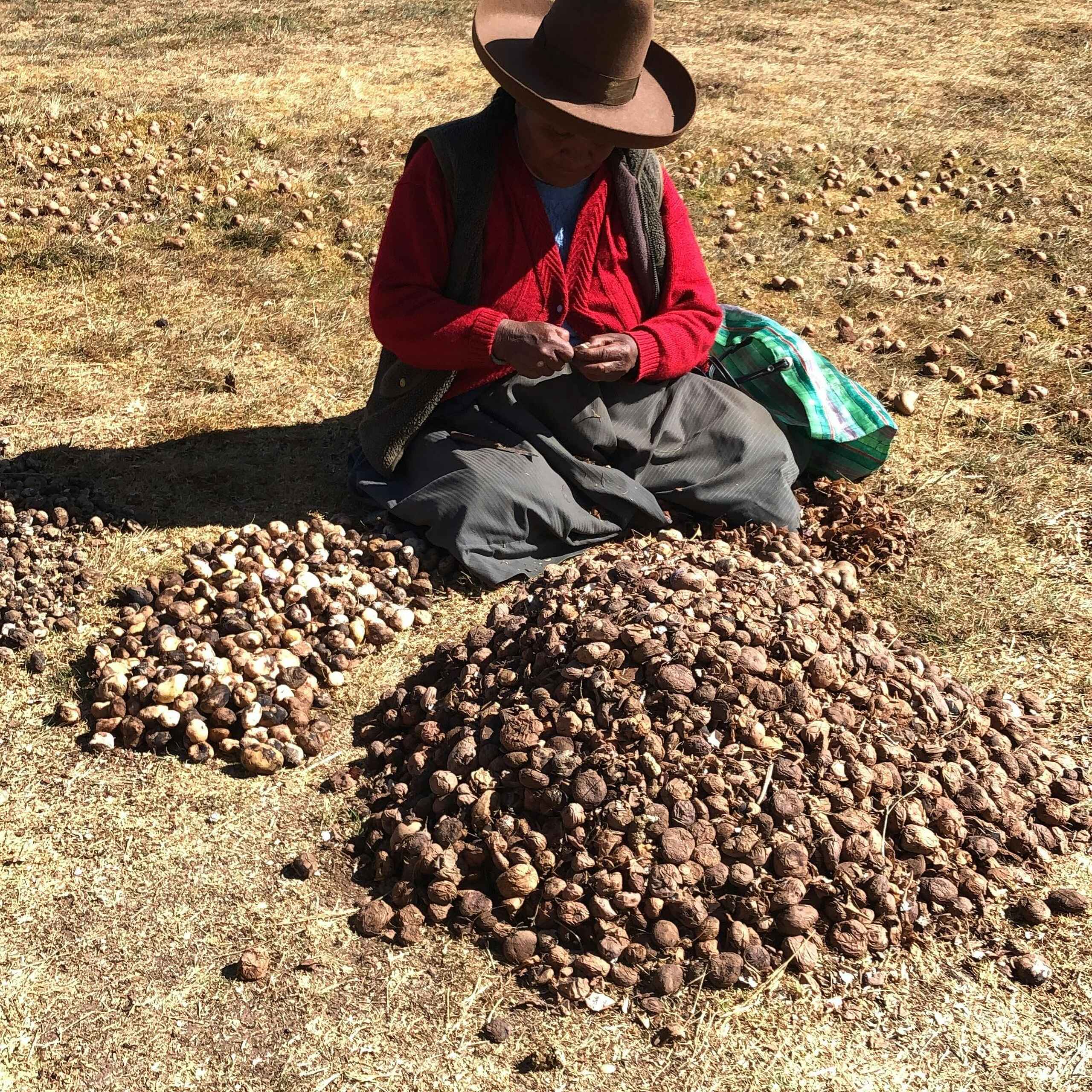
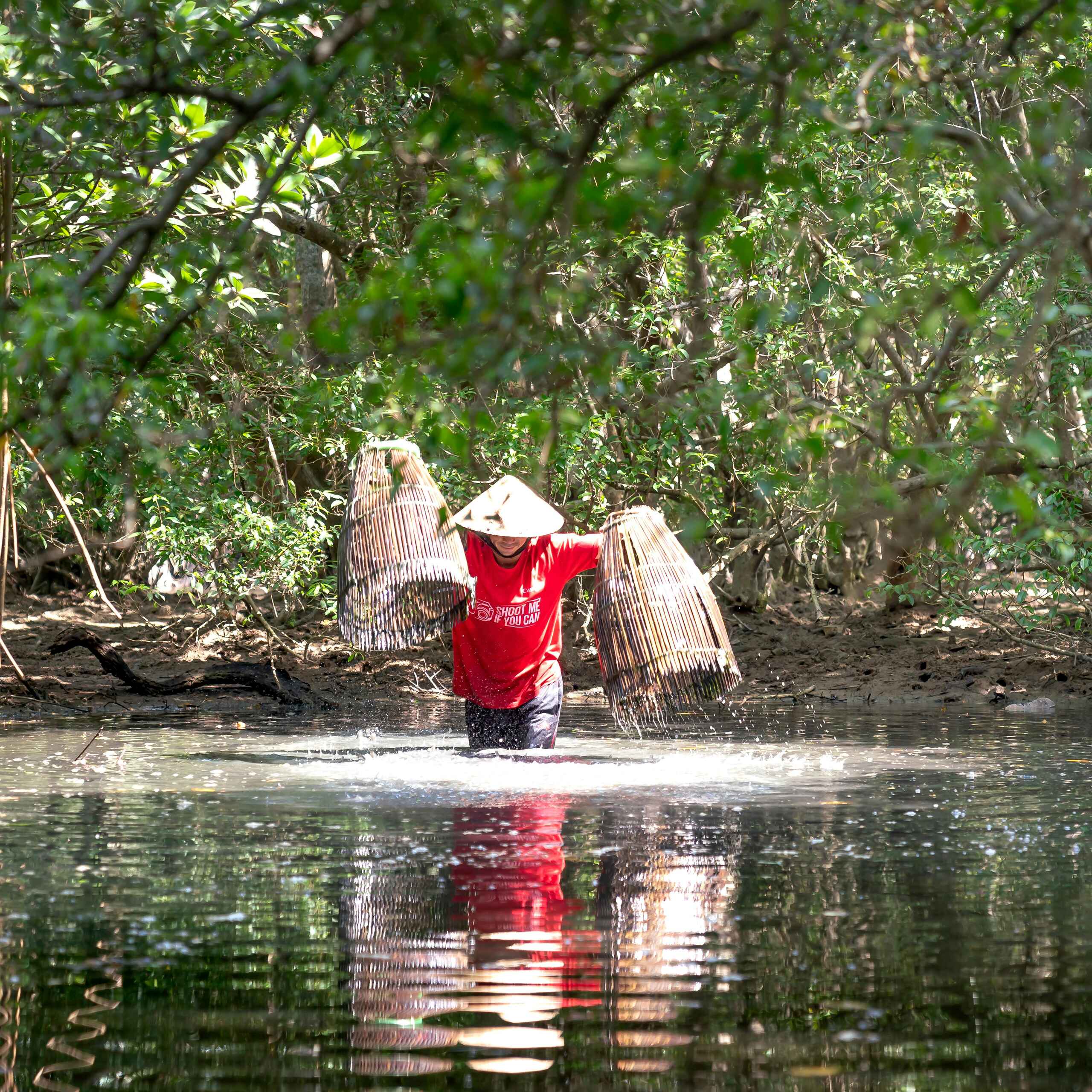
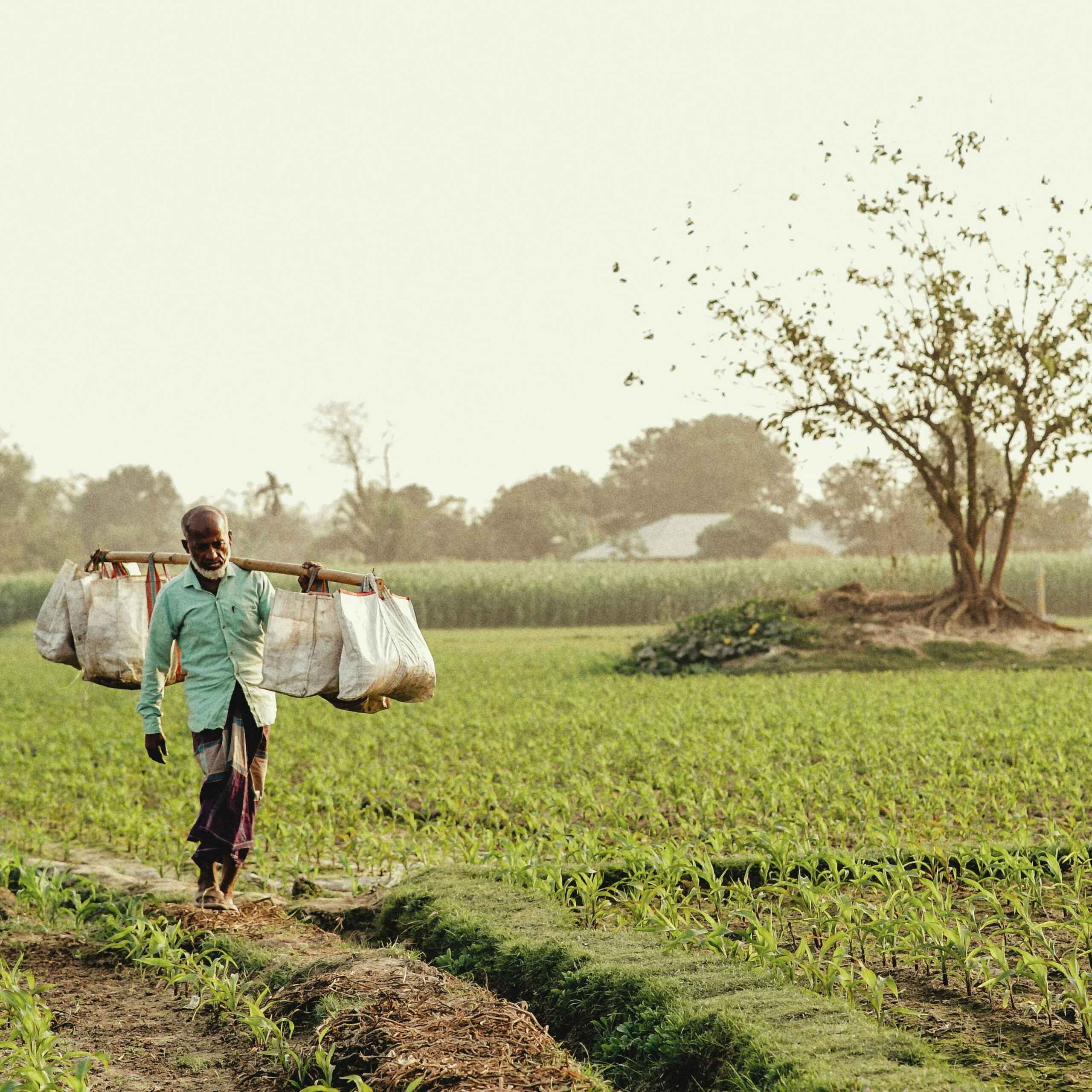
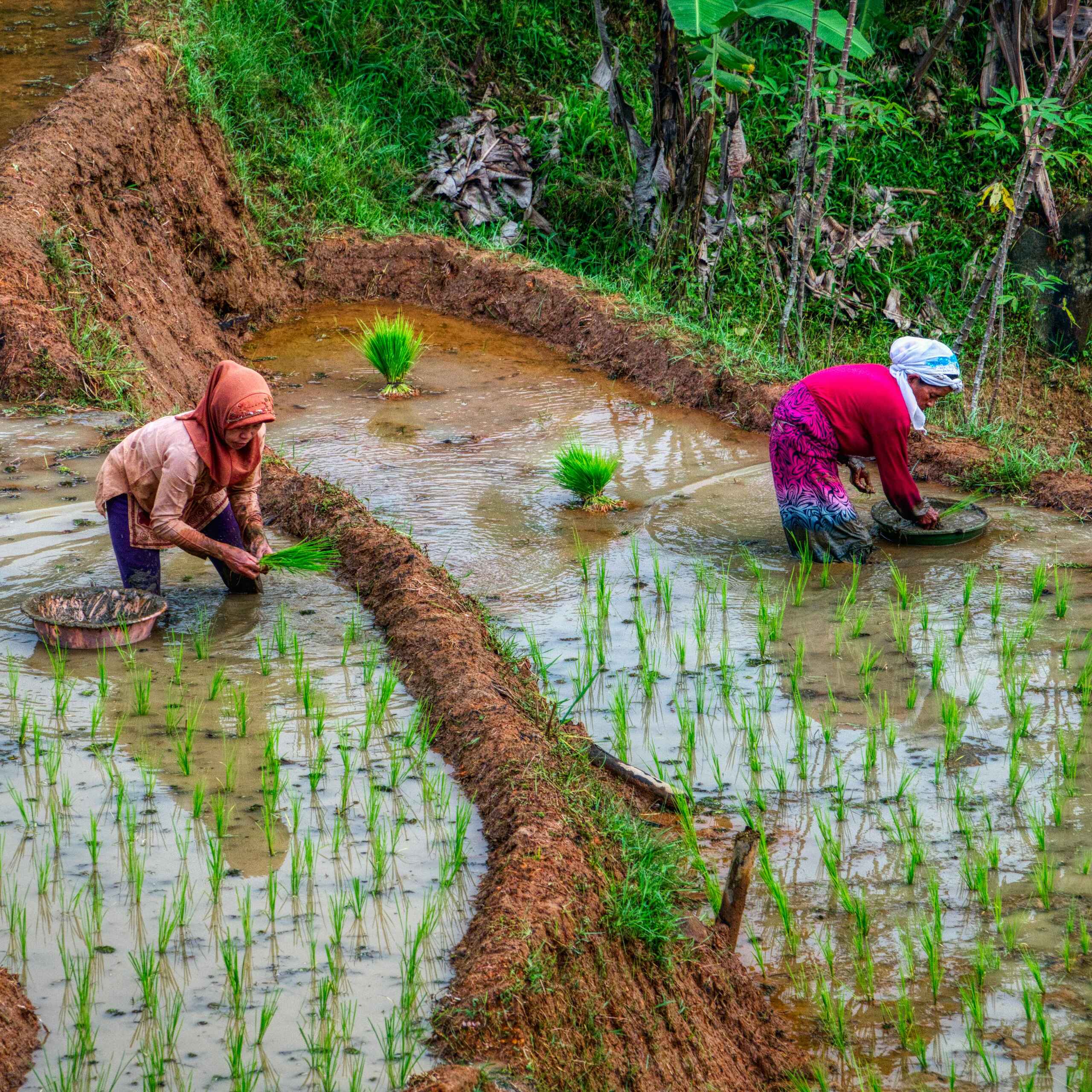
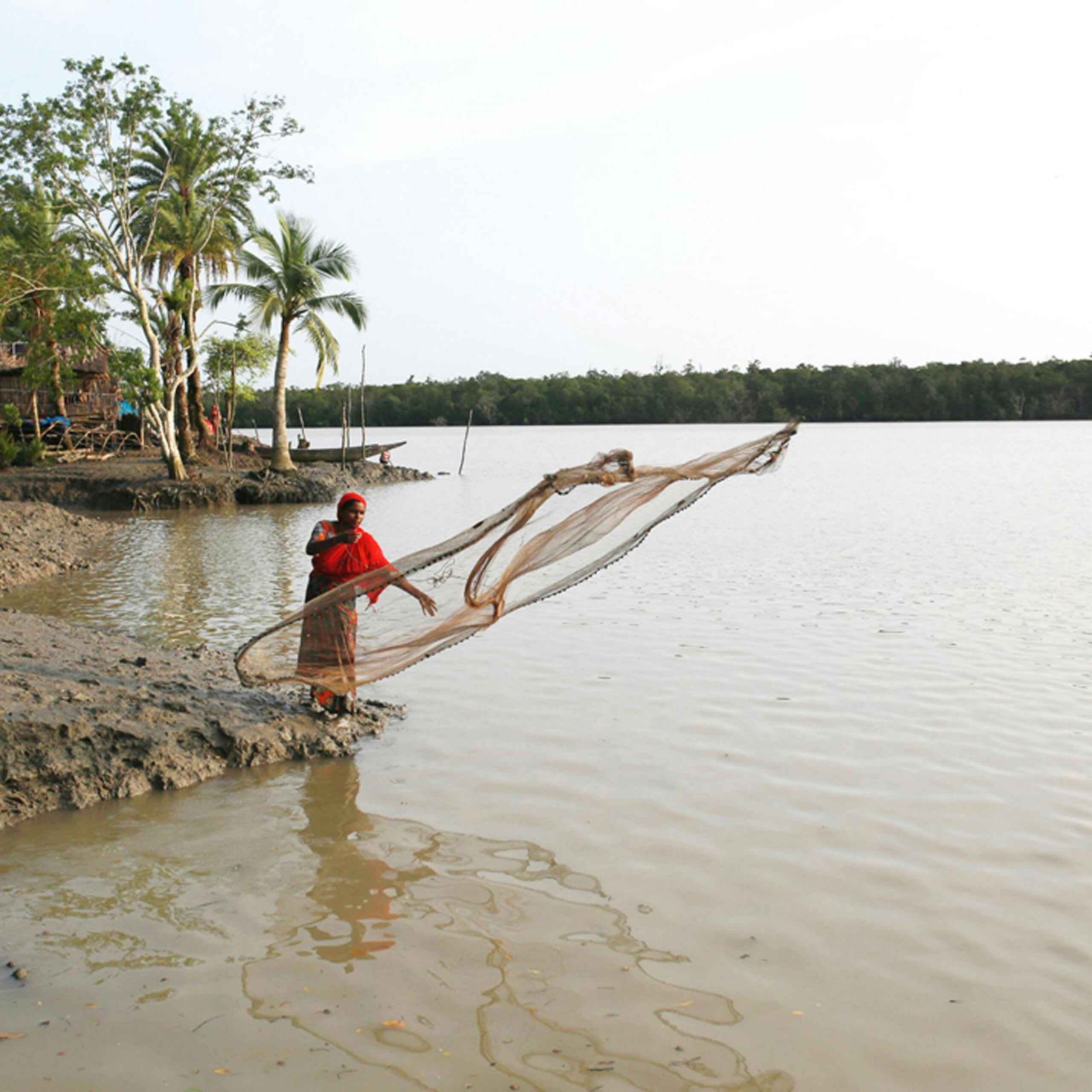
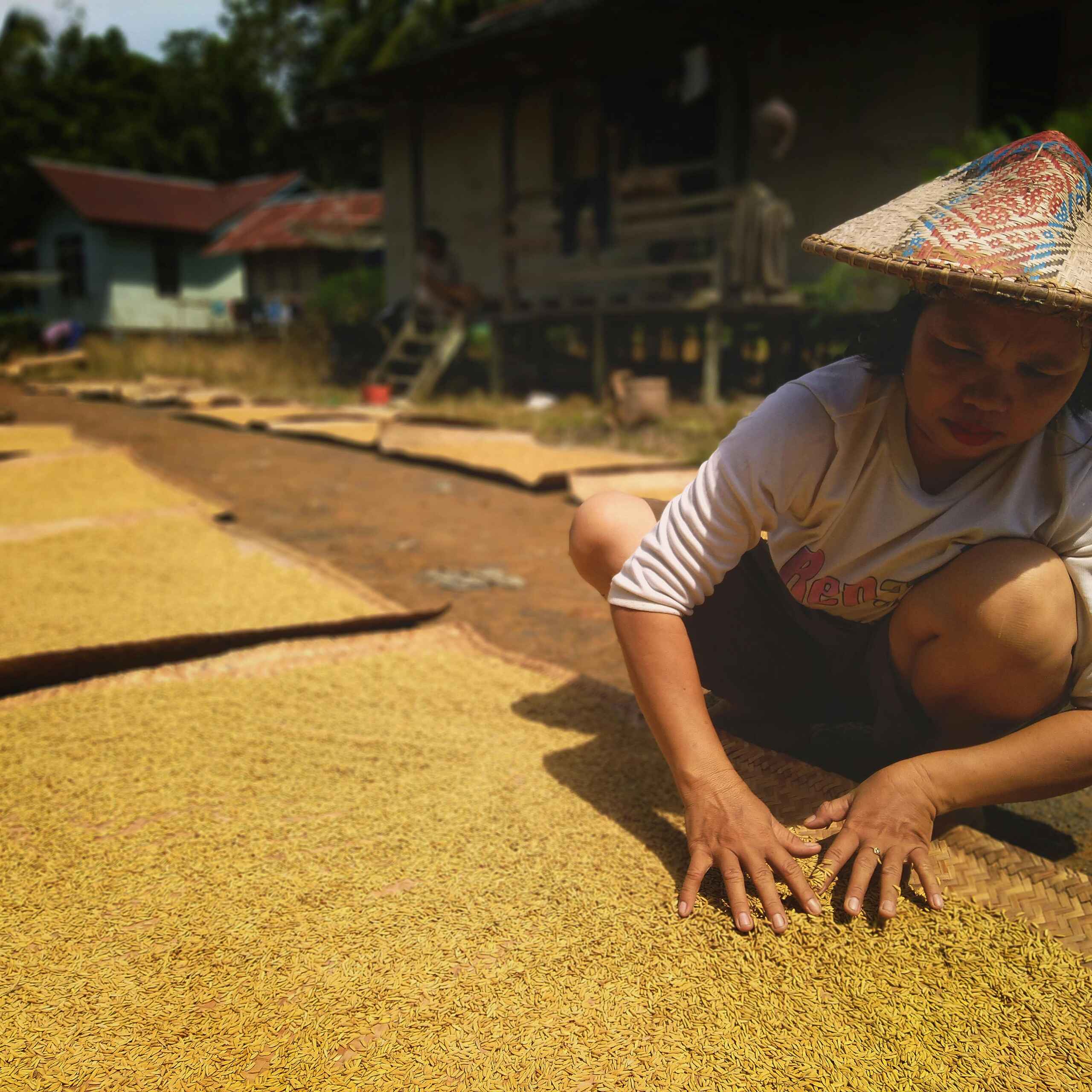
While the term itself is relatively recent, the principles embedded in sovereign food systems have been practised in Indigenous communities for generations. Within these systems, the growing, gathering, and sharing of food are not separate from culture or community, but part of a wider way of living in balance with the natural world (FAO, 2021, United Nations, 2007).
For most of human history, people grew, gathered, and shared their own food. Food systems were local, shaped by ecosystems, and guided by cultural knowledge carried across generations. The ability to produce food was how families and communities sustained themselves, cared for the land, and passed on knowledge.
All food systems were once local. All seeds were once held in relationship.
Food sovereignty moves beyond the idea of food as a commodity. It understands food as part of a living system that connects people to land and to one another.
When compared to the concept of food security, the difference is in the systemic right to food production. Food security focuses on whether people have enough to eat, but it does not always consider how that food is produced or who holds decision-making power. Food sovereignty asks a deeper question: who holds the power to decide? As Hutchings explains, “It is not simply about access to food, but about the ability to grow, gather, and share food according to our own values.”
Before industrialization and globalization, food was shaped by place, culture, and community, rather than global supply chains. (For a deeper explanation of industrialization and globalization, see our article The Rise of Globalization.)
“Colonisation disrupted our food systems by disconnecting us from land, seed, and knowledge.”
The colonization of our food systems displaced Indigenous communities from their lands, restricted access to traditional food sources, and suppressed cultural practices tied to food and land stewardship. This was followed by the expansion of industrial agriculture and global supply chains, which further shifted control of food systems away from communities and into centralized systems.
This shift in this food culture resulted in food becoming something people purchase rather than something they grow. Seeds, once saved and shared within communities, became owned and controlled. Decisions about food systems shifted away from communities and into global corporate institutions.
The impact of this shift runs deep. When people and communities lose control over their food systems, they also lose connection to land, to culture, and to the knowledge that sustains both. As Hutchings states,
“Reclaiming food sovereignty is an act of decolonisation.”
Scholar and environmental activist Vandana Shiva reinforces this reality:
“Control over food is control over people.”
Rooted in indigenous knowledge systems, food sovereignty strengthens the resilience of our food systems. By supporting localized, place-based food production, it reduces dependence on centralized systems and returns control to communities. These systems are more diverse, with many crops, seed varieties, and growing practices adapted to specific ecosystems, supporting biodiversity, strengthening ecological balance, and increasing the ability of food systems to adapt to environmental change (FAO, 2021; Kennedy et al., 2022).
Indigenous and localized food systems rely on a wide range of species, practices, and knowledge, creating resilience through diversity rather than uniformity. In contrast to monoculture systems, agricultural diversity supports healthier soils, more stable ecosystems, and greater long-term adaptability. (For a deeper explanation of industrialization and globalization, see our article Monocultures & Commodity Crops.)
Resilient food systems are not built through uniformity, but through diversity, locality, and relationship.
In this context, food sovereignty is not only about how food is produced and distributed, it is a conversation about autonomy, cultural continuity, and the right of communities to sustain themselves on their own terms. Food sovereignty is about restoring the relationships that have always existed between people, land, and the systems that sustain life, allowing communities to shape their own futures.
Seed sovereignty: the foundation of food sovereignty
Food sovereignty begins with seeds, the living foundation of every food system.
Every food system begins with seeds. Seeds carry the genetic diversity of crops, the memory of ecosystems, and the knowledge of generations who have grown, saved, and adapted them to specific places and ecosystems over time.
Seed sovereignty refers to the right of communities to save, use, exchange, and steward seeds freely. It is the ability to maintain control over the very foundation of food systems. As Māori researcher Dr. Jessica Hutchings reiterates,
“Food sovereignty begins with seed sovereignty.”
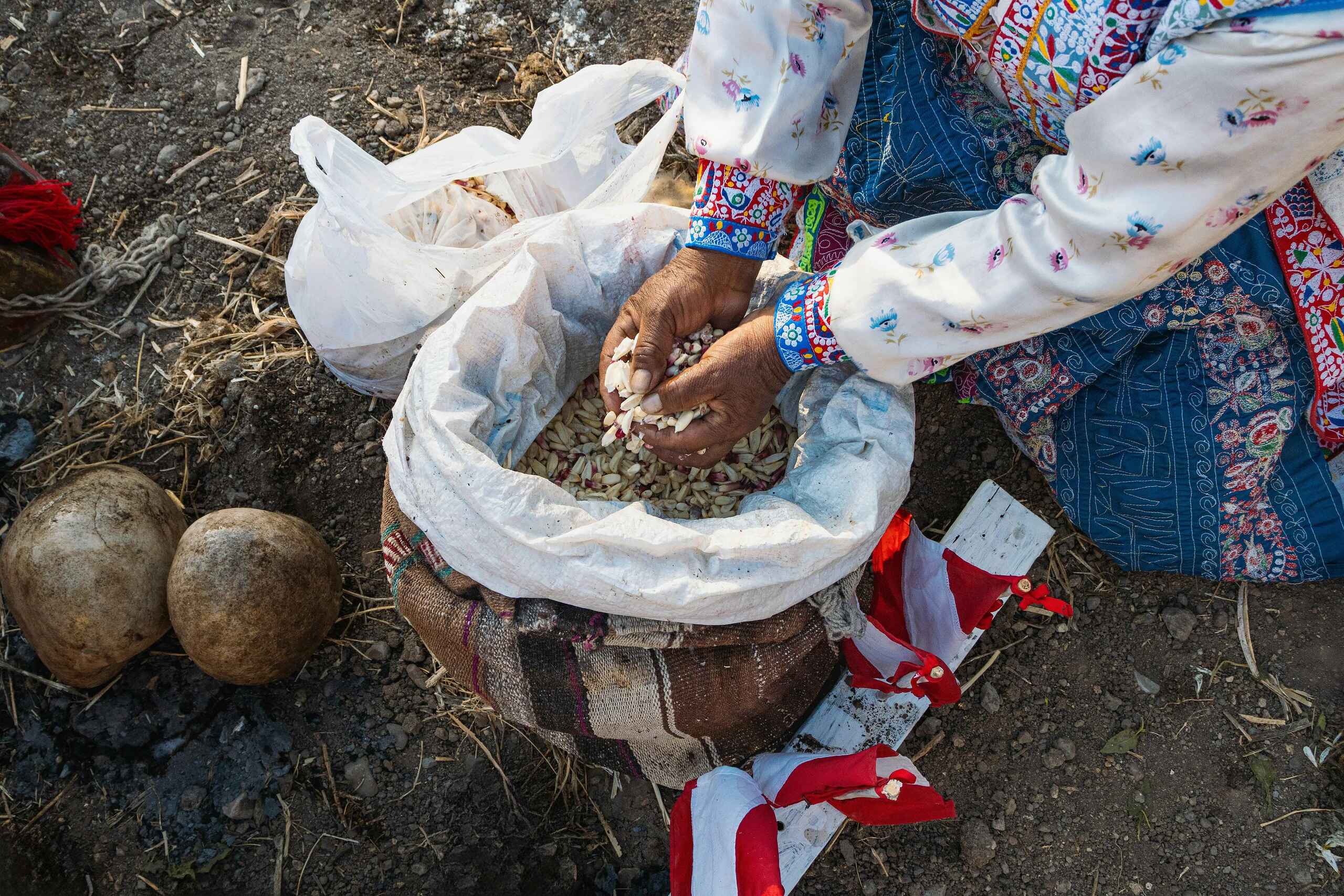
Without seed sovereignty, food sovereignty cannot exist.
For most of human history, seeds were held in relationship. Farmers and communities selected seeds based on taste, resilience, climate, and cultural value. Seeds were shared, gifted, and passed down through generations. They were not owned, but cared for and honored as a living relative. As Hutchings explains,
“Seed is not just a resource. It is a living ancestor, carrying memory across generations.”
This deep cultural connection to seeds began to shift with the rise of industrial agriculture. Seeds became commodified, patented, and controlled by corporations. Instead of being saved and shared, farmers are now required to purchase seeds each season. This shift has reduced biodiversity, weakened local food systems, and increased dependence on centralized agricultural systems (FAO, 2021).
Honoring seed sovereignty protects seed diversity, which is essential for resilient food systems. Diverse seeds allow crops to adapt to changing climates, resist pests and disease, and thrive in specific ecological conditions. When communities maintain control over seeds, they also maintain the ability to shape their own food systems in ways that reflect their environments and cultural values.
Scholar and environmental activist Vandana Shiva speaks into the consequences of this shift:
“Who controls the seed controls the food. Who controls the food controls the people.”
This concentration of control has far-reaching implications. When seeds are controlled, so too are the choices farmers and food growers can make. This impacts what crops they grow, how they grow them, and how resilient those systems are to change. As Hutchings states, “To lose control of seed is to lose control of our food systems and our autonomy.”
In contrast, Indigenous and traditional food systems have long been rooted in seed sovereignty. Seeds are understood not as commodities, but as living relatives, as carriers of culture, identity, and ecological knowledge. Seed stewardship is guided by responsibility, reciprocity, and continuity across generations.
“When we save seed, we are saving our stories, our whakapapa (lineage), and our future.”

For many communities around the world, reclaiming seed sovereignty is a critical step toward reclaiming food sovereignty. It is an act of resistance, but also one of restoration and a return to relationship with the living foundations of food.
(For a deeper exploration of how communities protect and pass on seeds, see our article Seed Saving.)
Reclaiming food and seed sovereignty
Reclaiming food and seed sovereignty is not about returning to the past, but about remembering how to live in relationship with the systems that sustain us. It begins by rebuilding connections to land, to food, and to the knowledge that has guided how communities nourish themselves for generations.
Around the world, there is a growing movement toward decentralizing food systems and returning decision-making power to communities. Farmers are returning to seed saving and exchanging seeds within local networks. Indigenous communities are revitalizing traditional food systems and restoring relationships with ancestral lands. Small-scale growers are rebuilding localized food systems rooted in place, biodiversity, seasonal knowledge, and care for the land.
By growing food locally, saving seeds, and supporting regional producers, we can begin to restore resilience within our own ecosystems.
Reclaiming sovereignty is an act of restoring our cultural relationships. Food carries memory, identity, and connection. When communities reclaim their food systems, they also reclaim their food culture as well as knowledge passed down through generations.
As Māori researcher Dr. Jessica Hutchings reminds us, this work is not only practical, but deeply relational. It is about reconnecting to place, to lineage, and to the responsibilities we hold within the living world.
For many, this begins with small actions: planting a garden, learning where food comes from, supporting local farmers, or saving seeds. In today’s political landscape, the act of growing our own food is one of the most radical acts of sovereignty.
Reclaiming food and seed sovereignty is a process of remembering. It is a return to traditional food systems that have sustained us for millennia and a deep remembering that we are not separate from the systems that feed us, but are part of them.
Sources:
Food and Agriculture Organization of the United Nations (FAO). (2021). Indigenous peoples’ food systems: Insights on sustainability and resilience from the front line of climate change. FAO.
Hutchings, J. (2015). Te mahi māra hua parakore: A Māori food sovereignty handbook. Papawhakaritorito Charitable Trust.
Kennedy, G., et al. (2022). Food biodiversity and sustainable diets. Journal of Environmental Management. https://www.sciencedirect.com/science/article/abs/pii/S0924224422003909
La Via Campesina. (1996). Declaration of food sovereignty. La Via Campesina.
Navdanya. (2000). Seed sovereignty and food security. Navdanya International.
Shiva, V. (2000). Stolen harvest: The hijacking of the global food supply. South End Press.
United Nations. (2007). United Nations declaration on the rights of Indigenous peoples. United Nations.
More Education Articles



Support our work
Stay Connected
You’ll receive our monthly Field Notes newsletter, project updates, and free resources, plus you’ll get first access to new stories.

Make a Donation
Your tax-deductible gift fuels the storytelling that shifts culture, the organizing that turns awareness into collective action, and the relationships that make long-term systems change possible.