Greg Reese is a first-generation regenerative farmer leading Fox Point Farms in Encinitas, California
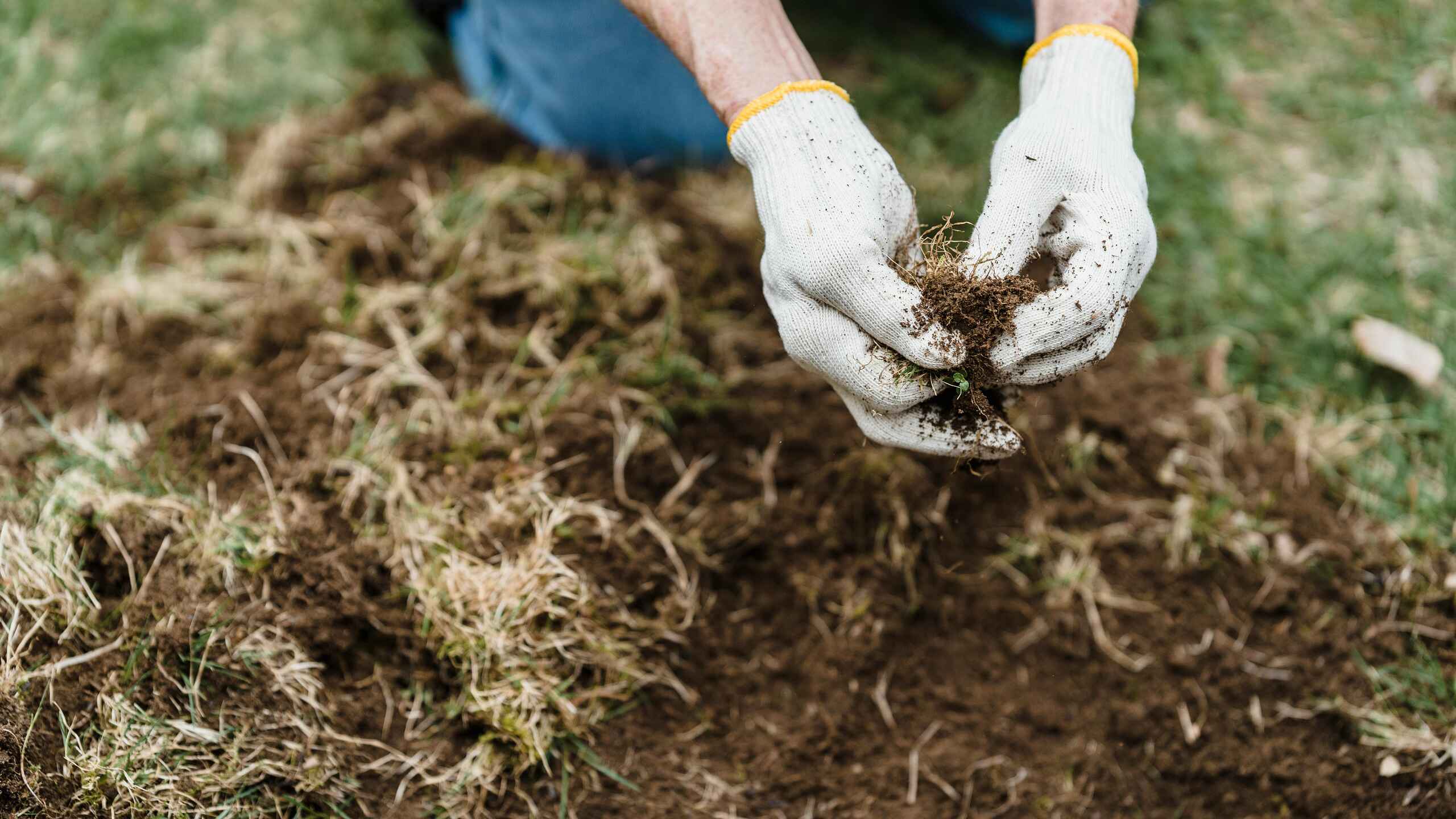
Soil Ingredients 101: Raised Beds and the Components of Healthy Soil
Learn what healthy soil is made of and how to build it in raised beds by mixing organic matter, manure, and minerals. Add native soil for structure and foster life over time with roots, water, and compost to grow nutrient-dense crops.
The key takeaways regarding soil ingredients for raised beds are:
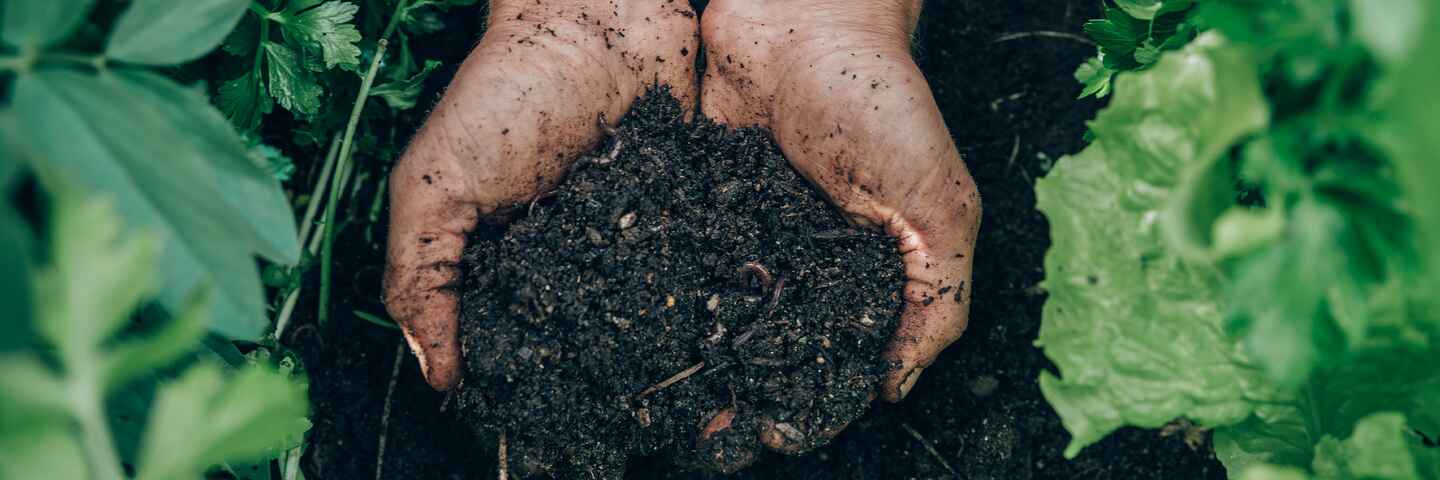
Healthy Soil Components: Healthy soil is composed of decomposed plant material, decomposed animal manures, and minerals such as sand, silt, and clay.
Recommended Ratios: A general guideline is to use one-third of each main component, though ratios can be adjusted based on available materials.
Understanding Bagged Soil: Bagged soil often consists primarily of decomposed plant materials, such as aged forest products, peat moss, or "aged arbor fines". These products may also include animal-based amendments like chicken manure, fishbone, crab meal, bat guano, or worm castings.
The Need for Structure and Minerals: Many bagged soils act as "fillers" that lack mineral structure and microbial life. Purely organic material often fails to hold its shape. Combining organic matter with sand and minerals helps the soil bind together and hold its shape.
Sourcing Materials:
Amended Topsoil: This can be purchased in bags at stores or in bulk from soil facilities.
Native Soil: Gardeners can use the soil already on their site, which often contains the necessary sand, silt, and clay.
Soil Improvement Over Time: If only one type of bagged soil is used, its health can be improved over time by increasing microbial life through the use of living roots, cover crops, and worm castings. Soil tends to adapt and develop better structure through regular watering and the presence of living plant roots.
More Education Articles




Support our work
Stay Connected
You’ll receive our monthly Field Notes newsletter, project updates, and free resources, plus you’ll get first access to new stories.
Make a Donation
Your tax-deductible gift fuels the storytelling that shifts culture, the organizing that turns awareness into collective action, and the relationships that make long-term systems change possible.