Greg Reese is a first-generation regenerative farmer leading Fox Point Farms in Encinitas, California
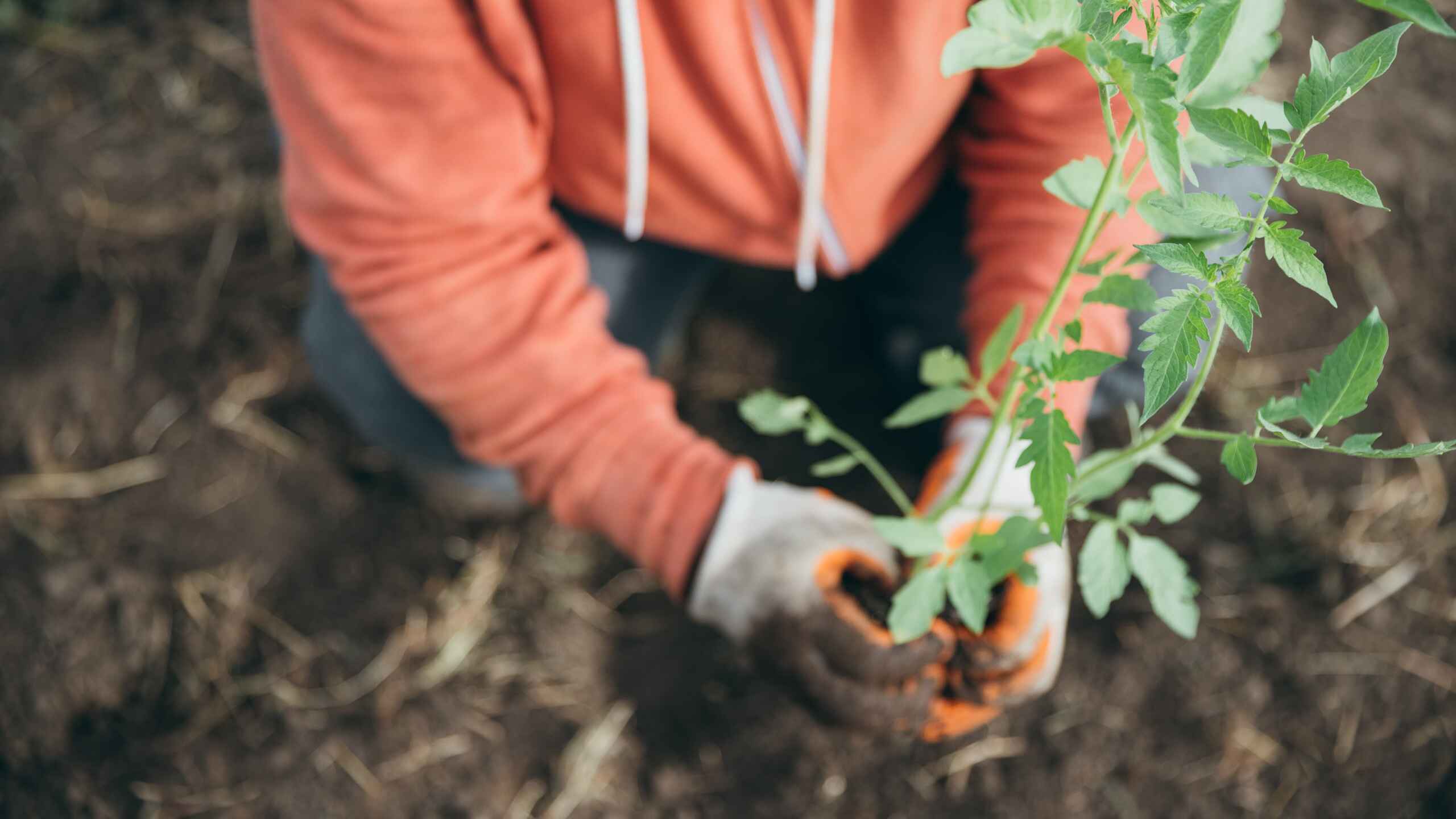
How To Plant in the Soil
Learn how to plant seedlings and seeds by digging the right holes, handling roots with care, spacing for growth, watering well, and sowing seeds to match your harvest goals.
Lessons on planting seedlings and seeds:
Digging Planting Holes: Holes for seedlings should be at least as deep as the cell tray, approximately three to four inches deep, and about twice as wide as the tray.
Removing Seedlings from Trays: To remove plants, press the sides of the cell packet and use your fingers to push them out, occasionally leaning them over to utilize gravity.
Handling Sensitive Root Systems:
Some plants like peppers and tomatoes are strong, while others, such as zucchinis, cucumbers, and winter squash, have very sensitive root systems that require careful handling.
Plants in the cucurbit family (e.g., cucumbers) should not have their roots touched or scratched, even if they are rootbound.
Conversely, plants in the brassica family (cabbage, broccoli, kale) and the nightshade family (tomato, pepper, eggplant) can have their roots lightly scratched before planting to open them up.
Managing Rootbound Plants: If plants have been in trays too long and the roots are crowded or "rootbound," they can often be lightly scratched or broken apart to encourage growth before replanting.
Transplanting Seedlings:
Seedlings should be fully watered before planting.
They should be placed in a hole so the soil level of the plant matches the ground level.
Soil should be pressed lightly around the seedling to ensure contact.
If multiple seedlings are in one cell tray, they can be gently pulled apart and planted individually to provide more growing room.
Sowing Seeds (Lettuce as an example):
To plant seeds like lettuce, create a furrow or trench about an inch to an inch and a half deep.
Spacing affects the harvest: planting seeds every couple of inches results in baby leaves, while spacing them a foot apart allows them to mature into large heads.
After sowing in the furrow, lightly cover the seeds with soil and water them.
"Cut and Come Again" Harvesting: Certain vegetables can be harvested multiple times. If plants are cut when they are four to six inches tall, leaving about two inches of the plant in the ground, they will grow back for subsequent harvests
More Education Articles



Support our work
Stay Connected
You’ll receive our monthly Field Notes newsletter, project updates, and free resources, plus you’ll get first access to new stories.

Make a Donation
Your tax-deductible gift fuels the storytelling that shifts culture, the organizing that turns awareness into collective action, and the relationships that make long-term systems change possible.