Greg Reese is a first-generation regenerative farmer leading Fox Point Farms in Encinitas, California
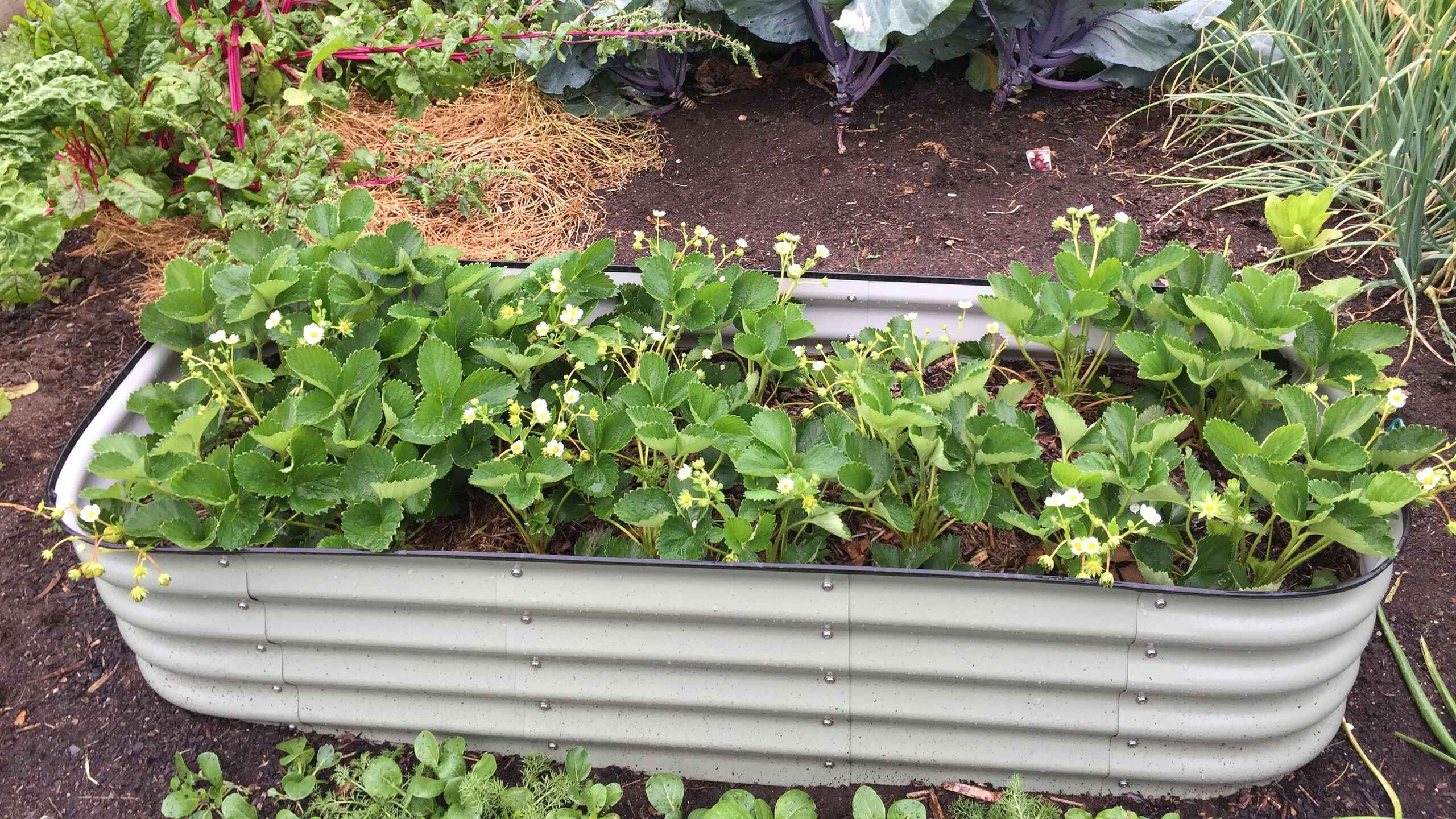
How to Build a Container Garden
Learn how to build a container garden using layered logs, mulch, and soil to create a cost-effective growing system that retains moisture, improves soil health, and forms a strong foundation for productive planting.
Key takeaways for building container garden using a method inspired by Hugelkultur to save money and improve soil health:
Container Preparation and Drainage: While containers with multiple drainage holes are ideal, those with limited drainage can still be used if water levels are carefully managed. This method works well for gardening on cement, asphalt, porches, or patios. Containers with minimal drainage require a learning curve to understand proper watering and avoid over- or under-watering.
Filling the Container (Layering)
Base Layer (Logs): Large logs are placed at the bottom to take up space, reducing the amount of expensive soil needed. These logs act as a "long-term sponge" by soaking up water and releasing it slowly as they decompose.
Middle Layer (Mulch): Coarse mulch or wood chips are added to fill the gaps and air holes between the logs. This direct contact between the mulch and logs helps the logs decompose faster.
Top Layer (Soil Mix): The final layer is a mixture of organic potting mix and native soil (sandy, clay, or silt) to create a better structure.
Planting Process: It is beneficial to wet the soil layers down during the filling process to ensure the entire container is fully saturated. Once the container is completely filled with soil and saturated, it is ready for planting.
More Education Articles






Support our work

Stay Connected
You’ll receive our monthly Field Notes newsletter, project updates, and free resources, plus you’ll get first access to new stories.

Make a Donation
Your tax-deductible gift fuels the storytelling that shifts culture, the organizing that turns awareness into collective action, and the relationships that make long-term systems change possible.