Melanie has a background in research and healthcare, with expertise in human physiology and preventive care, connecting food systems and human health.
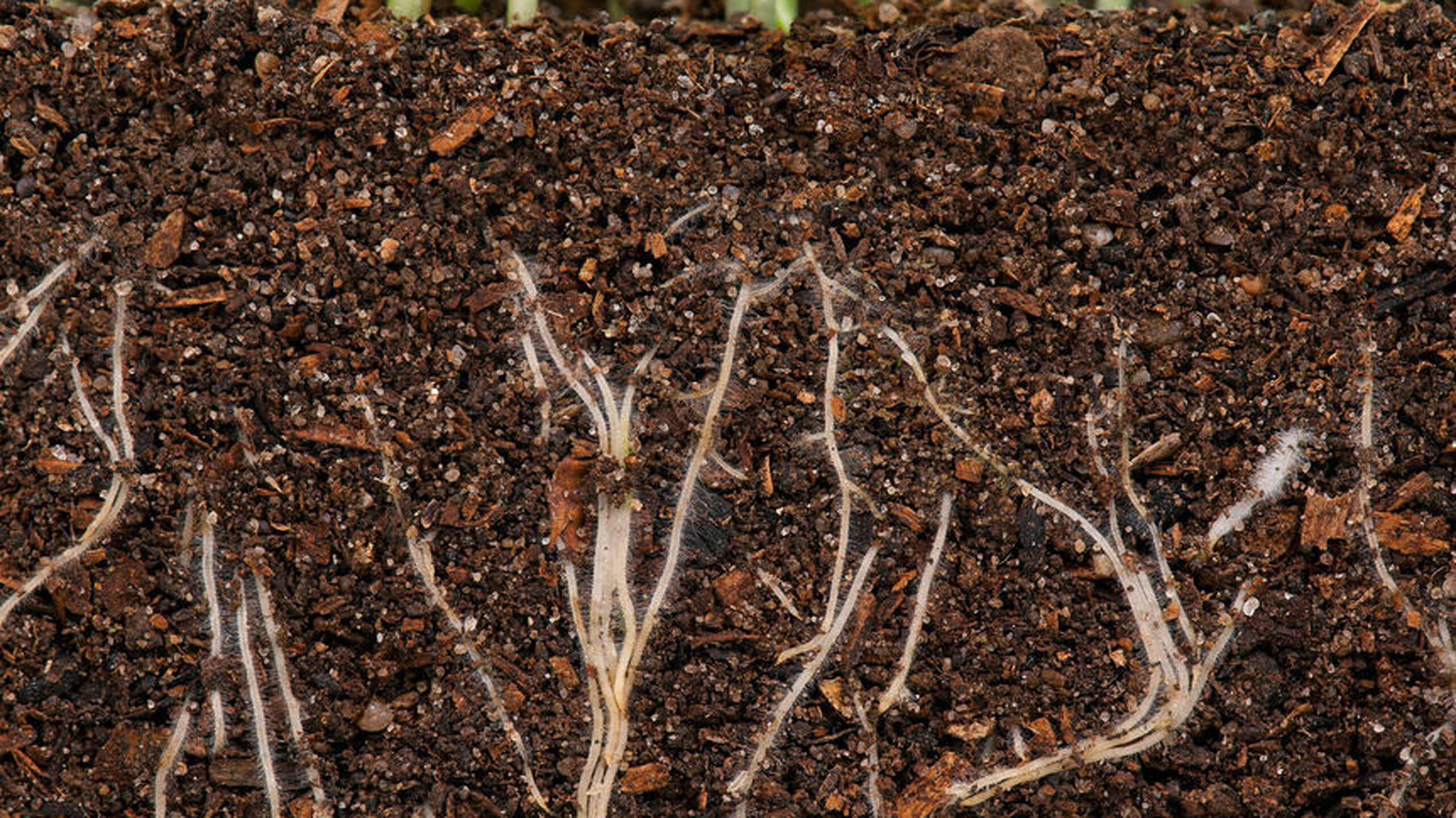
Why are Microbiomes Critical for Human & Environmental Health?
From soil to gut, unseen microbiomes shape the health of our food and our bodies. Discover how farming practices influence nutrient density, biodiversity, and the invisible ecosystems we depend on.
The term “biome” describes a natural ecosystem defined by its climate, and by the plants and animals adapted to live within it. On Earth, scientists have identified seven geographical biomes: tundras, deserts, grasslands, deciduous forests, coniferous forests, tropical rainforests, and aquatic biomes (National Geographic, 2025).
But biomes are not limited to what we can see.
The Earth and the human body both depend on microscopic, unseen biomes called microbiomes. Microbiomes exist everywhere - on our skin, in the air we breathe, on our kitchen counters - but the microbiomes in soils and the human gut are particularly relevant to understand the impact of how our food is grown on our health.
“We can think of rainforests, coral reefs, and all these spectacular examples of complex biomes that are interacting to create this magnificent beauty and density of life on Earth. And then we find out that inside the human body is 10x that level of biodiversity. We literally hold the most complex ecosystem on Earth in a healthy human body.”
What is the human gut microbiome?
The human gut microbiome refers to the microbes - mostly bacteria, but also viruses, fungi and archaea - living in our digestive system. This includes the mouth, esophagus, stomach, small intestine, and large intestine. It is home to trillions of microorganisms, with around 95% of them living in the large intestine, also known as the colon (Dupont et al., 2020).
This invisible ecosystem is responsible for breaking down our food, making vitamins and nutrients, supporting our immune systems, protecting us from harmful germs, and helping our hearts, metabolisms, hormones, and brains work properly (Khalil et al., 2024).
Throughout the healthcare system, we see time and time again that a healthy human depends on a healthy and diverse gut microbiome (Shabani, et al., 2025).
What is a soil microbiome?
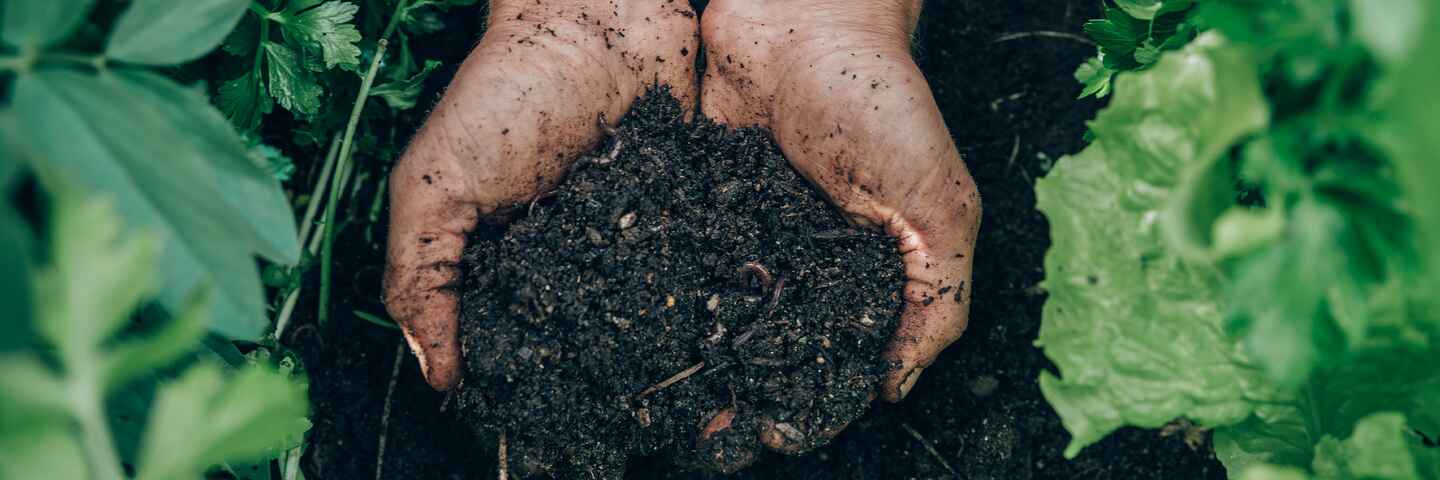
Like the human gut, healthy soils rely on a diverse microbiome to maintain balance and productivity. Microbes like bacteria, fungi, and archaea each play unique roles. Some break down organic matter into smaller pieces, making nutrients more available for plants. Others recycle key elements like nitrogen, phosphorus, and potassium, which are essential for strong roots, leaves, and fruit. Certain microbes produce growth hormones that help plants grow faster and resist stress, while others protect plants from harmful pathogens (Wang et al., 2024).
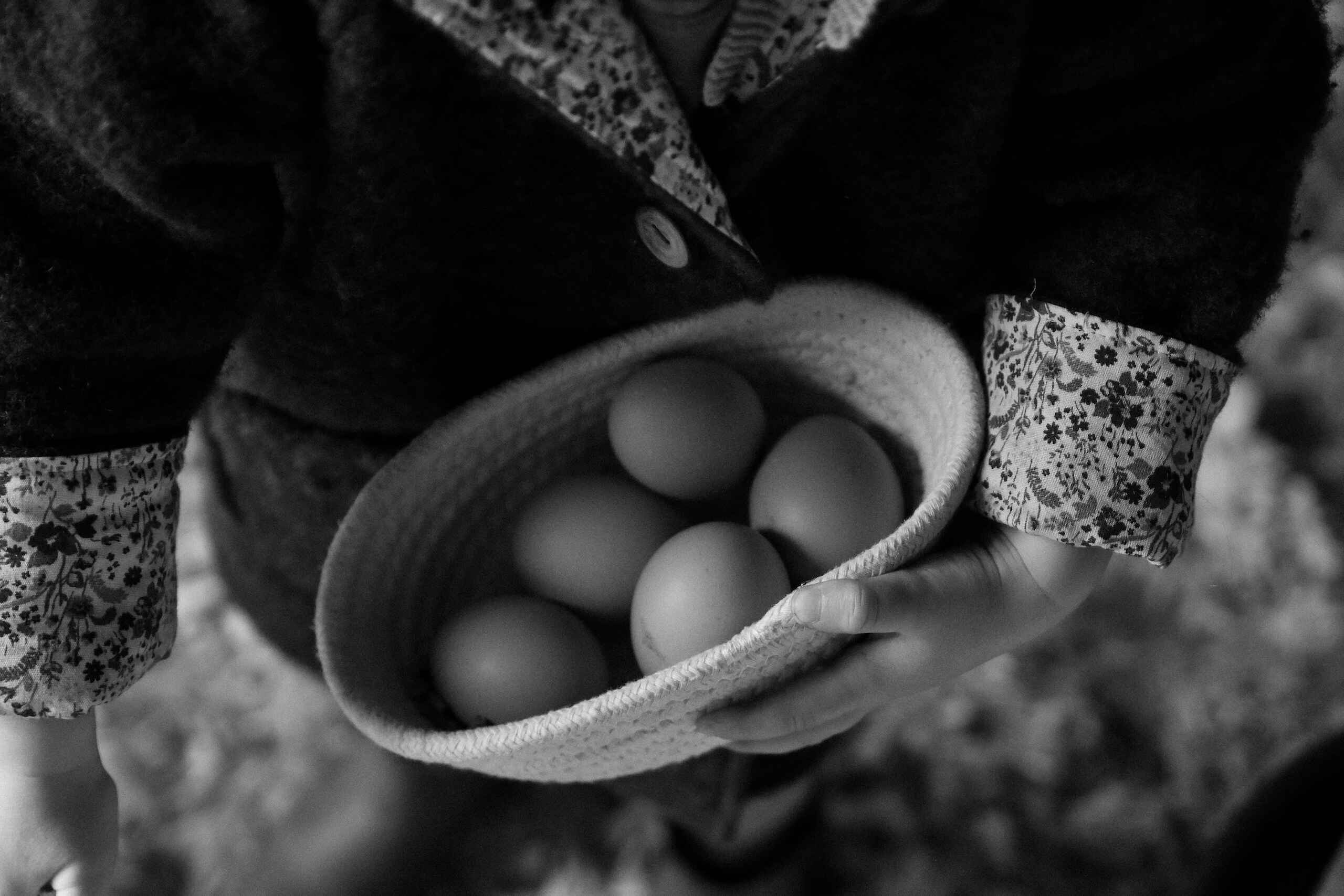
When soil has a thriving, diverse microbiome, it helps move essential nutrients from the soil into plants and the fruits and vegetables they produce, and then into the animals and people who eat them. Whether we eat fruits and vegetables directly or consume milk, eggs, or meat from animals raised on healthy land, we are receiving nutrients that were first made available by soil microbes.
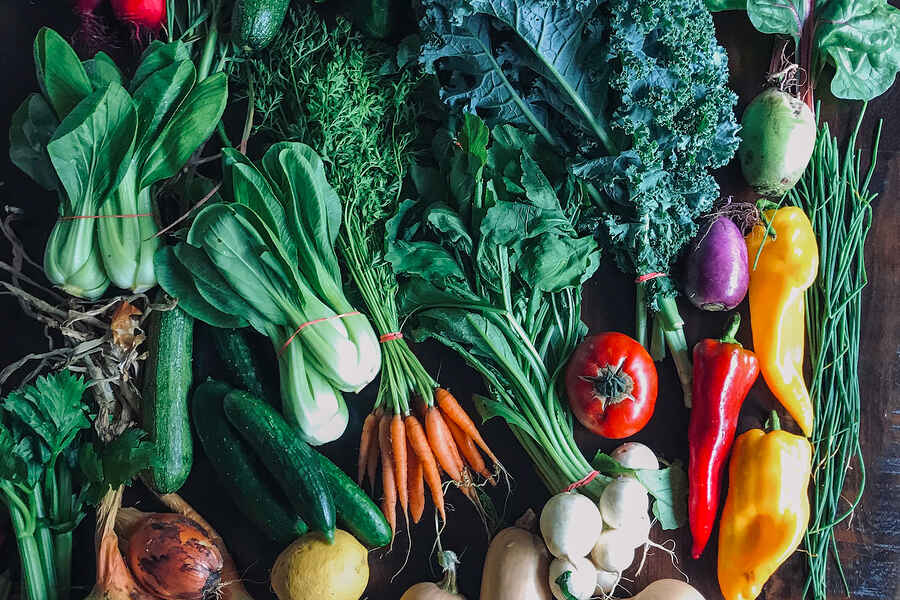
Scientists are now beginning to put numbers to what this living system makes possible. Early research shows that crops grown in nutrient-rich, biologically active soils - like cabbage, carrots, and wheat - contain higher levels of essential nutrients such as manganese, magnesium, and zinc compared to their conventionally grown counterparts (Montgomery et al., 2022).
While modern science allows us to quantify these differences in nutrient density, for generations we have intuitively understood the difference through the flavor it passes into our food. Nutrient-dense food is more flavorful food, a knowing that is deeply embedded in the human experience of eating.
How soil health shapes human health
Understanding the role soil microbiomes play in the nutrient density of our food reveals that soil health directly shapes the diversity and health of our gut microbiome.
When farming practices harm soil - through the overuse of fertilizers, excessive tilling, or pesticide application - they can also compromise gut health. Given the gut microbiome’s central role in overall human health, these changes can affect the function of the entire body.
Recognizing the interconnectedness of our biomes shows that soil health and human health are part of the same living cycle, beginning with the life we cannot see. With this awareness, we can begin to act differently.
A regenerative mindset extends beyond the farm into every interaction we have with food. Farming practices that build soil health - keeping living roots in the ground, working in harmony with natural ecosystems, and minimizing disturbance from tillage and chemical inputs - help cultivate a thriving soil microbiome. In parallel, choosing diverse, whole, and thoughtfully grown foods; sourcing locally when possible; and reducing exposure to pesticide residues all contribute to strengthening the ecosystem within our own bodies.
Together, these choices restore and regenerate the living connection between soil and gut - supporting the health of our shared biomes and, in turn, our individual well-being.
Berger, C. (2025, May 9). What Makes A Biome? National Geographic Education. Recuperado el 19 de marzo de 2026, de https://education.nationalgeographic.org/resource/what-makes-biome/
Dupont, H. L., et al., (2020). THE INTESTINAL MICROBIOME IN HUMAN HEALTH AND DISEASE. Transactions of the American Clinical and Climatological Association, 131, 178–197.
Khalil, M., et al., (2024). Unraveling the Role of the Human Gut Microbiome in Health and Diseases. Microorganisms, 12(11), 2333. https://doi.org/10.3390/microorganisms12112333
Montgomery, et al., (2022). Soil health and nutrient density: preliminary comparison of regenerative and conventional farming. PeerJ, 10, e12848. https://doi.org/10.7717/peerj.12848
Shabani, M., et al., (2025). The relationship between gut microbiome and human diseases: mechanisms, predisposing factors and potential intervention. Frontiers in cellular and infection microbiology, 15, 1516010. https://doi.org/10.3389/fcimb.2025.1516010
More Education Articles




Support our work
Stay Connected
You’ll receive our monthly Field Notes newsletter, project updates, and free resources, plus you’ll get first access to new stories.

Make a Donation
Your tax-deductible gift fuels the storytelling that shifts culture, the organizing that turns awareness into collective action, and the relationships that make long-term systems change possible.