Elle is a communications leader with 15 years experience in audience engagement and mission-led storytelling, who translates food system topics into clear, human education
The People Behind Our Food: Why Farmers Matter More Than Ever
The farmers who grow our food are navigating more than most of us realize. Here we explore what it looks like to genuinely support the people working to feed us, and why it matters now more than ever.
When we ask ourselves why farmers matter, the answer may seem obvious - they grow our food. But beyond that, farmers are carrying a lot more than you or I might realize.
As consumers, we are often disconnected from the people growing our food. This is because globalized food chains have widened the gap between source and plate. For example, did you know that an Indigenous farmer in the Andes has been cultivating the quinoa in your salad for more than five generations? Or that the blueberries in your smoothie were harvested by a young family in the hinterland of northern New South Wales? This distance from source makes it easy to overlook the human dimension of our food, and the challenges that may have been faced in order for us to have access.
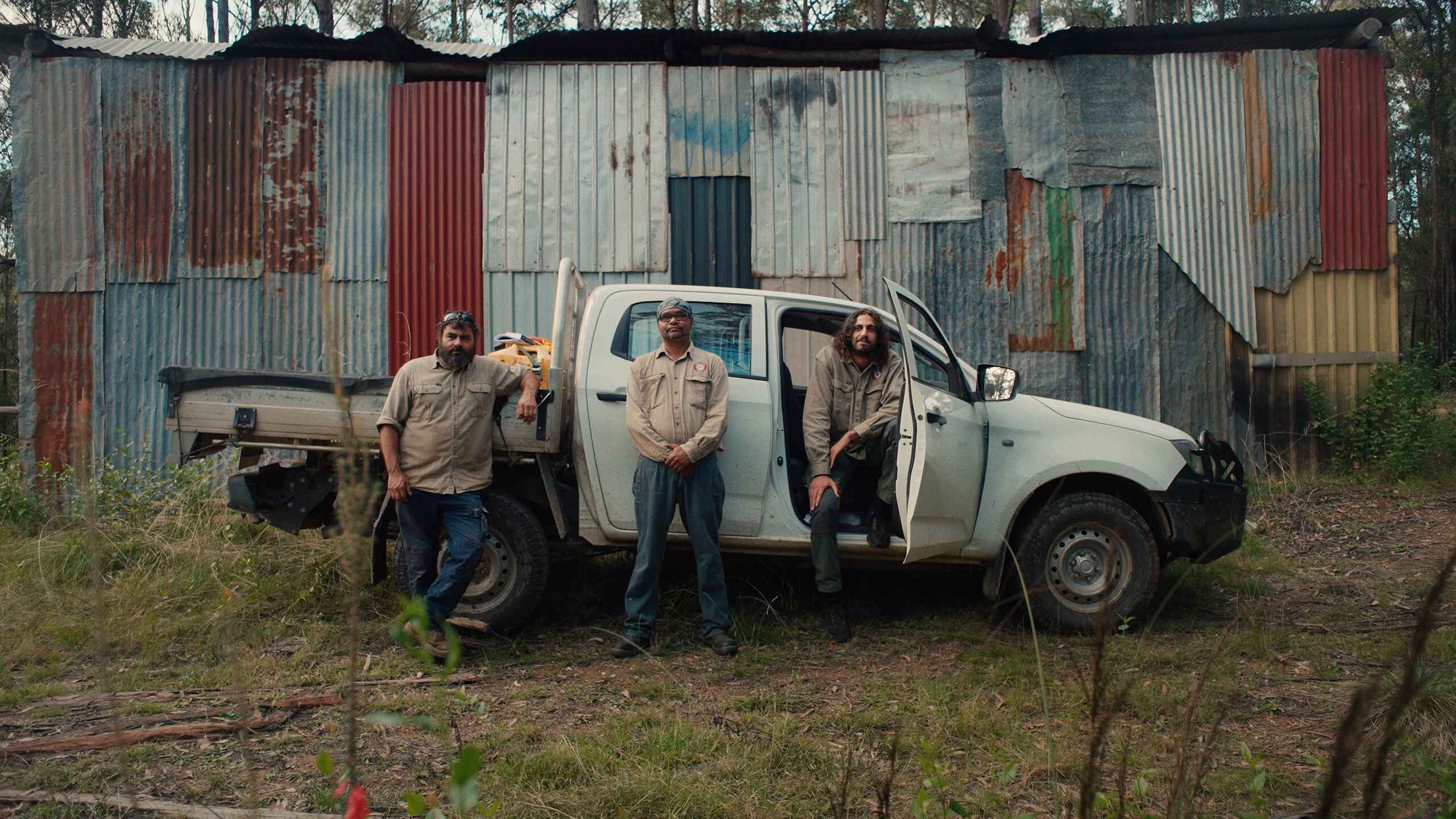
Over the past few years, I’ve had the privilege of sitting with farmers in a way that has brought me closer to understanding their lived experience of food production. Through the Reconnect farmer wellbeing retreats we’ve facilitated across Australia, I’ve spent time with farmers away from their properties and, often, away from the daily demands of farming for the first time in years. What becomes clear very quickly is that farmers are not separate from the problems we talk about in food systems. They are carrying them.
People working the land are living at the intersection of rising costs, climate variability, debt, production pressure, and deep care for the land itself. In some parts of the world, including Australia, that pressure is compounded by geographic isolation and uneven access to services in rural and remote communities (ABARES, 2021). That weight is easy to miss from a distance.
Many are questioning the systems they’ve inherited and trying to find a way forward that makes sense both economically and ecologically.
The Human Element of Food Systems
When we talk about farmers, we are not always talking about the same role. Some people own or manage land and make decisions about how it is farmed. Many others work that land without having control over those decisions, as laborers (sometimes undocumented), tenant farmers, or as part of larger operations. Across much of the world, smallholder and peasant farmers are growing food on very small parcels of land, often with limited access to capital, infrastructure, or land itself (FAO, 2022). They are all part of the same food system, but the pressures within it are not carried equally.
Those differences also extend across regions. In many parts of the Global South, a much larger share of the population is directly involved in agriculture, often within systems that are more exposed to climate variability, market volatility, and the impacts of external inputs and extractive supply chains (FAO, 2021; IPCC, 2022). The risks are often higher, and the capacity to absorb them is often lower.
And yet, these human realities are often the first thing to fall out of the conversation. We tend to talk about agriculture through yields, outputs, and environmental outcomes. Less often do we consider the human experience that underpins all of it. Farming is physically demanding, often geographically isolated, and financially exposed. It is also deeply personal.
For many farmers and farm workers, this is not just work. It is identity, family, and a long-standing relationship with land that has often been held across generations. This means the pressures they face are often deeper than financial, tied as they are to legacy, responsibility, and generational belonging to landscapes.
Research across multiple countries consistently identifies agriculture as a high-stress occupation, with farmers experiencing elevated levels of depression, anxiety, and burnout compared to many other professions (FACETS Journal, 2025). From what we have seen through our work facilitating farmer retreats, these pressures are not abstract. They show up in the quiet, ongoing decisions that shape a season, and often a future. Whether to invest in inputs for another year. Whether to take on more debt. Whether to change practices, knowing the outcome is uncertain and the margin for error is thin.
These conditions shape what is possible. They influence how farmers plan, how they adapt, and whether they have the capacity to invest in longer-term outcomes at all.
Why Farmers Deserve Our Care
Beyond producing food, farmers are shaping the systems, and ecosystems, that food depends on. Smaller and mid-sized farms, in particular, often carry a disproportionate amount of that responsibility. These are the farms more likely to be working across a mix of crops and livestock, responding to the conditions of their land, and contributing to local and regional food systems in ways that are harder to see from the outside.
There is also a growing body of research suggesting that smaller farms can produce a higher total output per acre when accounting for the diversity of what is grown, rather than a single commodity crop (FAO, 2014; IPES-Food, 2016). That kind of productivity is not always captured in the way we measure yield, but it changes how we think about efficiency in agriculture.
We’ve seen this firsthand working alongside farmers. There are people actively rebuilding soil, reducing reliance on external inputs, and shifting the trajectory of their land, often while carrying significant financial pressure. One such example is Chris Hall, a regenerative cherry farmer from Wombat, New South Wales. After returning to his family farm following his studies, Chris chose to pursue a different approach, one that would improve the health of the soil and reduce reliance on pesticides. Like many farmers trying to work differently, that path required risk, persistence, and a willingness to move against the grain. As Chris puts it, “I now have an exceptional understanding of the nutrients I need to monitor and the concentration levels I need to maintain in order to control pests. I have been pesticide free for over 4 years. At the end of the day, I decided to work with mother nature instead of against her.”
These farmers are also, whether they would describe themselves this way or not, environmental stewards. They are maintaining ground cover, rotating crops, supporting biodiversity, and, in many cases, preserving seed varieties and ecological relationships that would otherwise be lost in the consolidation of small farmers into the larger industrial system.
As farms consolidate, landscapes tend to become more uniform. Production narrows, and the range of ecological functions supported within those systems narrows with it.
So the loss of smaller and mid-sized farms is not only a change in scale. It is a shift in the diversity, resilience, and structure of the food system itself.
Why Changing Practices is Hard
At some point, the question usually comes up: if the challenges are so clear, why don’t more farmers change the way they farm? To understand that, it helps to look at how many farmers came to be farming this way in the first place.
For decades, agricultural systems have been shaped by a set of incentives that reward scale, consistency, and output. Policies, subsidies, supply chains, and lending structures have all played a role in encouraging a particular model of production, one that often relies on uniform crops, external inputs, and tight margins. For many farm owners and managers, this was not a matter of preference. It was the pathway that was available, and often the one that made economic sense at the time.
Over time, those decisions become embedded. Equipment is purchased. Infrastructure is built. Debt is taken on. Relationships with buyers are established. Farming systems are not easily unpicked once they are in place.
But these pressures are not only carried by those making decisions about the land. They are also carried by the people working it. In the United States, hired crop workers are disproportionately immigrant, and many are working within systems they do not control, often for long hours, physically demanding wages, and under conditions that can include pesticide exposure, injury risk, poor housing, and long periods away from family and community (Annu Rev Public Health. 2021). For workers without land, savings, or farm assets to fall back on, the margin for risk is often even thinner.
So when we ask why agriculture does not simply change, we are often asking people at very different points in the system to move beyond structures they may have spent years building, or years surviving within.
Barries to Transitioning
For farm owners, transitioning to different farming practices, particularly those that prioritize ecological health, can require significant upfront investment, both in time and in money, with no guarantee of immediate return. For many, that transition period can stretch across several years, during which yields may decline or become more variable as soil systems begin to adjust. And all the while, the underlying costs of running a farm do not pause. Property payments, equipment, labor, and input costs continue regardless of how a season performs. For farms already operating on tight margins, that creates a level of uncertainty that can act as a barrier to change.
Access to knowledge and support also shapes what is possible. While interest in regenerative approaches is growing, access to practical, locally relevant guidance is inconsistent. In many regions, the public systems that once supported farmers with on-the-ground advice and education have been reduced, or remain focused on conventional approaches, leaving farmers to piece together knowledge and support where they can.
There can also be a social cost to changing course. In many farming communities, the way you farm is tied up with identity, family history, and a shared sense of what good farming looks like. Stepping away from what is familiar can mean risking skepticism, isolation, or a sense of separation from the community around you.
Market access adds another layer. Many supply chains are structured around uniform products delivered at scale. When farms begin to diversify, there is not always a clear or reliable market that recognizes or rewards those changes. In some cases, producers are left accepting prices that do not reflect the true cost of production, simply to keep moving product.
And for many farmworkers, the challenge is different again. It is not whether they can redesign the system from within, but whether they have safety, protection, fair pay, and enough security to participate in it without carrying disproportionate harm. Immigration status can deepen that vulnerability. Worker advocates note that fear of retaliation or deportation can make it harder for immigrant workers to report abuse or unsafe conditions.
These dynamics do not play out evenly across the world. In many regions, farmers are working within global supply chains that can concentrate value away from the people producing food, while leaving them more exposed to climate risk, price volatility, and input costs. At the same time, there are cases where connection to larger markets, when structured with care, can support farmers and Indigenous communities to remain on their land and continue long-standing practices. The difference often comes down to how those relationships are designed, and who holds power within them.
So the question is not only why people do not change. It is what conditions would need to exist for change to become possible, and safer, across the whole system.
The Role of the Consumer
As consumers, we may not control the whole system, but we are not separate from it either. We shape demand, influence markets, and help determine which kinds of farming are supported, and which are overlooked. If we want farmers to feel able to grow food in ways that support both economic viability and ecological health, then those conditions have to exist beyond the farm itself. The question, then, is what those conditions look like, and how we help create them.
In many ways, they are already familiar. They are the conditions that allow farmers to plan beyond a single season. To take on less risk when trying something new. To be paid in a way that reflects the true cost of production, rather than the pressure to produce more for less.
They look like markets that recognize quality, not just uniformity. Supply chains that are willing to work with diversity, rather than against it. Access to knowledge and support that is practical, locally relevant, and grounded in real experience.
They also show up in the quieter, everyday decisions most of us make. In the food we choose to buy, the businesses we support, and the questions we ask about where our food comes from. What are we rewarding when we shop? What kind of food system are we helping hold in place? These questions don’t require perfect answers. They’re simply a way of staying connected to the system we are already part of.
And when those conditions are in place, farmers have more room to make decisions that support both land and livelihood.
The Path Forward
When that happens, farmers are better able to shape what comes next: who is able to stay on the land, what kinds of farms remain viable, and what is carried forward. In doing so, farmers regain a measure of agency within a system that too often takes it away.
Farms hold knowledge that is specific to place. Soil types, weather patterns, water movement, and plant behavior are understood over time through observation and experience. By keeping farmers on the land, that knowledge stays alive and continues to inform how landscapes are cared for.
There is also the possibility of continuity. Farming is one of the few professions where knowledge is passed directly across generations. Supporting small to mid-size farmers means supporting the continuation of that knowledge, and the values embedded within it. This feels especially important in ancestral and Indigenous farming communities, where barriers to land access have often been greater and the continuity of land stewardship has been disrupted over time through historical and structural forces (USDA, 2023; IWGIA, 2019).
But continuity cannot be assumed. In the United States, the average age of a farmer is now approaching 60, according to the USDA Census of Agriculture (USDA, 2022), reflecting the fact that fewer young people are entering the profession than in generations past. T This is not simply a matter of interest. The cost of land, access to capital, and the financial risk associated with farming can make it difficult to begin, particularly for those without generational access to land, equipment, or established markets. For many first-generation and minority farmers, these barriers are even more pronounced, shaped by a long history of exclusion from land ownership, credit, and institutional support (USDA, 2023). hat makes the future of this intergenerational knowledge feel increasingly urgent.
At a landscape level, this support can also protect diversity. More crop types, more rotations, and more integrated systems can create landscapes that are better able to adapt to stress over time.
And at a community level, the effects are just as meaningful. Farms support local economies, employment, and relationships that extend well beyond production. When farmers are able to remain on the land, those wider networks of care and connection remain stronger too.
What is at stake, then, is not only the future of individual farms, but the knowledge, continuity, and resilience that food systems depend on.
The Future of Food and Farming
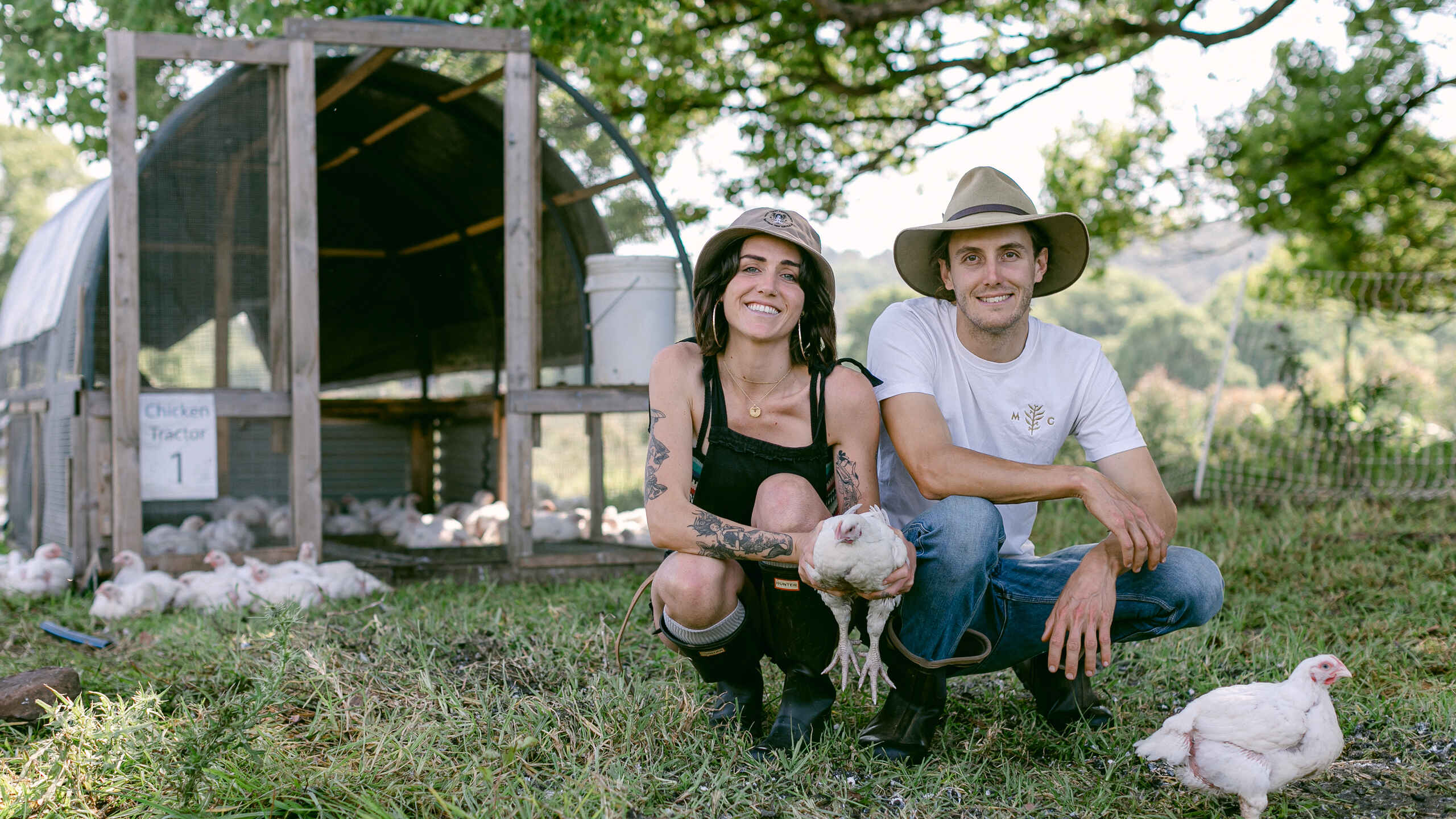
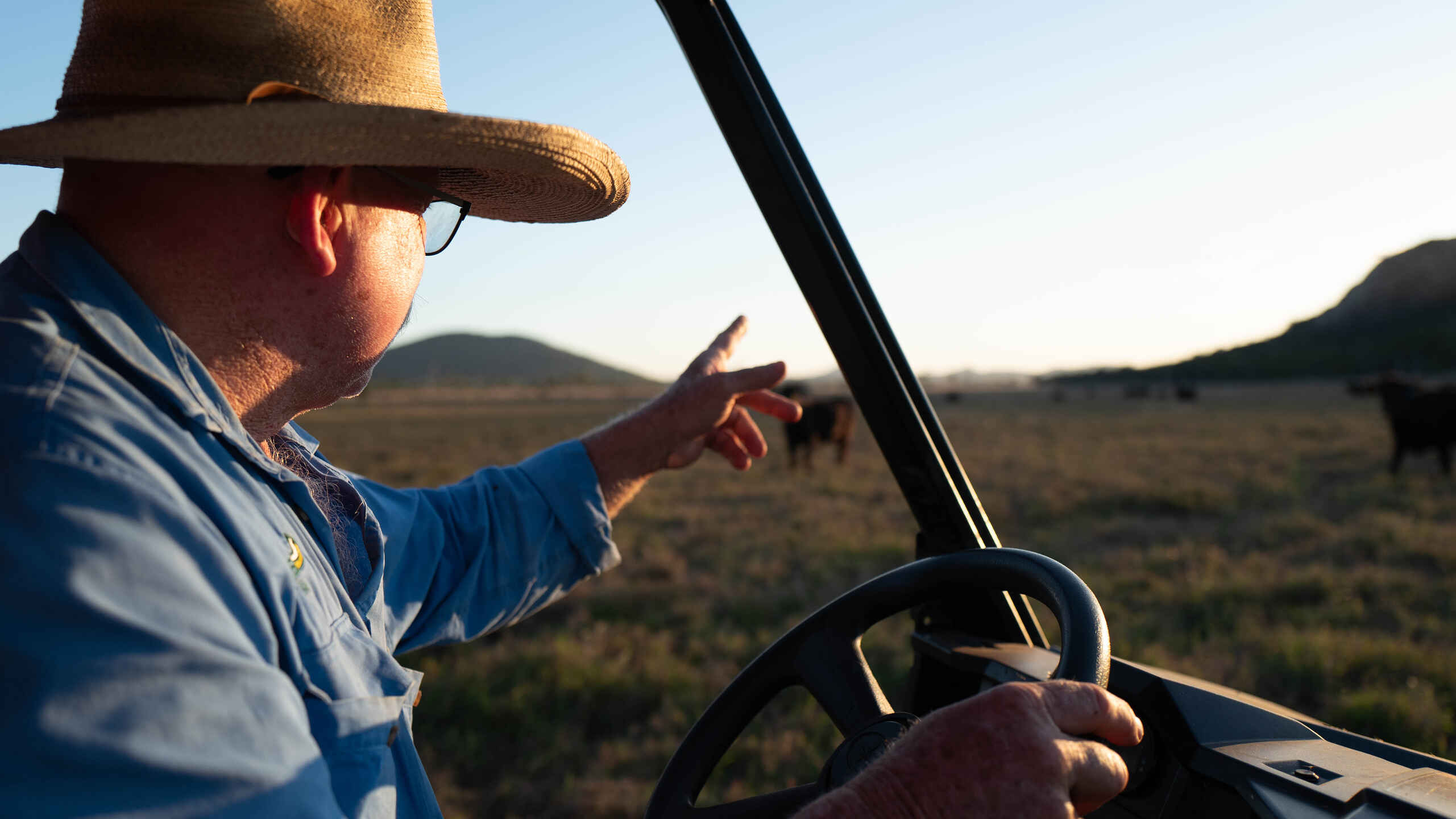
Through our work centering farmers’ voices to support the adoption of better agricultural practices, we’ve had the privilege of walking many landscapes alongside a diverse range of land stewards. Some are tending cattle in ways that work with nature. Some are building urban garden sanctuaries. Others are raising chickens within agroforestry systems. Across all of this, one thing has become clear: the condition of the land is closely tied to the conditions farmers are operating within, and to the condition of the farmer themselves. When those conditions support diversity, adaptation, and long-term planning, different decisions become possible. When they do not, even farmers who want to change can find themselves working within constraints that are difficult to break free from.
Caring about the future of our food systems, then, means caring about the people within them. By recognizing what farmers and land stewards are being asked to carry, we begin to understand what becomes possible when they are properly supported. Because the future of food will not only be shaped by what we grow, but by who is able to keep growing it.
Andria Q. Jones, Alexandra Sawatzky, Rochelle Thompson, and Briana N.M. Hagen. 2024. Poor mental health negatively impacts farmers personally, interpersonally, cognitively, and professionally. FACETS. 9: 1-16. https://doi.org/10.1139/facets-2023-0230
Castillo F, Mora AM, Kayser GL, Vanos J, Hyland C, Yang AR, Eskenazi B. Environmental Health Threats to Latino Migrant Farmworkers. Annu Rev Public Health. 2021 Apr 1;42:257-276. doi: 10.1146/annurev-publhealth-012420-105014. Epub 2021 Jan 4. PMID: 33395542; PMCID: PMC8168948.
FAO. 2021. The State of Food and Agriculture 2021. Making agrifood systems more resilient to shocks and stresses. Rome, FAO.
Hughes, N 2021, Analysis of climate change impacts and adaptation on Australian farms, ABARES Insights, Canberra. DOI: https://doi.org/10.25814/589v-7662. CC BY 4.0. ISSN: 2209-9123
Saju S, Reddy SK, Bijjal S, Annapally SR. Farmer's mental health and well-being: Qualitative findings on protective factors. J Neurosci Rural Pract. 2024 Apr-Jun;15(2):307-312. doi: 10.25259/JNRP_403_2023. Epub 2024 Mar 21. PMID: 38746520; PMCID: PMC11090580.
USDA Equity Commission (Ed.). (2023). INTERIM REPORT 2023 Recommendations made to the U.S. Department of Agriculture to advance equity for all. USDA Equity Commission. https://www.usda.gov/sites/default/files/documents/usda-ec-interim-report-2023.pdf
More Education Articles




Support our work
Stay Connected
You’ll receive our monthly Field Notes newsletter, project updates, and free resources, plus you’ll get first access to new stories.

Make a Donation
Your tax-deductible gift fuels the storytelling that shifts culture, the organizing that turns awareness into collective action, and the relationships that make long-term systems change possible.