Meet a Farmer Presents: Road to Regeneration
In partnership with the Soil & Climate Initiative, Jerry Volcanec shares his journey from industrial dairy farming to regeneration, restoring soil health and reconnecting with the land.
Farmer’s Footprint is a nonprofit initiative dedicated to restoring human and environmental health by advancing regenerative agriculture through education and storytelling.
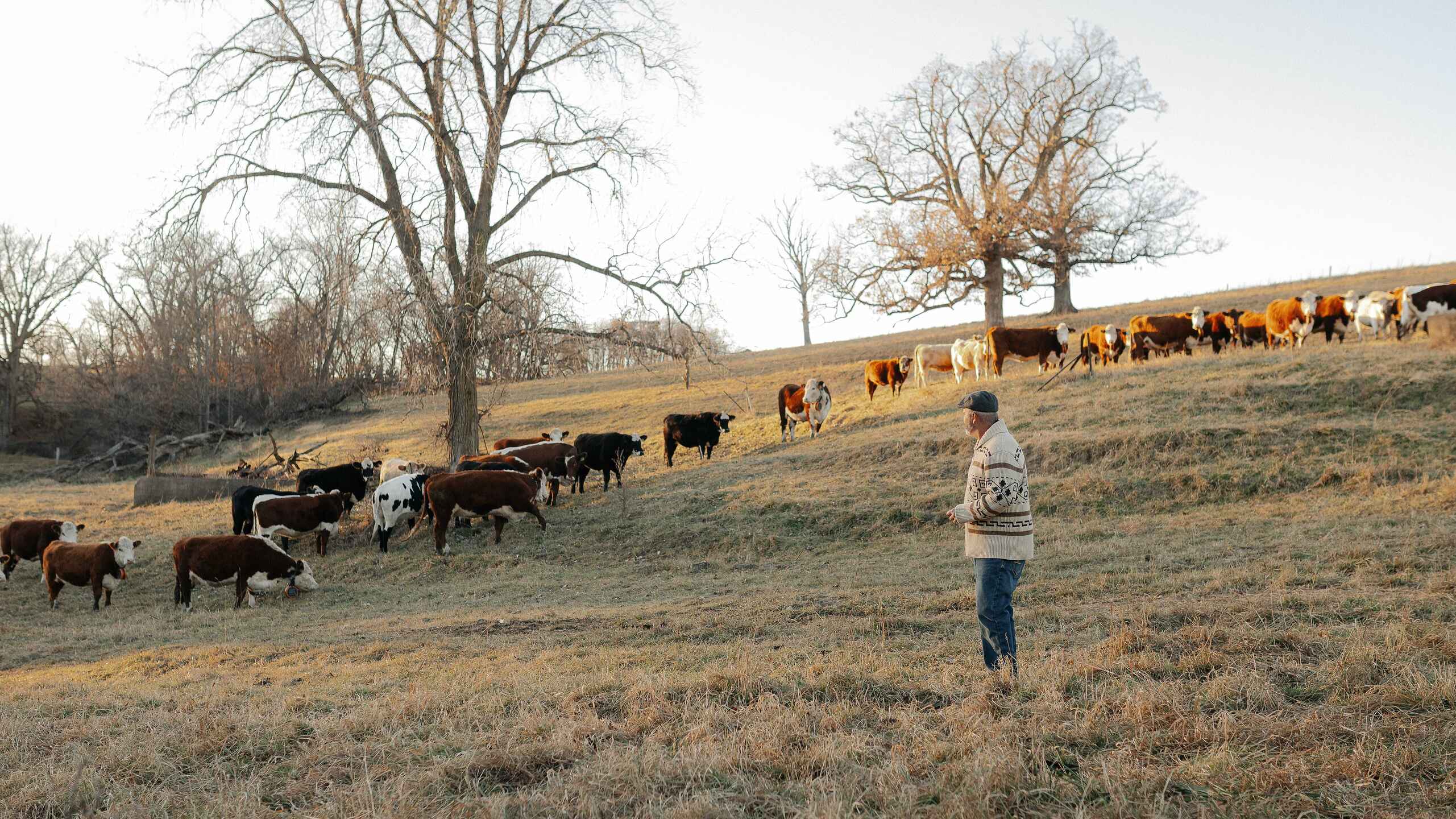
Unlearning the System, Returning to the Land
Sometimes there are moments in a person’s life when the work they have known begins to feel unfamiliar, not because the tasks themselves have changed, but because something deeper has shifted beneath the surface.
For Jerry Volcanec, that shift did not arrive all at once, nor did it come asa single moment of clarity. Instead, it unfolded slowly over time, revealing itself through exhaustion, quiet observation, and a growing awareness that the system he was operating within was asking for more than it was giving back.
“My name is Jerry Volcanec, and I’m a livestock farmer. It’s in my bones.”
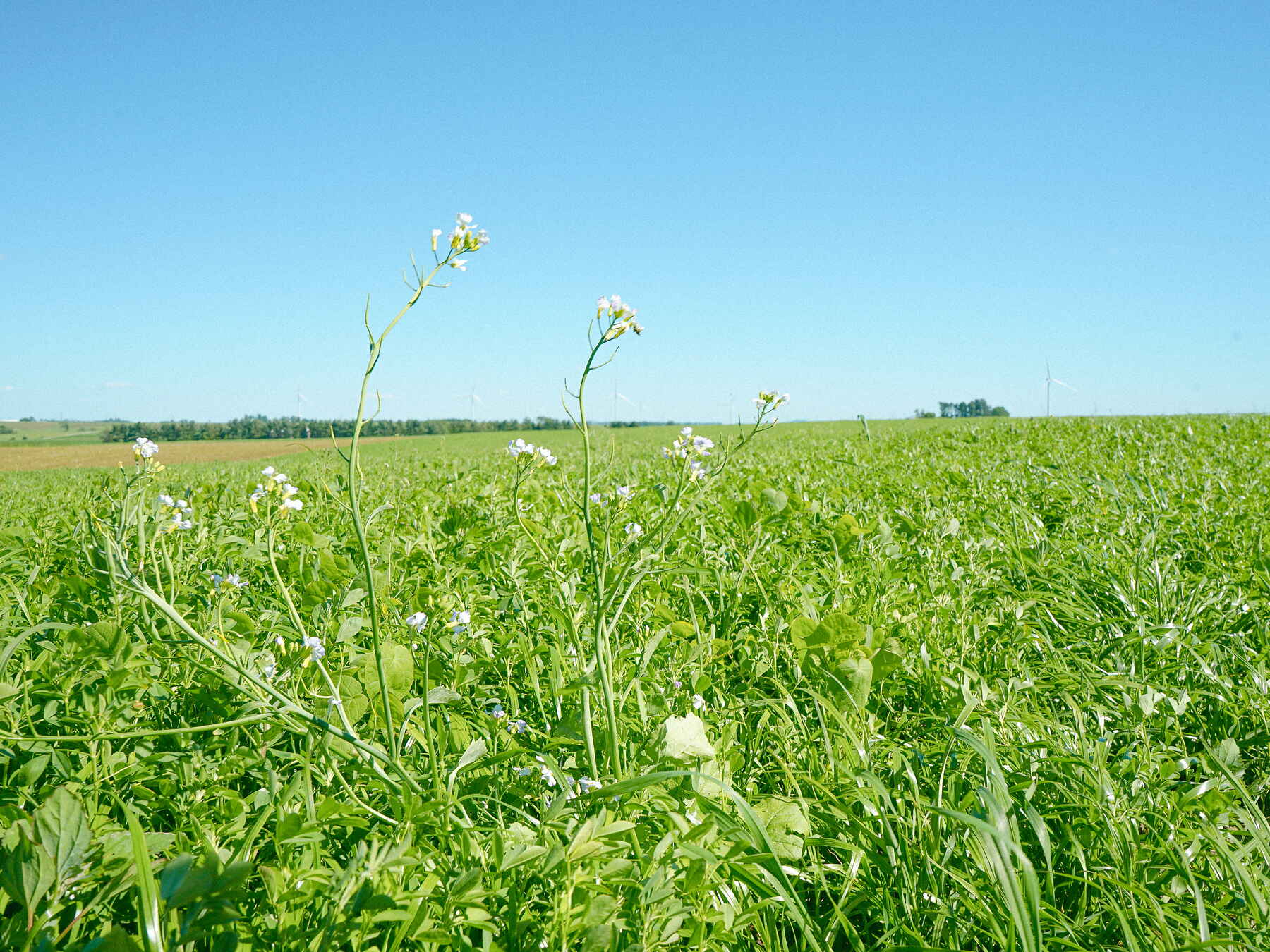
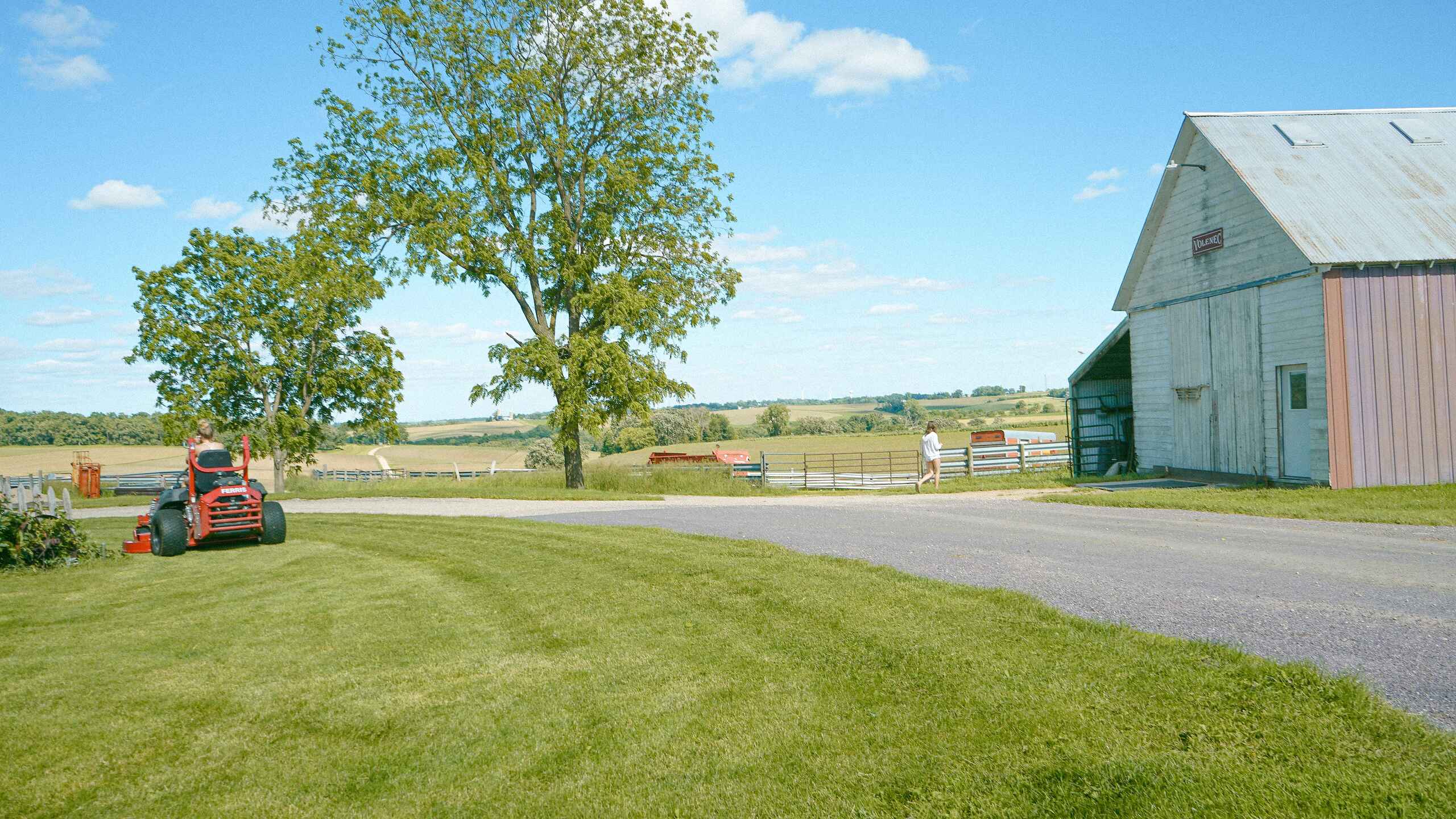
Jerry farms in the Driftless region of southwest Wisconsin, a landscape untouched by glaciers and defined by rolling hills, undulating valleys, rocky bluffs, and natural springs that feed into cool, clear streams that are home to trout. Here, agriculture and ecology exist side by side, and the boundaries between the two are often difficult to distinguish.
His land sits at a watershed divide, which means that what happens here moves far beyond the farm carried by water into the wider systems downstream.
I don’t deal with problems created upstream, but what I do here affects everyone else.
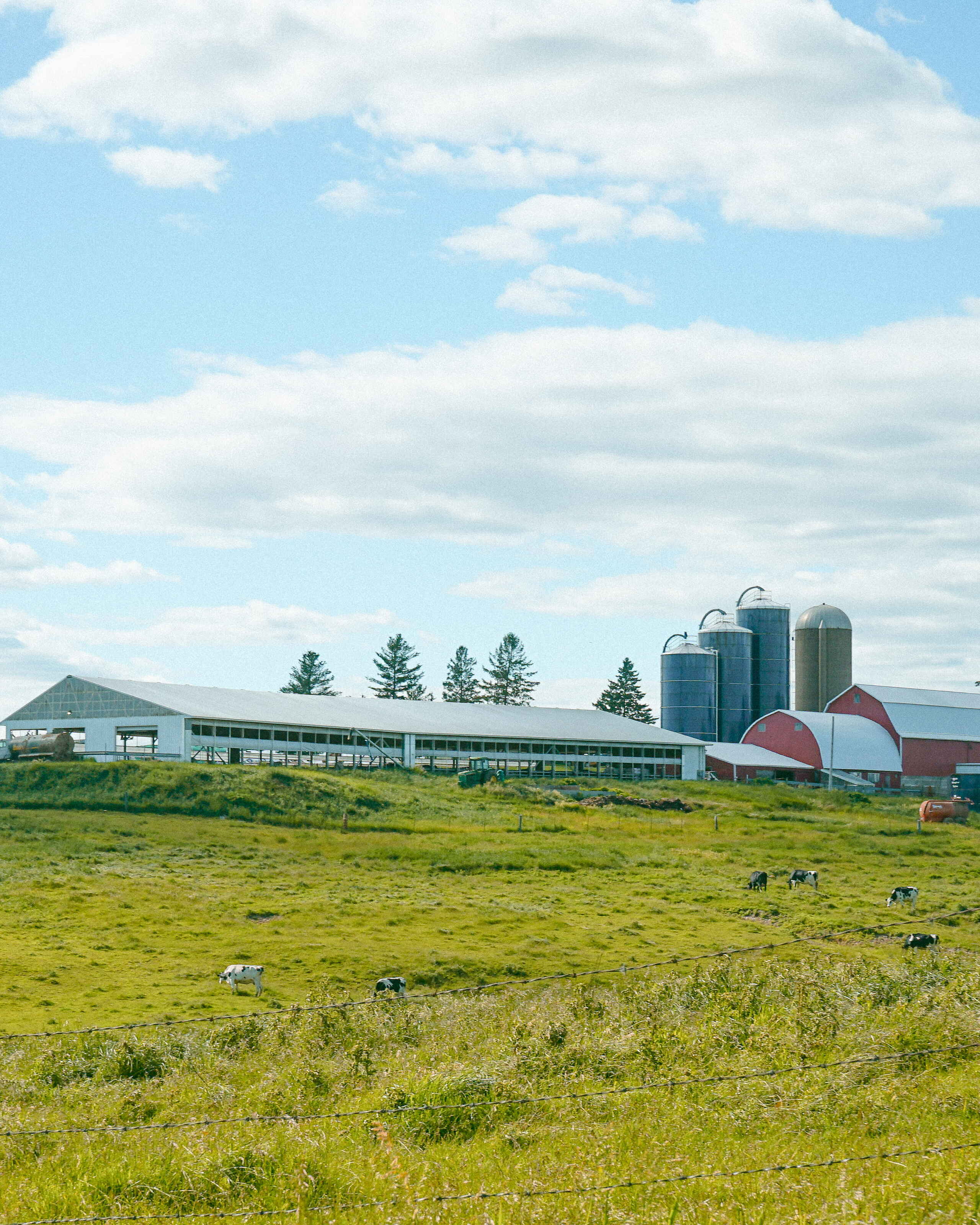
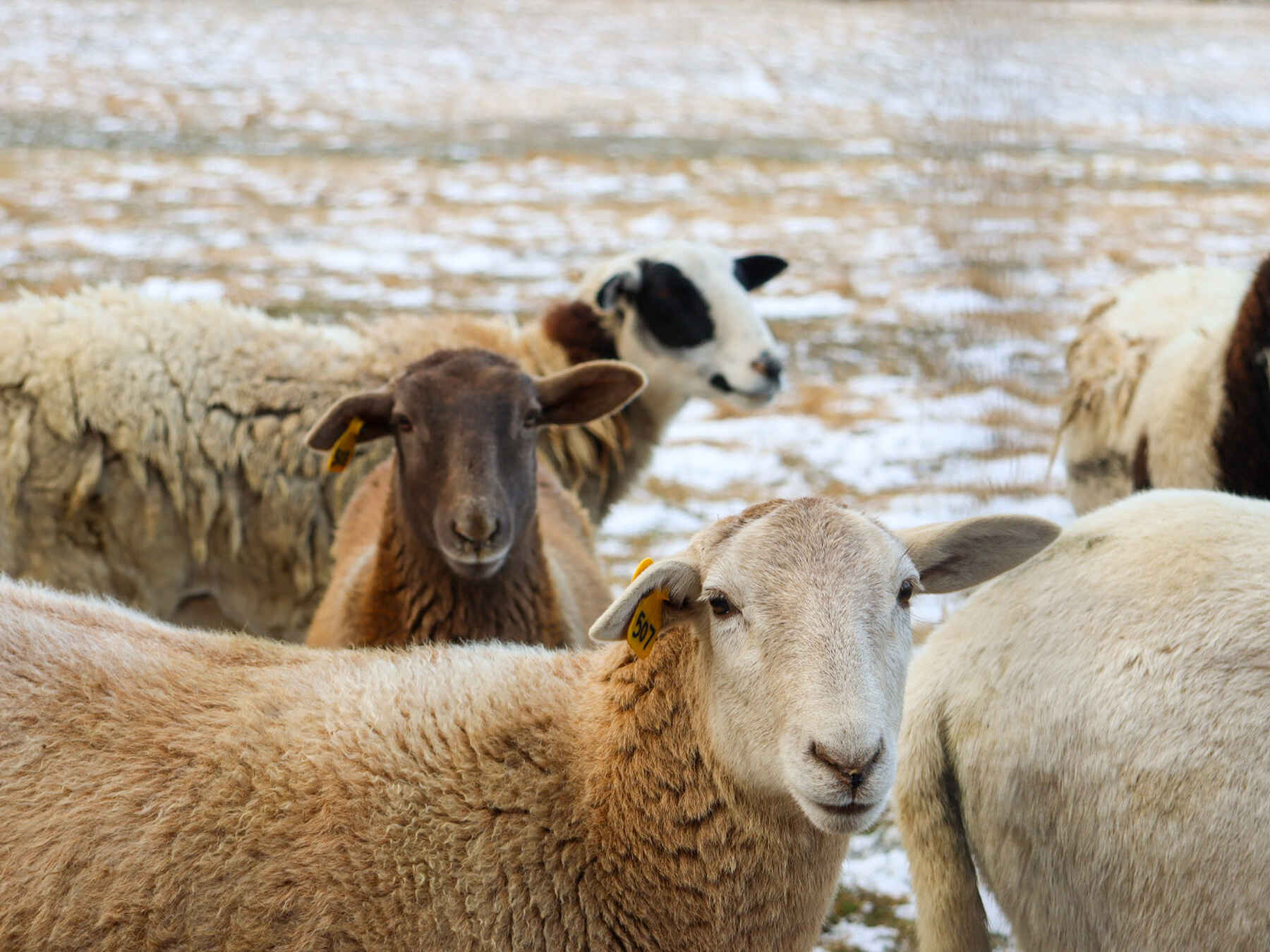
That sense of responsibility had always been present, even if not fully understood. What began to shift over time was not how he farmed, but how he related to the land itself.
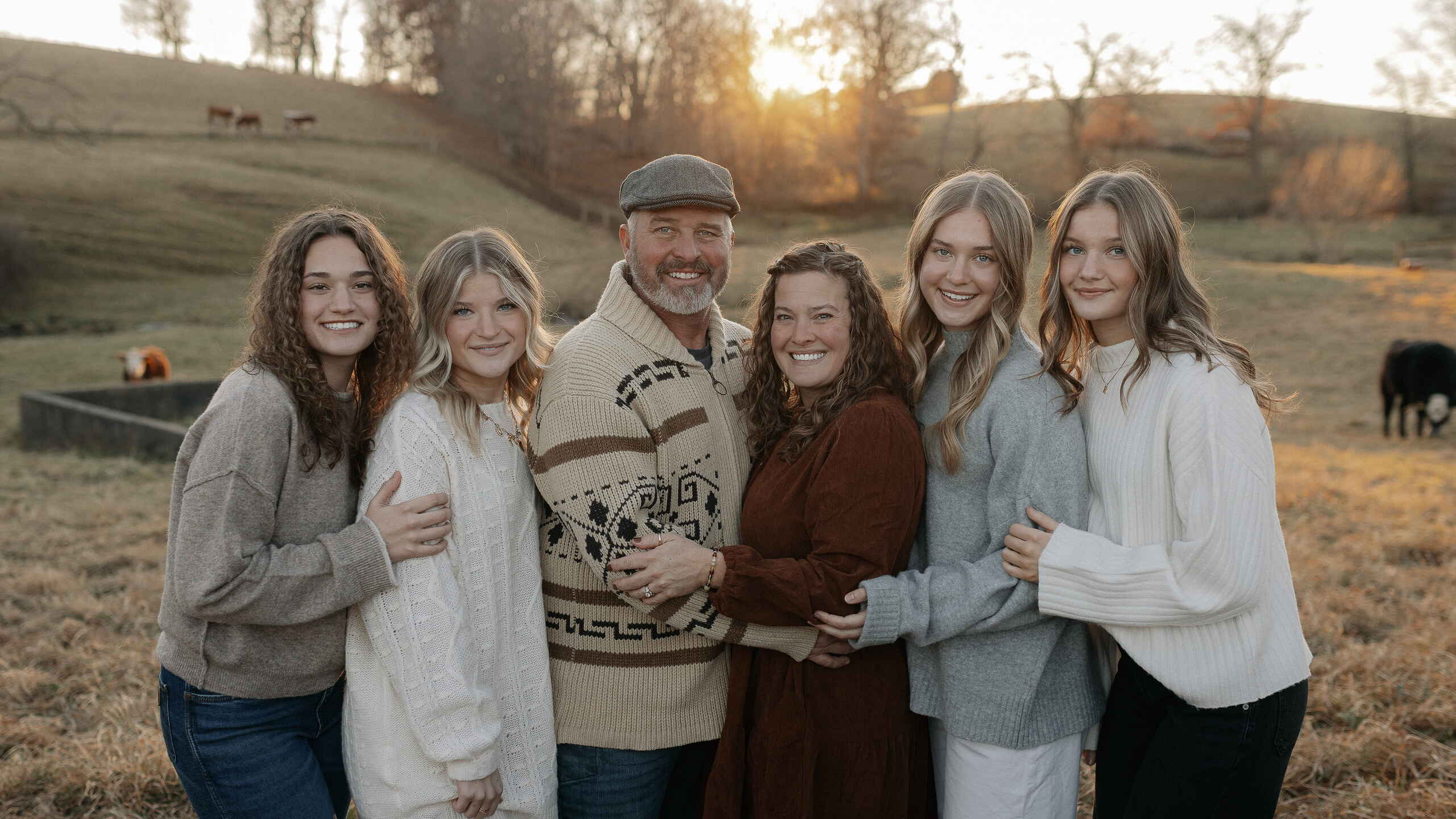
Jerry’s family has stewarded this land since 1897, when his ancestors immigrated from the Czech Republic, settling in a region not unlike the type of landscape they had left behind. Like many farms of that time, their approach was rooted in self-sufficiency - grow food to feed the family and sell what remained.
A System Built for Output
But as with many farms across the U.S. in the mid-twentieth century, Jerry’s family eventually adopted the techniques of industrial agriculture. More intensive animal management practices followed, and the farm began trading self-sufficiency for scale.
This way of farming was shaped gradually, as systems shifted toward specialization and scale. Over time, his father moved into dairy production and away from diversified systems, following broader agricultural trends that replaced pasture with row crops and eventually led to livestock confinement.
By the time Jerry took over, that transition had reached its full expression.
For much of his life, Jerry operated an efficient and productive dairy system built around consistency, output, and the steady movement of product through a highly mechanized operation, and for a time, the system worked exactly as it was designed to.
In this system, the land existed in service to the operation, with crops grown specifically for the dairy, manure cycled back as waste, and every decision shaped by what the system required in order to keep producing at scale.
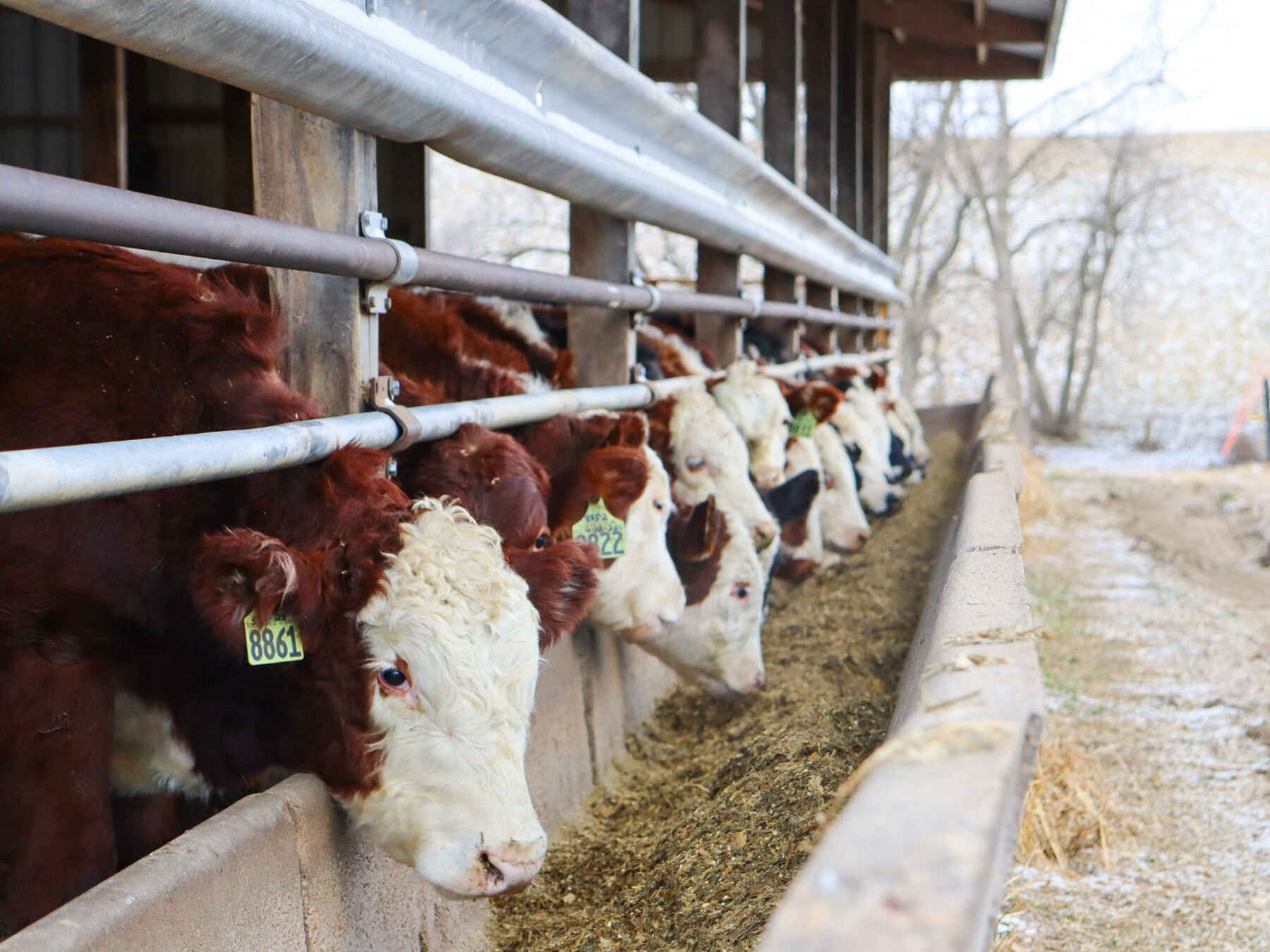
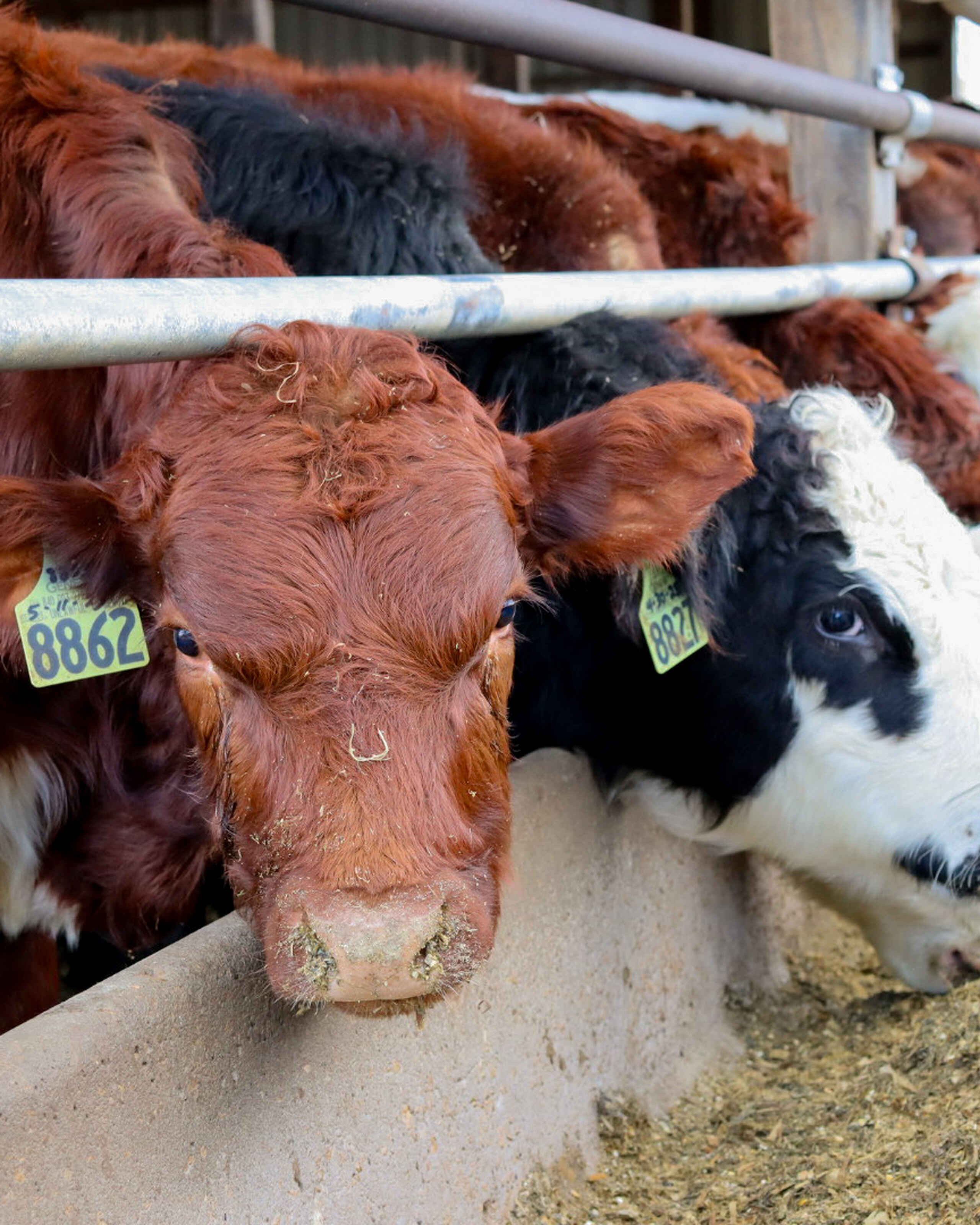
“The cows had roofs over their heads and concrete under their feet, they were connected to the land with diesel fuel, iron, and rubber.”
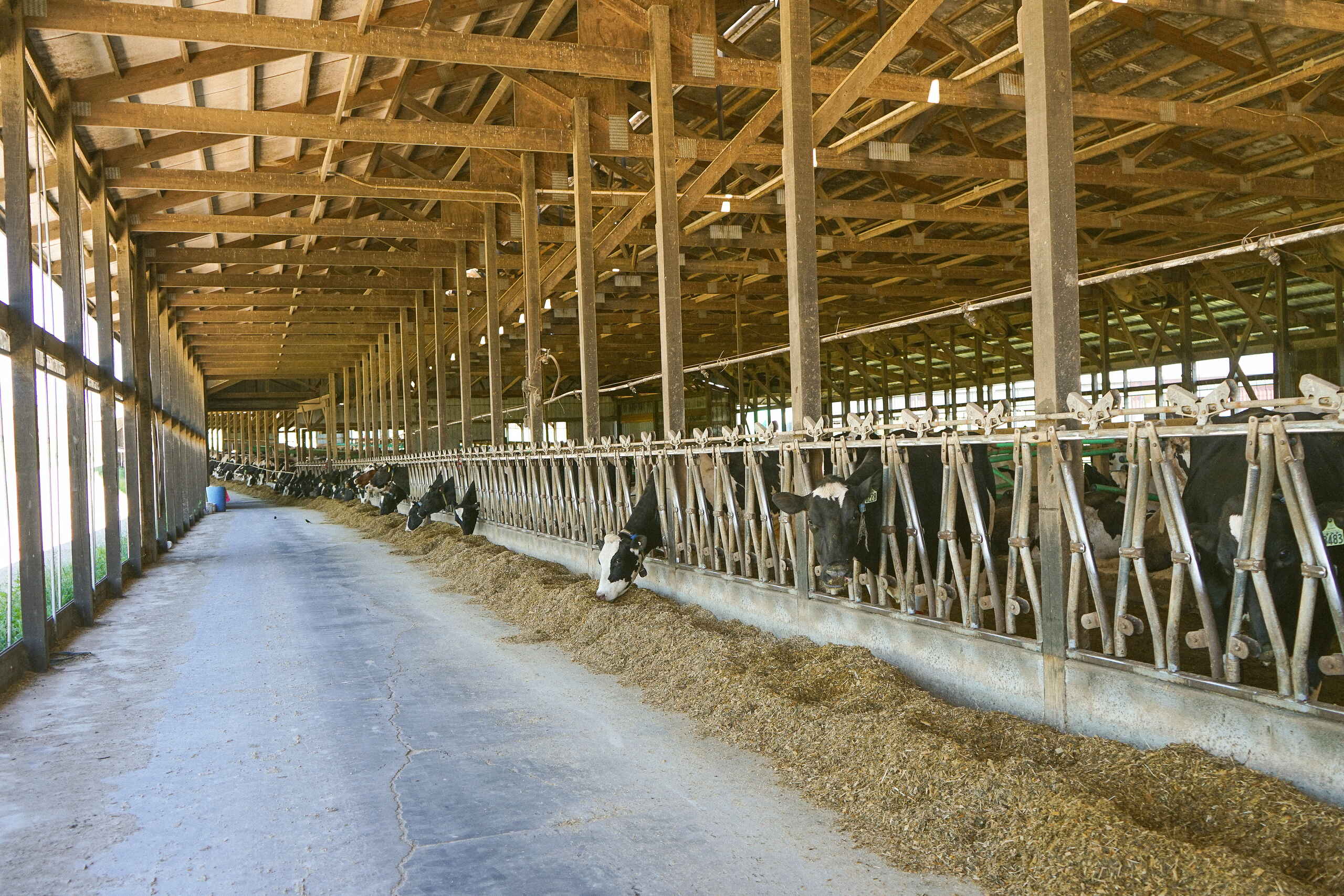
“For all practical purposes, I was running a factory farm,” he says, reflecting on the years spent milking three times a day, managing employees, and producing as much commodity milk as the system could sustain.
Over time, the system took on a life of its own. What began as a practical path forward became something Jerry barely had time to question, or recognise as his own. The farm was productive, but it left little room to ask whether it was still serving him, the animals, or the land.
The Breaking Point
A shift began as Jerry developed a growing awareness that something no longer felt sustainable.
“I realized I was killing myself.”
What began as fatigue gradually revealed itself as something deeper. The strain of the system was not only showing up in his own body, but across the entire operation, in the herd, in the land, and in the overall balance of the farm. Erosion increased, manure accumulated, and the system required constant precision, leaving no room for error, rest, or deviation. It was efficient in one sense, but deeply fragile in another.
As he felt the weight of that pressure building, Jerry began to notice that the land seemed to be carrying it as well, reflecting back the same stress he was experiencing.
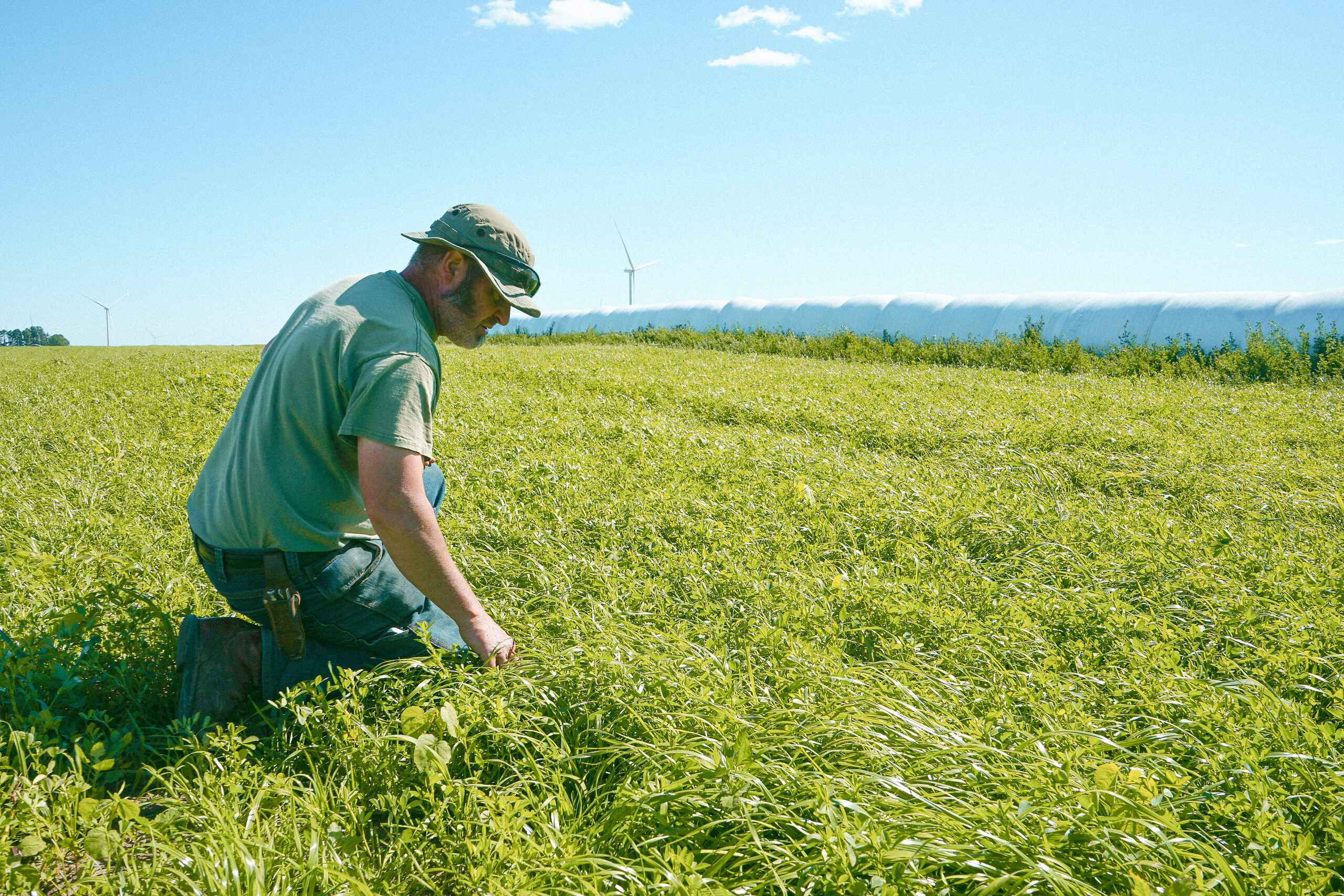
“I saw my reflection in the land... if this is how I feel, that’s how my land feels too.”
There was no single moment when everything changed. Jerry describes it more as a slow burn, a gradual wearing down over time. “A sense of dis-ease, dissatisfaction, and depression,” he says. “Like rust on iron.”
When milk prices collapsed in 2017, that feeling was forced into action, demanding he confront the system more directly and begin searching for alternate pathways. “I was looking for something different,” he says. “I was looking for better.”
Somewhere along that path, what he had been feeling became impossible to ignore. "I had become the machine I thought I was running,” he says. “The truth is, the factory was running me.”
Unlearning What He Knew
Letting go of that system required more than a shift in practices. It meant letting go of a deeply held identity and belief system that had been built over decades.
“I had to strip myself down. I was a very proud person. I believed in what I was doing.”
For years, Jerry had defended conventional agriculture, believing it to be the only viable way to feed people at scale.
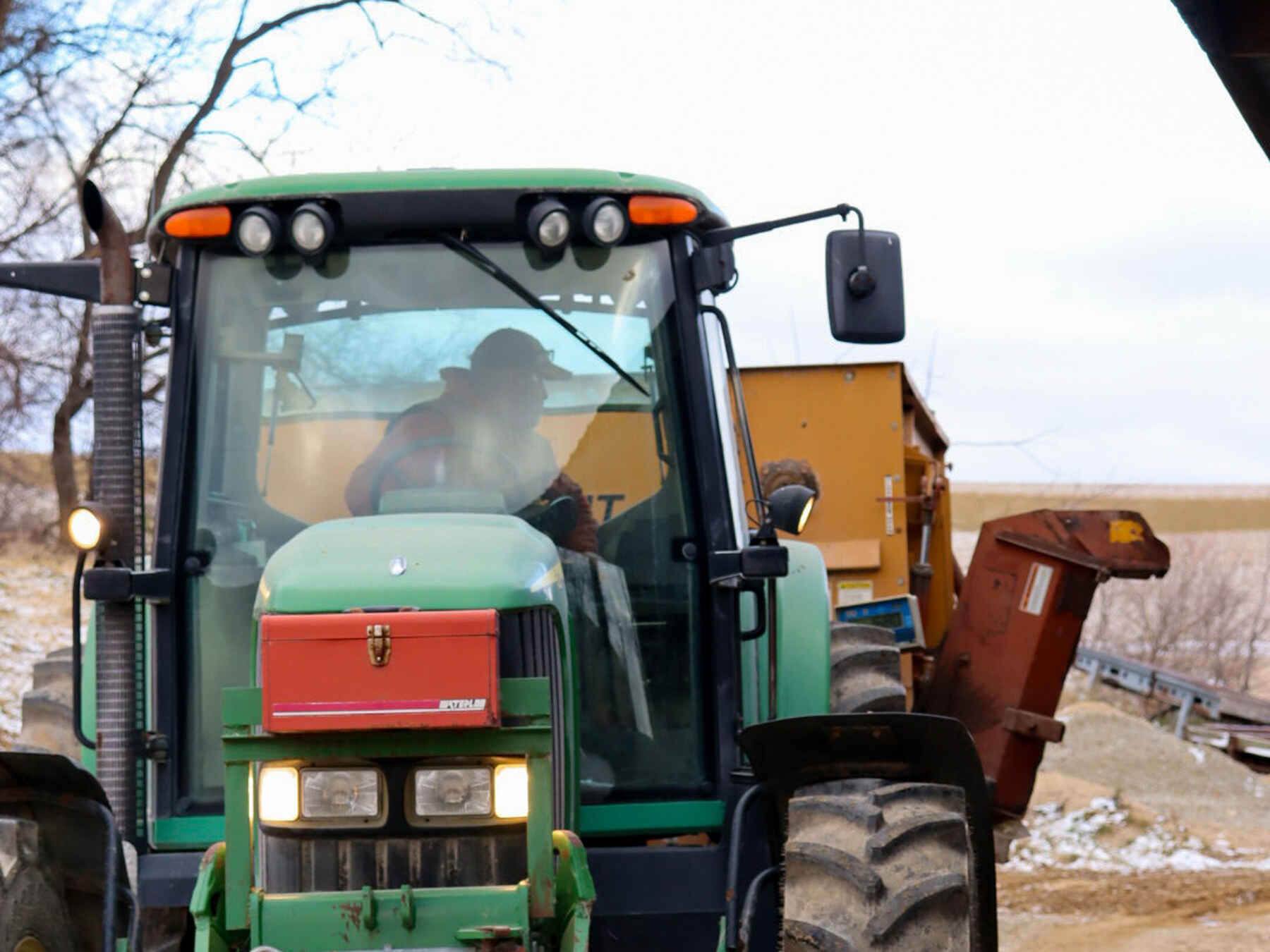
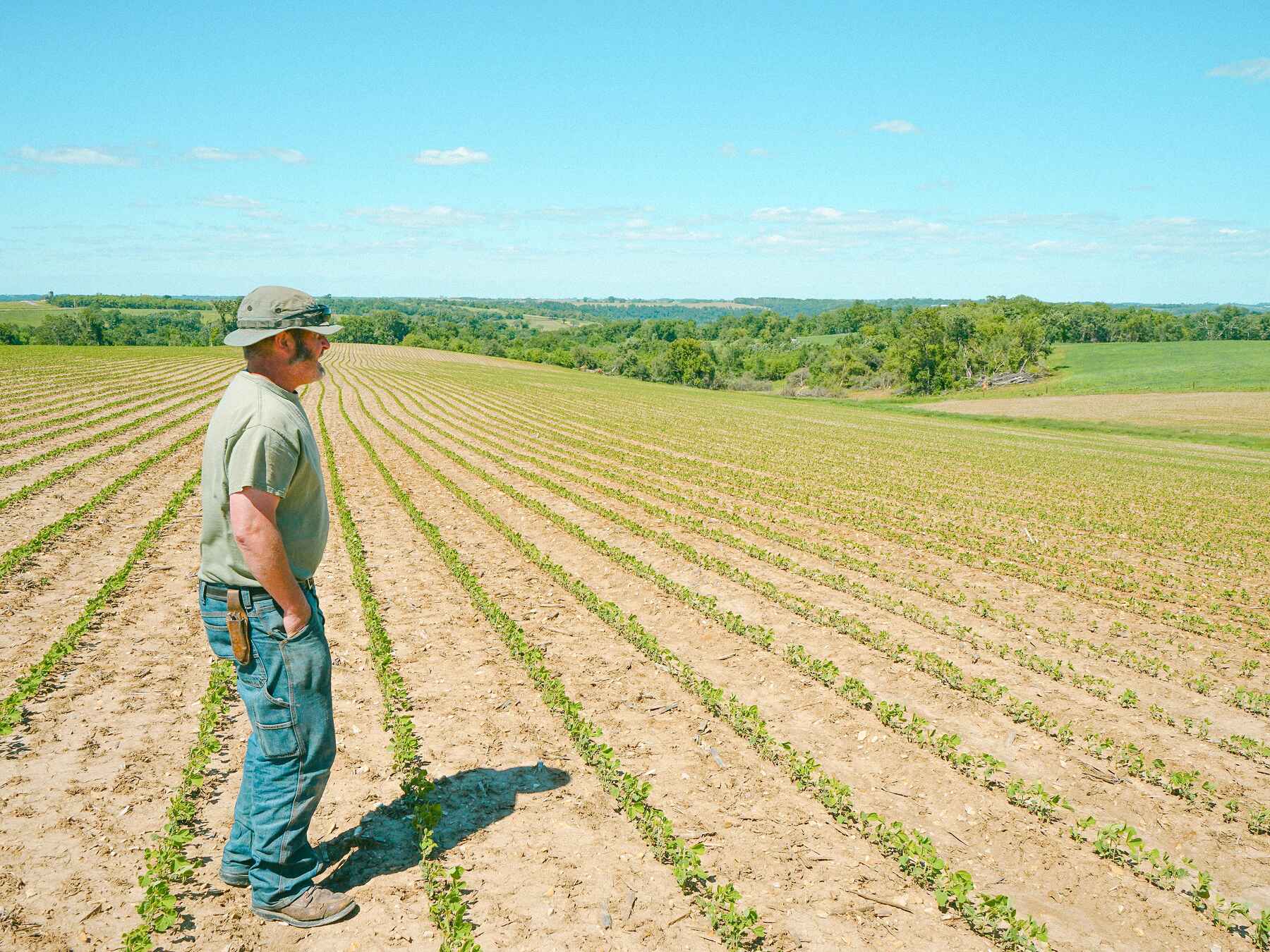
Walking away from that belief required him to confront not only the system itself, but his role within it. “There came a point where I had to see myself through someone else’s lens,” he says. “And I didn’t like what I saw.”
The hardest part of the transition was not financial - the system was functioning as it was designed to and the dairy was profitable. What challenged Jerry most was the sense of identity loss that came from stepping away, something deeply personal and emotional. “I felt angry, betrayed, and ashamed,” he says. “Like the commodities I was producing, cheap, uniform, and replaceable.”
“It didn’t matter how much money I was making. I wasn’t enjoying life.”
A Different Way Forward
The transition to regenerative agriculture did not begin with a clear roadmap or any certainty, but instead with small steps that gradually began to shift his relationship with the land. He moved toward no-till practices, introduced cover crops, and began experimenting with diversity, even as he acknowledged that he was learning by trial and error, figuring things out as he went.
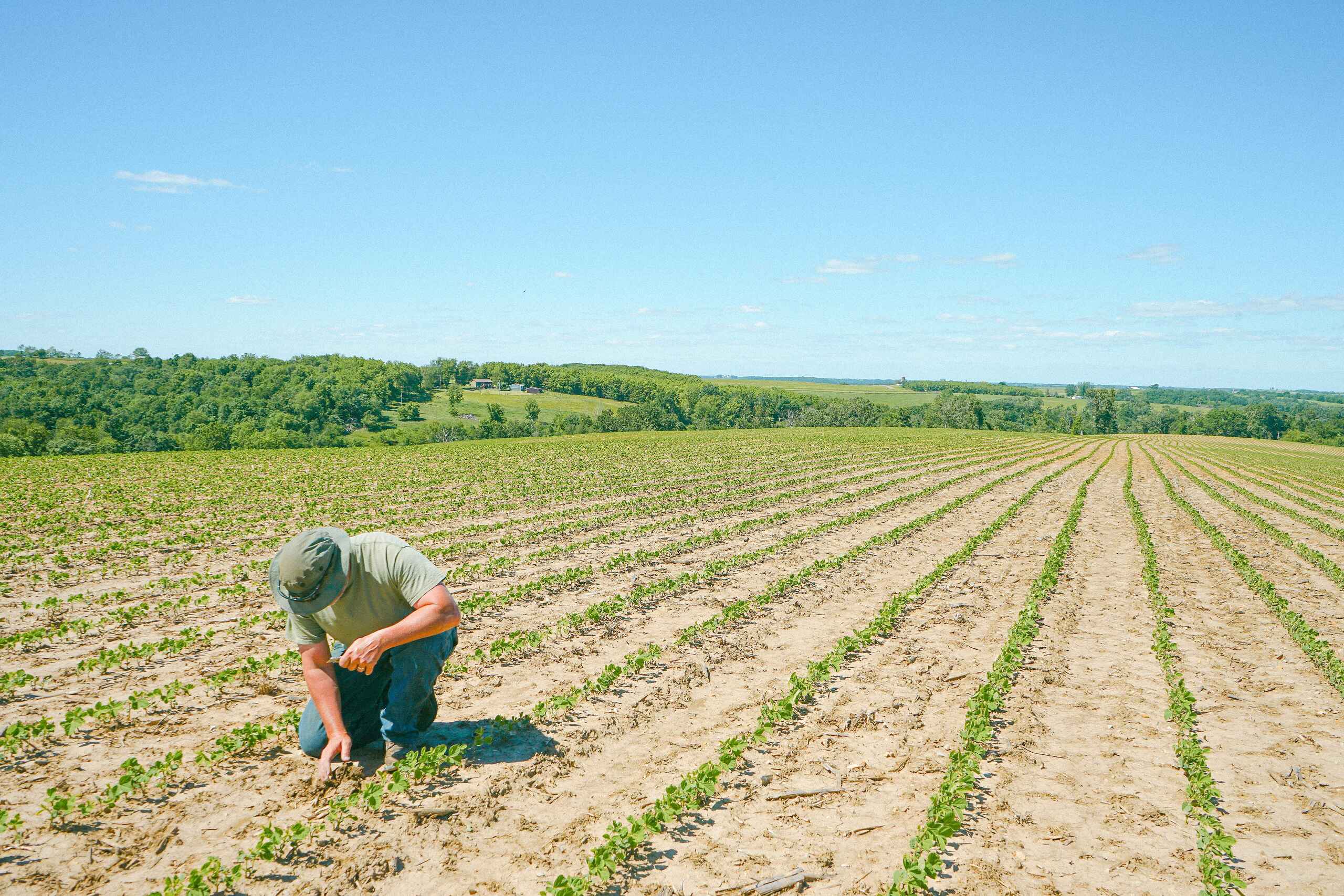
“I haven’t changed everything, but I’ve started.”
Along the way, support began to take shape around him. Through his involvement with the Soil & Climate Initiative (SCI), Jerry became part of a wider network of farmers, working to transition toward regenerative systems. These peers offered guidance, agronomic support, and tools to help him understand the impact of his practices as they evolve over time.
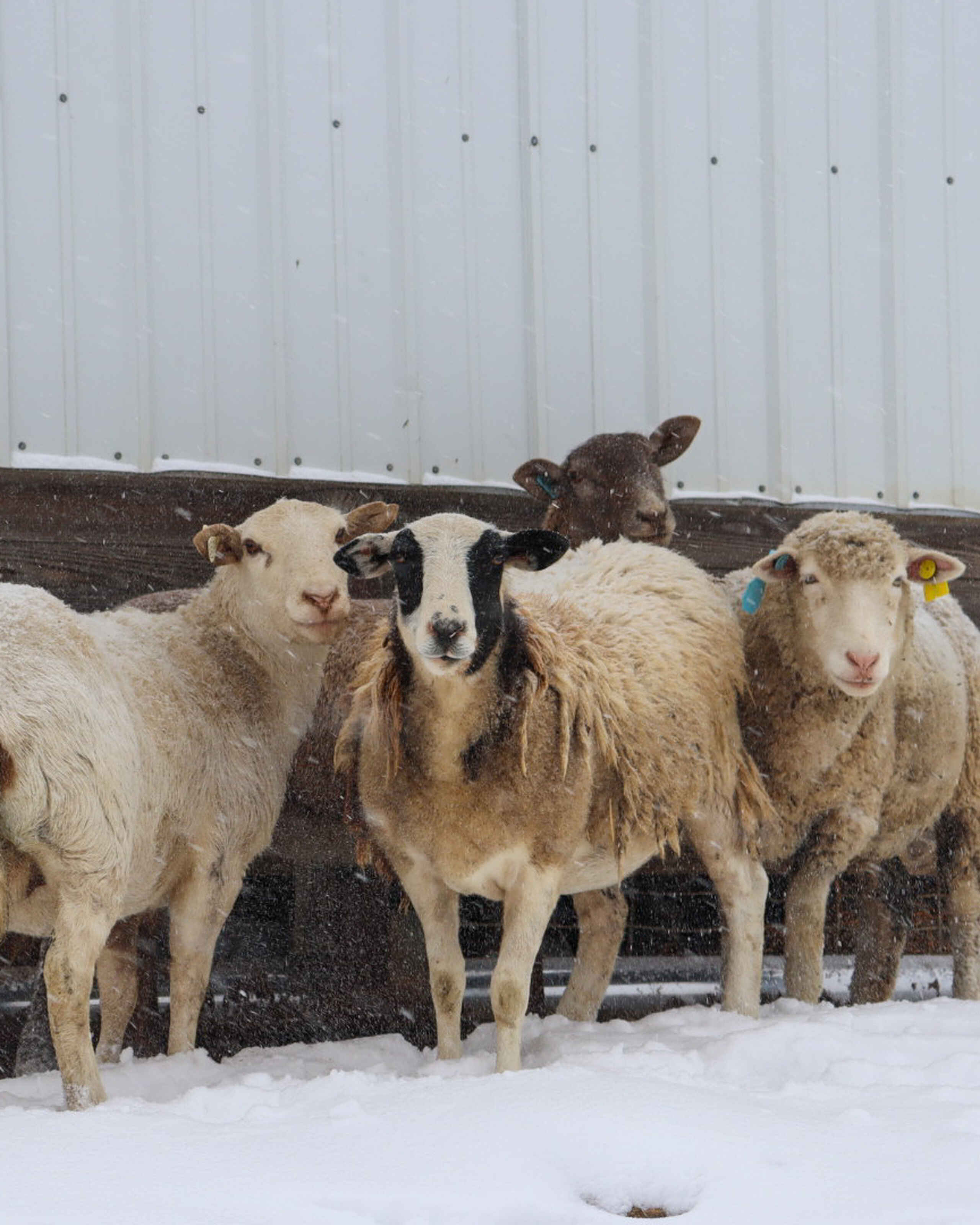
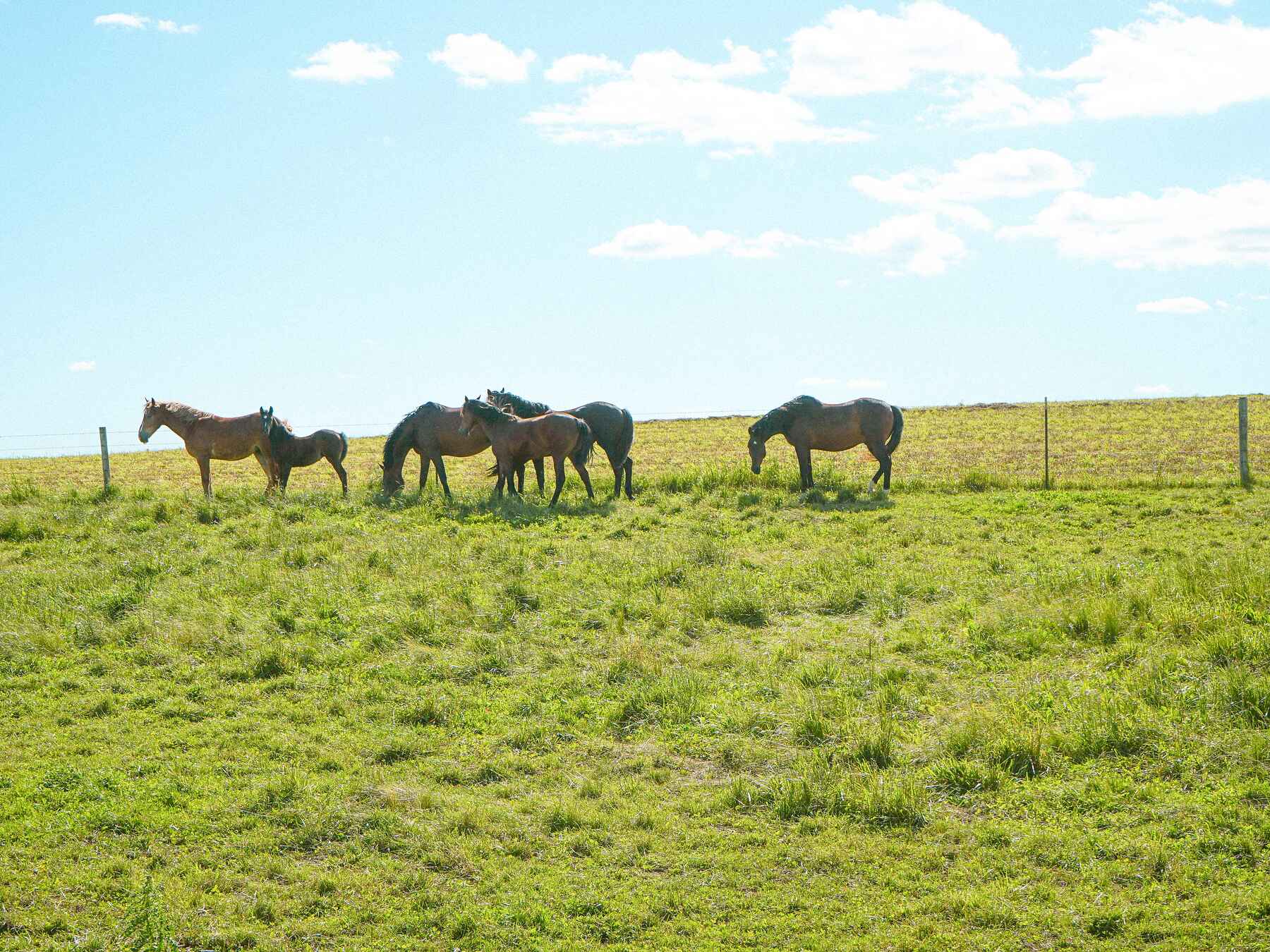
Today, that transition continues to unfold. Livestock remain a central part of the system, now integrated into the broader function of the land rather than operating as a separate enterprise.
“I’m trying to get away from thinking of things as crop ground and pasture ground,” he says. “Trying to see the land as one system.”
Even in the early stages of this shift, he began to notice subtle but meaningful changes that signaled something positivet was taking place. Driving past his fields in winter, he watched how the snow moved across the land, and began to see a difference between his fields and those around him. “The snow was white on my fields,” he says. “That mattered.”
It was a small detail, but one that carried weight, marking a shift from extraction to abundance.
Redefining Regeneration
For Jerry, regeneration is not defined by fixed practices or a rigid rules, but by a fundamental shift in relationship, both with the land and with the systems that shape agriculture. “In modern agriculture, the goal is to eliminate variables,” he says. “If you can’t control it, you get rid of it.”
Regenerative agriculture asks something different. It requires a willingness to work with variability rather than eliminate it, and to accept uncertainty as part of the system rather than a problem to be removed. “It’s about embracing the variables,” he says. “Working with them instead of against them.”
This distinction moves farming away from control and toward collaboration, placing the farmer within the system rather than above it.
“I see it as working in harmony...being part of the system, not trying to override it.”
Looking Ahead
Through the challenges of transition, one thing makes all the difference: “Make some friends,” he says.
Though it may sound simple, it has been a necessary part of the journey. Through conversations, shared experiences, and networks like the Soil & Climate Initiative (SCI), Jerry found people who were willing to offer guidance, share their mistakes, and walk alongside him without judgment.
“There’s no exact roadmap. You have to be willing to be vulnerable.”
In Partnership with Soil & Climate Initiative
About Soil and Climate Initiative (SCI)
Soil & Climate Initiative (SCI) is a nonprofit regenerative agriculture transition program built in collaboration with farmers, brands, NGOs, and soil scientists. Its work focuses on supporting farmers as they shift toward regenerative systems, while helping align the broader supply chain around that transition.
SCI provides a range of support, including farm planning, agronomic guidance, soil testing, and tools to help measure and verify the impact of regenerative practices over time.
To date, SCI has supported more than 175 farms across over 350,000 acres in 27 states, helping drive improvements in soil health, water quality, biodiversity, and overall farm resilience. By working directly with farmers and integrating credible data and verification, SCI helps ensure that regenerative efforts are not only practiced, but understood, supported, and sustained.
Alongside its sister programs, the Soil & Climate Alliance and the Nutrient Density Initiative, SCI is helping build an ecosystem that scales regenerative systems from the ground up.
Learn more: www.soilclimateinitiative.org
More Stories
Support our work
Stay Connected
You’ll receive our monthly Field Notes newsletter, project updates, and free resources, plus you’ll get first access to new stories.

Make a Donation
Your tax-deductible gift fuels the storytelling that shifts culture, the organizing that turns awareness into collective action, and the relationships that make long-term systems change possible.