Origin Stories: Senegal
Senegal's indigenous peoples, staple crops, ancient agriculture, and the trade networks that shaped West Africa.
Briar Rose is an indigenous storyteller and the Director of Storytelling at Farmer’s Footprint, where she leads narrative across film, editorial, and creative production.
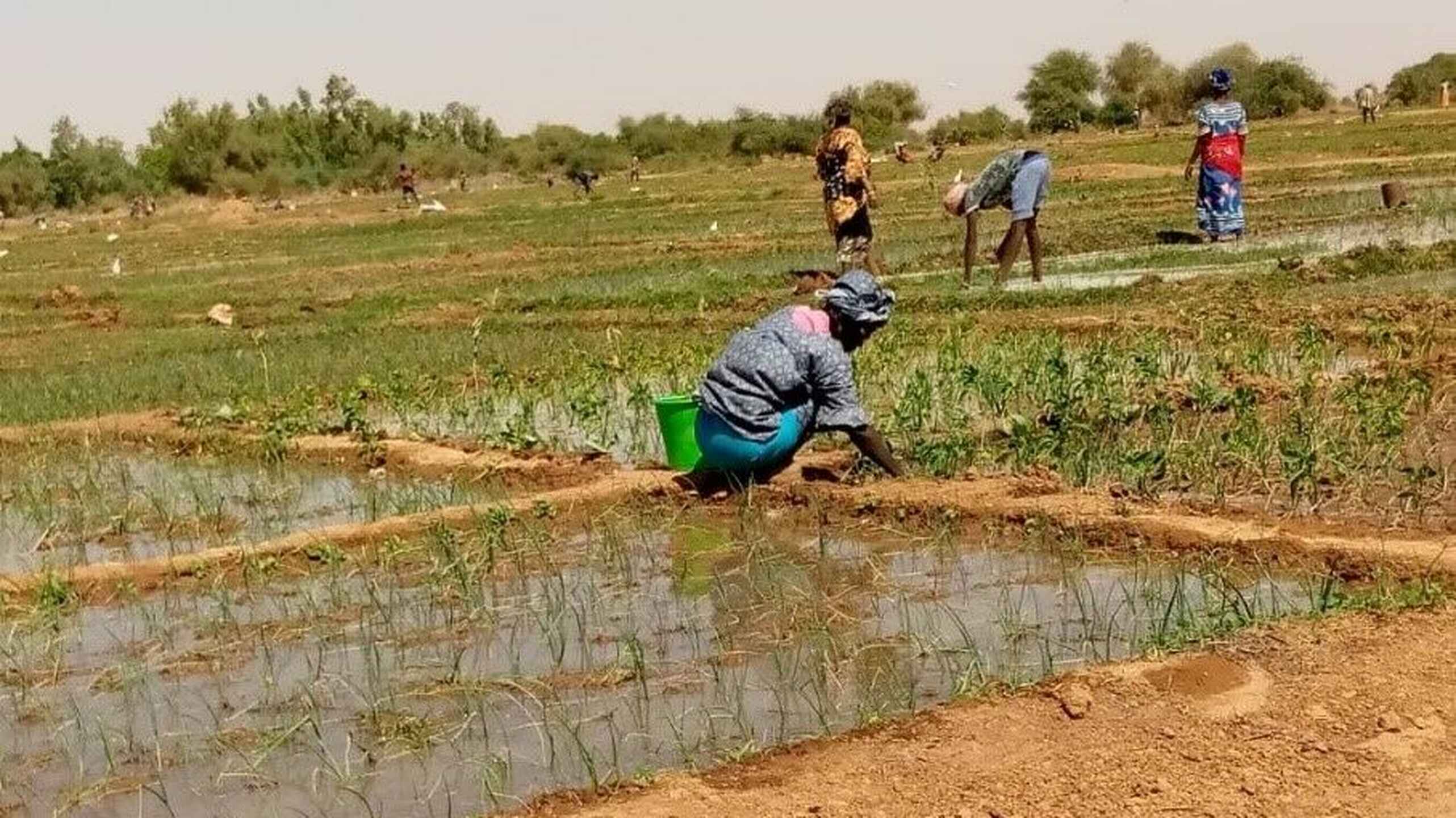
Indigenous name: “Senegal” is not an indigenous name but has roots in the cultures of the region. The name “Senegal” is believed to derive from the Senegal River, which forms the northern border of the country. The original names used by indigenous peoples for their territories varied depending on the specific group.
Indigenous peoples: Wolof, Serer, Fulal, Jola, Sonimke and Mandika Peoples
What is the indigenous name of that country?
The original names used by indigenous peoples for their territories varied by ethnic group and historical period. "Senegal” is not an indigenous name but has roots in the cultures of the region.
Who were the original peoples of the land?
The original indigenous peoples of Senegal include several tribes that have inhabited the region for centuries. The most prominent among them are the Wolof, Serer, Fulal, Jola, Soninke, and Mandinka peoples.
The area now known as Senegal was home to various kingdoms and empires, each with their own names. For example, The Jolof Empire, founded in the 13th-14th centuries, covered much of present-day Senegal (1). The Kingdom of Tekrur (or Takrur) existed in the area from around the 9th century (2).
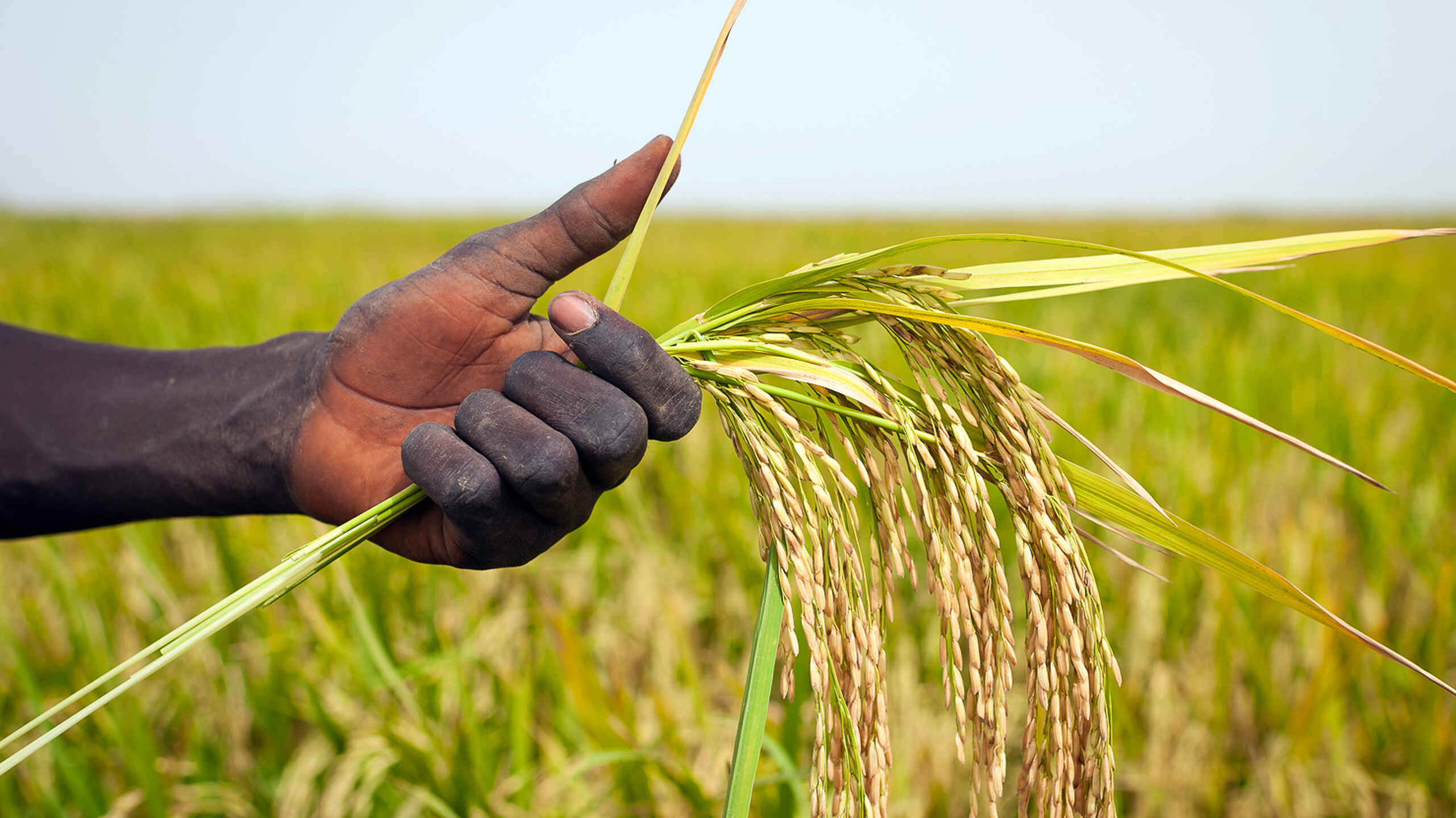
How far back can we see the agriculture of this land?
Neolithic Era: Agriculture began in Senegal during the Neolithic period, around 3000 BCE, marking the domestication of plants and animals (3).
Iron Age: Around 1000 BCE, agricultural techniques became more advanced, with communities practicing mixed farming and engaging in trade. The introduction of iron tools significantly improved farming efficiency (4).
Medieval Period: From the 8th century onward, agriculture was further developed alongside the rise of significant empires in West Africa, such as the Ghana and Mali Empires (5).
Islamic Influence: The arrival of Islam in the region around the 11th century brought new agricultural practices and crop varieties (3)(6).
What tools did they use?
Hand Hoes: Used for tilling, weeding, and planting (14).
Animal-Drawn Plows and Cultivators: Used in agriculture and pulled by oxen or donkeys.Sickles: Used for harvesting crops
Carts: Pulled by animals and used for transporting goods and produce from fields to markets or storage areas (13).
Mortars and Pestles: Used for processing grains and seeds
What animals did they manage?
Cattle, goats, sheep, poultry, pigs, donkeys, and horses (9)(10)(11).
What resources did they have available?
Arable Land: Approximately 75% of the population engaged in agricultural activities (14).
Water Resources: The Senegal River, along with the Gambia and Casamance Rivers, provided essential water sources for irrigation and fishing.
Forests: Offer timber and fuelwood, with baobab trees being particularly important for their fruit and wood (15).
Crops: Staple crops cultivated by indigenous peoples include millet, sorghum, rice, groundnuts (peanuts), maize (corn), cassava, and beans.
Fisheries: Rich coastal waters abundant in fish species such as tuna, sardines, and shrimp make fishing a major economic activity and a vital protein source for the population (14).
Livestock: Indigenous peoples managed various livestock, including cattle, goats, sheep, and poultry,providing meat, milk, labor for farming, and other essential resources.
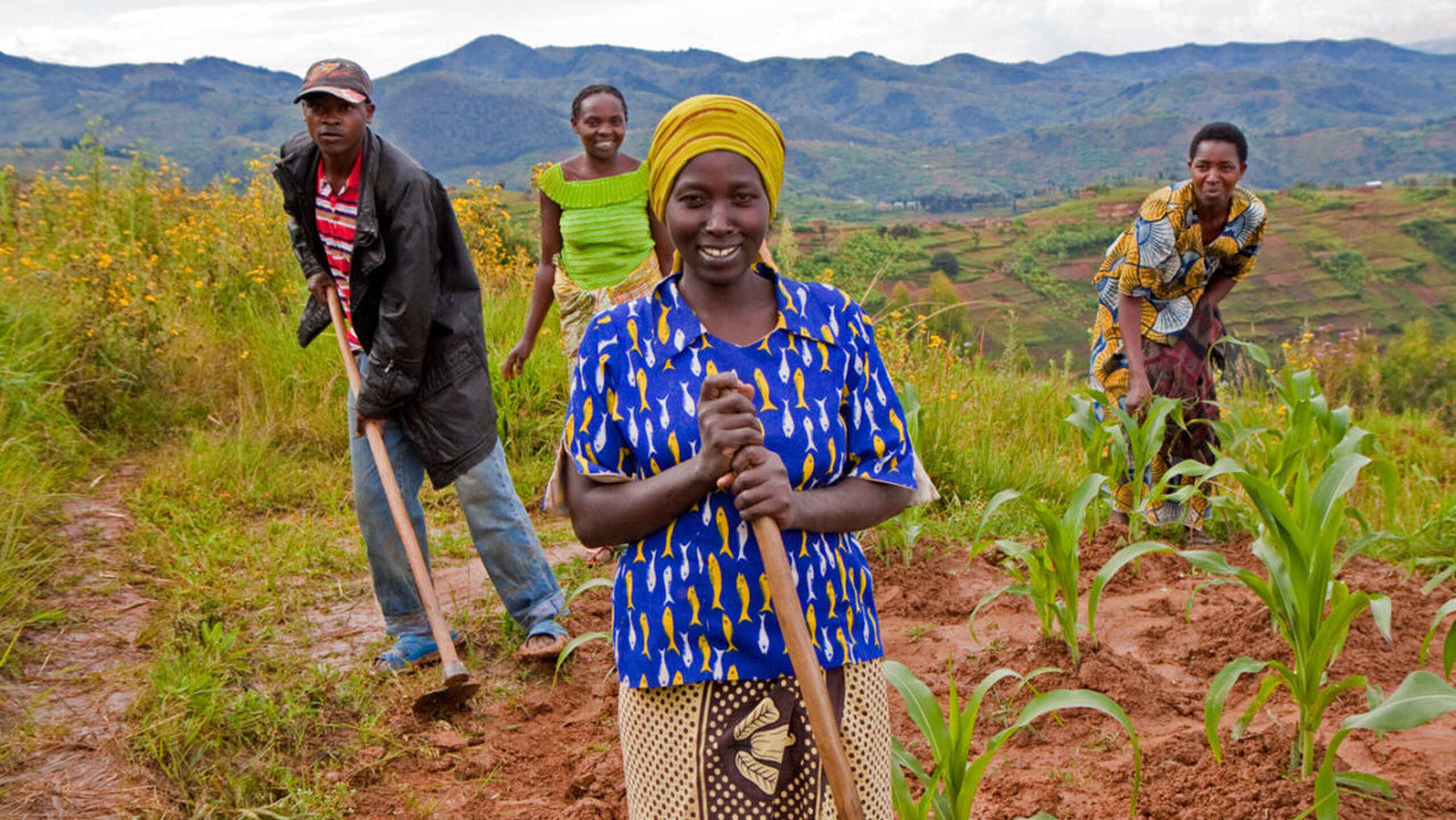
What were the staple crops?
Staple crops: Millet, sorghum, maize, rice, cassava, peanuts, cowpea (1)(6)(7)(8).
What foods did they eat?
A traditional diet in Senegal consisted mainly of millet and sorghum, broken rice (Riz Brisé), seasonal vegetables, fish and tropical fruits. A variety of cooking methods were also used, such as fermenting, soaking of all grain, stewing, and cooking over open fire.
Specific examples of foods include millet, sorghum, fermented cassava (Attiéke), fish, chicken, okra, eggplant, mangoes, bananas, boab.
Cultural eating traditions include communal eating, where meals are typically served from a communal bowl and family members share food using their right hands, fostering togetherness (16) (17) (18) (19).
What did they trade and who did they trade with?
The indigenous peoples of Senegal were integral to broader West African and trans-Saharan trade systems long before Europeans arrived. The Wolof people, one of Senegal’s major ethnic groups, were “known throughout the region for their robust trade economy” (24). There were extensive “long-range trade” networks within Africa that connected various peoples and regions (23).
The indigenous peoples of Senegal traded several agricultural and natural resources including:
Peanuts (groundnuts) (20).
Grains: Millet, sorghum, and rice (21).
Fish: Seafood such as fish, and shrimp (20).
Soups and broths (20).
Other Products
Livestock: Cattle, goats, and sheep (21).
Mineral Resources: Gold (20), phosphates, and salt (Salt from the Sahara was traded southward into sub-Saharan Africa) (21).
Crafts and Textiles: Traditional crafts and textiles were traded locally and regionally.
Trading Partners:
Other neighboring indigenous tribes: Both local and regional trade was common.
Prior to the European voyages of exploration in the fifteenth century, African rulers and merchants had established trade links with the Mediterranean world, Western Asia, and the Indian Ocean region. Within the continent itself, local exchanges among adjacent peoples fit into a greater framework of long-range trade (23).
More Stories
Support our work
Stay Connected
You’ll receive our monthly Field Notes newsletter, project updates, and free resources, plus you’ll get first access to new stories.

Make a Donation
Your tax-deductible gift fuels the storytelling that shifts culture, the organizing that turns awareness into collective action, and the relationships that make long-term systems change possible.