
Santa Barbara
The original indigenous name of Santa Barbara is Syuxtun and the original peoples are the Chumash peoples, settling over 5,000 years ago. They call the broader region Siujitu and were caretakers of the western gateway of the Pacific.
Several Chumash villages flourished in what is now Santa Barbara:
- Syuxtun: The largest village, located between Bath and Chapala streets
- Mispu: Now occupied by Santa Barbara City College
- Amolomol: At the mouth of Mission Creek
- Swetete: Above the present bird refuge
en
What is the indigenous name of that country?
Who were the original peoples of the land?
The Chumash people were the original inhabitants of the Santa Barbara region, having settled there more than 5,000 years ago (3). They called the broader region Siujitu and believed they were caretakers of the western gateway of the Pacific (3). Several Chumash villages flourished in what is now Santa Barbara:
- Syuxtun: The largest village, located between Bath and Chapala streets
- Mispu: Now occupied by Santa Barbara City College
- Amolomol: At the mouth of Mission Creek
- Swetete: Above the present bird refuge
We can trace the Chumash people back approximately 13,000 to 15,000 years in the coastal regions of southern California.
How far back can we see the agriculture of this land?
The Chumash people have a long history of plant management and food production practices that evolved over thousands of years. While they did not practice agriculture in the modern sense, their sophisticated approach to plant use can be traced back approximately 8,500 years:
- Early Plant Use: During the “Millingstone Horizon” or “Oak Grove” period, the Chumash began using milling stones (basin metates and manos) to grind small, hard seeds from grasses and sage (4). This marks the earliest evidence of plant-based food processing in the region.
- Intensification of Plant Management: Around 5,000 years ago, stone mortars and pestles appeared, indicating that acorns had become an important food source (4). By 3,200 years ago, the Chumash were practicing more sophisticated plant management, including selective burning to promote the growth of seed-bearing plants (4).
- Impact of European Contact: The arrival of Spanish colonizers in the late 18th century brought significant changes to the Chumash landscape and traditional food systems (5). The missions and ranchos introduced large herds of cattle, horses, and sheep, which devoured much of the native vegetation (5).
What tools did they use?
- Grinding Implements: Mortars, pestles, metates, and manos were used for grinding seeds, nuts, and acorns (6)(7).
- Stone Tools: Knives, saws, scrapers, chisels, axes, hammer-stones, and drills were made from flaked stone (6).
- Wooden Tools: Many tools were made from wood and fitted with wooden handles (6).
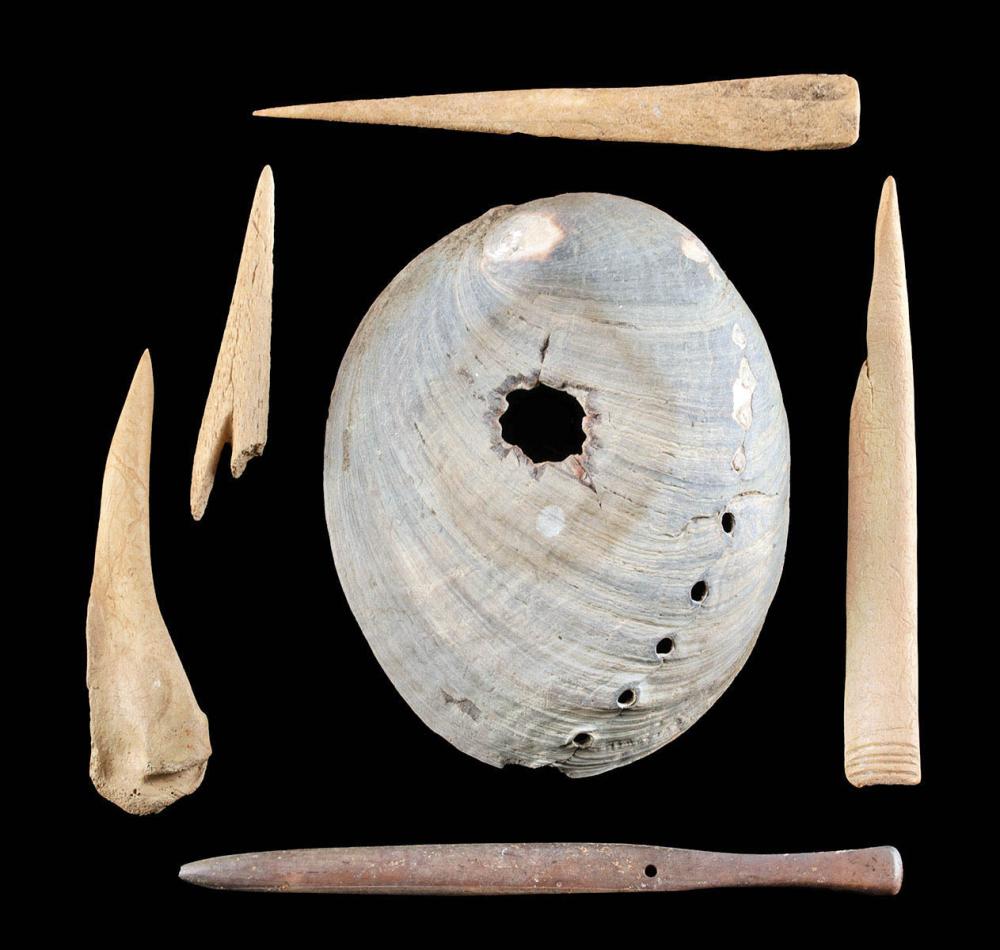
- Antler Tools: Antler wedges were used to split logs (8).
- Shell Tools: Rubbing tools made of shell were used for smoothing wooden planks (8).
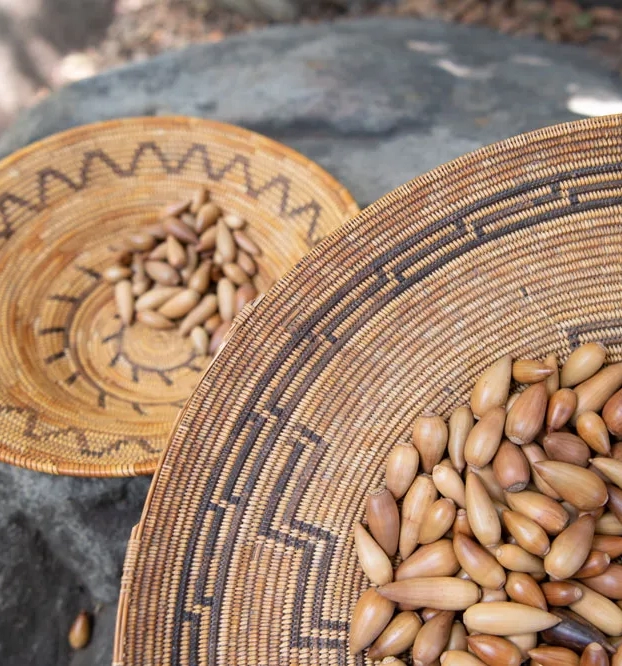
- Baskets: The Chumash were skilled basket weavers, creating a variety of baskets for different purposes, including storage and food preparation (7).
- Plank Boats (tomols): These were built from driftwood, preferably redwood, sewn together with plant fibers and sealed with moss and asphaltum (6).
- Fishing Equipment: Fishing lines were made from dogbane (7).
- Cooking Implements: Waterproof cooking baskets lined with tar were created (6).
- Hunting Tools: Bows, arrows, and spears were used for hunting.
What animals did they manage?
What resources did they have available?
- Seafood and Marine Resources: The Chumash homeland was rich in marine life, providing a wide variety of food supplies. They relied heavily on the sea, using over a hundred kinds of fish and gathering shellfish such as clams, mussels, and abalone (9).
- Land Animals: They hunted both small and large animals, including deer, rabbits, bear, and quail (9).
- Plant Foods: The Chumash gathered acorns, a staple food, as well as over 150 species of wild native plants for food, medicine, clothing, shelter, basketry, and tools (9).
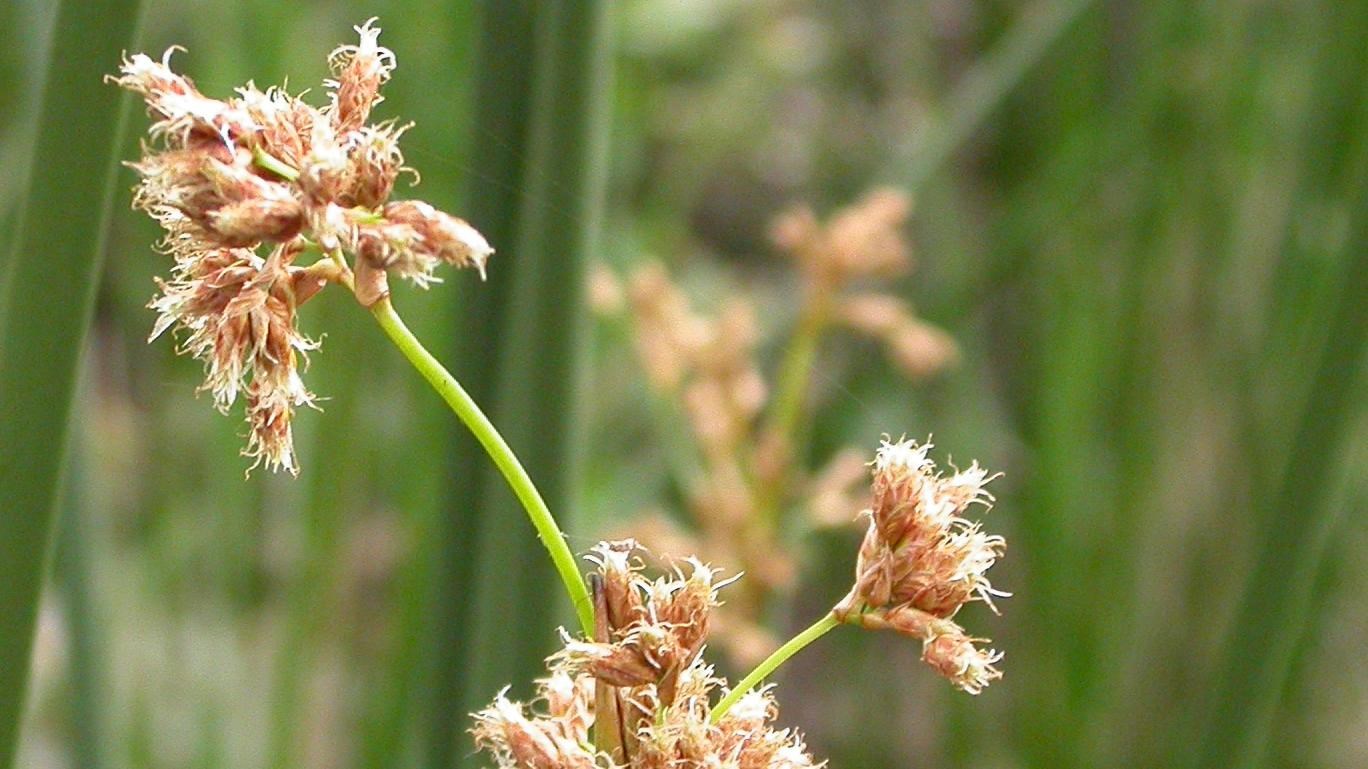
- Vegetation for Tools and Shelter: Materials like juncus rush and tule (bulrush) were used for basketry and building shelters. Driftwood, especially redwood, was used to build plank boats (tomols) (9).
- Medicinal Plants: The Chumash utilized various plants for medicinal purposes. For example, willow bark was used for its medicinal properties (6).
- Water Resources: The Chumash had access to freshwater sources such as rivers and creeks. Today, the Santa Ynez Chumash Environmental Office monitors water quality in Zanja de Cota Creek to ensure ecosystem health (6).
- Raw Materials for Trade: Shells were used to make bead money (‘alchum) and traded obsidian (volcanic glass) obtained through their extensive trade networks (9).
These resources supported a complex society with a rich cultural heritage that was deeply connected to the natural environment around them.
What were the staple crops?
The Chumash did not cultivate crops in the traditional agricultural sense. Their primary staple foods were gathered from the wild rather than grown. The Chumash relied on a variety of plant foods, including:
- Acorns: A staple food, gathered in fall and processed to remove tannins (4).
- Seeds: Manzanita, chia, and others were ground into meals (4).
- Bulbs, Roots, and Tubers: Roasted or baked in underground earth ovens (4).
Rather than cultivating crops, the Chumash practiced sophisticated plant management:
- Selective burning to promote desired plant growth (4).
- Gathering expeditions to mainland areas for plants less abundant on the islands (5).
What foods did they eat?
- A traditional diet in Senegal consisted mainly of millet and sorghum, broken rice (Riz Brisé), seasonal vegetables, fish and tropical fruits. A variety of cooking methods were also used, such as fermenting, soaking of all grain, stewing, and cooking over open fire.
- Specific examples of foods include millet, sorghum, fermented cassava (Attiéke), fish, chicken, okra, eggplant, mangoes, bananas, boab.
- Cultural eating traditions include communal eating, where meals are typically served from a communal bowl and family members share food using their right hands, fostering togetherness (16) (17) (18) (19).
What did they trade and who did they trade with?
The Chumash people engaged in extensive trade with various tribes both along the coast and inland. They had well-established trade networks that facilitated the exchange of goods over long distances, helping maintain social connections and alliances with neighboring tribes. This contributed to regional cohesion and stability (11).
The indigenous Chumash peoples traded several agricultural and natural resources including:
- Marine Resources: Items from the sea, such as abalone, clams, and shell beads (11).
- Crafted Goods: The Chumash were known for their finely crafted baskets and wooden boats (tomols), which were also traded (11).
- Food Items: Plant foods like acorns and seeds were traded for their importance in ritual offerings (12).
- Raw Materials: Obsidian, salt, and black pigment (11).
Trading Partners:
- Yokuts: The Chumash traded marine resources with the Yokuts of the Central Valley in exchange for goods like obsidian and antelope skins (11).
- Salinans: They supplied the Salinans in the north with wooden boats and beads (11).
- Mojave Indians: The Chumash traded with the Mojave Indians, who lived over 400 miles away (11).
CITATIONS
- A History of Santa Barbara
- History of Santa Barbara
- Indigenous People: Chumash Indians
- Santa Barbara Museum of Natural History: Timeline
- Chumash Native Plant Usage
- Chumash Era
- Chumash – Kids: Brittania
- What did the Chumash use for Tools?
- Santa Barbara Museum of Natural History: Daily Life
- What did the Chumash Eat?
- Native Americans of the Californian Coast: The Chumash
- Sukinanik’oy Garden of Chumash Plants