Meet A Farmer: The Women of 10 Trees
Through training and support, the women of 10 Trees in Orpen Gate Village, South Africa, are growing gardens, nurturing independence, and planting the seeds of a regenerative future.
Farmer’s Footprint is a nonprofit initiative dedicated to restoring human and environmental health by advancing regenerative agriculture through education and storytelling.
Seeds of Change: The Birth of the 10 Trees Program
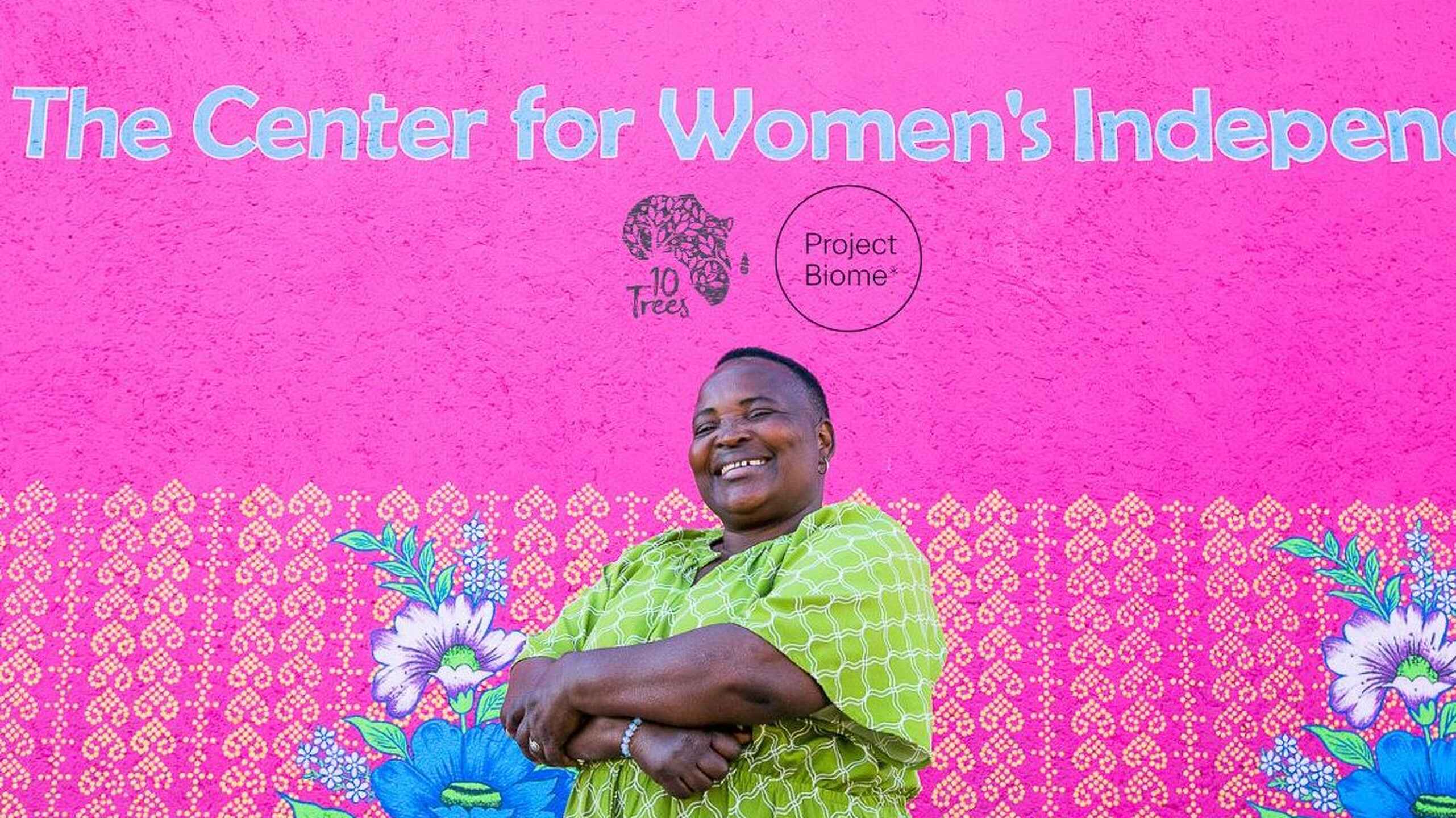
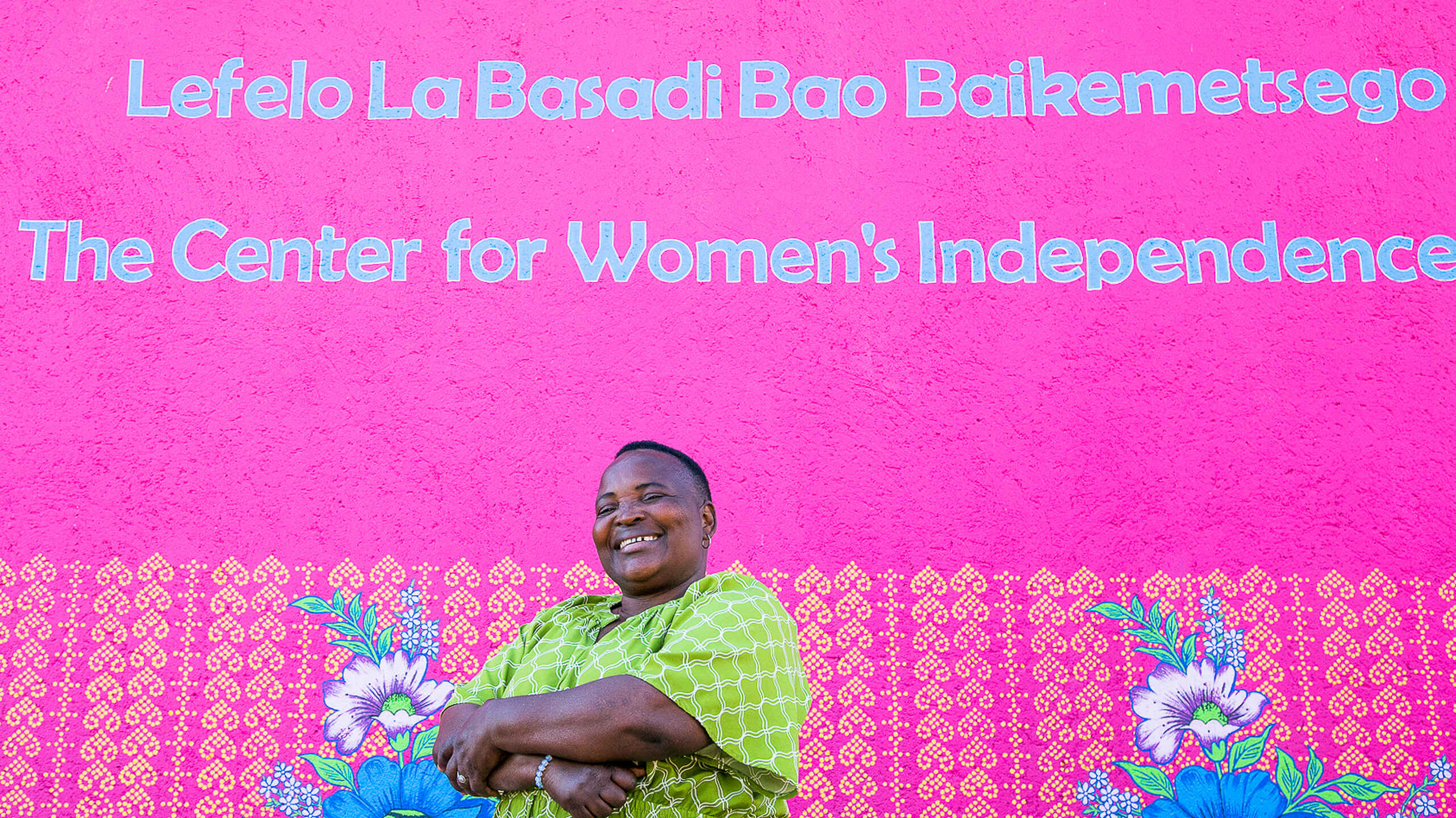
Early in July, about half an hour before the 10 Trees class was to begin, women had started gathering outside the Center for Women’s Independence. This vibrant pink building houses Zingela Ulwazi Trust, a community nonprofit based in Orpen Gate Village, a small village settlement in Mpumalanga province, South Africa. Despite the sharp chill of a July winter, their anticipation was palpable. Some chatted animatedly near the shop across from the center, while others stood by the front gate, pen and paper in hand, ready to learn.
Late arrivals were rare—even with babies and toddlers in tow. Their punctuality wasn’t driven by fear of reprimand, but by an eagerness to savor every moment of class. From a distance, Trygive Nxumalo, Director of Permaculture Education and Community Development, lifted his voice in the popular Xitsonga hymn “Angakona waku fana na Yeso” (“There is no one like Jesus”), leading the group into a joyful song and dance. Once the festivities subsided, the women moved inside the center, settling into chairs arranged in a welcoming circle.
Launched in June 2023, the 10 Trees Program is a partnership between Zingela Ulwazi and Project Biome, founded on a simple conviction: when you give a household 10 trees and/or shrubs, you can strengthen food security and alleviate poverty. The curriculum includes five core classes, with specialized lessons on pest control, soil health, and medicinal plants. Led by Trygive, the team surveys Orpen Gate Village, identifying women-led households without trees.
Eligible homes are enrolled and receive training in tree cultivation and care. Each lesson blends theory and hands-on practice, equipping participants with the skills and knowledge to grow and maintain their gardens.
Permaculture is central to the ethos of Zingela Ulwazi. Founded in 2014 by Stella Horgan, now Executive Director of Project Biome, the nonprofit began by developing libraries and distributing books in the town of Acornhoek. For Stella, a lifelong advocate for social justice and environmental rights, the organization reflects her deep commitment to humanity, nature, and equality. Earning community trust in Orpen Gate Village was spearheaded by Lillian Marule, the respected Community Liaison and Center Manager, who helped overcome local skepticism toward nonprofits that had previously arrived with cameras and lofty promises, but little follow-through.
Over time, Zingela Ulwazi expanded to include business development, self-defense, women’s empowerment, and mindset management. At its essence, the organization holds the belief that when a woman secures her food, livelihood and personal security, true independence is possible.
Gathering Roots: Building Trust and Community
Trygive began the class with a prayer, followed by an “energy clearing” exercise to help release difficult emotions. Though warm and humorous, the practice holds deep meaning. Like many communities in South Africa, women and girls in Orpen Gate Village face the widespread trauma of gender-based violence. This ritual offers a safe space for them to process pain and affirm their worth. Becky Harmon, Special Projects Coordinator, explained that integrating energy clearing and mindset work, both of which are grounded in neurobiology and quantum physics, is vital to the Center for Women’s Independence.
“Women are the backbone of society, especially in rural areas. They care for children, take in orphans, and provide for families. But nobody really acknowledges that.”
Originally from the United States, Becky came to South Africa in 2009 to direct Seeds of Light, a nonprofit that empowers rural communities in Mpumalanga through education, food security, arts and culture programs, and holistic support for children and youth. Through her involvement in school garden projects, she came to embrace permaculture as a solution to providing food security while safeguarding the well-being of their children.
Becky was part of the development of Zingela Ulwazi since 2014, helping it evolve into a pillar of hope and support for the community. When she returned to South Africa in 2017 after bereavement leave, she brought her passion for permaculture education to the organization. In March 2019, they launched Permaculture Explorers, a pilot program combining permaculture gardening, small enterprise, and mindset management for 20 women-headed households, impacting about 118 people.
Trygive, once a general worker and gardener at the school that Becky supported, embraced permaculture’s core values of self-sufficiency, sustainability, and resilience. “[Zingela Ulwazi] speaks directly to what I love most, which is community development and teaching,” he said. “I don’t like to be too formal in my life. When I’m here, I don’t feel like I’m going to work. I feel like I’m having fun.” Starting part-time in 2019, Trygive became full-time in February 2024 — an appointment that still fills him with pride. “Well, I’m happy I got a promotion,” he laughed, his voice rich with a cheeky delight.
Cultivating Confidence: Overcoming Trauma Through Community
Trygive’s journey wasn’t without challenges. Early on, some women were intimidated by his robust build and booming voice, reminding them of men who had abused them. It was the emotional techniques he incorporated into the lessons that ultimately broke down this barrier.
“When we incorporated mentality control (mindset work) and stress reduction into the curriculum, I was able to teach people while learning myself,” Trygive said. “When I visited houses to select women for 10 Trees, those lessons helped me understand what the women were going through, and how I could provide a solution with permaculture and planting trees.”
The practical use of these concepts emerged during a session in which Trygive and Joel Sithole, Zingela Ulwazi’s Tree Expert, reenacted a scenario where a woman rejects a man’s sexual advances, highlighting a woman’s right to say no. Though two male educators teaching emotional regulation through an empowering lens might invite skepticism, Trygive and Sithole combined social justice with neurobiology with care and sensitivity. Their efforts earned them a reputation as “safe men” among the students.
Ancestral Inheritance: Indigenous Knowledge and Environmental Stewardship
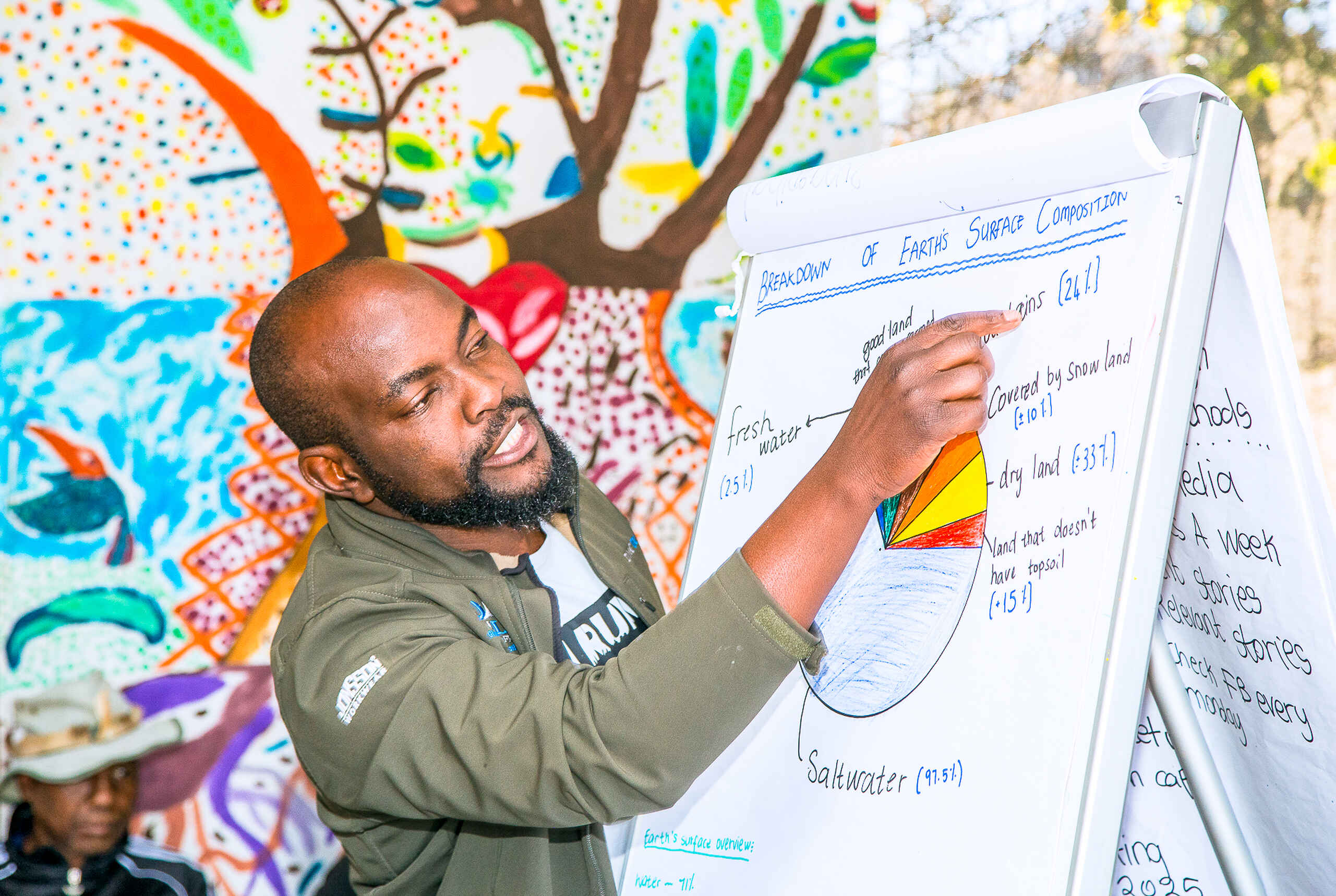
Joel is the newest member of Zingela Ulwazi, joining a team that includes Quentan Marule, co-founder of the Sekwanele self-defense program, Suzan Mashego, Community Liaison, and December Ndhlovu, Traditional Leader, Community Organizer, and Founder of Ratanang Colab in neighboring Bushbuckridge. A skilled field ranger, bird guide, and indigenous medicinal plant expert, Joel is passionate about environmental education. “I love working with the community,” he said. “When I was asked to join [Zingela Ulwazi], it meant the world to me because I enjoy planting and learning about medicinal plants.” In class, he used a pie chart to explain the earth’s surface and guided women to explore plants like lavender, lemongrass, and acacia karroo from the garden.
“I want to pass down the knowledge our ancestors used. When I have a cold or headache, I can look to nature to help me.”
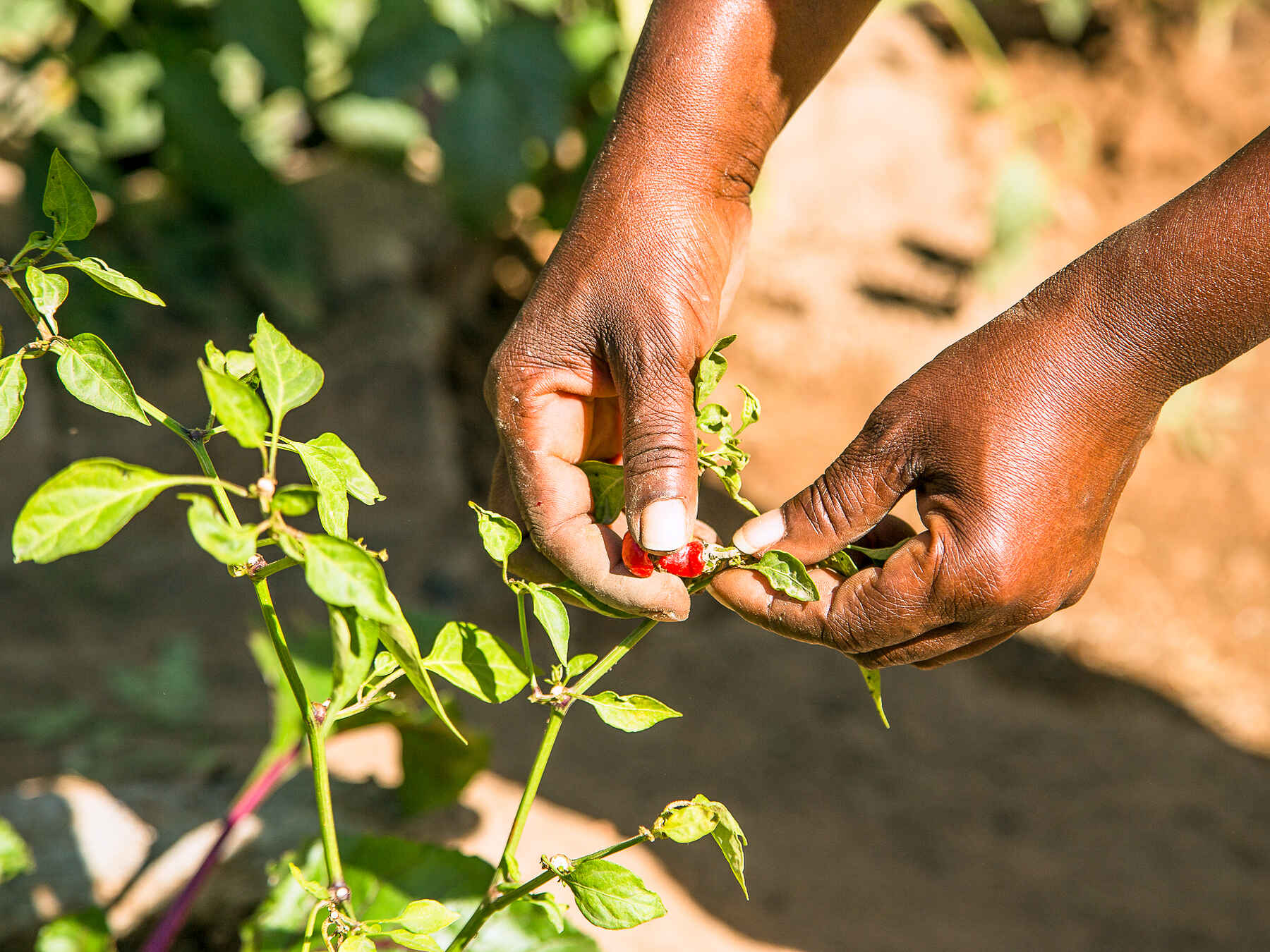
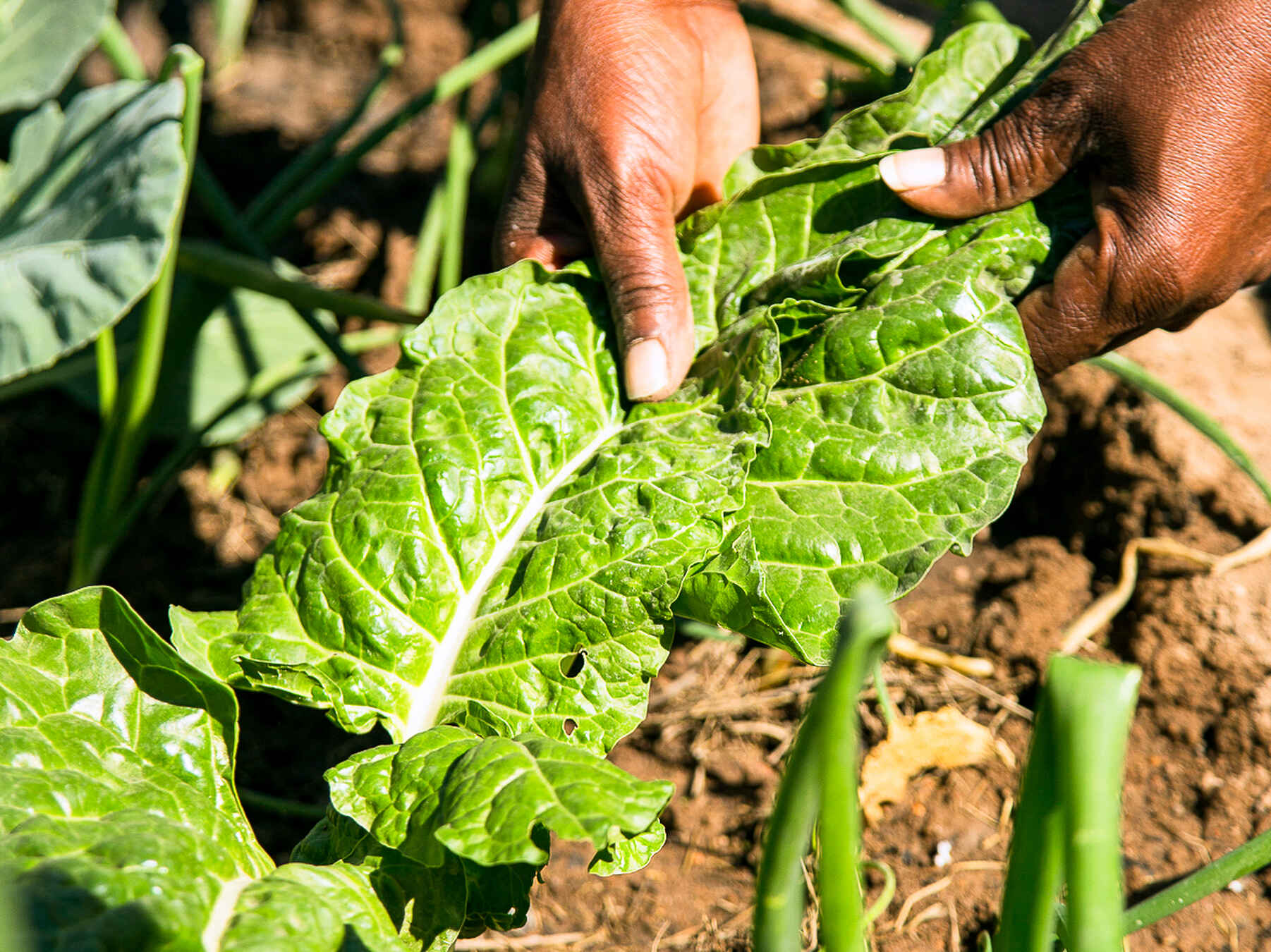
Faces of the Program: Women Cultivating Agency and Abundance
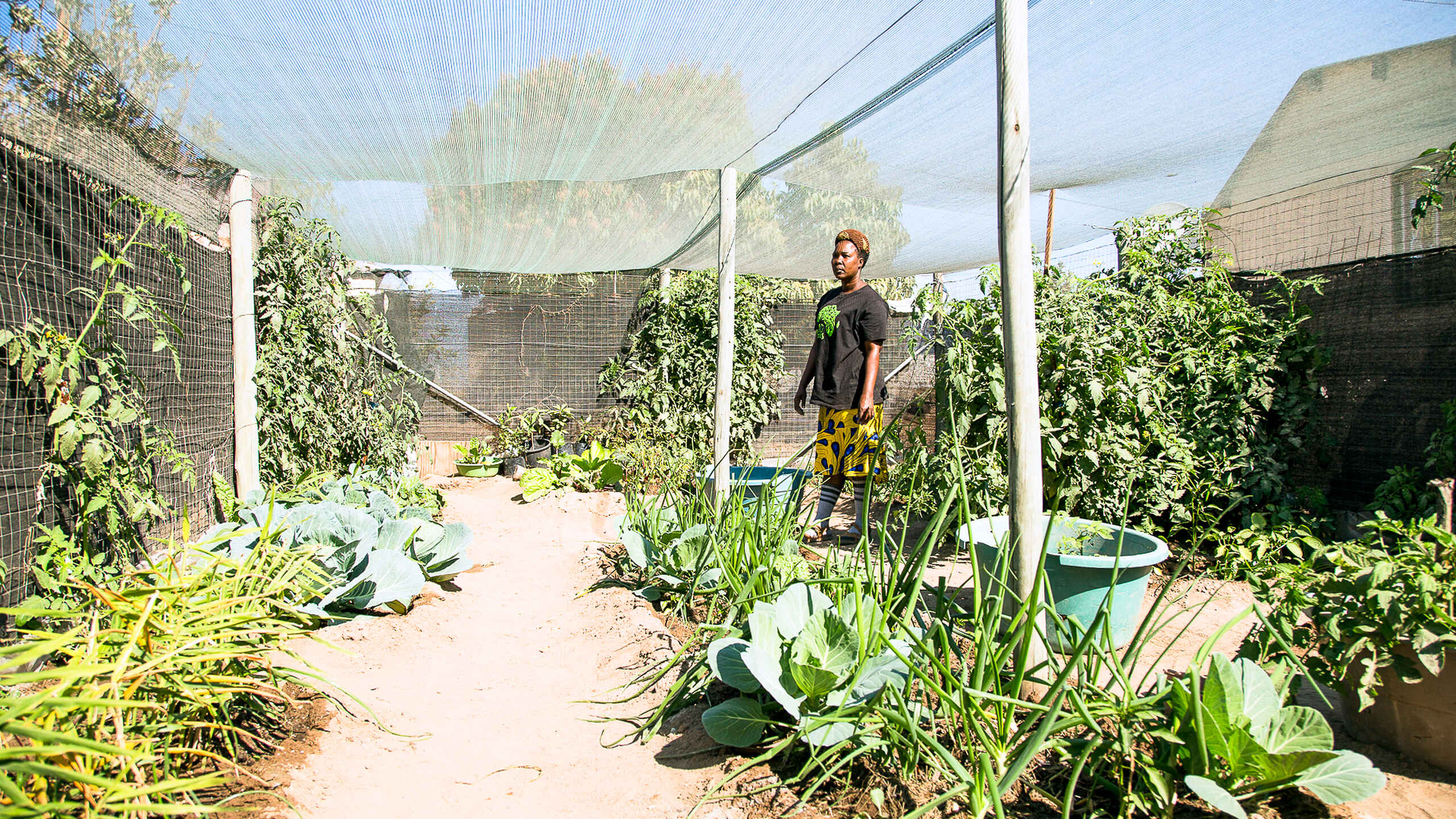
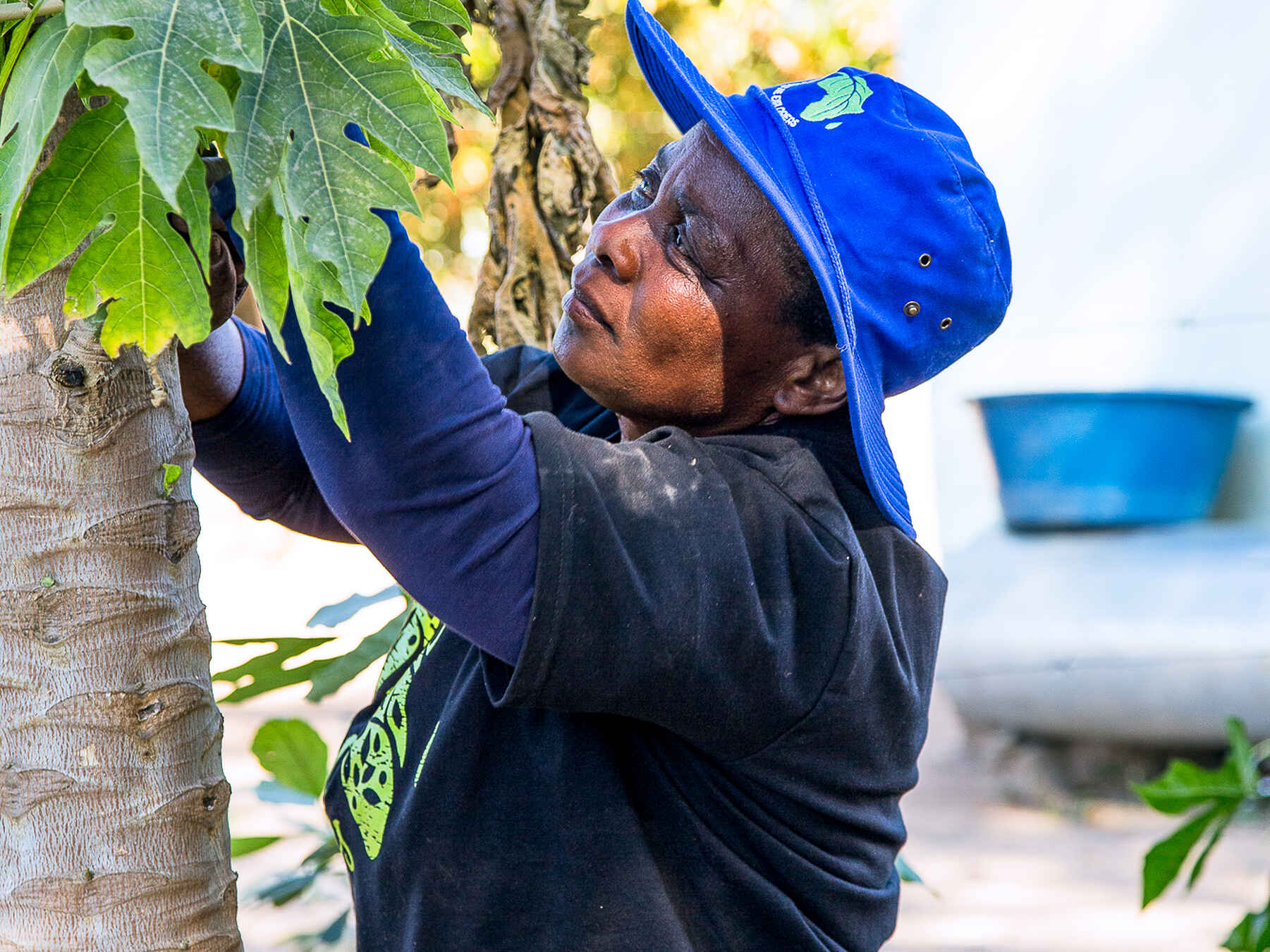
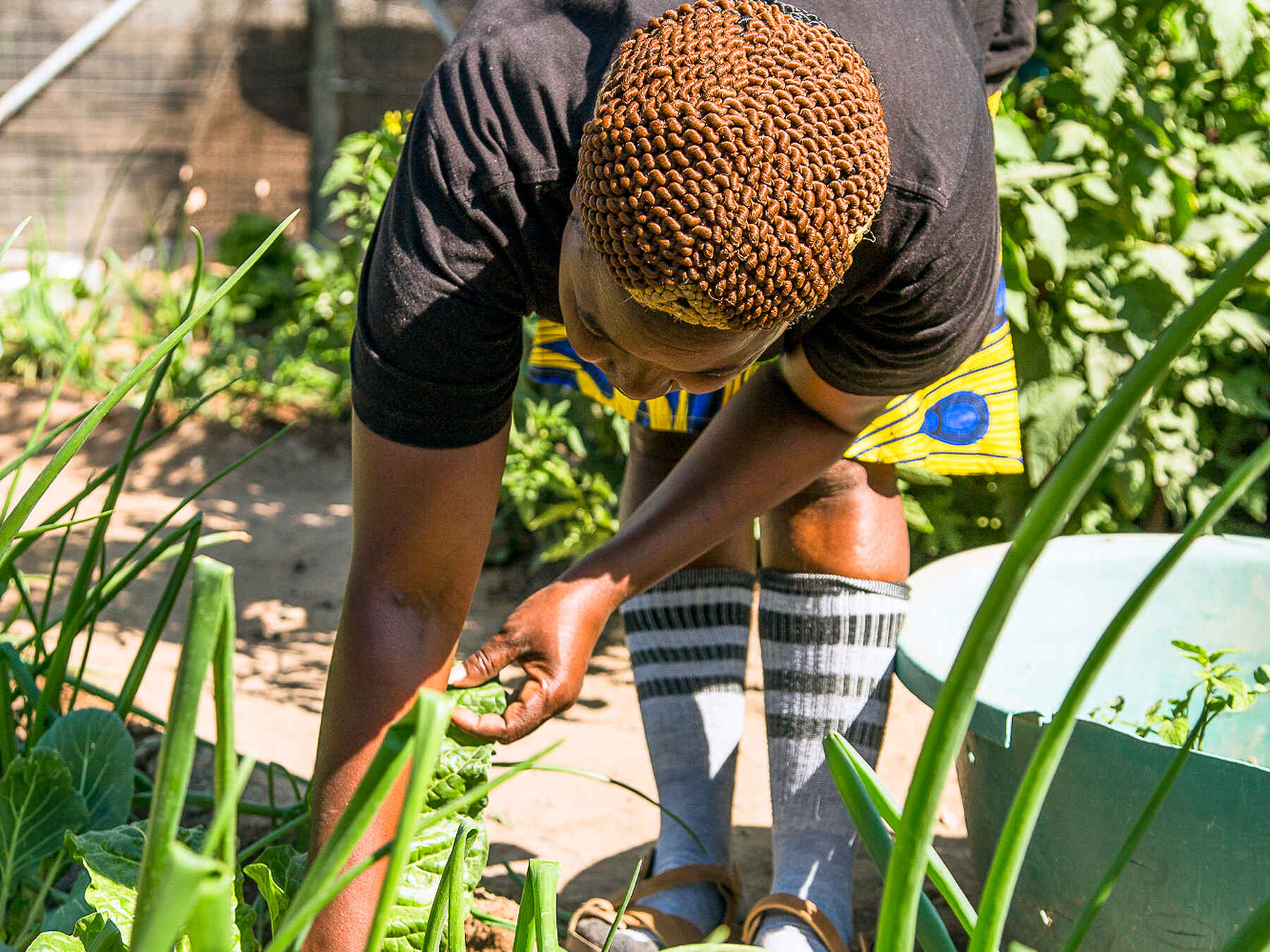
Despite these challenges, 10 Trees beneficiaries like Winnie Shongwe have found hope. Joining the program in August 2024, Winnie is known for her quiet nature. “I’m not a person who talks or smiles a lot,” she said, opening the gate to her prosperous home garden. Winnie’s garden, protected by 10 Trees’ netting, now thrives with spinach, peppers, and okra — living symbols of abundance through agency. Not too long ago, she had to ask neighbors for food. “They couldn’t even give me a beetroot leaf,” she said, eyes glistening in the sunlight. She understands their reluctance wasn’t out of malice but necessity. “Life here isn’t easy. Back then, I didn’t have money to feed myself or my family. I struggled a lot,” she admitted, while watering her vegetables. Yet she reflects with gratitude.
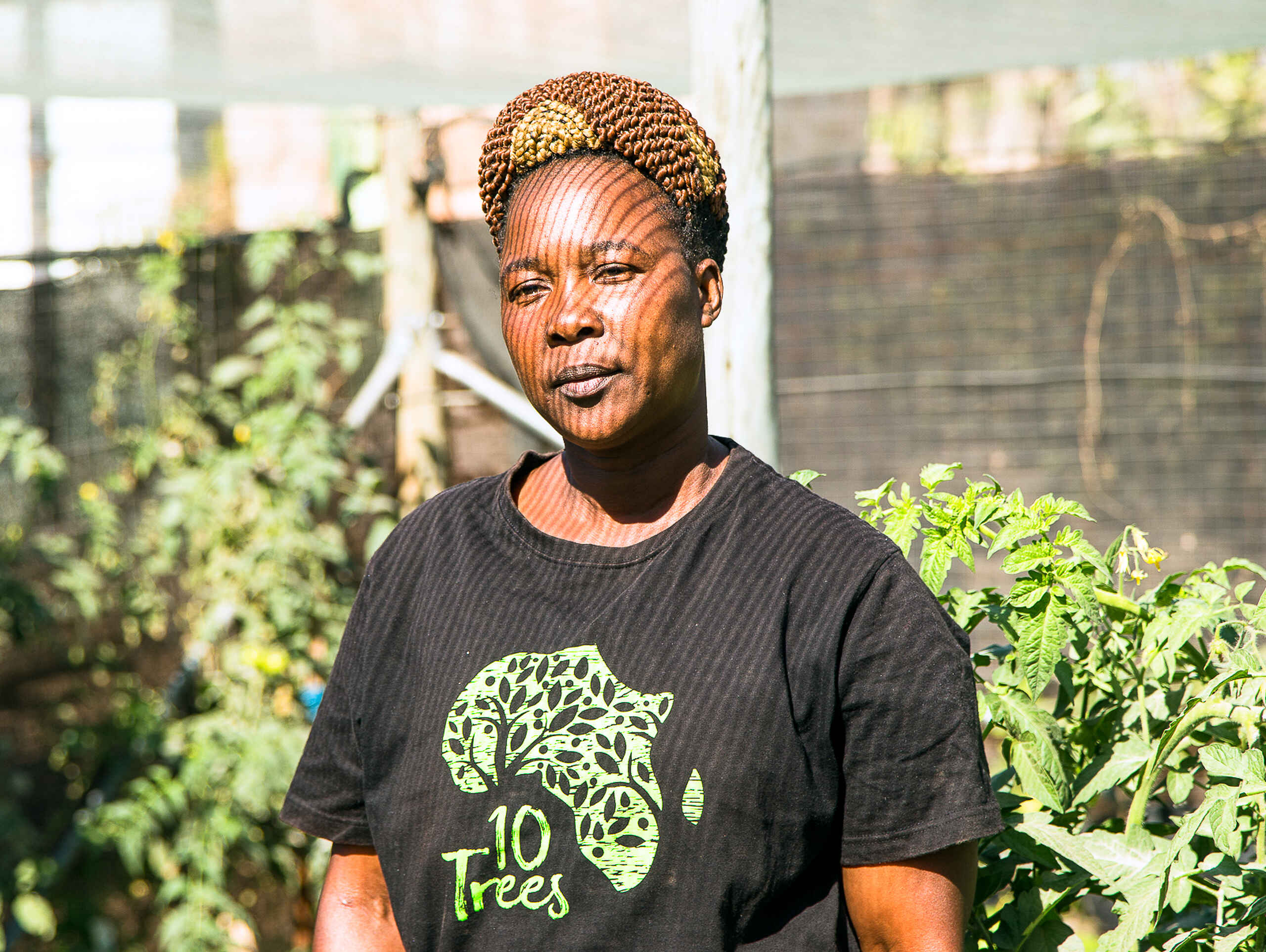
“I feel very blessed. I sell vegetables to my neighbors. Sometimes I even give them away for free because I know what it’s like to be hungry.”
Winnie embodies the kindness and empathy that programs like the 10 Trees Program celebrates and nurtures. Alongside participating in Permaculture Explorers, she was named a head coach at Sekwanele, where her shyness fades away as her strength takes center stage. Through permaculture and self-defense, she’s become a role model for the girls in Sekwanele, embodying an aspirational yet attainable form of womanhood.
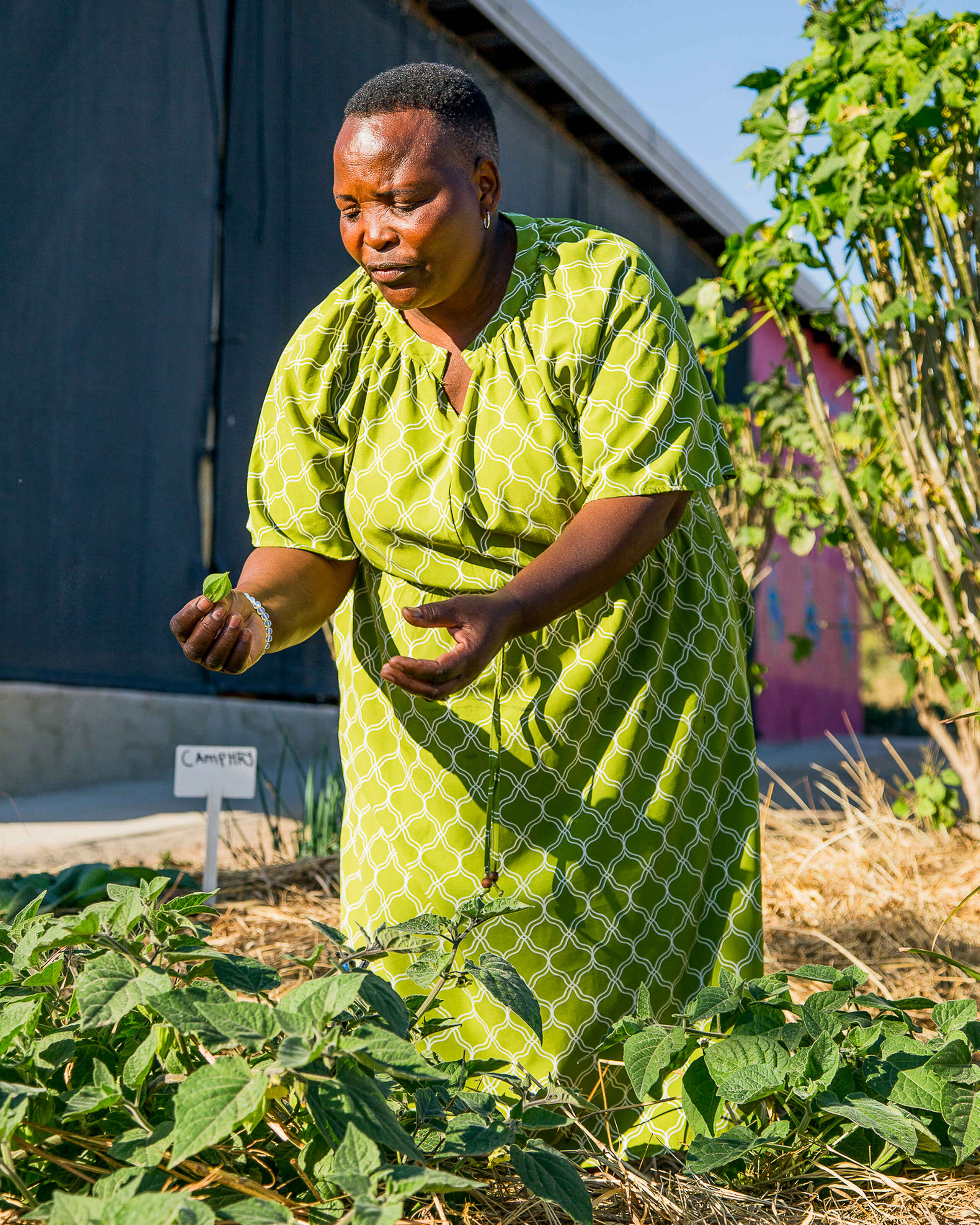
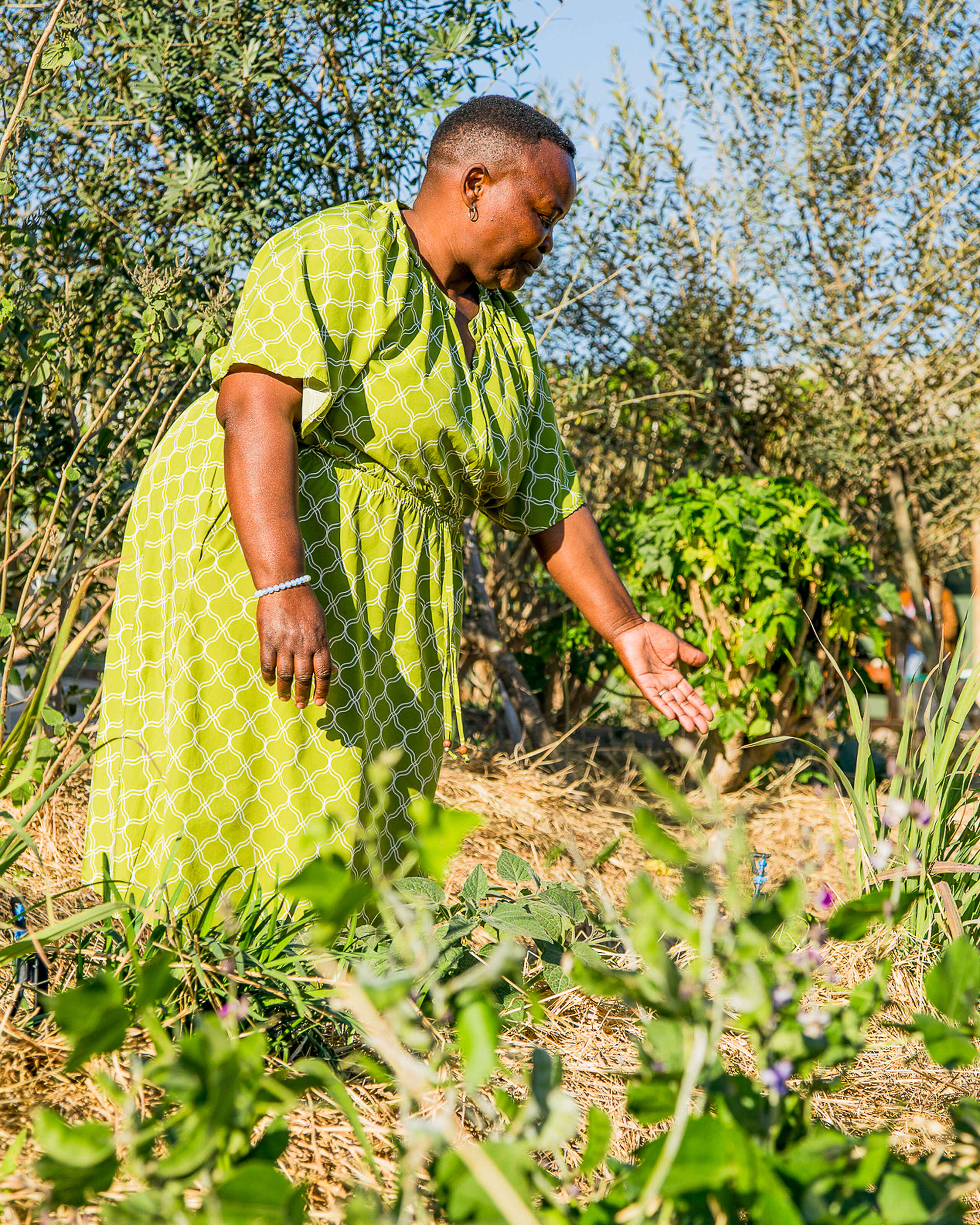
Thandi Manganye joined 10 Trees in June 2024 after seeing its impact on the wider community. A diminutive but strong woman with a warm smile, she’s known as one of the friendliest at the Center for Women’s Independence. “10 Trees has been a good program for me,” she said, showing us a garden that, she admitted, had fallen victim to the harshness of the Lowveld winter. A tall papaya tree towers over her white house, while her grandchildren peeked from the window as she pointed out indigenous medicinal herbs and an assortment of beans that she’d planted. Like Winnie, she values the economic relief the program and Permaculture Explorers have provided.
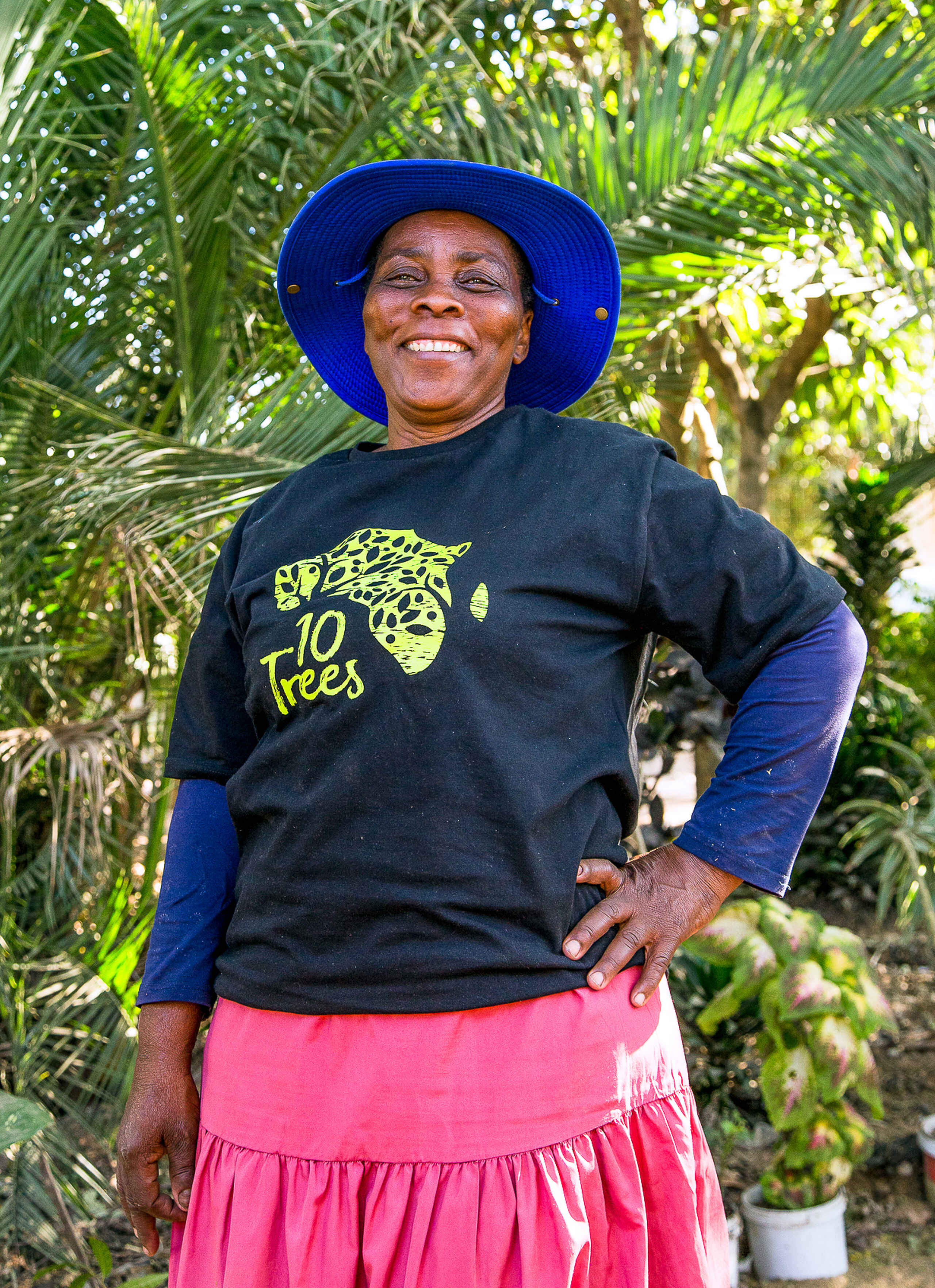
“In this program, we’ve learned how to plant trees and how to protect them, because trees protect us,” Thandi said. “We’ve been able to survive and make a living.”
In May, she was named a tree mentor for her dedication to the program, a moment of celebration for her peers as much as it was for herself.
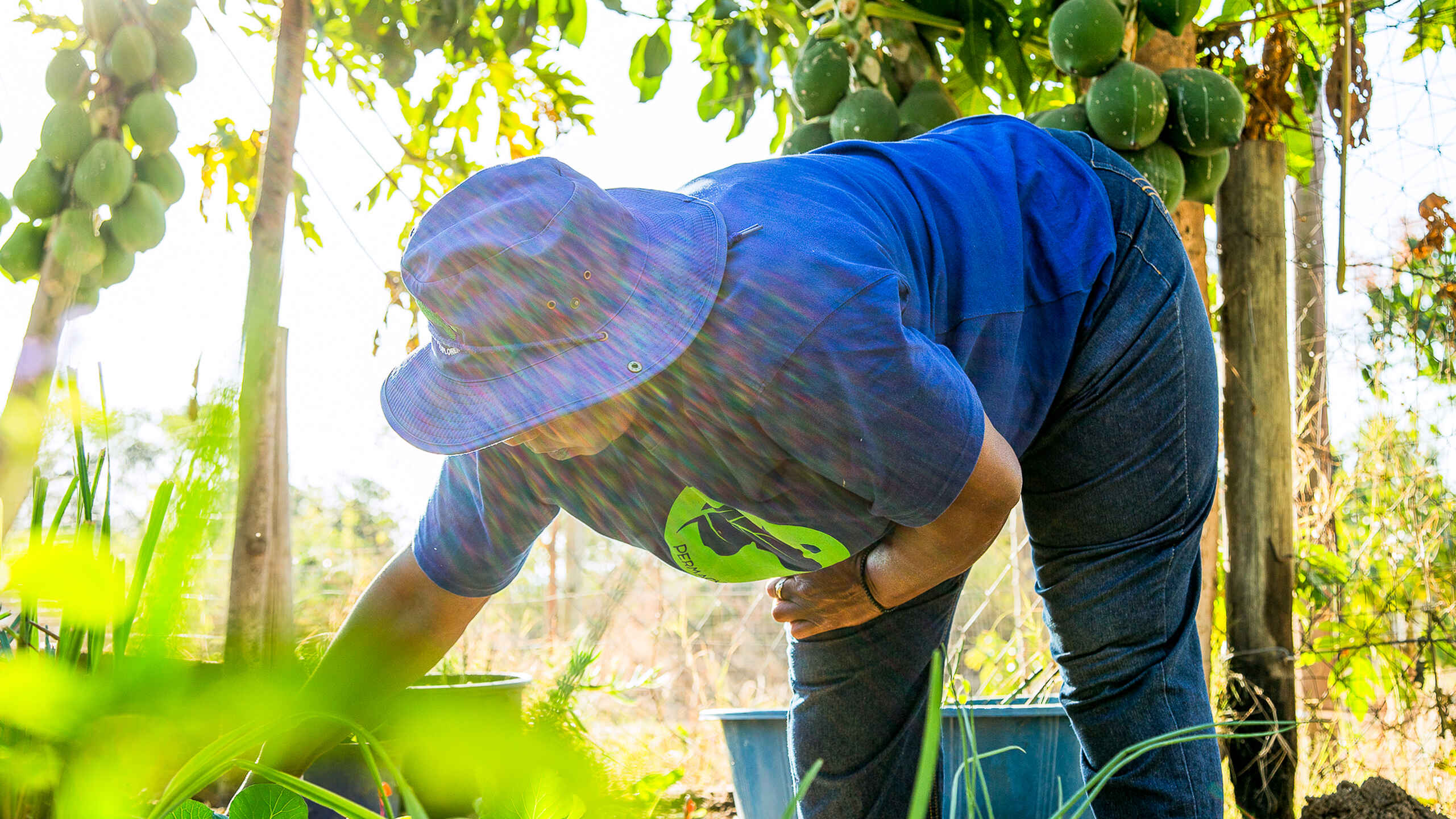
Delinah Nyathi has the delightful gift of making strangers feel instantly welcome. When the Project Biome team visited the Center for Women’s Independence in October 2023, she smiled boldly to founder Zach Bush and told him “You’re coming with me.” That warmth and confidence have made her a vital presence across 10 Trees, Permaculture Explorers, and Zingela Ulwazi. Her energy is balanced by a deep care for the women in her classes and the Orpen Gate community. Delinah moved to Orpen Gate well over a decade ago seeking work. Since joining 10 Trees, she’s built a thriving garden with a granadilla arbor, banana and papaya trees, and neat rows of spinach, onions, and peppers. “Lettuce is very difficult to grow,” she sighed while pruning granadilla leaves carefully. “It really stresses me.”
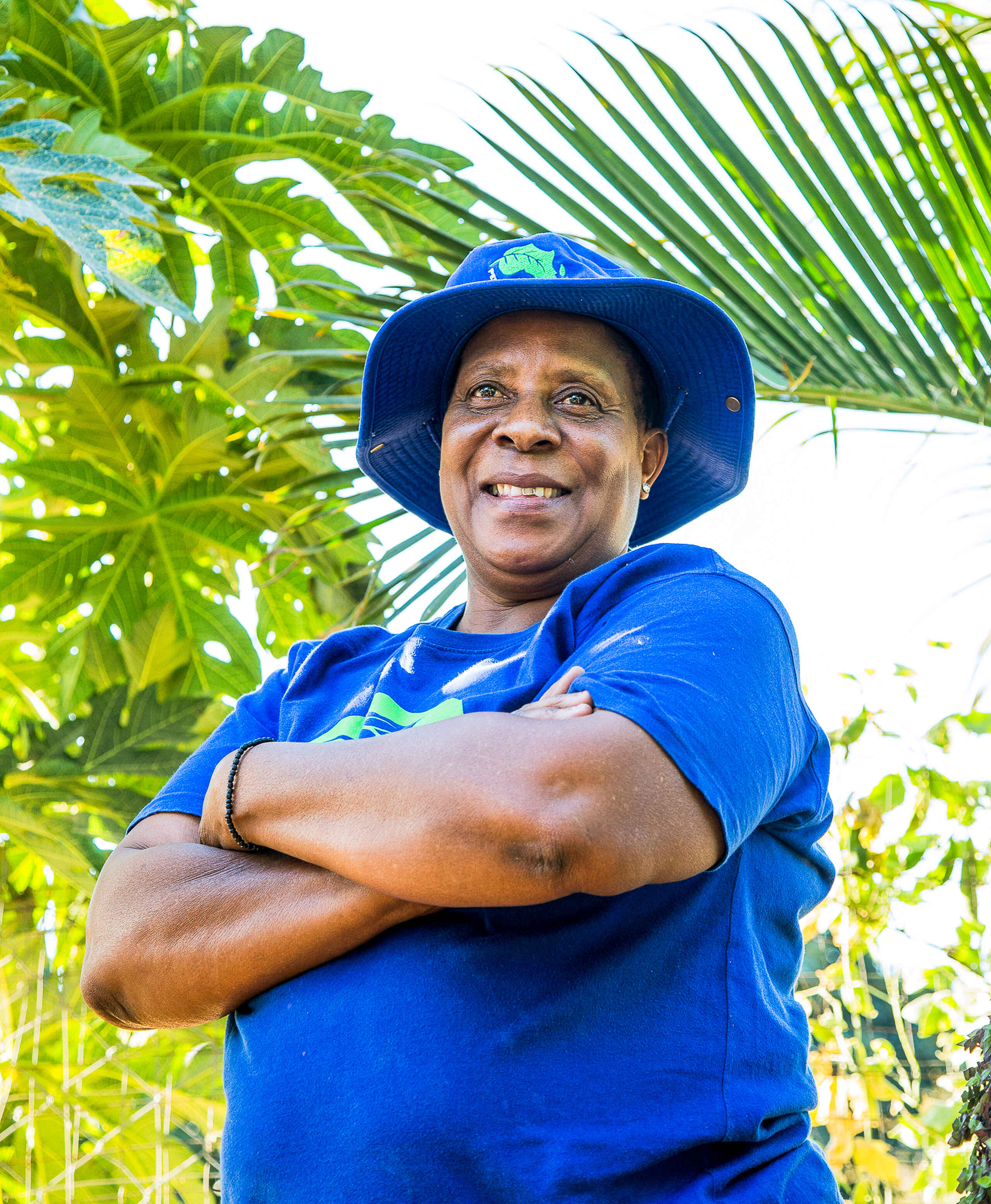
“This program is a great initiative because we’re able to [plant] veggies, sell them, and get money to provide for our families. I’m happy we have herbs we can mix whenever we’re sick. When we don’t have the money to go to the doctors, we can make our own remedies to take care of ourselves.
The arbor is the heart of her garden, offering a peaceful retreat even with the clucking of hens in the background. Though her garden flourishes, she treasures her small nursery of indigenous medicinal herbs most. Her nurturing spirit has transformed the garden into a place of healing and care.
A Growing Green Belt: Vision for Food Sovereignty and Regeneration
As the garden tour came to an end, Trygive pointed to the green bursts in backyards of the community. “You can see the impact of this program just by looking around,” he said. “We want to create a green belt between Orpen Gate Village and Bushbuckridge through 10 Trees.” The influence of 10 Trees is clear not only in the gardens, but in the shared purpose felt at the Center for Women’s Independence. “I’ve gained the confidence to do things I never thought I’d do,” Trygive said. “I was never passionate about trees. I loved growing vegetables and fruits, but never trees. Now when someone chops a tree, they chop a part of my heart.” Zingela Ulwazi shows that 10 Trees is more than planting trees. It’s a vision for transforming food systems by empowering women, offering a global model for a regenerative future.
To learn more about the 10 Trees project, please visit Zingela Ulwazi
More Stories
Support our work
Stay Connected
You’ll receive our monthly Field Notes newsletter, project updates, and free resources, plus you’ll get first access to new stories.

Make a Donation
Your tax-deductible gift fuels the storytelling that shifts culture, the organizing that turns awareness into collective action, and the relationships that make long-term systems change possible.